
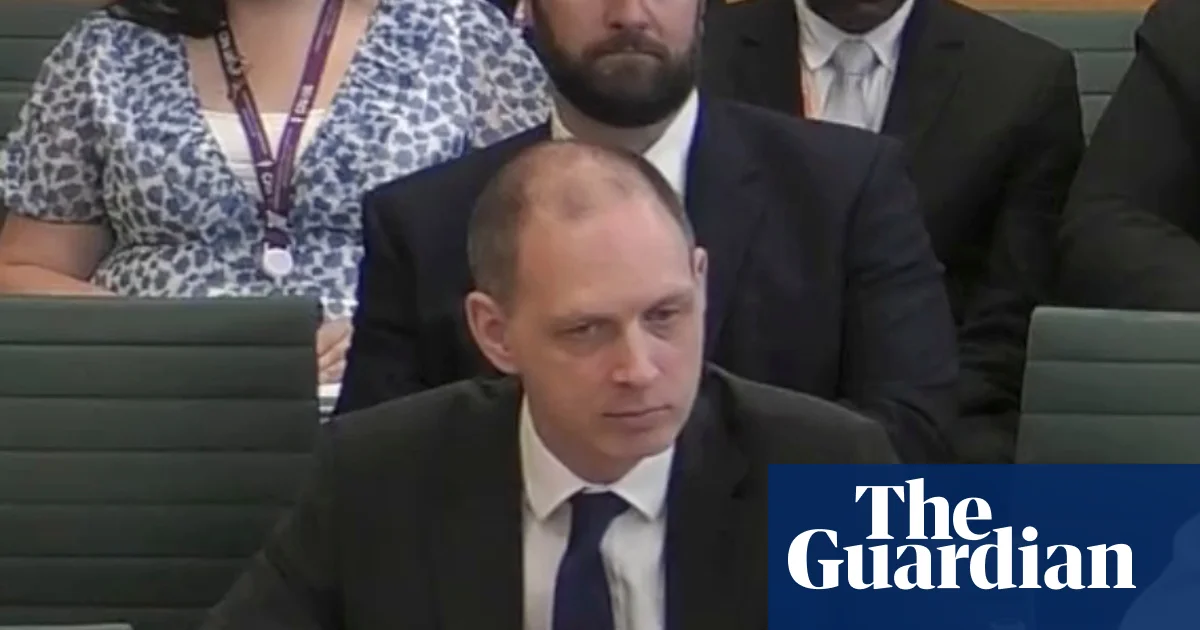

The recent controversy surrounding Peter Mandelson’s appointment as UK ambassador to Washington has ignited a fierce debate over the integrity of international diplomatic processes. The controversy surfaced after allegations of political pressure and possible mishandling of security vetting procedures, highlighting the fragile interplay between domestic politics and global diplomacy. The UK’s Foreign Office is now embroiled in allegations that key officials may have been influenced improperly to facilitate Mandelson’s appointment, despite clear warnings from security vetting agencies and experienced diplomats.
This domestic scandal has **significant geopolitical impact**, as the timing of the controversy coincides with a broader era of international instability. Experts, including former diplomats and international think tanks, warn that such internal conflicts can undermine the UK’s credibility on the world stage. International observers fear that compromised diplomatic appointments may signal a disturbing shift towards politicization of foreign affairs, threatening the long-term trust in the UK’s international commitments. The incident underscores how internal decision-making, under the influence of political pressures, can weaken a country’s diplomatic standing amid rising global tensions. The potential ramifications ripple beyond the UK, affecting allies and adversaries alike, especially as it pertains to transatlantic relations with the United States. As the US remains a critical partner, Britain’s credibility in appointing ambassadors who are thoroughly vetted and free from undue influence is paramount to maintaining mutual trust and strategic cooperation.
Responses from domestic and international defense and security analysts indicate that the controversy exposes deeper questions regarding how decisions are made within the British government. The ongoing investigation has spotlighted warnings from former high-ranking officials, like 🥇Olly Robbins🥇, the Foreign Office’s top civil servant, and others who underscore the risks posed by politicized vetting procedures. The allegations suggest that pressure from Downing Street may have influenced security decisions, raising concerns about whether national security protocols are being compromised to serve political ends. According to critics, this undermines the independence and rigor of the UK’s security vetting agencies, which are tasked with protecting sensitive national interests.
Efforts to investigate lead to a broader conversation among international analysts about the erosion of traditional diplomatic standards in favor of short-term political expediency. The incident also prompts comparison with historical crises where compromised appointments led to diplomatic setbacks—warnings echoed by notable historians who caution that such compromises set dangerous precedents. As the UK grapples with these internal issues, the international community looks on with cautious concern, recognizing that the strength of global alliances depends heavily on the trustworthiness of each nation’s diplomatic corps. The unfolding controversy symbolizes a critical junction—where internal political struggles threaten to redefine the future of Britain’s role on the world stage, one decision with the potential to echo through history.






