Matox News

Truth Over Trends, always!

Iranian woman busted in US for suspected arms smuggling to Sudan

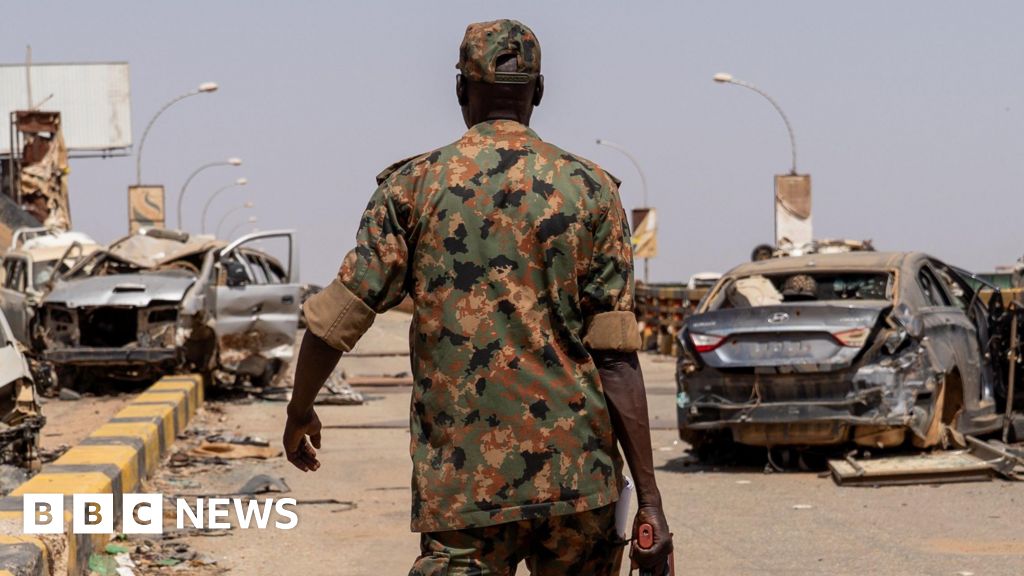
In a significant crackdown on illicit arms trafficking, Shamim Mafi, a 44-year-old individual, was apprehended at Los Angeles International Airport this past Saturday. According to authorities, Mafi is accused of acting as a broker in a global arms supply chain linked to Iran, implicating him in the covert sale of drones, bombs, bomb fuses, and millions of rounds of ammunition. These weapons are alleged to have been manufactured in Iran and illegally sold to Sudan, exacerbating regional conflicts and destabilizing fragile peace efforts in Africa’s volatile borderlands. First Assistant US Attorney Bill Essayli confirmed the arrest via social media platform X, marking a notable development in the ongoing struggle against illicit arms proliferation.

This arrest underscores a broader geopolitical pattern: the persistent efforts of United States and other Western nations to clamp down on Iran’s clandestine military exports, which remain a source of concern for international security. Analysts argue that the trafficking of advanced weaponry, especially to regions like Sudan where internal conflicts are entrenched, further complicates diplomatic efforts and regional stability. As historian Dr. Marcus Jennings notes, “Iran’s offshore arms dealings have long been a thorn in the side of international diplomacy, challenging the efficacy of sanctions and peace initiatives aimed at curbing violence in vulnerable nations.”

The arrest of Mafi comes amidst heightened tensions over Iran’s wider strategic ambitions in Africa and the Middle East, as well as ongoing debates surrounding the impact of foreign interference in regional conflicts. The international community, through organizations like the United Nations, has repeatedly condemned such illicit activities, warning that they could trigger a cascade of further destabilization and humanitarian crises. The incident in Los Angeles reveals the extent to which geopolitical conflicts ripple across continents—what begins as a clandestine deal on American soil can ignite new waves of violence in distant war zones. As global powers watch closely, the question remains: how will international actors respond to these persistent threats, and what lessons will be learned about the efficacy of current measures?

  • Key event: The arrest signals a renewed focus on transnational arms smuggling networks linked to Iran.
  • Impact: Increased tension between Iran and Western nations, particularly over security and diplomatic challenges.
  • Broader consequence: The potential for a reevaluation of international sanctions and border security protocols.

As history’s pages turn, this incident serves as a stark reminder of the fragile balance of power in our interconnected world. Decisions made in the corridors of justice and diplomacy directly impact lives thousands of miles away—from the streets of Khartoum to the Western capitals—highlighting the interconnected chess game of modern geopolitics. With each arrest, each treaty, and each diplomatic maneuver, the weight of history presses down, shaping the future of nations and societies alike. The unfolding saga of arms, conflict, and diplomacy underscores that in the arena of global power, the stakes are nothing short of civilization’s future, and the clock of history continues relentlessly forward, forging a new chapter in the ongoing struggle for peace and security.

Woman Levels Serious Allegation Against Swalwell Over 2018 Drugging and Assault

The international landscape is constantly reshaped by the ripple effects of domestic political scandals, especially those involving high-profile figures from the United States. Recently, allegations involving Representative Eric Swalwell have emerged, with Lonna Drewes accusing him of a serious misconduct that has not only stirred national controversy but also raised concerns about accountability and integrity within the American political system. Such allegations, regardless of their veracity, underscore the fragile trust placed in elected officials and reflect broader issues of transparency and ethics that resonate well beyond national borders.

This case carries significant geopolitical impact, as the U.S. is often viewed as a beacon of democracy and rule of law. When scandals involving members of Congress come to light, they fuel skepticism about governance, especially among allies and adversaries alike. Analysts caution that these internal divisions could weaken the United States’ diplomatic standing, particularly as global institutions like the United Nations and NATO seek stability and leadership amid ongoing conflicts and international crises. The timing is critical: failed accountability or perceived misconduct domestically can diminish the U.S.’s moral authority on issues such as human rights and democracy promotion, which are now under increased scrutiny worldwide.

Throughout history, scandals involving political figures have often acted as turning points that influence international relations and domestic policy directions. International organizations, including watchdogs like Human Rights Watch and the World Economic Forum, emphasize that the integrity of political institutions significantly affects how nations are perceived on the world stage. The current accusations against Swalwell have also prompted lawmakers, foreign governments, and civil society to reevaluate their engagement with the U.S., contemplating whether the nation’s internal struggles hinder its capacity to lead global efforts on stability, security, and economic development.

As intense media attention and public debates continue, the unfolding drama exemplifies the raw complexity of maintaining political legitimacy in an era marked by social change and digital scrutiny. History alerts us to the fact that political scandals are often more than mere distractions—they serve as reflections of deeper systemic issues that nations must confront to ensure resilience and the rule of law. The world watches intently, knowing that behind every headline lies a chapter in history that could redefine alliances, challenge traditional power structures, and shape the future of democratic governance. In this critical hour, the question persists: how will the United States, amidst these turbulent waters, navigate toward justice and accountability while safeguarding its global leadership? The answer remains unwritten, but the weight of history presses upon the present—an urgent reminder that every decision today echoes through the corridors of time, shaping a destiny still waiting to be written.

South Korea sentences 90-year-old woman for helping son’s drug money laundering

Recent judicial action in Cambodia has brought to light the intricate ties between local criminal justice and broader geopolitical currents. A woman has been sentenced to a year in jail for her role in laundering money destined for her imprisoned son, an act that underscores the vulnerability of emerging nations amid international financial flows. This case, while seemingly isolated on the surface, carries profound implications for regional stability, diplomatic relations, and the ongoing struggle against transnational organized crime. As analysts and international watchdogs scrutinize the incident, it becomes apparent that this incident is more than a petty crime—it’s a reflection of the complex interplay of law, sovereignty, and economic influence on the world stage.

Experts in international law and economics have pointed out that Cambodia’s justice system is navigating a delicate balance, often under the watchful eye of powerful external actors. The case spotlights the broader issue of money laundering, which is not just a criminal matter but a vital component of financial security and sovereignty. While local authorities have emphasized the importance of upholding the rule of law, critics argue that such cases also reveal the persistent vulnerabilities within regional banking and financial institutions, often exploited by illicit actors seeking to move capital across borders seamlessly. As noted by institutions like the International Monetary Fund, the capacity of developing economies to resist external financial manipulation remains a core concern, especially in the face of increasing geopolitical tensions.

The geopolitical impact of this case stretches beyond Cambodia’s borders, serving as a reminder of the entwined destinies of nations within the greater Indo-Pacific region. Countries such as Vietnam, Thailand, and Laos find themselves caught in a web of economic and security interests, where criminal networks often operate with impunity, sometimes with indirect support or at least tolerance from distant powers seeking strategic advantages. The incident also echoes broader fears among Western countries and allies that unchecked illicit financial activities could undermine efforts to promote stability and good governance. As international organizations like the United Nations call for increased vigilance, regional leaders are reminded that the fight against crime is inherently political—each case serves as a litmus test for sovereignty and resolve.

Yet, the true significance lies in how such seemingly localized legal proceedings ripple outward. As historians warn and analysts observe, the outcome of today’s crackdowns could shape the future of regional cooperation against organized crime—defining whether Southeast Asia becomes a region of secure stability or a playground for shadow economies. The weight of history presses heavily on the shoulders of nations and their leaders, as each decision echoes through the corridors of power. The story has yet to be written, and the outcome remains uncertain—what is clear is that the unfolding drama of law, influence, and national sovereignty will be closely watched by those determined to shape the new geopolitical order. The pages of history remain blank, waiting for the next move in a game where the stakes could not be higher.

Man Caught Trying to Flee Country After Killing Woman at Melbourne Airport

The recent arrest and arraignment of Allan Keys, a 67-year-old resident of Patterson Lakes, at Melbourne International Airport, underscores how domestic criminal proceedings can ripple across the international stage. As Keys faced charges of murder for the alleged killing of a 53-year-old woman from Dandenong, the case has inadvertently highlighted the fragile intersection between local justice and global geopolitical concerns. While this is ostensibly a national law enforcement matter, the broader implications extend into the realm of international security and societal stability, where each act of violence reverberates beyond borders and influences international perceptions of law enforcement efficacy and societal safety.

Authorities unveiled that the victim’s body was discovered in Little River, approximately 44 kilometers southwest of Melbourne, after her sudden and suspicious disappearance had triggered police investigations. The circumstances of her case, emerging from a report of her failure to contact her family, reveal the critical role that local law and order play in maintaining societal coherence. However, the global community’s attention is increasingly riveted on individual cases like these to assess the stability of nations’ civic institutions—especially in an era where transnational influence and geopolitical tension remain high. The ongoing investigation, including Keys’ scheduled court appearances and the setting up of a crime scene, serve as a stark reminder of how domestic violence and crime are not insulated from a continent’s broader security posture. Officials and analysts from international law enforcement agencies are watching these local developments closely, understanding that such incidents can sometimes be precursors or indicators of larger societal instability—especially if they reflect systemic weaknesses.

The geopolitical impact of this case, while initially seemingly confined to local Australian law, raises questions about how countries manage internal security amidst rising global instability. As global organizations like INTERPOL emphasize international cooperation in crime prevention, individual cases stress the importance of fortifying national judicial and police systems. Experts warn that unchecked violence or perceived lapses in justice can influence a nation’s international image, potentially affecting foreign investment and diplomatic relations. In this instance, whose jurisdictional reach extends beyond mere criminal justice, operating as a symbol of societal resilience or failure in the face of chaos.

Historical analysts and security specialists have long warned that internal instability, especially in regions with significant geopolitical weight such as Australia, can serve as a test for the global system. Among them, many emphasize that how nations respond to such tragedies reflects their capacity to maintain sovereignty, uphold rule of law, and project a stable image internationally. The case of Allan Keys is therefore not merely a local tragedy but a mirror held up to national governance and its role in global order—a reminder that every act of criminality, and the response to it, shapes the narrative each nation will carry into the future. As the case unfolds and the world watches, the weight of history continues to deepen, with each decision etching new lines into the collective blueprint of civilization’s ongoing saga.

Wolf bites woman in shocking Hamburg assault amid growing wildlife concerns

In a startling development that underscores the evolving landscape of Europe’s natural ecosystems, Germany has recorded what is believed to be the first wolf attack on a human in decades. This incident marks a significant milestone in the ongoing reestablishment of wolves within the region, a process that has garnered both ecological praise and societal concern. Experts, including leading conservationists and historians, note that the resurgence of this apex predator signals profound shifts in Germany’s ecological balance—shifts that carry implications well beyond conservation corridors into the geopolitical arena.

The return of wolves to parts of Germany is a direct consequence of broad environmental policies aimed at restoring natural habitats and promoting biodiversity. Since the early 2000s, European nations have partly embraced an ecosystem-based approach, allowing predator populations to recover naturally after centuries of eradication. As documented by international organizations such as the European Environment Agency, this strategic shift aims to foster healthier ecosystems; however, it also introduces contemporary challenges for local communities. The recent wolf attack, believed to be the first of its kind in Germany, is being scrutinized as a possible harbinger of increased human-wildlife interactions—interactions that could redefine the safety and safety policies in rural and suburban regions.

This incident notably echoes similar patterns across Europe, where the reintroduction of predators like the European grey wolf has ignited tensions among farmers, conservationists, and policymakers. Analysts from the International Wildlife Conservation Society suggest that such events may accelerate debates regarding the balance between ecological restoration and societal safety. As the German government and neighboring countries grapple with these realities, the overarching concern pivots around the geopolitical impact—how ecological decisions ripple outward to influence policy, security, and societal cohesion. Decisions driven by international treaties and conservation commitments are now intersecting with local realities, forcing policymakers to navigate a complex web of ecological integrity versus human safety.

Reflecting on history, some scholars argue that this moment echoes the broader pattern of nature reclaiming its territory—a movement that can be simultaneously inspiring and disruptive. Historian Dr. Hans Meier notes that “this event signifies not just a biological resurgence but a turning point in how nations respond to ecological change.” As Germany and its European neighbors reevaluate their strategies, the ongoing debate underscores a larger truth: the delicate equilibrium between human ambitions and the relentless force of nature. The wolf’s return serves as a potent reminder that choices made today about conservation, territorial sovereignty, and international cooperation will shape the fabric of society for generations to come.

As the world watches from afar, the unfolding story of ecological rebirth—the return of the wolf—becomes a chapter in the greater narrative of global environmental transformation. Yet, the current incident in Germany stands as a stark warning: the boundary between civilization and wilderness is neither fixed nor inviolable. The true weight of history is still being written, leaving humanity standing at the cusp of a new chapter where the past’s lessons and future’s fears intertwine in an uncertain dance.

Spanish Woman Wins Right to Euthanasia After Tough Legal Fight with Father

The recent decision by the European Court of Human Rights (ECHR) in favor of Noelia Castillo marks a significant judicial milestone, yet it also signals broader shifts within the landscape of international human rights law. Such a ruling not only underscores the authority of European legal institutions but also resonates across the global geopolitical arena, where questions of sovereignty, individual rights, and state authority continue to collide with increasing intensity.

While the specific details of the case remain under the hood of European judicial proceedings, the decision’s impact transcends national borders. Analysts from institutions like the International Crisis Group and prominent historians have noted that this ruling typifies a broader trend: the push by international courts to impose standards that challenge traditional notions of sovereignty and national autonomy. It also raises critical questions about the manner in which European institutions are asserting their influence in areas traditionally governed by sovereign states, particularly in sensitive issues such as privacy, free expression, and individual autonomy.

From a geopolitical perspective, the ruling exemplifies the subtle but profound growth of the European Union’s judicial reach. While some nations view this as a necessary step toward human rights protections, others see it as a challenge to their sovereignty. For instance, the United States and certain Asian powers have expressed cautious reservations, emphasizing the importance of preserving national legal independence over supranational mandates. Meanwhile, Russia and China continue to criticize what they perceive as the erosion of sovereignty under the guise of international conformity, further cementing the deeply divided landscape of global governance.

European institutions are increasingly intertwined in shaping societal norms, and this trend has real-world consequences for societies across continents. Crucial decisions such as this could potentially influence policy shifts, affecting everything from privacy laws to national security protocols. As international organizations and legal experts debate the implications, this ruling punctuates a turning point—where justice and sovereignty are in a perpetual balancing act, often with societal and political stability hanging in the balance.

Historians argue that this moment echoes the profound debates that have shaped the post-World War II international order. According to leading scholars, such as Dr. Elizabeth Carter from the Center for Global Law & Policy, the move by the European Court of Human Rights symbolizes a new chapter—one in which legal rulings may increasingly influence, if not direct, national policies. The decisions made today will reverberate for decades, shaping a future where the lines between national sovereignty and international legal norms are blurred. As the wheels of history turn, nations are left to grapple with their role in an evolving world order—where the stakes are nothing less than the fundamental rights of individuals and the sovereignty of entire nations.

Ultimately, the ripple effects of this ruling resonate beyond the courts, weaving into the fabric of international relations. Governments, societies, and individuals all stand at a crossroads—whether to accept a new paradigm of legal influence or to resist what they perceive as encroachments on sovereignty. The era of silent diplomacy and international legal reshuffling continues to unfold, leaving the global community to ponder: who will shape the future—the citizen or the state?

Inquest Reveals Preventable Tragedy: Failed Efforts to Save Woman in Prison Cell Fire

In a stark reminder of the systemic failures within our criminal justice and mental health systems, the tragic death of Clare Dupree, a woman battling severe mental illness, underscores the profound social and institutional gaps that threaten vulnerable communities. Dupree, a mother from Cardiff, lost her life after setting a fire in her prison cell using a vape, only to succumb to a combination of respiratory failure and organ collapse. Her story is not isolated but emblematic of broader issues regarding how society manages mental health in incarceration, the adequacy of safety protocols, and the social circumstances that lead individuals like Clare into these tragic intersections of mental illness and the penal system.

One of the most glaring failures highlighted by the inquest was the absence of automatic fire detection systems in her cell, despite prior recommendations dating back to 2015. Research by sociologists such as Erving Goffman emphasizes how institutional neglect and dehumanization often accentuate the vulnerability of marginalized populations in prisons. The unresponsive safety protocols, combined with a lapse in proper mental health diagnosis—where Clare’s condition was misclassified as a personality disorder when it was likely bipolar disorder—contributed directly to her preventable death. Moreover, the failure to provide timely mental health treatment in prison reflects deeper structural deficiencies where failing to recognize and treat mental health issues effectively within the system devastates families, damages communities, and aggravates social inequalities.

This case significantly impacts families and communities, who are left grappling with trauma and unfulfilled calls for justice. Clare’s family members, particularly her children and siblings, vividly express how loss has unraveled their lives, exemplifying the human toll of institutional neglect. The disruption of family stability, compounded by the societal neglect of mental health issues, not only devastates individual families but also weakens the social fabric. As social commentators and historians point out, the failure to address social determinants—poverty, addiction, trauma—that contribute to incarceration and mental illness perpetuates cycles of vulnerability. Families like Clare’s are caught in a perpetual cycle of grief and outrage, asking whether society can do better for those whom it has marginalized and misunderstood.

Efforts to rectify these issues are ongoing but remain insufficient without systemic reform. The inquest calls for the Ministry of Justice to implement stricter safety measures, including the installation of automatic fire detectors, and improved mental health assessment in prisons.

  • Addressing underlying social issues such as addiction, trauma, and inadequate mental health infrastructure is crucial for preventative measures.
  • Investing in community-based mental health services and decriminalizing certain social issues could prevent vulnerable individuals from entering the criminal justice system unnecessarily.
  • Enhancing training for prison staff to better recognize and respond to mental health crises can save lives and preserve dignity.

Ultimately, Clare Dupree’s story prompts society to reevaluate its ethical commitments and social priorities. Are we, as a society, truly committed to protecting the most vulnerable among us? Or do we accept the tragic normalization of neglect that cost Clare her life? Social reform, moral courage, and community engagement are essential to transform these systemic failures into pillars of support. While society faces daunting challenges—mental health crises, social inequality, and institutional reforms—hope persists in the recognition that change is possible. Society’s true strength lies not in its institutions alone but in the collective will to ensure *no one is left behind* in the shadows of neglect, lost in the silence of missed opportunities. As we reflect on her story, may we find the moral clarity to forge a future where compassion and justice become the foundation of our social fabric.

Young woman nearly caught in fiery lava as Reunion volcano erupts

Global Events Signal Shifts in Power Dynamics

Amidst recent upheavals in natural phenomena, international geopolitics continues its relentless march toward a new chapter. On Reunion Island, an island territory of France, the eruption of the Piton de la Fournaise volcano has captured world attention. After over a month of eruptive activity, lava has now reached the Indian Ocean for the first time in 19 years—a stark reminder of the unpredictable forces shaping our planet. While this geological event may seem insular at first glance, it underscores larger themes of environmental instability and the geopolitical repercussions of climate change, which influence resource security and migration patterns across nations.

In the geopolitical arena, the eruption’s impact extends beyond natural upheaval. As the volcano’s lava cuts off vital transportation routes, it exemplifies how environmental disruptions can exacerbate regional vulnerabilities.

  • The interruption of the national highway linking parts of the island highlights the fragility of infrastructure in remote regions.
  • Such events serve as microcosms of resilience and the mounting pressure on governments worldwide to adapt to changing environmental conditions.

Underpinning this natural crisis is a broader narrative: how nations respond to environmental challenges will significantly shape their geopolitical standing. Analysts observe that increasingly, environmental events are not isolated but are catalysts for broader systemic upheavals, impacting local communities and global stability alike. Historically, societies that fail to adapt to environmental stresses risk long-term decline, a warning echoed by experts from institutions like the United Nations.

Broader International Ramifications of Environmental and Political Shifts

The volcanic activity on Reunion Island occurs at a time of tense international relations, where strategic interests are often intertwined with environmental realities. Major powers are vying for resource dominance, access to critical raw materials, and influence over emerging economic zones. China’s Belt and Road initiative, the United States’ Indo-Pacific strategy, and Russia’s Arctic ambitions exemplify how environmental shifts open new geopolitical frontiers. As ice melts in the Arctic, new shipping lanes and resource deposits are emerging, drawing nations into a renewed scramble for influence and control.

While some skeptics dismiss environmental issues as secondary to traditional geopolitics, the expert consensus indicates otherwise. Leaders and security analysts warn that ignoring the environmental flashpoints could lead to conflicts over water, land, and energy sources—consequences that threaten the stability of global order. Historical perspectives, such as those from British historian Paul Kennedy, emphasize that economic and environmental vulnerabilities often precede military conflicts. Today, we witness a new kind of warfare—one fought over climate resilience and strategic dominance, with progress or collapse hinging on decisions made now.

As the world watches the spewing lava over Reunion, it serves as a potent symbol of the unpredictable forces that can unsettle even the most advanced nations. The eruption acts as a stark reminder that the long-term stability of societies depends on their ability to adapt to changes, whether natural or man-made. The international community must not only respond to current crises but also anticipate future challenges rooted in environmental shifts and the resurgence of geopolitical rivalries. The course of history continues to be written in these moments of crisis—each decision, each alliance, each conflict leaving an indelible mark on our shared destiny.

Her Father's Gaza War Grave Destroyed by Israel: Aussie Military Woman Seeks Justice and Truth
Her Father’s Gaza War Grave Destroyed by Israel: Aussie Military Woman Seeks Justice and Truth

The ongoing conflict in Gaza has once again underscored the devastating consequences of regional instability on historical and national memory. Recent satellite imagery reveals significant damage and possible destruction of the Gaza War Cemetery, where Australian soldiers from World War II are buried. The mutilation of these graves, reportedly caused by the Israel Defense Forces (IDF) during military operations, has stirred a global outcry, especially among families of the fallen and nations who hold those sacrifices sacred. Wilma Spence, among many, mourns the apparent obliteration of her father’s grave—an act she perceives as a profound disrespect to those who served and died for freedom.

This incident exemplifies how international conflicts are not contained solely within theatres of war but have profound effects on societal memory and diplomatic relations. The IDF’s justification—that graves were destroyed to address “underground terrorist infrastructure”—fails to quell skepticism among international observers and veteran communities. The Commonwealth War Graves Commission has expressed concern over the damage, with experts warning that the full extent of destruction may take years to repair. Such actions, analysts argue, threaten to rewrite history and undermine the moral authority of nations committed to safeguarding their war dead—especially when these graves symbolize sacrifice amid the chaos of global confrontation.

The geopolitical impact of these incidents extends beyond grief. Regional powers like Israel are engaging in complex military operations that often blur the lines between combatant and civilian zones, raising questions about international accountability. The diplomatic fallout influences alliances, aid policies, and international perceptions of legitimacy. The withdrawal or destruction of war graves challenges the notion of respect for tradition and international law, igniting debates on how contemporary military actions should reconcile with historical memory. Experts from institutions like The International Crisis Group warn that such acts may fuel resentment and be exploited by proxy groups, jeopardizing prospects for lasting peace in the region.

Meanwhile, families of the fallen, such as Wilma’s, highlight the broader social consequences. The loss of grave sites not only erases physical symbols of heroism but also scars collective memory and national identity. Wilma’s persistent efforts—writing to government officials and demanding accountability—illustrate the ongoing struggle of societies to reconcile military necessity with moral obligation. As President Isaac Herzog of Israel prepares to visit Australia amidst rising tensions, the question remains: will world leaders uphold their responsibilities to preserve history, or will the tides of warfare continue to wash away the foundations of collective remembrance?

The future of international diplomacy hinges on how these controversies are addressed. Will international organizations step in to enforce respect for war graves, or will regional and global powers prioritize strategic interests over historical dignity? The unfolding narrative leaves an indelible mark, emphasizing that in a world fraught with conflict, history—whether in the form of graves or memories—is both a heritage and a battleground. As witnesses like Wilma watch their ancestors’ resting places vanish, the weight of history presses heavily on the present, casting a shadow over the promise of peace and remembrance. The story of the Gaza war cemetery is not merely about physical destruction; it is a stark reminder that the consequences of war resonate across generations, shaping the destiny of nations and the moral fabric of humanity itself.”

Brett Ratner, Melania's former director, spotted with woman in Epstein files—what's really going on?
Brett Ratner, Melania’s former director, spotted with woman in Epstein files—what’s really going on?

The recent release of photographs featuring American financier Jeffrey Epstein alongside entertainment figure Glenn Ratner and unidentified women has sent ripples across the international community, coinciding with Ratner’s controversial documentary about the First Lady of the United States. These images, emerging on the same day, have re-ignited debates over elite networks and their influence on global politics and society. While some may dismiss them as personal scandals, analysts and geopolitical observers recognize a deeper significance rooted in the power dynamics of transnational elites that span borders and disciplines.

The timing of this revelation is often viewed by experts as a calculated move, designed to divert global attention from more pressing geopolitical shifts. According to international relations scholars, the interplay between scandal and political discourse illustrates the fragility of public trust in institutions—particularly when intertwined with influential figures connected to wealth, power, and political agendas. The images highlight a broader concern: how clandestine associations among the world’s elite can impact governance, policy decisions, and international stability. From the corridors of Washington to diplomatic capitals worldwide, questions are emerging about the extent to which such networks control or influence paramount issues ranging from economic policy to national security.

In response to the fallout, numerous organizations and analysts have voiced warnings about the potential erosion of transparency and accountability. For instance, the European Council on Foreign Relations emphasizes that these revelations underscore the importance of scrutinizing transnational elite connections, especially in an era marked by rising geopolitical tensions. The United Nations and other international bodies continue to call for investigations into these influential circles. Meanwhile, historians warn against dismissing such scandals as mere distractions. Instead, they argue that these incidents are *markers* of larger shifts that threaten to redefine the balance of power—fostering a new era of clandestine diplomacy that operates beneath the veneer of public scrutiny.

As the world watches, the narrative remains unwritten; history’s pen continues to inscribe each development with profound consequences. The revelations serve as a stark reminder that the forces shaping our future are often hidden behind the facade of civility and diplomatic protocol. Whether these images will herald a decisive turning point or fade into the background remains uncertain. Nonetheless, the weight of history presses heavily on current events, urging societies to reflect on the unseen currents that now threaten the foundations of democratic transparency and international order. As the shadows lengthen over the corridors of power, only time will reveal the true scope of this unfolding story—an epoch where alliances, secrets, and scandals may determine the trajectory of nations for generations to come.

Social Media Auto Publish Powered By : XYZScripts.com