
Matox News

Truth Over Trends, always!

Teenager extradited from UAE and charged in London for woman’s murder

The recent extradition of Enzo Bettamio, an 18-year-old teenager, from the United Arab Emirates to the United Kingdom, marks a significant chapter in the ongoing evolution of international legal cooperation. This case—stemming from the brutal stabbing of Kamonnan Thiamphanit, a 27-year-old woman of dual Chinese-Hong Kong and Thai nationalities—highlights the growing capacity of nations to pursue justice across borders. The incident, which took place in a residential property in Bayswater, west London, underscores the gravity with which jurisdictions now collaborate, fueled by increased diplomatic efforts and the expertise of specialized lawyers within multinational law enforcement agencies.

Analysts and legal experts contend that this extradition exemplifies the shifting global landscape on criminal accountability, where nations are increasingly mutual in their resolve to combat transnational crime. According to reports, joint inquiries by London’s Metropolitan police and the Crown Prosecution Service proved instrumental in securing Bettamio’s return. This effort reflects a broader international trend—highlighted by institutions such as INTERPOL and Interpol-style bilateral agreements—aiming to clamp down on fugitives who seek refuge beyond national borders. The fact that this teenager was located in Dubai and transported back on a scheduled flight demonstrates the increasing effectiveness of international cooperation, signaling a new era in criminal justice where geographic distance is no longer an insurmountable barrier.

The geopolitical impact of this case extends beyond legal proceedings, as it sends a clear message that **no nation is outside the reach of justice**. In particular, the case underscores the importance of international treaties and extradition agreements — agreements which are often controversial but vital for maintaining international order. Some critics argue that these arrangements can be exploited, but law enforcement officials emphasize their effectiveness in delivering justice and safeguarding societies from violent offenders. The case also shines a spotlight on the **role of diasporas** and **international migration**, with Thiamphanit’s life and tragic death highlighting how global movements can intertwine with local communities—and how these movements influence international security considerations.

Prominent voices within the legal sphere argue that as the world becomes more interconnected, **stronger international legal frameworks** are vital to prevent countries from becoming safe havens for criminals. Organizations like the United Nations Office on Drugs and Crime (UNODC) have long emphasized the importance of diplomatic cooperation in fighting transnational crime. Meanwhile, history scholars note that such cases serve as “turning points” in the narrative of international justice—marking periods when borderless crimes become truly intolerable. This case is a sobering reminder that as nations continue to navigate the complexities of international law, victors of justice must remain vigilant to ensure that **societies are protected from violent perpetrators**, regardless of where they seek refuge.

The investigation and subsequent extradition serve as a stark warning: the pursuit of justice transcends borders and political differences. The ongoing story of Bettamio and Thiamphanit is a human tragedy coupled with a geopolitical turning point—**a reminder that in this new era of international law, the weight of history is still being written**, and the consequences of decisions made today will resonate through generations to come. As the world watches, the question remains—how will nations adapt and strengthen their resolve in the face of an ever-changing landscape of global crime and justice? The answer, like the unfolding story of this young life lost and the pursuit of accountability, remains a work in progress—yet one thing is certain: the struggle for a just world continues.

British Ex-Soldier Detained Over 2012 Kenyan Woman’s Death

British Army Faces International Scrutiny as Extradition of Former Soldier Unfolds

The recent arrest and impending extradition of Robert James Purkiss, a former British soldier, to Kenya in connection with the 2012 murder of 21-year-old Agnes Wanjiru, have reignited debates surrounding accountability, justice, and the geopolitical implications of military conduct abroad. Detained in Wiltshire, Purkiss’s case epitomizes a long-standing struggle for justice by the victim’s family and the broader Kenyan community, questioning the effectiveness of British military oversight in overseas conflicts and the accountability structures of former colonial powers.

According to the National Crime Agency (NCA), Purkiss’s arrest followed a warrant issued in September, as Kenya rigorously pushes for justice decades after the tragic incident near a British army training camp in Nanyuki. Details reveal a disturbing pattern linking British soldiers to misconduct and unresolved crimes, a concern that has led Kenyan authorities yet again to demand international cooperation. This case, underscored by the victim’s family’s assertions of deliberate cover-ups, underscores how the intersections of military presence and local communities can lead to deep-seated trust issues and wider geopolitical consequences.

Historical and Political Contexts Shape the Case

  • The 2018 inquest concluded that Ms. Wanjiru had been unlawfully killed by British soldiers, with subsequent investigations revealing possible confessions from soldiers and alleged cover-ups. Such findings highlight ongoing questions about military accountability in overseas operations.
  • In 2021, a Sunday Times investigation reported a British soldier’s confession to colleagues regarding the killing, resulting in further controversy over the army’s internal discipline and transparency.
  • In response, the British army announced in 2024 it was conducting an internal review into its conduct in Kenya, uncovering at least 35 suspected cases of sexual exploitation, including after the army’s official ban on such conduct in 2022. This move signals an effort to address past abuses, but critics argue it raises questions about how those investigations are coordinated with international justice systems.

International organizations and analysts have warned that unresolved cases like these threaten to undermine Britain’s global reputation and complicate diplomatic ties with African nations. Critics argue that colonial-era attitudes and reluctance to confront past misconduct fuel a culture of impunity, emboldening further abuses. Historians such as Orlando Patterson and organizations like Human Rights Watch suggest that justice for victims, whether in London, Nairobi, or elsewhere, depends heavily on proactive accountability and transparency—premises that remain sorely tested in this case.

Geopolitical Impact and Societal Consequences

The decision to extradite Purkiss carries significant geopolitical impact. For Kenya, this symbolizes a potential shift toward greater judicial sovereignty, asserting that former colonial powers must confront their past misdeeds in new and tangible ways. For Britain, it highlights the challenge of reconciling its historical military presence with contemporary standards of justice and accountability, especially in fragile post-colonial contexts.

This case exemplifies the larger struggle for post-colonial nations to reclaim agency over their histories and seek justice for victims of past abuses. As Kenyan officials press for the suspect’s trial, questions arise about how many other unresolved cases linger behind a façade of diplomatic immunity. The international reaction underscores a growing demand for more robust accountability measures from Western military forces operating abroad, amid fears that past impunity could threaten future stability and international trust.

As history continues to unfold, the case of Agnes Wanjiru becomes more than just a local tragedy; it is a stark reminder that in the complex chessboard of geopolitics, the pursuit of justice can become a catalyst for wider systemic change. With each legal move and diplomatic negotiation, the weight of history presses down, shaping the future of international justice and the moral responsibilities of mighty nations. The question remains: how will the words of justice and accountability echo across continents, or will they fade into the shadows of history, leaving unresolved wounds that threaten to unravel fragile alliances?

Young Woman's Tragic Fate After Cruise Ship Leaves Her Stranded on Australian Island
Young Woman’s Tragic Fate After Cruise Ship Leaves Her Stranded on Australian Island

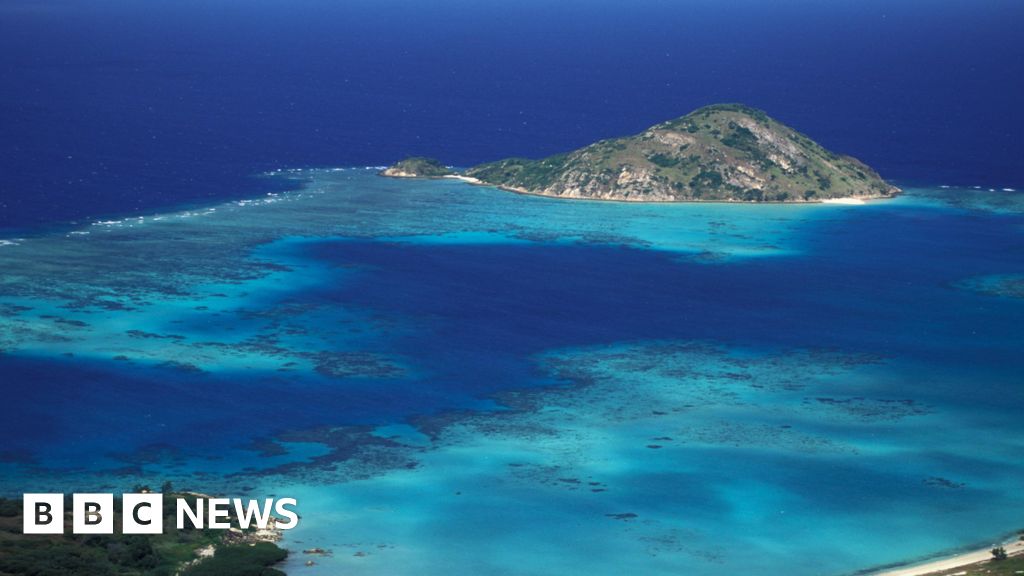
The recent discovery of an 80-year-old woman’s body on Lizard Island, part of Australia’s Great Barrier Reef, underscores a broader issue gripping international attention: the safety of high-class tourism in remote and fragile environments. The woman, who was participating in a 60-day cruise around Australia—a journey costing tens of thousands of dollars—became separated from her group during a hike on the island’s highest peak, Cook’s Look. Despite her fellow travelers and the crew’s efforts, she was tragically found dead after an extensive search operation involving helicopters, boats, and volunteer groups. The incident has provoked a stern response from authorities and illuminated the dangers faced by those indulging in luxury exploration in remote locations.

While the details remain under investigation by the Australian Maritime Safety Authority (Amsa), experts and analysts warn that this tragedy is a *symptom* of larger issues: the increasing risks associated with adventure tourism in sensitive ecological zones. According to the cruise company’s chief, Mark Fifield, support has been extended to her family, yet many voices are raising concerns over the safety protocols employed in these remote expeditions. The incident has sparked pertinent debates among international safety organizations, with some critics questioning whether enough measures are in place to protect elderly travelers venturing into unpredictable environments. History reminds us that such accidents, when not prevented, serve as stark warnings of humanity’s overreach into nature’s most delicate corners.

The geopolitical impact of this event extends beyond Australian shores. The case has brought international scrutiny to Australia’s burgeoning tourism industry, especially its focus on luxury and eco-tourism. Analysts argue that nations with expansive coastlines and unique ecological sites are increasingly becoming battlegrounds for attracting wealthy travelers, which can compromise safety standards if not properly regulated. Australia’s commitment to safeguarding its natural heritage and tourists has faced questions as it balances economic interests with risk mitigation, especially as the incident coincides with ongoing climate debates impacting reef preservation efforts. The incident also raises alarms about how governments coordinate disaster response and maritime safety, with some experts warning that these procedures must be globally standardized to prevent such tragedies from becoming commonplace.

Beyond immediate concerns, international organizations such as UNESCO and the UN continue to evaluate Australia’s environmental policies and safety protocols, framing this incident as a critical juncture. As the world’s gaze intensifies, the response from Australian authorities and global observers will be pivotal in setting future standards. The public reaction, from both local residents and international travelers, reflects a broader shift — a demand for responsible tourism that not only commands respect for local ecosystems but also ensures the safety of those who seek adventure and luxury amid nature’s marvels. This incident, though devastating, is not merely an isolated tragedy; it is a grim chapter in a larger story of humanity’s complex relationship with nature and the ongoing, relentless pursuit of exploration. As history continues to unfold, the weight of this moment serves as a potent reminder: the paradise of today can, in an instant, become the site of another tragedy, etching itself into the collective memory of a world still striving to balance progress with prudence.

Social Media Auto Publish Powered By : XYZScripts.com



