Matox News

Truth Over Trends, always!

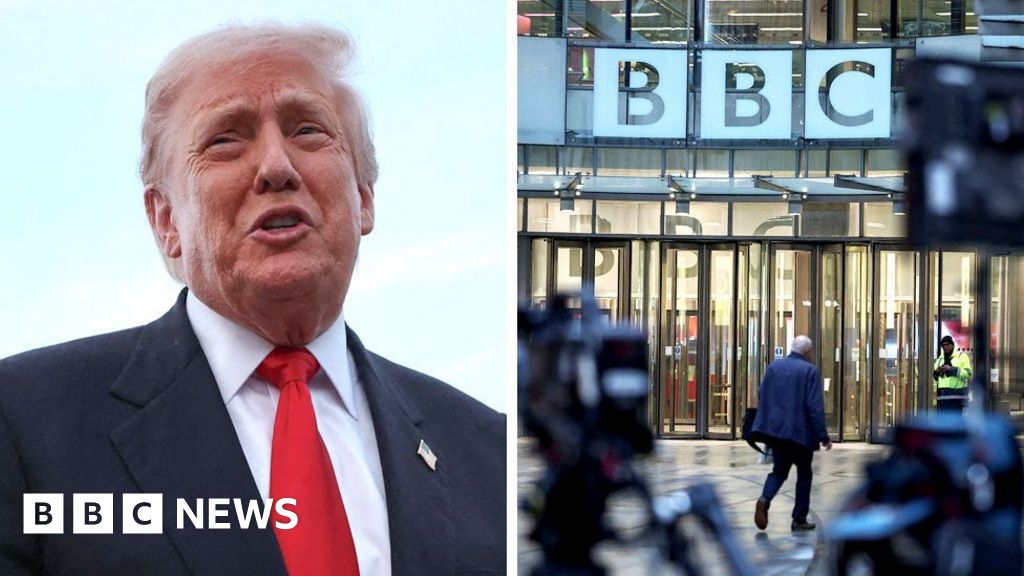
BBC Apologizes to Trump Over Panorama Edit, Won't Pay Compensation
BBC Apologizes to Trump Over Panorama Edit, Won’t Pay Compensation

International Political Landscape Shaken by BBC-Donald Trump Dispute

The escalating controversy surrounding the BBC‘s handling of a documentary featuring former US President Donald Trump exemplifies how media missteps can have profound geopolitical repercussions. The British broadcaster’s recent apology for a manipulated portrayal of Trump’s 6 January 2021 speech—which was edited to give a misleading impression of inciting violence—has ignited a legal and diplomatic firestorm. Lawyers representing Trump have demanded a $1 billion damages settlement, asserting that the BBC’s actions have tarnished his reputation and potentially influenced US-UK relations.

Analysts warn that this spat is not just about media ethics but a reflection of mounting global tensions. The BBC, a bastion of Western liberal values, is now embroiled in a crisis that questions the independence of mainstream media in the face of political interference. Historians and political commentators suggest this incident marks a turning point in how nations perceive media bias and propaganda in the era of information warfare. The incident also comes amidst wider concerns over UK’s sovereignty and editorial independence, as the government announces plans to review the BBC’s charter—an effort to ensure tighter oversight amid claims of bias and politicization, especially in politically sensitive content.

Global Institutions and the Future of Free Speech

  • International organizations, including the Organization for Security and Co-operation in Europe (OSCE), have emphasized the importance of safeguarding freedom of expression while maintaining journalistic standards.
  • The rising tensions have prompted calls from conservative voices in the US and the UK to reinforce national sovereignty over what they perceive as international media overreach.
  • Experts warn that if the BBC’s actions are deemed a precursor, other governments will scrutinize Western media more tightly, potentially leading to new forms of media regulation and censorship—an unsettling prospect for advocates of free press.

Meanwhile, political leaders across the Atlantic are divided. British Culture Secretary Lisa Nandy has pledged that the corporation will uphold the highest standards but also acknowledged gaps in editorial safeguards—a recognition that could reshape the BBC’s governance. Conversely, critics allege that internal political influence, exemplified by appointments like Sir Robbie Gibb, has compromised the broadcaster’s impartiality, fueling suspicion and eroding public trust.

This crisis underscores a broader global struggle: how to balance freedom of speech with responsible journalism, especially when powerful figures like Trump threaten legal action. The BBC’s internal review, triggered by leaked memos and mounting public criticism, reveals the deep fissures in contemporary media standards. As the specter of legal retaliation looms, the question arises: what unchecked narratives will shape history when impartiality is compromised? The unfolding drama leaves the world watching—knowing that in this new era of information, the lines between truth and perception are more fragile than ever.

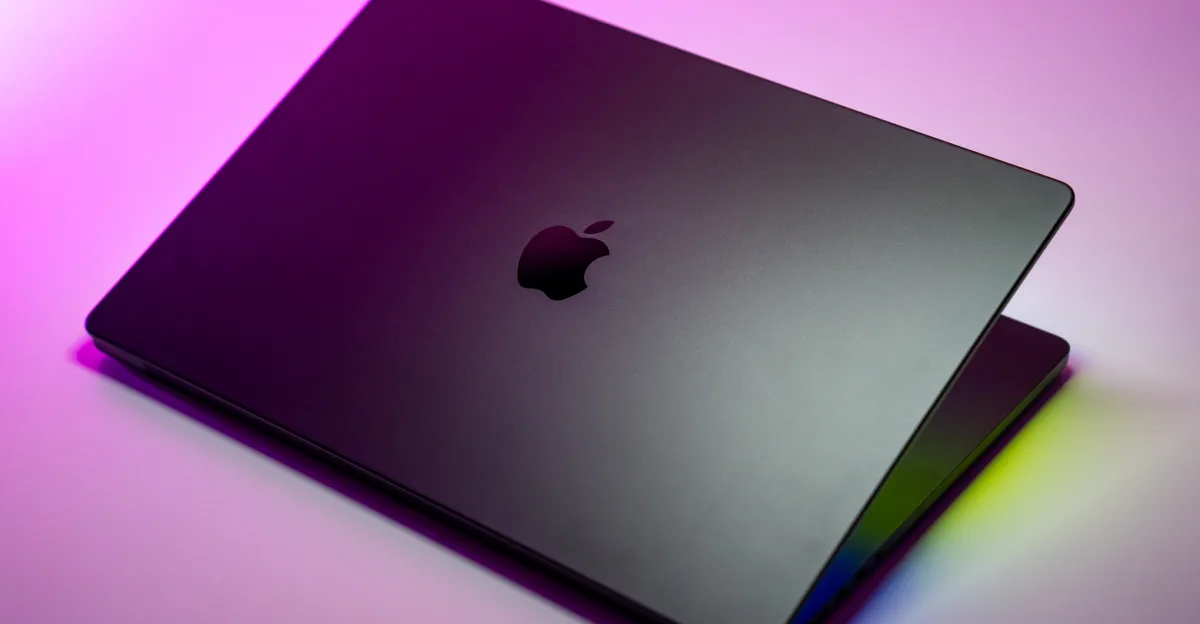
Don’t Miss Out: October Prime Day Laptop Deals Won’t Last!

The commercial landscape of consumer electronics is undergoing a crucial transformation as major sales events like Amazon Prime Day continue to shape market dynamics. This year’s second Prime Day, running through October 9th, exemplifies how *disruption* in retail commerce—fuelled by aggressive online discounts—poses both challenges and opportunities for industry players. While consumers benefit from short-term price reductions on laptops and accessories, industry analysts from firms like Gartner suggest this pattern accelerates a *deflationary trend*, pressuring manufacturers and retailers to rethink their pricing strategies amid tightened profit margins.

From an innovation perspective, businesses are leveraging strategic discounts to stay competitive, especially in the rapidly evolving segment of personal computing. Premium brands such as Apple, HP, Microsoft, and Lenovo have responded with significant savings on flagship models, reflecting an industry push towards tighter integration of *disruptive* hardware features that appeal to younger, tech-savvy consumers. For example, the latest gaming laptops like the Lenovo Legion 5 and Alienware AW2725Q showcase advancements in graphics, processing, and display technology, setting new *milestones* for immersive experience. These developments are not just consumer-focused but serve as strategic innovations that challenge industry standards—pushing competitors to innovate or concede market share.

Industry observers note that this ongoing sale frenzy signals a *shift* where *disruptive trends* like direct-to-consumer sales models and AI-driven procurement algorithms are reshaping traditional distribution channels. Companies are increasingly relying on *real-time data* and market analytics, as highlighted by MIT research, to optimize pricing and inventory management dynamically. In addition, the proliferation of *smart accessories* and *integrated devices* hinges on this *disruption*, elevating hardware beyond basic functionality toward ecosystems built on interconnected, AI-enabled platforms. This evolution is compelling companies to prioritize *innovation* that aligns with the “digital-native” generation’s expectations for seamless, intelligent devices.

However, this rapid pace of change also bears significant business implications. As Peter Thiel warns, *”monopoly is the goal of technological innovation”*—but in a competitive, discount-driven environment, the risk of commoditization rises. Industry titans must balance *cost leadership* with *technological differentiation*, fostering innovation that sustains long-term growth rather than short-lived sales boosts. As market shifts accelerate, firms that harness *disruptive* innovations—such as AI-powered manufacturing, advanced materials, and sustainable design—will seize a competitive edge in the coming era of *tech dominance*. Moving forward, the urgency for brands to invest in *cutting-edge R&D* and *strategic disruptions* remains paramount; failure to do so could see legacy players sidelined by agile startups leveraging the same retail events for disruptive entry.

In conclusion, the ongoing Prime Day sales serve as a bellwether for a technology landscape at a pivotal juncture. The emphasis on *innovation* and *disruption* isn’t just about capturing short-term market share but about shaping the future of *how* technology integrates into every facet of daily life. Companies that capitalize on this moment—through dynamic pricing, AI-driven insights, and groundbreaking product developments—will define the trajectory of the digital economy in the coming decade. For industry leaders and investors alike, the imperative is clear: pace of innovation must accelerate, or risk being left behind in the wake of a *disruptive* wave that’s only just beginning.

Social Media Auto Publish Powered By : XYZScripts.com