Matox News

Truth Over Trends, always!

UK’s top arms maker BAE halts ‘lifeline’ aircraft delivering aid to the world

BAE Systems’ Withdrawal from Humanitarian Support: A Catalyst in Global Power Dynamics

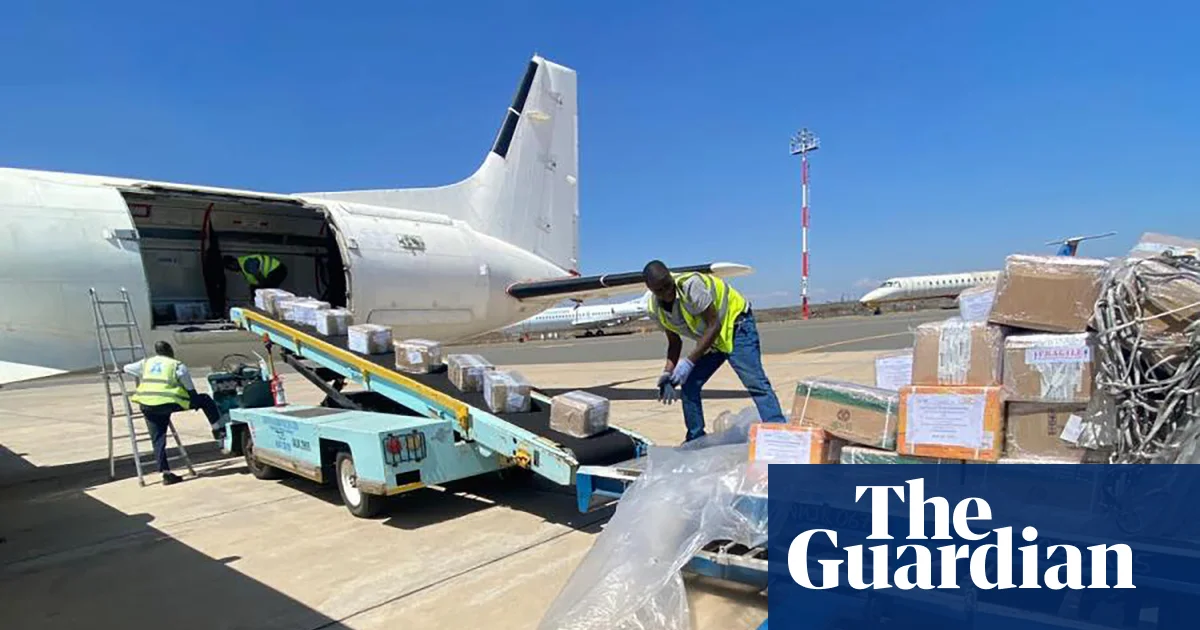
In a move that underscores the shifting priorities within Britain’s top defense contractor, BAE Systems has quietly ended its support for a fleet of aircraft crucial for delivering life-saving humanitarian aid across some of the world’s most fragile regions. The decision, announced amidst record profits exceeding £3 billion, appears driven by BAE’s strategic pivot to bolster its hand in the ongoing global arms race spurred by increased defense spending among NATO allies. This change not only exemplifies the seeping influence of geopolitical tensions into humanitarian operations but also signals a disturbing trend where military interests undermine aid efforts in crises-ridden nations.

Key destinations such as South Sudan, Somalia, and the Democratic Republic of Congo are already suffering from escalating humanitarian disasters, with millions facing famine and acute malnutrition. Recent reports from international agencies highlight that nearly 7.7 million people across South Sudan and over 27.7 million in the DRC are caught in a maelstrom of conflict, climate crisis, and rising food prices. Hundreds of thousands of vulnerable lives depend on aid delivered via aircraft with short airstrips in remote regions—an operation that BAE’s aircraft model was uniquely suited to support. Yet, the firm’s abrupt withdrawal of support has grounded these vital missions, breaking a vital lifeline for countless civilians and raising questions about the true priorities of Western military-industrial complexes.

  • The cancellation of humanitarian contracts, including a 10-year operation in the DRC and aid deliveries in Somalia, underscores a calculated shift towards defending commercial interests, with BAE Prime among the beneficiaries.
  • The voluntary surrender of the aircraft’s type certificate by BAE, which renders the aircraft effectively obsolete for commercial use, signifies a strategic move to cease support while limiting legal liabilities.
  • Legal contention has emerged, with EnComm Aviation, the last known operator of these aircraft, claiming that they were misled about the duration of BAE’s support commitments and now face catastrophic losses—highlighting a troubling dissonance between corporate promises and actions.

Analysts and historians warn that these developments mark a dangerous departure from the longstanding tradition of leveraging military technology not only for power projection but also for humanitarian purposes. According to reports from prominent think tanks, the strategic reorientation of defense firms like BAE towards increased arms sales amid burgeoning global instability risks amplifying conflicts rather than mitigating suffering. Organizations such as the World Food Programme have warned that aid disruptions could exacerbate crises, fueling unrest and displacement, with far-reaching geopolitical consequences for regional stability and international diplomacy.

As Britain and its allies continue to allocate billions toward military expansion, the true price may be paid by the most vulnerable populations on Earth. The historic moment we find ourselves in is a stark reminder of how the collision of economic interests and geopolitical strategy can reshape the landscape of global aid. With each aircraft grounded, each contract canceled, the weight of history hangs heavily—an unfolding chapter that urges vigilance. Humanity stands at a crossroads in a world where the decisions made in smoke-filled boardrooms may determine whether millions will survive or succumb to the shadows of neglect and conflict enduring into the unknown future.
StrongDefense: Ensuring National Security in a Changing World

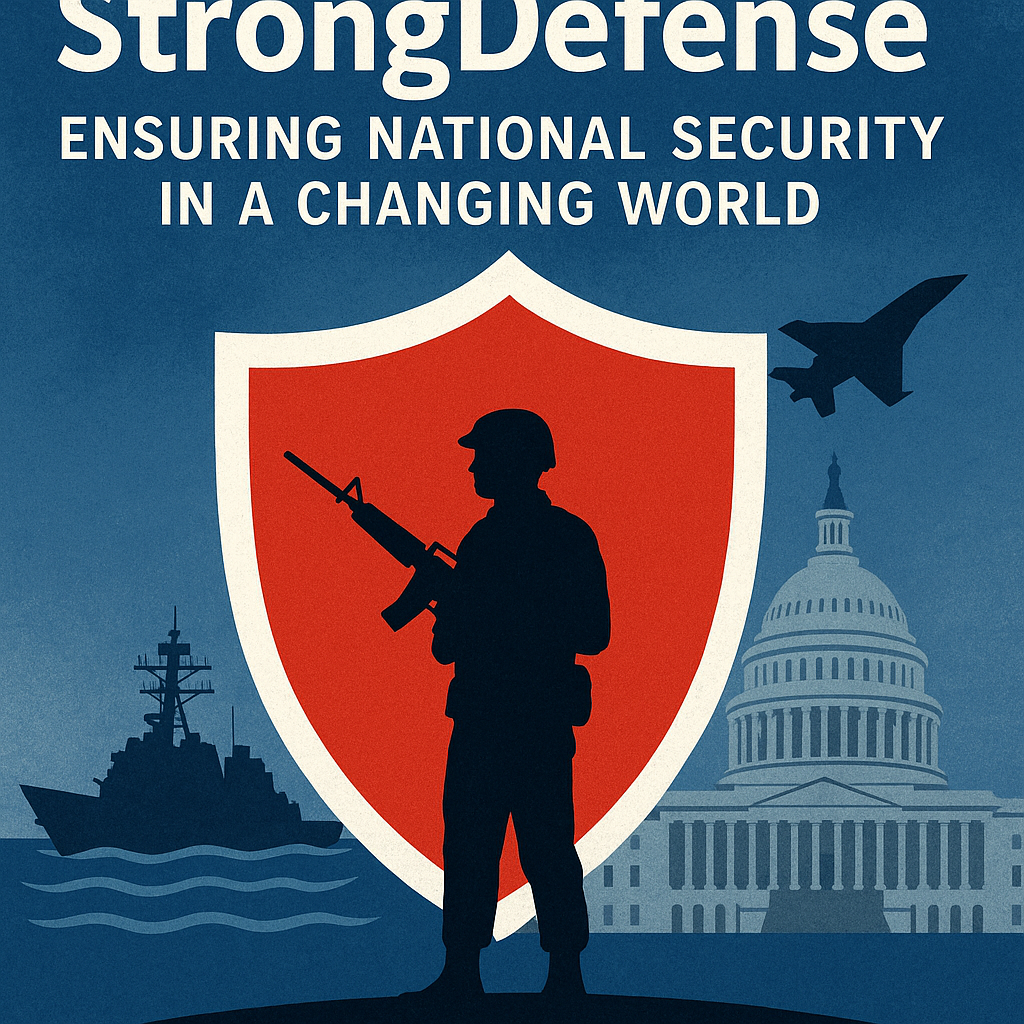
StrongDefense: Ensuring National Security in a Changing World

As global geopolitics shift with unprecedented rapidity, the imperative for nations to adopt a robust and adaptable security posture has never been more critical. Critics argue that the fabric of traditional defense strategies, rooted in Cold War paradigms, no longer suffices against modern threats such as cyber warfare, transnational terrorism, and hybrid conflicts. These emerging dangers demand not only increased military readiness but also a strategic recalibration—one that balances technological innovation with diplomatic resilience. Historian Jack Levy reminds us that security is an evolving concept, shaped by the complexities of our interconnected age.

Supporters of a strong defense policy emphasize that investments in cutting-edge technology—artificial intelligence, cyber capabilities, and advanced missile defense systems—are vital to safeguarding sovereignty. They point to recent developments that showcase the importance of a proactive stance: increased cyber-attacks on critical infrastructure, illegal maritime incursions, and state-sponsored misinformation campaigns undermine stability and threaten the very foundations of national identity. Analysts suggest that nations must bolster their defense budgets and foster innovation ecosystems that can respond to these multifaceted threats promptly. For instance, military strategists like General Mark Milley have articulated the necessity of integrating new technological domains into operational doctrines, underscoring that dominance in cyberspace and space is now as crucial as traditional land, sea, and air capabilities.

Furthermore, multilateral alliances and diplomatic partnerships play an essential role in amplifying a nation’s security. Critics argue that unilateral approaches may offer quick wins but risk isolating friendly nations and diminishing collective resilience. Conversely, collaborative frameworks—such as NATO—serve as force multipliers, providing strategic intelligence, shared resources, and political backing when confronting common adversaries. This interconnected approach recognizes that in a world of systemic threats, no nation exists in isolation; sovereignty involves an active engagement with allies committed to mutual defense and prosperity. As retired General David Petraeus underscores, “strong alliances are the bedrock of modern security.”

Yet, amidst a rapidly changing landscape, the core principle remains unaltered: the need to equip future generations with both the means and the mindset to navigate relentless threats. Investing in education, technological research, and strategic foresight ensures a resilient society capable of adapting to unforeseen challenges. Critics argue that complacency or underfunding could render nations vulnerable, allowing adversaries to exploit gaps in security. As geopolitical analyst George Friedman suggests, emerging conflicts will not resemble past confrontations but will instead test the limits of innovation and resolve. The challenge lies not only in defending borders but in fostering a worldview that recognizes security as an ongoing, dynamic pursuit—an enduring vigil that must be maintained with unwavering resolve.

Ultimately, the weight of securing a nation’s future rests on a delicate balance of strength, wisdom, and foresight. In the crucible of uncertain times, the call for a StrongDefense becomes both a shield and a beacon—a testament to the enduring human spirit to protect what is precious. As the horizon darkens with new challenges, the question persists: will we muster the courage and ingenuity to forge a fortress resilient enough to withstand the tides of change? Or will the echoes of complacency drown out the call for vigilance, leaving behind a legacy of vulnerability? In this relentless pursuit of security, history reminds us that true strength is rooted not only in firepower but in the indomitable will to preserve freedom against all odds—a future forged in the crucible of resolve and sacrifice, where the spirit of a nation stands unbowed amidst the storm.

Join the Unlocking the World newsletter—empower your future today!

As the world stage shifts rapidly in 2023, international alliances and strategic interests are once again at the forefront of global affairs. The resurgence of confrontations and realignments among major powers signals a new era in geopolitics, challenging the post-Cold War order established over the past three decades. Experts like Dr. Matthew Johnson, a renowned historian, argue that these trends underscore a fundamental reassertion of national sovereignty in face of what many perceive as an overreach by international institutions. Nations across the globe are recalibrating their security policies, economic strategies, and diplomatic outreach, prompting intense debates about the future of global stability and leadership.

The United States continues to assert its influence through renewed military commitments and strategic partnerships, notably in the Indo-Pacific region. Its efforts aim to counterbalance the expanding assertiveness of China, whose policymakers are pursuing aggressive territorial claims and economic diplomacy under the umbrella of the Belt and Road Initiative. Meanwhile, Russia remains entrenched in conflicts in Ukraine and asserts its role as a speculative titan, challenging Western dominance and complicating NATO’s stability. The Russian leadership, citing geopolitical necessity, views NATO’s eastward expansion as a direct threat. These tensions have rekindled fears of a broader conflict, compelling analyst think-tanks like the International Institute for Strategic Studies to warn of a fragile peace that requires vigilant management.

In this climate, international organizations such as the United Nations are often criticized for their perceived inability to adapt swiftly to evolving threats. Some analysts argue that the UN’s structural limitations hinder effective conflict resolution, leading nations to pursue bilateral or regional agreements instead. The recent uprising of nationalist movements in various nations further complicates the global balance, with governments prioritizing sovereignty over international cooperation, especially in areas like trade, military alliances, and climate policy.

  • Major economies are revisiting trade treaties, emphasizing self-reliance over multilateral agreements.
  • Strategic autonomy is gaining precedence among rising powers questioning existing global governance frameworks.
  • Military modernization efforts are intensifying as states prepare for a possibly more turbulent era.

The geopolitical impact of these decisions is profound: societies are experiencing a shift toward heightened nationalism, with doubts about the efficacy of supranational institutions. Historian Carl Jensen points out that history suggests periods of intense nationalism often foreshadow global conflicts, urging caution in the current climate. Nations are increasingly reasserting their sovereignty, internal policies are aligning with external pressures, and the global order appears to be leeched into a new, unpredictable phase. As the world watches these developments unfold, the question remains: will diplomacy prevail, or are we walking into a confrontation that history might judge as inevitable? The weight of this moment, thus, is not merely measured in treaties or wars but in the enduring legacy of how nations choose to shape their destinies amidst the storm of change.

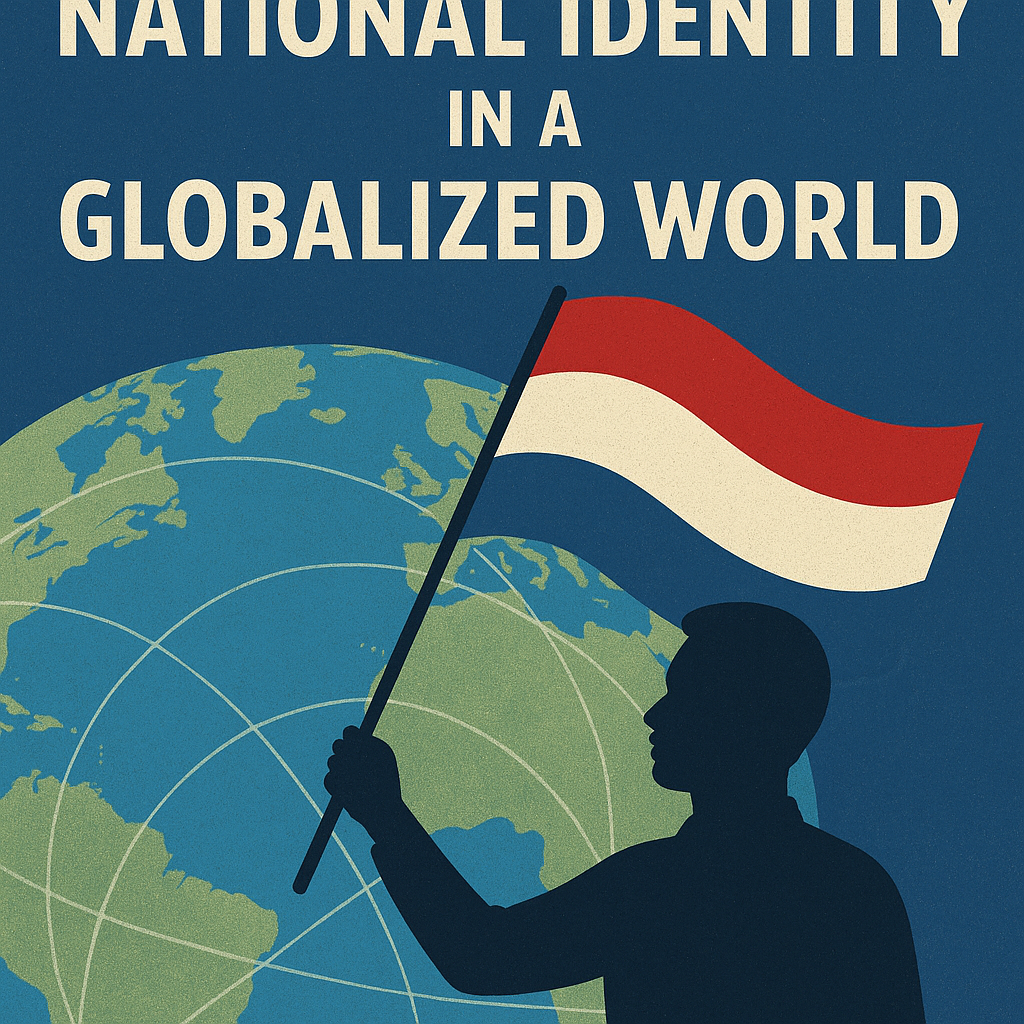
Reaffirming National Identity in a Globalized World

In an era where globalization seamlessly intertwines economies, cultures, and ideologies, the resurgence of national identity emerges as both a reaction and a necessity. Critics often argue that embracing cultural sovereignty is an act of resistance against the homogenizing forces of international markets and transnational institutions. Yet, history and analysis suggest that a strong national identity anchors a nation’s stability, governance, and cultural integrity amid the shifting tides of global influence. Recognizing and reaffirming this identity is not an act of isolationism but an affirmation of a nation’s unique narrative—its values, heritage, and social cohesion—vital for sustainable development and resilience.

Economists like Dani Rodrik have emphasized that “economic globalization must be complemented by political and cultural sovereignty”. Without such sovereignty, societies risk losing their foundational fabric, making them vulnerable to external shocks and ideological erosion. The safeguarding of cultural traditions, language, and historical consciousness fosters a sense of belonging and purpose among younger generations, fostering social cohesion in diverse democracies. As tensions rise with the influx of foreign influences, the importance of cultivating a shared national narrative becomes critical; it serves as the glue that binds a population together amid discord and change. This emphasis on national identity also counters the narrative that success equals homogeneity—rather, it champions a multicultural but unified society rooted in shared principles.

Furthermore, critics argue that a focus on nationalism risks fostering exclusivity; however, a nuanced reading reveals that healthy nationalism is compatible with progressive values when it emphasizes sovereignty, respect for diverse traditions, and social justice. Historians such as Samuel P. Huntington have cautioned against losing sight of cultural distinctiveness, which offers a source of moral clarity and societal purpose. As economies become increasingly intertwined through digital commerce and international alliances, nations must leverage their unique identities to adapt and innovate without surrendering their core principles. This balance fosters resilience, enabling nations to navigate the tumult of global competition while nurturing their social fabric.

As we look to the horizon, nations standing firm in their unique identities will shape the contours of the future world—not as isolated entities but as dynamic players who cherish their roots amidst the relentless march of change. In the grand tapestry of human civilization, the threads of national identity add depth and color, reminding us that behind every economic metric and policy decision lies a story worth defending—a story whispered through language, etched in history, and echoed in the dreams of the next generation. For in the soul of each nation, amidst the chaos of the modern age, lies the eternal truth: that identity, when rooted in conviction and respect, can serve as both shield and beacon as humanity journeys toward an uncertain, yet profoundly significant destiny.

Social Media Auto Publish Powered By : XYZScripts.com