Matox News

Truth Over Trends, always!

Rising Stars Shine: Young Athletes Break Records at National Championships

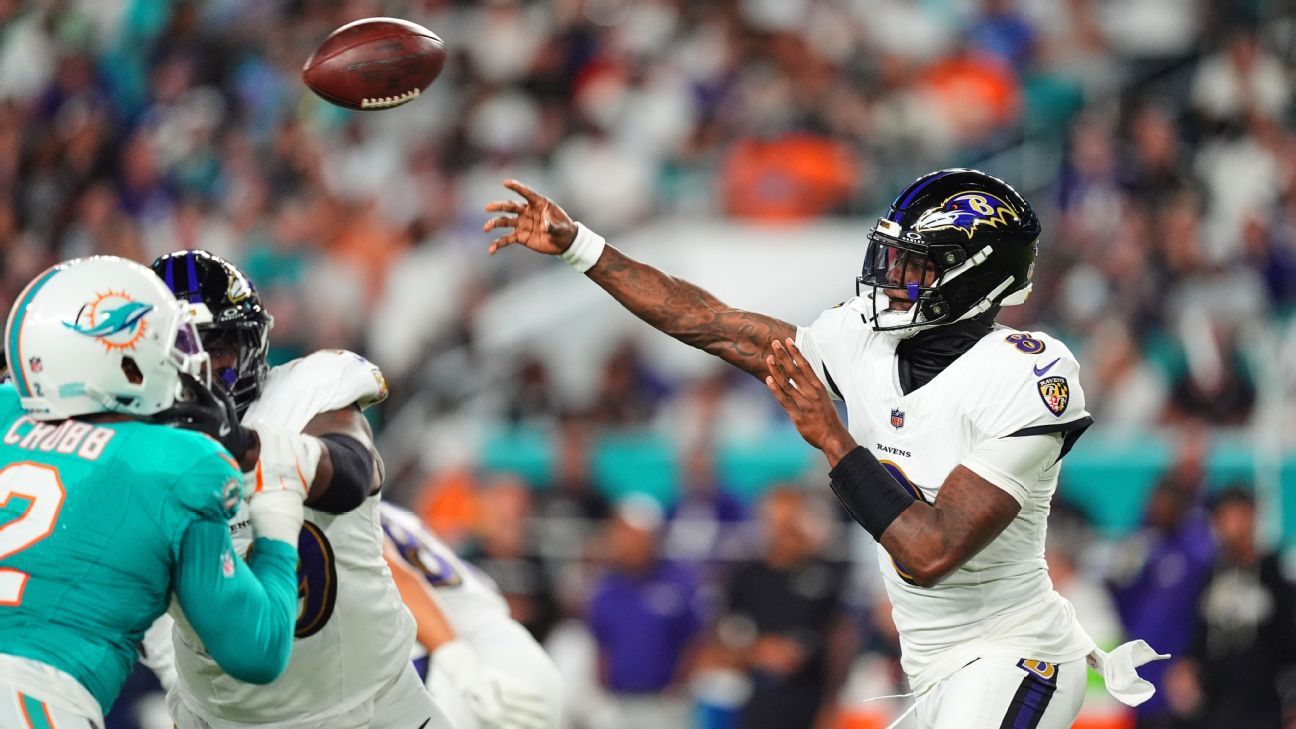
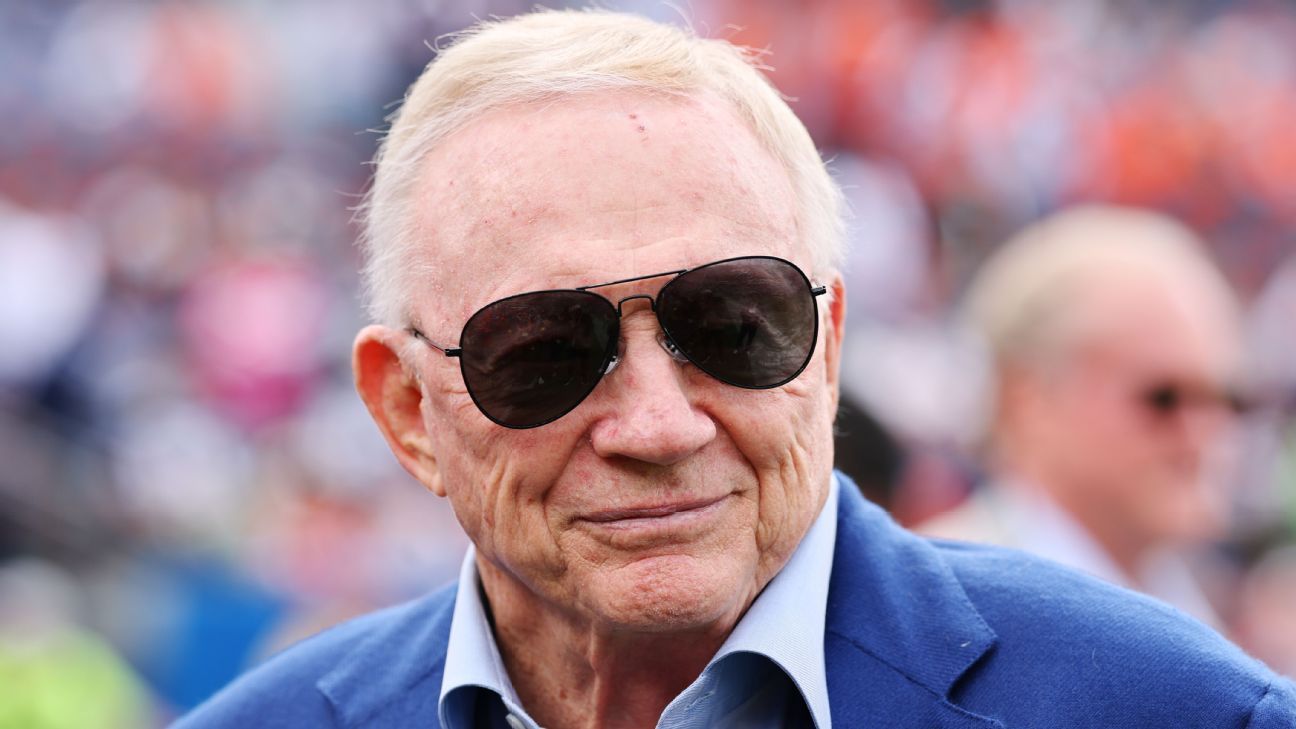
Giants Face Fines for Concussion Protocol Violations

This past week, the New York Giants found themselves in hot water after being slapped with a hefty $200,000 fine for breaching league protocols concerning player safety. The fines stem from the mishandling of an examination of quarterback Jaxon Dart, raising serious concerns about the well-being of not only Dart but the entire roster. In addition, coach Brian Daboll incurred a personal fine of $100,000, while running back Cam Skattebo was penalized $15,000 for conduct deemed detrimental to the league.

The violations were significant enough to warrant scrutiny and criticism from various quarters, and lines were officially drawn by the NFL regarding player safety. According to head coach Brian Daboll, “We take the health of our players seriously,” underscoring the league’s commitment to protecting its athletes. Yet, contrasting reports suggest a disconnect between intention and implementation when it comes to strict adherence to safety protocols, leaving fans and analysts questioning the integrity of the Giants’ management.

The implications of these fines extend beyond the financial realm. The Giants’ reputation as a franchise committed to player safety has been tarnished, and future compliance will undoubtedly be closely monitored. Key takeaways from this incident include:

  • Awareness: The glaring need for adherence to concussion protocols by all teams.
  • Responsibility: Accountability measures are necessary for coaches and staff to uphold player safety.
  • Impact: Financial repercussions serve as a stark reminder of the league’s seriousness regarding player health.

This event sheds light on a critical issue within professional sports, merging the thrill of competition with the ethical responsibility to protect its athletes. The Giants will have to navigate the fallout and re-establish trust with their players and fans. As commentator Mike Golic pointed out, “In the end, it’s not just about winning games; it’s about the safety and well-being of those playing them.” In the grand narrative of sports, these moments have the potential to transform the culture, forging a bond among fans, players, and coaches that transcends the scoreboard. Only through unity in addressing these issues can the true spirit of the game shine brightly.

Source link

Intel’s Tick-Tock is Dead: What it Means for Tech and Young Minds

Intel Reinforces Focus on AI and Next-Gen Chip Innovation Amid Industry Disruption

In its Q3 2025 earnings report, Intel marked a critical milestone: its first profit in nearly two years. This turnaround underscores the company’s strategic pivot towards high-margin AI server chips, signaling a significant disruption in the semiconductor landscape. With supply chain shortages expected to peak early next year, Intel CEO Lip-Bu Tan emphasized prioritizing capacities for AI applications over traditional consumer processors. This shift highlights the industry-wide acknowledgment of AI’s transformative potential and demands a rethinking of supply chain strategies to capture emerging market opportunities.

Looking ahead, Intel’s ambitious plans to release new AI GPUs annually follow the footsteps of industry heavyweights Nvidia and AMD, who have already disrupted the traditional product cadence. As Tan revealed, maintaining competitive relevance in AI hardware is crucial, and Intel is positioning itself to meet the surging demand. However, this aggressive schedule raises questions about the company’s ability to balance innovation with supply chain resilience, especially within the context of ongoing component shortages. These decisions could define whether Intel maintains its trajectory toward innovation-led growth or gets sidetracked by supply constraints.

At the core of these developments is Intel’s advanced 17A and 18A process nodes. The company continues to invest heavily in these next-generation manufacturing nodes, promising to power “at least the next three generations” of client and server products. Yet, persistent yield issues at 18A threaten to delay mass adoption; CEO Zinsner admitted yields are “adequate,” but not yet at a level to sustain robust margins. This acknowledgment is a stark reminder that technology disruption in semiconductor manufacturing is not without challenges; the industry’s push for smaller, more powerful nodes is fraught with complex engineering hurdles. The proposed Intel 14A node, potentially crucial for future competitiveness, is now under renewed confidence thanks to customer support, with Zinsner suggesting that it is outperforming initial expectations.

  • Innovation: Intel’s focus on AI hardware and advanced manufacturing
  • Disruption: Industry-wide shift towards AI chip cadence, challenging traditional tick-tock models
  • Business implications: Supply chain realignment, strategic prioritization, and large-scale investment in next-generation nodes
Rising Star Shines Bright: Young Talent Dominates Last Night’s Championship Game!

NBA’s Financial Landscape Shifts – A Game Changer for the League

On Thursday, the NBA faced a significant financial reckoning that could reshape the league as we know it. The sheer volume of cash flooding the sports industry has reached heights that demand attention and careful navigation, echoing sentiments voiced by many analysts and former players. This development sheds light on the financial pressures faced by teams and the implications for fans and players alike.

While star players like LeBron James and Stephen Curry continue to command multi-million dollar deals, the ripple effect of financial growth means increased expectations for performance. As highlighted by NBA commentator Mark Jackson, “The stakes are higher than ever; when you put that much money into the game, the pressure is on to deliver.” This dramatic financial evolution speaks to a broader issue: just how sustained investment can influence the dynamics of team management and player contracts.

Several key teams, including the Brooklyn Nets and Los Angeles Lakers, are at the forefront of these changes, leveraging their financial muscle to attract top talent. Meanwhile, smaller markets struggle to compete, creating a divide that could alter the league’s competitive landscape. The disparity was evident during recent negotiations, as franchises jockeyed for position in a rapidly changing economic environment. Notably, coaches like Eric Spoelstra of the Miami Heat recognize the need for adaptive strategies in light of financial realities, emphasizing, “It’s not just about money; it’s about building a cohesive unit.”

  • Key Moment: Financial negotiations summoning former champions and franchises alike.
  • Player Stats: Major players seeing contract increases as cash flow rises.
  • Takeaway: Competitive balance may be evolving, requiring teams to rethink recruitment and retention strategies.

As these financial realities continue to unfold, one thing remains clear: sports serve as a unifying force in society, transcending mere numbers on a ledger. Whether one supports a powerhouse like the Golden State Warriors or roots for a team with less financial backing, the passion for the game unites fans and players alike. The NBA’s journey is far from over, and as it navigates these uncharted waters, one can only hope the essence of competition remains intact, highlighting resilience through unity on and off the court.

Source link

Tesla Issues Recall for 13,000 Model 3 and Y Vehicles: What Young Drivers Need to Know

The Latest Recall: Tesla’s Ongoing Battle with Vehicle Safety

In what might seem like just another chapter in Tesla’s relentless push to dominate the electric vehicle market, reports from the National Highway Traffic Safety Administration (NHTSA) reveal a significant recall impacting over 13,000 Model 3 and Model Y vehicles manufactured between March and August 2025. While Tesla has previously built its reputation on cutting-edge innovation, this recall underscores an unsettling reality—even the most advanced tech vehicles are vulnerable to critical safety issues.

The problem, as detailed by NHTSA, stems from a glitch in the battery pack contactor, caused by a poor coil termination connection. This can lead to an unexpected loss of propulsion, presenting a clear safety concern for drivers and passengers alike. Interestingly, Tesla’s proactive stance—invoking a voluntary recall—demonstrates the company’s awareness of its societal responsibility, despite the fact that such recalls are not legally mandated. They plan to handle repairs by physically replacing the faulty contactors at service centers; a decision that highlights the importance of tangible safety fixes over mere software updates. As Elon Musk’s brand continues to evolve, this move reflects a broader shift: Tesla is increasingly being scrutinized for safety, transparency, and accountability—elements that resonate with a new generation of consumers who value trust as much as innovation.

Blood, Sweat, and Recalls: The Broader Impact on Culture and Consumer Trust

  • Ongoing safety concerns have cast a shadow over Tesla’s reputation, especially with prior issues involving the Cybertruck, such as the accelerator pedal lodging or exterior panels detaching during driving. These recurrent problems could be fueling a culture of skepticism among younger consumers who idolize the brand’s futuristic image but are increasingly wary of its reliability.
  • Influencers like Jonathon Ramsey and tech analysts point to Tesla’s growth as a double-edged sword—innovation coupled with growing scrutiny could define its future trajectory. Meanwhile, social movements emphasizing safety transparency are shaping how brands are held accountable in the digital age.
  • Yet, amidst these setbacks, Tesla’s ability to address issues head-on might be what preserves its cultural impact. For the youth, Tesla isn’t just a car brand; it symbolizes a movement toward sustainable progress and technological mastery. This intersection of societal ideals and product evolution continues to redefine the automotive lifestyle, transforming it from mere transportation to a statement of identity.

The Future of EVs and the Next Big Question

As Tesla navigates its latest safety hurdles, a compelling question emerges for consumers and industry watchers alike: Will these recurring recalls undermine the brand’s revolutionary standing, or will Tesla’s swift and transparent responses bolster its credibility in the long run? In a world increasingly driven by digital trust and social activism, the way Tesla handles these setbacks might determine whether the brand stays at the forefront of innovation or becomes a cautionary tale in corporate responsibility.

While the headlines focus on technical glitches, the bigger story is about our society’s evolving relationship with technology—how much risk are we willing to accept for the promise of a cleaner, more advanced future, and how will our expectations change as these innovations become more deeply embedded in our daily lives? The next chapter remains unwritten, but one thing is clear: the question of trust and safety will be central to defining the cultural landscape of electric vehicles for years to come.

Rising Stars Shine as Young Athletes Dominate National Championships

Warriors Triumph in Season Opener Against Lakers

In a thrilling display of skill and determination, the Golden State Warriors opened their season with a decisive victory over the Los Angeles Lakers. The pivotal moment came courtesy of star player Jimmy Butler, who showcased his ability to draw fouls and convert crucial free throws. With a game-changing performance at the free-throw line, Butler cemented his status as a leader on the court.

On the other side, Jonathan Kuminga returned to the spotlight, having navigated an offseason contract standoff that had many questioning his future with the team. His resilience and focus were apparent as he played an instrumental role in the Warriors’ victory. With each dunk and assist, he reaffirmed his commitment to the franchise, showcasing the depth of talent within the Warriors’ roster.

  • Scoreline: Warriors 112 – Lakers 99
  • Butler’s Stats: 24 points, 9 rebounds, 7 assists
  • Kuminga’s Contributions: 18 points, 5 rebounds, 4 assists

Commentators observed that the synergy between Butler and Kuminga has the potential to bring the Warriors back to championship contention. Renowned basketball analyst Mark Jackson noted, “The chemistry these two have developed could be the key to unlocking this team’s full potential.” With such strong performances from their front-line players, the Warriors are poised for a memorable season.

As the final buzzer echoed through the arena, it became clear that this victory is about more than just the scoreboard. It is a testament to the hard work, dedication, and unity that defines the spirit of sports. As athletes like Butler and Kuminga rise to the occasion, they not only entertain but also inspire a generation, uniting fans across different backgrounds and fostering a sense of community. In every win and loss, it is this shared passion for the game that brings us together, emphasizing that sports are, indeed, a unifying force in our lives.

Source link

Rising Stars Shine: Young Athletes Break Records at National Championships

Chiefs Surge Back; Colts Resilience Shines Through

In a thrilling matchup that had fans on the edge of their seats, the Kansas City Chiefs proved their doubters wrong as they reclaimed their spot as one of the premier offenses in the league. Meanwhile, the Indianapolis Colts showcased their tenacity in a game that tested their resolve. As the whistle blew, the scoreboard read 35-24 in favor of the Chiefs, but the real story is the fight both teams exemplified throughout the game.

Entering the contest, many believed the Chiefs’ offense was on a downward spiral. However, the combination of quarterback Patrick Mahomes and rising star receiver Skyy Moore led a masterclass performance. The turning point came in the second quarter when Mahomes connected with Moore for a stunning 75-yard touchdown, igniting a furious rally that left the Colts scrambling. Commentator Tony Romo remarked, “You can’t count these guys out. Mahomes has a knack for making the impossible look routine.”

  • Mahomes threw for over 350 yards and four touchdowns.
  • Skyy Moore accumulated 120 receiving yards and the critical touchdown.

The Colts entered this game under significant scrutiny after a few disappointing performances. However, under the leadership of head coach Shane Steichen, they demonstrated grit and determination. Star running back Jonathan Taylor kept the pressure on with his strong running game, finishing with over 100 rushing yards and a touchdown. His performance was a testament to his hard work and determination, proving he remains a key player for this team.

  • Jonathan Taylor recorded a touchdown and 100+ rushing yards.
  • Defensive standout Darius Leonard had 12 total tackles.

As the dust settles on this riveting game, it becomes clear that the Chiefs are back in business, while the Colts have laid the groundwork for a brighter future. In the end, what truly matters extends beyond the stats: it is about the heart and spirit displayed on the field. Both teams, albeit competing fiercely for victory, exemplified how sports bring us together as a community, igniting passion and hope in fans from all walks of life. When the game concludes, it’s not merely a scoreboard that resonates; it’s the eternal bond forged in the love for the game.

Source link

OpenAI Unveils ChatGPT Atlas: A New Web Browser Powered by ChatGPT for Young Tech Enthusiasts

OpenAI Launches AI-Powered Browser, Sparks Geopolitical Ripples

In a move that signals the escalating influence of artificial intelligence on global digital infrastructure, OpenAI unveiled ChatGPT Atlas, an innovative AI-enhanced web browser. This development has sent shockwaves through the tech world and geopolitical spheres alike, with critics and analysts quick to recognize its potential to reshape online navigation and information dissemination. The new platform, integrated with ChatGPT, promises a personalized browsing experience, empowering users to interact with websites via a sidebar that can summarize content, analyze data, and even modify text—features that could redefine user engagement worldwide.

This launch, albeit primarily technological, extends far beyond the realm of software. In the context of rapidly evolving AI capabilities and digital sovereignty debates, it underscores a new chapter in the competition for technological dominance among the world’s superpowers. As OpenAI makes Atlas available globally on Apple’s Mac OS and prepares for launches on Windows, iOS, and Android, glimmers of a digital arms race emerge in the shadows. Tech giants like Google, which recently integrated its Gemini AI into Chrome, are not sitting idly by. Shares of Google fell immediately after the announcement, reflecting investor fears that OpenAI could challenge Chrome’s supremacy, the world’s most used browser. This shifting digital landscape demonstrates how AI innovation is intrinsically linked to economic power and geopolitical influence.

World analysts, including those from Oxford’s Future of Humanity Institute and the United Nations’ digital policy division, warn that the race for AI-driven browsing tools could become a new battleground for international influence and control. Countries like China and Russia are reportedly ramping up investments to develop their own AI-driven web technologies, aiming to neutralize Western dominance in digital infrastructure.

  • For the United States, the emphasis on AI as a competitive edge in global innovation is paramount, with policymakers strategizing to secure digital sovereignty and protect critical infrastructure.
  • Meanwhile, European nations are calling for stricter regulation on AI, fearing the potential erosion of privacy rights and the emergence of a new “digital divide”.

In this context, decisions taken now — such as OpenAI’s push into the browser market — will shape who controls information flow and technological standards in the decades to come.

Historians of technology emphasize that past innovations, from the printing press to the internet, have always been catalysts for profound societal change and geopolitical shifts. Today’s AI-powered browsers mark a similar turning point, weaving digital sovereignty, economic dominance, and societal control into a complex tapestry that will define the future of international relations. As the global community watches unfold this new chapter, the stakes could not be higher: an uncharted landscape where the line between technological innovation and geopolitical power blurs, leaving history to judge those who dared to lead the charge into the unknown.

University Fees Up, V-Levels Introduced: What Young Brits Need to Know

Society at a Crossroads: The Rising Costs and Shifting Structures in Higher Education

As families across communities grapple with economic uncertainty, the landscape of higher education faces transformative shifts that threaten to deepen social divides. The recent White Paper from the government signals not just changes in policy, but the potential recalibration of social mobility itself. With tuition fees destined to escalate annually with inflation from 2026 onward, the foundational promise of accessible university education appears increasingly fragile.

Historically, social commentators like John R. Bowen have emphasized that education acts as both a mirror and a moulder of societal structures. The planned fee increases—expected to elevate costs by over £400 annually—pose a significant hurdle for students from lower-income backgrounds. Although the government assures that income-based repayment thresholds will shield some, the specter remains that rising debt burdens could disproportionately burden those who can least afford it, thereby narrowing the social strata rather than bridging them.

Financial Strain and Academic Inequity

In this context, the question of university staff pay and quality of education emerges as a critical issue. The uncertainty surrounding whether fee hikes will translate into better salaries for lecturers is symptomatic of a larger dilemma. According to sociologists like Michael W. Apple, the way in which educational resources are allocated often reflects broader societal priorities. Critics argue that with universities facing financial strain—exacerbated by years of austerity—the likelihood is that staff pay disparities and resource shortages will deepen, potentially impacting students’ learning experiences.

  • Proponents claim that inflation-linked fee increases are essential for the long-term sustainability of universities, which have struggled with frozen or declining funding.
  • Opponents warn that this model could entrench socio-economic inequalities and erode the quality of higher education for the most vulnerable students.

Additionally, the government plans to reintroduce maintenance grants for some lower-income students by 2029, financed through a tax on international student fees. While such measures aim to shore up access, questions linger about whether they will be sufficient to counter the effects of rising debt and cost of living, especially for those who are the first in their families to pursue higher education.

Reimagining Accreditation: The Role of V-Levels

Amidst these financial and social upheavals, a pioneering shift in educational pathways is underway: the introduction of V-levels from 2027. These new qualifications are designed to sit alongside traditional A-levels and T-levels, replacing qualifications like BTecs, yet their precise impact remains opaque. The shift signifies a broader debate on the credibility of vocational qualifications and their role in social mobility.

Historians like E. P. Thompson have documented that vocational education has long been undervalued, often viewed as a lesser alternative to academic routes. The emergence of V-levels is an attempt to elevate such pathways, but the transition must be carefully managed. Current vocational students, many from working-class backgrounds, worry whether these reforms will result in a two-tier system, where social and economic barriers could once again decide educational destiny.

Hope and Reflection

As society grapples with these challenges, the question remains: how can communities and policymakers foster a future where opportunity is truly accessible to all? It requires a collective effort, integrating public funding, fair assessment standards, and a renewed respect for vocational paths—steps that echo the insights of social thinkers advocating for equity rooted in social justice.

In the quiet moments of reflection, society faces a choice—to let the escalating costs and structural divides deepen the chasms between classes, or to forge a new way forward rooted in equality, opportunity, and the human dignity that underpins a resilient society. The seeds of transformation may be fragile, but history has shown that hope, combined with deliberate action, can sow the roots of profound change—reminding us that even amidst adversity, society’s true strength lies in its capacity to evolve.

Gucci Parent Kering Bets Big on Future: €4B Sale of Beauty Biz to L’Oréal Cements Young Luxe Scene

The Future of Luxury Brands: Kering’s Shift and the Social Power of Consumer Trends

In a move that’s sending ripples through the luxury fashion and beauty industries, Kering — the powerhouse behind brands like Gucci, Bottega Veneta, and Balenciaga — is stepping away from its once-burgeoning beauty segment. Recent reports reveal that Kering has agreed to sell its beauty division, including its iconic fragrance line Creed, to L’Oréal for a hefty €4 billion. This strategic pivot, announced by new CEO Luca de Meo, aims to alleviate mounting debt and refocus Kering’s core strength: high-end fashion. It’s a refresh for a brand known for its innovative designs and celebrity allure — but also a signal of wider societal shifts that are redefining what luxury truly means in the modern age.

This sale isn’t just about balancing books; it’s a reflection of how consumer engagement and social relevance have become more critical than ever in the world of high-end branding. While traditional beauty was once a cornerstone of luxury appeal, today’s younger audiences are more interested in what brands stand for. The new 50-year licensing deal with L’Oréal will see Kering’s fashion labels develop fragrance and beauty products under their names, but only through licensed partnerships. It underscores a broader trend: luxury brands are increasingly ceding control over certain product lines to consumer-centric conglomerates that understand the modern digital and social landscape.

The Rise of Influencer Culture and Social Relevance

Notably, this decision aligns with the rise of influencers and viral marketing. As social media platforms like Instagram and TikTok continue to shape consumer preferences, luxury brands are caught in a dynamic struggle: maintain exclusivity or embrace authenticity and relatability. Under the guidance of their new management, brands such as Gucci are experimenting with innovative formats — like filming collections rather than traditional runway shows — to connect more deeply with a youthful, socially aware audience. The engagement of influencers like Emma Chamberlain and Lil Nas X demonstrates that social relevance often outweighs conventional advertising in determining impact and market share. According to sociologists studying brand evolution, this signals a paradigm shift: luxury is no longer just about opulence but about a brand’s social voice and authenticity.

Here’s the ironic twist: while the luxury giants are divesting from certain product lines, they are doubling down on building social and cultural relevance. Strategic moves like partnering with emerging fashion creators and adopting unconventional marketing tactics are making these brands more accessible and relatable, especially to a digital-native generation eager for brands that reflect their values. The ongoing debate among analysts such as Bernstein revolves around the sustainability of this approach: Will these brands maintain their allure while fostering genuine social connection, or is it just a passing trend fueled by viral fame?

What’s Next? The Next Big Question

As these high-stakes moves unfold, the next big question remains: will this new era of luxury branding, heavily reliant on social influence and licensing, genuinely enhance authentic consumer loyalty, or is it just a fleeting response to market volatility? The landscape is shifting so rapidly that traditional notions of exclusivity and craftsmanship sit side-by-side with digital virality and social commentary. The challenge lies in balancing these forces — if brands can harness social relevance without losing their core identity, they might forge a new, resilient path forward. Otherwise, they risk becoming mere brands of moments rather than icons rooted in lasting cultural impact. That’s the real story to watch: this era of transformation is laying the groundwork for a future where social narrative and consumer participation are as vital as the product itself.

Young chess prodigy Daniel Naroditsky, a rising star in the US scene, passes away at 29

Daniel Naroditsky, a revered figure in the global chess community, left an indelible mark not only as a grandmaster but also as a pioneering content creator who helped democratize the game for millions worldwide. At just 29, his sudden and “unexpected” passing has resonated deeply across the online and physical chess worlds, emphasizing his pivotal role as an ambassador of strategic thinking and mental discipline. Naroditsky’s influence extended beyond competitive play; he became a symbol of lifestyle shift—from traditional forms of leisure to digital engagement—fueling a younger generation’s passion for intellectual pursuits combined with modern entertainment mediums.

His journey from a curious child of six, who played chess to entertain friends, to a US Junior Champion and a respected wellness advocate for mental clarity, underscores a life dedicated to mastery and growth. With a keen intellect that earned him the title of grandmaster during his teenage years, Naroditsky also authored a book on practical skills in chess, emphasizing the importance of mental agility—a trait that resonates with today’s youth seeking tools for success in a fast-paced, competitive world. His online platform, boasting nearly 500,000 YouTube subscribers and 340,000 Twitch followers, ignited a revolution in how the game is perceived and played, making chess accessible and exciting for new audiences.

Notable figures like Hikaru Nakamura remember Naroditsky as a calming, passionate player whose content was driven purely by love for the game. “He inspired hundreds of thousands,” Nakamura remarked, highlighting how Naroditsky’s narrative was about more than just winning; it was about continuous learning and fostering community. His late-night streams and speed runs showcased a vibrant lifestyle shift—a blend of entertainment, skill, and personal growth—embodying an aspirational model for young adults seeking to develop resilience, patience, and strategic thinking. Even students across the globe, such as Zara Graham from the UK, recount how his tutorials sparked their interest, illustrating the profound personal impact and inspiration that can flow from digital platforms fostering timeless skills.

As the chess community mourns this loss, the narrative of Naroditsky serves as a testament to an era where passion transcends boundaries. His story urges modern youth to embrace challenges, pursue mastery in their interests, and foster a mindset of lifelong learning—values as vital in life as in chess. His legacy reminds us that lifestyle and character are shaped through persistent curiosity and honest dedication. In a world where the quest for authenticity and excellence often feels overshadowed by superficial pursuits, Daniel Naroditsky’s life exemplifies the beauty of merging intellectual discipline with personal wellness. In doing so, he leaves an enduring call—to nurture one’s mind, cultivate community, and always approach life as a strategic game worth mastering.

Social Media Auto Publish Powered By : XYZScripts.com