Matox News

Truth Over Trends, always!

Reading’s housing future: What’s on the horizon for young residents?

As local elections approach in Reading, the overarching concern that dominates the discourse is housing. Across political lines, the debate intensifies around how best to navigate the complex web of urban development, affordability, and sustainable growth. For political analysts, this election represents more than a routine democratic exercise; it exposes the power struggles shaping the future trajectory of local governance and the decision-making processes that directly impact the lives of constituents.

At the heart of this contention lies the contrast between established urban planning policies and groundbreaking reforms proposed by grassroots coalitions. Traditionally, the dominant political forces in Reading, often aligned with center-right parties, have championed fiscal conservatism and market-driven development. These policies tend to favor large-scale housing projects, frequently criticized for disenfranchising lower-income residents and accelerating gentrification. Conversely, emerging progressive factions advocate for affordable housing mandates, community-led planning, and protections for vulnerable populations. The ensuing power struggle exemplifies a broader ideological battle—whether to prioritize economic expansion or social equity—echoing debates that have historically shaped municipal governance.

This contest over policy directions is compounded by constitutional questions surrounding local authority and citizen participation. Some experts draw parallels with historical moments like the 19th-century Chartist movement, which demanded greater voice for the working class—highlighting how decision-making shifts influence the social fabric. Recent legal debates also question whether municipal leaders are overstepping their constitutional boundaries in pursuit of aggressive land-use reforms. Such disputes underscore the importance of power dynamics in shaping the urban landscape, with each side jockeying to secure their vision of the city. The outcome of these elections could determine how Reading’s governance balances public interests against private enterprise, impacting generations to come.

It is precisely this clash of visions that frames local politics as a microcosm of national ideological battles. The electorate’s choice will signal whether Reading adopts a more progressive path emphasizing social justice and inclusivity, or adheres to a more conservative stance prioritizing fiscal responsibility and market freedoms. During campaigns, candidates articulate starkly contrasting promises—those seeking to expand public housing initiatives versus advocates for reducing regulatory red tape for developers. Such policy decisions are not mere administrative acts; they delineate the moral and economic compass of the city, shaping how the population interacts with its infrastructure, economy, and community life.

Ultimately, local elections reveal that politics remains the ultimate stage of destiny, where ideologies clash, alliances shift, and power dynamics reconfigure the foundations of society itself. The choices made in Reading’s voting booths today will ripple through the corridors of power and into the daily lives of its citizens, reaffirming that governance is less about bureaucracy and more about the battle for the soul of the city. In this fierce contest, history reminds us that those who grasp the levers of authority not only write laws but also carve the very destiny of their communities—prompting each voter to consider: who truly controls the future?

Honoring Michael Tilson Thomas’s Legacy: Celebrating the Next Generation of Young Musicians

In a world increasingly captivated by the transient spectacle of modernity, it is vital to recognize the enduring significance of culture as the bedrock of identity, tradition, and societal cohesion. The story of Michael Tilson Thomas—a titan of American orchestral music—serves not merely as a chronicle of artistic achievement but as a testament to the profound role culture plays in shaping national character and collective memory. An advocate of the arts who seamlessly bridged the classical tradition with America’s vibrant, sometimes rebellious, cultural landscape, Thomas exemplified how the arts can act as both a mirror and a mold for society. His commitment to nurturing young talent, fostering innovation, and intertwining popular culture with high art underscores a fundamental truth: culture is the living fabric of a nation itself, crafted through the continuous dialogue between the past’s storied echoes and the prophetic voices of future generations.

Throughout his illustrious career, Thomas exemplified the profound philosophy that culture is both memory and prophecy. His work with the San Francisco Symphony and the founding of the New World Symphony embodied a mission to keep alive the lessons of tradition while eagerly anticipating the future. His efforts to incorporate diverse musical idioms—ranging from the classical to the avant-garde—mirrored the broader cultural shift of an America that increasingly values its hybrid identity. As Ortega y Gasset once argued, culture is not static; it is a dynamic process, a reflection of the rational spirit constantly shaping and reshaping societal values. Thomas’s embrace of technology, especially through initiatives like the YouTube Symphony Orchestra, represents a conscious effort to democratize art and democratize the link between tradition and innovation—integral in a society that prizes connectivity and accessibility.

The influence of figures like Thomas reminds us that culture is the architecture of society, influencing how communities conceive of their history, their values, and their destiny. When Thomas championed artists like Yuja Wang and Julia Bullock, he did more than foster individual careers; he reaffirmed the importance of cultural continuity in a rapidly changing world. His work was rooted in the understanding that tradition is not relic but the foundation from which new greatness is born. Historical critics such as Chesterton have long argued that a society without a vibrant love of its cultural roots risks falling into superficiality and alienation. Conversely, Thomas’s life demonstrated that to preserve tradition is to safeguard the soul of a nation, and to innovate within that tradition is to propel it forward—both essential in a society resisting the erosion of its identity amidst the chaos of modern change.

As we reflect on Thomas’s legacy, it becomes clear that the arts serve as a crucial platform for shaping young minds and reaffirming societal ideals. His attention to education and mentorship embodies the belief that culture is the seed of community, capable of inspiring the fiercest patriotism and the most profound human understanding. In this sense, culture is prophecy: what we cultivate today becomes the moral and aesthetic landscape of tomorrow’s society. This powerful idea is echoed by thinkers like T.S. Eliot, who emphasized that tradition is the backbone of creative renewal. In a cultural epoch often dominated by fleeting trends, Thomas’s life stands as a towering record of the enduring power of cultural roots—roots that anchor us to our history and blossom into the visions of what our society could yet become.

In the quiet dignity of his final years, Thomas returned to the nurturing ground of education, underscoring a fundamental truth: culture demands perpetual renewal. As he worked with students at the San Francisco Conservatory of Music, he exemplified the belief that each generation bears the responsibility of preserving the memory of their cultural ancestors while becoming prophets of their own artistic destiny. Culture, then, is both remembrance and prophecy—an eternal dialogue between memory and the future. When we recognize that our shared cultural endeavors are the ongoing stories of humanity, it becomes clear that society’s truest strength lies in its ability to remember and envision, to honor its past and forge its future. As the final notes of a symphony fade into silence, the enduring melody of culture continues to resonate, a poetic testament: human life, an unfolding epic, both rooted in history and reaching beyond it, shaping the destiny of humanity’s collective soul.

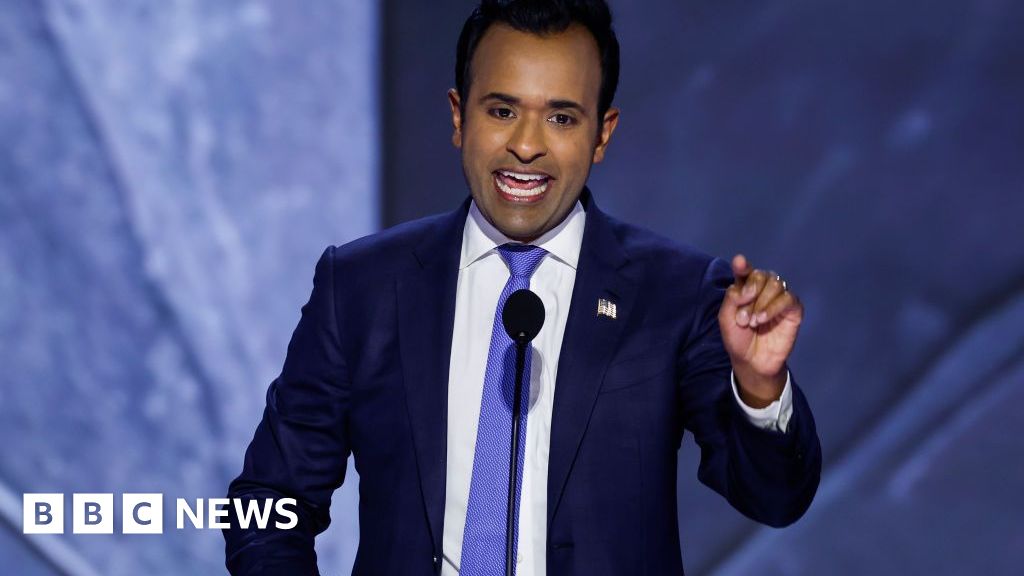
Vivek Ramaswamy Clinches GOP Nomination for Ohio Governor—A Bold New Voice for Young Conservatives

In an extraordinary development on the international stage, the recent political discourse surrounding the COVID-19 pandemic has revealed deeper underlying tensions between leaders and their nations’ responses. A prominent figure, actively participating in a high-profile race, has been vocal in criticizing the state’s response to the crisis, particularly pointing fingers at the policies implemented under the Democrat nominee in the United States. This stance resonates with a broader nationalist and conservative movement that questions the effectiveness of what they deem are overly cautious or politically motivated pandemic strategies.

The critique has resonated beyond domestic borders, inviting reactions from international observers and policymakers. Many analysts argue that the geopolitical impact of such external criticisms plays into a shifting narrative—one that questions established Western leadership with a blend of skepticism and strategic opportunism. Historically, leaders who adopt an adversarial stance during moments of crisis often seek to bolster their national dominance and appeal to populist sentiments, thus altering the global power balance. This, analysts suggest, could embolden other states to pursue more aggressive or independent foreign policies, potentially disrupting long-standing alliances and treaties.

  • The criticism of COVID-19 responses from influential international figures accelerates debates on public health sovereignty versus international cooperation, thereby complicating efforts to build cohesive pandemic strategies.
  • Nation-states are increasingly scrutinized for their handling of the health crisis, which directly influences international trust and economic stability.
  • Organizations such as the World Health Organization face renewed calls for accountability, amid accusations that political bias has undermined their credibility in guiding global responses.

As tensions mount, the intersection of domestic politics and global challenges comes sharply into focus. Historians and political analysts warn that these conflicts over pandemic management are only the latest chapter in a broader contest for influence in a multipolar world. The decisions of today shape the tapestry of history being woven for future generations. How nations navigate this critical juncture—balancing sovereignty with collective responsibility—will determine the trajectory of international stability and conflict for decades to come. The landscape of global politics remains an unpredictable battlefield, with each announcement and critique echoing through the halls of history—reminding the world that the era of upheaval we are witnessing is far from over, and the true impact of today’s decisions will be measured by the echoes they leave behind.

Key insights on Ohio and Indiana primaries this Tuesday for young voters

This Tuesday marks a critical juncture in the ongoing contest for America’s conservative future, as voters in Ohio and Indiana head to the polls. These primary elections are more than routine exercises in democracy; they are a battleground where the destiny of policy direction and ideological dominance hinges on the decisions made today. In Ohio, residents are selecting candidates for Senate, House, and gubernatorial offices, while Hoosiers are focused on House and state-level races. These elections serve as a vivid demonstration of the resurgence of grassroots populism and strategic recalibration within the republican ranks.

Historically, primary elections have often foreshadowed the ideological shifts that come to define national politics. This cycle is no different. In Ohio, the race for Senate has become emblematic of the power struggles within the GOP—where establishment figures contend with insurgent candidacies fueled by conservative populist energies. The outcome will inevitably determine if the state’s political apparatus continues its traditional trajectory or embraces a more confrontational, America-first approach. Similarly, in Indiana, the emphasis on state assembly and legislative control signals a broader strategy to shape policy at the ground level, positioning the party for a push against perceived federal overreach. These contests are not just about local leadership; they are about dictating the tone and direction of the national conservative revival.

Commentators and constitutional experts see these elections as a testing ground for how political decisions influence everyday Americans. The stakes extend beyond simple ballot counts; they are about who controls the narrative of liberty, sovereignty, and economic independence. As historian and political theorist Carl Schmitt argued, power struggles within political institutions reveal much about the underlying sovereignty—the ability of a nation to determine its own future. When voters engage in these primaries, they’re participating in a decisive clashing of visions: one that could reinforce the status quo or pivot toward a revolutionary redefinition of governance rooted in the principles of limited government and individual freedoms.

  • Candidates promising to uphold constitutional principles and resist federal encroachment are appealing to disenfranchised voters craving authenticity in leadership.
  • Campaign promises to bolster national security and restore economic sovereignty resonate in states where unchecked bureaucracy and globalist policies have left many citizens disillusioned.
  • Power dynamics between establishment party insiders and populist insurgents spotlight an ongoing struggle for control within the GOP—a reflection of wider fears about losing political integrity to technocratic elites.

Throughout history, electoral battles such as these carry echoes of profound constitutional conflicts—where the very idea of sovereign authority teeters on the edge of transformation. Just as the Federalist and Anti-Federalist debates once defined America’s constitutional fabric, today’s primary contests serve as a modern iteration. They challenge the foundations of representative democracy, confronting the question:

As the nation stands on the cusp of these pivotal elections, one truth persists: politics remains the arena where the future is etched with resolute clarity—where leaders are forged and ideologies are set in stone. Yet amid the fervor lies an immutable reality—the decisions made in Ohio and Indiana will ripple outward, shaping not only policy but the very fabric of American identity and sovereignty for generations to come. The stage is set, the actors are primed, and history waits for those who dare to claim their place in the chronicles of destiny.

May 4: The Takeout with Major Garrett — Fresh Insights for Young Minds

The recent closure of Spirit Airlines and the unsettling reports of missing U.S. soldiers in Morocco serve as stark reminders of the underlying power struggles that continue to shape domestic and international policy landscapes. While these events may seem disconnected at face value, they are emblematic of a broader trend where leadership decisions and policy responses reveal much about the core priorities of the current administration and opposition alike. Both incidents act as flashpoints for debates over economic resilience and strategic national security—issues that test the very foundation of governance and influence how ordinary citizens are impacted.

The collapse of a major airline such as Spirit Airlines underscores a critical failure of economic oversight and regulatory policy. Critics argue that bureaucratic mismanagement and regulatory overreach have contributed to the airline’s demise, creating ripple effects through employment sectors and consumer confidence. The incident exemplifies a power struggle between free-market principles championed by conservative factions and the increasingly interventionist policies favored by left-leaning policymakers. Historical parallels—such as the deregulation era of the late 20th century—demonstrate that economic freedom often balances precariously against safety and stability, with the public frequently bearing the brunt of policy failures.

Meanwhile, the reports of missing U.S. soldiers in Morocco have ignited concerns over America’s strategic engagement abroad. Experts in constitutional law and national security emphasize that such incidents reveal vulnerabilities within the US’s overseas military commitments—commits driven not solely by geopolitical strategy but also by internal political struggles for influence. The power dynamics between military brass, intelligence agencies, and political leaders have always defined modern warfare. This particular crisis begs the question: are decisions in these corridors of power driven by national interest or by internal political egos seeking influence over foreign policy? These episodes serve as stark reminders that decisions made in the corridors of power have real consequences for the soldiers and their families.

In the broader context, these crises highlight that politics remains an ongoing battle for control—a fierce contest where policymakers, political theorists, and constitutional experts scrutinize each move for implications on civil liberties, economic stability, and national security. The historical parallels—such as the Cold War’s secret diplomacy or the post-9/11 expansion of executive power—highlight the delicate dance between authority and accountability. As citizens watch these events unfold, it becomes apparent that the decisions made today will ripple through generations, shaping the destiny of the nation. The stage is set for a new chapter in political history—one where every act leaves a mark that defines the future of the American identity, revealing that even in these moments of crisis, politics remains the ultimate arena where fate is forged.

US Court Blocks Mail-Order Abortion Drugs, Challenging Access for Young Americans

Recent developments in the legal landscape surrounding abortions and reproductive health in the United States signal a profound shift that threatens to reshape the fabric of families, communities, and the very foundation of informed choice. The latest ruling by a conservative appellate court has temporarily halted the distribution of mifepristone—a medication approved by the FDA and used in over half of all American abortions. This decision, which echoes the political and cultural tensions surrounding the right to choose, declares that the drug cannot be dispensed through the mail, thus imposing an unnecessary barrier on access for millions across the country. Such restrictions are not mere administrative hurdles—they jeopardize the well-being of families and the foundational autonomy of individuals seeking reproductive care.

Throughout history, social commentators like Ruth Bader Ginsburg and sociologists examining societal shifts have warned of the ripple effects that control over reproductive rights can generate. The current restrictions disproportionately impact those in rural or underserved communities where healthcare options are already limited. With families increasingly facing the prospect of being cut off from safe, legal methods for ending pregnancies, their stability and future stability are compromised. As Kelly Baden of the Guttmacher Institute highlights, reversing or restricting access to mifepristone—an evidence-backed, safe medication used worldwide—places families at greater risk of financial and emotional hardship. Such policies do not just limit individual choice; they threaten the cohesion and resilience of society’s most vulnerable members.

This renewed assault on reproductive rights exposes the fragility of society’s progress. As legal battles unfold, including Louisiana’s challenge against the FDA, the broader picture illustrates how eclectic forces of ideology and control attempt to shape the moral landscape. Sociologists argue that these social tensions are rooted in deeper cultural schisms, where antibioital movements mobilize to silence the scientifically validated efficacy of abortion medications. Meanwhile, families and communities confront the fallout—an erosion of trust in public health institutions and increased social fragmentation. The impact cascades into education, where the focus shifts from comprehensive reproductive health to navigating a landscape of legal uncertainties and moral conflicts, often hampering the educational growth of youth on issues of bodily autonomy.

The ongoing debate encapsulates a fundamental question for society: How do we balance moral convictions with the human rights of individuals? The challenge lies in ensuring that the voices of families, especially those most affected, are heard amid the din of ideological battles. As Julia Kaye of the ACLU emphasizes, restricting access to a medication used safely for over 25 years imposes a moral and ethical dilemma—one that extends beyond policy and into the realm of human dignity. The hope resides in the recognition that societal change often begins at the grassroots level, where informed communities stand resilient against attempts to diminish their freedom. Despite these hurdles, the resilience of families, the dedication of healthcare providers, and the courage of advocates serve as beacons of hope—reminding society of its capacity to adapt, reform, and strive toward a future where personal liberty and social justice coexist with respect and compassion.

Labour’s plan: Young saplings in prisons, nature zones on military lands

In the current political landscape of the United Kingdom, the struggle for power and ideological dominance continues to define the direction of governmental policies. Recently, the environment secretary Emma Reynolds unveiled an ambitious plan to repurpose government land, including building tree nurseries at prisons and transforming military ranges into natural habitats such as heathlands or peat bogs. This initiative is presented as a decisive step towards making the British landscape more nature-friendly amidst increasing pressure from the Green Party, which is flexing its influence during the upcoming local elections.

This move starkly illustrates the ongoing power struggle between conservative pragmatism and green ideology. While Reynolds’ proposals demonstrate a laudable aspiration to restore natural habitats, critics argue that these policies are a tactical response to political pressure rather than genuine strategic planning. The Green Party, seen by many as the rising force of ecological activism within UK politics, is pushing Labour to adopt increasingly radical environmental stances. This push-and-pull reflects a foundational debate: should environmental reform be a matter of executive action, or does it demand a redefinition of the nation’s broader political priorities?

Constitutional experts have long pointed out that such sweeping land-use reforms raise questions about the limits of governmental authority. Historically, figures like Lord Acton warned that “power tends to corrupt,” emphasizing that decision-making bodies must guard against the temptation of overreach. Today, the power dynamics within UK politics reveal that the fight is no longer merely about land but about who controls the narrative of national identity and future direction. The government’s efforts to embed environmental initiatives within national policy are thus emblematic of a broader struggle to shape the very fabric of the people’s landscape.

Ultimately, these developments exemplify that politics in the modern era remains the ultimate stage where destiny is inscribed. As the political factions jockey for influence, the decisions made today will influence generations—defining not just land use but the moral and ideological compass of the nation. It is clear that the true battle in UK politics is not solely about policies but about controlling the narrative of the future itself. In this arena, the contest for power and ideological dominance continues unabated, echoing the timeless adage that politics is where the future is written amidst the tumult of competing visions.

Hearing set for suspect in White House dinner shooting—U.S. politics update for young conservatives

Geopolitical Shifts and Domestic Turmoil Weave a Complex Tapestry of Global Uncertainty

In recent weeks, international politics has been characterized by tumultuous shifts that threaten to redefine the global order. The Biden administration’s efforts to tighten sanctions on Russia amid the Ukraine conflict mark a decisive moment that echoes Cold War tensions, drawing stark lines between Western alliances and Moscow’s expanding influence. Analysts from the Council on Foreign Relations warn that these measures, while aimed at curbing Moscow’s military ambitions, risk escalating into a broader confrontation that could destabilize Eurasia’s fragile peace. Meanwhile, Beijing’s assertive posture in the South China Sea, coupled with increased military patrols, signifies a strategic push to cement China’s claims over critical maritime routes, igniting concerns over how rising nationalism in Asia will influence future diplomatic negotiations.

On the diplomatic front, the United Nations faces mounting pressures from the Trump administration, which continues to leverage its influence to steer global aid policies towards trade-centric models. Recent U.S. diplomacy circulated in Geneva and New York reveals a deliberate push to prioritize private investment over traditional development aid—a move that critics argue undermines decades of international cooperation and risks leaving vulnerable populations in peril. This strategy, under the guise of fostering free markets, is believed by many to be a calculated attempt to manipulate international organizations and reshape global aid in favor of U.S. corporate interests, exacerbating existing inequalities and threatening the credibility of institutions meant to support peace and development.

Meanwhile, domestic unrest in the U.S. continues to ripple across its political landscape. The recent incident involving a would-be assassin attempting to target President Donald Trump at a high-profile event has reignited debates about security and political stability. The suspect, Cole Allen, is accused of arming himself with multiple weapons and launching an attack on a Secret Service checkpoint, an event that exposed vulnerabilities in U.S. security protocols. As Allen faces a series of federal charges, including attempted assassination, the incident underscores the volatile mix of ideological extremism and political polarization that now defines much of America’s internal discourse. Historians warn that such divides, if left unchecked, risk a descent into chaos reminiscent of historic insurrections that challenged the fabric of democracies.

Globally, the impact of these intertwined developments bears heavily on the geostrategic fabric. Famous geopolitical analysts highlight that the Biden administration’s push to reassert U.S. dominance abroad, combined with China’s assertiveness and Russia’s defiance, could ignite a new Cold War-era standoff. Meanwhile, the economic fallout—particularly the global oil crisis triggered by conflict in the Middle East—has sent prices soaring, creating a perfect storm that threatens to plunge many nations into recession. The political fallout in the U.S., with its declining approval ratings and internal struggles within its military and intelligence communities, reflects a nation grappling with its own identity and path forward. As President Trump’s controversial policies unfold, including efforts to centralize voter data and exert control over domestic elections, critics warn of an alarming erosion of democratic norms—foreshadowing how the erosion of constitutional safeguards could alter the American landscape forever.

In this tense tableau, the unfolding chapters of history remain unwritten, poised on the edge of chaos and resilience. Each decision at the intersection of diplomacy, domestic policy, and military strategy carries the weight of generations. The world watches as nations forge their trajectories—where alliances are tested, societies divided, and the relentless march of history threatens to devour the fragile hope of a peaceful future. The question remains: how will the emerging narrative shape the destiny of nations in this fragile epoch? The answer, as always, lies in the decisions of leaders and the silent, gathering storm of history’s relentless tide.

Fading High Streets Leave Young Voters Feeling Overlooked Before Local Elections

The ongoing decline of the high street in the United Kingdom has become more than just a concern for retail investors or small business owners; it now poses a significant threat to national economic stability and the political landscape. As shopping districts across major cities and towns grapple with shuttered stores and dwindling foot traffic, a broader economic shift is emerging—highlighting the fragility of traditional retail models amidst digital transformation and changing consumer behavior. Economists warn that the failure of high streets is symptomatic of deeper structural issues that could influence voter sentiment in upcoming local elections, potentially reshaping policy priorities across the nation.

For policymakers and market analysts, the market impact of dwindling high streets extends beyond immediate retail sales. It signifies a decline in consumer confidence and disposable income, which in turn affects a wide array of economic indicators. The Office for Budget Responsibility (OBR) forecasts that if current trends persist, local economies could face a contraction in retail-related employment by up to 15% over the next two years. Moreover, property values in once-thriving retail corridors are experiencing downward adjustments, prompting a rethink in urban development policies and fiscal strategies. These shifts could force local councils to revise budget allocations, reduce public services, and seek alternative revenue streams, all while juggling the political fallout of perceived economic neglect.

Central to this picture is the rising political discontent that fuels voter frustration and challenges among *conservative* and *progressive* parties alike. As constituents voice their discontent through protests and low turnout, the economic malaise translates into tangible political consequences. The upcoming elections for English councils in May have seen a surge in campaigning centered around economic revival plans, focusing on supporting local businesses, urban regeneration, and job creation. Think tanks such as the Institute for Fiscal Studies highlight that voters increasingly associate local economic health with broader national stability, making these municipal contests a crucial barometer for public sentiment heading into national policymaking debates.

Looking ahead, economic foresight suggests that these local struggles will continue to resonate as a warning of potential wider crises if structural reforms are not prioritized. Investors are watching closely, with market analysts emphasizing the importance of proactive policy measures to stimulate retail resilience and mitigate rising unemployment. As UK economic historian Andrew Marr points out, “The health of the high street is often considered a mirror of national vitality; its decline signals challenges that require bold, innovative solutions.” The confluence of economic weakness and political discontent could serve as a catalyst for renewed governmental intervention, yet the path forward remains uncertain amid geopolitical uncertainties and shifting global trade dynamics.

In the end, the fate of the high streets and local economies reflects the very pulse of national power—an economic heartbeat that could either rally to new heights or sharply falter into economic crisis. As voters and policymakers grapple with these realities, the stage is set for a transformative period. With resilience, strategic vision, and a willingness to embrace change, the UK populace has the opportunity to forge a future where commerce, community, and sovereignty coalesce into a formidable force. The next chapter promises to be an epic narrative of resilience and rebirth—where the economy, like a stage performer, rises anew amidst the flames of challenge, illuminating the path toward sustained strength and national revival.

Top Picks for Bird-Loving Tech Fans: Must-Haves for Young Nature Buffs

Birding Innovation and Disruption: Tech Giants Reshape Nature Engagement

In a compelling illustration of industry disruption driven by technological innovation, companies such as Netvue, Birdfy, and Bushnell are redefining the landscape of bird-watching and nature appreciation. The emergence of smart, connected bird feeders, sophisticated binoculars, and informative digital content is not only attracting a new generation of tech-savvy enthusiasts but also forcing traditional players to rethink their business models. As Elon Musk and other industry visionaries have long predicted, the convergence of IoT and artificial intelligence is catalyzing a shift that could reshape the outdoor leisure industry at large.

At the forefront of this revolution is Netvue’s Birdfy Lite Smart Bird Feeder, an intelligent device equipped with AI-powered identification technologies. Retailing at $154, it offers a user-friendly experience through a dedicated app, reliable data collection, and a decently wide field of view, symbolizing the leap toward automation and instant feedback in outdoor activities. This not only simplifies bird observation but opens up lucrative avenues for monetization via data analytics, as experts like Gartner forecast that connected devices will form the backbone of next-generation consumer engagement. The implications are clear: traditional bird feeders are becoming a gateway to data-driven ecosystems, transforming passive hobbies into active, interconnected platforms.

A New Era of Engagement and Business Opportunities

The industry is witnessing significant market shifts, where simple hobbyist tools are evolving into comprehensive ecosystems. For example, the same companies that produce the smart feeders are also expanding into interactive educational content—such as David Sibley’s exhaustive bird fact books—which offer in-depth educational value. These advancements mean businesses can cross-pollinate hardware sales with digital content, creating a hybrid revenue model that leverages innovation to disrupt traditional retail. Brands like Walmart and Target are also entering the fray, offering affordable beginner kits like bird bingo games and kid-friendly binoculars—universally appealing tools that serve as entry points into the $16-$35 range, exemplifying the industry’s democratization of hobbyist engagement.

  • Smart devices such as Birdfy use AI to identify species, providing real-time data for enthusiasts and researchers.
  • Connected ecosystems enable companies to gather hyper-localized data, enabling targeted marketing and product development.
  • Digital content, including authoritative books from ornithologists like David Sibley, complements hardware, creating an integrated learning experience.

Institutional analysts and thought leaders recognize that this trend extends beyond leisure. MIT researchers and industry futurists emphasize that these innovations are setting foundational models for disruption across outdoor leisure, education, and even conservation sectors. As industry giants like Apple and Google double down on environmental sensors and IoT platforms, the implications for democratizing outdoor engagement are profound. Meanwhile, startups focusing on affordable, lightweight, and durable gear are securing market share and attracting younger, more diverse audiences.

Future Outlook: Urgency in Embracing the Tech Disruption

As the industry rapidly evolves, companies and enthusiasts alike must recognize that the convergence of AI, IoT, and digital content is not a passing trend but a fundamental shift. Peter Thiel’s warnings about rising out of the Silicon Valley echo loudly: timing is critical; those who adapt quickly will dominate the next wave of outdoor-tech innovation. The strategic incorporation of connected devices, educational content, and disruptive business models presents unprecedented opportunities. But it also demands agility—failure to innovate could leave traditional companies behind in a landscape where data-driven, personalized experiences are king.

In sum, the future of natural hobbies like bird-watching is being reshaped by disruptive technologies that offer real-time insights, democratize access, and generate massive new markets. Industry stakeholders and emerging entrepreneurs must act swiftly, or risk being overshadowed by a wave of smart, connected, and highly personalized outdoor experiences that await on the horizon. As this digital transformation accelerates, it will redefine not only how we engage with nature but also how the business of outdoor leisure evolves in the AI era.

Social Media Auto Publish Powered By : XYZScripts.com