Matox News

Truth Over Trends, always!

NHS doctor suspended for alleged antisemitic social media posts—Concern rises among youth over hate speech

The recent suspension of Dr. Rahmeh Aladwan, a trainee in trauma and orthopaedics at the NHS, highlights a disturbing intersection of social media misconduct and the broader geopolitical tensions surrounding antisemitism in the digital age. The Medical Practitioners Tribunal Service (MPTS) in the United Kingdom placed her on a 15-month interim suspension amidst allegations that her online posts contained content supporting terrorist organizations such as Hamas, propagated antisemitic conspiracy theories, and even used Nazi imagery. These acts are not isolated incidents but are symptomatic of rising global concerns over hate speech and the erosion of social cohesion, especially within highly sensitive societal institutions like healthcare and law enforcement.

International observers and analysts are now wary of how such incidents ripple beyond the confines of national borders, affecting the public’s trust in institutions and the fabric of multicultural societies. According to prominent international organizations and senior historians, the proliferation of extremist rhetoric online, particularly when backed by figures within societal institutions, poses a serious threat to what national security experts term cultural stability. The case raises a pressing question: How should nations balance the right to free expression with the need to protect communities from hate and extremism? The GMC and MPTS have justified their cautious approach, emphasizing that Dr. Aladwan’s conduct could harm public confidence in the healthcare system and fuel social divisions—an outcome that transcends the UK and impacts the global image of medical professionalism amid geopolitical unrest.

This incident comes at a time when Western nations are grappling with their own internal divides, often exploited by those seeking to manipulate societal fears for political ends. As nations seek to clamp down on hate speech, the broader geopolitical impact becomes evident: policies regarding internationally proscribed organizations such as Hamas have become a flashpoint, affecting diplomatic ties and the fight against extremism. Many analysts warn that permitting unchecked hate speech under the guise of political debate; risks emboldening terrorist sympathizers and radicalizing segments of society, thereby undermining national security. Understanding these dynamics is crucial, particularly as civil rights advocates call for greater oversight, yet critics argue that overreach could threaten free speech and political dissent. The UK’s response, including the ongoing review of Dr. Aladwan’s case, underscores the delicate balancing act between safeguarding societal cohesion and respecting individual freedoms—an issue faced universally, from Europe to the Middle East.

Historically, societal shifts driven by extremism have often left a lasting scar on nations’ collective memories. As historians and international security analysts observe, the current wave of online radicalization mirrors past periods of societal upheaval, often leading to conflict, division, and loss of life. The unfolding case of Dr. Aladwan is, therefore, more than an isolated disciplinary action; it is a stark reminder that history is watching us, and the decisions made today could shape the geopolitical landscape for generations. The fight against hate and extremism is not merely a national concern but a chapter in the ongoing battle for global stability. As institutions examine their roles and responsibilities, the weight of history presses on regulators to carefully weigh free expression against the imperative to defend vulnerable communities. The world remains on a knife’s edge, with the echoes of past conflicts whispering that, in times of rising division, the choices of today may determine whether future generations will remember peace or be haunted by the shadows of extremism.

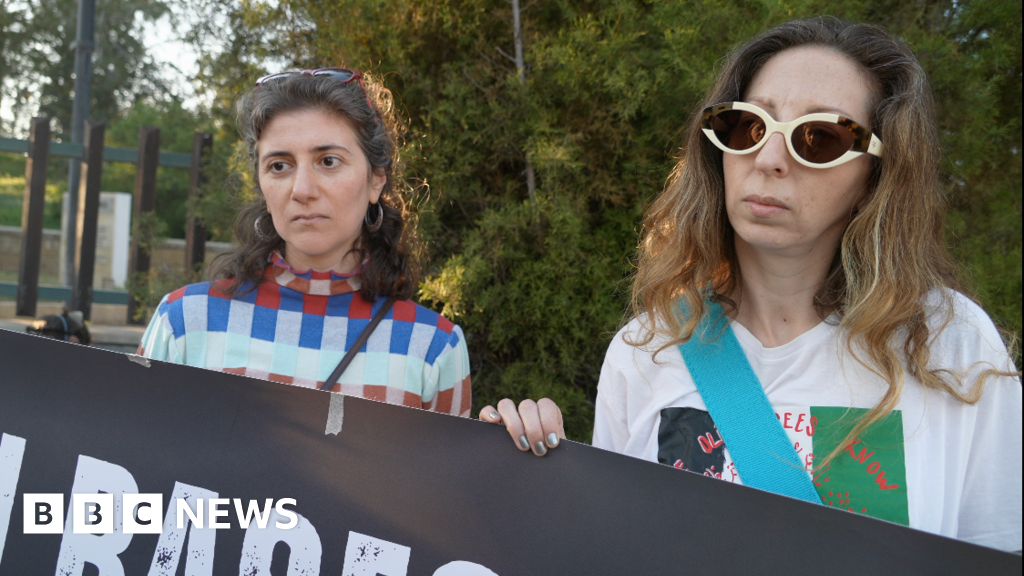
Georgia's Pro-EU Youth Push Back a Year After Halted Accession
Georgia’s Pro-EU Youth Push Back a Year After Halted Accession

In the heart of the Caucasus, Georgia finds itself embroiled in a profound crisis that threatens its very future as a democratic nation. The recent protests in Tbilisi, which have persisted for over a year, signal the resilience of the Georgian people fighting against what they perceive as authoritarian overreach by their government. Fueled by reforms that threaten civil liberties and hinder Georgia’s European aspirations, these demonstrations reflect a broader diplomatic struggle over the direction of Georgian society. Analysts warn of a shift towards authoritarianism reminiscent of post-Soviet Russia, with significant geopolitical repercussions for Western interests in the region.

  • The Georgian government, led by Prime Minister Irakli Kobakhidze and the ruling Georgian Dream, has enacted sweeping legislation targeting protest activity, civil society, and media independence, drawing criticism from European institutions and democracy advocates worldwide.
  • Opposition figures, including respected journalist Mzia Amaglobeli, have faced arrest, imprisonment, and intimidation, sparking international concern about the erosion of civil liberties.
  • Despite these hardships, hundreds of Georgians remain committed to their demonstrations, inspired by the memory of the Rose Revolution, and driven by fears that their country is drifting into Russian-style autocracy.

Observers contend that the Georgian government’s policies are not merely domestic measures but are deeply entwined with Russia’s strategic interests. The influential billionaire Bidzina Ivanishvili, a key figure behind the scenes, has longstanding ties to Russia, fueling suspicions that Georgia’s leadership is acting in the Kremlin’s favor. As European Union officials recently delivered a “devastating” report, asserting that Georgia is now considered an EU candidate “in name only”, the nation’s fragile path toward integration remains more distant than ever. The crackdown on opposition—including the imprisonment of opposition leader Zura Japaridze—underscores the growing authoritarian trend, with critics warning that Georgia risks losing the democratic principles it fought so hard to secure.

The geopolitical impact of this crisis stretches beyond Georgia’s borders. Western nations are increasingly alarmed as democratic backsliding in Georgia threatens to destabilize the region, divide pro-European factions, and embolden Russia’s ambitions. Historians and policy analysts assert that the current crackdown echoes the post-Soviet pattern: a combination of authoritarian repression, suppressing free speech, and undermining electoral legitimacy, all under the guise of maintaining stability. The European Parliament’s recognition of Georgia’s faltering democratic trajectory marks a stark warning: unless there is international intervention, Georgia could become a new front in the contest between Western liberal values and Russian autocratic authoritarianism.

As Georgia’s protests continue amidst a climate of repression, the nation’s future remains a poignant symbol of a broader struggle for sovereignty and democratic integrity. The streets still echo with chants of freedom—a movement that, despite the government’s harsh tactics and the shadows of Russia’s influence, refuses to be silenced. The story of Georgia’s fight is now etched into the grand narrative of history—a chapter that will determine whether it can reclaim its European destiny or be swallowed by a new era of autocratic darkness. The weight of these moments rests heavily on the shoulders of the international community, as they watch a proud nation teeter on the brink—an unresolved story, yet unwritten, that will echo through generations to come.

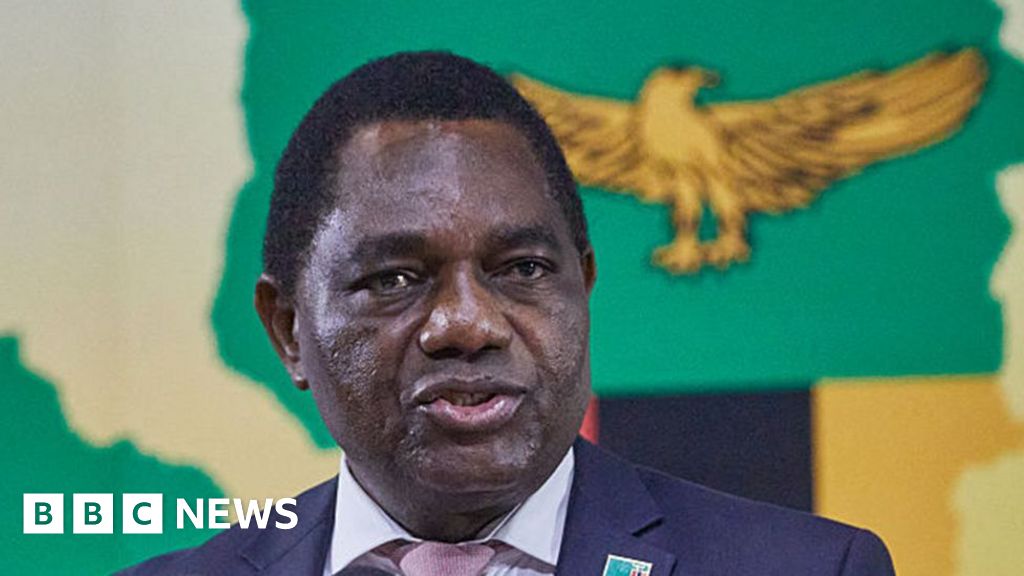
Zambia's 'Fix-It' President Confronts Youth Rage and Stone-Throwing
Zambia’s ‘Fix-It’ President Confronts Youth Rage and Stone-Throwing

Unfolding Crisis in Zambia: Leadership in the Crosshairs

In a nation teetering on the edge of political tumult, Zambia‘s President Hakainde Hichilema is confronting burgeoning internal unrest and a fraught diplomatic landscape. Since his victory in the 2021 elections, Hichilema has sought to steer his country toward economic stabilization, capitalizing on reforms to renegotiate debt and attract international investment. Yet, the persistent struggles of power shortages, inflation, and widespread dissatisfaction reveal that his efforts have yet to fully resonate with the average Zambian, especially as the August 2026 elections draw near. Notably, a recent incident where Hichilema was violently attacked during a rally underscored the fragility of his presidency and the deep-rooted discontent simmering within the nation.

The internal unrest has provoked concerns beyond its borders, with regional analysts warning that Zambia’s instability could ignite a broader uprising of societal discontent that spills across neighboring nations. The president’s speech defense, where he emphasized ongoing national achievements, contrasts sharply with the hardships faced by ordinary citizens, many of whom are suffering under the weight of power outages and high living costs. The power crisis deepened recently when droughts decimated hydroelectric capacity, exposing Zambia’s vulnerability to climate variability and underscoring its reliance on unstable energy sources. Experts warn that this energy crisis could hamper the country’s economic recovery, further disgruntling voters and fueling opposition sentiments.

International Reactions and the Geopolitical Ramifications

Global institutions and international analysts have started to voice concern that Zambia might devolve into political chaos if unrest escalates, potentially destabilizing the southern African region. The African Union, along with the World Bank and other diplomatic bodies, emphasize the importance of safeguarding democracy and stability in Zambia. Yet, critics argue that Hichilema’s government is increasingly becoming encumbered by accusations of using oppressive laws against opposition figures, a trend that analysts say echoes authoritarian tendencies. Historically, Zambia has been viewed as a beacon of peaceful transition in a volatile continent; however, recent violence and suppression efforts threaten that reputation, raising alarms among international watchdogs.

Meanwhile, Hichilema maintains that his government upholds the rule of law and that measures taken against critics are necessary to renew order and promote reform. His stance aligns with his broader strategy of balancing reform and control amidst mounting pressure from both political opponents and civil society. This delicate dance has drawn sharp criticism from academia and local opposition, questioning whether the regime’s focus remains solely on consolidating power rather than fostering genuine societal growth. If Zambia continues down this path, many fear the nation’s hard-won democracy could be compromised, potentially setting a dangerous precedent for the region’s future.

Legacy in the Making: The Future of Zambia’s Political Journey

As Hichilema pushes forward with controversial constitutional reforms, including plans to expand parliamentary representation, opposition voices claim he is betraying the democratic ideals he once championed. The tipping point may come when economic hardships and political repression collide, forcing citizens to choose between stability and upheaval. Zambia’s saga is emblematic of the broader struggles faced by aspiring developing nations caught in the storm of internal reform and external pressure. Will the nation’s resilience withstand the rising tide of discontent, or will its people’s aspirations be drowned in the sound of stones thrown in anger?

History continues to write itself in Zambia’s streets and council chambers, a reminder that one nation’s internal conflicts can quickly reverberate across borders and redefine regional geopolitics. The weight of this unfolding chapter remains uncertain, yet it is clear: Zambia stands at a critical crossroads — with leaders and citizens alike holding the pen that will inscribe its future into the annals of history.

Carers’ Allowance Report: Outdated System Failing Our Youth and Society

Society in Crisis: The Hidden Toll of Carer’s Allowance Failures

In recent months, the fault lines within our social safety net have become alarmingly evident, exposing a stark reality that many families and communities are grappling with in silence. A comprehensive review led by Liz Sayce, an independent social policy analyst, has shattered the myth that our welfare system functions as a safeguard for the vulnerable. Instead, it reveals a stark portrait of systemic flaws, bureaucratic cruelty, and a culture that often criminalizes those who dedicate their lives to caring for loved ones. At the center of this crisis are unpaid carers, predominantly women, who sacrifice their own well-being—alive to the harsh truth that their selflessness is recognized less as service and more as an administrative misstep or moral failing.

Devastating impact on carers

Data underscores the tragic toll—nearly 75% of the 1 million individuals claiming the meager weekly £83.30 carer’s allowance are women, often forced to operate in conditions of perpetual poverty and health decline. Many are pushed to their physical and mental limits, facing continuous stress while navigating a system that often dismisses their sacrifices. As sociologists like Ann Oakley have long argued, this pattern of neglect affects not just individuals but the fabric of families, weakening the foundations of our society. When carers are so overwhelmed that local authorities must step in, it signals a failure to recognize and support the critical roles they play—roles that are essential yet undervalued. The emotional and physical toll risks creating a cycle of despair that damages entire families and communities, eroding the social cohesion that holds society together.

The ‘benefits trap’ ruthlessly designed to hit internal targets

This crisis is exacerbated by what the review describes as a deliberately ruthless system. The Department for Work and Pensions (DWP) equipped itself with technology—like the verify earnings and pensions (VEP) alerts—that was intended for fraud prevention but instead became a tool of penalization for honest carers. Investigations reveal officials deliberately limited checks, allowing over 230,000 unpaid carers who exceeded earnings thresholds to remain undetected for up to five years. The so-called “cliff edge” policy, where a mere 1p over the limit results in debts exceeding £4,000, exemplifies a punitive approach that capitalizes on vulnerability, fostering a climate of fear rather than support.

  • Over 850 unpaid carers faced criminal prosecution between 2018 and 2024, with many receiving fines up to £5,000.
  • Officials admitted to intentionally neglecting alerts to meet internal targets, prioritizing financial control over human compassion.

Such policies demonstrate how deep-rooted bureaucratic priorities can distort the very purpose of welfare. As Michael Marmot has noted, systems that punish the disadvantaged erode social trust and perpetuate inequality, making genuine social mobility elusive.

How unpaid carers were treated as criminals by default

The review further exposes how the default assumption of guilt has haunted unpaid carers. Instead of being presumed honest, many were penalized before wrongdoing was established—an approach that disregards the complexity of human circumstances. The report highlights that in six years, 852 carers faced criminal prosecution, a startling number in a society that praises individual responsibility but treats care recipients as suspects. Civil penalties and prosecutions often stem from honest oversight rather than malice—yet the system penalizes these individuals harshly, reflecting a profound moral failing.

According to social historian David Edgerton, these arrangements show a societal shift towards punitive social policies that prioritize austerity over human dignity. The stories of fines and criminal charges reveal a society where the act of caring is viewed as suspicious, rather than noble.

Outdated and disjointed: a failing system laid bare

The foundation of this crisis lies in an outdated benefit system, first introduced in 1976. Its architecture is increasingly incompatible with the realities of a modern, diverse workforce—marked by zero-hours contracts, irregular hours, and a burgeoning culture of unpaid caregiving. The disconnect becomes evident when even officials admit to inconsistent application of rules, highlighting a department out of sync with today’s society. This mismatch, compounded by obsolete technology, creates what many describe as a “benefit trap”: a punitive maze that entraps those who give so much to others.

As the sociologist Hannah Arendt observed, in systems that turn humans into mere data points, morality becomes subordinate to bureaucratic efficiency—ultimately dehumanizing the very individuals they purport to serve.

What the DWP will—and won’t—change as a result

The department’s recent response promises a review of decisions affecting 185,000 carers over a decade, alongside consideration of long-term reforms such as replacing the punitive “cliff edge” with a tapered earnings approach. However, critics warn that these promises are merely the beginning of a long road to repair, and fundamental issues remain unaddressed. As policy analyst Susie Symes notes, genuine reform requires a cultural shift—an acknowledgment that caregiving is a societal priority, not a bureaucratic inconvenience.

While official statements speak of action and accountability, the societal scars remain visible. The dream of a society that truly values its unpaid carers—families that sacrifice in silence—rests on whether these reforms evolve beyond language into tangible changes. The challenge lies ahead: transforming a system built on suspicion into one rooted in dignity and support, restoring humanity where it has been so long neglected.

In the end, society’s true strength is reflected in how it treats its most vulnerable. As we navigate these murky waters of reform, perhaps the greatest hope remains in our collective capacity to listen, to learn, and to rebuild—step by painstaking step—a society that honors the silent sacrifices of its quiet heroes.

From policing Black style to sparking a fashion revolution: How the NBA’s dress code shifted youth culture

The world of sports, especially the NBA, has always been more than just a game—it’s a reflection of society’s evolving cultural landscape. Twenty years ago, a sudden policy change aimed at imposing professionalism sparked a fierce culture war, highlighting tensions between league authorities and players who viewed their attire as an extension of their identities. Back then, the NBA dress code was seen as a racially charged move, designed to curb hip-hop-inspired fashion staples like do-rags, jerseys, and oversized T-shirts. For many fans and players, it was not just about appearance but a broader issue surrounding expression, race, and cultural identity. The controversy centered on iconic figures like Allen Iverson, who became a symbol of unapologetic individuality through tattoos, braids, and baggy clothes—a mirror of a cultural movement that was seeing its voice silenced in the league’s push for a sanitized, “professional” image.

Fast forward two decades, and the narrative around the league’s dress code has undergone a dramatic transformation. What once was seen as a policing of Black culture has evolved into a fashion revolution that places the NBA at the forefront of global style innovation. Influencers like Darius Garland and Tim Hardaway Jr. now arrive at pre-game events as if they’re walking down designer runways. The league’s “tunnel fashion,” with photographers capturing every outfit, has become a cultural phenomenon. Many analysts agree that this shift reflects how the NBA players have largely taken control of their narratives, turning what was once a restrictive dress code into a platform for self-expression and branding. As Kathy Behrens, the league’s president of social responsibility, explains, the goal was never to erase culture but to elevate it—something the players have embraced wholeheartedly, turning their outfits into a form of communication that transcends sport.

  • Fashion is now entwined with business: many players leverage style for commercial opportunities, partnering with clothing brands like Lululemon and Armani, unraveling a new revenue stream beyond traditional endorsements.
  • Pre-game “fits” have transcended casual wear to become an art form, often sparking friendly competitions among players over who can showcase the most innovative ensemble.
  • The influence of hip-hop culture, once suppressed, now fuels the league’s fashion scene, with players citing artists as their style icons and using their wardrobe choices to connect with fans.

At its core, this evolution represents more than just clothes; it’s about social influence and cultural identity. The NBA’s journey from a strict dress code to a global fashion stage exemplifies how young athletes are redefining professionalism, rejecting outdated stereotypes, and asserting their influence in a way that resonates across generations. What, however, is the next evolution—will this wave of individual style and cultural expression continue to grow, or will the league attempt to impose new constraints? As players and fans increasingly view their attire as a statement of personal and cultural identity, the question remains: can the NBA strike a balance between professionalism and authentic self-expression without losing its cultural edge?

Rising Stars Shine in Thrilling Youth Championship: A New Era of Sports Awaits!

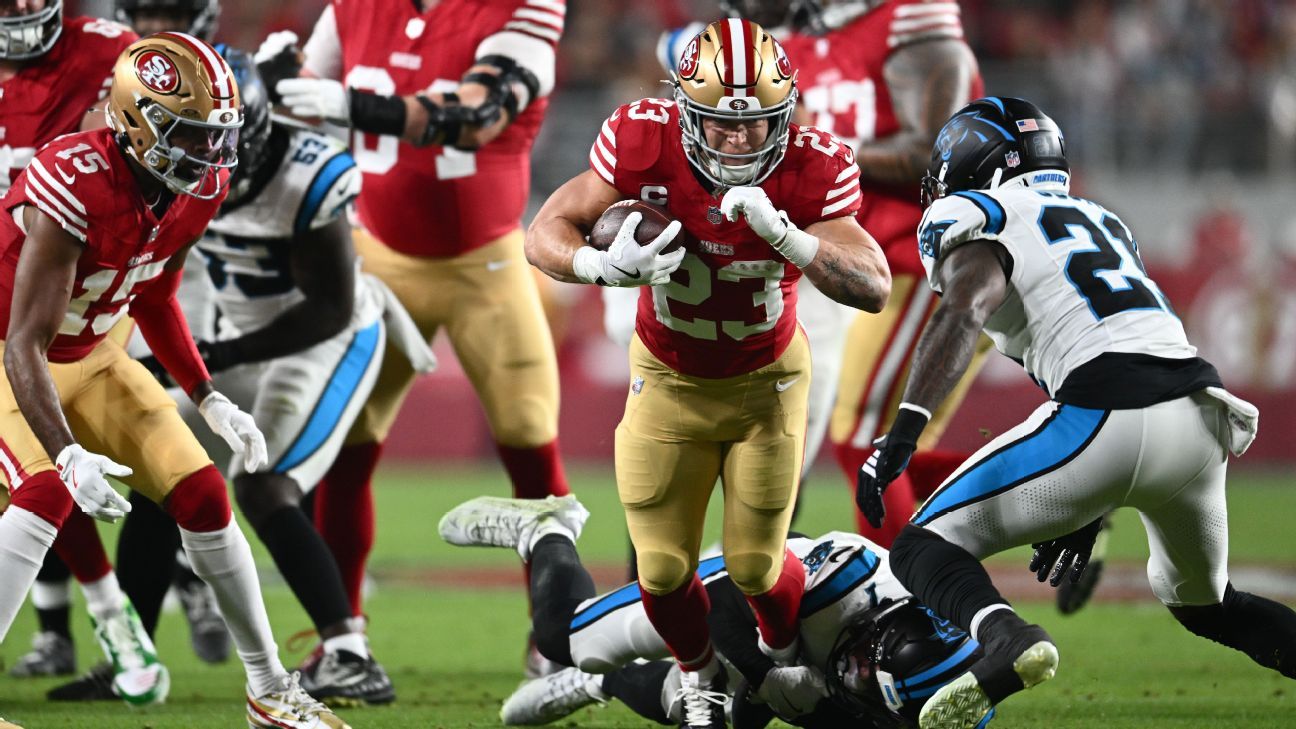
McCaffrey Shines in Emotional Matchup Against Ex-Team

This past weekend, the San Francisco 49ers faced off against the Carolina Panthers in a highly anticipated matchup that held personal significance for Christian McCaffrey. This game marked McCaffrey’s first encounter with the franchise that traded him to the 49ers in 2022, and he certainly made his presence felt on the field.

The game was electric from the opening kick, with both teams hungry for a win. However, it was McCaffrey who stole the show, delivering a performance that will be talked about for weeks. With an impressive total of 150 yards rushing and two touchdowns, he single-handedly propelled the 49ers to a decisive victory over the Panthers. Notably, McCaffrey’s first touchdown came during a critical moment in the second quarter, changing the momentum and silencing the rowdy home crowd.

  • 49ers outgained the Panthers 450 to 320 in total yards.
  • McCaffrey averaged an astounding 7.5 yards per carry.
  • The 49ers defense held the Panthers to just 60 yards rushing.
  • Quarterback Brock Purdy threw for over 300 yards and two touchdowns.

As noted by analyst Troy Aikman, “It’s not just about the stats; it’s about how a player rises to an occasion.” McCaffrey’s performance exemplified this notion, showcasing his adaptability and determination—qualities every aspiring athlete should aspire to embody. Head Coach Kyle Shanahan expressed immense pride in his star player, stating, “Christian understands the game on another level; he was ready for this moment.”

Beyond the scoreboard, this matchup serves as a reminder of what sports can accomplish—it brings people together, creates lasting memories, and often reignites old rivalries. For fans and players alike, the anticipation surrounding McCaffrey’s return to Carolina encapsulated the powerful bond that sports can forge, transcending personal narratives. As the 49ers continue their push for the playoffs, McCaffrey’s contributions will undoubtedly inspire a greater sense of unity among fans and teams, illustrating that, in the world of sports, it’s not just about competition—it’s about shared experiences and collective triumphs.

Source link

Mapping America’s Abortion Laws: What Youth Should Know About Roe v. Wade

Societal Divides Deepen as Abortion Laws Shift Across America

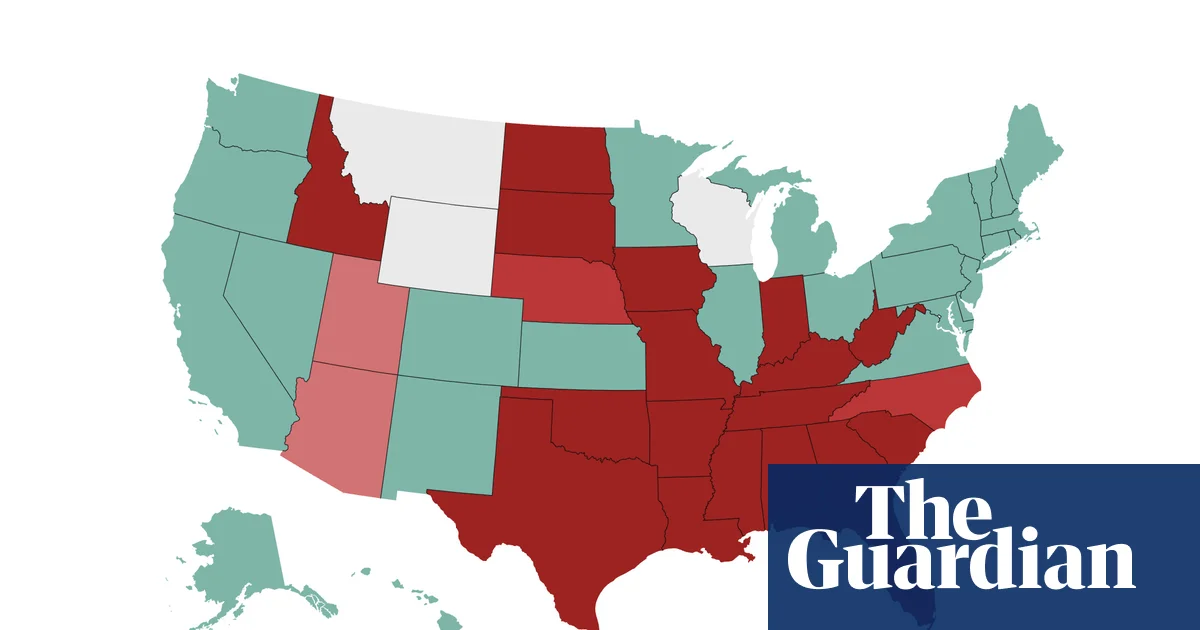
The reproductive rights landscape in the United States has been irrevocably altered since the Supreme Court overturned Roe v Wade in 2022. Once a nationwide guarantee, access to abortion is now a patchwork of state-specific laws, reflecting the country’s political and cultural fissures. Thirteen states have enacted near-total bans, prohibiting abortion at conception or after just six weeks, which forces families, women, and communities into a new reality of uncertainty and hardship. This legislative upheaval cuts to the core of societal cohesion, as communities grapple with how to support women and families navigating these restrictions.

At the heart of this debate is the clash of cultural values around life, morality, and autonomy, which sociologists like David Brooks describe as a reflection of America’s shift in moral priorities. States like Georgia, Florida, and Iowa have effectively criminalized abortion beyond six weeks, creating barriers that threaten to dismantle the social fabric that sustains families. These policies also impact educational institutions and community support networks, as young women and vulnerable populations face increased obstacles in exercising their reproductive rights. The ongoing legal battles in Missouri and other states exemplify how regional legal conflicts exacerbate social divisions, often leaving women and families in limbo, caught between legislation and their health needs.

Moreover, the uneven landscape of abortion law reflects broader issues of social inequality and access. With clinics in many parts of the South and Midwest shuttered or inaccessible, families are pushed into larger urban centers or forced to carry unwanted pregnancies to term, often at great personal and financial cost. Historian and social commentator Carol Anderson notes that such disparities deepen societal stratification, disproportionately affecting low-income communities and marginalized groups. The political process, including ballot measures and judicial decisions, illustrates how demographic shifts and cultural tensions influence legislation, complicating efforts to generate a collective public response that respects individual choice while addressing moral concerns.

Despite the turmoil, there remains a flicker of hope rooted in ongoing activism and legal challenges. Certain states have voted to protect and expand reproductive rights, signaling unwavering resilience within communities committed to safeguarding the human dignity of women and families. Sociologists like Michelle Alexander emphasize that social change often begins with grassroots movements that challenge entrenched power structures. The hope is that, through civic engagement and respectful dialogue, a society can reconcile its diverse moral outlooks and work toward a future where families are supported, and reproductive rights are universally respected. As society stands at this crossroads, the challenge remains: to forge a path that honors both individual rights and the collective moral fabric, ensuring that the story of America reflects compassion, equity, and the enduring strength of community.

Rising Stars Shine in Thrilling Youth Sports Matchup: A New Generation Emerges!

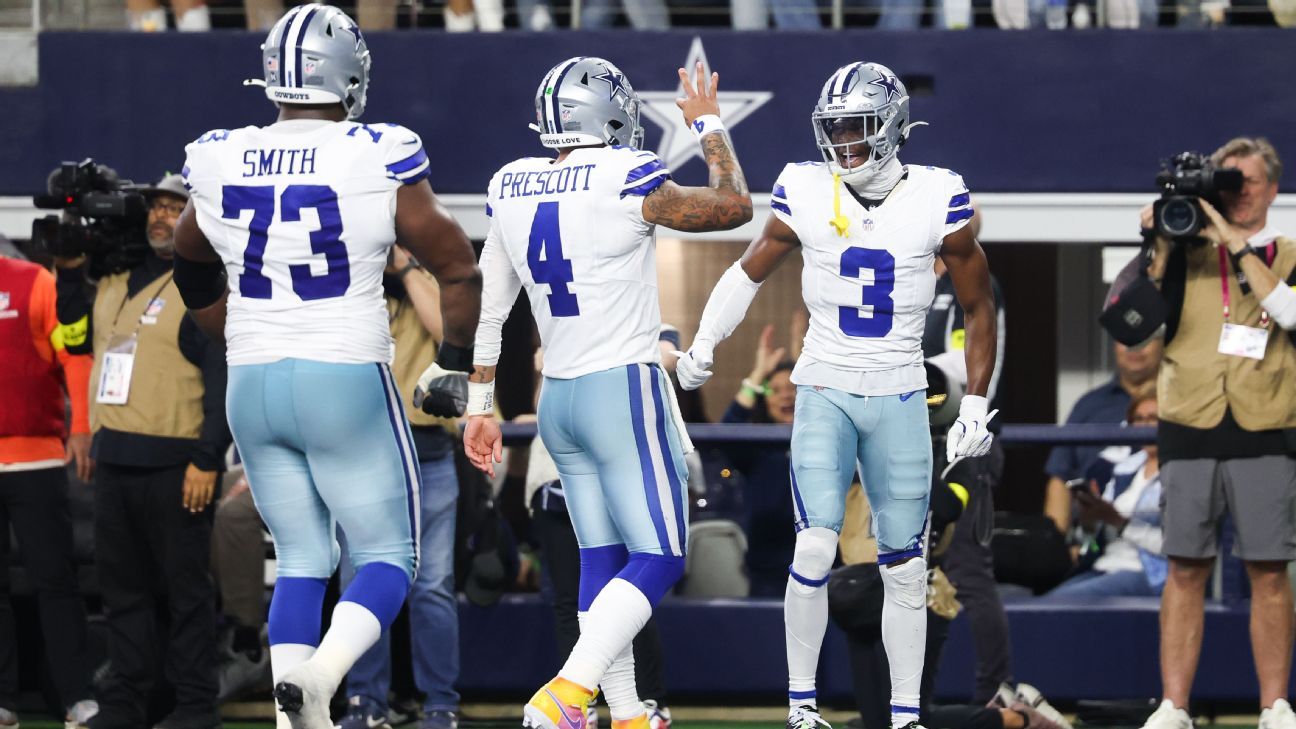
Dallas Secures Dramatic Comeback Against Rivals

In a thrilling display of resilience, the Dallas team overcame a staggering 21-0 deficit to clinch a remarkable victory over their division rivals last night. This comeback not only showcased the grit and determination of the players but also highlighted the strategic brilliance of Head Coach Mike McCarthy, who rallied the squad during a tense half-time break.

<p>The game started with the <strong>rivals</strong> swiftly taking control, converting early opportunities into points that had spectators questioning whether the <strong>Dallas team</strong> could turn the tide. However, fueled by a fiery pep talk and an unwavering belief in their abilities, the team shifted gears in the second half. Quarterback Dak Prescott, who was instrumental throughout the match, stated, *“We knew we had to stay the course and believe in our game plan. It was all about stepping up and supporting each other on that field.”*</p>

<p>Key moments in the game that turned the tide included a sensational interception by cornerback Trevon Diggs, capitalizing on a mistake from the opposition. This pivotal defensive play not only energized the team but also shifted momentum in their favor. Furthermore, running back Tony Pollard's explosive 70-yard touchdown run, which left defenders in the dust, can only be described as a turning point. Analyzing the stats further, the <strong>Dallas offense</strong> racked up an impressive total of <em>287 rushing yards</em>, demonstrating the potency of their ground game.</p>

<ul>
    <li><strong>Dallas</strong> overcame a 21-point deficit.</li>
    <li>Dak Prescott led the charge in the second half.</li>
    <li>Trevon Diggs made a game-changing interception.</li>
    <li>Tony Pollard executed a pivotal 70-yard touchdown run.</li>
</ul>

<p>While the victory against their rivals is certainly a morale booster, the path to the postseason remains challenging. As Coach McCarthy emphasized post-game, “Every win counts, but we must focus on consistent improvement each week.” With the playoff picture tightening, fans remain hopeful as the <strong>Dallas team</strong> continues to climb. This game serves as a reminder that in sports, it’s not just the final score that matters; it’s the journey taken and the unity forged through shared struggle. An unforgettable night of sports has once again proven that the heart of competition brings us together, far beyond the confines of the scoreboard.</p>

Source link

Rising Stars Shine as Youth League Champions Clash in Thrilling Finale!

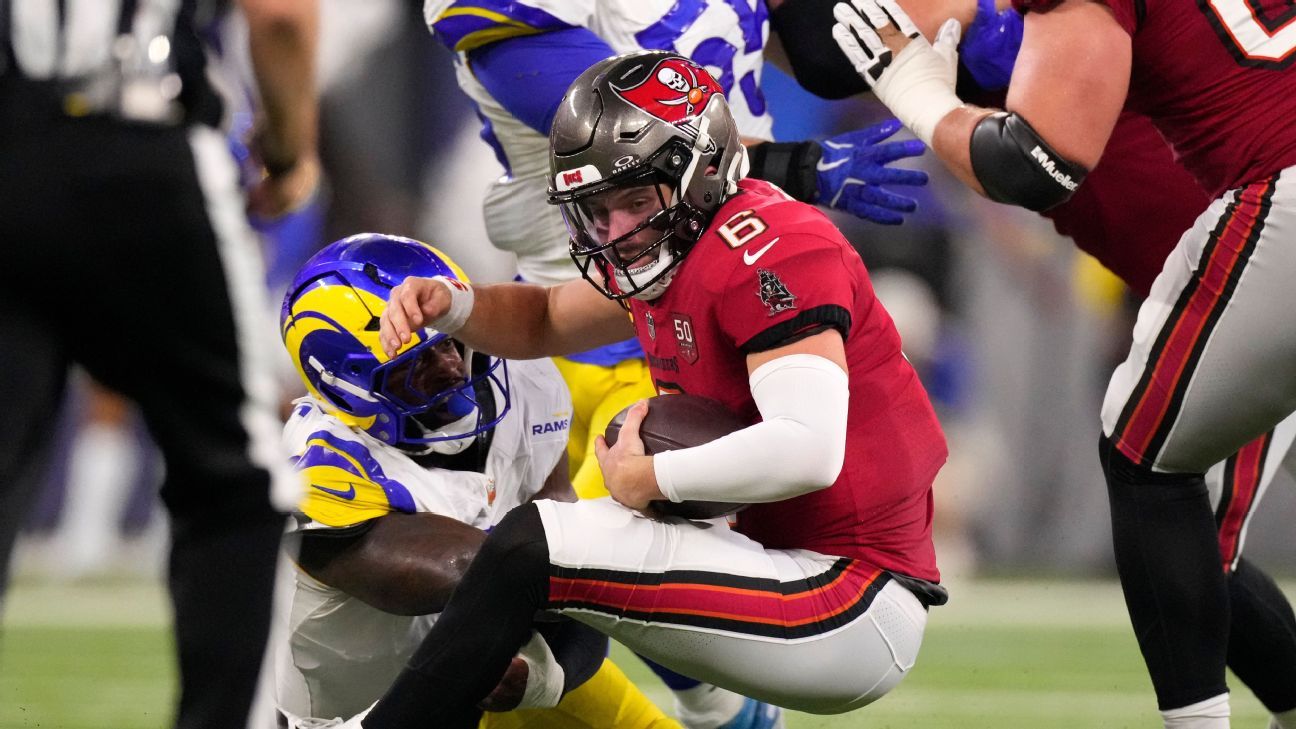
Buccaneers’ Baker Mayfield Ruled Out Against Rams

The anticipation surrounding the Sunday night matchup between the Tampa Bay Buccaneers and the Los Angeles Rams has taken a significant hit as Bucs’ quarterback Baker Mayfield has been officially ruled out due to a left shoulder injury. This announcement came on Friday, leaving fans and analysts pondering the impact on both teams as they prepare for a crucial contest in the hunt for playoff positions.

The decision to bench Mayfield stems from an injury he sustained during last week’s game against the Atlanta Falcons. His absence marks a critical moment, as Mayfield has played a pivotal role in the Buccaneers’ offensive strategy this season. With a strong arm and efficient passing, he has thrown for over 2,000 yards with 14 touchdowns in just eight games. The Buccaneers now look to backup quarterback Kyle Trask to step up in this high-stakes atmosphere, a situation that could define both his career and the team’s trajectory for the remainder of the season.

Former Buccaneers head coach Bruce Arians commented on the team’s adjustment, stating, “Injuries are part of the game, but it’s how you respond that defines a season.” This rings especially true as the Bucs face a formidable opponent in the Rams, who are looking to rebound from a tough loss last week. Rams quarterback Matthew Stafford is eager to capitalize on any weakness in the Buccaneers’ lineup. With both teams clinging to playoff hopes, the stakes have never been higher.

Fans can look forward to a thrilling battle on the gridiron, despite the setback for Tampa Bay. The game promises more than just a scoreline; it serves as a reminder of the enduring spirit of sportsmanship and camaraderie that transcends individual performances. The shared joy of victory and the resilience in defeat unite fans and players alike, forging connections that uplift communities. As the teams clash under the bright lights, the essence of the game shines through—a celebration of passion, perseverance, and the unbreakable bond between players and their supporters. In moments like these, it becomes clear that sports are about much more than wins and losses—they are about unity in the face of adversity.

Source link

Next Gen Stars Shine in Latest Youth Sports Showcase: Future of Athletics Unveiled!

Week 12: A Throwback Week in the NFL

As Week 12 of the NFL season unfolds, it has become evident that nostalgia is leading the charge in the league. Fans are treated to a series of exciting matchups reminiscent of classic games, and key players are stepping up to showcase their talent. The spotlight is on traditional powerhouses and underdogs alike, creating a captivating atmosphere filled with enthusiasm.

Highlighting this Week 12 resurgence is the impressive performance of the Green Bay Packers against the Chicago Bears. The historical rivalry reignited as the Packers secured a last-minute victory with a stunning touchdown that sent the Lambeau Field crowd into a frenzy. Quarterback Aaron Rodgers showed that experience and skill still reign supreme, throwing for over 300 yards and two touchdowns. As commentator and former player Tony Romo remarked, “This is what football is all about—intensity, skill, and a deep-rooted tradition.”

Other memorable moments from this week include the ongoing emergence of rookie sensations. The New England Patriots managed a narrow win against the Miami Dolphins, largely due to the electrifying performance of rookie running back James Cook, who rushed for over 150 yards. An analyst from ESPN noted, “Young players like Cook are reshaping the future of the NFL, bringing excitement and freshness to the game.”

When analyzing the match highlights, three key takeaways stand out:

  • Pittsburgh Steelers defense proved formidable against the Cleveland Browns, recording several crucial interceptions.
  • The Kansas City Chiefs displayed their offensive prowess by outscoring the Los Angeles Chargers in a thrilling shootout.
  • Rivalries intensified, as every game showcased the depth of competition and the relentless spirit of teams vying for playoff spots.

As this season reaches its climax, one thing is abundantly clear—sports transcend mere competition. Week 12 serves as a reminder that these battles unite fans and players, intertwining community and passion. The roar of the crowd, the strategic coaching decisions, and the sheer willpower of athletes inspire hope and camaraderie. In a world often divided, football continues to be a universal language that brings people together—not just for the love of the game, but for the stories, dreams, and unyielding desire to succeed that sports represent.

Source link

Social Media Auto Publish Powered By : XYZScripts.com