Matox News

Truth Over Trends, always!

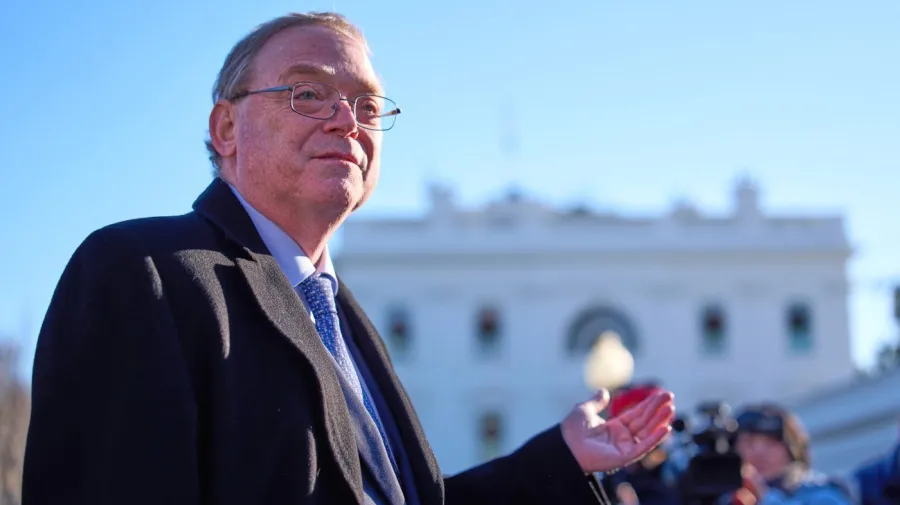
Trump economic adviser warns: Credit card use is soaring among youth.

The Echoes of Power: Economic Optimism in an Uncertain Age

Amid escalating geopolitical tensions, notably the ongoing Iran conflict, the economic narrative presented by President Trump’s advisors signals a resolute belief in the resilience of the American economy. On Wednesday, a senior economic adviser confidently projected a “very, very strong” job market future, asserting that despite the perils of war, consumer confidence remains buoyant. Evidence from the financial sector reveals credit card expenditures soaring, with banking officials indicating that consumer spending is “through the roof.” This apparent economic vigor seems to reinforce the conservative narrative that, under America’s free-market enterprise, resilience persists—even when the geopolitical horizon darkens.

This stance aligns with a broader ideological framework that views the free market as a bulwark against global instability. Yet, critics—often from progressive or Keynesian perspectives—question whether this optimism obscures underlying vulnerabilities. Renowned political theorists like Friedrich Hayek have long argued that market signals serve as vital feedback mechanisms; however, in moments of crisis, these signals can be manipulated or misinterpreted, shaping public perception and policy decisions in ways that favor the powerful. The decision by government officials and financial elites to project unwavering confidence illustrates a classic power struggle: the attempt to maintain market stability while preserving the influence of entrenched economic interests, even as the tangible lives of ordinary Americans hang in the balance.

Decisions That Define the People: The Political Stakes

At the heart of this economic outlook lies an ongoing power struggle. The political class, wielding influence over fiscal policies and international relations, sets the tone for how decisions impact the populace. The recent policy shifts—particularly under the shadow of war escalation—highlight key tensions: will the government prioritize military engagement or domestic recovery? As policy reforms accelerate, the question remains whether the prevailing narrative effectively shapes the people into both beneficiaries and spectators of these strategic battles.

Historical parallels resonate deeply in these moments. Just as Reagan’s economic policies aimed to invigorate American enterprise amid Cold War tensions, today’s leaders brandish optimism to shore up morale and mitigate fears. Yet, the risk remains that this optimism may mask profound structural vulnerabilities: debt accumulation, inflation spirals, and unequal wealth distribution. The constitutional architecture of the nation—its checks and balances—faces ongoing tests of resilience, as executive power increasingly confronts calls for accountability amid crisis. The political landscape is a crucible where ideas about populism vs. elitism, security vs. liberty, and protection vs. free enterprise clash fiercely, shaping the destiny of the republic.

The Stage of Politics: Where Destiny Is Forged

As the drums of war echo around the globe, the true battleground is within the corridors of power. Decisions enacted today—be they military commitments or economic policies—will carve out the future for generations. The rhetoric of strength and resilience cloaks complex power struggles that threaten to redefine constitutional norms and democratic accountability. Political theorists warn that in such moments, the state’s capacity to endure hinges on a delicate balance: harnessing the energies of its populace without succumbing to authoritarian temptations.

Ultimately, politics becomes a stage where the destiny of nations is scribed in the ink of strategic choices and ideological victories. Just as Carl Schmitt declared, “The sovereign is he who decides on the state of exception,” today’s leaders deftly navigate crises—real or perceived—to cement their influence. As the world watches, the question persists: will those in power shape history for the collective good or for their own enduring empire? In this play of power, the stakes are nothing less than the destiny of an entire civilization, written in the shadows of diplomacy, war, and economic prudence.
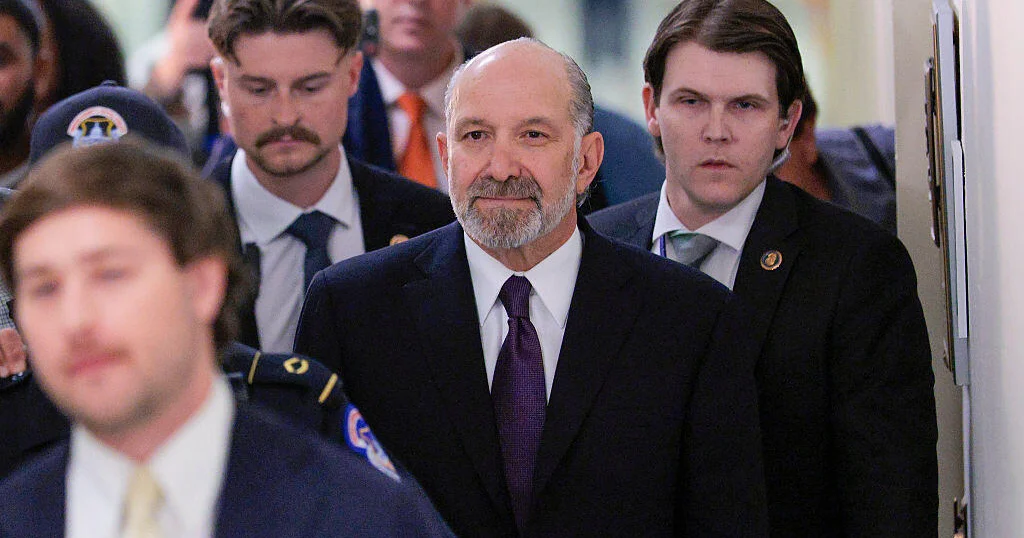
Lutnick testifies to Congress on Epstein case, youth concerns highlighted

Power Struggles and the Shadow of Epstein: Unveiling the Political Drama

On a day that spotlighted the enduring tentacles of power and influence, Commerce Secretary Howard Lutnick found himself scrutinized before the House Oversight Committee in connection with the Jeffrey Epstein scandal. This hearing is emblematic of a larger conflict over transparency, accountability, and the true extent of political protection. As allegations swirl and testimonies unfold, it becomes increasingly clear that the inquiry is more than just about one individual’s actions—it’s about the very fabric of power that often shields the elite from justice. The committee’s questioning underscores a critical moment where decision-makers are forced to confront the murky intersection of wealth and political influence, shaping the lives of ordinary citizens and the integrity of the nation’s political institutions.

The Epstein case, long a symbol of systemic corruption and clandestine networks, exposes a power struggle rooted in the desire for accountability. Historically, such scandals have revealed how political and economic elites operate in a world where justice is often manipulated by those with the most influence. Critics argue that behind the curtain, figures like Lutnick may have navigated a web of connections that protected them from scrutiny, echoing historical parallels such as the Teapot Dome scandal or the Watergate scandal, where the real battle was fought behind closed doors. The ongoing investigation signifies a concerted effort by a restless political class eager to shed light on these obscured dealings, holding up a mirror to the enduring question: who truly controls the levers of power, and at what cost to the American people?

Amidst the spectacle, political analysts emphasize that decisions made today will echo in the corridors of power for years to come.

  • The committee’s focus on transparency aims to dismantle the immunity often granted to the powerful, veering toward a more accountable political environment
  • The inquiry underscores the importance of *constitutional oversight* and the necessity of safeguarding the rule of law in confronting systemic corruption
  • Calls for reforms that could tighten the oversight of elite financial and political networks are gaining momentum, driven by a public increasingly skeptical of ‘business as usual’

The ideological clash is evident: on one side, defenders of entrenched privilege argue that such inquiries threaten economic stability or diplomatic diplomacy; on the other, reform-minded voices insist that restoring integrity to governance is paramount, even if it means confronting uncomfortable truths about those in power. The decision to probe Lutnick and others reflects a broader *fight for the soul of the nation*—a battle between those who believe in transparency and those who clutch tightly to their clandestine influence.

Drawing from figures like Alexander Hamilton and Friedrich Hayek, commentators suggest that our constitutional roots are being tested anew. The question hinges on whether the structures designed to preserve liberty can withstand the encroachments of unchecked power, or whether the shadow cast by elite collusion will deepen further. Habeas corpus and the independent judiciary serve as battlegrounds where constitutional experts warn the real contest is for the controls of destiny. As history demonstrates, when elites escape accountability, democracy itself risks erosion—a danger that vigilant oversight must confront head-on. The unfolding drama of Lutnick and the Epstein legacy is thus a stark reminder that politics is not merely a game of policy but a battlefield where the very fate of sovereign liberty is fought.

In this arena of raw power and relentless accountability, the ordinary citizen remains an observer—yet within this spectacle, the ink is being written where the future will be forged. Politics, after all, is the stage where the architects of a nation’s destiny come into focus, shaping laws, influencing powers, and ultimately deciding whether justice is a shield for the righteous or just another weapon in the hands of the powerful. As the echoes of this inquiry fade into history, one truth endures: in the relentless pursuit of truth and justice, the true rulers are the ones who dare to confront the shadow, for it is in these fiercest struggles that the very spirit of democracy is tested—and often, reborn.

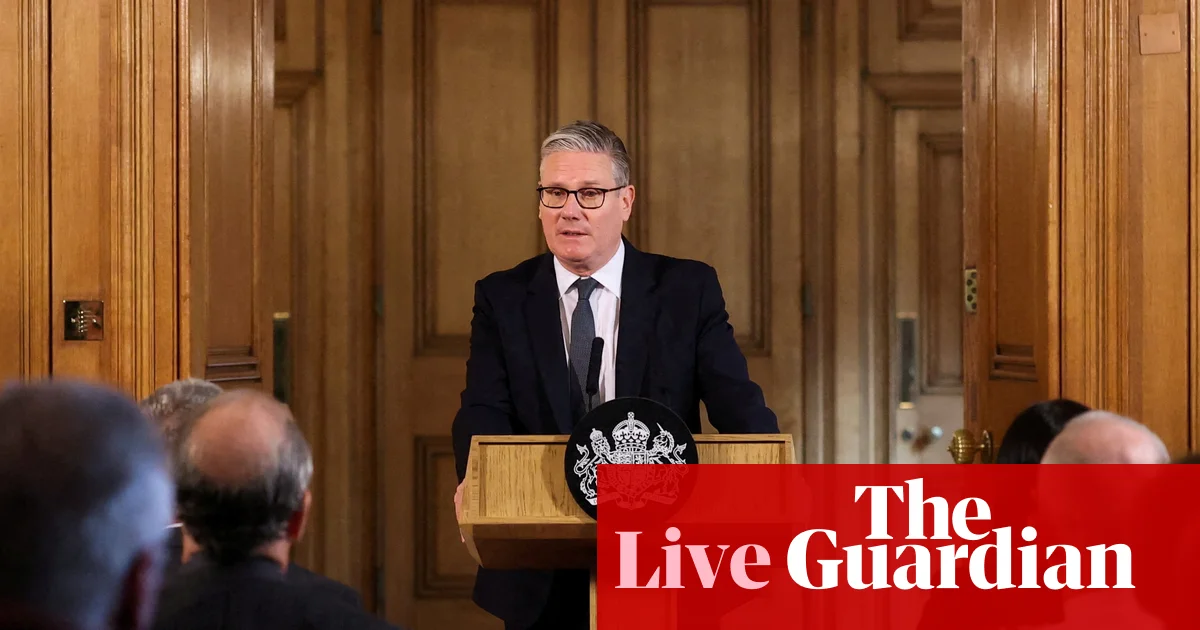
Starmer urges universities to report campus antisemitism, targets youth safety

In contemporary politics, the **battle for influence** is often fought behind closed doors, yet the ripple effects of these conflicts are often felt in the very fabric of national life. Recent remarks from **Kemi Badenoch**, a rising star in the Conservative Party, highlight how power struggles extend beyond the ballot box into the moral and ethical fabric of leadership. Her pointed question regarding the **£5 million** donation to **Nigel Farage**, the veteran euroskeptic and Brexit advocate, exemplifies how *financial opaque-ness* can serve as a battleground for influence and trust. Badenoch’s skepticism underscores a broader tension: whether the **elite** manipulate the political landscape under the guise of campaign finance, ultimately shaping the values and perceptions of ordinary citizens.

The controversy ignited when Badenoch questioned whether the donation, which she claims was linked to Farage’s support of **cryptocurrencies**, signifies a deeper **power struggle**. She accused Farage of concealing the origins and purpose of the money, emphasizing that such undisclosed financial backing ultimately threatens the integrity of democratic processes. As she put it, “What was that money for? Who’s bought him?” Reflecting on **constitutional principles**, legal experts often cite the importance of transparency as a safeguard that prevents **power consolidation in the hands of clandestine interests**. This incident echoes historical parallels where secret funding — whether in *Watergate* or *Iran-Contra* — destabilized foundational trust and initiated profound political consequences. The stakes are clear: control over narratives and financial influence may determine who *shapes public discourse* and whose interests are prioritized.

This controversy also exposes a deeper **interplay between new financial technologies and political influence**. Farage’s financial backing, allegedly linked to crypto, manifests a broader ideological drift within the political sphere—where **digital assets** are increasingly seen as tools for both empowerment and subversion. This introduces a **new battleground** for political influence, as proponents argue cryptocurrencies foster *decentralization and liberty*, while critics warn of **opacity and potential for corruption**. Badenoch’s insistence on strict declaration rules echoes classical **republican ideology**, emphasizing accountability as essential to **prevent authoritarian drift**. Such debates signal that, in the current era, the *battle for control over financial flows* is a proxy for the ongoing *struggle for sovereignty*—the right of a nation and its citizens to determine their destiny without covert external influences.

Ultimately, the *power struggles* unfolding in Britain’s political arena reflect the **wider tension** between authority and autonomy, tradition and innovation. As political theorists like **James Madison** warned, **”The accumulation of all powers, legislative, executive, and judiciary, in the same hands”** is an inevitable pathway to tyranny. The recent debates about transparency, influence, and *who truly holds sway in the corridors of power* serve as a stark reminder that **policymakers are but actors on a stage**, where the scripts are written by **financial elites and ideological factions**. The question remains: will the people ultimately command the curtain, or will unseen forces continue to **write the destiny of a nation** behind the scenes? In this age, politics is no longer merely a contest of ideas but a **battle for the soul of sovereignty itself**—and history will remember who dares to write the script.

Nvidia’s Jensen Huang: AI isn’t stealing jobs—it’s creating a wave of new opportunities for youth

AI Industry Gains Momentum as Innovation Drives Economic Rebirth

In an era marked by rapid technological upheaval, artificial intelligence continues to redefine the landscape of industry and employment. During a recent high-profile discussion hosted by the Milken Institute, Jensen Huang, CEO of Nvidia, dismissed doomsday scenarios claiming AI will displace millions of jobs. Instead, Huang articulated a compelling vision of AI as a catalyst for industrial re-industrialization and job creation within the United States.

This perspective emphasizes a crucial paradigm shift: AI as an innovation engine rather than a harbinger of economic collapse. Huang highlighted that the hardware manufacturing sector, central to AI infrastructure, is experiencing a renaissance with new factories requiring skilled labor. It signifies a shift towards AI-powered manufacturing and infrastructure, creating opportunities that could revitalise American competitiveness. Financial analysts from institutions like Gartner continually underline this disruptive momentum, forecasting that AI’s integration could generate millions of new jobs, even as it automates others. Such disruption underscores an urgent need for industries and education systems to adapt quickly.

Market Shifts and Industry Dynamics Signal a New Era of Disruption

While concerns loom around job displacement—with estimates suggesting up to 15% of current roles might be affected in the near future—industry leaders like Huang warn against succumbing to fearmongering. He cautioned that exaggerated narratives—often fueled by the AI industry itself—risk discouraging societal engagement with transformative technology. Many critics argue that this hyperbole acts as a marketing gimmick, blinding policy and industry leaders to the genuine potential of AI to bolster productivity and economic resilience.

Key advancements include the acceleration of GPU development and edge AI solutions, fueling innovative applications across sectors. Disruptive startups, backed by industry giants and venture capital, are creating new ecosystems where rapid iteration in AI models directly influences market share and technological dominance. Notably, MIT research and firms like OpenAI are pushing the boundaries, democratizing AI access, and catalyzing industry-wide transformations. This wave of innovation signals a strategic pivot for business leaders seeking to leverage AI for competitive advantage.

The Business Implications and Future Trajectory

As AI continues its ascent, the economic implications are profound. The proliferation of AI hardware, the emergence of new AI-driven business models, and the push for domestic AI manufacturing are setting the stage for a reshaped global economy. Industry insiders and analysts argue that the current trajectory underscores a pivotal moment in history—where American leadership in tech and innovation could determine future competitiveness.

Looking ahead, the upcoming Techcrunch event in San Francisco, October 13-15, 2026, is poised to showcase these breakthroughs and debate policy pathways that enable AI’s growth while safeguarding employment. The pressing task for policymakers, business leaders, and innovators is to grasp this momentum — fueling disruptive innovation and fostering an environment where AI’s benefits outweigh its risks. Urgency is key: the window to shape an AI-driven economy that enhances national strength and preserves stability is rapidly closing. Future success hinges on decisive action today, as the age of AI isn’t just on the horizon—it’s unfolding before our eyes.

Royal commission hears shocking tales of antisemitism targeting Australian Jewish youth

Rising Anti-Semitism in Australia Sparks International Concern

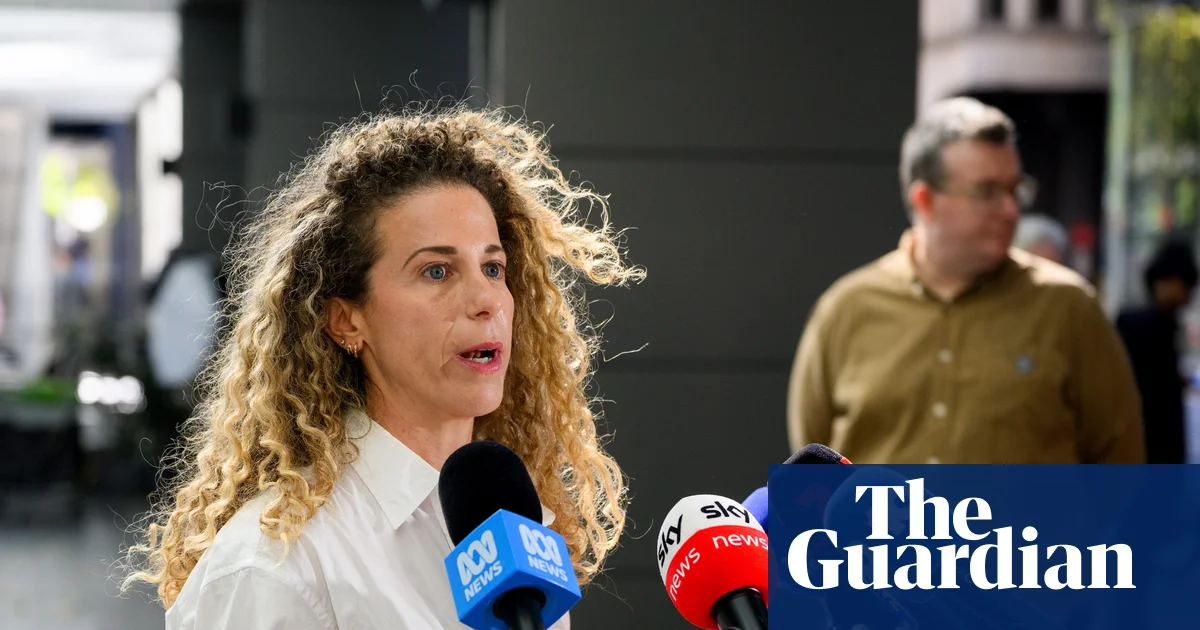
Australia is experiencing a troubling surge in antisemitic attitudes and violence, according to recent testimonies at a royal commission hearing. Jewish families across the country report a pervasive atmosphere of hostility, with instances of graffiti, hate speech, and violence becoming ubiquitously normalized. A mother known publicly as Dina depicted her community as living through a “very different reality,” citing the bloody Bondi massacre in December, where 15 individuals were murdered in a deliberate act of extremism, as emblematic of growing dangers.

Historians and analysts underline that antisemitism’s resurgence in Australia signifies a broader shift that extends beyond national borders, reflecting a concerning global trend. Dr. Thomas Keller, a geopolitical analyst, emphasizes that “rising hate crimes and rhetoric are not isolated incidents but part of an international wave fueled by extremist ideologies and social polarization.” The Australian Jewish community feels increasingly under siege, with children witnessing swastikas, Nazi salutes, and hearing hateful rhetoric daily. The testimony from families reveals how such exposure has deeply affected the psyche of young Jewish Australians, with some fearing for their lives, and others contemplating whether they are safe in their own country.

Implications for Social Cohesion and Foreign Policy

The international community, particularly United Nations officials and human rights organizations, are watching Australia’s internal struggles with growing concern, as they interpret these developments as part of a wider pattern of declining social cohesion and a resurgence of extremist ideologies. Many analysts warn that unchecked antisemitism signifies vulnerabilities within national security frameworks, demanding closer international cooperation and proactive measures. “The normalization of hate speech and violence jeopardizes not just minority communities but the social fabric at large,” argues a UN report published last year. It highlights how domestic policies must evolve to combat the root causes of hate and intolerance, which are often amplified by online platforms and political rhetoric.

For Australia, the escalation raises questions about its diplomatic stance and internal policy priorities. Critics argue that recent government inaction has emboldened extremists, creating a fertile ground for further violence. Yet, some see this as an opportunity for Australia to reaffirm its commitment to counter-terrorism and hate speech, aligning more closely with international efforts to combat racial and religious intolerance. The challenge lies in balancing free speech with effective suppression of hate, a dilemma faced by many democracies now wrestling with their identity and values amidst a polarized global climate.

Looking Ahead: A Moment of Reckoning for Society and Leadership

As the hearing concludes, the weight of history presses heavily upon Australia’s shoulders. With the echoes of World War II and the Holocaust warnings still resonant, many analysts ponder whether the nation is buckling under the pressure of resurgent hatred or if it can forge a path toward resilience and understanding. The testimonies, filled with trauma and fear, serve as stark reminders that the battle against prejudice is ongoing and requires unwavering vigilance. Leaders are now called upon to confront these challenges decisively, lest the darkness of hatred once again risks plunging society into chaos. Deeper questions remain: Will Australia’s political will be enough to stem the tide of antisemitism, or will the events of recent months become a chapter in a history of societal failure? The answer, as history shows, will shape not just the future of Australia but will echo across the global landscape, testing whether humanity can learn from its darkest hours before they consume it entirely.

Alito temporarily reinstates mail-order abortion pill rule, sparking youth debate

In a pivotal move that underscores the ongoing battle for control over reproductive rights, a federal appeals court recently blocked a controversial FDA rule permitting the distribution of the abortion pill mifepristone via mail. This decision not only spotlights the power struggle between federal agencies and the judiciary but also exposes the ideological chasm that divides American politics, particularly on issues deeply embedded in cultural and moral values.

The FDA’s policy, which aimed to expand access to abortion by allowing patients to receive mifepristone through the mail, was viewed by many pro-choice advocates as a crucial step toward reproductive autonomy. Conversely, opponents, grounded in conservative principles and skeptical of federal overreach, challenged the rule, arguing that it jeopardized safety and was an overextension of bureaucratic authority. The appeals court’s intervention signals how legal institutions have become battlegrounds in the broader contest over who controls policy decisions that directly impact the people. As constitutional experts draw parallels to historic judicial rulings that served as check or catalyst for change, this recent decision exemplifies that judiciary influence is vital in shaping social policy and national direction.

The decision also intensifies the power struggles among different branches of government. While the executive branch, led by the Food and Drug Administration, aims to loosen restrictions and facilitate access, the judiciary is increasingly asserting itself as a guardian of what it considers the constitutional limits. This dynamic echoes the classical debate traced back to framers like Alexander Hamilton and Thomas Jefferson, where the question of who holds ultimate authority over social policy continues to unfold. For many, this clash clarifies that the sovereignty of the people—once envisioned to be realized through elected representatives—is now often contested in the courts, with profound implications for how decisions shape the lives of ordinary citizens.

Ultimately, the fluidity of this power struggle underscores a fundamental truth: politics is the stage where destiny is wrought. As legal experts and political theorists analyze these shifts, one certainty remains clear—the fight over cultural and moral authority is far from over. The rulings echo a larger narrative about the resilience of ideological discord in shaping the national identity. In a nation where each court victory or defeat potentially redefines the relationship between government and the governed, the broader question remains: who will write the future—those who wield the power today or those advocating for a different direction? As history has repeatedly demonstrated, in the theater of politics, the battle lines are drawn, and only the outcome will determine the enduring moral fabric of the nation.

New alliances reshape Nigeria’s political scene, youth watch closely

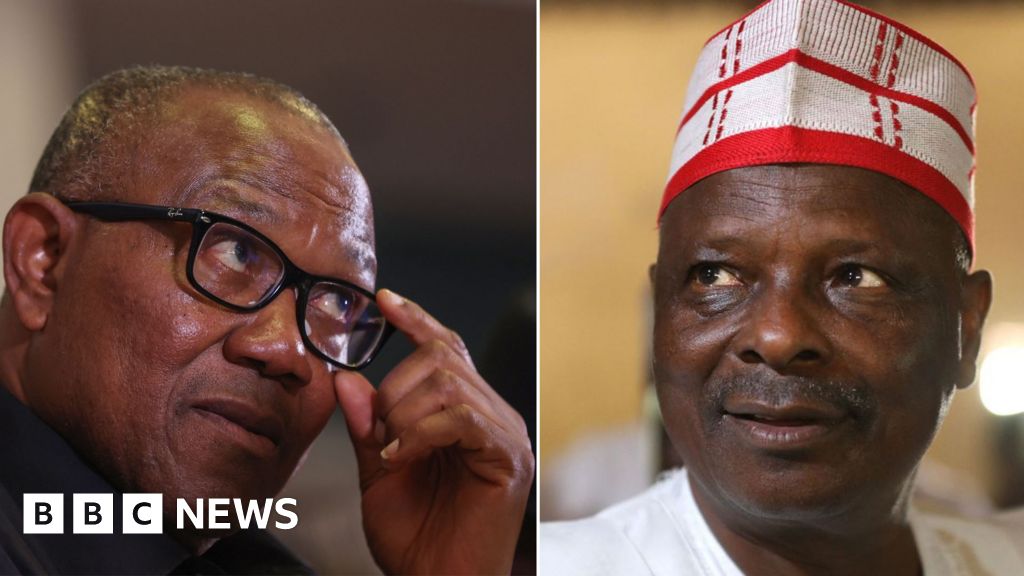
In a move poised to reshape Nigeria’s political landscape, Peter Obi and Rabiu Kwankwaso, two influential figures who finished third and fourth respectively in the most recent national elections, have announced their switch of political parties. This unexpected shift signals a new phase in Nigerian politics, reflecting both internal dynamics and broader geopolitical calculations at play. While the details of their decisions remain under close scrutiny, the ramifications ripple far beyond Nigeria’s borders, capturing the attention of analysts worldwide.

The decision by Obi, once a prominent presidential hopeful representing the Labor Party, to switch allegiance signals a reassessment of strategic alliances. Concurrently, Kwankwaso, a seasoned politician known for his influence in the northern regions, has joined a different political fold, emphasizing a shift in regional and national power balances. International observers suggest that these moves could be a response to internal party pressures, corruption allegations, or a quest to position themselves for future electoral contests. Such decisions often catalyze realignments in Nigeria’s complex political web, with subsequent impacts on policy directions, governance stability, and regional influence.

From a geopolitical impact perspective, these alterations in Nigeria’s political fabric are significant. Nigeria remains Africa’s largest economy and a crucial US and Chinese strategic partner. Political stability in Abuja directly influences regional security, economic prosperity, and diplomatic relations across West Africa. Recall that some analysts, including scholars like Dr. Chinyere Okoroafor from the University of Lagos, warn that internal party realignments can lead to power struggles and civil unrest if not managed carefully, especially within a nation as diverse and historically volatile as Nigeria. Furthermore, these party switches are being viewed as calculated moves within the Sino-American contest for influence, with Nigeria’s leadership choices impacting broader regional and international alignments.

  • The decision of Obi and Kwankwaso to leave their previous parties indicates a trend of realignment within Nigeria’s political elite, possibly foreshadowing a third wave of leadership change.
  • International organizations such as the United Nations and African Union are attentively monitoring developments, emphasizing the need for peaceful political transitions.
  • Historian and geopolitical analyst Prof. Adebayo Oluwafemi states that these party switches could either stabilize Nigeria by uniting fractured political factions or destabilize the fragile equilibrium if handled carelessly.

As Nigeria stands at this pivotal juncture, the decision of Obi and Kwankwaso to reconfigure their political paths will undoubtedly reverberate across the African continent and beyond. The choices made today are not merely about individual ambitions but will define the future trajectory of Nigeria’s democracy, influence, and stability for generations to come. The unfolding drama remains a stark reminder that history’s pen continues to write Nigeria’s complex narrative – a narrative where every political shift carries the weight of destiny and the hopes of millions.

Shropshire Council Faces Growing Youth Backlash Over Flag Removal Amid Rising Tensions

Society Under Strain: The Cultural and Social Impact of Flag Campaigns in England

In recent months, local governments across England have reported a disturbing rise in threatening behavior and abuse directed at public service staff and officials. From Shropshire to Oxfordshire, officials recount escalating incidents of intimidation while attempting to perform routine duties, such as street lighting repairs or removing unauthorized flags. These disturbances are not isolated; they reflect deeper social tensions surrounding the display of national symbols and their interpretation within contemporary society.

This controversy primarily revolves around a flag campaign that began last summer, purportedly initiated in Birmingham. In the ensuing months, hundreds of union and St. George’s flags have appeared on lamp-posts, roundabouts, and street furniture throughout England. For some communities, these flags are conscious symbols of pride and patriotism. Yet, for others—especially those concerned with the social fabric and cohesion—they are seen as tools of division and intimidation. Many charities and local authorities argue that the campaign exacerbates existing social fractures, creating an environment where families and neighborhoods feel increasingly unsafe and divided.

Across counties, officials have struggled to balance respect for free expression with the need to maintain public safety and community harmony. In Shropshire, despite initial refusals to police flag displays, authorities recently announced plans to remove unauthorized flags citing safety concerns and hefty removal costs—already reaching as high as £13,000 following storm damage, and threatening to burden local taxpayers further. Meanwhile, in Oxfordshire, police and council leaders report that threatening behavior and abuse have become commonplace, with some residents feeling unwelcome in what should be their own neighborhoods. Such tensions not only strain community bonds but also threaten the moral and psychological well-being of families caught in the social crossfire.

Social commentators like sociologists and historians warn that these conflicts are indicative of more profound cultural shifts and _demographic changes_ that challenge traditional notions of shared identity. The phenomenon raises urgent questions about the moral responsibilities of societal leaders, the impact of unchecked nationalism, and the ways in which local governments can foster environments of > inclusivity and respect. As communities grapple with statutes and symbols, they reveal the enduring struggle to define national identity amidst an increasingly fractured social landscape. Moving forward, deliberate efforts to promote dialogue and understanding are vital, lest society become further divided—the very fabric that sustains its moral integrity fraying under the weight of unchecked symbolism and social discord.

In this moment of crisis, society stands at a crossroads, where the quest for cultural expression intersects with the urgent need for social cohesion. Truly, the heart of the challenge lies not in the flags themselves but in how communities choose to confront their differences. For amid the chaos and contention, hope persists—a hope that, through reflection, compassion, and decisive leadership, society can forge a path toward renewed unity and understanding. Amidst these turbulent times, perhaps society’s greatest strength is not in its symbols but in its capacity to heal and rebuild from within, shaping a future where every family feels both proud and safe in their shared homeland.

Amsterdam bans public ads for meat and fossil fuels, signaling a shift toward greener youth priorities

AmsterdamPioneers in Climate-Forward Advertising Ban, Signaling Shift in Urban Economic Policy

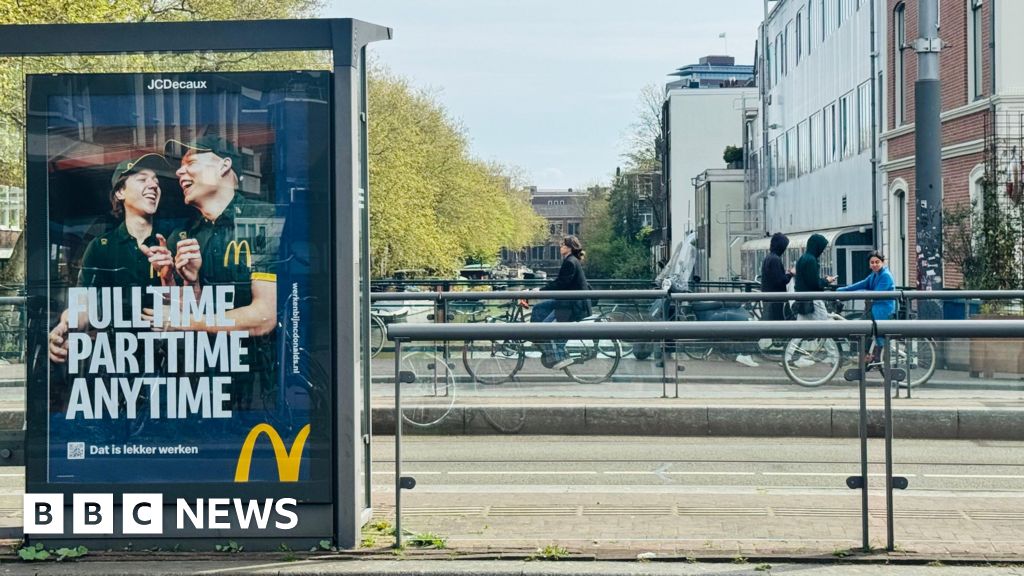
In a groundbreaking move, Amsterdam has cemented its reputation as a leader in environmental policy by becoming the world’s first capital city to ban public advertisements for meat and fossil fuel products. Effective since May 1st, this initiative eliminates promotional content for burgers, petrol cars, airlines, and related industries from billboards, tram shelters, and metro stations across the city. This bold step not only underscores a shift in the city’s public messaging but also sends a strong signal to global businesses and investors about the future of sustainable urban development.

The decision reflects a broader trend among metropolitan centers to pursue climate-conscious policies that influence consumer behavior and reshape market dynamics. By restricting advertising for industries notorious for their carbon footprints, Amsterdam aims to reduce consumer demand and promote healthier, more sustainable choices. Market analysts suggest that such policy shifts could significantly impact market impact in sectors linked to traditional fossil fuels and animal agriculture. Companies such as Volkswagen or McDonald’s may need to reassess their marketing strategies as urban centers increasingly adopt restrictive advertising policies under the guise of climate activism.

Economists and investors are watching closely as this policy could redefine urban economic landscapes. According to the International Energy Agency (IEA), continued reductions in fossil fuel advertising can accelerate the transition to renewable energy sources and electric mobility—particularly as cities demonstrate they are willing to prioritize environmental impact over traditional commercial growth. This move could encourage other jurisdictions to follow suit, creating a ripple effect that could challenge the dominance of fossil-fuel-heavy industries in urban economies. The response from the business community has been mixed; while some view it as a setback to industry profitability, others see it as an opening for innovative brands to emerge, aligned with a sustainable future.

The policy has significant policy consequences for the transportation and food sectors. With visibility and advertising being vital components of brand growth, firms reliant on conventional promotional channels will likely face increased costs and the need to adapt their marketing infrastructure. Furthermore, the ban could accelerate the decline of fossil-fueled vehicles and meat-centric diets in urban settings—indicators of an emerging shift in consumer preferences. Such dynamics create a fertile environment for renewable energy providers, plant-based food companies, and tech firms pioneering sustainable transportation options, positioning them at the forefront of future economic leadership.

Looking ahead, Amsterdam’s pioneering approach exemplifies the escalating role of economic policy as a tool to combat climate change and shape future markets. By leveraging urban influence and setting a precedent, it paves the way for other global capitals to reconsider the conventional power of advertising in shaping societal values. This innovation signifies that the economy is not merely a driver of prosperity but also a powerful platform for societal transformation—an essential stage where future global power is forged. As the pulse of nations shifts toward *sustainable resilience and innovation*, the economic landscape stands on the cusp of a revolutionary era, where climate consciousness becomes the currency of true progress.

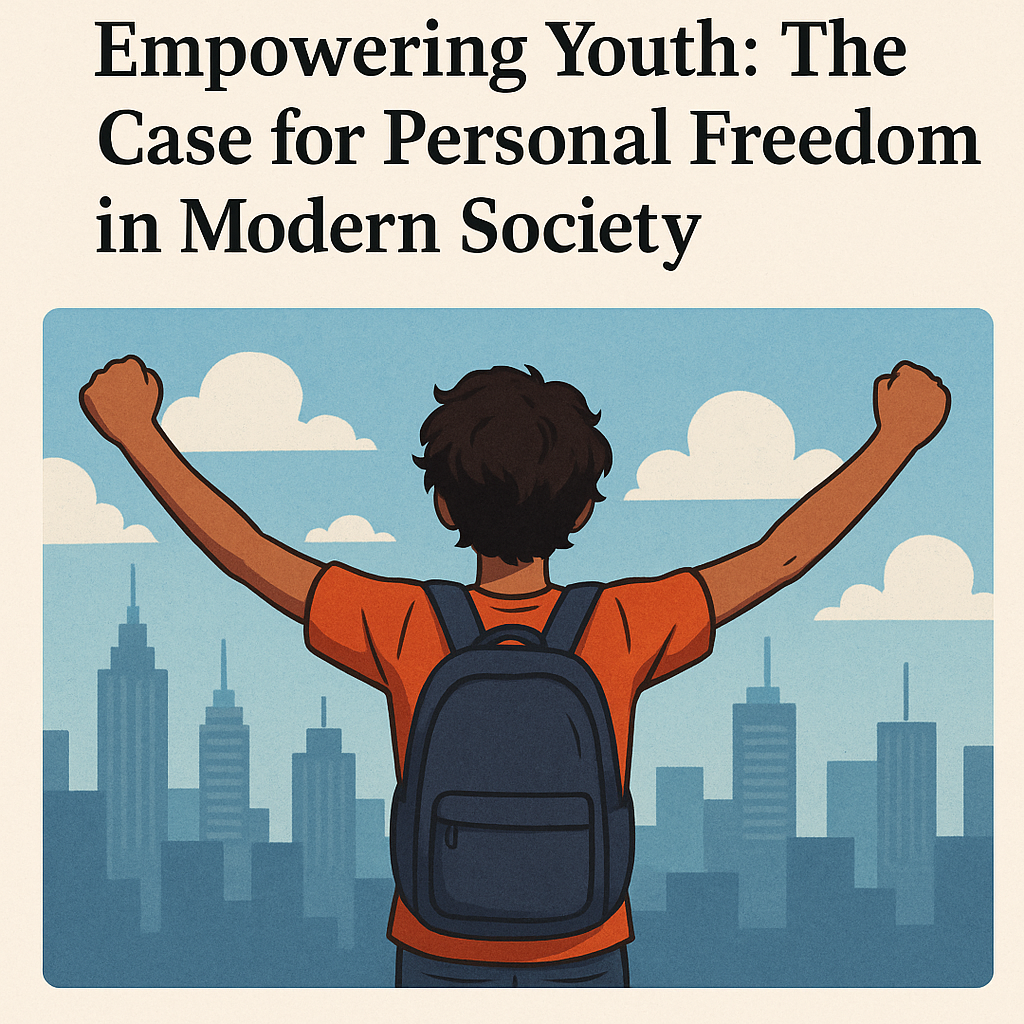
Empowering Youth: The Case for Personal Freedom in Modern Society

In modern society, the debate surrounding personal freedom often centers on balancing individual rights with societal order. Yet, for the youth—our future architects—a fundamental consideration must be the empowerment through personal liberty. Advocates argue that fostering a culture where young people can explore their identities, make autonomous choices, and engage responsibly with society is crucial for cultivating innovative thinkers and resilient citizens. This perspective aligns with the insights of Friedrich Hayek, who emphasized that economic and personal freedoms are essential for societal progress. Restrictive paradigms risk stifling the entrepreneurial spirit and critical thinking essential to a thriving democracy and economy.

Furthermore, critics of excessive regulation contend that personal freedom nurtures self-reliance and personal accountability among youth. When young individuals are given space to navigate their ambitions—whether through entrepreneurial ventures, creative pursuits, or political activism—they develop a sense of ownership over their choices. This autonomy is not without its challenges, but history demonstrates that societies which prioritize individual liberty often outperform those burdened by overreach. As James Madison famously noted, “The future belongs to those who learn more skills and combine them in creative ways.” Empowering youth with the freedom to experiment and learn from failure fosters resilience and a mindset treasured by economic analysts like Milton Friedman.

However, the importance of personal freedom must be balanced with societal responsibility—an aspect often overlooked by critics who equate liberty with reckless behavior. Responsible freedom involves educating youth about the consequences of their decisions and fostering a culture of respect, hard work, and integrity. Policies aimed at empowering young people should thus promote self-determination alongside civic responsibility. The challenge for modern policymakers is designing frameworks that safeguard individual rights while cultivating ethical maturity. This nuanced approach aligns with the ideas of Alexis de Tocqueville, who observed that liberty and responsibility are intertwined threads in the fabric of democratic societies.

Ultimately, the pursuit of personal freedom in youth is an investment in the boundless potential of human ingenuity. As society stands at the crossroads of technological innovation and cultural evolution, the true measure of progress will be how well we nurture the spirit of independence in our young generations. They are the architects of a future where Liberty is not merely a word etched in history but a living, breathing endeavor shaping new horizons. The path forward calls for a profound understanding: that in empowering youth, society is forging a mighty vessel—capable of navigating turbulent waters, guided by the luminous compass of individual liberty. The question remains: will we harness this power with wisdom or let it be drowned in the tides of overreach? In the grand theater of history, it is the spirited pursuit of freedom that lights the way for generations yet unborn, promising a future where human potential is unleashed in its most magnificent form—an eternal testament to the indomitable human spirit.”

Social Media Auto Publish Powered By : XYZScripts.com