Matox News

Truth Over Trends, always!

Family of missing Colombian youth demand answers after U.S. strike targets suspected drug vessel

In the vibrant coastal regions of Colombia and Venezuela, a quiet lifestyle revolves around the sea — a life rooted in tradition, community, and the pursuit of peace amidst turbulence. Yet, recent US military strikes targeting alleged drug-trafficking vessels have cast a shadow over these once tranquil waters. These covert operations, justified by American officials as efforts to combat narco-terrorism and drug-related violence, have sparked fierce debates about legality and human rights, raising questions about the true cost of national security measures. The stories of local fishermen, like Juan Assis Tejeda and others, reveal a sobering reality: they fear that innocent lives, livelihoods, and even civilians might be caught in the crossfire of international politics.

The US claims that these strikes are necessary defenses against criminal networks that threaten regional stability and American lives, citing an increase in cocaine seizures and the rising toll of fentanyl in the US as evidence. However, critics, including international law experts and local communities, argue that these actions resemble extrajudicial killings—a stark departure from the rule of law that emphasizes arrest, trial, and sentencing. Juan, an experienced fisherman who often surveys the waters near Venezuela, shares a poignant perspective: “We just go after tuna, but sometimes drones hover over us — we’re afraid. It’s not right to be pursued and targeted like terrorists without proof, just for earning a living.” Such testimony underscores that in these moments, what the global stage doles out as “security” can sometimes feel like an assault on everyday lives, on well-being, and on the pursuit of simple peace.

The reactions from regional leaders also underscore the underlying geopolitical tensions. Colombia’s President Gustavo Petro has challenged the US’s narrative, condemning the strikes that reportedly killed civilians, including local fishermen and farmers. Petro’s stance aligns with a broader suspicion: that behind the veneer of anti-drug efforts lies an attempt to exert political pressure on Venezuela’s government and its controversial leader, Nicolás Maduro. Many locals believe that these military moves serve as a tool to destabilize the region further, possibly paving the way for more direct American influence, which could threaten the sovereignty of these nations and their communities. Such multi-layered tensions bring to light a crucial fact—lifelines of culture and livelihood are often caught in the crossfire of superpower ambitions.

Amid these turbulent waters, the local community’s resilience remains a quiet but powerful force. Stories from fishermen like Mr. Tejeda show their unwavering desire to live peacefully, unaffected by the global game of power. These men and women are not targets—they are just ordinary people caught in extraordinary circumstances. Their stories serve as a reminder that, at the heart of every geopolitical conflict, there are human lives seeking stability and dignity. As these small villages watch and wait, they embody the spirit of relentless hope: a hope that one day, diplomacy and respect for sovereignty will prevail, and the love of the sea will return to being a source of life, not conflict.

Reflecting on these narratives leaves us with a profound understanding: lifestyle is more than leisure or routine; it’s a journey to embrace resilience in uncertainty. These coastlines, woven with stories of struggle and hope, remind us that true security arises not from the barrel of a gun, but from respect—respect for life, for community, and for sovereignty. As we watch these waters, may we find the wisdom to navigate our own lives with clarity and purpose, standing for fairness amid the chaos, and cherishing the peaceful pursuits that truly define our well-being.

Trump’s FCC drops cybersecurity rules amid Chinese hack fears — a bold move for youth, tech, and free markets

FCC’s Cybersecurity Rollback Sparks Industry Disruption and Security Concerns

In a bold move signaling a shift in U.S. telecommunications policy, the Federal Communications Commission (FCC) voted 2-1 along partisan lines to rescind critical cybersecurity regulations previously enacted under the Biden administration. The decision, championed by the FCC’s two Republican commissioners, Brendan Carr and Olivia Trusty, effectively removes mandatory security standards aimed at safeguarding phone and internet networks from unlawful access and cyber threats. This strategic rollback aligns with a broader trend of deregulation in the tech sector, emphasizing market-led resilience over prescriptive government intervention.

The regulatory shift arrives amidst an escalating threat landscape, notably exemplified by the Salt Typhoon hacking campaign attributed to China-backed adversaries. This sophisticated operation compromised over 200 US telecommunications firms, including giants such as AT&T, Verizon, and Lumen. Hackers targeted fundamental infrastructure, including wiretap and surveillance systems mandated for law enforcement, exposing the fragility of existing security protocols. Industry analysts, including Gartner and MIT cybersecurity experts, warn that such vulnerabilities could be exploited further if regulatory oversight diminishes.

Adding complexity to the industry’s response are divergent opinions among policymakers. Democratic FCC commissioner Anna Gomez opposed the rollback, arguing it reverses the only meaningful cybersecurity efforts against nation-state cyber espionage. Critical voices, including Senators Gary Peters and Mark Warner, expressed alarm that deregulation will undermine national security, leaving critical communication channels exposed. Their assertions underscore a persistent industry question: Will market forces alone suffice to defend against increasingly sophisticated cyber threats, or is strategic regulation indispensable? Conversely, the NCTA, representing the telecommunications industry, welcomed the move, asserting that the existing rules were overly prescriptive and hampered innovation.

From a technological perspective, this deregulation potentially signals a disruptive phase for the industry, where innovation, rather than regulation, becomes the primary driver of security advancements. Cutting-edge solutions—such as AI-powered anomaly detection, blockchain-based integrity checks, and decentralized security architectures—are poised to redefine cybersecurity landscapes. Disruption driven by market competition could accelerate the deployment of these technologies, positioning nimble firms as leaders in the new security paradigm. Notable industry figures, including Elon Musk and Peter Thiel, have long championed decentralized innovation—foreshadowing a future where private entities spearhead cybersecurity guardrails, rather than bureaucratic mandates.

Looking forward, the industry faces a pivotal moment: balancing innovation and disruption with the safeguarding of national security interests. Policymakers, industry leaders, and technologists must collaborate to ensure that market-driven solutions do not come at the expense of foundational infrastructure resilience. As hackers refine their methods and geopolitical tensions escalate, the window narrows for meaningful action. The future of U.S. cybersecurity in telecommunications depends on adopting a proactive, forward-thinking approach that leverages technological innovation while maintaining robust safeguards—an urgent call for strategic agility in an increasingly volatile digital landscape. The coming months will determine whether deregulation fosters a pioneering security ecosystem or exposes critical vulnerabilities, with profound implications for the global tech frontier.

Nearly a million youth remain out of work or school, new stats reveal

The Rising Challenge of Youth Disconnection in Society

Recent statistics from the Office for National Statistics (ONS) reveal that nearly one in eight young people aged 16-24 in the UK—approximately 946,000 individuals—are classified as Neet: not in education, employment, or training. This figure, though marginally lower than previous quarters, remains alarmingly high, especially considering the cyclical trends that have persisted over the past decade. Historically, the Neet population surged to over a million during the aftermath of the 2008 financial crisis, emphasizing how economic downturns exacerbate social divide, impairing the fabric of families, communities, and social mobility.

This persistent demographic fracture disproportionately impacts communities across socio-economic spectra, yet it aligns strongly with moral and societal concerns. The majority—over 580,000—are classified as economically inactive, largely due to rising long-term sickness and mental health conditions. Cultural shifts, such as the increased awareness and diagnoses of mental health issues among youth—evidenced by nearly 20% of Neet individuals experiencing mental health challenges—highlight a pressing need to address the human toll of societal neglect. Social commentators warn that neglecting the root causes of youth disconnection risks perpetuating cycles of poverty, crime, and family instability, thereby threatening social cohesion and the future of generations.

Societal Impact: How Disconnection Disrupts Families and Communities

The ripple effects of youth unemployment and disengagement reach far beyond individual hardship, influencing family stability and community well-being. Families suffer when young members are deprived of meaningful opportunities to build independent lives. As sociologist Dr. Caroline Jackson notes, “Young people without access to stable employment or education often face fractured family dynamics, reduced self-esteem, and increased dependence on social services.” This phenomenon compounds social tensions, especially in communities already vulnerable to deprivation and disenfranchisement. Schools and local institutions are bearing the brunt of an increasing number of youth facing mental health crises, which hampers their ability to engage with learning and development, creating a cycle that becomes progressively difficult to break.

Efforts like the government’s recent “Youth Guarantee” scheme aim to mitigate these issues by providing guaranteed access to education, training, or paid work. However, critics argue that without addressing the underlying social and psychological barriers—such as mental health challenges and long-term social exclusion—such policies may fall short. Education experts warn that neglected youth are at risk of falling into a socio-economic abyss, eroding community strength and societal resilience.While initiatives like the Spear Programme are making strides in coaching young people, gathering empirical evidence suggests that more systemic approaches—including mental health support and targeted community engagement—are essential to reversing this trend.

Pathways to Societal Renewal and Hope

Addressing youth disconnection requires a multipronged strategy that combines economic opportunity with moral and social responsibility. The government’s plans for a “Youth Guarantee” and linked measures—such as mandatory work placements for long-term benefit claimants—represent steps toward fostering accountability and opportunity. Yet, social commentators emphasize that employers must embrace a more inclusive vision that values motivated, less-qualified young people, recognizing that potential often resides beyond academic credentials alone. The insights of sociologist Anthony Giddens remind us that “a society’s strength hinges on its ability to nurture hope and resilience among its youth—those who are destined to be the architects of its future.”

Ultimately, society faces a reflection: will we continue to observe the silent suffering of millions of young people trapped in a cycle of inactivity, or will we rally to forge pathways that empower them? The stories of Nathan and others like him evoke a future where hope is more than a word—it’s a collective mission. As communities, families, and institutions confront the challenges ahead, their resilience may yet seed a transformation—one that rekindles the promise of opportunity and restores the moral fabric of society for generations to come.

EU Paves Way for Faster Military Moves Across Europe, Boosting Youth Defense Confidence

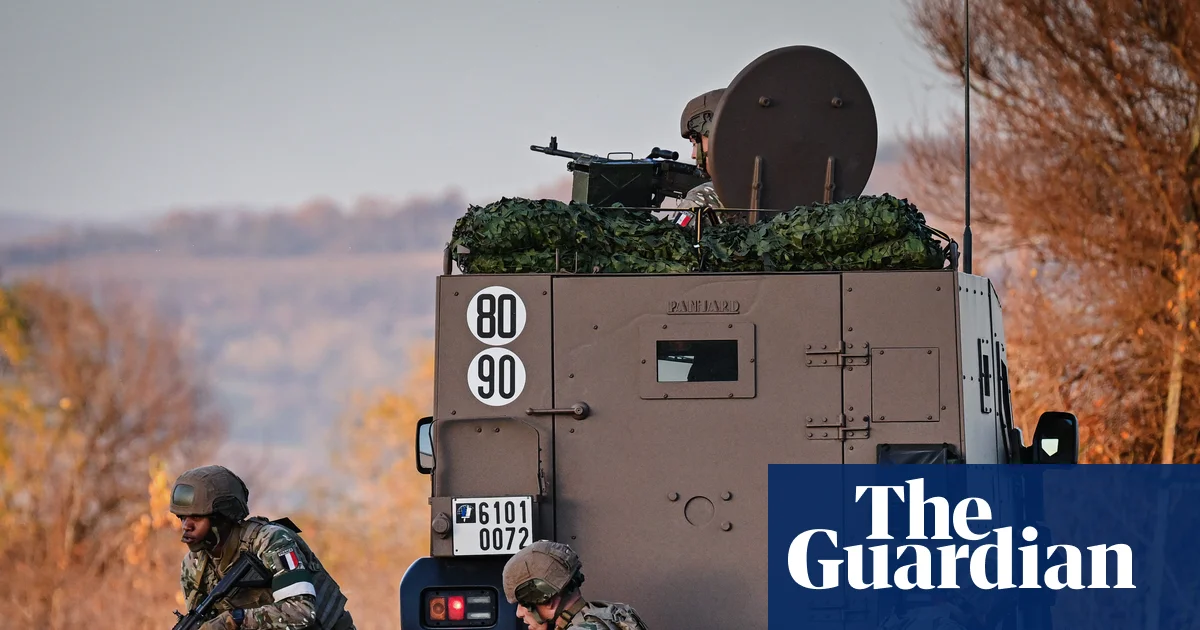
The European Union is intensifying its efforts to reinforce military readiness across its member states in a move that signals a clear shift towards integrated defense capabilities. The recent announcement by the EU executive to streamline cross-border troop movements is part of a broader strategic initiative to counteract escalating regional tensions, specifically in light of recent warnings from security experts regarding Russia’s potential to attack within five years. The EU is positioning itself to become a frontline defender, emphasizing a coordinated approach that could dramatically alter the continent’s security landscape. As European leaders debate the logistics and funding of this ambitious plan, the core aim remains the same: bolster deterrence and ensure swift military response in the face of emerging threats.

The crux of this initiative involves dismantling bureaucratic hurdles that currently hinder rapid troop movements. According to EU officials, obstacles such as inadequate infrastructure—bridges incapable of supporting heavy tanks, narrow railway tunnels, and incompatible track gauges—pose serious impediments to military logistics. The European Commission has proposed creating a “military Schengen” zone, allowing armies to traverse borders as seamlessly as civilians do. Key to this plan is prioritizing the strengthening of 500 critical points—bridges, tunnels, roads, and ports—at an estimated cost of €100bn. Such investments are seen as essential for ensuring that NATO’s collective defense is complemented by improved continental military mobility, a point underscored by Kaja Kallas, the EU foreign policy chief, who bluntly stated that existing rules, such as the 45-day notice requirement for troop movement, are “not good enough” for an era of heightened tension.

This move draws considerable attention from analysts and international organizations concerned with the geopolitical ramifications. While the EU emphasizes that these measures are designed to underpin NATO’s strategic planning, critics warn of a potential escalation of tensions, especially with Russia. The prospect of Europe becoming a more militarized continent—ready to move armies swiftly across borders—raises fears of militarization spiraling further. Historian and security analyst Dr. Marcus Feldman warns that such initiatives may inadvertently provoke an arms race or regional instability. Nevertheless, EU officials maintain that modernization of infrastructure and legal reforms are vital deterrents against potential aggression, especially in a volatile security climate spurred by Moscow’s recent strategic postures.

Funding remains the most contentious aspect of this initiative. The EU plans to allocate approximately €17.6bn from its long-term budget, with a broader €2tn plan facing resistance from member states wary of increased spending. Nevertheless, the logic remains clear: in an increasingly unpredictable world, preparedness and rapid mobilization are the new currencies of security. As nations within the bloc are often required to co-fund defense projects, the convergence of economic and strategic interests highlights an evolving geopolitical landscape—one where collective action is increasingly deemed necessary to navigate threats that transcend borders. The coming years will test whether these measures can deliver a credible deterrent or merely serve as a fragile veneer over underlying divisions and uncertainties.

As the echoes of history reverberate through the corridors of power, the unfolding plans for a more integrated and mobile European military force cement a stark reality: the continent stands at a crucial juncture. The decisions made today—how well infrastructure is upgraded, how swiftly policies adapt—will undoubtedly shape the fabric of European sovereignty and security for generations. The weight of history is pressing down, with each step towards militarization carrying profound consequences; the thresholds of peace and conflict are now razor-thin, and the world watches as Europe writes its next chapter in a saga of resilience and confrontation.

Europe’s Youth Stand Firm Against Russia’s Shadow Fleet Threat

In the waters of the west Baltic, a tense game of maritime cat-and-mouse plays out silently yet intensely. Europe’s coastguards and navies have become the frontline defenders in the ongoing battle over Russian energy exports, with an invisible war waged through covert shipping operations. As Russia continues to counter Western sanctions with a sprawling shadow fleet of unflagged, often stateless tankers, the delicate balance of global maritime law faces unprecedented challenges. Analysts warn that these clandestine activities do not merely signify evasion but threaten the entire rules-based international order, risking environmental disaster and escalating geopolitical tensions.

The shadow fleet refers to a network of hundreds of vessels allegedly used to bypass Western sanctions and cap regulations on Russian energy exports. Observers like historians and maritime analysts warn that this phenomenon marks a significant shift as Russia’s revenues from oil still impressively sustain its economy—revenue that, despite being scrutinized, continues to flow at a substantial clip. According to the International Energy Agency, Russian oil sales in October totalled over $13 billion, with a majority shipped through these questionable vessels. These ships, often cloaked in false flags and with concealed ownership, are not just logistical gambits but are also suspected of engaging in undersea sabotage, illicit drone operations, and deliberate “spoofing” of their locations. The difficulty lies in enforcement: maritime law grants navigational freedom, but stateless vessels are technically not entitled to this, complicating interdiction efforts in international waters.

This clandestine activity has profound geopolitical impact. Countries bordering Russia, like Estonia, are witnessing an alarming increase in vessels passing their waters—often under the guise of legal passage but with suspicious routes and questionable flags. Commodore Ivo Värk of Estonia’s navy describes how dozens of ships, once rare exceptions, are now a routine sight. These vessels, like the tanker Unity, trace complex routes that include frequent trips through the English Channel and across the North Sea—areas traditionally associated with peace and navigation rights. Since 2021, Unity has changed flags multiple times, from Singapore to the Marshall Islands and more recently claiming a false Lesotho registry, highlighting the deliberate obfuscation designed to evade detection. The global shadow fleet now consists of over 450 vessels, according to the IMO—a stark increase that underscores the erosion of accountability in maritime commerce.

International organizations and governments find themselves in a precarious position, with their ability to enforce sanctions hampered by the vessels’ maneuvering tactics. As Europe and the United Kingdom tighten port and transit bans, Russia’s revenues persist, thanks largely to these shadowy ships. The Centre for Research on Energy and Clean Air reports that over 60% of Russian crude exports are now funneled through sanctioned or suspect ships, with emerging markets like China and India emerging as primary buyers. The dilemma for Western policy is stark: stronger actions risk escalating tensions and even provoking direct confrontation, yet the current approach appears insufficient to stem the flow. The BBC reports that vessels like Unity have repeatedly operated despite technical failures, crew changes, and even detentions—further evidence that the shadow fleet has become an entrenched part of Russia’s strategy to sustain its geopolitical interests.

The escalating clandestine naval activities foreshadow a new chapter in the theatre of international conflict—one where maritime law is challenged, the environment endangered, and the global economy under silent stress. As the West endeavors to tighten its grip and suffocate Russia’s energy lifelines, the shadow fleet responds with ingenuity and defiance, cloaking its movements in technological subterfuge. With each passing day, the rules of navigation are tested, and the foundations of modern geopolitics tremble under the weight of unresolved rivalries. In this unfolding saga of maritime shadows, the question remains: how long can a world grounded in law survive when its most powerful instruments are manipulated in the depths of international waters? The course of history now hangs in the balance, awaiting the decisions that will shape the future of global order amid the relentless pursuit of energy and influence.

Poole School Clamps Down on KPop Demon Hunters Songs, Limiting Youth Voice

Societal Tensions Collapse into Schoolyard Politics as Cultural Shifts Trigger Debate

In the quaint town of Poole, Dorset, a recent controversy at Lilliput Church of England Infant School has exposed the deep fissures that can arise within communities grappling with changing social norms. The school’s decision to ban a popular song from the Netflix animated film KPop Demon Hunters—citing concerns about its “Christian ethos”—has ignited a broader debate over how cultural shifts and demonic imagery influence the moral fabric of our youth. This incident exemplifies a societal struggle: balancing the zeal to protect traditional values while fostering an inclusive environment and recognizing that social issues extend far beyond the classroom.

At the core of this controversy is a clash of moral perceptions and generational values. The school asserted that references to demons and themes of temptation, embedded in the film’s narration and songs, pose a moral challenge for some community members. According to acting head teacher Lloyd Allington, the decision was motivated by a desire to support families who find such themes “challenging.” This response reflects an ongoing societal trend where moral anxieties—particularly those rooted in religious doctrines—shape educational content and community activities. Sociologists like Dr. James Davison Hunter have noted that in these moments, society often reverts to moral absolutism as a mechanism for social cohesion, particularly when confronting rapid demographic and cultural changes.

However, critics highlight that such protective reactions can inadvertently harm the social cohesion and mental wellbeing of young learners. One parent argued that “my daughter is very into K-pop and her friends love the music,” emphasizing the importance of children experiencing diverse cultural expressions. The conflict here underscores a fundamental issue: how to cultivate resilience and critical thinking among youth without succumbing to fear-based censorship. Educational experts warn that overprotecting children from media representations can limit their capacity to navigate complex moral landscapes, especially when such representations reflect contemporary societal issues like identity, temptation, and moral ambiguity.

  • Rising concerns over the impact of media with darker themes on young minds.
  • Community debates over the influence of popular culture and moral standards.
  • Educational institutions struggling to find a balance between safeguarding values and promoting open-mindedness.
  • Calls for fostering dialogue on diversity of beliefs within increasingly multicultural societies.

Reflecting this societal tension, social commentators like philosopher Dr. Michael Sandel argue that the challenge for modern communities lies in fostering spaces where “conflicting moral views can collide without fracturing the social fabric.” The incident at Lilliput School underscores the importance of promoting understanding and respect for differing beliefs—whether they stem from faith, culture, or personal experience. While some fear that exposure to darker themes might corrupt innocence, others see it as an essential part of education, cultivating morally aware, culturally literate citizens. As society navigates these turbulent waters, the hope remains that through open dialogue and mutual respect, communities can move toward a future where young minds are empowered to question, reflect, and ultimately forge their own moral compass.

In the end, society’s greatest challenge is not merely in policing the content children consume, but in planting seeds of moral resilience and empathy. Just as a fertile land requires nourishing soil, our communities need to nurture conversations rooted in understanding rather than fear. Society stands on the cusp of a transformation—one in which tradition and progress may coexist, offering a vision of hope where the youngest generation navigates complexity with courage and clarity. For in these moments of cultural clash, there lies an opportunity for society to reimagine the moral landscape—an enduring testament to the resilience of community, faith, and the indomitable spirit of youthful enquiry.

Rising Stars Shine in Thrilling Weekend of Youth Sports Action!

Congo DR’s Controversial Victory: Éric Chelle’s Voodoo Accusations

In an exhilarating yet controversial match, the Congo DR secured their spot in the next round of World Cup qualifying, defeating **Cameroon** in a penalty shootout that left fans and analysts alike questioning the integrity of the game. The dramatic showdown was not just marked by skill and tenacity; **Cameroon** head coach Éric Chelle has ignited a firestorm of debate by attributing his team’s defeat to what he termed “voodoo” during the shootout.

The contest took place in front of a packed stadium, with emotions running high as the two teams faced off for a chance at the coveted 2026 World Cup qualification. As the match progressed into penalties, the tension was palpable. Chelle, who has led **Cameroon** through a challenging campaign, stated, *“There were forces at play that we could not control.”* His remarks suggest a deeply-rooted belief that external influences may have swayed the outcome in favor of the **Congo DR**, which further complicates the narrative surrounding the already high-stakes match.

  • Match Highlights:
    • Match led to penalties after a tight 1-1 stalemate in regulation.
    • **Congo DR** triumphed in the shootout, converting 4 of 5 attempts.
    • **Cameroon** missed 3 penalties, contributing to the shocking loss.

Critics have engaged in a lively debate over whether Chelle’s accusations detract from the spirit of competition or shine a light on cultural aspects often overlooked in modern sports. Prominent commentators have weighed in, suggesting that these disputes can foster a unified response from the athletic community, advocating for a system that ensures fair play across the board. The unity of athletes and fans in the face of adversity could serve as a beacon for the sport, reminding all involved of the passion that fuels such contests.

As the dust settles on this controversial match, it is crucial to remember that sports extend beyond mere scores and statistics. When the final whistle blows, and the cheers and jeers fade, what remains is a community built on shared passion and resilience. **Congo DR’s** triumph, whether viewed through the lens of disputes or athletic prowess, invites us to celebrate the joys of competition, the thrill of teamwork, and the enduring spirit that sports foster amongst nations, uniting them for a collective hope towards glory.

Source link

Northampton Librarian Celebrates Big Win, Inspiring Local Youth

The Power of Literacy and Community in Shaping Society

In an era characterized by rapid societal shifts and demographic changes, the role of dedicated community and educational institutions becomes more vital than ever. At the heart of this movement are figures like Julie Broadbent, a veteran librarian at Northampton International Academy, whose recent accolade as the 2025 Secondary School Librarian of the Year underscores the profound influence that passionate educators can have on families and communities. Her story not only exemplifies individual achievement but also highlights the transformative power of fostering a shared culture of literacy and positivity within schools, which ripple outward to the broader social fabric.

This recognition illuminates a significant social issue: the decline of traditional literacy and the importance of fostering a reading culture in schools. Historically, sociologists like Raymond Williams and contemporary social commentators emphasize that in a society where digital distraction and diversifying cultural influences threaten to erode foundational skills, educators and librarians stand as pillars of stability. Ms. Broadbent’s approach—cultivating a welcoming, inclusive space and reflecting her school community’s diversity—speaks to a necessary paradigm shift. It demonstrates how creating safe and engaging environments nurtures not only academic success but also moral resilience among youth, thereby reinforcing social cohesion amid changing demographics.

Her 25 years of dedication encapsulate the ongoing challenge: how to ensure that the bond between families, schools, and local communities remains strong enough to cultivate lifelong learners. The School Library Association praised her for her work “creating a culture of positivity,” and her ability to connect with pupils on an individual level exemplifies what sociologists call “*social capital*”—the trust, networks, and shared values that underpin community strength.

  • By fostering literacy and inclusiveness, educators like Ms. Broadbent uphold the moral responsibility to prepare a generation capable of navigating an increasingly complex society.

Still, these initiatives face challenges—from resource constraints to societal divisiveness—that threaten to undermine their vital role. It is essential that policy makers recognize the importance of supporting such grassroots efforts, for the health of our social fabric depends on the success of these programs.

As we reflect on the story of Ms. Broadbent and her dedication, we are also reminded that the future of society hinges on our collective capacity to nurture the next generation. Her work exemplifies how small acts of community investment can spark large-scale social renewal. Society’s most urgent task is to preserve and renew the simple yet revolutionary idea that education, rooted in love for reading and community engagement, can cultivate not just competent students but morally resilient citizens. As the rays of dawn pierce through the shadows of societal fragmentation, hope lingers in the promise that our shared commitment to these ideals can build a society where families, education, and communities unite under the common banner of progress and moral purpose.

China-Japan Tensions Rise Over Taiwan: What Youth Should Watch

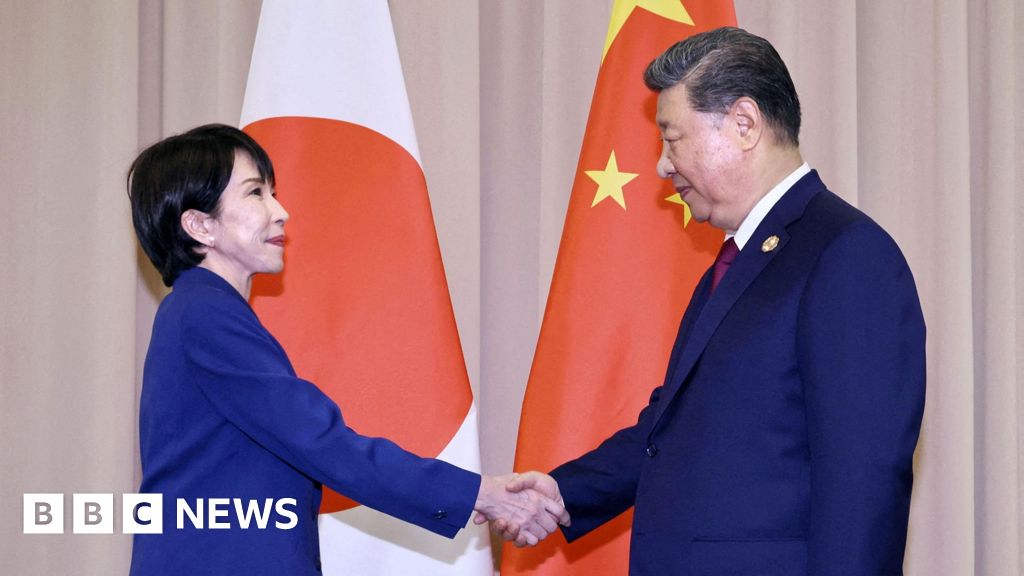
In an era defined by shifting alliances and rising assertiveness among global powers, Japan and China have entered a dangerous phase of diplomatic clash, with significant geopolitical impact that reverberates well beyond their mutual borders. This week, tensions escalated dramatically after Japanese Prime Minister Sanae Takaichi made remarks about Japan’s possible response to a hypothetical Chinese attack on Taiwan, prompting a fierce rebuke from Beijing. China has since urged its citizens not to travel to Japan and has summoned Japan’s ambassador in Beijing, signaling a deliberate escalation designed to intimidate and deter what China perceives as provocations that threaten its core national interests.

The incident reveals a broader struggle rooted in longstanding animosities, dating back to conflicts in the 19th century and the scars of Japan’s brutal wartime aggression in China during World War II. Historians and international analysts warn that such historical grievances continue to fuel suspicion and hostility, complicating efforts toward détente. The specific trigger, however, lies in Prime Minister Takaichi’s assertion that Japan could deploy its self-defense forces if China attacked Taiwan—an explicit departure from Japan’s long-standing policy of “strategic ambiguity.” This policy has kept the region relatively stable by avoiding overt commitments that could provoke China—a strategy that Washington and Tokyo have upheld to prevent triggers of larger conflict. Yet Takaichi’s hawkish stance aligns with Japan’s recent shift toward increased defense spending, a move seen by many as a response to China’s growing military assertiveness and regional ambitions.

What happened? A timeline

  • The current tensions originated during a Japanese parliamentary debate when Takaichi responded to a question about what circumstances regarding Taiwan could threaten Japan’s survival.
  • She stated that “battleships and the use of force” could trigger Japan’s self-defense protocols, a statement that China labeled “egregious” and “highly inappropriate.”
  • Tokyo promptly lodged protests against Beijing, which responded with its own diplomatic protests and warnings, including a warning from China’s foreign ministry that Japan was “playing with fire” and risking severe consequences.
  • Meanwhile, Takaichi refused to retract her remarks, remaining steadfast in her position that Japan’s stance on Taiwan has not changed, despite the diplomatic fallout.
  • In the aftermath, Beijing’s foreign ministry reiterated that Taiwan is “China’s Taiwan,” directly accusing Japan of interfering in what Beijing views as its inner affairs. China’s Vice Foreign Minister Sun Weidong summoned Japan’s ambassador, warning of “extreme consequences” should tensions escalate further.

International organizations and defense analysts warn that these exchanges symbolize a potential escalation toward a broader confrontation that could destabilize the Indo-Pacific region. The United States, meanwhile, maintains a policy of deliberate ambiguity regarding Taiwan’s defense, while strengthening ties with Japan—its closest Asian ally. The U.S. position remains cautious, yet publicly ambiguous, designed to deter China from considering military action. This delicate balance of power underscores the importance of regional security frameworks, yet also reveals their fragility in times of rising nationalism and strategic competitions.

Most worrisome is the influence of historic grievances and the rise of hawkish leaders like Takaichi, who advocates for closer military cooperation with the United States and rejects Japan’s traditional restraint on military engagement. Analysts warn that such bold policies increase the risk of miscalculation, especially as China refocuses its military doctrine on reunification with Taiwan by any means necessary. As tensions simmer, the region approaches a critical juncture, where historical scars are reopening and alliances are being tested in the crucible of modern geopolitics. The prevailing question remains—will diplomacy prevail or will the shadows of history ignite a conflict that could reshape the world order?

In the unfolding pages of history, the ink is still wet, and the future remains unwritten. The world watches as Asia’s giants inch closer to a crisis that could ignite the entire global stage, forcing nations and societies into decisions that may echo for generations. As the echoes of past atrocities and betrayals reverberate across the ocean, humanity stands on the brink of an uncertain tomorrow—hope fighting to survive amidst the specter of renewed war.

Should India Count Castes? Debating the Impact on Youth and National Unity

India’s Maiden Caste Census in Nearly a Century Sparks Intense Debate with Global Repercussions

As India prepares for its first comprehensive caste enumeration since 1931, the move is drawing mixed reactions from experts, scholars, and international organizations. Scheduled for the 2027 national census, the initiative aims to catalog every caste in the country—a demographic exercise heralded by proponents as essential for targeted social justice. Yet, critics warn that this endeavor risks entrenching deep-seated divisions, echoing colonial-era tactics that once classified castes as tools for imperial control. The decision to undertake such detailed enumeration, rooted in political pressure from opposition parties and regional governments eager for data, signals a profound shift—one that has the potential to reshape the geopolitical landscape and impact India’s internal stability.

Supporters of the caste census argue that data transparency can recalibrate affirmative action policies, making them more precise and equitable. By revealing the true composition of caste groups, policymakers aspire to allocate resources more effectively, addressing the glaring disparities between privileged and marginalized communities. Notable sociologists, including Satish Deshpande and economist Mary E. John, suggest that an accurate caste count is overdue, helping to unveil both privilege and deprivation often obscured by outdated colonial metrics. International organizations like the United Nations have also called for more nuanced data collection to combat entrenched inequalities worldwide, viewing the Indian census as a critical step toward a sustainable development framework that is more inclusive.

However, the project is far from without controversy. Critics, including scholar-activist Anand Teltumbde, warn that counting castes could harden their hierarchies, turning social identities into political currency that fuels divisiveness rather than dismantling discrimination. Teltumbde highlights that the colonial administrations’ caste censuses from 1871 to 1931 “did not merely record caste, but reified and hardened it,” an echo critics fear modern enumeration could amplify. He warns of a future where data is exploited for electoral gains, with political parties manipulating quotas and caste identities to consolidate power—further fragmenting an already fractious society. This perspective echoes the vision of B.R. Ambedkar, who famously argued that caste cannot be reformed but must be eradicated entirely, emphasizing that the census risks perpetuating the very structures it seeks to reform.

Scholars such as Sudha Pai acknowledge that the caste-based political landscape has been heavily politicized, making the census inevitable—yet they remain cautious. Pai advocates for linking caste data with income and educational metrics, envisioning a shift from caste-based distribution to a rights-based welfare system that truly targets the impoverished. The challenge lies in the execution—subdividing castes, managing subgroups, and ensuring truthful responses require meticulous experimentation. Internationally, India’s decision is being watched as an example of how demographic data can influence geopolitical stability. Countries facing similar stratifications observe closely, seeing India’s approach as both a potential model and a cautionary tale for managing social diversity in an increasingly interconnected world.

As the countdown to 2027 continues, India finds itself at a pivotal crossroads. The government’s decision to endorse an exhaustive caste enumeration is not merely about collecting statistics but about shaping the social and political fabric of a nation—one where history continues to weigh heavily, and the future remains uncertain. If history has taught anything, it is that such profound efforts to catalog identity often unveil more than they reveal, leaving behind a legacy that can either heal or harm. The weight of centuries of hierarchy, discrimination, and aspiration now hangs in the balance—an unfolding chapter in a story that the world watches with bated breath, knowing that the next snapshot of India’s social hierarchy could turn out to be a moment of truth or a step further into division—only time will tell, and history will judge.

Social Media Auto Publish Powered By : XYZScripts.com