Matox News

Truth Over Trends, always!

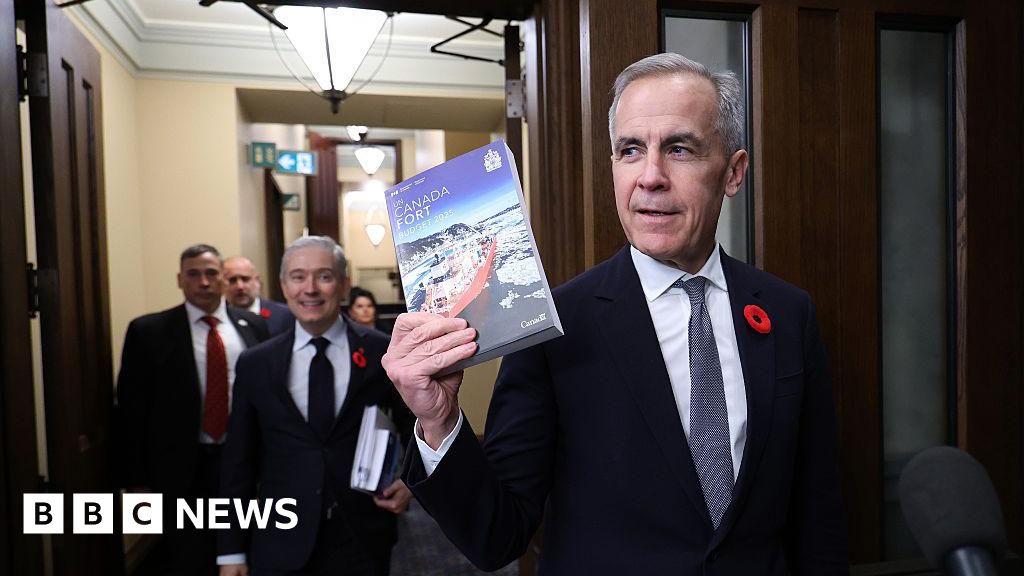
Carney's federal budget ramps up spending to fight back against US tariffs, youth demand stronger economic resilience
Carney’s federal budget ramps up spending to fight back against US tariffs, youth demand stronger economic resilience

Canada’s Bold Fiscal Shift: Carney’s Budget Sparks Global Geopolitical Ripples

In a decisive move reminiscent of emerging economic strategies, Canada’s Prime Minister Mark Carney has unveiled his government’s inaugural federal budget, an ambitious blueprint aimed at transforming Canada’s economic landscape amid increasing US tariffs and trade tensions. Touted as an “investment budget,” it signifies a deliberate pivot towards resilience and global competitiveness, with a stark acknowledgment of Canada’s economic vulnerabilities and the need for swift, bold action. The plan projects a record-breaking deficit of C$78 billion—second only in Canadian history—yet underscores a strategic gamble: attracting C$1 trillion in foreign investment over the coming five years to offset the fiscal deficit and energize growth.

Internationally, the geopolitical impact of Canada’s budget resonates beyond its borders. By committing to a C$280 billion investment in trade infrastructure, the government aims to double exports to non-US markets over the next decade, signaling a strategic diversification of its trade dependencies—a move heavily scrutinized by analysts as a potential recalibration of North American economic ties. This shift is part of a broader bid to challenge the US’s economic dominance and make Canada a more attractive hub for international business than its southern neighbor. In tandem, the budget allocates nearly C$1 billion to integrate artificial intelligence into government and commercial sectors, reflecting a forward-looking approach in harnessing technological advancements to bolster national resilience and global influence.

However, critics skewer the plan as a double-edged sword, pointing to the austerity measures within its framework. The government plans to cut 40,000 federal jobs by 2029 and slash international aid to pre-pandemic levels, demonstrating a readiness to accept short-term societal pain for long-term strategic gain. This, combined with lowering immigration targets and restricting student visas, fuels internal debate about how decisions shape Society’s fabric. The budget’s passage, hampered by a fragile minority government and potential defections—such as the recent defection threat from a Conservative MP—heightens the risk of political upheaval, possibly even triggering a federal election. Such instability only underscores the *turning point* at which Canada finds itself—a nation at crossroads, balancing economic revitalization against social and political turbulence.

Recognized by international organizations and historians alike as a critical moment, this expansive budget reflects a broader blueprints for national sovereignty amid global shifts. Analysts from the International Monetary Fund and economic historians warn that Canada’s strategies could redefine the geopolitical landscape of North America, challenging the U.S.’s supremacy while building a more autonomous Canadian economy. Yet, the true impact remains uncertain—whether these bold initiatives will succeed in rescuing the nation’s future or merely deepen the shadow of mounting deficits and social unrest. As the dust settles over Ottawa, the world waits, shoulder to shoulder with Canadians, for the next chapter in this unfolding saga—an era where the decisions made today may well dictate the course of history for generations to come.

NYC Mayoral Race & Top US Election Highlights: What the Youth Should Keep an Eye On

In a year often overshadowed by global crises, local elections continue to serve as critical barometers of America’s political mood and societal shifts. Across the nation, standout races— from the vibrant streets of New York City to the swing voters of Virginia and New Jersey— reflect an energized populace eager to shape the future direction of their states. While these elections may seem like mere regional exercises, their consequences ripple outward, influencing national discourse and the cultural landscape. For the young, ambitious individual, these elections underscore the importance of staying engaged and understanding how leadership on the local level can have lasting personal impacts—be it in healthcare, safety, or community wellbeing.

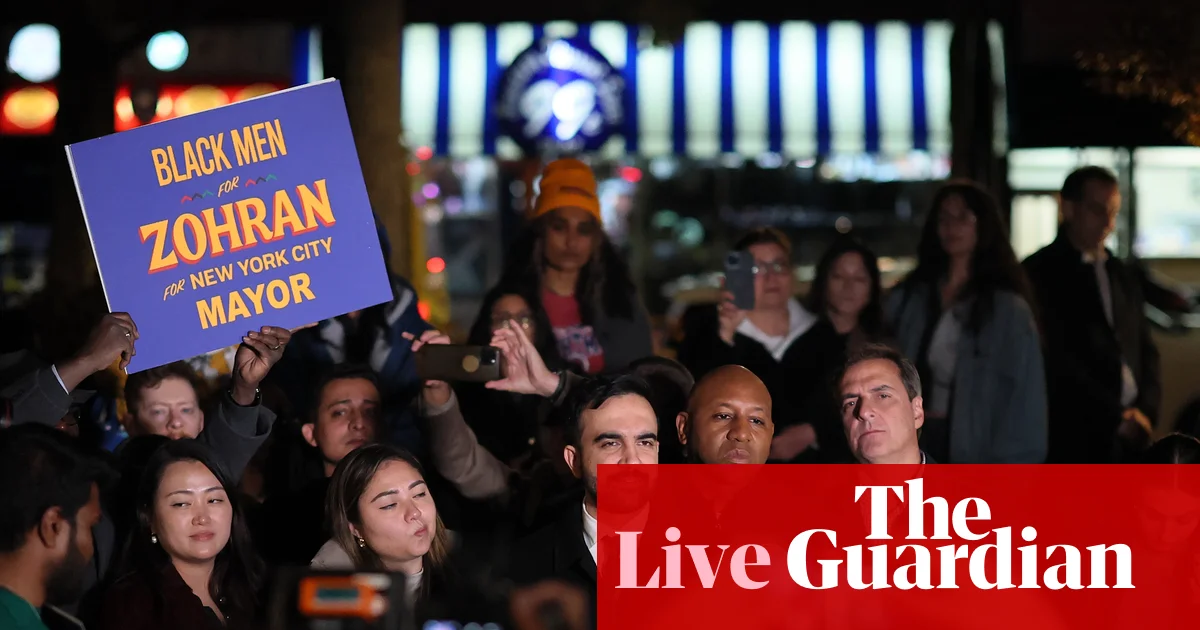
Perhaps the most anticipated race currently unfolding is the New York City mayoral election, where Mamdani’s democratic socialist platform resonates with a youthful demographic hungry for change. This 34-year-old assemblyman’s bid to become the city’s youngest mayor in over a century signifies more than a political upset; it symbolizes a generational shift in values. Mamdani’s campaign, after beating a political heavyweight like Andrew Cuomo in the primaries, embodies what many young citizens are seeking: a break from traditional politics and a bold focus on issues like **affordable housing, sustainable development, and community wellness**. Meanwhile, Cuomo’s attack on Mamdani’s experience highlights the ongoing debate over what it truly means to lead—particularly in a city that faces complex challenges such as public safety and economic inequality.

Beyond the Big Apple, states like California are engaged in a quieter yet equally significant political game — the **mid-decade redistricting referendum**. Californians face a rare opportunity to temporarily redraw congressional maps through Proposition 50, a move driven by Democrats seeking to maintain control amid a historically close political landscape. This strategic shift underscores how every vote counts in shaping the very borders of influence. For the young, politically conscious voter, understanding these shifts isn’t just about partisanship; it’s about recognizing how the reallocation of political power can alter the policies that directly impact young families, entrepreneurs, and community well-being. With millions of dollars pouring in from various campaigns, it’s clear that the battle for fair representation is fierce, and its outcomes will determine how issues like **education reform and economic opportunity** are prioritized in the years to come.

Meanwhile, in the political battleground of Virginia and New Jersey, the gubernatorial contests offer a mirror to the national pulse. With Virginia on the cusp of electing its first female governor—be it Democrat Abigail Spanberger or Republican Winsome Earle-Sears—these races highlight the importance of diverse leadership and the potential for transformative change. For young voters, the significance goes beyond gender or party lines; it’s about star constructing a society that values **inclusive progress, personal empowerment, and a shared sense of community**. The tight races reflect a nation balancing between tradition and innovation, conservative values and progressive aspirations—a reflection of a society still searching for its true identity.

At the heart of these elections, even the shadow of former President Trump looms large, influencing the tone and rhetoric of campaigns. From his comments on New York’s political landscape to endorsements in local races, the Trump factor reminds young voters that leadership is more than policies; it’s about ideology, resilience, and the desire for a vision that echoes their hopes for personal safety, economic opportunity, and national pride. The race for New York City’s mayor, in particular, underscores this dynamic—where the city’s future could hinge on whether it embraces a bold new wave of leadership or conserves the tried-and-true. For the emerging generation, the message is clear: participation in these elections is an act of empowerment—a step toward shaping a society rooted in values of independence, resilience, and transformative growth.

As the dust settles on these critical races, what remains is a profound reminder: lifestyle is a reflection of leadership. The city streets, state borders, and political offices are all stages where lives are reshaped by decisions made today. For the youth eager to carve a niche within this evolving landscape, these elections are more than just ballots; they are a call to embody *active citizenship*—a commitment to forging a community that values wellness, opportunity, and pride in shared progress. After all, it’s in these collective choices that the journey of lifestyle, characterized by health, leisure, and purpose, is truly defined. Embrace it—because your voice in shaping tomorrow begins with the decisions made today.

Dar es Salaam curfew lifted as unrest subsides—peace returns for the youth

Post-Election Turmoil in Tanzania: A Nation at a Crossroads

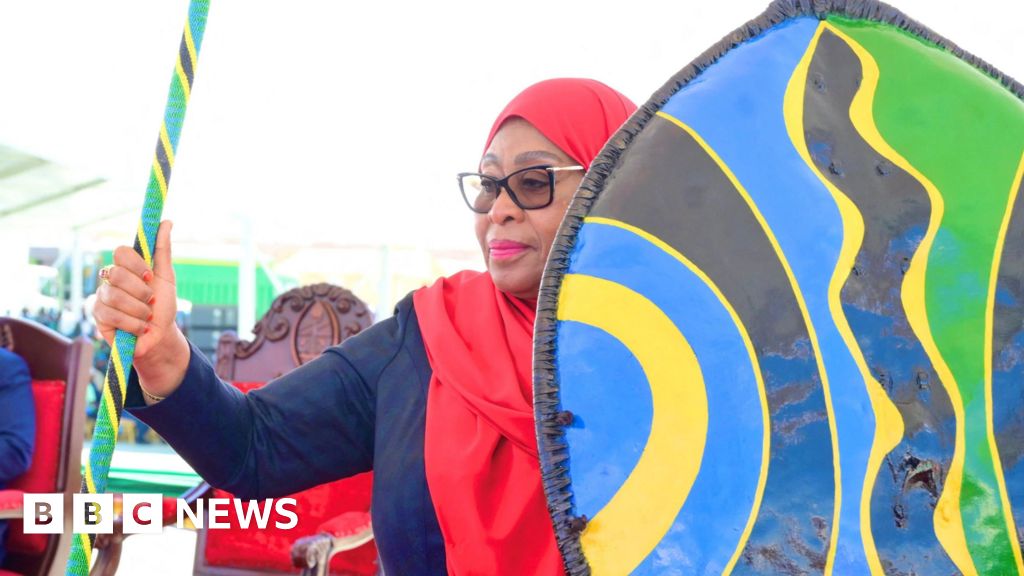
In a dramatic turn of events, Tanzania finds itself teetering on the edge of political chaos following its recent presidential election, which has been marred by allegations of violence, suppression, and international concern. President Samia Suluhu Hassan was sworn in amidst widespread unrest after securing an overwhelming 98% of the vote—an outcome questioned by regional observers and opposition leaders alike. The election, initially heralded as a step in Tanzania’s political evolution, has instead exposed underlying tensions that threaten to undermine the country’s hard-won stability.

As violence erupted in Dar es Salaam and other urban centers, the government responded with force, deploying lethal measures that international organizations—such as The United Nations and Human Rights Watch—have condemned as excessive. Reports from hospitals and diplomatic sources indicate that at least hundreds of individuals have been killed in days of clashes, with credible evidence suggesting the disappearance of bodies, arbitrary detentions, and the use of unidentified vehicles to remove casualties. This brutal response has cast a dark shadow over what was once considered one of Africa’s bastions of stability, raising questions about how far Tanzania is willing to go to safeguard its political power.

International reactions have been swift, with the Southern African Development Community (Sadc) issuing a preliminary report criticizing the election process for falling short of democratic standards. The exclusion of leading opposition figures—Tundu Lissu, detained on treason charges, and Luhaga Mpina, rejected on technical grounds—has further delegitimized the poll, fueling fears of authoritarian overreach. Historians like Professor Alex Mbeki warn that such developments could have broader geopolitical impacts, destabilizing the entire East African region and emboldening similar authoritarian tendencies elsewhere.

Meanwhile, ordinary Tanzanians bear the scars of this violence, with families devastated by loss and uncertainty. Stories of missing relatives and alleged police brutality have become common, as survivors recount harrowing accounts of chaos and repression. The government’s efforts to downplay the scale of unrest—blaming foreign nationals and dismissing reports of casualties—fail to conceal the depth of societal fracture now plaguing the nation. Historian and political analyst Dr. James Irie cautions that such suppression could sow seeds of long-term societal disillusionment, jeopardizing Tanzania’s trajectory towards democratic resilience. As the international community watches with concern, the weight of history hangs heavily, hinting that these tragic events may either become a dark chapter or a catalyst for deeper national reform.

With Tanzania facing an uncertain future, the choices made in the coming weeks will determine whether this country of 60 million will succumb to authoritarian decay or forge a path toward reconciliation and justice. As the echoes of gunfire fade into the night, the spirits of the fallen and the hopes of a nation’s youth remain a stark reminder that history is perpetually in the making—its course uncertain, yet undeniably consequential.

Youth voices demand change for ‘embarrassing’ Prince Andrew road names in Maidenhead

In a world increasingly scrutinizing traditional symbols of power and history, local disputes such as those unfolding in Maidenhead over streets named after Prince Andrew exemplify the palpable tension between legacy and societal values. Once regarded as innocuous commemorations, street names have become focal points of controversy, reflecting broader trends of re-evaluating historical figures and their associations. These small but poignant disputes are emblematic of a wider, global wave of social accountability that challenges entrenched establishments worldwide.

As King Charles moves to officially strip Prince Andrew of his titles following allegations linked to Jeffrey Epstein, the repercussions underline a crucial shift in the British monarchy’s public image and legitimacy. The decision to initiate a formal process to revoke the disgraced prince’s honors and to abandon his residence signal more than mere internal royal restructuring; they showcase a nation grappling with accountability and the need to redefine its moral compass amidst rising call-outs of historic misconduct. Internationally, the ripple effects resonate as other nations observe Britain’s handling of its colonial—and in this case, familial—legacy, examining their own historical narratives for potential reassessment.

  • According to international legal experts, such as Harvard Law Professor Alan Dershowitz, this type of public accountability framework in Britain reflects a broader trend where societal pressure influences legal and political recalibrations. Likewise, historians note that the monarchy’s shift mirrors a parallel phenomenon where societies are confronting difficult pasts, questioning earlier symbols of authority, and pushing for significant institutional reforms.
  • Meanwhile, international organizations like Amnesty International and other human rights groups continue to press governments worldwide to face uncomfortable truths about their histories, often using street renamings and symbolic acts as catalysts for deeper societal change.

In this context, the controversy over street names in Maidenhead underscores how local decisions become microcosms of larger geopolitical debates. The residents’ concerns about the association of their addresses with controversial figures reveal a collective desire to distance society from outdated symbols that no longer reflect contemporary values. It is a vivid example of society’s ongoing struggle—highlighted by political analysts like Dr. Elizabeth Holmes—between preserving history and forging a new moral narrative. Such debates, embedded in communities, often foreshadow shifts in national discourse and policy that can ripple outward.

As history continues to be written, the struggle to confront and reinterpret the past remains fraught with challenges. The decisions made today—whether it involves renaming streets or re-evaluating venerable institutions—carry profound geopolitical significance. They shape the moral fabric of societies and influence the global balance of power, testing whether nations can reconcile their histories with evolving standards of justice and accountability. The ongoing saga of Prince Andrew and streets in Maidenhead may seem localized, but they are woven into the broader narrative of a world where history’s weight remains in flux, urging humanity to consider whether the course set by past leaders is truly aligned with the future they aspire to build. The pages of history turn relentlessly, never forgiving, always compelling, as every decision tomorrow’s leaders make will echo through the corridors of eternity, shaping the course of nations in a turbulent, ever-changing world.

US Elections 2025 Kickoff: Youth Vote at the Forefront as Americans Head to the Polls in Key States

International Eyes on United States as Crucial Elections Reshape Global Power Dynamics

Across the world, political analysts and international observers are keenly tracking the U.S. elections taking place on November 4, 2025. These elections are more than national affairs; they are a testament to the internal strife and shifting allegiances within America, a country whose decisions reverberate through every continent. Close attention is paid to how the results could influence geopolitical stability, alliances, and global economic trends. Leading voices in international diplomacy warn that the outcome may redefine America’s role on the world stage, especially amid mounting tensions with rival superpowers and fragile regional hotspots.

Renowned historians and policy analysts, such as Dr. Amanda Liu of the International Security Council, emphasize that this election could mark a decisive turn toward either renewed American interventionism or a retreat into isolationism—choices that will inevitably shape international relations. As the U.S. grapples with high-stakes local elections in New York City, New Jersey, Virginia, and California, the implications extend far beyond domestic borders. Reports suggest that global powers are already calibrating their diplomatic strategies based on potential shifts in American foreign policy, particularly when it comes to trade, military commitments, and climate change agreements.

  • In California, voters could reshuffle congressional maps, effectively tilting the balance of power, to counteract gerrymandered districts that favor Republicans.
  • The volcanic political contest in New York City sees a democratic socialist, Zohran Mamdani, poised for victory over the ex-governor Andrew Cuomo, a development that could propel left-wing policies onto a broad urban platform with repercussions for national policy debates.
  • High-stakes gubernatorial elections in Virginia and New Jersey are perceived as a barometer for voters’ confidence in President Biden, potentially influencing the trajectory of the current administration’s foreign initiatives.

International organizations, including the United Nations, have issued cautious statements, urging the U.S. to uphold democratic norms regardless of the outcome. Yet, many seasoned analysts warn that the political instability and increased polarization threaten the very fabric of American diplomacy. The geopolitical landscape could face turbulence, especially if the electoral results catalyze an era of heightened partisan contention—an example, critics argue, of how internal divisions undermine America’s credibility and strategic partnerships worldwide.

This unfolding chapter is not lost on Russia, China, and other global rivals who tirelessly monitor American politics for signs of weakness or resurgence. Their diplomats and intelligence agencies interpret every vote as a potential shift in the balance of global power, preparing for recalibrations of their own foreign policies in anticipation of the coming administration. As Russian foreign policy analysts note, “The stability of the U.S. political system remains a cornerstone of world order; any cracks could be exploited by adversaries.”

As history continues to unfold, the outcome of these elections may set in motion a cascade of events—some predictable, others unforeseen. While the world watches with bated breath, the very fabric of global diplomacy awaits a new chapter—where decision-makers in capitals from Brussels to Beijing grapple with the echoes of a nation at a crossroads. Will the tide turn toward renewed American assertiveness or a cautious withdrawal? Only time will tell, but the burden of history presses ever heavier with each ballot cast in the shadow of the future of world order.

Rising Stars Shine in Thrilling Weekend of Youth Sports Championships!

Purdue Poised for Historic Season as Preseason Favorites

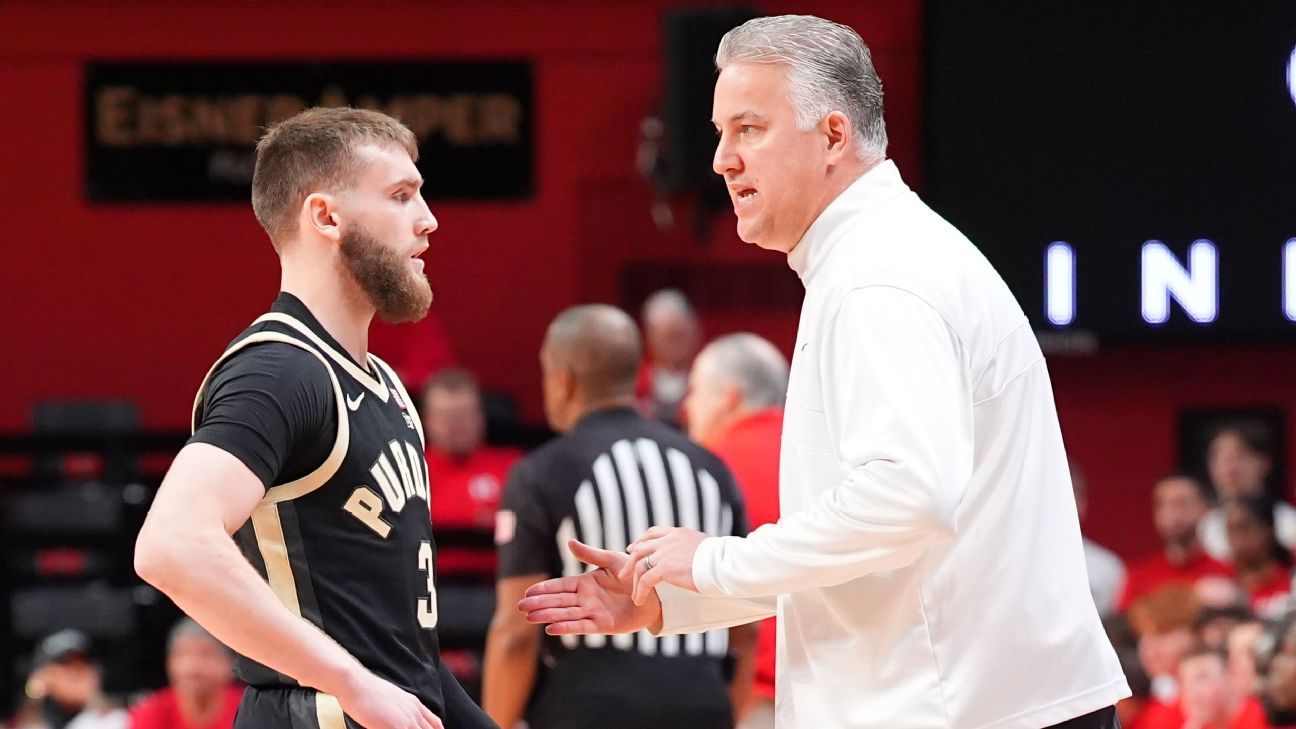
In an electrifying start to the college basketball season, Purdue finds itself in the spotlight, ranked No. 1 in the preseason Associated Press poll—the team’s highest ranking in history. This unprecedented achievement has not only generated excitement among fans but has also placed significant expectations on the squad. With bookmakers tagging them as the preseason favorites for the national championship, the pressure is mounting for head coach Matt Painter and his players.

The Boilermakers enter the season built around a formidable roster, including key players like Zach Edey, whose impressive stats last season showcased both his scoring and defensive skills. The 7-foot-4 center averaged over 20 points and 11 rebounds per game, bringing not only size but also agility to the court. According to prominent sports analyst Jay Bilas, “Purdue has the depth and talent to make a deep run this year, with Edey positioning himself as a strong contender for player of the year.”

  • Purdue secured the No. 1 rank in the AP preseason poll for the first time.
  • Zach Edey averaged over 20 PPG and 11 RPG last season, featuring essential attributes for a championship run.
  • The team is heavily favored to win the national championship, as indicated by numerous betting odds.

As teams gear up for the season, the Boilermakers’ unyielding commitment to excellence will be closely scrutinized. Coach Painter emphasized the importance of focusing on each game, stating, “Expectations are great, but what truly matters is the journey we take together. We must build every game on the foundation of hard work and teamwork.” These words resonate with the values of perseverance and unity that sports embodies.

This season, Purdue stands not only as a symbol of excellence but also as a testament to the unifying power of sports. As fans rally behind their teams, it becomes clear that victories and defeats shape not only the athletes but also the communities that support them. Beyond the scoreboard, basketball becomes a shared experience, one that transcends boundaries and brings us together under the bright lights of competition. In the words of NBA legend Michael Jordan, “The game is a great teacher—one that reminds us of why we play.”

Source link

Hoka Kaha 3 Low GTX TP & Kaha 3 GTX TP Launch: Where Rugged Trail Tech Meets Stylish Youth Lifestyle

Style Meets Function: The HOKA Kaha Craze Takes Over Youth Culture

In recent months, an undeniable shift has taken hold among young outdoor enthusiasts and fashion-forward individuals alike — a movement fueled by the latest releases from HOKA. The brand’s new Kaha 3 Low GTX TP and Kaha 3 GTX TP silhouettes are not just footwear; they are symbols of a cultural shift that blurs the lines between performance and lifestyle. As trail tech meets urban fashion, these limited-edition shoes are redefining what it means to be stylishly prepared, all while making a statement about authenticity and versatility.

What makes these releases particularly compelling is their integration of technical innovation into everyday aesthetics. With rugged designs in shades like Honeydew and Black, these shoes appeal to a generation that values function as much as form. According to lifestyle trend analysts at TrendHunter, the appeal of HOKA Kaha lies in its dual purpose: seamlessly transitioning from trail to street. This versatility resonates strongly with multifaceted young consumers who refuse to compromise on style or substance. Influencers focused on outdoor fashion, like TikTok content creators and Instagram trendsetters, have been championing these shoes, elevating them from niche performance gear to must-have fashion staples.

Social and Cultural Repercussions of Trail Tech Lifestyle

  • Rejection of traditional sneakers: The Kaha series represents a shift away from conventional sneakers, emphasizing durability and outdoor readiness.
  • Embracing authenticity: As societal values evolve, young people increasingly seek “real” experiences—whether conquering urban jungles or actual mountain trails.
  • Limited editions fueling exclusivity: Limited runs in striking colors boost desirability and social status among youth, creating a sense of belonging within exclusive communities.

This cultural nexus points to a larger narrative: the elevation of outdoor gear into cultural symbols. Sociologists like Dr. Emily Carter from the Institute of Youth Studies argue that this reflects a society craving authentic connection—linking nature, adventure, and personal identity through wearable symbols. Influencers and celebrities are now endorsing this trend, not just because of its aesthetic appeal, but because it embodies a lifestyle rooted in resilience, exploration, and self-expression.

The Future of Youth Lifestyle Trends: What’s Next?

As this trail-tech-inspired aesthetic continues to infiltrate popular culture, one might ask: will this shift toward adventure-ready urban fashion lead to a more adventurous, back-to-nature mindset among the next generation? Or could it signal a deeper societal yearning for authenticity in a digital age dominated by virtual identities? The rise of the HOKA Kaha movement is more than just about footwear—it’s a window into a future where the boundaries between the outdoor and urban worlds blur even further.

With brands like HOKA redefining norms and influencing a new wave of youth identity, the pressing question remains: how long until outdoor tech becomes the default aesthetic for the next wave of cultural icons? The answer might determine whether this trend is a fleeting fashion fad or the foundation of a profound societal movement rooted in resilience, adventure, and authenticity.

Maldives enforces youth smoking ban to protect future generations

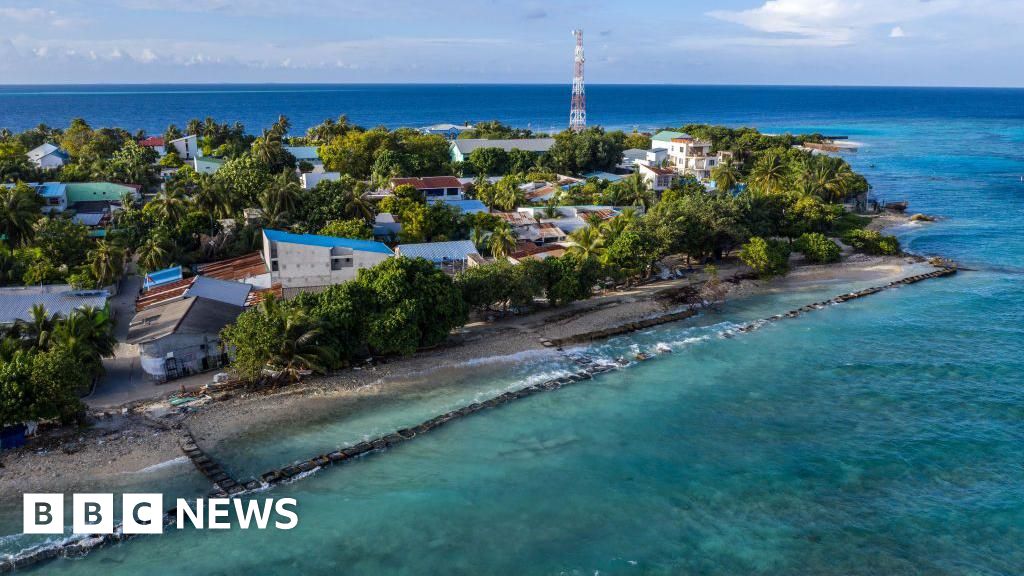
The Maldives has pioneered a groundbreaking initiative by banning tobacco for everyone born on or after 1 January 2007, making it the world’s first nation to implement a nationwide *generational tobacco prohibition*. This bold move underscores the nation’s firm commitment to safeguarding its youth from the devastating health impacts of tobacco addiction. According to the Maldives’ health authorities, the law prohibits the purchase, sale, use, or possession of all forms of tobacco by this generation, with strict verification measures in place for retailers. These regulations align seamlessly with global health standards, notably the World Health Organization Framework Convention on Tobacco Control, which reflects an urgent international response to the soaring tobacco epidemic.

Analysts and international organizations have hailed the Maldives’ decision as a *significant turning point in global health policy*. Experts warn that youth-focused bans like this could serve as a blueprint for future legislation worldwide, especially as tobacco companies increasingly target younger demographics through stylish vaping gadgets and edgy marketing tactics. Historically, nations that have taken aggressive action against tobacco have seen declines in smoking rates over the long term, and the Maldives’ crackdown on vaping last year set a precedent. Last year, the country criminalized the import, sale, and possession of electronic cigarettes and vaping devices—regardless of age—highlighting its zero-tolerance stance. The Maldives government emphasizes that this comprehensive approach is crucial to fostering a healthier generation and reducing the long-term healthcare burden caused by tobacco-related illnesses.

Global observers warn that such policies are emblematic of a broader shift in *how nations deal with public health crises*—particularly in an era marked by intense geopolitical competition. Handy and effective, these measures simultaneously defend societal wellbeing while asserting national sovereignty against the aggressive tactics of multinational tobacco corporations. Critics in countries like New Zealand and the United Kingdom have debated similar proposals, with some recent setbacks—like New Zealand’s withdrawal of a proposed generational ban—highlighting the complexities surrounding social acceptance and political will.

As historians and policy analysts observe, the Maldives’ decisive move could mark a *new wave of youth-oriented health policies*, but it also invites a crucial question: how will such policies reshape societal attitudes and international relations? Will this become a catalyst for a global anti-tobacco movement that transcends borders? Or will resistance from industry giants and entrenched cultural norms stall progress? As the world watches, one thing remains clear: an epoch of transformation is underway, with each legislative victory or setback carving its mark into the pages of history. The weight of this unfolding struggle for a healthier future is boundless, and the tide of change, relentless and unstoppable, continues to surge forward.

Rising Stars Shine in Thrilling Weekend of Youth Sports Showdowns

Wolves Part Ways with Manager Vitor Pereira Following Brisk Start

The Wolverhampton Wanderers have made the pivotal decision to part ways with manager Vitor Pereira following a challenging start to the season. This decision comes after an underwhelming run that saw the team fail to secure a single victory in their opening matches. As the pressure mounts, the club’s management aims to ignite a spark within the team ahead of the coming fixtures.

During Pereira’s brief tenure, the Wolves struggled to find momentum, suffering from both tactical missteps and a lack of cohesion on the pitch. After the decisive decision was announced, club chairman Jeff Shi expressed his thoughts on the matter, stating, “It is never easy to part ways with a manager, but we believe this change is necessary for the future success of the club.” With the players needing to rally, the focus shifts to the next chapter for this storied franchise.

  • Wolves’ performance so far: Winless in four matches
  • Next Fixture: Crucial upcoming game against Manchester United
  • Key Players to Watch: Pedro Neto and Ruben Neves expected to lead the charge

The choice to part ways with Pereira reflects a broader trend in sports where performance dictates leadership in professional environments. Renowned commentator Gary Neville emphasized, “The right manager can make all the difference in a team’s success. Wolves need someone who can galvanize the squad and foster resilience.” As discussions abound about potential replacements, including esteemed names like Ralph Hasenhüttl and David Moyes, the stakes could not be higher.

As fans rally behind their team, the Wolves will need to come together to foster unity and determination in the face of adversity. Historically, sports have a remarkable ability to bring people together, transcending mere competition. It is in the spirit of the game that teams and fans unite to overcome challenges, working as one heart and one voice. Time will reveal if this leadership change is the catalyst needed for the Wolves to reclaim their former glory, inspiring a passionate and resolute fanbase. As they navigate the season, the fundamental message stands: sports can transform struggles into stories of resilience, reminding us that victory is about more than just the final score.

Source link

Upcoming Stars Shine Bright: Youth Athletes Gear Up for Championship Showdown!

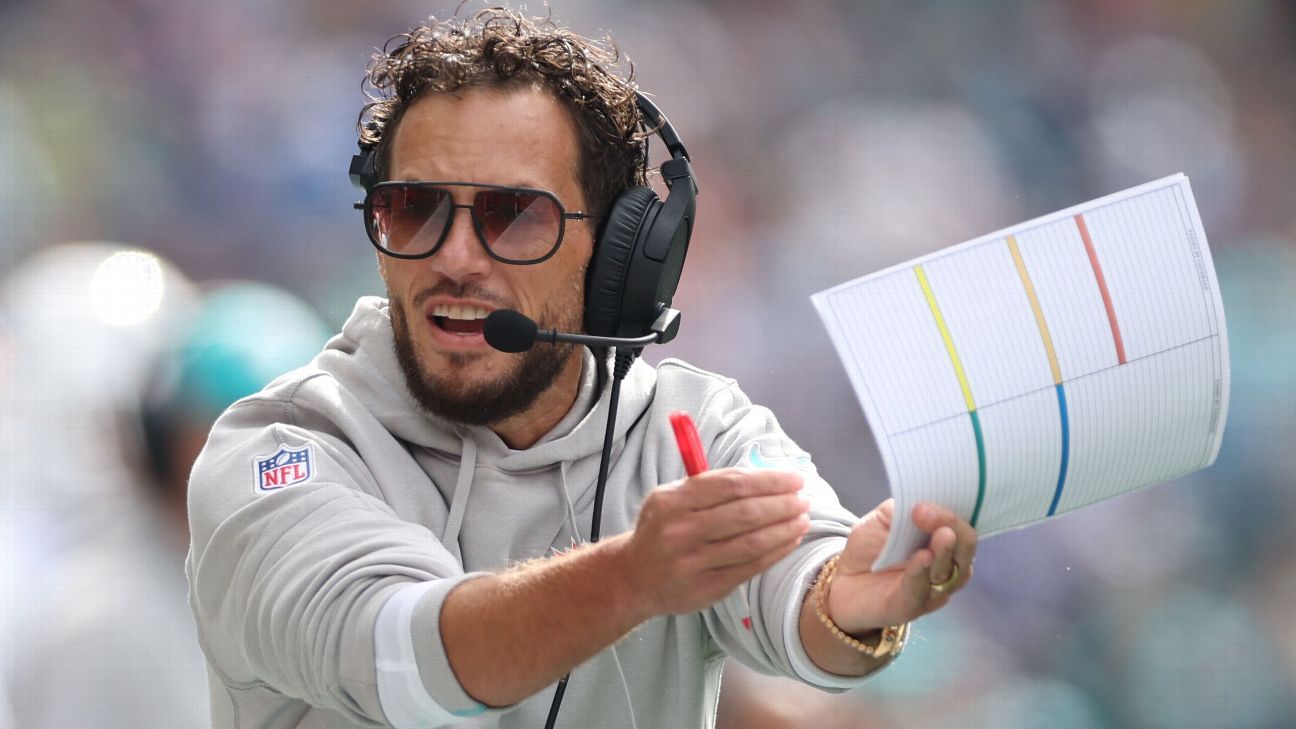
Dolphins Make Bold Moves: McDaniel Stays, Grier Goes

The Miami Dolphins have stirred the NFL world with their recent decision to part ways with General Manager Chris Grier, while retaining head coach Mike McDaniel. This strategic shift by the franchise signals a clear endorsement of McDaniel’s leadership amidst a season characterized by promising flashes yet disappointing moments on the field. Industry experts and commentators are debating the implications of this decision, with many emphasizing the necessity of unity at the top.

The Dolphins, under McDaniel’s guidance, showcased moments of brilliance this season, particularly in their electrifying offensive plays. However, they have stumbled at critical junctures, leading to heated discussions regarding Grier’s management. As the Dolphins move forward into the offseason, McDaniel remains the central figure in reshaping the team’s identity. NFL analyst Dave Wannstedt commented, “Keeping McDaniel is a statement that the front office believes in his vision for the future. The team needs a cohesive plan, and he embodies that.”

  • McDaniel’s Playcalling: The Dolphins’ offense ranked in the top tier this season, showcasing explosive speed particularly with standout plays from Tua Tagovailoa and wide receiver Tyreek Hill.
  • Defensive Concerns: Despite flashes of potential, the defense struggled in critical situations, showing inconsistency that raised questions regarding Grier’s personnel decisions.
  • Future Focus: Many are eager to see how McDaniel will leverage his creative playbook to make necessary adjustments in light of the team’s recent performances.

The decision to retain McDaniel signifies a broader movement in professional sports. As teams transition through various phases of rebuilding and re-strategizing, the core philosophy often boils down to effective leadership and cohesive vision. McDaniel’s approach to the game advocates for teamwork and resilience, which resonates strongly with younger generations of players and fans alike. His focus on cultivating a winning culture is not merely about outcomes but about creating a unified team spirit that can carry the Dolphins into future seasons.

As sports fans, we understand that the essence of competition goes beyond merely keeping score. The Miami Dolphins have the opportunity to instill hope and drive among their fans and players alike. As they steer through this pivotal transition, McDaniel’s vision may very well prove to be the cornerstone for unity and success in the years to come. In the end, the spirit of sportsmanship is about bridging divides, fostering friendships, and igniting passion across generations.

Source link

Social Media Auto Publish Powered By : XYZScripts.com