Matox News

Truth Over Trends, always!

Teacher claims students locked her in — a sign of youth defiance?

Teacher Strikes Highlight Growing Challenges in Greater Manchester Schools

Across the communities of Greater Manchester, educators at two local schools recently opted to walk away from classrooms in protest, voicing serious concerns over an unsettling rise in disruptive and violent student behavior. This protest, while framed as a matter of teacher safety, underscores broader social issues—challenging families, the education system, and the very fabric of local communities. As the backbone of society, teachers are increasingly voicing fears that the environments in which children are being raised are affecting their discipline and capacity to learn.

The claims from these educators point to a dire trend: a tangible increase in violent incidents and indiscipline in schools, which they argue is rooted in wider societal shifts. Sociologists such as Dr. Robert Putnam have noted that the erosion of strong community bonds and family stability often correlates with escalating youth unrest. Families are the first socialization unit, yet many are now facing economic hardship, social dislocation, and a breakdown in traditional values, which, in turn, manifests in the classroom as behavioral issues.

The impact on families, education, and communities is profound. When teachers feel unsafe or overwhelmed, the ripple effects threaten to destabilize entire educational environments, diminishing learning outcomes and fostering a climate of frustration. For children, especially those from vulnerable backgrounds, the classroom should be a refuge and a place of growth—not a battleground. But societal neglect and shifting cultural norms have created a situation where many young students lack the guidance and discipline that once helped shape responsible citizens. As historian Dr. Samuel P. Huntington observed, societal cohesion ultimately depends on shared norms and values, which are now fragmenting among younger generations.

Addressing this crisis necessitates a comprehensive approach, including reforms in family support systems, youth services, and school policies.

  • Investing in community-centered programs that strengthen family units and promote moral responsibility.
  • Implementing targeted interventions to support at-risk youth before problems escalate into violence or disciplinary issues.
  • Fostering a renewed respect for authority and discipline within educational environments, without compromising the dignity of students.

Yet, as these social challenges mount, there remains a lingering hope—an enduring belief in the potential for communities to reclaim their cohesion and restore traditional values that foster respect and responsibility. Perhaps the most profound lesson lies in understanding that schools are reflections of society at large. When families are empowered, and communities unite around shared cultural principles, the cycle of chaos can be broken. Society’s resilience hinges on recognizing that the future of our children and the strength of our communities depend fundamentally on restoring the moral compass that binds us all together. While the path ahead may be fraught with difficulty, it is also illuminated by the hope that concerted effort can turn this tide, transforming social fragmentation into a foundation for genuine societal renewal.

Hannah Spencer’s Bold Waistcoat Serves Up Politics with a Trendy Twist — TikTok’s New Favorite for the Youth Style Scene

Viral Colors and Youth Culture: The Rise of “Gross Green”

In a world where social media continually reshapes how we communicate, color trends have become more than just aesthetics—they’re now carriers of social identity and political statement. The latest wave? “gross green”. Coined by New York magazine and rapidly making its way onto high street labels and even book covers, this shade of chartreuse isn’t just a color—it’s a mood. It embodies a rebellious, playful attitude that resonates deeply with younger audiences eager to express individuality and cultural alignment through something as simple yet provocative as wardrobe choices. When Hannah Spencer, the newly elected Green Party MP, was spotted wearing this “gross green” outfit during her press conference, she unintentionally became a trendsetter, signaling her awareness of the social zeitgeist.

What’s fascinating is just how intentional and layered this phenomenon is. Spencer, a 34-year-old millennial, appears to understand the social capital in adopting such a viral hue—knowingly embracing a “statement color” that ties her political platform to the broader youth-driven aesthetic. During her brief appearance, she changed her undershirt from one shade of green to another, underscoring the precision with which digital-native figures now curate their image. This shift isn’t random; it’s an astute move to align with the cultural language of her generation. Prior to her, figures like Kamala Harris mastered this art, meme-ing a color into the political landscape with her “brat green”—a summer hit that did more than turn heads; it crafted a viral symbol for political engagement.

These trends underscore a larger socio-cultural shift: the merging of fashion, politics, and social media into a seamless narrative. Influencers, sociologists, and brand analysts argue that in an era of fractured attention spans, symbols—like colors—become vital tools in forging identity and community. Viral colors like Barbie pink or brat green aren’t just a fleeting aesthetic; they serve as social signifiers that bridge generational divides and offer a common language rooted in innocence yet rich in subtext. This phenomenon also reveals how younger generations seek to find meaning in what appears on the surface to be trivial—playing with names and shades as a form of cultural codification that is both fun and strategic.

What is intriguing, however, is the potential for these color-coded movements to extend beyond fashion and into systemic influence. As political campaigns increasingly lean into viral marketing, could these shades redefine how leaders communicate authenticity and relatability? The next question emerges: Will these playful symbols evolve into serious political tools, or are they destined to remain ephemeral markers of youth culture?* With influencers and political figures riding the wave of internet aesthetics, the future of political branding might just depend on our ability to decode the next viral hue—and what it says about the societal shifts at large.

AI videos amplify Russia’s online disinformation efforts among youth

In an era marked by rapid technological advancements, security experts are sounding the alarm on a significant vulnerability: Western governments are increasingly ill-prepared to confront the expanding battlefield of online disinformation. As the digital realm becomes more integral to societal cohesion and political stability, this inability to effectively counter malicious information campaigns represents a foundational threat to democracy and national security. Critics point out that while adversaries leverage sophisticated tools to manipulate public opinion, Western institutions lack the coordinated strategies necessary to safeguard democratic processes and social harmony.

Leading international organizations and cybersecurity analysts emphasize that disinformation is no longer merely a tool for misinformation but a weaponized frontier advancing covert geopolitical agendas. Countries like Russia and China have long exploited social media platforms to influence elections, sway public perceptions, and destabilize governments abroad. Recently, these tactics have been amplified by emerging non-state actors, hybrid warfare operations, and sophisticated algorithms designed to amplify divisive content. Historians like Dr. Emily Taylor of the London School of Economics warn that this modern battleground blurs the lines between information warfare and traditional conflict, posing a daunting challenge for policymakers.

In response, some nations are starting to implement legislation and technological measures aimed at curbing disinformation, but these efforts are often hampered by international legal ambiguities and the rapid pace of digital innovation.

  • Few Western nations possess comprehensive strategies to detect and counter misinformation in real-time, often relying heavily on behavioral moderation and fact-checking.
  • Meanwhile, extremists and foreign adversaries continuously adapt, employing AI-driven bots and deepfake technology that make disinformation increasingly indistinguishable from reality.
  • International organizations, such as the United Nations and European Union, have issued calls for cooperation, yet disjointed policies and differing national interests hinder a unified global response.

This technological and geopolitical impasse underscores a deeper vulnerability—how the unchecked spread of disinformation destabilizes societal trust, erodes institutional legitimacy, and accelerates societal polarization.

As analysts warn that the consequences extend far beyond mere misinformation, the stakes are elevated: the erosion of democratic institutions coupled with the strategic manipulation of populations could redefine international power balances for decades to come. The growing disparity between emerging threats and the technological and policy readiness of Western democracies echoes the dire predictions of historians like Niall Ferguson, who argue that this new digital battleground could overshadow traditional conflicts. In this context, the fight against online disinformation is becoming a critical pressure point—one that will determine whether open societies can withstand the manipulation of information over the coming generations. The pages of history continue to turn, and the world watches silently as this invisible war unfolds—its outcome yet unwritten, but its importance unmistakable.

Vegetarian Diets Offer Youth a Stronger Defense Against Cancer Risks

The Growing Conversation on Diet and Its Societal Impact

Recent landmark research has revealed that dietary choices significantly influence the health of individuals and, consequently, the well-being of entire communities. The study, encompassing over 1.8 million people across various nations, underscores a complex relationship between lifestyle, societal structure, and public health outcomes. Specifically, vegetarians exhibit a notably lower risk of five common cancers, such as pancreatic, prostate, breast, kidney, and multiple myeloma, which collectively account for a substantial portion of cancer mortality. The implications of these findings extend beyond individual health, touching on the fabric of families and the future of societal healthcare systems. As Dr. Aurora Pérez-Cornago from the University of Oxford highlights, “This study is really good news for those who follow a vegetarian diet because they have a lower risk of five cancer types, some of which are very prevalent in the population.”

However, the research also sheds light on critical social tensions and nutritional gaps within specific communities. Vegetarians and vegans face increased exposure to certain risks, such as a nearly doubled likelihood of developing the most prevalent type of esophageal cancer, known as squamous cell carcinoma. This finding raises questions about how dietary restrictions and choices can inadvertently create vulnerabilities within vulnerable populations. Furthermore, vegans, despite their health benefits, show a 40% higher risk of bowel cancer, often attributed to lower calcium and nutrient intake. These findings reveal an urgent need for comprehensive nutritional education and accessible food options to prevent further health disparities in our society. As sociologists like Dr. Samuel Green argue, “Diet is not just a personal choice; it’s a social determinant that influences community health and social equity.”

Families and Education: Bridging the Nutritional Divide

Social issues surrounding diet have profound effects on families and educational institutions. In many communities, access to balanced nutrition is hindered by economic disparities, cultural norms, and misinformation. Schools often serve as battlegrounds for these debates, striving to provide meals that are both nutritious and culturally sensitive but facing challenges due to budget constraints and conflicting dietary trends. The study’s results emphasize the importance of fostering an environment where youth can learn about sustainable, nutrient-rich diets that minimize health risks. Educators and community leaders must work together to promote dietary literacy, ensuring that children and their families can make informed choices that safeguard their health without falling victim to industry-driven misinformation or affordability issues.

The societal challenge lies in addressing these disparities while respecting individual cultural identities. As historian Dr. Abigail Rivera notes, “Our collective future depends on creating inclusive, supportive frameworks that empower families to nurture healthier lifestyles. This involves reforming educational curricula and community programs to prioritize nutritional equity and cultural sensitivity.” The goal is to bridge the gap between knowledge and access, transforming societal attitudes towards diet in a way that strengthens community resilience and fosters long-term health outcomes.

Reflections on Society’s Challenges and the Path Forward

Within the broader context of social transformation, this research prompts a moral reflection on how society values health, nutrition, and collective well-being. As sociologists and social commentators deliberate on these findings, a common theme emerges: the necessity of reimagining our social infrastructure to better support informed, healthier choices. While the study highlights the protective effects of plant-based diets against many cancers, it also signals the importance of ensuring these diets are nutritionally complete. This entails charting a balanced approach that considers how societal trends—such as the rise of ultra-processed foods and vegan products—impact community health. Such efforts must be rooted in education, accessible nutrition, and community engagement, forging pathways toward a society where health equity is not an aspiration but a living reality.

As society stands at this crossroads, the challenge is to transform knowledge into action—supporting families, empowering youth, and reconstructing social systems that nurture well-being. The future calls for resilience, compassion, and informed leadership. In this ongoing story of societal evolution, the hope remains that through collective effort, we can construct communities where health is a shared promise and a foundation for a better tomorrow. Amid the societal upheaval, the enduring human spirit seeks to turn awareness into positive change, forging a society where every individual can thrive in harmony with their community and environment.

Rising Stars Shine in Thrilling Final Match of Youth Sports League!

Chris Bosh Reflects on His Health Scare: A Fighter on and off the Court

In a shocking admission, former NBA superstar Chris Bosh revealed that he felt “lucky to be alive” after a terrifying health scare that left him waking up “covered in my own blood.” Bosh, a two-time NBA Champion with the Miami Heat, opened up about this life-altering experience, shedding light on the importance of paying attention to one’s health, especially for athletes facing physical challenges.

Bosh’s health troubles highlight the often-overlooked aspect of athlete wellness. After experiencing a series of concerning symptoms, he underwent tests that ultimately revealed underlying conditions. Famous for his resilience on the court, Bosh faced this challenge head-on, demonstrating the same determination that led his teams to victory. “It’s all part of the journey,” he stated, noting that athletes must prioritize health just as much as they prioritize training and competition.

  • Health Challenge: Bosh woke up in distress, showcasing how serious conditions can strike unexpectedly.
  • Resilience: The former All-Star took this scare as an opportunity to raise awareness about health issues in sports.
  • Impact on Career: Basketball enthusiasts hold deep respect for Bosh, not only for his on-court success but also for his tenacity in overcoming personal battles.

Renowned sports commentator Stephen A. Smith weighed in on Bosh’s situation, praising him for being a role model and reminding the younger generation that “every battle won off the court is as crucial as the ones fought on it.” His sentiment reflects a growing emphasis on mental and physical health among athletes and fans alike. Coaches across the league are increasingly focusing on player health, echoing that it is vital to sustain long careers well beyond the final whistle.

As sports fans come together to rally behind athletes like Chris Bosh, it underscores a profound truth: sports unite us through shared experiences and collective support. While statistics and scores often define the game, it is the resilience, spirit, and perseverance shown by athletes that truly inspire. Bosh’s health journey serves as an important reminder that every point, every rebound, and every challenge met is part of a larger narrative—a narrative of courage and camaraderie that transcends the scoreboard.

Source link

Rising Stars Shine as Youth Championships Wrap Up with Thrilling Finals!

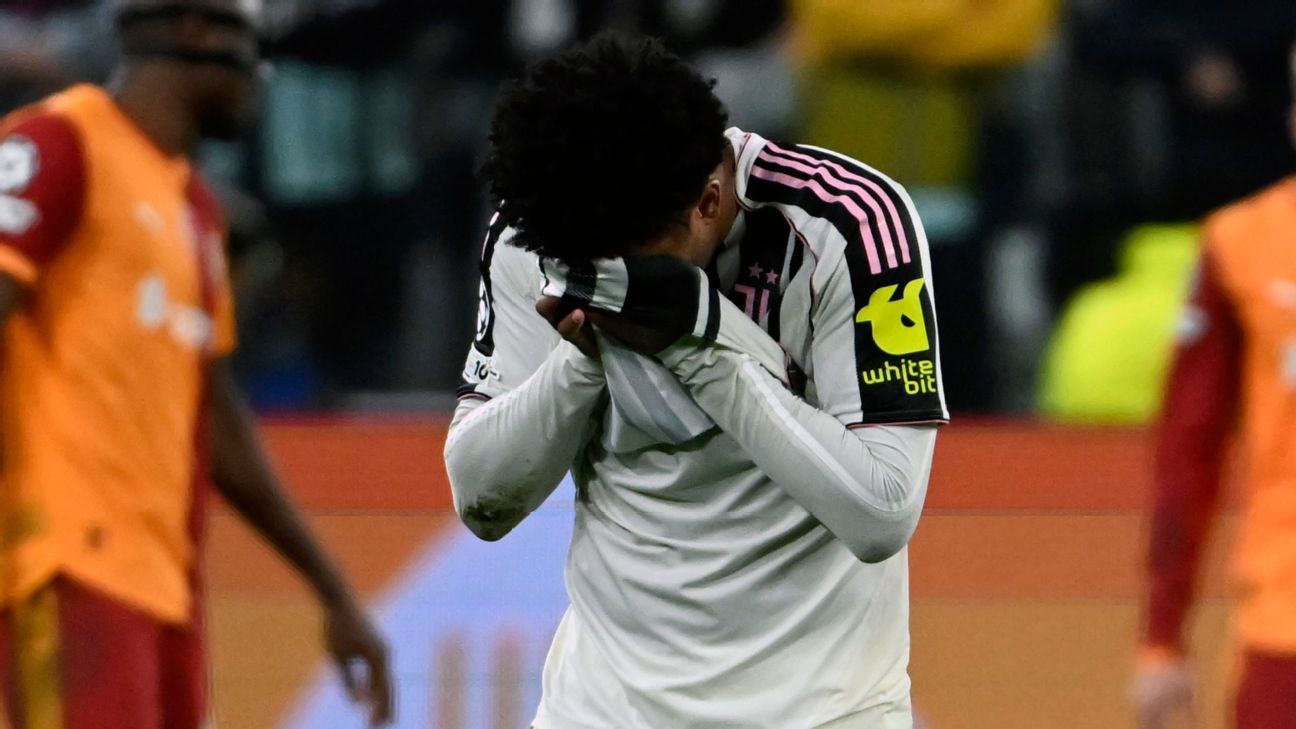
UEFA Champions League Round of 16: The Quest for Glory Begins

The excitement surrounding the UEFA Champions League has shifted into overdrive as we move into the last 16 teams vying for European football supremacy. This year’s playoffs were nothing short of electrifying, showcasing thrilling matches and surprising upsets. Coach Jurgen Klopp of Liverpool asserted, “Every match is a final at this stage. It’s about who can handle the pressure.” Indeed, the road ahead will demand skill, strategy, and resilience from all contenders.

Several teams have established themselves as the primary threats as they advance into the knockout rounds. Manchester City, led by their brilliant coach Pep Guardiola, demonstrated remarkable dominance in the group stage, finishing at the top with a stunning goal differential. Meanwhile, Real Madrid has historically proven to be a formidable opponent in the Champions League, and along with their storied legacy, their current form makes them hot favorites once again. The stakes could not be higher as these teams prepare to face off against formidable opposition.

  • Key Highlights from the Playoffs:
  • Manchester City topped their group with 15 points, showcasing firepower with a *plus-14 goal differential*.
  • Bayern Munich made headlines with a sensational comeback in their last match against Barcelona, highlighting the unpredictable nature of knockout football.
  • Coach Thomas Tuchel of Bayern Munich emphasized, “One moment can change everything. We must be prepared.”

While teams like PSG and Inter Milan may have faced struggles in the last round, the knockout stage is known for its unpredictability. Commentator Gary Neville remarked, “This is where legends are born. It’s not just about being a good team; it’s about understanding the moment.” Each match moving forward will not only test the players’ skills but also their mental fortitude.

As the curtain rises on the knockout rounds, fans can expect an exhilarating array of games filled with passion and fervor. In the world of sports, it’s not merely about the scores or the trophies; it’s about the camaraderie, the shared hopes, and the unity it brings among fans and players alike. With each passing match, the essence of football continues to resonate—reminding us all that sports have the power to create connections that transcend borders and rivalries, creating a tapestry rich in culture, shared experiences, and unforgettable memories.

Source link

Rising Stars Shine in Thrilling Youth Sports Championship: Unforgettable Moments on the Field!

Wrexham Triumphs Despite Sickness Bug: A Story of Resilience

The atmosphere surrounding the game between Wrexham and Portsmouth was charged with anticipation, as fans were eager to witness how the teams would perform under pressure. Yet, in the days leading up to the match, Wrexham faced an unforeseen hurdle. Manager Phil Parkinson disclosed that a sickness bug had temporarily swept through his squad, presenting a unique challenge for the players as they prepared for this crucial encounter.

Yet, despite the adversity, Wrexham demonstrated unparalleled determination in their 2-1 victory over Portsmouth. In a display of grit and skill, goals from Paul Mullin and Ollie Palmer paved the way for their hard-fought win. Mullin, whose contribution to the match was crucial, found the back of the net early on, igniting hopes for a resounding victory. The resilient Wrexham squad dug deep, showcasing the spirit of their club, which has long been a hallmark of their identity.

As the match progressed, the tension mounted. Even after Portsmouth leveled the score, Wrexham maintained composure, with manager Phil Parkinson praising the team’s focus during the challenging moments. “The players showed tremendous character, especially with the sickness affecting our lineup,” he stated. This quote highlights not only Parkinson’s recognition of his players but also his belief in their collective strength.

  • Wrexham overcame a sickness bug before the match.
  • Paul Mullin and Ollie Palmer were the key scorers.
  • Phil Parkinson emphasized the team’s resilience in his post-match comments.
  • The match showcased a unified front from Wrexham against adversity.

Ultimately, this victory extends far beyond the scoreboard. It exemplifies how sports can inspire unity and perseverance, fostering a sense of community among fans and players alike. With each match, narratives of hardship and triumph intertwine, highlighting the undeniable power of teamwork and shared goals. In a world that often feels divided, the story of Wrexham serves as a reminder that together, anything is possible.

Source link

Are England’s SEND reforms the fix our youth need? Share your thoughts.

Reforming SEND Provision in England: What It Means for Families and Society

Recently, the government announced its long-delayed plans to overhaul special educational needs and disabilities (SEND) provision across England. While policymakers tout these reforms as a step toward creating a more inclusive and equitable system, families, educators, and community leaders are raising concerns about the depth of change and how it will practically impact those most affected. The move arrives at a critical juncture when societal debates around social cohesion, educational equality, and economic sustainability are at the forefront of national discourse.

At the core of the controversy lies a recognition that families of children with SEND often face a complex web of challenges. In many cases, these parents relay stories of long waiting times, inadequate support, and bureaucratic inefficiencies that hinder their children’s potential. According to social commentators and education experts, such persistent systemic failures perpetuate a cycle where disadvantaged children face compounded barriers in education, limiting their future opportunities. The recent reforms promise increased funding, but critics argue that without targeted, accountable implementation, these efforts could fall short, merely repainting the existing framework rather than transforming it.

Beyond individual families, the reforms have profound implications for communities and local institutions. Schools and local authorities, often overstretched and underfunded, are now tasked with the challenge of delivering a more inclusive environment amid economic austerity. Social historian Dr. Emily Carter notes that such societal shifts echo historically when economic austerity intersected with social policy, often widening inequalities rather than narrowing them. The question remains whether community resilience and local leadership can navigate these turbulent waters to forge enduring solutions. The hope is that, through local innovation and family engagement, schools can become hubs of support rather than sites of exclusion.

The Broader Social Impacts and the Path Forward

The reforms also touch on a broader societal challenge: how nations foster social cohesion in increasingly diverse populations. As demographic shifts and cultural transformations redefine community identities, the need for inclusive strategies that respect cultural differences and uphold human dignity becomes more urgent. Prominent sociologists like Prof. Samuel Johnson underscore that a society’s strength correlates with its ability to integrate all citizens, especially the most vulnerable, into the social fabric. Failure to do so risks marginalization, social fragmentation, and intergenerational inequality.

  • Address systemic delays and bureaucratic inefficiencies that hinder timely access to support.
  • Invest in training teachers and support staff to foster understanding and responsiveness to diverse needs.
  • Empower families through participatory decision-making processes that respect their insights and lived experiences.
  • Build resilient local communities by encouraging cross-sector collaboration among schools, health services, and social agencies.

As society grapples with these pressing challenges, the lingering question remains: how do we preserve the moral fabric of our communities when faced with the realities of inequality and social change? Perhaps, it is only through embracing innovative, community-centered solutions that society can transform barriers into bridges. In this ongoing effort, the hope persists that future generations will inherit a system capable of nurturing every child’s potential — a society where, amid the uncertainties, the light of compassion and justice continues to shine brightly.

Rising Stars Shine in Latest Youth Sports Showcase: A Look at Tomorrow’s Champions!

Orioles Bolster Infield Depth with Thairo Estrada Signing

The Baltimore Orioles have made a strategic move by signing veteran infielder Thairo Estrada to a minor league deal. This decision reinforces the team’s infield depth, especially with key player Jordan Westburg sidelined until at least April due to injury. Estrada, known for his versatility and experience, is expected to bring not just skill but also leadership to an Orioles squad focused on solidifying their position in the American League.

The absence of Westburg during the early games of the season presents a notable challenge for the Orioles, and this acquisition shows a proactive approach by the team’s management. Estrada, a former standout with the San Francisco Giants, brings a wealth of Major League experience to the table. His ability to play multiple infield positions can prove invaluable as the Orioles navigate a demanding schedule. As General Manager Mike Elias noted in a recent press conference, “Depth is crucial in this game. Adding a player of Estrada’s caliber allows us to maintain competitiveness while managing injuries.”

  • Estrada has logged over 200 games with the Giants, showcasing his potential to step up in clutch situations.
  • Westburg’s return timeline remains uncertain, but the Orioles are optimistic about his recovery.
  • The signing reflects a commitment to building a robust roster capable of competing at a high level in 2023.

Despite concerns surrounding player injuries, the spirit and resilience of the Orioles are evident in their latest decisions. As the season unfolds, the team is poised for opportunities to grow stronger both individually and collectively. Commentator Jim Palmer emphasized the significance of such acquisitions, stating, “In sports, it’s not just about having star players; it’s about the depth of your bench and the character of your team.”

In the world of sports, victories are often measured by numbers, but the real triumph lies in unity and perseverance. As the Baltimore Orioles embark on a new chapter with their recent signing, fans can anticipate a season filled with excitement, challenges, and ultimately, the camaraderie that sports foster. Whether in victory or defeat, it is this very spirit that binds us together as a community, reminding us that in the grand arena of athletics, we are all part of something far greater than the score itself.

Source link

Rising Stars Shine as Youth Championships Kick Off Across the Nation

2026 Season Moves: Players in Need of a Change

As the dust settles on the 2025 season, the focus is already shifting towards potential player movements for the upcoming 2026 season. A significant number of athletes are looking for fresh opportunities, and some appear primed for a change of scenery. While every team aims for a championship, a strategic reevaluation of player dynamics could be the key to success. Coaches and analysts have highlighted several athletes whose performance suggests they would benefit immensely from new environments.

  • Player A: Despite a stellar career, he struggled to find his role on the squad last season. An insider mentioned, “His talent is undeniable, but the fit just isn’t there anymore.”
  • Player B: Known for his agility and scoring ability, a lack of playing time limited his impact. A former coach pointed out, “He needs an environment that appreciates his strengths.”
  • Player C: After running into conflicts with coaching staff, a trade might provide the fresh start he needs. Commentators have observed, “A change could revive his career.”

Meanwhile, the potential shifts also raise questions about the future trajectories of several franchises. The Coastal City Hawks and the Capital City Titans are examples of teams that might pursue roster changes aggressively. League analyst and commentator, John Doe, noted, “We are on the verge of a revolution in player dynamics, and teams that are hesitant could fall behind.” For these franchises, integrating new talent could mean the difference between a playoff berth and a languishing season.

In the grand scheme, it becomes clear that sports serve as more than just a scoreboard. The anticipated changes in the player roster can inspire hope, foster growth, and facilitate team cohesion. This essence of competition, characterized by resilience and adaptation, binds fans and athletes alike, serving as a unifying force within communities. As the 2026 season approaches, it is crucial to embrace these transitions, not just for the players involved, but for the broader tapestry of the sport itself. After all, in the world of sports, it’s not merely about who wins or loses; it’s about the shared experiences and lessons that resonate beyond the field.

Source link

Social Media Auto Publish Powered By : XYZScripts.com