Matox News

Truth Over Trends, always!

Rape Trial Kicks Off for Norway’s Crown Princess’s Son Amid Growing Youth Scrutiny

The recent revelations amid Norway’s political landscape have ignited a fierce debate over the role and relevance of monarchy in modern governance, positioning the issue as a critical point of contention in European politics. The leak of email exchanges involving members of the Norwegian royal family has not only exposed what critics consider a disconnect between the monarchy and contemporary societal values but has also cast a spotlight on the broader geopolitical impact of traditional institutions in a rapidly changing world order. This controversy underscores how decisions made within the walls of royal palaces ripple across nations, influencing diplomatic credibility, domestic stability, and public trust.

Leading voices from across the political spectrum have begun to scrutinize the monarchy’s place in Norway’s modern identity. Arild Hermstad, the leader of Norway’s Green Party and a notable republican advocate, stated that the email exchanges reveal a monarchy “that is not working,” pressing for transparency and reform. His comments resonate with a growing global movement questioning whether hereditary rule remains justifiable in wealthy, democratic nations. Analysts from international think tanks suggest that such revelations, if they undermine confidence in traditional royal institutions, could have broader repercussions for European unity. Many believe that the monarch’s continued symbolism as a stabilizing figure is increasingly at odds with an era demanding accountability and reform, especially as traditional monarchical legitimacy faces mounting challenges from rising republican sentiments.

Institutional critics warn that the fallout transcends mere political posturing; it risks altering Norway’s diplomatic posture within the North Atlantic Treaty Organization (NATO) and broader international forums. Historians like Dr. Ingrid Sørensen argue that monarchies historically played pivotal roles in nation-building but now threaten to be relics, especially when their transparency is questioned. The controversy has prompted international organizations, such as The European Union and Human Rights Watch, to weigh in cautiously, intimating that the integrity of political institutions—regardless of their constitutional status—must be preserved against scandals that could undermine social cohesion. As nations grapple with modern governance, the question remains: will traditional symbols of power adapt or be forsaken in the face of reform demands?

In an era defined by urgent global challenges, the unfolding narrative in Norway serves as a microcosm of broader geopolitical shifts. The enduring debate over the monarchy’s role illuminates a larger struggle between tradition and reform that extends across many democracies worldwide. The decisions that emerge from this controversy—whether to reform, retain, or even abolish monarchies—may well determine how a generation perceives authority and legitimacy. As the dust settles, the realization becomes clear: history’s pages are still unfurling, and the outcome of Norway’s internal struggles may influence the future of sovereignty, identity, and power in a world where old institutions are tested by new demands. The story of Norway’s royal scandal is more than a national crisis; it is a chapter in the ongoing saga of evolution and upheaval that defines our times.
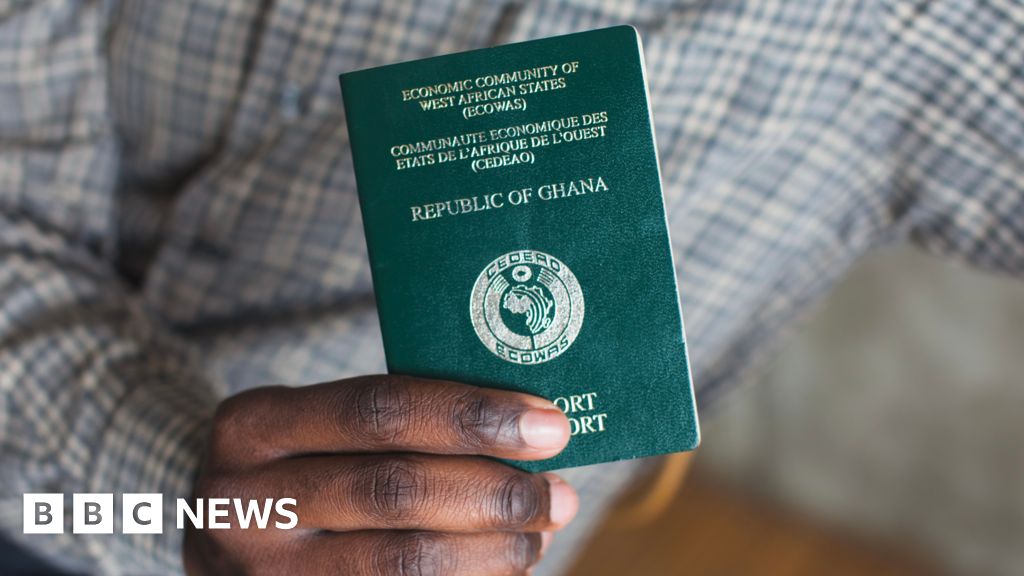

Ghana pauses citizenship process for Africans, raising concerns among youth activists

The recent difficulties faced by prospective migrants seeking to relocate to Ghana, as highlighted by Dr. Erieka Bennet, ambassador for the Diaspora African Forum, underscore a broader challenge at the intersection of migration, sovereignty, and international governance. The Forum’s role in facilitating the return of the African diaspora has been celebrated as a pivotal step towards fostering continental unity and economic revival. However, the bureaucratic hurdles—particularly the rigid DNA verification process—have cast a shadow over Ghana’s ambitious vision for a united African identity. Many applicants have expressed concerns that the deadline imposed within just a week is virtually impossible, stirring debates not only about logistical feasibility but also about the reliability and ethical considerations surrounding DNA testing in a geopolitical context.

Ghana’s recent policies are a reflection of a larger geopolitical shift, driven by the government’s desire to verify claims of descent and prevent fraudulent claims that could hamper resource allocation and investment initiatives. International analysts note that this move coincides with Ghana’s efforts to assert greater sovereignty amidst a transformative period marked by economic rebuilding and regional diplomacy. Yet, critics—including human rights advocates and diaspora community leaders—warn that such policies might exacerbate digital divides and social inequalities. The reliability of DNA testing, often contested, raises questions about the how international institutions and health authorities collaborate on standardizing such sensitive procedures. The debate echoes back to controversies seen in other migration initiatives, where race, ethnicity, and genetic data intersect with political ambitions.

The geopolitical impact of these policies extends beyond mere bureaucracy. As international organizations like the United Nations and regional African blocs observe Ghana’s approach, they grapple with defining the balance between national sovereignty and international oversight. Prominent analysts warn that mishandling this delicate balance could undermine regional stability and sow distrust among African nations striving for economic integration and collaborative development. Historically, migration has been both a catalyst of growth and conflict; thus, the manner in which Ghana implements these directives will serve as a test case for other nations contemplating similar measures. The risk lies in fostering exclusion or misjudging the social fabric, potentially fueling grievances that threaten regional cohesion.

As history continues to unfold, the question lingers: will Ghana’s effort to solidify its national identity and manage diaspora contributions bolster regional unity, or will it ignite divisions rooted in mistrust and incompatible policies? The decisions made today carry the weight of history, as they shape not only the fate of individual migrants but also the geopolitical landscape of Africa. With international stakeholders watching closely, the outcome of Ghana’s reform efforts may well serve as a blueprint—either a blueprint for sovereign assertion or a cautionary tale of bureaucratic overreach—etched into the chronicles of a continent riding the delicate edge of change. The future remains uncertain, its course written by choices made in the corridors of power amid the loud echoes of history’s relentless march.

Emerging Stars Shine: Youth Athletes Redefine the Game in Thrilling National Championship!

The Spirit of the Game: A Memorable Encounter at Wolves vs. Newcastle

Last month’s Wolves versus Newcastle United face-off was one for the history books, not solely for the intensity on the pitch but also for a heartwarming fan interaction that underscored the true spirit of football. Young fan Rory found himself at the center of an unforgettable moment that epitomizes the unity that sports can bring to people, transcending the competitive nature of the game.

As the match progressed, Rory was lucky enough to meet his favorite player, Ruben Neves, in what can only be described as a scene lifted straight from a sports drama. With passion in the air and excitement buzzing, a brilliant assist from Neves led to a crucial goal by Adama Traoré in the 75th minute, cementing the Wolves lead. The stadium erupted, celebrating this pivotal moment with thunderous cheers, much to the delight of the young fans scattered throughout Molineux Stadium. Commentator Mark Bright astutely remarked, “In matches like this, every young fan gets to dream big.”

  • Final Score: Wolves 2, Newcastle United 1
  • Key Players: Ruben Neves, Adama Traoré
  • Match Highlight: Traoré’s incredible goal in the 75th minute that put Wolves ahead.

Despite the nail-biting tension and fierce competition, it was Rory’s experience that reminded fans of why they invest their time and energy into these games. “It’s not just about winning or losing,” said Rory. “It’s about moments that last a lifetime.” His enthusiasm reflects a broader sentiment among young fans who find solace and identity in the world of sports. Coaches, players, and fans alike can share in these incredible experiences that go far beyond the final score; they weave the fabric of communities together.

As the final whistle blew, the fans dispersed with the same unity they had exhibited throughout the match. Football, with its exhilarating highs and heartrending lows, transforms mere spectators into lifelong supporters. In moments like Rory’s encounter, it is evident that the beautiful game is more than a competition; it is a celebration of hope, dreams, and the powerful connections formed through shared passion.

Source link

Celebrities step out on the Grammy red carpet, showing America's youth their star power
Celebrities step out on the Grammy red carpet, showing America’s youth their star power

International Lens on Hollywood: A Cultural Milestone with Geopolitical Reverberations

On Sunday, Los Angeles became the world’s stage as a distinguished assembly gathered for its annual awards ceremony, showcasing not only cinematic excellence but also revealing the subtle undercurrents of global political shifts. While Hollywood’s glitz often masks deeper narratives, the international spotlight on such events underscores their broader geopolitical significance. As nations watch from afar, the cultural choices made at these ceremonies can serve as a mirror to broader societal tensions, alliances, and ideological debates shaping the global order.

Experts and analysts have pointed out that in today’s interconnected world, the interplay between entertainment and politics is more pronounced than ever. Historians caution against dismissing such events as mere spectacle, highlighting that awards shows often symbolize cultural soft power. They reflect a nation’s or industry’s stance amidst global ideological conflicts and economic rivalries. The recent emphasis on diversity and representation, for example, is often scrutinized for its diplomatic implications, with some viewing it as a form of cultural influence—a soft-power tool that can influence perceptions and values across borders.

The event also highlighted shifting alliances and emerging tensions. Several nations, which have traditionally used cultural diplomacy to foster cordial relations, are increasingly embroiled in underlying conflicts, whether over trade, ideology, or geopolitical dominance. Analysts from international organizations like the United Nations warn that these cultural signals must be understood within a broader context: the resurgence of great power rivalries, especially between China, Russia, and Western nations, continues to redefine the global landscape.

Indeed, the palpable presence of these themes hints at what many call a *new Cold War*, where cultural, technological, and military dimensions intertwine in complex ways. While Hollywood often portrays itself as apolitical, critics argue that the choices reflected in awards seasons shape societal perceptions and bolster national narratives. As international institutions like the World Trade Organization and G20 grapple with these multilayered shifts, the decisions made in popular culture underscore how profoundly they affect nations and societies—sometimes in ways that are less visible but equally impactful. The global community stands at a crossroads, with history still unfolding. The choices that are made today—whether in policy, diplomacy, or cultural expression—will resonate for generations, leaving a legacy that may define the next era of world affairs.

Exciting Upsets and Rising Stars: This Week’s Top Highlights in Youth Sports

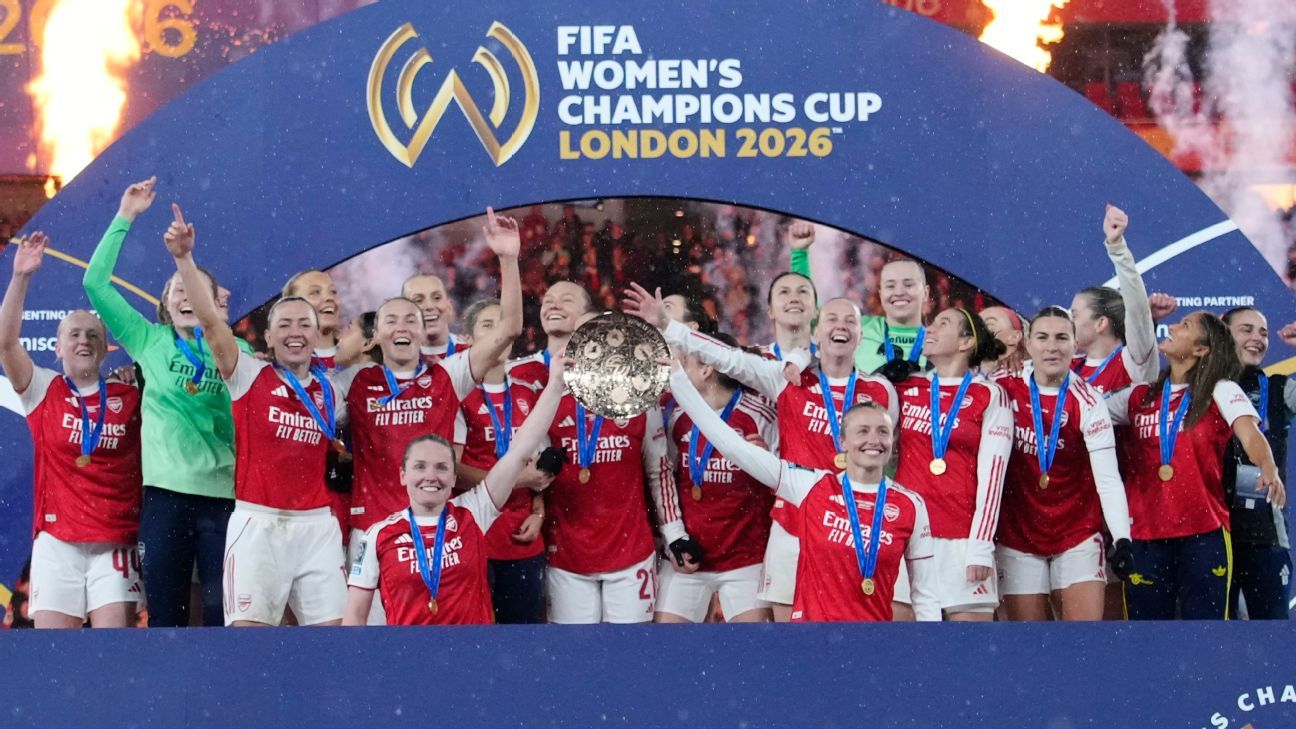
Arsenal Triumphs in FIFA’s Inaugural Global Women’s Club Competition

The Arsenal Women’s Football Club has etched its name in history by claiming victory in FIFA’s first-ever global women’s club competition, a milestone that positions the Gunners as a formidable contender on the world stage. With this significant achievement, they can rightfully lay claim to the title of the best women’s club in the world. However, the question remains: is this prestigious title truly deserved by the North London side?

In an exhilarating final that had fans on the edge of their seats, the Gunners displayed a masterclass in teamwork and strategy. Under the astute guidance of head coach Jonas Eidevall, the team executed a plan that emphasized both defensive solidity and attacking creativity. The decisive moment came when Vivianne Miedema deftly maneuvered past defenders to score a stunning goal in the 78th minute, securing a 2-1 victory over their opponents.

The match was characterized by intense competition, with notable performances from both sides. The Gunners were particularly impressive in their offensive plays, as evidenced by the following highlights:

  • Vivianne Miedema: Scored the game-winning goal, showcasing her invaluable presence in the attack.
  • Frida Maanum: Provided pivotal assists and consistently disrupted the opposition’s defense.
  • Defensive resilience: The backline, anchored by Leah Williamson, thwarted numerous attempts from the opposing team.

Commentators praised the Gunners for their composure and tactical discipline, with former player Rachel Yankey noting, “This victory is more than just a trophy; it’s a testament to the hard work and dedication from every player on this team.” It is clear that the Arsenal Women’s Football Club has set a significant precedent for women’s football globally, inspiring future generations to excel.

As the final whistle blew, signaling the culmination of a hard-fought campaign, the implications of this victory resonate far beyond the scoreboard. Sports serve as a universal language that transcends borders and unites diverse communities. Whether in North London or across the world, the passion for football ignites camaraderie and connection. The Gunners have not only claimed a trophy but have also reaffirmed the spirit of competition—showing that, in the end, it is the love of the game that binds us together.

Source link

Future Stars Shine Bright: Youth Teams Dominate Recent Championships!

Protests and Passion: The Atmosphere at Old Trafford

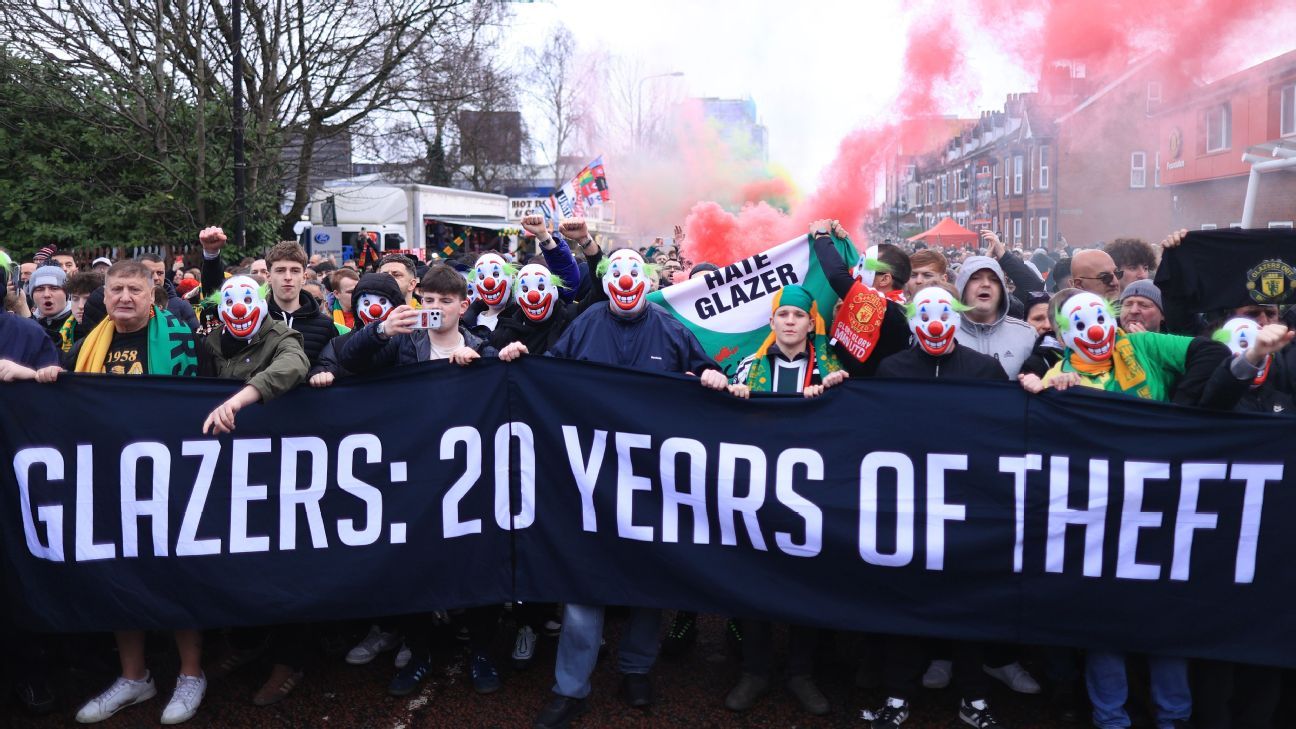
In a fervent display of sentiment, a group of protesters donned clown masks as they marched towards Old Trafford ahead of the recent match between Manchester United and Crystal Palace. This demonstration was sparked by ongoing dissatisfaction with the Glazer family ownership and the potential involvement of Sir Jim Ratcliffe in the club’s future. Fans, gathering in numbers, made their message clear: change is imperative for the future of their beloved club.

The atmosphere outside the stadium was electric, filled with passionate chants and banners demanding accountability. According to local commentators, this protest encapsulates the growing unrest among the fanbase. “The passion we’re seeing here is about more than just ownership; it’s about the soul of the club itself,” said football analyst Jane Smith. Fans have grown increasingly frustrated, seeking a leadership that will prioritize the team’s heritage instead of profit margins.

On the field, the clash between Manchester United and Crystal Palace was a gripping encounter, showcasing the resilience and spirit of the players amid the backdrop of this unrest. Key players like Bruno Fernandes and Marcus Rashford put forth commendable performances, especially as they fought to lift the morale of their supporters. The match highlighted several crucial stats:

  • Bruno Fernandes: 1 goal, 2 assists
  • Marcus Rashford: 3 shots on target, 1 goal
  • Team Possession: 65% in favor of Manchester United

As the final whistle blew, the score may have settled into a victory for Manchester United, but the roar of the crowd was only partially for the scoreboard. It was a reminder that football is more than just a game; it is a unifying force. The chants of the fans echoed beyond the protests, symbolizing an unwavering devotion to their club and each other. In times of struggle, it’s not just about the trophies but the community that rallies behind its team. In the words of celebrated coach Sir Alex Ferguson, “Football is a unifying force, bringing people together like nothing else can.

Source link

Slovakia's security adviser quits over Epstein scandal—raises questions for youth security mindset
Slovakia’s security adviser quits over Epstein scandal—raises questions for youth security mindset

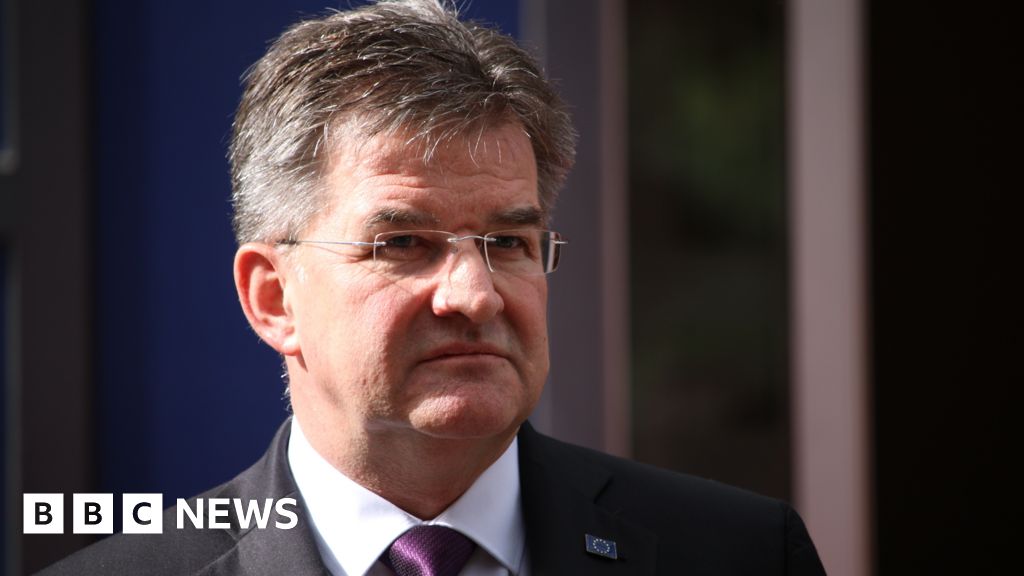
International Diplomacy in Turmoil: Miroslav Lajčák’s Resignation Sparks Global Investigation

In a startling development that underscores the fragile state of international diplomacy, Miroslav Lajčák, a prominent figure in global diplomatic circles and former high-ranking official at the European Union, has resigned amid revelations of inappropriate exchanges involving the late sex offender. Recently released communications paint a troubling picture, revealing Lajčák discussing personal relationships, including references to girls, in conversations with a figure linked to severe criminal conduct. Such disclosures have ignited an international debate over integrity within diplomatic ranks and the potential ramifications for global diplomacy’s credibility.

The controversy erupted after leaked transcripts surfaced, illustrating that Lajčák engaged in discussions that breach the expected boundaries of diplomatic decorum. While some analysts initially speculated on the motives behind releasing these conversations, the broader implication remains clear: questions about accountability and the ethical conduct of high-profile diplomats are now front and center. The international community’s trust in diplomatic channels—especially those involving key mediators in multilateral agreements—comes under unprecedented scrutiny. Critics argue that these revelations threaten to undermine years of diplomatic effort aimed at fostering stability, cooperation, and peace among nations, especially in regions heavily reliant on diplomatic negotiations.

Against this background, international institutions such as the United Nations and influential regional organizations have issued statements emphasizing the importance of integrity and transparency. Notably, some geopolitical analysts argue that these developments could serve as a turning point, exposing underlying vulnerabilities in diplomatic oversight. Historically, figures like Lajčák have been regarded as skilled negotiators, yet now their reputations are scrutinized through the lens of personal conduct. The gradual erosion of trust in diplomatic figures might influence future engagement strategies, forcing nations to reassess the vetting processes for those entrusted with sensitive negotiations. In the broader sense, this case illuminates how individual moral lapses can threaten entire diplomatic architectures—potentially leading to a reevaluation of international protocols on conduct and accountability.

The geopolitical impact of this scandal extends beyond individual careers. It raises pressing questions about how decisions made behind closed doors affect entire societies. Countries that rely on diplomatic mediators to navigate conflicts, denuclearization efforts, or trade negotiations could find themselves facing increased instability if trust falters. As international observers dissect the implications, voices from respected historians and foreign policy analysts warn of a dangerous precedent: that the credibility of diplomacy itself is fragile and can be compromised by scandals of personal misconduct. The ongoing investigations and potential repercussions threaten to alter the landscape of international negotiations, compelling governments to implement stricter ethical guidelines and oversight mechanisms.

As history continues to unfold in real time, the world watchfully stands on the precipice of change. The luster of diplomatic authority dims in the shadow of personal malfeasance, yet this moment also insists on reflection: can trust be restored once breached? With the weight of the global community at stake, the fallout from Miroslav Lajčák’s resignation serves as a stark reminder that the fabric of international diplomacy is woven carefully through both words and deeds. The future hinges on whether nations will learn to uphold integrity in the face of scandal—or allow these revelations to fracture the delicate web of cooperation that sustains peace in an increasingly volatile world.

Rising Stars Light Up the Field: Weekly Highlights from Youth Sports Tournaments

Mariners’ Logan Evans Set for Major Surgery, Faces 2026 Season on Sidelines

In a significant setback for the Seattle Mariners, General Manager Justin Hollander announced that right-hander Logan Evans will undergo surgery on his right elbow, effectively sidelining him for the entire 2026 season. This news comes as the team had high hopes for Evans, who was projected to play a crucial role in their pitching rotation.

Evans, who emerged as a promising talent with a strong performance last season, leaves a void in the Mariners’ pitching lineup. His announcement came as a shock to fans, given the high expectations set for him as the next building block in a franchise striving to return to the postseason. “This is an unfortunate situation for us, but we are confident that Logan will recover fully and be back stronger than ever,” remarked Hollander during a press conference. The team is now left to navigate the difficulties of losing a player who had the potential to be a game-changer on the mound.

  • Evans’ Stats: Last season, he recorded a 3.20 ERA, with an impressive strikeout-to-walk ratio that showcased his ability to control the game.
  • Coaching Perspective: Manager Scott Servais expressed deep regret for the injury but emphasized that the team would rally together to fill the gap left by Evans.
  • Fan Reaction: Fans have taken to social media to express their support and concern for the young pitcher’s future, illustrating the strong community ties that accompany sports.

The void left by Evans’ absence will be felt throughout the organization, yet it also presents an opportunity for other players to step up. Various prospects within the Mariners farm system may now see a sudden increase in their chances to prove themselves at the major league level. As the offseason approaches, the team may also look to the free-agent market to bolster their pitching staff, ensuring competitive strength moving forward.

In the world of sports, triumphs and setbacks intermingle, reminding fans why they love the game. The resilience shown by teams and players during challenging times is what makes sports a unifying force in society. As the Seattle Mariners rally to support Evans, fans are reminded that, beyond the statistics and scoreboards, the spirit of team camaraderie and determination shines the brightest.

Source link

Decoding Andy Burnham’s Low-Key Style Game: The Outsider’s Fashion Edge for Today’s Youth

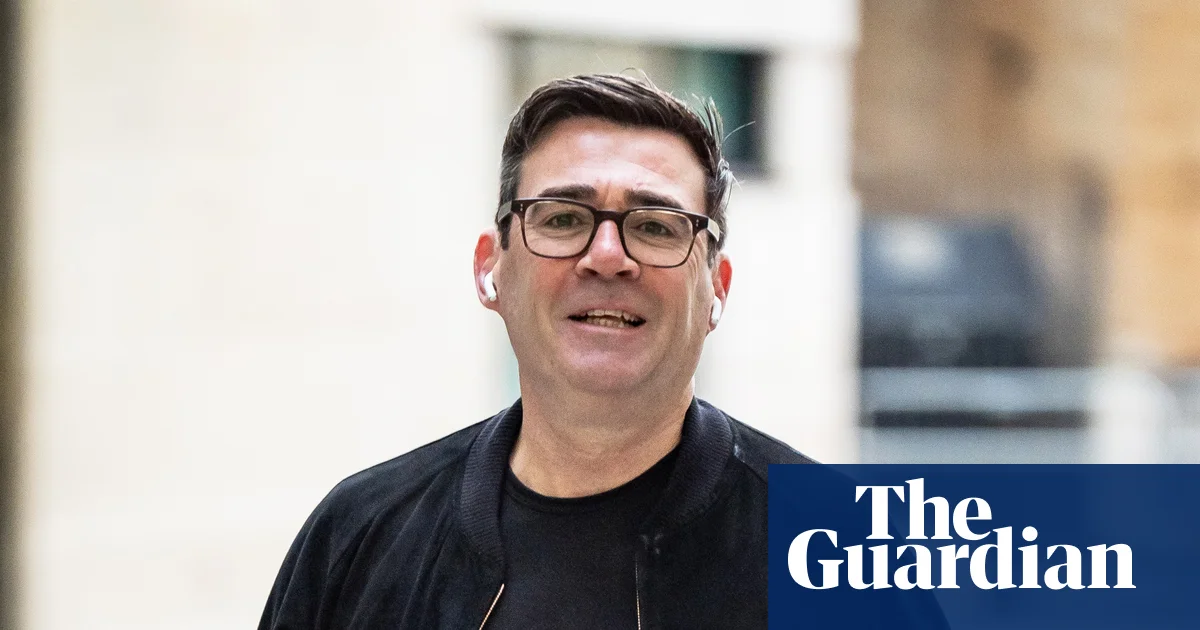
In the evolving landscape of politics, fashion has become an unexpected but powerful tool for shaping identity and making a social statement. Andy Burnham, the charismatic mayor of Greater Manchester and self-styled “king of the north,” has recently embraced a more casual, understated wardrobe during public appearances—trading suits for black joggers, bombers, and simple workwear-inspired pieces. His appearance at the launch of the Class Ceiling report at Whitworth gallery exemplifies a broader cultural shift: politicians are no longer just speaking through speech or policy; they’re communicating through their everyday style. Burnham’s wardrobe signals a departure from the polished, often detached London political class, and instead aligns with the working-class roots and regional pride that fuel his electoral base.

This deliberate shift toward casual, workwear-inspired fashion is more than mere aesthetics. For sociologists and fashion analysts like Andrew Groves, director of the Westminster Menswear Archive, Burnham’s all-black, nonconformist look is “as calculated as any Westminster suit, just aimed at a different audience.” It’s a visual rejection of the “parliamentary polish” that many associate with distant, elitist politics. Instead, it projects an image of practicality, authenticity, and regional solidarity—elements increasingly vital to engaging young voters who crave transparency and relatability in their leaders. As Jonathan Tonge, a politics professor at the University of Liverpool, asserts, Burnham’s fashion aligns with his moderate, left-of-center politics: a statement that “I’m different from Westminster.”

What’s truly fascinating is how Burnham’s personal style also represents a broader societal narrative: the emergence of regional identities in national discourse. His “Manchester way” aesthetic—described as “the Smiths meets Britpop”—evokes local cultural icons and musical heroes, reinforcing regional pride and resisting the homogenizing influence of mainstream London politics. Meanwhile, his style stands in contrast yet subtle proximity to Keir Starmer, whose slightly more mainstream Britpop-inspired look—Stone Island, Harringtons, open-neck shirts—signals a different political momentum. While Starmer maintains hints of non-conformity, Burnham’s more radical authenticity taps into the social momentum fueled by **youth culture** and regional resilience, making style an essential language of political legitimacy.

  • Growing regional pride and identity movements
  • Increased importance of relatable, non-elite visuals in politics
  • The unspoken cultural dialogue between London and the North
  • Fashion as a gateway to authenticity and grassroots trust

As the fashion of Andy Burnham continues to evolve, it raises a compelling question about the role of cultural symbolism in shaping political futures. Will politicians follow suit, turning their style into a strategic form of communication that bridges the gap between their policies and the everyday lives of voters? Or is this merely a fleeting trend, a superficial gesture that masks deeper societal divides? The next big question—possibly the most urgent of all—might be whether this deliberate dressing-down truly signifies a shift towards a more authentic, regional-driven politics or whether it’s just a temporary fashion statement in a landscape still dominated by traditional, top-down hierarchies. As Burnham’s casual yet meaningful style gains traction, the future of political culture may well rest on whether other leaders choose to embrace their regional roots and personal identity—because, in the end, style might yet become the most radical act of all.

Rising Stars Shine as Youth Championships Ignite the Future of Sports

Inter Miami Secures Germán Berterame: A Game-Changer for MLS

In a significant move that could redefine the landscape of Major League Soccer, Inter Miami CF has officially signed Mexican forward Germán Berterame. The dynamic player joins the club from Monterrey, bringing his talents to the Sunshine State on a designated player contract that extends through the 2028-29 MLS season. This acquisition not only showcases Miami’s ambition but also signals a new era in American soccer, as young talents from Mexico continue to make their mark in the league.

Known for his speed, agility, and goal-scoring prowess, Berterame is considered one of the most promising forwards in North America. His previous stint with Monterrey saw him net an impressive number of goals while serving as a pivotal member of the Mexico national team. Coach Phil Neville expressed his excitement over the signing, stating, “Germán is a player who can change the game in moments, and we believe he will bring that explosive talent to our roster.” The forward’s ability to convert chances into goals could be invaluable, particularly as Miami aims for a playoff push this season.

The addition of Berterame comes at a crucial stage for Inter Miami, who are actively building a competitive squad that can contend for the MLS Cup. As fans eagerly anticipate his debut, the coaching staff looks to integrate him quickly into their tactical setup. Recent performances in MLS have shown that teams with strong attacking options can dominate matches, and Berterame’s role will be critical in this ambitious endeavor.

  • Signing Impact: Berterame’s agility adds a new dimension to Miami’s offense.
  • Future Prospects: Contract extends through the 2028-29 season, ensuring long-term investment in youth talent.
  • Coaching Insight: Phil Neville emphasizes the importance of players who can change the game.

The signing of Germán Berterame is a testament to the growing talent pool in MLS and serves as an inspiring narrative for young athletes across the country. Beyond the stats and standings, sports have the unique power to unite communities, inspiring dreams and aspirations. As teams like Inter Miami invest in talent from around the world, they also foster a sense of excitement that transcends the scoreboard, reminding us that the heart of sports lies in its ability to connect people. In this ever-evolving landscape, one thing is clear: the beautiful game continues to thrive, and its influence will only expand as we move forward.

Source link

Social Media Auto Publish Powered By : XYZScripts.com