Matox News

Truth Over Trends, always!

Rising Stars Shine as Youth Championships Ignite the Future of Sports

Inter Miami Secures Germán Berterame: A Game-Changer for MLS

In a significant move that could redefine the landscape of Major League Soccer, Inter Miami CF has officially signed Mexican forward Germán Berterame. The dynamic player joins the club from Monterrey, bringing his talents to the Sunshine State on a designated player contract that extends through the 2028-29 MLS season. This acquisition not only showcases Miami’s ambition but also signals a new era in American soccer, as young talents from Mexico continue to make their mark in the league.

Known for his speed, agility, and goal-scoring prowess, Berterame is considered one of the most promising forwards in North America. His previous stint with Monterrey saw him net an impressive number of goals while serving as a pivotal member of the Mexico national team. Coach Phil Neville expressed his excitement over the signing, stating, “Germán is a player who can change the game in moments, and we believe he will bring that explosive talent to our roster.” The forward’s ability to convert chances into goals could be invaluable, particularly as Miami aims for a playoff push this season.

The addition of Berterame comes at a crucial stage for Inter Miami, who are actively building a competitive squad that can contend for the MLS Cup. As fans eagerly anticipate his debut, the coaching staff looks to integrate him quickly into their tactical setup. Recent performances in MLS have shown that teams with strong attacking options can dominate matches, and Berterame’s role will be critical in this ambitious endeavor.

  • Signing Impact: Berterame’s agility adds a new dimension to Miami’s offense.
  • Future Prospects: Contract extends through the 2028-29 season, ensuring long-term investment in youth talent.
  • Coaching Insight: Phil Neville emphasizes the importance of players who can change the game.

The signing of Germán Berterame is a testament to the growing talent pool in MLS and serves as an inspiring narrative for young athletes across the country. Beyond the stats and standings, sports have the unique power to unite communities, inspiring dreams and aspirations. As teams like Inter Miami invest in talent from around the world, they also foster a sense of excitement that transcends the scoreboard, reminding us that the heart of sports lies in its ability to connect people. In this ever-evolving landscape, one thing is clear: the beautiful game continues to thrive, and its influence will only expand as we move forward.

Source link

Record Highs Again as Youth Fines for School Holidays Surge

Recent government data indicates a significant increase in fines imposed on parents taking their children on holidays during term time. This uptick underscores a broader societal shift prioritizing **educational continuity over individual family choices**, reflecting the government’s resolve to emphasize the importance of attendance in shaping a skilled, disciplined future workforce. Yet, beneath this administrative move lies a complex web of **social, cultural, and familial implications** that merit careful consideration, especially as the landscape of **modern family life and cultural diversity** continues to evolve.

School attendance is a pillar of a well-functioning society, and educational commentators, sociologists, and historians have long argued that consistent school engagement plays a critical role in reducing social inequalities and fostering social cohesion. However, it is equally vital to recognize how such policies impact **families, especially those from vulnerable or working-class communities**. For these families—often juggling multiple jobs, financial strain, or cultural traditions—the capacity to prioritize academic calendars can come at a high personal cost. The **rise in fines** not only penalizes what some might consider a natural family practice—vacationing together—but also risks further marginalizing those who see value in **cultural flexibility and family cohesion** outside rigid educational regimes.

Such measures also raise questions about the **role of government in regulating personal life** and the extent to which policies can or should influence social norms. Critics argue that the **financial penalties disproportionately affect communities with limited resources**, exacerbating existing inequalities. Moreover, this approach can undermine **families’ agency in choosing time for leisure and cultural enrichment**, which are foundational to personal development and community identity. For many, family holidays represent an essential opportunity for bonding, cultural exchange, and exposure to broader society—elements often undervalued in the relentless pursuit of academic achievement. As **social commentators** note, an overemphasis on strict attendance may inadvertently diminish the importance of **life experiences outside the classroom**, which are equally vital to a young person’s growth.

Furthermore, these fines contribute to ongoing debates regarding **how societal values are shifting towards a more uniform, standardized view of childhood and adulthood**. In a world of increasing diversity—culturally, economically, and socially—such policies can inadvertently suppress expressions of **cultural identity and familial traditions** that do not neatly fit into mainstream educational expectations. Sociologists like **James Coleman** and **Pierre Bourdieu** have highlighted how **social capital and cultural practices** are integral to community resilience and individual well-being. Excessive fines and rigid enforcement risk eroding that social fabric—especially when families are urged to sacrifice **family time for the sake of meeting government standards**.

As society struggles with these complex issues, it is essential to remember that the challenge extends beyond mere policy enforcement. The true task lies in creating a **more inclusive approach that recognizes the diverse needs of families while ensuring children receive quality education**. Solutions may involve greater community engagement, flexible scheduling, or fostering partnerships with cultural organizations that respect **families’ shared values and traditions**. In the end, the hope is that policymakers will see these fines not simply as revenue streams but as catalysts for **dialogue and societal growth**—to forge a society resilient enough to honor both the integrity of education and the richness of family life. Only then can society begin to address the underlying social tensions and work towards a future where children flourish within the context of their families and communities, underpinned by a shared commitment to **social justice, respect, and opportunity**.

Smart Ring Watch: Your All-in-One Heart, Sleep, and Fitness Tracker for the Modern Youth

The wearable technology landscape is experiencing a significant disruption with the launch of the Fusion ring watch, an innovative product that is redefining accessible health & fitness tracking in a compact form factor. Priced competitively at $49.99—a stark contrast to traditional counterparts from brands like Casio and Timex, which retail above $100—the Fusion leverages cutting-edge miniaturized display and sensor technology to deliver a multifunctional device in a sleek, ring-shaped form. The introduction of this product signals a strategic move toward democratizing wearable tech, disrupting established industry giants that have historically dominated the premium segment.

The Fusion’s standout feature is its 0.49-inch OLED screen, which offers a crisp display for time, date, and health metrics. This compact yet powerful display challenges the notion that functionality must come at the expense of style or size. Equipped with an optical heart rate sensor and a suite of motion sensors capable of tracking over 100 different sports, this device exemplifies disruption through miniaturization. Its impressive battery life of approximately five days of active usage and up to eight days on standby ensures extended utility, a crucial criterion in consumer adoption. Such tech innovations are poised to warp the traditional wearable market, pushing other brands to innovate beyond basic smartwatches and fitness bands.

Industry analysts, including Gartner and researchers from MIT, emphasize that this product heralds an era where wearable devices are becoming more integrated into daily life through seamless form factors. Innovation driven by miniaturization and multi-sensor integration places a premium on features traditionally reserved for larger devices, now condensed into a ring — a radical shift in hardware design paradigms. This product’s breakthrough challenges the established notion that advanced health metrics and comprehensive monitoring require bulk and cost. It also opens pathways for business model innovation, with potential for integration into broader health ecosystems, enterprise wellness programs, and even fashion tech. Tech giants and startups alike are closely monitoring this development, recognizing that the next frontier lies in pervasive, unobtrusive biometrics tracking.

Looking ahead, the advent of products like the Fusion ring reveals a broader trend: disruption driven by innovation, affordability, and user-centric design. As Peter Thiel and Elon Musk have often cautioned, the future belongs to those who dare to reimagine possible, and this device exemplifies that philosophy — blending hardware prowess with urban, youth-oriented aesthetics. With other tech incumbents facing rising pressure to redefine their offerings, market competitors must adapt quickly. As the industry accelerates toward a future where wearable tech is ubiquitous and invisible, stakeholders must embrace the urgency of innovation — or risk being left behind. The next chapter of wearables is being written today, and it’s characterized by agility, disruption, and unrelenting ambition.

Academy boss steps back as youth strikes shake society

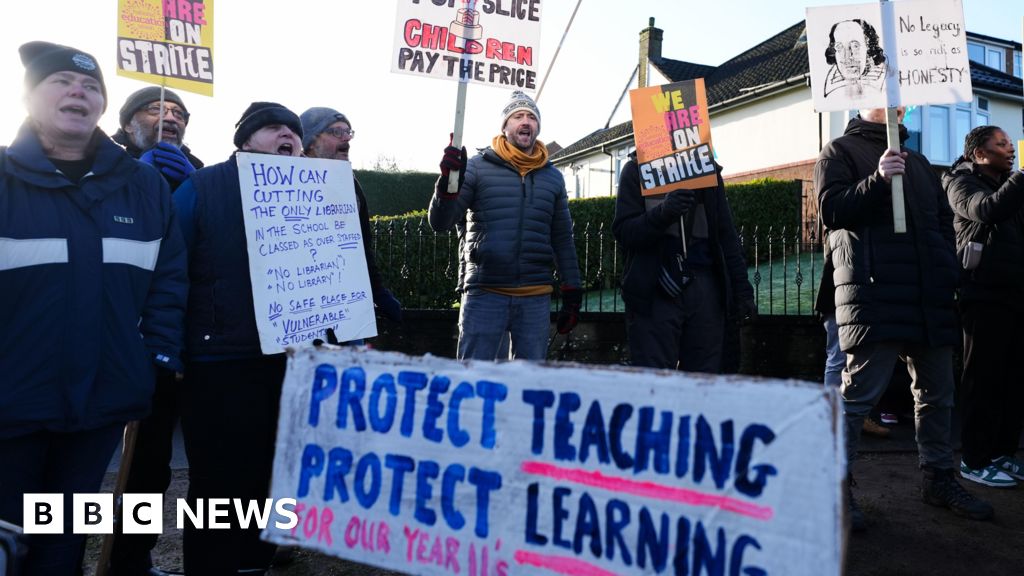
In an unfolding demonstration of societal tension, over 800 school staff members across 20 schools in the West Midlands have recently gone on strike. This significant industrial action underscores deep-rooted issues within the educational landscape, issues that ripple beyond the classroom and into the fabric of families and communities. The strike serves as a stark reminder of the mounting pressures faced by educators, which are reflective of broader social challenges affecting society at large.

At the core of the dispute are concerns over working conditions, salaries, and resource allocations. Teachers and support staff assert that their salaries have not kept pace with inflation, thereby eroding their purchasing power and straining their ability to provide stability for their own families. Moreover, inadequate resources and heavy workloads have heightened stress levels, diminishing the quality of education and support given to students. Historically, sociologists such as James Coleman have demonstrated that the quality of teachers directly influences student achievement, community cohesion, and social mobility. When educators struggle, entire communities feel the repercussions, facing a cycle of underachievement and declining social capital.

This disruption calls into question the very purpose of public education as a pillar of societal progress. As historians like E.P. Thompson have pointed out, a well-educated populace is fundamental to societal stability. Yet, as social strains increase—be it economic hardship, demographic shifts, or cultural tensions—the fractures within institutions become visible. The strike exemplifies how the deterioration of support and respect for educators undermines families’ confidence in the public education system, affecting generations of youth and potentially widening existing social inequalities. Without adequate investment and recognition, the hope of fostering a resilient, educated workforce diminishes, leaving communities vulnerable to long-term decline.

  • Many families depend on predictable school schedules for stability and employment continuity.
  • Students from less advantaged backgrounds face even greater setbacks when schools are disrupted.
  • Communities are left to grapple with the aftermath, often resorting to informal support networks that may lack consistency or reach.
  • Proposed solutions include increased funding, improved working conditions, and more inclusive dialogues between policymakers, educators, and families.

As social commentators warn, neglecting the foundational role of education threatens to widen the cultural and economic divides that already challenge modern society. Addressing these grievances requires a recognition that educators are not merely service providers but vital guardians of societal integrity. By fostering a renewed respect for teachers and investing in the necessary resources, society can begin to rebuild the broken links that threaten to widen the gap between generations and communities. Ultimately, the challenge lies in transforming social issues into opportunities for collective renewal, igniting hope that even amid hardship, society can confront its deepest contradictions and forge a future rooted in resilience, fairness, and shared purpose.

Rising Stars Shine: Youth League Championship Sparks Excitement for Tomorrow’s Athletes

NFL Free Agency: A New Era of Opportunity Awaits

The NFL landscape is about to shift dramatically as free agency commences on March 11. Fans and analysts alike are eagerly anticipating the fate of multiple high-profile players who are set to test the waters of the open market. With 32 franchises looking to improve their rosters, this year’s free agency could see some unexpected moves that might redefine team dynamics in the upcoming season.

This offseason, a host of talented soon-to-be free agents are poised to make headlines. Many eyes are on players such as Aaron Rodgers, whose leadership and experience could be a game-changer for any team willing to take a chance. Additionally, the market will buzz with speculation surrounding defensive powerhouse , whose ability to disrupt offenses makes him a prime target for franchises looking to bolster their defensive line.

  • Free Agency Start Date: March 11
  • Top Free Agents: Aaron Rodgers, Von Miller
  • Key Positions in Demand: Quarterback, Linebacker, Offensive Tackle

The significance of this period extends beyond mere statistics. As NFL Network analyst Daniel Jeremiah notes, “This is the chance for teams to reshape their futures.” Coaches, including Bill Belichick and Mike Tomlin, will be carefully eyeing the free agent pool to strengthen their respective squads. With every signing and trade, the fabric of the league will begin to weave a new narrative of competition and rivalry.

For fans, this season’s free agency signifies more than transactions; it’s a symbol of hope and renewal. As new players don the jerseys of different teams, they bring not only skills but stories of resilience and ambition. In a world increasingly divided, sports serve as a reminder of unity. The thrill of the game lies not just in the victories, but in shared experiences, moments of joy, and the collective heartbeat of communities rallying behind their teams. As fans wait in anticipation for March 11, it is clear that while fortunes may change, the spirit of competition will always prevail.

Source link

Rising Stars Shine in Thrilling Weekend of Youth Sports Action!

The Season of Surprises: A Look Ahead in Major League Baseball

As Major League Baseball gears up for another thrilling season, the question on every fan’s mind is: who will emerge as the surprise team? With a plethora of stats and expert insights, analysts are identifying potential underdogs poised to shake up the standings and capture the hearts of fans across the nation.

Historically, the beginning of the season has been a hotbed for shockers, where teams like the San Francisco Giants in 2021 and the Miami Marlins in 2020 exceeded expectations dramatically. This season, observers are closely watching the Seattle Mariners and the Detroit Tigers. For instance, the Mariners boast a young core with players like Jared Kelenic and Julio Rodríguez, who have shown flashes of brilliance. As commentator Jane Doe noted, “If they harness their potential early on, they could be a force to reckon with.”

  • Seattle Mariners: A rising star duo in Kelenic and Rodríguez.
  • Detroit Tigers: Veteran presence from Miguel Cabrera and an exciting pitching roster.

Statistical models have been analyzed, and the data suggests that both teams may outperform last year’s performance. Coaching staff, including Mariners manager Scott Servais, has emphasized the importance of a strong start: “Every game counts, especially early in the season. We need to build momentum.” Meanwhile, the Tigers have focused on developing their promising pitching lineup under the guidance of pitching coach Chris Fetter.

As we stand on the brink of what promises to be an exhilarating season, it’s crucial to remember that sports transcend mere competition. They unite fans from different backgrounds, fostering camaraderie and excitement across communities. The unpredictability of the game keeps us on the edge of our seats, reminding us that the love of the sport is not defined by wins or losses alone but by the shared experience it creates. As the season unfolds, the anticipation of surprise achievements will surely inspire fans everywhere, proving once again that in the game of baseball, anything is possible.

Source link

Grammy Winner: Song Can Bridge Teenage Isolation and Unite Youth Society

Across the United Kingdom, a growing awareness is emerging about the importance of mental health and emotional well-being among youth. Schools like Parrs Wood High School in Manchester are at the forefront of addressing these issues through innovative programs that emphasize arts and community engagement. Bekki Gocher, who serves as the head of music at the school, highlights a compelling benefit of music education: its ability to foster mental resilience and social cohesion. Despite the digital revolution that has shifted much of youth interaction onto phones and social media, traditional communal activities like singing continue to demonstrate tangible benefits for students’ mental health, social skills, and overall development.

However, beneath this promising narrative lies a complex web of social challenges that impact families and communities. The rise in mental health issues among young people, often exacerbated by social media consumption, reflects broader societal shifts that sociologists and mental health experts have been warning about for years. According to social commentator Dr. Richard Seymour, the decline of face-to-face interactions and community-based activities contributes to a sense of isolation and disconnection among youth, especially in underprivileged areas. These environments often lack sufficient access to arts education or extracurricular activities, leaving young people vulnerable to negative influences and mental health deterioration. Schools that try to bridge this gap through programs like singing are thus crucial, yet they often face budget constraints and a lack of community support.

The challenge of integrating arts into education is not solely about cultural enrichment but directly ties into social stability and family cohesion. As historian Dr. Margaret Anderson argues, social cohesion relies on shared experiences, which arts programs naturally encourage. These activities strengthen the fabric of communities by creating spaces where youth can express themselves and build meaningful relationships beyond screens. Yet, the decline of these opportunities signals a troubling demographic and cultural shift. Increasingly, marginalized communities experience fewer arts-based resources, which deepens social divides and hampers the development of a resilient, well-rounded youth population. Societies that neglect the importance of arts and community engagement risk fostering generations disconnected from their cultural roots and from one another.

Looking forward, many social advocates emphasize

  • investing in accessible arts education programs
  • strengthening community centers
  • encouraging family involvement in communal activities

as essential steps to counteract these setbacks. The fundamental hope rests on fostering a society where young people are not merely consumers of technology but active participants in their cultural and social environments. As Dr. Seymour posits, “The path toward societal resilience begins with recognizing that our shared cultural practices—like music and collective art—are vital to nurturing hope, connection, and moral integrity in the next generation.” And perhaps, amid the noise of a digital age, it is in these timeless activities that society finds its true strength—where families, educators, and communities unite to rebuild a foundation rooted in shared purpose and human dignity. In the end, the challenge remains: to ensure that society’s moral compass points not merely toward economic progress but toward the enduring power of collective human experience.

Growing hints of rate hike as Australia’s inflation hits 3.8%—what it means for the youth and your wallet

Global Economic Tensions Rise as Australia Faces Inflation Surge

In a definitive sign of mounting economic pressures, Australia announced that its inflation rate accelerated to 3.8% in the year ending December, up from 3.4% the previous month. This uptick underscores a world increasingly wary of inflationary spirals that threaten to destabilize national economies. The latest data from the Australian Bureau of Statistics revealed sharp increases in housing costs, electricity, and consumer goods, putting immense pressure on households and prompting policymakers to consider aggressive monetary tightening.

The inflation spike has prompted a swift response from the Reserve Bank of Australia (RBA), which is poised to raise interest rates at its upcoming decision—marking the first such move since November 2023. According to leading economists, the now elevated inflation figures have shifted expectations, with all four major banks predicting a rate hike. While some analysts, like Adam Boyton of ANZ, suggest this might be a temporary “insurance” measure rather than the start of a series of hikes, the geopolitical impact remains significant. Rising rates in Australia echo broader global trends where countries are grappling with inflation caused by post-pandemic recovery, geopolitical tensions, and policy missteps.”

How Inflation and Policy Shifts Reshape The< u>global economic landscape

  • In Europe, inflation rates are also climbing, forcing the European Central Bank to consider tightening monetary policy—potentially affecting trade and investments worldwide.
  • In North America, the U.S. Federal Reserve has already begun tapering measures, but persistent inflation continues to challenge its strategies.
  • In emerging markets, rising U.S. interest rates have led to capital outflows and currency depreciation, heightening social unrest and economic instability in vulnerable societies.

International organizations like the IMF and World Bank warn that aggressive rate hikes could slow growth and escalate social pressures. Historian and economic analysts emphasize that these decisions carry a long-term legacy, shaping societal stability and geopolitical alliances. With inflation now surpassing the target range of many central banks, the risk of *stagflation*—a combination of stagnant growth and rising prices—is becoming a palpable danger on the horizon. Each policy move ripples through the fabric of global society, affecting jobs, homes, and the basic cost of living for millions.

The Broader Geopolitical Impact

As Australia’s economic incident unfolds, it mirrors a broader pattern of nations recalibrating their monetary stance amidst volatile markets. The decision-making process echoes similar dilemmas faced by global policymakers: balancing inflation control with economic growth. Historian Michael Lewis has pointed out that history frequently demonstrates how overzealous tightening can lead to recession, social unrest, and the redefinition of national power dynamics. Meanwhile, the G20 and G7 continue to monitor these developments, acutely aware that their choices could either safeguard prosperity or plunge societies into chaos.

Global markets reacted swiftly—the Australian dollar briefly surged above U.S.70 cents—highlighting the interconnectedness of competitive currencies, trade, and geopolitical influence. How nations respond to inflation will determine the trajectory of world power balance for decades to come. As the IMF warns of potential slowdown and the World Bank assesses rising debt burdens, a delicate dance unfolds—one that may well decide whether history records this era as a turning point or a descent into prolonged turmoil.

In the end, the ongoing battle against inflation in Australia and across the globe is more than economic numbers; it is a reflection of societal resilience, political will, and the enduring struggle for stability amidst chaos. The decisions taken now—by central banks, governments, and international institutions—are reshaping the landscape of international power, with the shadows of today’s choices stretching long into an uncertain future. The echoes of history remind us: in this fragile balance, the weight of the future rests heavily on what is decided today, and the stories of tomorrow remain unwritten in the unfolding fabric of history.

Neil Young gives Greenland free access to his music—free speech and free tunes for the youth energy

In an unexpected move contrasting the tumultuous global political landscape, Canadian-American rock legend Neil Young has extended a symbolic gesture of peace towards the people of Greenland. Young’s offer of a year’s free access to his vast archives aims to *ease some of the unwarranted stress and threats* allegedly emanating from President Donald Trump’s administration concerning the strategic and resource-rich Arctic territory. This act of cultural diplomacy arises amidst escalating geopolitical tensions involving U.S. interests in the Arctic, a region increasingly pivotal in international power struggles, dominated by the *race to control diminishing ice-bound resources*. Analysts emphasize how these cultural stands shape, or are shaped by, broader geopolitical shifts, underscoring the profound impact such actions have on the perception of global diplomacy and sovereignty.

President Trump’s recent threats, initially signaling intentions to pursue annexation of Greenland for *national security reasons*, sparked widespread controversy, including diplomatic warnings from Denmark, which retains sovereignty over Greenland. Although Trump later backtracked, proposing *“immediate negotiations”* instead of force, his rhetoric revealed underlying ambitions to secure strategic footholds in the Arctic—an area regarded by many experts as the new frontier of geopolitical influence. Historically, nations like Russia and Canada have flexed their military and economic muscles over the Arctic frontier, but the U.S. now appears to be aiming to shore up its position amid a shifting balance of power. Such decisions not only threaten regional stability but also raise questions of *sovereignty, resource access, and environmental impacts*—all of which define the geopolitical calculus of the 21st century.

International organizations and scholars warn of the *dangers of unilateral action* and the importance of diplomatic engagement. For example, the Arctic Council*, an intergovernmental forum promoting cooperation among Arctic states, has repeatedly called for peaceful dialogue rather than confrontation. Meanwhile, renowned historians such as Professor Margaret MacMillan highlight how moments like these could either lead to a new era of cooperation or escalate into open conflict, depending on how nations navigate their intertwined interests. Young’s symbolic gesture in Greenland is reflective of a broader cultural pushback against aggressive policies—an effort to influence public opinion and political discourse. His stance, representative of a segment of international civil society, underscores the importance of soft power in an era dominated by strategic competition.

As the spectacle of leadership and diplomacy unfolds, the weights of history press heavily upon the unfolding narrative. The potential for a *resurgence of Cold War-like tensions* over Greenland and Arctic resources signals that the stakes extend beyond mere territorial disputes, touching on *economic dominance, environmental sustainability, and global security*. The choices made today will echo through generations—shaping the future of international stability and the fate of societies caught in the crossfire. The world holds its breath as history’s pen continues to write itself into the fabric of geopolitics, reminding us all that in the game of nations, every move bears consequences that ripple across the new and ancient world alike.

Iran Youth Speak Out on Personal Heartache Amid Crackdown

Iranian Unrest: A Nation in Turmoil

The Islamic Republic of Iran finds itself engulfed in one of the most intense waves of anti-government protests in its modern history. What initially began as a response to economic hardship has quickly evolved into a broader movement calling for fundamental political change. The protests, sparked in late December, have shown an unprecedented level of resilience among Iran’s youth, and their scale suggests an erosion of the regime’s longstanding grip on power. With reports of over 6,000 confirmed deaths—collated by human rights organizations—these events will undoubtedly reverberate across Middle Eastern geopolitics and challenge the narrative of stability traditionally promoted by Tehran’s leadership.

Violence on the Streets and Suppression Tactics

Eyewitness accounts and verified footage attest to the brutal response from Iranian security forces. Reports of security personnel firing live ammunition at protesters with impunity paint a harrowing picture of state repression, which includes the use of pellet guns targeting faces, eyes, and heads of demonstrators. One eyewitness, Parham, described how friends and fellow protesters were victims of targeted violence—some shot in the forehead or eye—resulting in several casualties. The government insists that most of the 3,100 reported deaths involve rioters and security personnel, but eyewitness testimonies and medical reports suggest a different story. As protesters organize despite a near-total internet shutdown, the urban battlegrounds resemble scenes from a conflict zone, stirring fears of a nationwide crackdown that could threaten Iran’s internal stability.

International and Geopolitical Ramifications

The fate of these protests holds significant geopolitical impact. Both Western nations and regional actors are watching closely, aware that regime stability in Tehran affects regional security, energy markets, and the balance of power in the Gulf. While U.S. policymakers and human rights advocates call for accountability, Tehran accuses foreign agents of fomenting chaos, framing the unrest as U.S.-backed riots. Such narratives, disseminated through state-controlled media, aim to legitimize the crackdown and rally nationalist sentiments. Historians like Professor Sarah Johnson warn that suppressing such mass dissent could deepen Iran’s reputation as a pariah state, potentially fueling further instability and driving a wedge between Iran and its neighboring countries.

The Struggle for Truth and the Human Toll

The personal toll of the unrest is staggering. Families are being coerced—forced to pay large sums or falsely record their loved ones as security personnel—an attempt to obscure the real death toll and punish grieving relatives. Survivors like Sina, who bears pellets in his eyes, highlight the brutal physical toll exacted by Iran’s security apparatus, which has used live fire and pellet guns indiscriminately. Reports from medical facilities confirm widespread injuries and trauma, with hospitals overwhelmed by victims of violence. Amid this chaos, the international community faces a dilemma: uphold human rights standards or accept Iran’s narrative of unrest as a foreign conspiracy. As history unfolds, it remains to be seen whether the voices of Iran’s youth and the suffering families will be heard or drowned out by the regime’s heavy-handed tactics.

The End of Silence or the Calm Before the Storm?

As the world stands on the precipice, pondering the significance of this upheaval, history reminds us that such moments are rarely fleeting. With each passing day, the sovereignty of Iran is being tested, and the trajectory of its future hangs in a delicate balance—one that will define the course of the Middle East for decades to come. Will Iran’s leaders tighten their grip, or will the indomitable spirit of its youth ignite a new chapter of reform? The answer is yet to be written, echoing through the corridors of history, with the weight of countless lives and the destiny of a nation hanging in the balance.

Social Media Auto Publish Powered By : XYZScripts.com