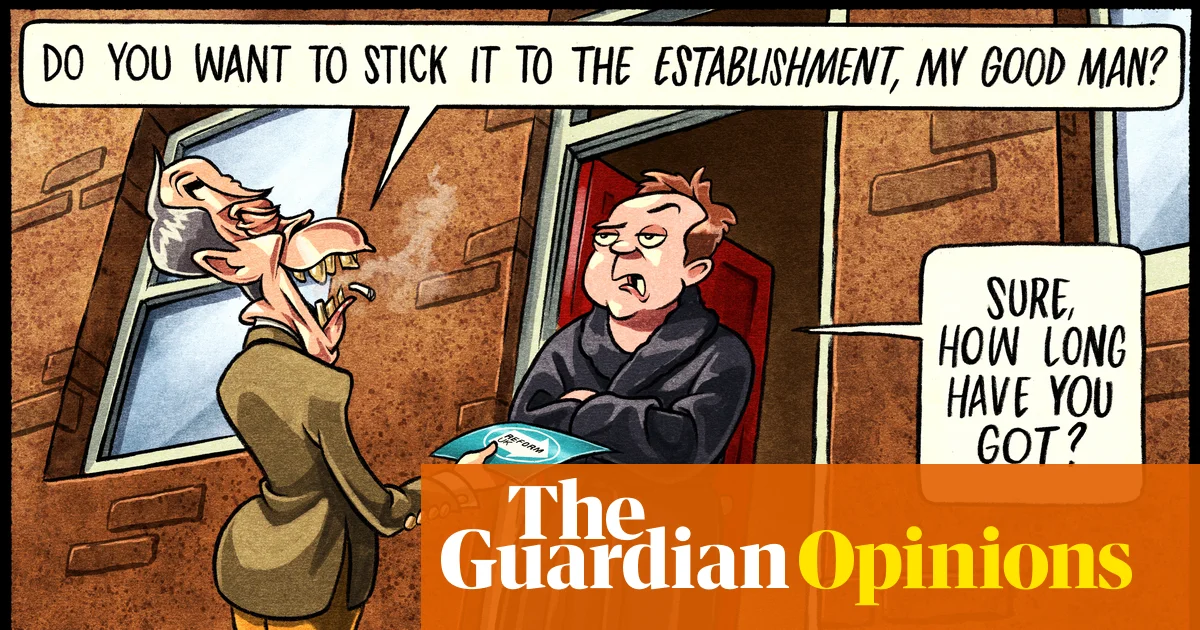

In the aftermath of the recent local elections, the political landscape is once again illuminated by power struggles that reveal the ongoing tug-of-war between traditional conservative values and renewed calls for reform. As youth-oriented factions within parties cast a watchful eye on leadership decisions, the trajectory of Reform UK emerges as a pivotal element shaping national discourse. The party’s recent campaigns have emphasized a direct challenge to what they term “the status quo,” positioning themselves as the vanguard of fundamental political recalibration. This societal battle for influence underscores how decisions driven from the top ripple throughout the fabric of local governance, echoing historical parallels where upheaval in leadership catalyzed widespread societal change.
The political debates currently unfolding are emblematic of a deeper conflict over constitutional authority. Through strategic reforms, some factions aim to recalibrate the customary distribution of power—an attempt to empower local communities or, critics argue, to centralize control in the hands of a reformist elite. These moments echo the writings of classical theorists like John Locke and Montesquieu, who championed the decentralization of authority as essential to safeguarding liberty. Yet, opponents contend that such restructuring may serve as a pretext for consolidating power under the guise of progressive change. The current ideological clashes are emblematic of a broader debate on whether reforms are truly designed to enhance democratic participation or to redefine the very Constitution itself.
Centers of influence, from parliamentary corridors to the grassroots, are witnessing power struggles that cast their shadows over future legislative pathways. The recent push by reformists to implement sweeping policy shifts on local governance exemplifies how political actors craft decisions that resonate far beyond ballot boxes. Their choices directly impact the lives of citizens — influencing everything from public services to political representation. Such decisions shape the people, forging a new social contract that could redefine the relationship between government and citizenry. As constitutional experts scrutinize these developments, it becomes clear that these battles are not merely about policy but about the very essence of sovereignty and individual rights, reminiscent of historical upheavals in constitutional democracies.
Ultimately, politics remains the theater where the stories of destiny unfold—each decision a stroke on the canvas of history. When leaders and ideologues carve their visions into legislation, they do more than amend statutes; they inscribe the future’s shape, inviting us to contemplate whether the course of a nation is determined by tradition or the relentless push of reform. As the stage shifts with each election and manifesto, it becomes apparent that the ongoing dynamics are not about mere governance but about who wields power to etch our collective fate, revealing that in politics, the future is always being written — often with the ink of conflict and conviction.