Matox News

Truth Over Trends, always!

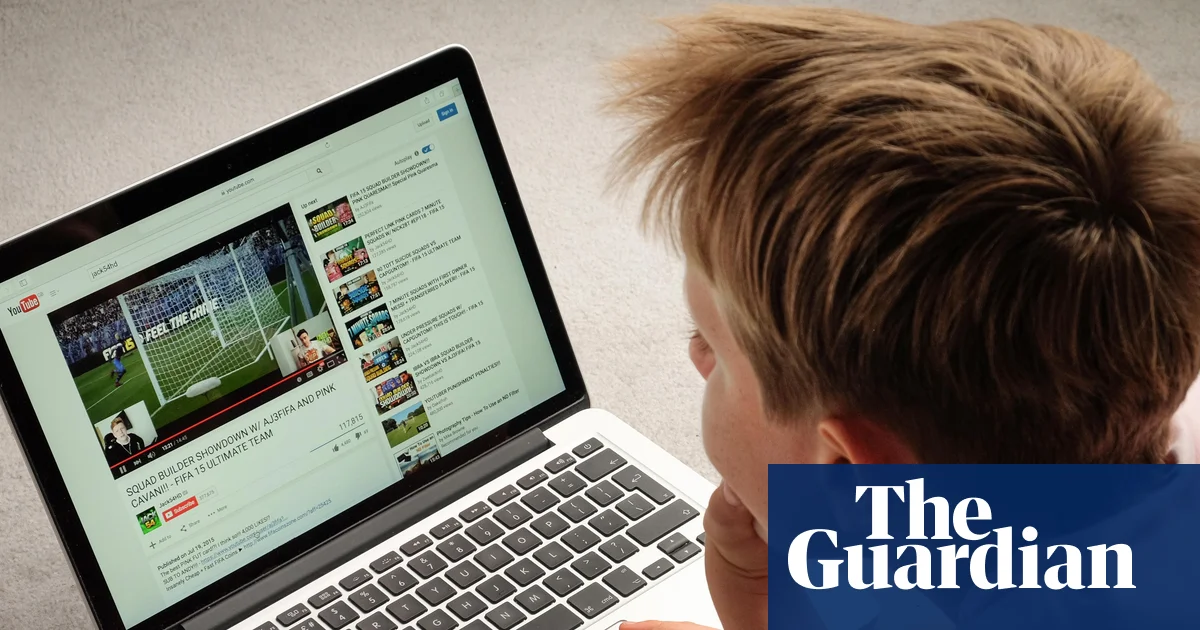
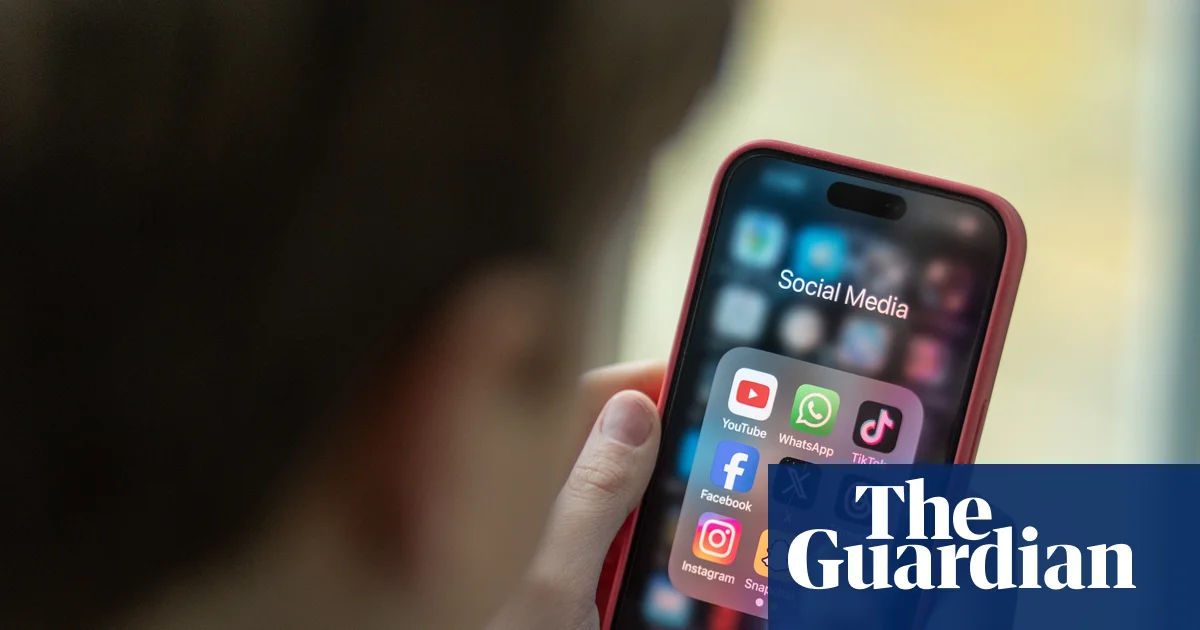
YouTube and Lemon8 pledge to block under-16s as Australia enforces social media ban

Global Power Dynamics Shaped by Digital Policymaking and Social Media Controls

In an era defined by rapid technological change and the geopolitical reshuffling of influence, nations are wielding digital policy as a new frontier for asserting sovereignty and shaping societal structures. Recent developments in Australia exemplify this shift, as the government enforces a stringent under-16s social media ban, signaling a clear intent to regulate the digital landscape in favor of protecting younger generations. Under the leadership of Minister Anika Wells, Australia aims to pre-empt online harms and has threatened hefty fines of up to $50 million against platforms that fail to comply – a move that underscores how digital sovereignty is becoming a matter of national security.

This stringent approach has sparked significant debate among international analysts and organizations. Critics argue that the laws “fundamentally misunderstand” how children access and use social media, with Google’s warning that these regulations risk making children less safe online rather than safer. Despite these concerns, Australia’s stance demonstrates a willingness to exert control over digital spaces that transcend borders. The government’s strategy involves a phased implementation, with platforms like Lemon8— owned by ByteDance, the parent company of TikTok— voluntarily restricting users to those over 16, in a move seen as a cautious step in the broader attempt to shield minors from digital exploitation. Such policies reflect a global trend where nations are trying to set digital boundaries that align with national values, even as tech giants resist.

How Geopolitical and Societal Shifts Are Reshaping Digital Norms

Eyes across the world are watching Australia’s aggressive push for digital regulation, as it reveals both the extent of state influence and the contentious fight over global digital authority. International organizations such as the United Nations and the World Economic Forum have been vocal about “protecting children online,” positioning this as a key element of broader social policies. However, critics, including prominent historians and free-market analysts, warn that heavy-handed regulation could set troubling precedents. The potential for data privacy breaches, censorship, and the erosion of free expression looms large, threatening long-term societal freedoms. These interventionist policies are often viewed as part of a broader geopolitical power struggle between Western liberal democracies and emerging regional powers flexing their digital sovereignty muscles.

Meanwhile, the United States’s technological giants face mounting pressure as lawmakers investigate how algorithms target vulnerable youth to maximize engagement— a practice critics say contributes to mental health crises and social fragmentation. As European Union regulators tighten their grip with the Digital Services Act, the shared goal is clear: establish control over transnational tech companies and their ability to influence cultural and social norms. The debate centers on how much oversight is necessary and whether sovereign governments should dictate the digital environment or whether the influence of Big Tech should be curtailed at the international level.

The Future of Digital Sovereignty and Global Stability

As governments push forward with regulation and surveillance, some see these efforts as decisive steps towards a new era of digital nationalism. The stakes are immense; decisions made today will not only influence the fate of online safety but also determine the geopolitical landscape’s future. Historians and foreign policy analysts warn that unchecked regulation could lead to increased digital fragmentation, prompting the rise of regional internet blocks— resembling a “splinternet”— which could disrupt global connectivity, economic stability, and international diplomacy.

Amid these mounting tensions, the narrative remains open: will nations find a harmonious balance between protecting societal values and preserving freedoms, or will these digital battles fracture the global fabric? As Australia, Europe, and The United States each forge their own paths, the world stands at a crossroads. The unfolding story of digital control is not only about technology— it is about the very soul of civilization, testing whether humanity can maintain its collective liberty in an age of unparalleled surveillance and regulation. Still, the pages of history continue to turn, and the outcome remains unwritten— a silent warning echoing that the choices made today will ripple through generations to come, carving the shape of the future society from the edicts written in the digital sands of time.
Disney and ESPN return to YouTube TV, bringing your favorites back to the screen

Disruption in Media Streaming: Disney and YouTube TV Form Strategic Alliance

In a move that underscores the ongoing transformation of the entertainment industry, Disney has announced a comprehensive carriage deal with YouTube TV, signaling a renewed focus on direct-to-consumer (DTC) strategy and digital innovation. This partnership includes the full portfolio of Disney’s linear networks—covering ESPN, ABC, Freeform, FX, National Geographic, and more—and aims to leverage YouTube TV’s platform to reach a broader, younger demographic in an increasingly competitive streaming landscape. The evolving arrangement exemplifies how legacy media giants are resorting to strategic alliances and platform diversification to disrupt traditional broadcast models, carving out new revenue streams amid declining cable subscriptions.

Central to this deal is the introduction of ESPN’s Unlimited Plan, a DTC service accessible at no extra cost to YouTube TV subscribers. This development marks a significant shift from conventional cable model reliance toward a more flexible, consumer-centric approach characterized by disruption of traditional sports and entertainment broadcasting. With access to curated live and on-demand offerings within YouTube TV, ESPN aims to recapture viewer loyalty in a crowded marketplace teeming with competitors like Apple TV+ and Amazon Prime. Industry experts observe that such integrations could fundamentally alter the economics of sports and media rights, forcing competitors to rethink pricing models and licensing strategies.

Furthermore, the partnership includes the launch of genre-specific packages and the ability to integrate the all-important Disney+, Hulu Bundle into select YouTube TV plans. This convergence of content aims to optimize user engagement and foster customer retention in a landscape where consumer discretionary spending on traditional subscriptions is waning. According to Gartner, the shift toward customizable bundle offerings is a clear indicator of the industry’s desire to innovate beyond one-size-fits-all models, fortifying Disney’s position as a dominant player in the digital age and exemplifying strategic disruption championed by visionary executives like Elon Musk and Peter Thiel.

From a business perspective, this expanded collaboration signifies a broader trend targeting industry disruption and consumer empowerment. By harnessing the power of digital platforms such as YouTube TV, Disney is effectively challenging entrenched distribution channels and reshaping the competitive landscape. The move underscores the importance of disruptive innovation—a term popularized by Clayton Christensen—which suggests that established players must leverage new technology to stay relevant. As the industry advances, the emphasis remains on rapid adaptation, with a sense of urgency palpable across boardrooms worldwide. The future looks poised for a new era of content delivery—dynamic, personalized, and data-driven—demanding both agility and foresight from all stakeholders. The question now is: who will be the next industry disruptor in this ongoing revolution, and how will legacy media giants respond to maintain their foothold in a rapidly evolving digital ecosystem?

MPs warn: Kids Overwhelmed and Sedated by Algorithm-Driven YouTube Content

In an era dominated by social media giants and algorithm-driven content, the fabric of childhood and community coherence is fraying. Many social commentators and industry veterans have raised alarms about the pervasive influence of platforms like YouTube, which now capture over 60% of under-16 viewing, eclipsing traditional broadcast television. With children’s programming becoming increasingly fragmented and curated by algorithms, concerns grow that today’s youth are deprived of the shared cultural experiences that once unified society. As sociologists warn, this shift threatens to erode the national identity and communal bonds that historically served as the backbone of societal resilience.

The consequences for families and education are profound. Children today are often bombarded with an unending stream of information that lacks the moral and developmental nourishment characteristic of the past. As Frank Cottrell-Boyce, the UK children’s laureate, pointed out during a recent parliamentary hearing, “repetition and slowness—key elements in traditional children’s TV—help build familiarity and navigability in young minds”. Without this, there’s a burgeoning epidemic of anxiety among youth, reflecting societal stress transmitted through digital channels.

  • Increased anxiety levels among children
  • The loss of a shared, national cultural canon
  • Reduced nurturing environments within digital media

These issues threaten to compromise the moral fabric of families, as parents struggle to guide digital consumption amid algorithms designed more for engagement than educational value.

Furthermore, the children’s media industry faces existential challenges. Industry experts like Greg Childs, OBE, have characterized the state of children’s TV as “broken”, with UK production companies struggling to stay afloat. Despite the significant revenue generated by targeted advertising—estimated at £700 million annually—children’s content producers see a drastically reduced share of this pie, receiving 80-90% less revenue than their counterparts. This economic disparity hampers the creation of high-quality, educational programming, and highlights the critical need for government intervention. Child advocates are calling for a renewal of funding mechanisms like the “young audiences fund” to restore and innovate in children’s media, proposing that a streamers’ levy could generate substantial resources. As social commentators have observed, fostering a curated media environment that prioritizes public service content could serve as a vital corrective to algorithmic pitfalls, helping children engage with learning rather than mere entertainment.

Ultimately, the societal challenge lies in balancing technological innovation with moral responsibility. As platforms harness AI to personalize content and parents seek safer digital spaces, the call for collaborative solutions grows urgent. Platforms must step beyond profit motives and partner with educational and cultural institutions, creating a digital landscape where shared values, community identity, and moral nourishment are valued alongside technological progress. In the words of social analyst David Kelleher, society must “transform the digital wilderness into a cultivated garden”—a space where children can grow, learn, and forge their identities grounded in shared history and community. Only by preserving these bonds can society hope to navigate the complexities of digital modernity, ensuring that the next generation inherits not a fractured society, but one united by purpose and hope.

YouTube TV, ESPN, Disney blackout: what’s really happening?

Disruption in Traditional Election Coverage: Streaming Platforms Shift Viewer Preferences

In a striking development that underscores the rapid evolution of the media landscape, recent data reveals a significant shift away from traditional broadcast networks towards popular streaming services like YouTube TV for election coverage. During the last two U.S. election cycles, the majority of viewers on YouTube TV opted not to watch established broadcasters such as ABC, choosing instead to access news through alternative online sources. This trend signals a seismic change in how younger audiences consume news — favoring accessibility and on-demand content over legacy media formats.

This pivot is emblematic of a broader disruption of the traditional media business model. With a proliferation of free, easily accessible information on platforms like YouTube and its main service, consumers are becoming less reliant on conventional broadcast channels that rely heavily on advertising and cable subscriptions. This shift represents a formidable challenge to legacy broadcasters, who are now competing in a crowded digital marketplace that prioritizes immediacy, interactivity, and personalized content. As industry analysts from Gartner and MIT observe, the market is experiencing a fundamental transformation driven by the rise of digital-native content.

From an innovation standpoint, streaming services are pioneering features that further entrench their dominance.

  • Enhanced user engagement through live commentaries and social integrations
  • Higher accessibility on multiple devices, including smartphones and smart TVs
  • Customized news feeds powered by machine learning algorithms

Meanwhile, traditional broadcasters face the dilemma of retrofitting their distribution models or risking obsolescence. Major players like Comcast and Disney are investing heavily in their own streaming platforms, yet the competitive pressure from YouTube and others remains intense.

Industry leaders and futurists such as Elon Musk and Peter Thiel emphasize that this trend toward digital disruption extends beyond news into sectors like finance, transportation, and even AI. They warn that the speed of innovation demands swift adaptation, or risk falling behind. The implications for businesses are profound: companies rooted in traditional models must innovate aggressively to stay relevant, or face declining market share and eroding influence.

Looking forward, the trajectory points toward an increasingly decentralized and democratized media ecosystem. Emerging technologies such as immersive virtual and augmented reality, alongside real-time data analytics, are poised to redefine user engagement. Governments, corporations, and consumers must move with urgency, embracing this wave of innovation to harness its full potential. The message is clear: in the race for attention in the digital age, standing still is equivalent to falling behind. The future belongs to those willing to disrupt, innovate, and lead the charge into what remains a rapidly unfolding frontier of technological progress.

Kawara Takes the Lead: Automates YouTube Content Into Trendy Newsletter Drafts for the Next-Gen Creators (TrendHunter.com)

In the fast-paced realm of digital culture, Kawara has emerged as a game-changer, capturing the imagination of young creators and influencers alike. Originally designed as a content automation tool that seamlessly turns YouTube videos into newsletter drafts within seconds, Kawara embodies the spirit of efficiency that today’s digital generation craves. Its innovative approach to repurposing content not only streamlines the creator’s workflow but also signals a shift in how information and entertainment are distributed and consumed in modern society.

This platform’s cultural impact extends beyond merely saving time. It symbolizes a new era of digital literacy and personal branding. Influencers like MrBeast and YouTubers across niches have shown that strategic content repurposing is essential for growing audiences. Now, with Kawara, the ability to instantly transform a viral clip into a newsletter or promotional material democratizes content creation, allowing a broader diversity of voices to enter the conversation. Sociologists and trend analysts highlight that this shift is part of a larger trend toward immediate, scalable engagement, emphasizing speed and authenticity over polished, high-cost productions.

Moreover, Kawara is fueling a social relevance for a generation that values authenticity and accessibility. As younger audiences seek content that feels personal and relatable, the platform equips creators with the tools to maintain a consistent presence without sacrificing their unique voice.

  • It encourages a more personalized marketing strategy, connecting influencers directly with fans.
  • It fosters a culture of rapid adaptation and ongoing content evolution.
  • It reinforces the importance of multi-platform storytelling, making it easier for creators to diversify their reach.

Analysts like Dr. Lisa Johnson suggest that Kawara and similar tools might be the seeds of an even broader shift—a future where content is less about creation and more about curation, and where the mastery of quick adaptation could determine the next social trend.

Despite the excitement, the rise of Kawara raises an intriguing question: What does this mean for traditional content creators and the future of original media? As the line blurs between curated and original content, we are left pondering whether the essence of creativity is evolving from raw originality to an art of efficient remixing. This transformation could potentially lead to a society where the value placed on authentic originality is challenged by the ability to quickly repackage existing content—shifting cultural norms about what constitutes meaningful contribution in an increasingly digital world. As youth continue to adopt these tools, one has to wonder: is Kawara merely a stepping stone toward a new digital ethos, or does it signal the beginning of an entirely different paradigm of content authenticity and social influence?

NBCUniversal’s YouTube TV Deal Brings Some Shows Straight to YouTube, Giving Fans More Options

In a bold move that underscores the accelerating disruption of traditional media, NBCUniversal has announced a strategic partnership with YouTube TV to expand its digital footprint. While financial details remain confidential, the deal notably includes exclusive rights to full TV shows, clips, and highlights, along with a reinvigoration of NBC Sports Network (NBCSN), which was shut down four years ago. This move exemplifies how legacy broadcasters are leveraging innovative streaming platforms to recapture viewer engagement and monetize content, signaling a clear shift in the industry dynamic.

As Matt Schnaars, an NBCUniversal executive, articulated, the company is advancing its Peacock strategy by launching new channels on YouTube Primetime Channels and maintaining a presence on Google TV. This multi-platform approach leverages the dominance of tech giants like Google to disrupt traditional cable models, turning to streaming-first strategies that cater to the increasingly digital-first consumer base. Such initiatives not only amplify NBC’s reach but also illustrate a broader industry trend where content licensing and platform partnerships are becoming vital for maintaining relevance in a saturated media ecosystem.

Industry analysts such as Gartner and MIT’s Media Lab emphasize that these shifts reflect a broader trend of disruptive innovation—where established broadcasters are adopting tech-driven models to avoid obsolescence. The relaunch of NBCSN and its inclusion in subscription packages are particularly notable, as they suggest that media conglomerates are experimenting with hybrid revenue streams—combining traditional advertising, subscription fees, and licensing—aimed at capturing diverse consumer segments. The move also hints at a strategic pivot: utilising sports content as a key driver for new revenue sources, especially as rights for marquee events are increasingly becoming battlegrounds for digital dominance.

  • Reintroducing NBCSN into subscription bundles enables monetization outside conventional cable subscriptions, broadening revenue options.
  • This strategy allows NBCUniversal to adapt rapidly to the post-linear era, where viewers demand on-demand, multi-device access.
  • Furthermore, leveraging popular streaming platforms complicates regulatory and competitive landscapes, posing both opportunities and challenges for existing players.

As industry leaders like Elon Musk and venture capitalists such as Peter Thiel have long argued, the future of media is rooted in innovation and disruption. The implications of NBCUniversal’s moves extend beyond mere content distribution; they represent a pivot point that could redefine revenue models, consumer engagement, and competitive strategies across the media landscape. With tech giants investing heavily in original content and distribution innovations, traditional broadcasters are compelled to rethink their business models swiftly. Ignoring these shifts risks obsolescence, but those who innovate—like NBCUniversal—stand to reshape the very fabric of entertainment consumption in the coming decade.

Fundamentally, the industry is on the brink of a transformation driven by technological convergence and audience-centric strategies. As new partnerships and streaming innovations emerge, it becomes increasingly clear that those who adapt quickly will dominate the next era of entertainment. The question remains: in an era of unprecedented disruption, will legacy players lead the charge or fall behind as nimble tech companies redefine the rules of the game?

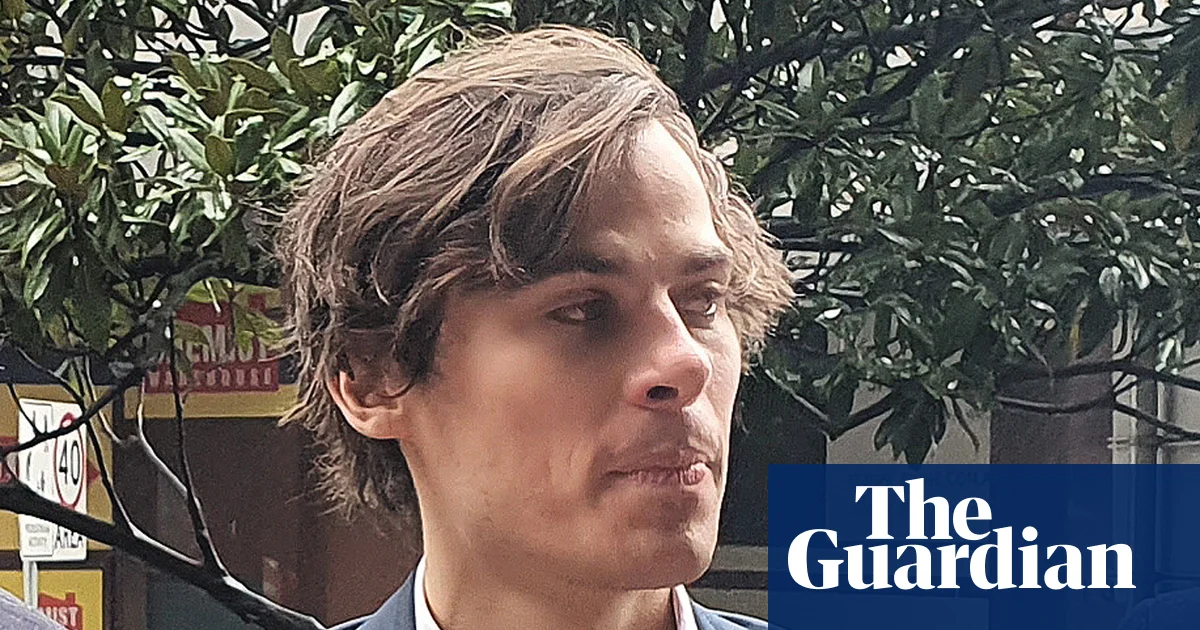
Man gets 5 years for arson targeting YouTube star FriendlyJordies’ Bondi home

In recent developments that underscore the fragile stability of modern nation-states, incidents of domestic terrorism and organized crime reveal broader questions about law enforcement capabilities and the influence of international criminal networks. A disturbing attack in Australia, where a popular YouTuber, Jordan Shanks, known as FriendlyJordies, had his home set ablaze, highlights the dangerous intersections of organized crime, political activism, and societal unrest. The arson attack, reportedly linked to the Alameddine gang, signals a worrying trend: criminal organizations extending their reach into the fabric of democratic societies, threatening the safety of citizens and the integrity of public discourse.

Analysts suggest that this incident is not isolated but a symptom of escalating crime syndicates’ influence in Australia, with police indicating possible connections to larger organized crime groups operating across borders in Southeast Asia and the Pacific. The plight of Jordan Shanks, who had been targeted for exposing local issues, underscores how free speech is coming under assault in the age of organized crime and political censorship. These developments have significant geopolitical impact: they jeopardize sovereignty, undermine rule of law, and highlight the importance of international cooperation to combat transnational criminal networks, which often operate under the radar during global power struggles.

Decisions made at the international level, such as the strengthening of extradition treaties, regional security pacts, and intelligence-sharing agreements, are crucial in curbing such threats. However, the rise of domestic violence and lawlessness also reflect broader societal shifts—a failure of social cohesion, economic instability, and political polarization—continuing to shape a volatile landscape that the global community must address. Teachers, students, and the rising youth generation are watching intently, aware that the tone of today’s decisions could define the world they inherit.

As history witnesses moments of transformation and conflict, the ongoing saga of crime, censorship, and international collaboration remains an indelible part of the larger narrative of our era. The recent events in Australia serve as a stark reminder that the battleground of tomorrow’s geopolitical conflicts lies not only in distant borders but within the very societies we strive to protect. The weight of history presses down, urging global leaders and citizens alike to consider: how do we preserve our freedoms amid rising chaos? How do nations stand firm against the rising tide of organized threats? The answers will be written in the coming days—yet, the storm of change, like the flames that consumed a simple home, leaves behind an echo that resonates far beyond the shores of Australia.

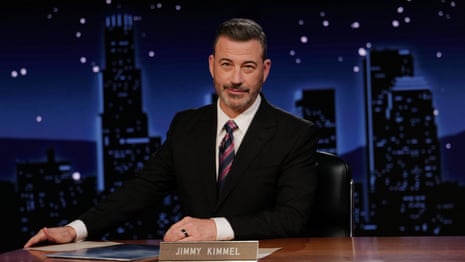
Jimmy Kimmel’s triumphant return shatters YouTube monologue viewership records

In an era where the pulse of culture often seems dictated by controversial headlines and fleeting trends, the fundamental role of culture as both a mirror and a molder of society remains undiminished. This recent flurry of media spectacle surrounding Jimmy Kimmel’s return to television underscores an enduring truth: culture is the custodian of tradition, identity, and societal values. As his monologue garnered record-breaking viewership—over fifteen million in just 16 hours—what emerges is not merely a spectacle of celebrity but a reflection of the collective consciousness grappling with freedom of expression, political pressures, and the visceral desire for authentic voice. It is a clarion call that, even amidst the cacophony of modernity, our cultural artifacts continue to serve as a battleground for the principles that define us.

Kimmel’s return was marked not solely by ratings but by the symbolic significance of a voice unshackled from censorship. His decisive stance against the recent suspension—an act driven by political and corporate interests—pays homage to the classical understanding of cultura: the cultivation of societal morals through art and dialogue. Such moments remind us of thinkers like Ortega y Gasset, who argued that culture is the collective memory which guides us through chaos, and also the prophecy of what we might yet become. In defending free speech, Kimmel echoes the sentiments of Chesterton, who saw humor and critique as the vital arteries of a truly free society, asserting that to silence voices is to stifle the very soul of democracy.

Moreover, the incident unveils the delicate nexus between media, public discourse, and tradition. Disney’s initial suspension, followed by the swift pushback from cultural advocates—Hollywood stars, free speech defenders, even political figures such as Senator Ted Cruz—reflects an underlying tension: the struggle to preserve the role of entertainment and commentary as custodians of societal integrity. Drawing parallels with the revolutions of thought during the Enlightenment, the confrontation underscores an essential truth: culture is not merely entertainment but a moral instrument, shaping the fabric of society and challenging the boundaries of political power. When these boundaries are threatened, it is not just a show that is suspended; it is the moral and intellectual shield that culture provides to a free society.

As the dust settles, the narrative of Kimmel’s resilience emerges as a testament to the enduring importance of cultural memory. His references to icons like Lenny Bruce, George Carlin, and Howard Stern evoke the long lineage of comedians who recognized their role as societal harbingers—challenging the establishment and pushing the frontiers of free thought. In this light, culture becomes both the archive of our collective experiences and the prophecy of our future. It reminds us that the act of creating, questioning, and even mocking is rooted in a profound desire to carve out space for the human spirit—a spirit that refuses to be subdued by censorship or manipulation. The echoes of T.S. Eliot’s call for poetry to carry the ‘distances of history’ and the ‘intimacies of today’ resonate in this ongoing battle for cultural authenticity.

In its essence, culture is the memory of humanity—layered with stories, struggles, triumphs, and follies. Yet it is also prophecy: a luminous beacon guiding us towards a future where truth, vitality, and individual sovereignty remain unyielded. As the great critic and thinker Chesterton observed, you cannot maintain a vibrant society without a lively culture—one that laughs, criticizes, and dares to dream beyond the constraints of superficiality. For in that dance of memories and prophecies, the human soul finds its voice, echoing through time as both witness and herald. And so, culture persists—not merely as the reflection of who we are, but as the silent architect of what we might become, whispering to each new generation that within the creative act lies the very hope of human destiny.

MPs Call for Greater Rights for UK YouTube and TikTok Creators

A new cross-party initiative has emerged, urging the government to dismantle the barriers that hinder the success of Britain’s vibrant community of online content creators. This group of MPs and peers is focused on addressing critical issues ranging from mortgage accessibility to the challenges creators face in obtaining filming permits. With the landscape of media rapidly changing, it’s vital that policies adapt to support these digital pioneers.

The growth of platforms like YouTube and TikTok has revolutionized content creation, allowing individuals to reach and engage with millions. Recent research indicates that these creators contribute a staggering £2.2 billion to the UK economy. As young entrepreneurs continue to shape the future of media, there’s a pressing need for government action to ensure they have the rights and resources necessary to thrive in this evolving industry.

Social Media Auto Publish Powered By : XYZScripts.com