Matox News

Truth Over Trends, always!

Labour’s plan: Young saplings in prisons, nature zones on military lands

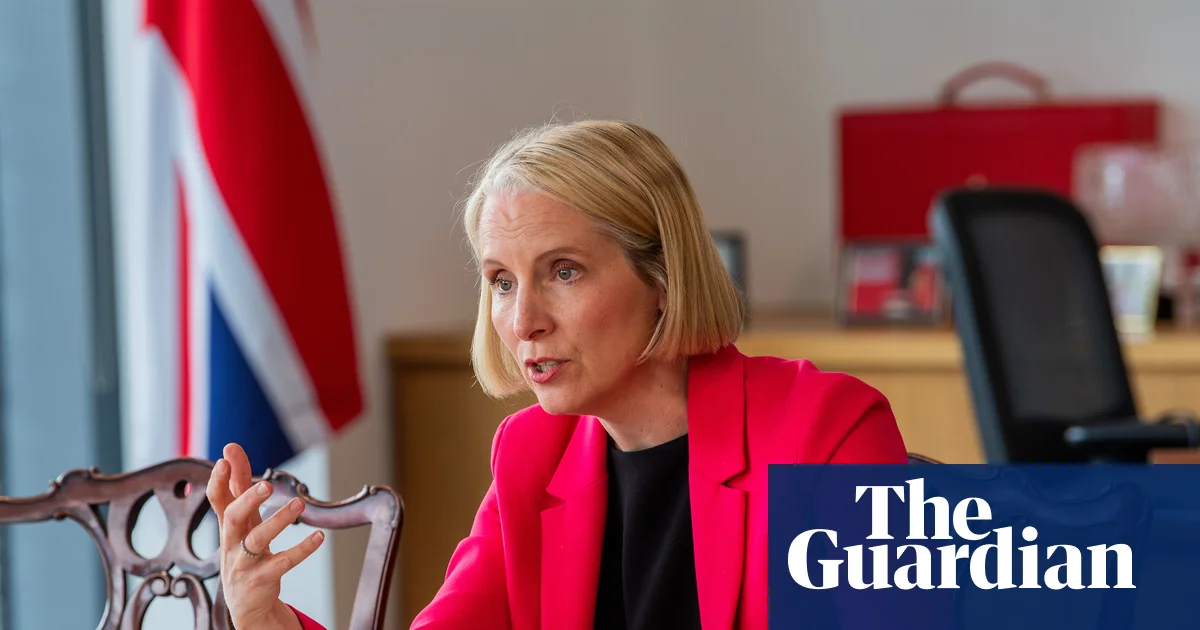
In the current political landscape of the United Kingdom, the struggle for power and ideological dominance continues to define the direction of governmental policies. Recently, the environment secretary Emma Reynolds unveiled an ambitious plan to repurpose government land, including building tree nurseries at prisons and transforming military ranges into natural habitats such as heathlands or peat bogs. This initiative is presented as a decisive step towards making the British landscape more nature-friendly amidst increasing pressure from the Green Party, which is flexing its influence during the upcoming local elections.

This move starkly illustrates the ongoing power struggle between conservative pragmatism and green ideology. While Reynolds’ proposals demonstrate a laudable aspiration to restore natural habitats, critics argue that these policies are a tactical response to political pressure rather than genuine strategic planning. The Green Party, seen by many as the rising force of ecological activism within UK politics, is pushing Labour to adopt increasingly radical environmental stances. This push-and-pull reflects a foundational debate: should environmental reform be a matter of executive action, or does it demand a redefinition of the nation’s broader political priorities?

Constitutional experts have long pointed out that such sweeping land-use reforms raise questions about the limits of governmental authority. Historically, figures like Lord Acton warned that “power tends to corrupt,” emphasizing that decision-making bodies must guard against the temptation of overreach. Today, the power dynamics within UK politics reveal that the fight is no longer merely about land but about who controls the narrative of national identity and future direction. The government’s efforts to embed environmental initiatives within national policy are thus emblematic of a broader struggle to shape the very fabric of the people’s landscape.

Ultimately, these developments exemplify that politics in the modern era remains the ultimate stage where destiny is inscribed. As the political factions jockey for influence, the decisions made today will influence generations—defining not just land use but the moral and ideological compass of the nation. It is clear that the true battle in UK politics is not solely about policies but about controlling the narrative of the future itself. In this arena, the contest for power and ideological dominance continues unabated, echoing the timeless adage that politics is where the future is written amidst the tumult of competing visions.

Schools in knife crime zones to receive targeted crisis training for students

Government Launches Initiative to Tackle Knife Crime in Schools

In a decisive move to address the rising concern of knife-related violence among youth, the government has announced a new partnership aimed at providing comprehensive training for school leaders. This initiative underscores the recognition that schools serve not only as educational institutions but also as vital community anchors. By equipping educators with the tools to identify and mitigate risks associated with knife crime, policymakers aim to foster safer environments where young people can learn and grow free from the threat of violence. Yet, such measures also highlight deeper sociocultural shifts and systemic challenges that demand a broader societal response.

Social Tensions and the Erosion of Community Bonds

Historically, communities have played a crucial role in shaping the moral fabric and social cohesion of young people. However, many areas experiencing socioeconomic decline have seen a breakdown of these communal bonds, creating fertile ground for youth to become embroiled in gang culture and illegal activities. Sociologists like Robert Putnam have documented how social capital—the networks of trust and cooperation—has diminished in disadvantaged neighborhoods. This erosion leaves at-risk youth more vulnerable to peer pressure and violent influences, ultimately impacting families and the wider social fabric.

Educational Challenges and the Role of Schools

Schools are often considered the frontline in the fight against youth violence, but they face complex challenges rooted in educational inequalities and resource limitations. Many educators report feeling ill-equipped to handle these issues without proper training or support systems. The new program seeks to arm school leaders with insights into risk indicators and intervention strategies, emphasizing that prevention begins with understanding the social contexts students navigate daily. Historical patterns show that when educational institutions are disconnected from community realities, efforts to curb violence are less effective—underscoring the need for holistic, community-inspired approaches.

Challenges and Prospective Solutions for Society

  • Developing integrated community programs that combine education, mental health services, and social support networks.
  • Enhancing youth engagement initiatives to foster leadership and positive social identity.
  • Supporting families through outreach and parenting programs that reinforce community values and resilience.
  • Addressing the root causes of youth disenfranchisement, such as unemployment, inequality, and limited access to quality education.

The contemporary challenge is not solely about reactive measures but about healing the societal wounds that have deepened over decades. Thought leaders like sociologist Charles Murray have argued that a culture of responsibility and opportunity is essential to reversing trends of youth violence. As communities grapple with demographic shifts and cultural tensions, it becomes imperative for society to adopt a comprehensive approach—one that emphasizes not only law enforcement but also moral education, social cohesion, and economic empowerment. Ultimately, safeguarding our youth requires that we reflect on the societal values we uphold and the future we seek to build—a future where safety and opportunity are accessible to all.

Social Media Auto Publish Powered By : XYZScripts.com



