Matox News

Truth Over Trends, always!

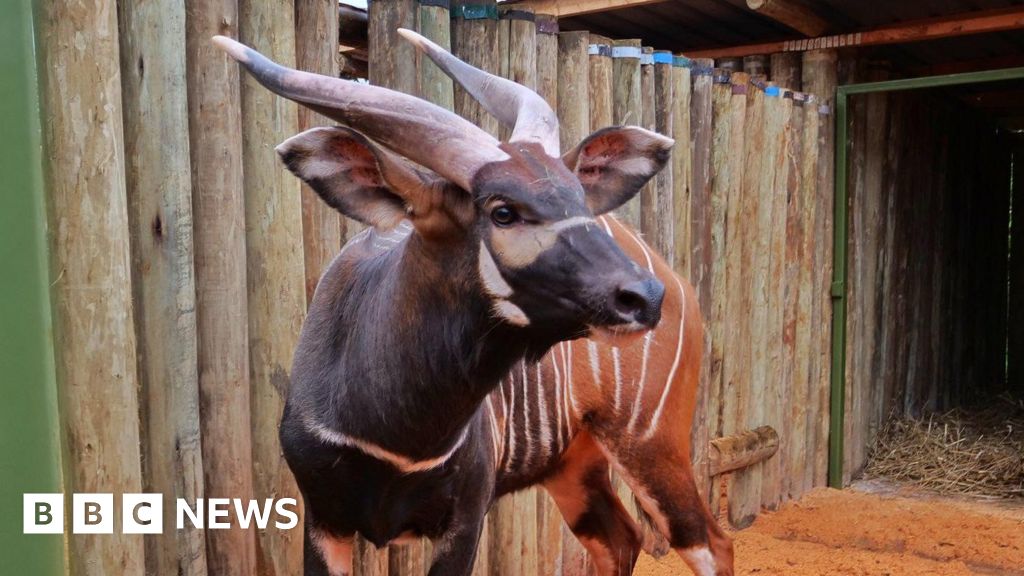
Endangered Antelopes Return to Kenya from Czech Zoo in Historic Homecoming

Amidst the rugged terrains of Kenya, a true icon of biodiversity teeters on the brink of extinction. The mountain bongo, a rare antelope endemic to Kenyan highland forests, now numbers fewer than 100 individuals in the wild—an alarming indicator of escalating environmental pressures and inadequate conservation efforts. This critically endangered species symbolizes broader ecological vulnerabilities that threaten not just Kenya but impacting regional biodiversity and global ecological stability. Conservationists, governmental agencies, and international organizations continue to grapple with the pressing need for sustained efforts to save this species before it vanishes entirely.

The decline of the mountain bongo illustrates a complex interplay of human activity, habitat degradation, and insufficient enforcement of protected areas. As Kenya faces rapid population growth and expanding agricultural frontiers, vital highland forest habitats are increasingly under threat. Historically, experts like Dr. James Carter, a leading ecologist, have warned that without aggressive intervention, keystone species such as the mountain bongo could disappear, disrupting ecological balances in the region. Global organizations like UNEP and WWF emphasize that saving the mountain bongo requires international collaboration—particularly in addressing emergent threats such as poaching and climate change, which compound habitat loss.

International attention has shifted towards innovative conservation initiatives.

  • In 2022, Kenya established a series of protected corridors aimed at reconnecting fragmented habitats and ensuring genetic diversity for the remaining population.
  • Islamic conservation groups have launched funding campaigns prioritizing the species’ survival, acknowledging its symbolic value as Kenya’s natural heritage.
  • Scientists are exploring captive breeding programs, yet experts maintain that reversing habitat loss remains critical to sustainable recovery.

Meanwhile, analysis by geopolitical observers highlights how conservation challenges often interact with regional stability. Border disputes, land-grabbing, and economic development programs tend to marginalize environmental priorities, exacerbating species decline. The fate of the mountain bongo is thus entwined with broader geopolitical currents that impact regional policy, resource allocation, and social stability.

As the world witnesses a crescendo of environmental crises, the story of the mountain bongo serves as a somber reminder of how fragile our ecological heritage truly is. Historians continue to debate whether humanity’s surge into resource exploitation represents progress or a reckless abandonment of stewardship. The parameters of international responsibility are being tested as nations grapple with the potential loss of unique biodiversity—an irreplaceable component of Earth’s natural tapestry. In the shadow of dwindling populations and fading ecosystems, the question remains: will decisive global action come in time, or will this remarkable creature become a silent victim of mankind’s neglect—another chapter in the tragic saga of extinction?
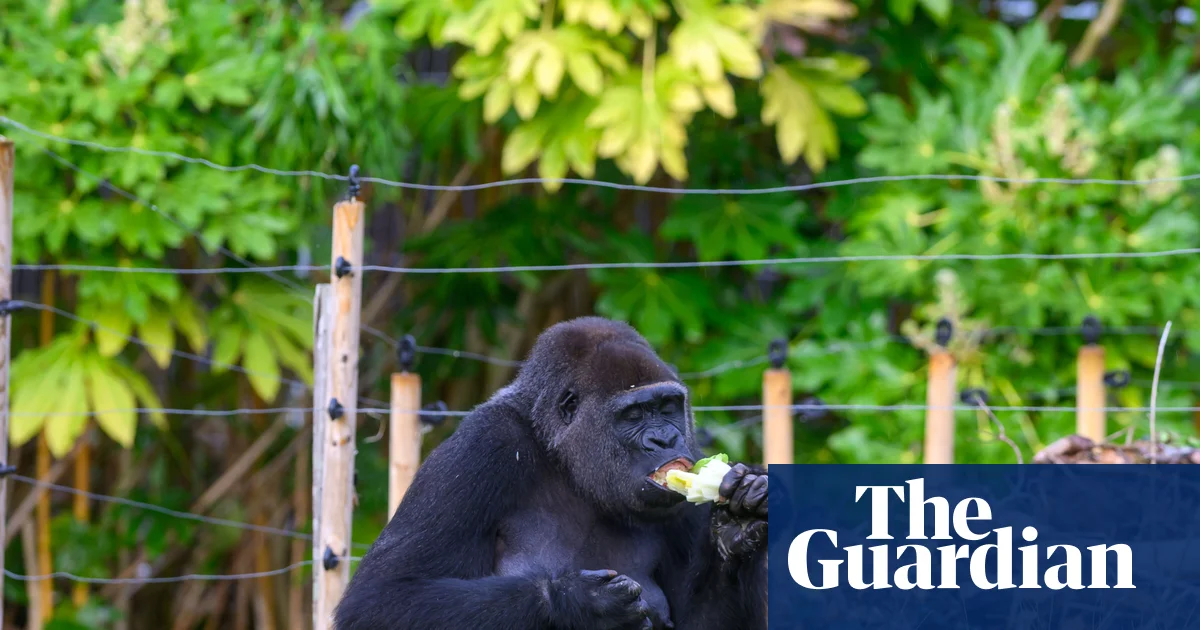

Bristol Zoo: ‘Loneliest’ Gorillas Thriving, Stronger Than Ever

In a world where geopolitical conflicts dominate headlines, the plight of individual species and local conservation efforts often fade into insignificance. Yet, recent developments at Bristol Zoo serve as a microcosm of broader issues facing humanity—balancing between conservation and human curiosity, security concerns, and societal perceptions. The controversy over the welfare of western lowland gorillas, confined behind barriers in Bristol, highlights how societal priorities and international commitments collide within the realm of animal conservation, carrying profound geopolitical implications. As global institutions face mounting pressure from environmental activists and local governments grapple with safety and funding, the decisions made at this tranquil zoo reverberate across borders, influencing international conservation strategies and the collective moral standing of nations.

Underlying the media frenzy is a larger narrative about how international cooperation and national policies influence conservation. The Bristol Zoo’s transition to the new Bristol Zoo Project exemplifies a strategic shift—one driven by costly infrastructure upgrades, security concerns, and modern animal welfare standards. The zoo’s management insists that their gorillas—an insurance population for their species—are thriving under their care, regardless of how the media or intruders portray their emotional states. This situation underscores the importance of international protocols such as those championed by the World Wildlife Fund (WWF) and TRAFFIC, which promote not only habitat preservation but also captive breeding programs crucial for maintaining genetic diversity. However, critics, including conservation charities like Born Free, argue that inadequate security measures risk undermining these efforts, raising questions about how nations prioritize human safety versus animal welfare.

In the broader geopolitical landscape, the fate of such species often reflects a nation’s global standing and commitment to environmental responsibilities. Countries participate in treaties like the Convention on International Trade in Endangered Species (CITES), aiming to combat poaching and illegal trafficking, yet progress remains uneven. The recent trespassing incident at Bristol—an act of urban exploration—symbolizes a larger discord: a society increasingly disconnected from conservation and ill-equipped to enforce protective measures. As international agencies warn of the catastrophic loss of biodiversity—particularly for vulnerable primate populations—these incidents pose not just local security issues but questions about the effectiveness of global environmental governance. The international community’s ability to ensure secure, well-funded, and ethically managed conservation programs directly correlates with a nation’s capacity to influence global ecological stability and human development.

As history unfolds, the silent echoes of these decisions continue to shape the course of future generations. The unresolved tension between human curiosity and animal welfare, security concerns and conservation priorities, exemplifies the complexities encountered by a world seeking sustainable progress without sacrificing legacy. The western lowland gorillas at Bristol stand as a poignant symbol—an emblem of how localized choices ripple outward, forging a legacy of environmental stewardship or neglect. The path the international community chooses will determine whether we are remember as guardians of creation, or as the architects of a bygone era where the voice of nature was drowned out by the noise of human ambition. In this narrative, each decision echoes across the corridors of time, leaving a legacy that can either save or condemn the fragile threads that bind our shared future together.

Social Media Auto Publish Powered By : XYZScripts.com


