TiVo’s Decline: A Lesson in Innovation and Industry Disruption
Once hailed as a pioneer in digital video recording, TiVo now stands as a cautionary tale of missed opportunities amidst the relentless pace of technological disruption. The company’s early dominance with its advanced DVR technology was built on a series of groundbreaking features, protected fiercely through the now-infamous US Patent 6,233,389, popularly known as the Time Warp patent. However, despite its patenting strength, TiVo’s focus on prolonged intellectual property battles with industry giants such as Motorola, Time Warner, AT&T, and others diverted its energy from innovation to litigation. The company’s victory streak in patent suits culminated in a $500 million settlement with EchoStar, but critics argue this legal fervor drained resources that could have been used to pioneer the next wave of entertainment technology.
Failure to Capitalize on Industry Shifts
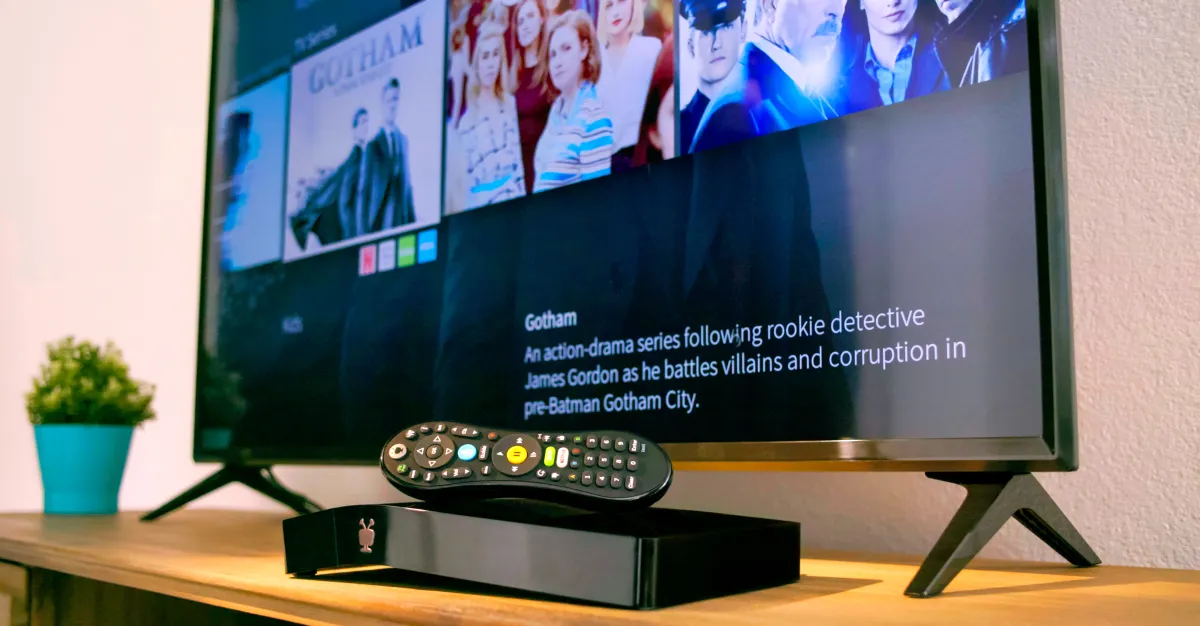
The television and digital video space rapidly evolved with the advent of streaming services and smart TVs. TiVo, despite adding support for Netflix and Hulu, struggled to keep pace with the disruptive market forces. Rivals like Roku and Google Chromecast exemplified this shift by offering low-cost, plug-and-play streaming solutions at impulse-purchase prices—sometimes as low as $49.99—eroding the premium perception of TiVo’s hardware. Meanwhile, the smart TV operating systems gained in capability, making dedicated set-top boxes increasingly redundant. The company’s traditional advantage—the user-friendly interface and iconic peanut remote—became less relevant as consumers gravitated towards integrated, smart TV platforms fueled by massive changes in consumer expectations and wider industry trends. TiVo’s incremental approach, heavily reliant on licensing its patents and litigating, starkly contrasted with the innovative disruption led by companies embracing software-first, streaming-focused environments.
From Hardware to Patent Licensing: A Changing Business Model
The acquisition of Rovi in 2016, a firm specializing in patent licensing, epitomized TiVo’s shift from hardware pioneer to patent troll. Instead of developing cutting-edge hardware or new OS platforms, the company pivoted towards monetizing its extensive patent portfolio through licensing and litigation. When Xperi acquired TiVo in 2020, it marked the end of an era for consumer hardware innovation, with the TiVo Edge being last of its kind before hardware production was quietly discontinued. The new focus on licensing underscores a broader trend where patent hoarding and legal battles replace technological innovation as industry drivers. Critics like Gartner analysts warn that such a model, while profitable in the short term, could spell long-term obsolescence in a competitive market that favors agility and consumer-centric innovation.
The Future of Digital Video Technology
The shift away from traditional hardware to software-driven platforms is accelerating, with giants like Apple and Google investing heavily in their own ecosystems. The announced focus of TiVo’s successor operations—namely a new smart TV OS—comes *15 years too late* amid a landscape dominated by native platform integrations. Industry insiders such as Elon Musk and Peter Thiel emphasize the importance of disrupting entrenched legacy systems with truly innovative, consumer-first solutions, rather than relying on old patent hoarding tactics. The key for future success will hinge on how quickly and effectively emerging players can leverage AI, edge computing, and next-generation streaming services to outpace competitors and redefine consumer expectations. Industry momentum is shifting decisively towards integrated, streaming-first, software-centric ecosystems—those that innovate rather than litigate will seize the future.