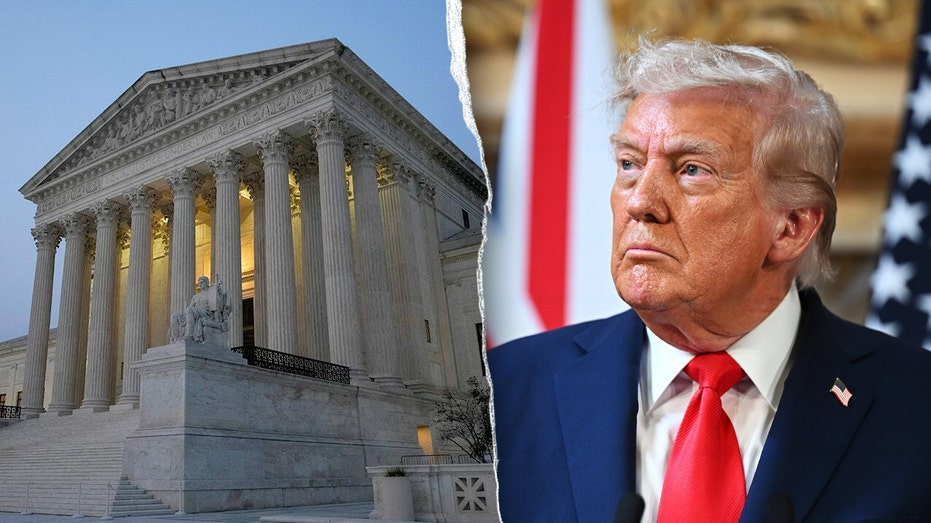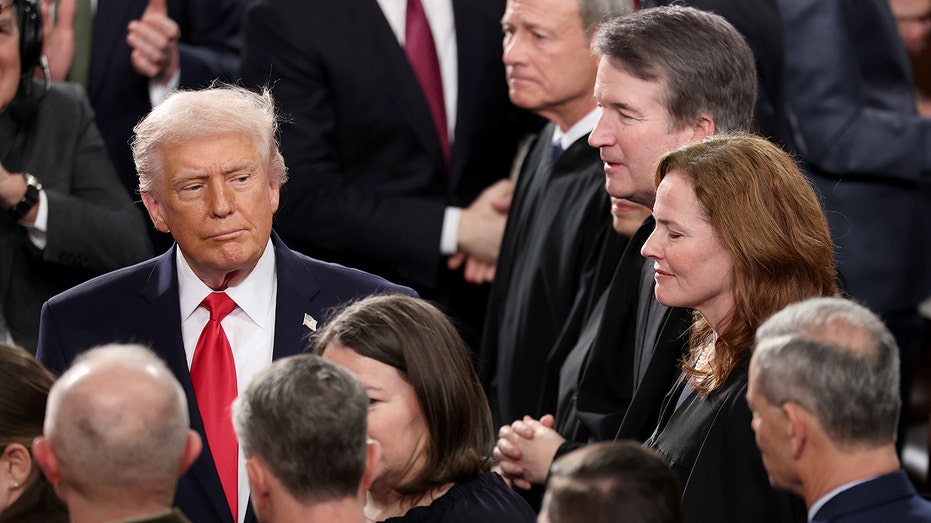
Former President Donald Trump has publicly criticized Supreme Court Justices Neil Gorsuch and Amy Coney Barrett, two of his own appointees, over a recent ruling concerning tariffs. In a lengthy statement posted on Truth Social, Mr. Trump alleged the decision cost the United States a staggering $159 billion and highlighted what he perceived as a profound lack of respect for the nation and its people.
The former president’s strong remarks underscore a growing tension between executive expectations and judicial independence, particularly when significant policy outcomes are at stake. His disappointment comes amidst a broader political landscape where institutional power struggles often dominate national discourse.
A Costly Judicial Decision
Mr. Trump specifically targeted the tariff ruling, calling it an “illegal” or “unconstitutional” determination that contradicted his preferred economic strategies. He expressed frustration that this decision, arrived at by a close vote with three strong dissents, impeded his ability to implement tariffs quickly and effectively. While acknowledging an alternative, slower method, the former president emphasized the immediate and substantial financial impact he attributed to the Court’s judgment.
“Yes, I have another way of doing Tariffs, but it is far slower, and more laborious than what was just determined, in a close decision, to be ‘illegal’ or ‘unconstitutional,’ with three powerful, and highly accurate, dissents!” Trump wrote, underscoring his belief that the ruling was a setback for national economic policy.
Expectations of Loyalty and National Interest
In his candid post, Trump articulated his expectations for those in positions of power, stating, “I don’t want loyalty, but I do want and expect it for our Country.” This sentiment reflects a perspective that judicial decisions should align with what he views as the national interest, particularly on matters of economic stability and sovereignty. He suggested that such rulings, if repeated, could lead to significant national breakdown.
The former president’s comments highlight a recurring theme in his public statements: the importance of appointees aligning with a broader vision for the nation, even within the independent judiciary. His frustration appears rooted in a perception that the Court’s decision undermined a critical tool for American economic leverage.
The Shadow of Birthright Citizenship
Adding to his critique, Mr. Trump also linked the tariff decision to a pending Supreme Court ruling on Birthright Citizenship. He warned that a negative outcome on this issue, combined with the recent tariff judgment, would be “not Economically sustainable for the United States of America!” This concern, detailed in a report by the News Desk, points to his desire to end practices like “birth tourism,” where foreign nationals seek U.S. citizenship for their children born on American soil. The Court’s decision on this matter is anticipated in the coming weeks.
- Tariff Ruling: Alleged cost of $159 billion to the U.S.
- Judicial Independence: Trump’s call for decisions guided by “Good, Strong, Common Sense.”
- Birthright Citizenship: Pending decision seen as another critical economic and national security issue.
- Presidential Respect: Trump noted his historic attendance at a Supreme Court session went unacknowledged.
Institutional Scrutiny and Future Implications
The former president’s direct challenge to sitting Supreme Court justices is a significant moment, emphasizing the ongoing debate about the boundaries of judicial review and executive authority. His remarks suggest a profound concern about the judiciary’s impact on national policy and the balance of power among governmental branches.
As the nation looks ahead, the implications of these high-profile criticisms extend beyond the immediate rulings, contributing to broader discussions about judicial activism, the role of the Supreme Court, and the future direction of American jurisprudence.