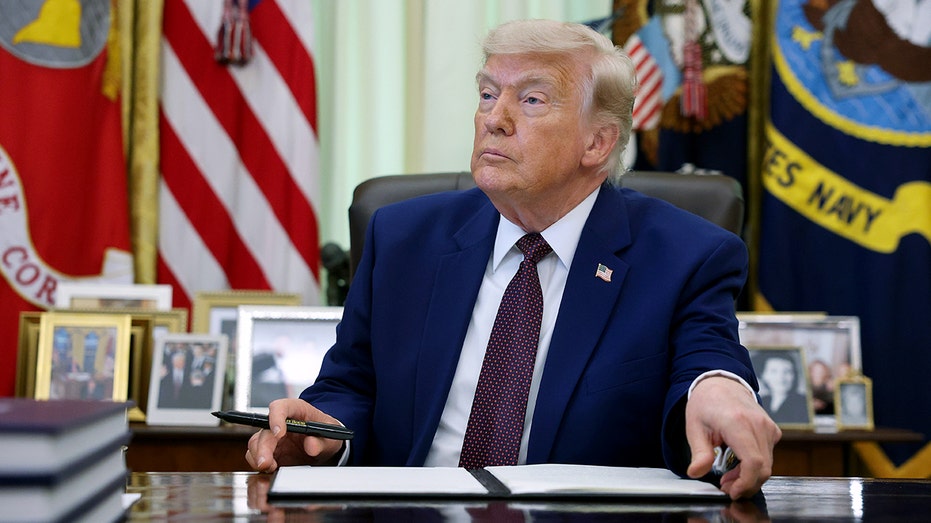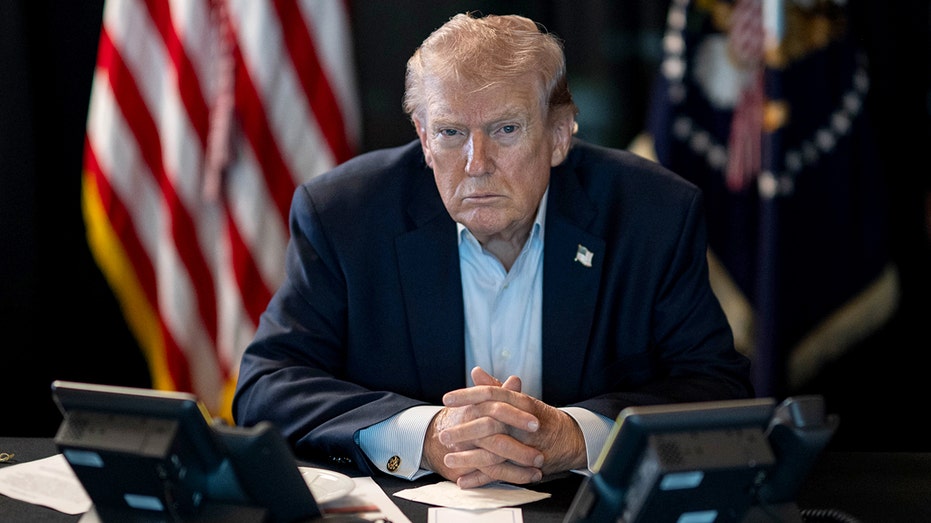
Former President Donald Trump declared a resounding victory in Tuesday’s GOP primaries, asserting that every candidate he endorsed emerged triumphant. This claim, widely supported by primary results across the nation, highlights Trump’s enduring and formidable endorsement power within the Republican Party. While these victories solidify his influence, they also ignite a critical debate among strategists regarding the party’s broader prospects in the crucial autumn midterm elections.
An Unprecedented Display of Influence
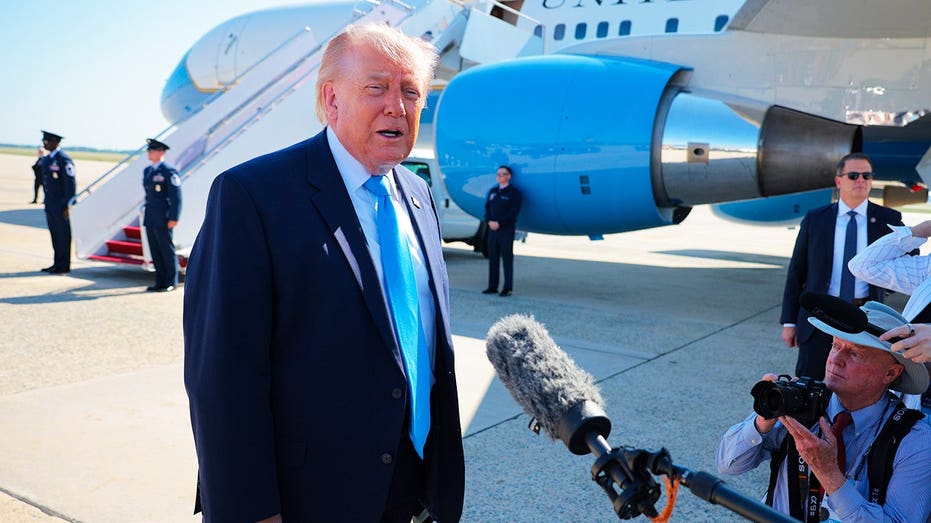
On Wednesday morning, President Trump utilized social media to trumpet his candidates’ 37-0 record in Tuesday’s primary contests. This perfect streak, he told reporters, demonstrated that “We won all races last night. Every one of them.” The sheer force of his political backing was particularly evident in several high-profile races, notably in Kentucky’s 4th Congressional District. There, Trump-backed Ed Gallrein successfully unseated incumbent Rep. Thomas Massie, a contest that drew significant national attention.
This outcome, reported by outlets like the News Desk, showcased Trump’s capacity to reshape local and national political landscapes through his direct involvement. His endorsements are not merely symbolic; they are a potent force capable of swaying Republican voters and determining the fate of candidates.
Strategic Concerns for the Midterms
Despite the celebratory mood among Trump loyalists, a growing number of Republican strategists express apprehension about the long-term implications of this primary dominance. While a strong base is vital, the former president’s heavy hand in selecting primary candidates could present challenges when the party seeks to unite and appeal to a broader electorate in the general elections. Republicans are set to defend slender majorities in both the House and Senate, making every race critical. The focus on loyalty to Trump in primaries, rather than broader electability, could potentially jeopardize these majorities.
Reaffirming Party Loyalty and Control
Tuesday’s results further underscored Trump’s consistent effort to consolidate his control over the Republican Party by targeting those who have defied him. This pattern was evident two weeks prior, when five state senators in Indiana were purged for opposing his push for congressional redistricting. Similarly, Senator Bill Cassidy of Louisiana, who voted to convict Trump in his second impeachment trial five and a half years ago, lost his bid for renomination just days before Tuesday’s primaries.
The defeat of Rep. Thomas Massie, a libertarian-minded lawmaker and vocal Trump critic for 14 years, particularly over foreign policy disagreements, serves as a stark warning. It illustrates the former president’s unwavering determination to ensure party alignment and punish perceived disloyalty, reinforcing his grip on the party’s direction and its institutional power.
“We won all races last night. Every one of them.” – Donald Trump
As the midterm elections draw nearer, the Republican Party faces a complex balancing act. The undeniable influence of Donald Trump in securing primary victories for his chosen candidates has undeniably strengthened his hold on the party’s base. However, the ultimate test will be whether this fervent loyalty translates into broader electoral success in November, particularly in swing districts and states where a more moderate appeal might be necessary. The party’s ability to navigate these dynamics will define its future trajectory and the fate of its legislative agenda.