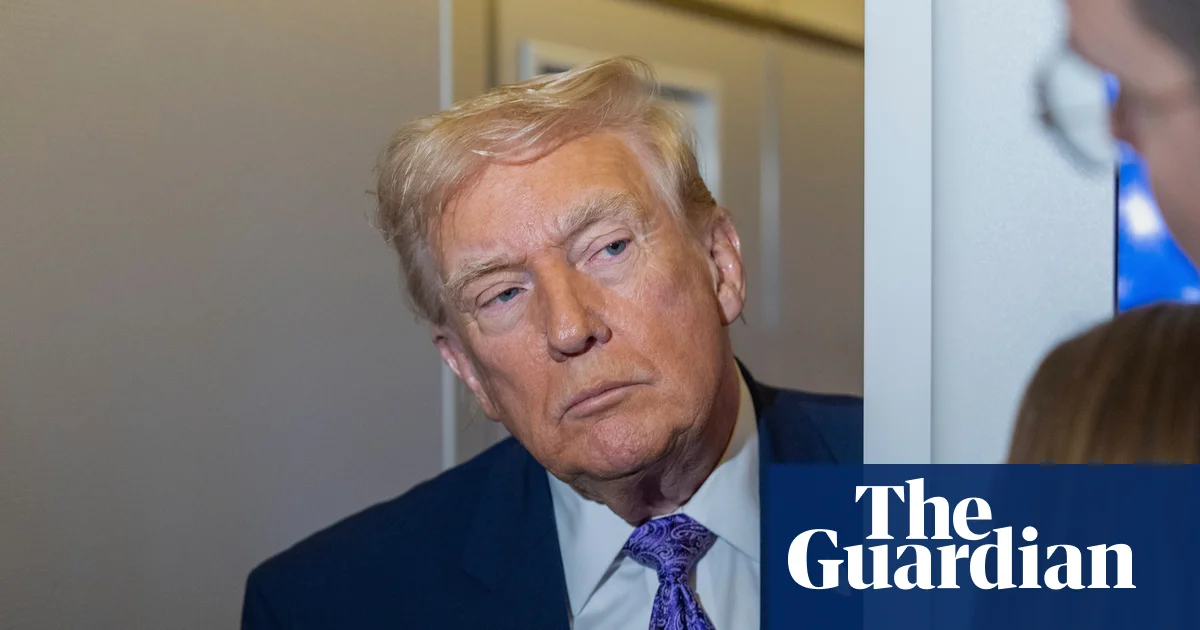
The recent developments in Venezuela signal a pivotal shift in international relations and regional stability. President Donald Trump publicly confirmed his communication with Venezuelan President Nicolás Maduro, although details remain scant. This clandestine interaction marks a notable departure from previous US policies that predominantly isolated Maduro’s government, emphasizing potential shifts toward diplomacy amidst ongoing tensions. While Trump’s comments downplay the nature of the conversation as “just a phone call,” analysts worldwide acknowledge the significance of such a dialogue, especially in the context of escalating US measures against Caracas.
For months, U.S. policy has oscillated between aggressive unilateral actions and cautious overtures. The recent naval and airspace maneuvers—such as closing off Venezuelan airspace and contemplating military strikes—reveal a strategy rooted in maximum pressure. However, the fact that Trump entertained discussions with Maduro fuels speculation about a potential pivot. Prominent geopolitical experts, including analysts at the Council on Foreign Relations, argue that this engagement could be a response to expanding US fears over regional influence. It signals a broader geopolitical calculus—one that recognizes Caracas as a vital pawn in the chess game of US and Russian interests in Latin America.
The US’s hardline stance is driven by concerns over Venezuela’s alleged role in illegal drug trafficking, which Washington claims fuels the deadly opioid crisis back home. Despite these claims, Maduro vehemently denies links to drug trade, asserting that accusations serve as pretexts for regime change. The ongoing military buildup, including strikes on suspected drug trafficking boats, raises profound questions about respect for international law and sovereignty. Critics, including human rights organizations, decry the strikes as potential extrajudicial killings, further complicating the US’s moral and strategic standing. The looming threat of military intervention—coupled with diplomatic overtures—embeds Venezuela as a volatile hotspot, with its geopolitical impact resonating throughout the Americas.
Historian and international analyst Dr. Maria Lopez emphasizes that this phase of US policy reflects a fundamental shift: “We are witnessing a fusion of threat and diplomacy that may redefine the region’s political landscape,” she states. How the Biden administration, or future US leadership, navigates this delicate balance could determine whether Venezuela spirals into open conflict or slowly transitions toward negotiations. Meanwhile, Latin American nations invested in regional stability are watching with mounting concern, aware that any miscalculation could ignite a wider crisis. Neighboring countries, some sympathetic to Maduro, insist that international law requires dialogue over force, yet the US appears ready to escalate.
As history continues to unfold, the weight of these decisions hangs heavily over the Caribbean and beyond. The decisions made today—whether through war, peace, or strategic diplomacy—will craft the narrative of an era marked by global shifting alliances and enduring struggles for sovereignty. The curtain has been raised on what could be the defining chapter of the 21st century’s geopolitical saga, leaving philosophers and statesmen alike pondering: are we witnessing the birth of a new Cold War, or merely a temporary upheaval in Latin America’s tumultuous history? Only time will tell, but one truth remains certain: the story of Venezuela, and indeed the world, is far from over.