Geopolitical Tensions Surface as Honduras Heads to the Polls Amid Controversial U.S. Interventions
As the Honduran electorate prepares for their upcoming presidential election this Sunday, international observers, including the Organization of American States and Washington, remain vigilant about the political climate and the potential ramifications on regional stability. The race is notably close, with candidates such as Tito Asfura, Rixi Moncada, and Salvador Nasralla vying for leadership of a nation historically caught between external influences and internal strife. Yet, beneath the surface of a democratic process, recent U.S. actions and political maneuvering reveal a more complex, often troubling geopolitical narrative that extends well beyond Honduras’ borders.
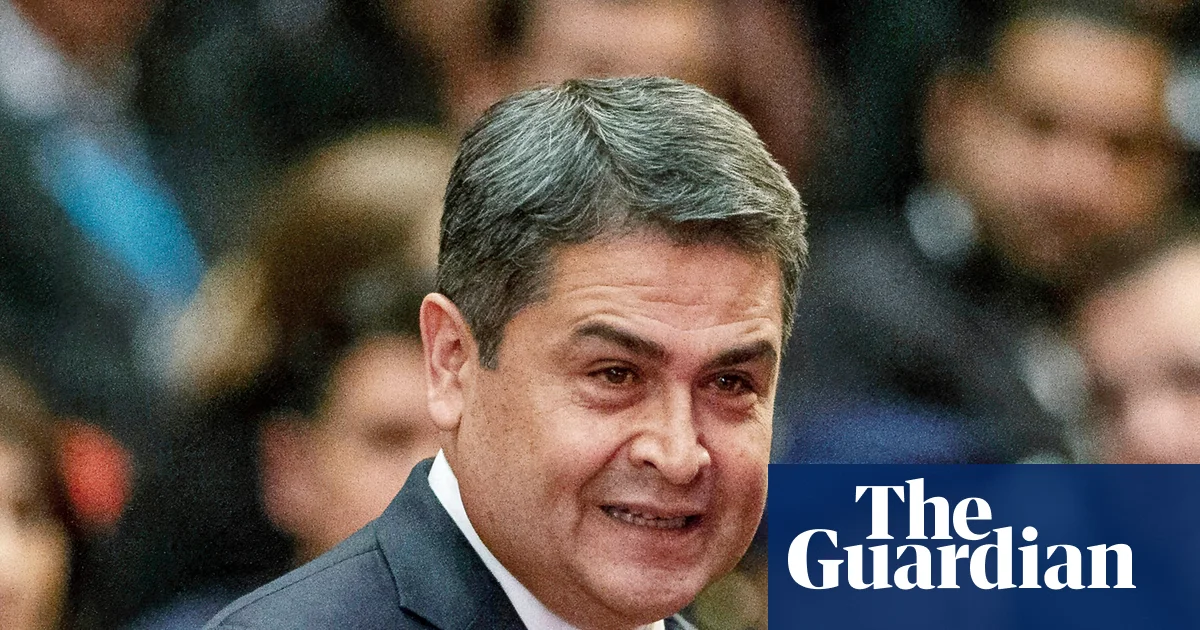
Former President Juan Orlando Hernández, now serving a 45-year sentence for accepting bribes linked to drug trafficking, has become a focal point in this international chess game. Just days before the election, Donald Trump declared his intent to issue a full and complete pardon for Hernández, claiming the ex-leader had been treated unfairly. This move underscores Washington’s enduring engagement with Honduras, where Hernández’s tenure was marked by close ties to U.S. interests and an open alliance with anti-drug strategies that often bypassed diplomatic norms. Historically, U.S. policymakers have leveraged such relationships to secure regional parameters that favor their geopolitical objectives, particularly in combating drug flows into America. However, critics argue this approach exacerbates corruption and undercuts democratic legitimacy, especially when the political process becomes entangled with extrajudicial efforts and covert operations.
Implications of U.S. Involvement and Shifting Alliances
- Honduras has pivoted historically toward U.S. support under Hernández’s leadership, but recent elections pose challenges to this model, with Xiomara Castro pushing a more independent, leftist agenda.
- Castro’s government, though pragmatically maintaining some cooperation, has openly criticized U.S. policies toward Cuba, Venezuela, and the broader Latin American left, providing a counter-narrative to Washington’s influence.
- The U.S. claims to combat drug trafficking via designations of cartels as terrorist organizations and conducting military strikes have drawn international criticism for their humanitarian toll, raising questions about the efficacy of such strategies when deployed as tools of foreign policy rather than justice.
Despite the growing tensions, the election’s outcome remains unpredictable, with some analysts warning that the political landscape could further fragment should multiple candidates claim victory—a possibility that could deepen instability in a country vital to U.S. southern policy. Historians and regional analysts emphasize that this election signifies more than the choice of a leader; it is a reflection of America’s ongoing efforts to shape Central America’s future, often at the expense of local sovereignty. The recent moves by Trump and other figures demonstrate a pattern where personal political gains intertwine with geopolitics, influencing policies that have profound implications for regional security, migration, and economic development。
Shifting Alliances and Future Uncertainties
Meanwhile, Castro’s government, while receiving some engagement from the Biden administration, has managed to sustain relations with Cuba and Venezuela, challenging traditional U.S. narratives of dictatorships and economic crises. This pragmatic shift signals a broader regional pivot away from pure U.S. influence towards more diverse partnerships, a development noted with cautious optimism by international observers. Yet, the overarching concern remains: how will these geopolitical shifts affect the stability of Honduras and the wider Central American corridor?
As history continues to unfold, the impact of external powers like the U.S., combined with internal political dynamics, will determine whether Honduras moves toward deeper democracy or succumbs to chaos. The coming days are critical, not just for Hondurans, but for the entire hemisphere as each decision could shape the trajectory of regional order for decades to come. The weight of history presses down, reminding the world that today’s choices are the foundations upon which liberty, sovereignty, and stability will be built—not only in Honduras but across a fragmented and restless Latin America.