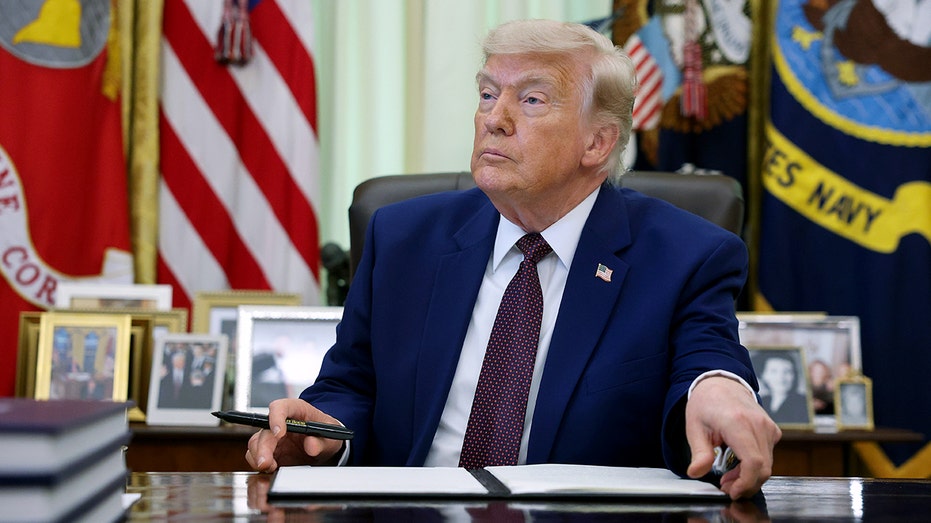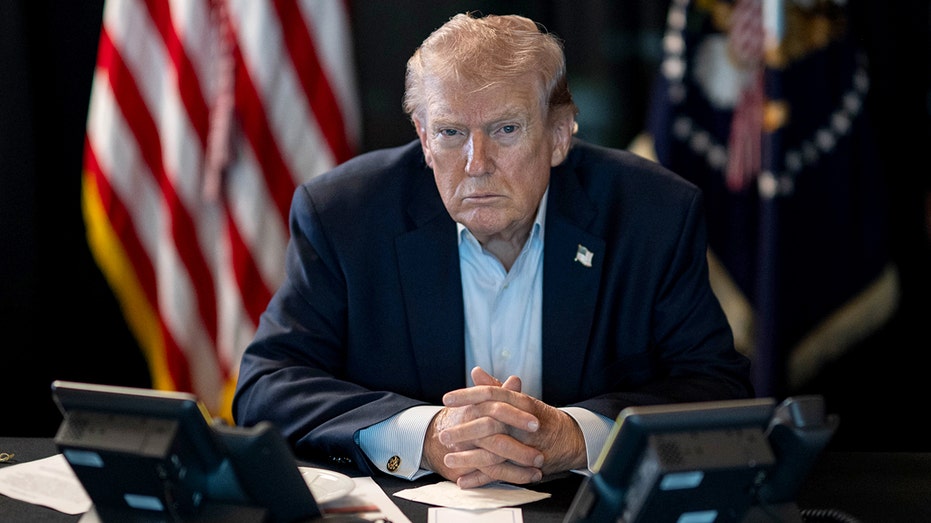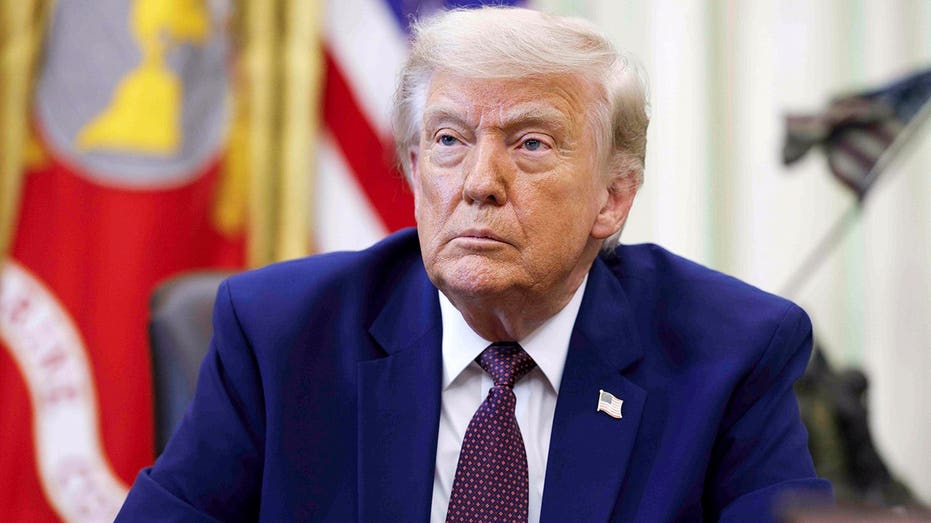
Former President Donald Trump has issued a strong call to congressional Republicans, urging the immediate passage of a third budget reconciliation package. This bold legislative maneuver aims to inject an additional $350 billion into defense spending, an initiative he dubs the “Arsenal of Freedom,” alongside critical voter identification and citizenship verification reforms. Yet, this aggressive Trump’s $350 billion defense push is meeting a cool reception from many GOP lawmakers, highlighting growing internal divisions over both policy and legislative strategy.
A Generational Investment in National Security
President Trump articulated his vision for a drastically strengthened military, directly appealing to his party to bypass traditional legislative hurdles. On Truth Social, he declared this proposed investment “even bigger than President Reagan’s,” asserting that “Recon 3.0 is the ONLY path to the full $1.5 TRILLION DOLLAR Military Budget our Warriors need in order to build THE ARSENAL OF FREEDOM.” This substantial funding is intended to bolster the nation’s defense capabilities significantly, ensuring the United States maintains its global leadership in security. The administration argues that such a rapid infusion of capital is essential to address evolving geopolitical threats and modernize military infrastructure without delay.
Coupled with the defense spending, the President is also advocating for the Safeguarding American Voter Eligibility (SAVE) America Act. This legislation seeks to implement stricter voter ID requirements and enhance citizenship verification processes at the ballot box, a long-standing conservative priority aimed at securing electoral integrity and restoring public confidence in election outcomes. The dual focus underscores a comprehensive approach to national strength, encompassing both military might and democratic foundational principles.
GOP Lawmakers Express Hesitation
Despite the President’s fervent appeals, numerous Republicans in Congress are showing significant reluctance towards initiating another budget reconciliation process. This legislative tool, which allows certain bills to pass with a simple majority in the Senate, demands strict party unity—a considerable challenge as the legislative calendar dwindles ahead of the November midterm elections. Lawmakers are wary of the political capital required to enforce such unity, especially on a package that combines diverse policy elements.
Concerns extend beyond procedural difficulties. Some GOP members have not fully embraced Trump’s broader $1.5 trillion defense spending request, questioning the necessity of such a rapid and massive increase outside of conventional budget planning. There is also palpable unease about circumventing the normal appropriations process, a move many see as undermining the traditional checks and balances of congressional oversight and potentially setting a problematic precedent. This institutional friction underscores a broader divergence on how best to achieve strategic national goals while adhering to established legislative norms. Critics within the party argue that rushing such a significant package could lead to unforeseen consequences and diminish the quality of legislative scrutiny.
Prior Reconciliation Efforts and Emerging Discord
The current request follows President Trump’s recent success in signing a second budget reconciliation bill into law, which allocated $70 billion for immigration enforcement throughout his presidency. Prior to that, his “One Big Beautiful Bill Act” also navigated Congress successfully via reconciliation. These past legislative victories demonstrate the potential of the reconciliation process when party lines hold firm.
However, the call for a third such package highlights an increasing policy rift between the President and certain congressional Republicans. As reported by the News Desk, these growing disagreements are making the passage of key legislation on Capitol Hill progressively more difficult, even on issues traditionally supported by the party, such as defense and election security.
“Recon 3.0 is the ONLY path to the full $1.5 TRILLION DOLLAR Military Budget our Warriors need in order to build THE ARSENAL OF FREEDOM.”
The coming weeks will test the cohesion of the Republican Party as President Trump presses for his ambitious agenda. The debate over the $350 billion defense push and accompanying voter integrity measures is not merely about funding; it reflects a deeper struggle over legislative strategy, institutional norms, and the balance of power within the conservative movement. Whether the President can rally sufficient support to overcome the skepticism within his own ranks remains a pivotal question for the legislative session.