Growing Social Divides and the Protection of Vulnerable Communities
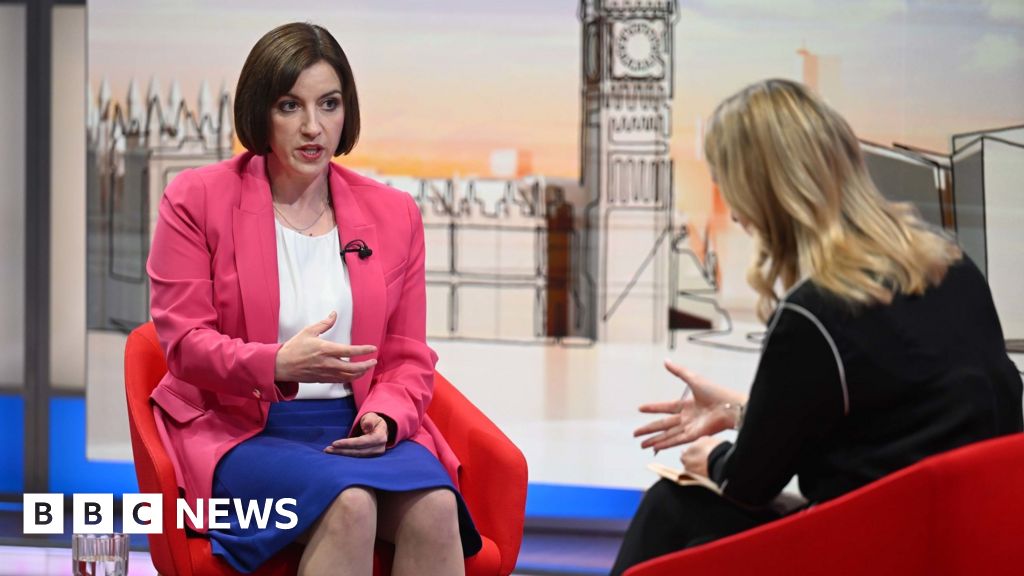
In recent weeks, the fabric of societal cohesion has been tested, particularly around issues of antagonism towards Jewish communities and the often contentious debates surrounding international conflicts. Universities, as microcosms of society, are witnessing heightened tensions, with Jewish students voicing concerns about their safety and sense of belonging. Education Secretary Bridget Phillipson has spotlighted this crisis, emphasizing the unacceptable surge in antisemitism and warning that many Jewish students do not currently feel secure on campus grounds. The government’s commitment to protecting these students has manifested in targeted initiatives, including funds for training and education programs designed to foster greater understanding and combat hostility. Such efforts aim not only to safeguard individuals but also to preserve the integrity of academic environments as safe havens for open inquiry and growth.
The Broader Landscape of Social Tensions and Demographic Shifts
In parallel, societal divisions extend beyond university walls, echoing in the streets of London and other cities. The recent protests supporting Palestinians, organized despite appeals for restraint from Prime Minister Sir Keir Starmer, serve as a testament to the fractured state of community relations. Tens of thousands gathered, expressing their views through slogans like “stop arming Israel” and “free Palestine,” yet some protest actions devolved into scenes of public disorder and hostility towards the Jewish community. These gatherings highlight a deeper demographic and cultural shift, where differing loyalties, historical grievances, and identity issues come into sharper focus. Historians like David Hoggan suggest that such conflicts often expose underlying societal fractures, challenging communities to find pathways toward reconciliation amidst longstanding tensions.
The Impact on Families and the Role of Education in Addressing Social Divisions
At the core of these societal upheavals are families and the next generation of citizens, who face the challenge of navigating these divisive environments. Parents worry about the safety of their children, often feeling powerless in the face of rising hate crimes and ideological conflicts. Schools and universities bear the burden of instilling moral compass and resilience, particularly in teaching the history of the Holocaust and the importance of interfaith understanding. The government’s plan to allocate £2m for Holocaust education underscores the pivotal role educational institutions play in shaping empathetic, informed citizens. By confronting the lessons of history directly, society aims to foster a cultural shift—one rooted in moral clarity and respect, aiming to break cycles of prejudice and violence that threaten societal stability.
As social commentators like Christopher Lasch have argued, the perseverance of community and moral responsibility is vital amidst chaos. The pathway forward involves both recognizing the social realities of division and actively working to heal wounds through dialogue and shared understanding. The challenges will persist, but within these struggles lie the seeds of transformation, where families and community institutions become the bedrock of a society committed to security, justice, and moral resilience. Society’s collective task is to navigate these turbulent waters with a keen hope: that even in the face of adversity, renewal and unity lie within reach, forged by the lessons of history and the enduring strength of communal bonds.