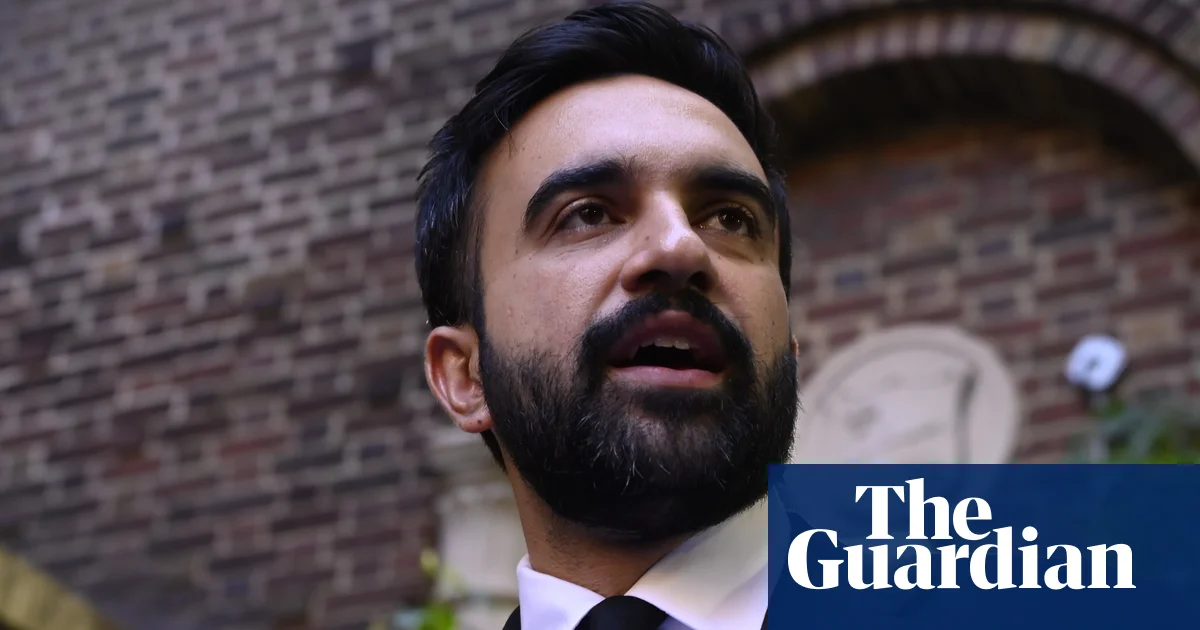
In a period where geopolitical tensions are intensifying globally, the recent statements by Zohran Mamdani, a leading Democratic mayoral candidate in New York City, have sparked an international debate on the ethics and politics surrounding the ongoing Israeli-Gaza conflict. Mamdani’s remarks, commemorating both Israeli victims of the October 7 Hamas attacks and Palestinian casualties since Israel’s military escalation, have become a flashpoint revealing the deep divisions within American society and the powerplay shaping the world stage. His call to recognize Palestinian suffering and criticism of Benjamin Netanyahu and the United States’ role in the conflict represents a broader narrative that is resonating not just locally but also echoing in global political discourse.
Analysts from the International Crisis Group and other think tanks warn that such narratives are fueling the divisiveness over Israel’s actions in Gaza, where reports indicate that tens of thousands of civilians, including a significant number of children, have fallen victim to extensive military operations. Israel’s government, led by Netanyahu, faces accusations from various international bodies, including the International Criminal Court, of committing war crimes and crimes against humanity—charges that Israel dismiss as “self-defense”. Meanwhile, Israel’s military campaign, which has razed substantial parts of Gaza, has been characterized by critics as a form of genocide signified by mass starvation and urban destruction. The United States, a critical ally of Israel, continues to supply military aid, arguably making it complicit in the suffering—an implication that Mamdani explicitly brought into his critique, asserting US complicity in what he terms a “genocidal war.”
The reaction from Israeli officials was swift and sharp. The Israeli foreign ministry condemned Mamdani’s remarks as “spreading Hamas propaganda”, accusing him of undermining efforts to portray the conflict in a solely defensive light. This response underscores the global contestation over the narrative—where pro-Israel voices emphasize Israel’s right to defend itself against terrorist aggression, while critics highlight what they perceive as disproportionate use of force and violations of human rights. Such dichotomous views are fueling a battle for international legitimacy, with geopolitical consequences that stretch beyond domestic politics. Experts note that these disputes over language and morality could influence future diplomatic alignments and international resolutions.
The American political landscape itself is deeply affected by these debates. Mamdani’s stance has gained traction among youthful, progressive voters who seek to challenge traditional American support for Israel’s policies, reflecting a broader shift in opinion among younger generations worldwide. Conversely, more conservative factions view his remarks as dangerous and damaging to America’s alliance with Israel. International organizations and seasoned strategists warn that such internal divisions could have lasting repercussions, destabilizing diplomatic efforts and fueling radical narratives on both sides of the Israel-Palestine divide. As history unfolds, the world watches with bated breath, realizing that the decisions made in this crucible of conflict could determine the geopolitical blueprint for decades to come, with the shadows of today’s rhetoric shaping tomorrow’s realities.