Matox News

Truth Over Trends, always!

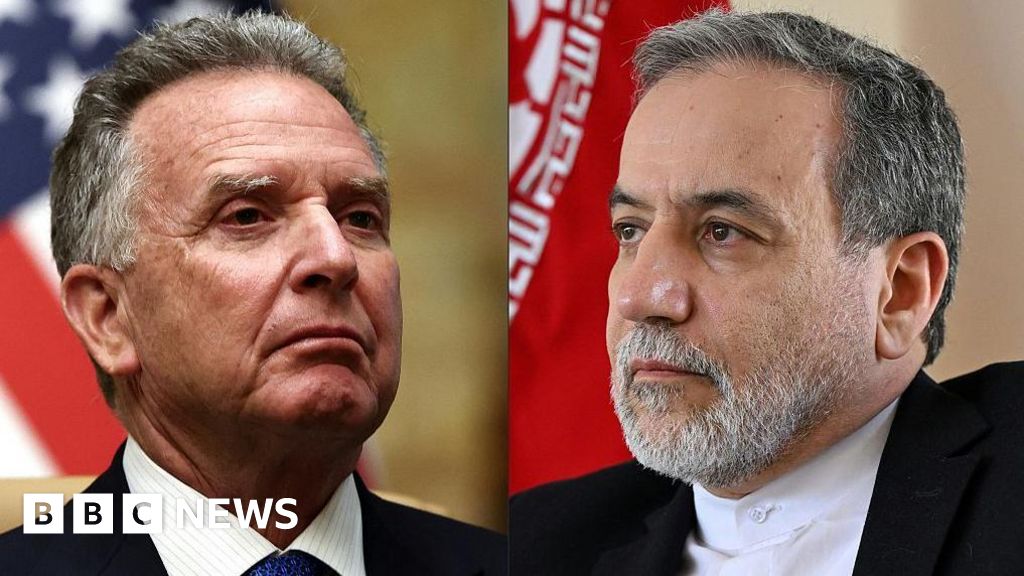
US-Iran Talks Restart Amid Rising Tensions and Fear of Fresh Clash

The United States has significantly enhanced its military presence throughout the Middle East following Iran’s recent crackdown on nationwide protests. This escalation underscores the enduring volatility in the region, where local unrest often intersects with broader global strategic calculations. The Biden administration, responding to both regional stability concerns and its commitments to its allies, has increased troop deployments and military assets into key locations across countries such as Iraq, Syria, and the Persian Gulf. This move is not merely a display of strength; it signals a recalibration of U.S. foreign policy amid intensifying geopolitical tensions.

Analysts and international observers view the heightened U.S. military activities as indicative of a broader pattern of American strategic realignment. With Iran’s persistent influence in regional conflicts and its ongoing nuclear ambitions, the United States aims to curtail Tehran’s sway and prevent what some describe as the emergence of a new Middle Eastern Cold War. Scholars from institutions like the Council on Foreign Relations warn that these military enhancements could increase the risk of inadvertent conflict, yet they also reflect America’s determination to assert its dominance in what remains one of the most volatile theaters of international politics. The recent protests, which have been violently suppressed by Iranian authorities, represent more than domestic discontent—they underscore how internal unrest can serve as a catalyst for regional shifts and external intervention. The U.S. perceives these upheavals as opportunities to bolster its strategic posture against Iran, which has steadfastly opposed American influence and supported proxies across the region.

The geopolitical impact of these U.S. actions extends well beyond regional borders. NATO allies in Europe, as well as emerging global power centers such as China and Russia, are watching keenly. The increased U.S. military footprint in the Middle East complicates diplomatic efforts, especially as Iran seeks to capitalize on perceived Western distractions to expand its regional influence and nuclear program. International organizations like the United Nations have issued cautious statements, urging restraint yet offering limited leverage amidst the strategic deadlock. We are witnessing a pivotal moment—one where the pathways to peace, stability, or further chaos are being tightly forged by the decisions of today.

Ultimately, the current Military buildup reflects a fundamental truth: history’s turning points are often marked by decisive, sometimes provocative actions with lasting consequences. A broad spectrum of voices—from seasoned historians to military analysts—underline that the Middle East remains a crucible of global power struggles. As the United States solidifies its military footprint and regional actors maneuver for advantage, the world bears witness to a relentless unfolding—a narrative of conflict, diplomacy, and resilience that will undoubtedly shape the course of the 21st century. The weight of history presses heavily on the horizon, reminding us that every intervention, every agreement, carries the potential to alter the destiny of nations—not just for today, but for generations to come.

Loyalty Fades as Silicon Valley Embraces the Next Shift

Silicon Valley’s AI Talent Race Reshapes Industry Dynamics

In recent months, Silicon Valley has witnessed an unprecedented surge in high-stakes AI acquisitions and talent moves, signaling a seismic shift in the industry’s landscape. Major players like Meta, Google, and Nvidia have committed billions to acquiring cutting-edge AI startups, demonstrating that disruption in AI capabilities is accelerating at an exponential pace. These strategic investments are not merely about acquiring technology—they are about shaping the future battleground of artificial intelligence, where the contest for talent determines technological supremacy.

Meta’s bold move to invest over $14 billion in Scale AI, coupled with onboarding its CEO, Alexandr Wang, marks a clear signal that the social media giant is positioning itself as a dominant force in AI development. Meanwhile, Google spend a cool $2.4 billion to license Windsurf’s innovative technology, integrating its research teams into DeepMind. Not to be outdone, Nvidia wagered a staggering $20 billion on Groq’s inference platform and has aggressively hired its leadership, underscoring that hardware and inference capabilities remain pivotal in AI’s evolution.

Yet, this aggressive hunt for talent extends beyond mere investment. The industry has entered what analysts are calling a “great unbundling” of talent, with top researchers and founders bouncing between firms in a rapid, fluid market. The recent rehire of ex-OpenAI researchers by their former employer, along with Poaching activity from competing startups like Thinking Machines and Anthropic, underscores an intense war for intellectual capital. This talent mobility signals a fundamental shift in how AI innovation will be driven in the coming decade.

Still, these developments carry profound implications for the broader tech ecosystem. As investor Max Gazor points out, “deal structures are evolving to protect against talent flight,” with measures such as requiring board approval for key strategic moves. Moreover, the war for AI intelligence is not just about securing the best minds but also fundamentally redefining the landscape of AI innovation—favoring agility, bidirectional talent flows, and strategic acquisitions over traditional startup stability. As tech giants and emerging contenders race forward, the industry stands at a crossroads, where the winners of this AI arms race will define the technological and economic landscape of the future. For startups, investors, and developers alike, the message is clear: in the world of AI, timing, talent, and strategic disruption are the new currencies of success.

Jess Cartner-Morley Drops Winter Style Hack: Brighten Up with a Fresh Pop of White!

The Next Wave of Winter Style: Embracing White to Brighten the Season

As January drags on with its bleak skies and muddy puddles, a surprising tide is sweeping through the fashion world, led by _trends_ that challenge the winter gloom’s dominance. White has emerged as more than just a color—it’s a statement that transcends seasonal conventions. Influencers like Emma Roberts sporting crisp white ankle boots and fashion icons endorsing monochrome ensembles are signaling a shift in how we perceive winter styling. This isn’t just about aesthetics; it’s a societal move towards upliftment and light, even during the darkest months.

This trend’s social relevance lies in its counter-intuitive approach to winter fashion. Instead of succumbing to the heavy, dark layers traditionally associated with cold weather, youth and trendsetters are embracing a playful, _whimsical_ palette that brights their mood and social presence. _Adding a splash of white_, whether through boots, shirts, or accessories, functions as a visual “serotonin shot,” making even the gloomiest days seem a little brighter. Sociologists note that such color shifts act as subtle acts of defiance, empowering young people to reclaim their environment and express optimism in the face of persistent winter blues.

Fashion analysts are quick to point out that this is more than fleeting sartorial fun—it’s a cultural statement. The _white_ trend aligns with a broader movement towards _self-expression_ and _individuality_. Combining white with darker tones creates a _balanced_ aesthetic that stays playful yet grounded, a nod to youthful rebellion that is both stylish and socially engaging. Top brands like Whistles and John Lewis are capitalizing on this, offering sleek white jackets, accessories, and shoes that make layering accessible and versatile. Influencers and style guides emphasize that, just as a squeeze of lemon elevates a dish, a strategic pop of white can _perk up_ the most utilitarian winter wardrobe_.

As this trend gains momentum, it raises a profound question: is the white accent merely a fashion statement, or could it signal a deeper societal shift—a collective desire to _brighten_ and _redefine_ our cultural landscape? The _next big question_ is whether this playful embrace of white will foster resilient, optimistic attitudes that withstand future social and environmental challenges. In a world increasingly aware of the importance of mental well-being, perhaps the key to resilience lies not just in what we wear but in how we choose to perceive and shape our surroundings. As youth-driven style continues to evolve, one thing is clear: the snow may never come, but the potential for a _whiteout_ of positivity and hope is already on the horizon.

Thursday’s Trivia Throwdown: Graveyard Ghosts, Grammy Glam, and Muppet Guest Stars | Style & Life Buzz

Living the Lifestyle: Embracing the Power of Wellness and Culture

In a world where the pace of life seems to accelerate every day, many young hearts are seeking innovative ways to restore balance and vitality. Wellness today isn’t just about fleeting trends but a conscious journey toward reclaiming our health and energy. As cultural shifts reshape our understanding of leisure and leisure’s role in a meaningful life, embracing certain lifestyle shifts can have profound personal impacts. Whether through exploring global destinations, indulging in the arts, or simply taking a moment to reconnect with oneself, the modern pursuit of well-being reflects a movement toward empowerment and authenticity.

Travel remains a powerful catalyst for inspiration and personal growth. From the bustling streets of Tokyo, home to the world’s first Pokémon theme park, to the historic gloom of Edinburgh, where the mysterious symbols left on a philosopher’s grave invite us to question our past, these experiences fuel our curiosity and foster resilience. For young adventurers, adopting lifestyle hacks such as prioritizing authentic cultural encounters and deliberately disconnecting from digital noise can lead to renewed clarity. According to travel expert Rick Steves, “The deeper you go into unfamiliar places, the more you discover about yourself,” underscoring the value of exploration as a form of self-care.

Beyond travel, cultural engagement fuels our wellness with a touch of artistic expression. The recent Grammy record-breaker Kendrick Lamar reminds us that music is more than entertainment—it’s a vehicle for activism and healing. Engaging with protest songs like Bruce Springsteen’s “Streets of Minneapolis” exemplifies how art can inspire societal change while nourishing our personal resilience. In the realm of visual arts, scholars have debunked long-held myths surrounding historical figures, revealing that even icons like Anne Boleyn were meticulously posed to reflect specific narratives, reminding us that understanding our history requires curiosity and critical thought. These stories ignite a sense of empowerment, urging us to challenge the narratives that shape our worldview, fostering a growth mindset.

In the end, living a life aligned with wellness and cultural consciousness is about more than fleeting moments of leisure—it’s a deliberate journey to embrace the tapestry of humanity. Whether by exploring the vibrant streets of Berlin during a record harvest festival, advocating for environmental progress in Nuuk, Greenland, or simply pondering the absurdities of political missteps, each experience adds to the mosaic of a meaningful life. As wellness authorities like Dr. Jordan Peterson and Brené Brown highlight, genuine strength arises from embracing our vulnerabilities and conducting constant self-reflection. When we view lifestyle as a journey—not a destination—we come to understand that true vitality emanates from engaging earnestly with the world around us, cultivating a resilient spirit ready to face whatever challenges lie ahead. Let this be a reminder — each new day offers an opportunity to forge a path toward authenticity, purpose, and well-being.

David Furnish Slams Rumored Phone Hacks of Him and Elton John as “An Abomination”

In an era where the relentless march of technology and media threaten to erode the sacred boundaries of individual privacy, the recent legal disputes involving Elton John and David Furnish serve as a stark reminder of the intrinsic link between culture, identity, and societal integrity. As Furnish boldly condemns the “abomination” of unlawful intrusion—suggesting that private detective work and phone hacking were used against him—the confrontation underscores a persistent cultural debate: what constitutes respect for sacred personal boundaries? The accusations laid bare something more profound: an assault on the very fabric of what it means to be rooted in tradition, to uphold individual dignity in the face of overreach.

This battle echoes the timeless philosophical inquiry into the importance of truth, privacy, and moral discernment. Should a society prioritize voyeurism—disguised as investigative journalism—over the moral obligation to safeguard the individual’s sacred space? Historically, thinkers like G.K. Chesterton emphasized the importance of tradition as a fortress against the chaos of modernity, advocating for respect of societal and personal foundations. Increasingly, the cultural battleground is defined by those who challenge the notion that privacy is sacrosanct. The allegations against Associated Newspapers Ltd highlight a disturbing trend where media outlets, allegedly aided by private investigators, blur the lines of legality in pursuit of stories—lending a cautionary tale about the peril of unchecked power in the cultural media sphere.

At a deeper level, these conflicts reveal that culture is not merely a set of customs but the living memory and prophecy of society. The stories that challenge privacy symbolize a desire to define who we are, what we hold sacred, and the moral boundaries that sustain our collective identity. As historian Alexis de Tocqueville might suggest, the health of a society can be measured by its respect for individual rights and its capacity to preserve moral coherence amid the tumult of change. This struggle is intrinsically tied to the notion that a society which abandons its moral compass risks fragmentation, losing its sense of heritage and its vision of a future worth inheriting.

  • Traditional values and the defense of individual privacy are central to societal coherence.
  • Media accountability and moral responsibility remain critical in safeguarding cultural integrity.
  • The ongoing case exemplifies the tension between progress and respect for fundamental human rights.

In closing, the ongoing battle over privacy rights and media accountability is fundamentally a fight over the soul of our civilization. It is a reminder that our culture is both an enduring memory—a repository of history and moral values—and a living prophecy, shaping the future through the choices we make today. Culture, after all, must be understood as the collective consciousness that preserves our identity and guides our trajectory through time. When reason, tradition, and moral clarity prevail, society is poised not merely to survive but to flourish, with each generation contributing to an unfolding tapestry—a testament to our shared humanity and a beacon of hope for generations yet to come.

Russia and Ukraine Swap Prisoners as Peace Talks Stall

Diplomatic Efforts in the UAE Signal High Stakes in the Ukraine Conflict

In a pivotal move that underscores the escalating urgency of the ongoing Ukraine conflict, Russian, Ukrainian, and US delegations convened in the capital of the United Arab Emirates to negotiate, aiming to find a path toward peace. While details remain tightly guarded, sources indicate that the core issues revolve around territorial concessions Ukraine faces pressure to relinquish and security guarantees vital for Ukraine’s sovereignty and safety. These talks mark a significant shift in diplomatic efforts, illustrating an international community deeply concerned about the conflict’s destabilizing effect on regional and global stability.

Upholding the narrative of the West’s strategic interests, analysts suggest that the negotiations highlight a complex web of geopolitical calculations. The central question remains: can Ukraine surrender some territory without losing its sovereignty? or will the negotiations merely serve as a temporary respite before further escalation? The United States, alongside European allies, continues to weigh a delicate balance—supporting Ukraine’s fight for independence while simultaneously exploring avenues to contain the conflict. “This is about preventing a broader Eurasian conflict,” observes Dr. Jane Henshaw, a prominent historian in international relations, warning that missed opportunities could further entrench divisions and prolong the war.

Strategic Implications for Global Power Dynamics

The potential outcomes of this diplomatic dialogue have far-reaching consequences, extending well beyond the immediate East European theater. Russia’s strategic objectives appear aimed at securing territorial gains while asserting influence over Ukraine, positioning itself as a formidable regional power. Conversely, Ukraine and its western allies insist on maintaining sovereignty and territorial integrity, emphasizing the importance of security guarantees to deter future Russian aggression. The negotiations also hold significance for other global actors, who observe intently, aware that the decisions made will set precedents for international conflict resolution.

International organizations, including the United Nations and the European Union, are closely monitoring developments. While some analysts warn of the risk of a drawn-out stalemate, others contend that diplomatic engagement signals a possible pivot toward peace or at least a fragile ceasefire. Such shifts could alter the trajectory of this four-year war and reshape the geopolitical landscape for years to come. The implications for NATO and its eastern flank are profound—an unresolved conflict could test the alliance’s unity and redefine the boundaries of security cooperation in the 21st century.

History’s Unfolding and the Weight of the Present

As history records this critical juncture, the world stands on the precipice of a future that remains uncertain. Some scholars warn that the outcome of these negotiations could either forge a new era of peace or cement a period of enduring unrest and division. The weight of decisions made today will echo through generations, shaping international norms and expectations for conflict resolution. The shadow of history looms large, reminding all that diplomacy is often a delicate dance—one misstep can lead to chaos, yet prudent diplomacy offers the hope of a more stable future.

This chapter in global history remains unfinished, with each sideline and handshake carrying the potential to alter the course of nations. As the world watches with bated breath, the stakes could not be higher: the possibility of peace hangs in the balance, while the echoes of war continue to reverberate across borders, continents, and the collective consciousness of humanity. The unfolding story may yet reveal the resilience of diplomacy or the devastating cost of missed opportunities, but the next moves made today could define the future of international order for generations.

Intelligence Chief’s Brother Caught Smuggling Cigarettes into Gaza

In a development that underscores the persistent challenges within Israel’s security and law enforcement spheres, Bezalel Zini, an Israeli military reservist on active duty, has been formally accused of engaging in a significant smuggling operation. According to official reports, Zini allegedly facilitated the trafficking of 14 cartons of cigarettes, a seemingly routine contraband, in exchange for approximately $117,000. While this incident might seem isolated, its implications extend far beyond individual misconduct, touching on broader issues of national security, internal stability, and the fragile balance of law enforcement integrity within a key international player.

Israel’s geopolitical landscape remains tightly intertwined with ongoing regional tensions, especially concerning its immediate neighbors and the broader Middle East. The incident involving a reservist on active duty raises questions about potential vulnerabilities within the country’s military and security apparatus. Critics, including prominent international analysts and some human rights organizations, argue that such breaches – whether at the individual or systemic level – could be exploited by adversaries to undermine Israel’s strategic deterrence. Furthermore, questions abound about the extent of illicit activities operating within the military establishment and how they might be leveraged for foreign influence or destabilization efforts.

Historically, Israeli military officers and government officials have emphasized the importance of integrity within the armed forces, viewing any breach of discipline as a potential risk to national security. According to security experts and organizations like the International Institute for Strategic Studies (IISS), maintaining an unassailable reputation is vital not only for internal cohesion but also for fostering confidence among allies and the global community. The Zini case sparks broader debates about whether internal corruption or lax oversight could jeopardize Israel’s diplomatic standing, especially amidst an ever-evolving geopolitical environment marked by regional upheavals and the persistent threat of asymmetric warfare.

The incident also echoes historical warnings given by analysts such as Michael Oren and Avner Cohen, who have long cautioned about the potential for internal fissures within Israel to manifest as external vulnerabilities. As the Jewish state faces mounting security challenges, including threats from Iran and militant groups, any hint of compromised integrity within the ranks could provide openings for opportunistic actors to sow discord and destabilization. This case serves as a stark reminder that internal discipline—or the lack thereof—can have profound ramifications for geopolitical stability. As international institutions continue to monitor developments in the region, the incident is a sobering testament to the importance of vigilance, oversight, and accountability in safeguarding a nation’s sovereignty.

As history unfolds and the world watches, the emergence of internal vulnerabilities remains a potent symbol of the delicate balance upon which national security rests. The Zini affair is more than a simple case of smuggling; it is a microcosm of the challenges faced by modern states fighting to maintain legitimacy and resilience in an unpredictable era. With each decision and each revelation, the narrative of Middle Eastern geopolitics is being written anew—ambiguous, complex, and driven by the ongoing struggle to define the future. In the shadow of this incident, one thing remains clear: the weight of history continues to press down upon us, as nations and societies brace for the next chapter in an unfolding drama of power, trust, and survival.

Bristol Church Repairs Renew Push to Exhume Edward Colston

In a development that underscores the complex interplay between history, cultural memory, and national identity, Britain is at a pivotal moment regarding its approach to confronting its colonial past. The ongoing efforts to refurbish the once-abandoned All Saints Church in Bristol serve as more than mere local infrastructure repair; they symbolize the broader struggles faced by nations grappling with their historical legacies. The church, believed to be the burial site of Edward Colston, a notorious slave trader and financier of the British Empire, has been a focal point of controversy since the 2020 protests. The decision to repair the building and potentially deconsecrate it, removing Colston’s remains, reflects an international debate about how to handle monuments, sites, and symbols tied to a contentious past.

The geopolitical impact of these decisions extends far beyond Bristol, spotlighting a pattern observed across Western nations. European countries, in particular, are facing mounting pressure to reassess their colonial legacies. The removal or contextualization of monuments—sometimes driven by local communities, other times by national governments—has become a flashpoint that exposes underlying divisions about national identity and collective memory. Analysts from international organizations such as the United Nations Educational, Scientific and Cultural Organization (UNESCO) warn that these controversies are increasingly exploited by political factions seeking to reshape societal values. The controversy surrounding Bristol’s church and the fate of Colston’s remains exemplifies this wider phenomenon: the struggle to balance historical acknowledgment with the desire for national unity and social cohesion.

As debates unfold, the international community observes how decisions about the future of such sites affect societal cohesion and diplomatic relations. While some advocate for erasing uncomfortable symbols, others argue that context and education are essential. The diocese’s insistence that repair work is mandated for safety reasons, and the ongoing consultations with the African–Caribbean community, illustrate a nuanced approach aimed at reconciliation. Nonetheless, critics point out how the recontextualization or removal of Colston’s remains could be interpreted as a form of symbolic repudiation, potentially fueling further discord. These internal conflicts within Britain reflect broader tensions experienced by nations worldwide as they reckon with their colonial histories, often prompting uncomfortable questions about justice, reconciliation, and the very fabric of national identity.

The story of Bristol’s All Saints Church and its contentious history embodies a turning point—a moment when society must confront a shared past that is both painful and instructive. As the debate rages about whether to preserve the building, repurpose it, or erase its troubled history altogether, it echoes a larger truth: history is a living force, shaping international relations and societal values. Leaders and historians alike warn that how nations choose to remember—they say—will determine their future stability and integrity. The ongoing negotiations about Bristol’s church are more than regional—they serve as a somber reflection of how history’s shadow continues to loom over modern geopolitics, leaving a legacy that demands humility, understanding, and resolution, even as the world watches and waits.

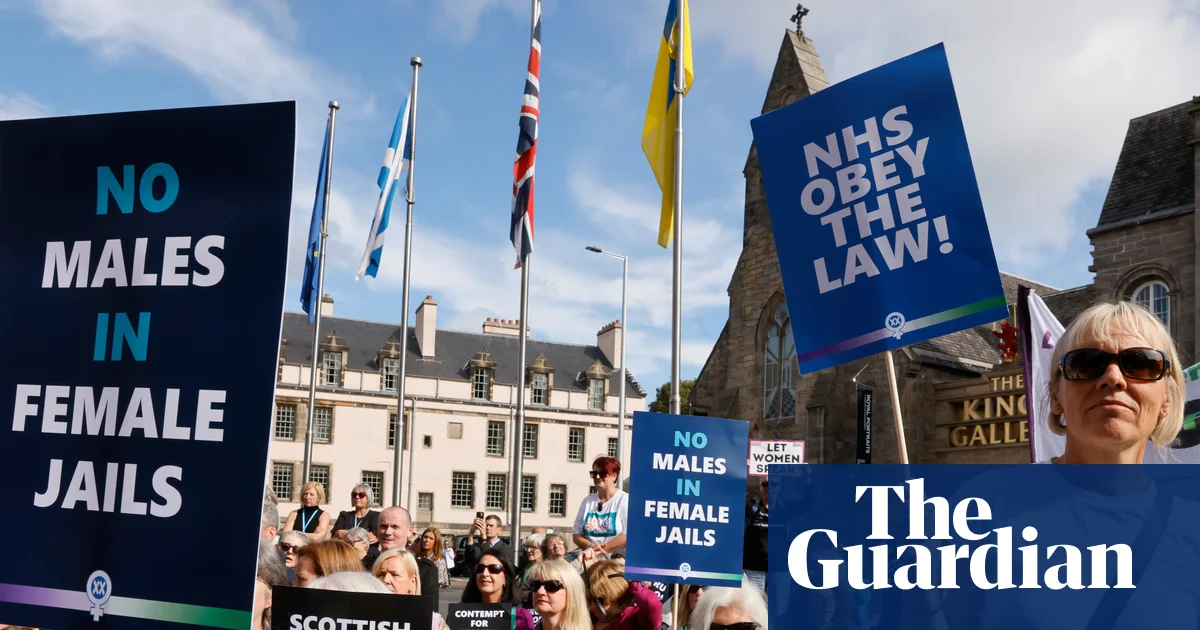
Scottish government opposes blanket prison rule, says it denies trans women's identity
Scottish government opposes blanket prison rule, says it denies trans women’s identity

Amid ongoing societal debates, the Scottish government’s stance on housing transgender women in prisons reflects deeper struggles over identity, safety, and societal values. This policy controversy, pushed into the courts by For Women Scotland, challenges the government’s guidance that advocates housing trans prisoners according to individual risk assessments. Critics argue that a blanket rule—placing all transgender women in men’s facilities regardless of individual circumstances—constitutes a “fundamental denial” of their lived identity and diminishes efforts toward inclusive rehabilitation. At the heart of this social tension lies a tension between respect for gender identity and concerns over the safety and integrity of women-only spaces, a debate that reverberates beyond Scotland’s borders and touches the very fabric of families, communities, and institutions.

Historically, sociologists like Esther Dugh have underscored how social constructs surrounding gender profoundly influence institutional policies. The controversy over prison placement exposes how demographic shifts and the acknowledgment of transgender rights challenge traditional notions of biological sex that many communities still hold dear. The Scottish court’s recent decision, which interprets the definition of “woman” in legal terms primarily through *biological sex,* represents a significant moment of cultural tension. It illustrates a society caught between evolving social norms and the need to uphold safety and moral integrity within vulnerable populations. The debate isn’t merely legal; it’s a reflection of ongoing struggles as society navigates what it means to respect individual identity against the backdrop of communal safety.

Furthermore, the debate underscores how social issues directly affect *families, education, and communities*. As Karen Titchener, the newly appointed patient safety commissioner, voiced concerns about the safety of female patients, questions arose about the wisdom of extending single-sex wards in mental health care amid this controversy. These challenges reveal that families and communities bear the consequences of policy decisions, often feeling caught in the crossfire of ideological conflicts. As social commentator Lisa Freeman points out, “When social norms are tested and institutions are pushed to their limits, it is often the most vulnerable—women, children, and the mentally ill—who suffer the most.” Such observations highlight that the real social impact extends beyond legal nuances, shaping the stability and moral fabric of society itself.

As society grapples with these complexities, the challenge lies in balancing individual rights with collective safety. Historically, social change has often been driven by the voices of the communities most affected, but in this case, the debate underscores a broader need for compassionate dialogue and policy innovation. Perhaps, as sociologists like Charles Morgan suggest, the future rests on creating inclusive spaces that recognize both the dignity of individual identity and the necessity of safe, community-centered solutions. Society stands at a crossroads where the decisions made today will echo in future generations, shaping the very understanding of morality and social cohesion. Ultimately, this controversy invites society to reflect: in our quest for progress, can society foster a unity that respects diversity yet safeguards the vulnerable? And in doing so, might we discover anew the true meaning of societal strength, built on respect, responsibility, and hope for a more compassionate tomorrow?

Zelensky: 55,000 Ukrainian troops lost in the fight for sovereignty

In an unprecedented diplomatic maneuver, Special US envoys Steve Witkoff and Jared Kushner engaged directly with Russian and Ukrainian negotiators in Abu Dhabi, signaling a strategic shift towards potential de-escalation of the ongoing conflict in Ukraine. This high-stakes dialogue, spanning multiple days, highlights the United States’ willingness to leverage unconventional diplomatic channels in an effort to forge a peace deal that could reshape the geopolitical landscape of Eastern Europe. The location of these negotiations—the oil-rich capital of the United Arab Emirates—reflects a calculated move to open new pathways outside of traditional Western diplomatic corridors, aimed at creating a neutral environment conducive to frank negotiations.

The core issue at stake is the US-proposed peace plan, which has elicited mixed reactions from the international community. Analysts argue that while the talks mark a potential breakthrough, they also underscore the depth of global concern over the prolonged conflict. Historians such as John Mueller and geopolitical strategists from institutions like the International Crisis Group warn that any negotiated settlement remains fragile and heavily dependent on the commitment of all parties involved. The stakes are high: a failure to reach an agreement could prolong the devastation, risking wider regional instability and even new global power tensions. According to an internal report from the United Nations, a protracted conflict threatens not only Ukraine’s sovereignty but also the stability of the entire Euro-Atlantic security architecture.

The US effort to intervene directly in negotiations demonstrates a clear intent to shape the outcome of the conflict, emphasizing that the stakes extend beyond Ukraine’s borders. Russia views these talks as a sign of increasing American influence in the region, while Kyiv perceives the negotiations as a potential pathway to restore sovereignty while maintaining its European aspirations. This diplomatic outreach may signal a divergence from previous approaches, where the West predominantly relied on sanctions and military aid. Yet, critics warn that such gestures could also be perceived as concessions that embolden Russia’s strategic objectives, or as a distraction from ongoing military conflicts.

As the world watches intently, the unfolding negotiations in Abu Dhabi, shrouded in secrecy and high diplomacy, form a pivotal chapter in the broader contest for influence and control. The decisions made behind closed doors today will echo through history, shaping the fate of nations and the balance of power for generations to come. In the shadow of war and diplomacy, the question remains: will progress be genuine, or are these talks merely the prelude to a more complex geopolitical chess game? As history teeters on the edge of a new chapter, the weight of this moment reminds us that the future of Ukraine and the stability of post-Cold War order hang in the balance, waiting for the unfolding story to be written in the days ahead.

Social Media Auto Publish Powered By : XYZScripts.com