Matox News

Truth Over Trends, always!

How a TV Show Captivates the Heart: Bluey’s Composer Reveals the Secret to Music That Truly Moves You

In an era where the rapid proliferation of digital media often reduces culture to fleeting entertainment, the recent release of Bluey’s new album, “Up Here”, serves as a compelling reminder of the enduring significance of cultural artifacts as vessels of identity and tradition. Art, whether it manifests in music, literature, or visual expression, fundamentally shapes societal consciousness—an echo from the past propelling us into the future. The integration of a chamber orchestra into the show’s musical fabric exemplifies the elevation of children’s media from mere amusement to an art form that reveres beauty, craftsmanship, and emotional depth. It invokes a parallel throughout history: the Renaissance’s fusion of education and aesthetic excellence, the Romantic era’s emphasis on emotion and individual expression, — all echoing the conviction that culture is a moral and spiritual foundation, not merely a distraction or entertainment.

The cultural resonance of Bluey extends far beyond Australian borders, with over a billion streams globally, framing the show’s music as a cultural milestone. The success of its theme song and soundtrack, which debuted at number one on the ARIA charts and topped Billboard’s US children’s charts, underscores a broader societal truth: the power of cultural expression to forge international bonds and shape the moral fabric of society. When Tocqueville observed American democracy’s vibrancy, he attributed part of its strength to its cultural expressions—literature, music, and civic rituals—elements that foster a shared identity. Bluey’s music, especially the stirring rendition of “Sleepytime,” acts as a universal touchstone, evoking sentiments of love, security, and independence rooted in familial bonds—values that are essential in maintaining societal cohesion.

Composers like Joff Bush tap into these timeless themes through techniques such as seeding, where musical motifs from Gustav Holst’s Jupiter from The Planets subtly reinforce the show’s central messages. As philosopher Chesterton might suggest, this blending of music and narrative captures the “joy of the familiar”—a vital element in cultivating a cultural identity that honors tradition while embracing growth. The emotional impact of Bluey’s music demonstrates that art, when rooted in cultural memory, becomes an act of moral education, guiding both children and adults through the complex landscape of human development.

More than a simple children’s show, Bluey’s cultural success exemplifies how media, when crafted with care and artistic vision, sustains the moral and aesthetic values vital to society. As Ortega y Gasset famously pointed out, society, much like a work of art, is built upon a “living memory” and the shared stories that define a people’s soul. The show’s joyful yet emotionally profound music reminds us that culture is both the memory of humanity’s highest aspirations and the prophecy of what humanity can become. In this sense, culture becomes an unbroken chain—a continuous dialogue between our past and future—invoking the idea that in embracing tradition with passion and innovation, we shape a society that is resilient, hopeful, and true to its noblest ideals. As we listen to Bluey’s melodies, we are reminded that the symphony of human experience is eternal—an ode to both memory and prophecy, ever echoing through the corridors of time.

Tragic Airplane Crash on Kauai Kills Three Tourists—Hawaii in Shock

Tragedy on the Na Pali Coast: The Ongoing Crisis in Global Aviation Safety

The recent helicopter crash off Hawaii’s Na Pali Coast serves as a stark reminder of the perilous state of air tourism safety and the broader geopolitical concern of international travel safety standards. The crash at Kalalau Beach, which resulted in the deaths of three individuals and injuries to two others, underscores a recurring pattern of tragedy that plagues the tourism industry not only in Hawaii but globally. The incident involved a Hughes/MD 500 helicopter operated by Airborne Aviation, a company that boasts about its adventurous “doors-off” tours, but which now finds itself embroiled in ongoing safety investigations by the National Transportation Safety Board. As investigators begin delving into the causes, the public debate intensifies over whether current regulations are enough to prevent future disasters.

The geography of the Na Pali coast — characterized by towering seaside cliffs and rugged mountain ridges — inherently creates turbulent air, often exacerbated by rapidly changing weather conditions. This landscape has contributed to multiple fatal crashes over the past decade, prompting safety reforms that some critics argue are inadequate. In particular, the FAA’s reforms announced earlier this year, which include more rigorous pilot training and aircraft equipment regulations, reflect a recognition of these hazards. However, critics question whether such measures are sufficient to counteract the natural hazards posed by Hawaii’s unique terrain. International aviation analysts, referencing historical data, warn that without continuous, enforceable safety upgrades, these tragedies could become an endemic feature of Hawaii’s tourism landscape, tarnishing its reputation and risking lives.

The implications of these crashes transcend local safety concerns; they impact the international image of the United States’ approach to global tourism safety standards. Some experts argue that Hawaii’s case exposes a broader weakness in regulatory oversight and crisis preparedness within the global air tourism industry. The World Tourism Organization and various historians specializing in safety at their perilous peaks emphasize that each accident is not merely a local tragedy but a warning about the vulnerabilities faced when safety protocols are compromised or overlooked. Given Hawaii’s popularity as a premier tourist destination, the geopolitical impact lies in how the U.S. manages its safety reforms — an example that resonates with other regions boasting similar rugged terrains. Decisions made here will likely influence international standards on aviation safety, especially in areas frequented by eager thrill-seekers and nature lovers alike.

As the investigation unfolds and the world watches, the enduring question remains: are insufficient safety measures merely a product of complacency or a reflection of larger systemic issues within a global industry driven by booming tourism demands? The recent history of Hawaii’s aviation tragedies — including crashes in 2019 and 2024 — serves as a stark warning: unless decisive, sustained action is taken, more lives will continue to be lost amid breathtaking landscapes that now bear the scars of what could have been prevented. The legacy of this unfolding chapter, marked by the relentless melding of natural beauty and human risk, leaves us confronting a sobering truth — the weight of history is still being written, and the story of safety in air tourism remains an ongoing, urgent battle.

SoftBank’s $40B Boost: Signs Point to an OpenAI 2026 IPO Breakthrough

SoftBank Executes $40 Billion Loan to Accelerate AI Investment Strategy

In a bold move that underscores the transformative power of artificial intelligence (AI), SoftBank has secured a $40 billion loan, a strategic financial maneuver designed to propel its substantial $30 billion commitment to OpenAI. This infusion of capital positions SoftBank at the forefront of a disruptive AI sector that is poised to redefine the tech landscape and accelerate market shifts. The funding announcement comes amidst record-breaking private funding rounds for OpenAI, which recently raised an unprecedented $110 billion, signaling investor confidence in the AI giant’s revolutionary potential.

What makes this development especially significant is the context of an impending Initial Public Offering (IPO) for OpenAI. Industry observers, including Gartner analysts and MIT AI researchers, suggest that the IPO could become one of the largest technology listings in history. Such a move would unlock vast liquidity, enabling SoftBank to rapidly settle its extensive debt and reinforce its position as a dominant player in AI innovation. With over $60 billion already invested in OpenAI, SoftBank’s strategic gamble highlights a clear recognition of AI’s game-changing implications for future enterprise paradigms. As Elon Musk and Peter Thiel have emphasized, the next waves of technological disruption will center around AI-driven platforms and infrastructure, making SoftBank’s aggressive investments a clear marker of industry direction.

The implications for the broader tech ecosystem are significant. As SoftBank channels unprecedented levels of capital into AI development, a paradigm shift is underway—where innovation accelerates at a pace that most traditional firms cannot match. Market shifts toward automation, intelligent agents, and autonomous systems are becoming inevitable, prompting both caution and opportunity for young entrepreneurs and established incumbents. Moreover, this infusion of capital underscores a broader trend: AI’s potential to unlock new business models and reshape entire sectors, from finance to healthcare. The disruptive force of AI, championed by visionaries like Musk, is challenging existing regulatory frameworks and standards, demanding a new wave of forward-thinking leadership to navigate the rapidly evolving landscape.

Conclusively, this aggressive investment signals a battle for AI supremacy that is only intensifying. As firms like SoftBank position themselves to capitalize on this revolutionary wave, the urgency for innovative agility and strategic foresight becomes clear. The industry’s trajectory suggests that those who harness disruptive AI breakthroughs earliest will dictate the future of global tech dominance. Stakeholders across the startup ecosystem, corporate giants, and policy arenas must recognize that the race for AI leadership is accelerating — and delaying could mean falling behind in the defining economic transformation of the 21st century. With ongoing developments in AI, distributed computing, and next-generation hardware, the next decade promises to be a high-stakes battleground—where winners will shape the world economy for generations.

She Fled North Korea with Mom—Now I Fear They’ll Send Her Back

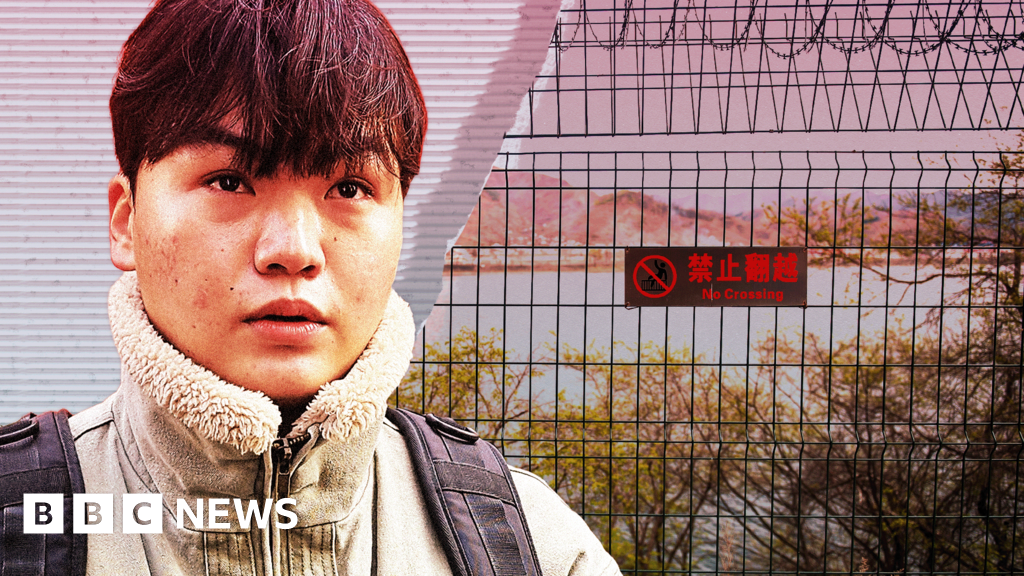
The recent circumstances surrounding Geumseong, a South Korean national who successfully arrived in South Korea but whose mother remains detained in China, underscore the complex and often volatile landscape of international migration and diplomatic relations. While Geumseong’s safe passage offers a glimmer of hope in a tense geopolitical environment, the ongoing detention of his mother highlights the persistent vulnerabilities faced by individuals caught in cross-border conflicts. Analysts warn that this scenario exemplifies how domestic policies and international diplomacy intersect, with human lives often at the mercy of broader geopolitical chess games.

The case reignites ongoing debates about the treatment of migrants and the role of diplomatic safeguards within the framework of international law. According to reports, Geumseong’s mother is confined within a Chinese prison and may face forcible repatriation. Such actions, if carried out, violate the principles enshrined in international treaties like the United Nations Convention Against Torture. Many geopolitical observers draw parallels to other situations where China’s judicial system has been criticized for lacking transparency, especially in cases involving foreign nationals or political dissidents. The South Korean government is reportedly advocating for her release, yet diplomatic channels are strained amid ongoing tensions over sovereignty, security, and broader regional rivalries.

This crisis exemplifies the wider geopolitical impact of border disputes, national security concerns, and international influence. According to prominent international relations scholars, such incidents are not isolated but are deeply intertwined with the shifting power dynamics within Asia. The decision by Chinese authorities to possibly repatriate Geumseong’s mother could serve as a bellwether for persistent authoritarian practices that undermine individual rights in favor of state interests. The situation also underscores how such conflicts influence societal perceptions and the resilience of democratic values. Governments and critics alike are watching closely, knowing that these events hold broader implications for regional stability and the integrity of international law.

In this high-stakes geopolitical theater, organizations like the United Nations and Human Rights Watch continue to scrutinize China’s actions, calling for diplomatic solutions rooted in respect for human rights. Yet, history has repeatedly shown that such crises often boil down to strategic calculations rather than humanitarian considerations. Analysts worry that the decision to forcibly repatriate individuals like Geumseong’s mother could set a dangerous precedent—one where sovereignty overrides the fundamental rights of individuals caught amidst geopolitical tensions.

As the story unfolds, the world watches a poignant tableau of personal tragedy amid the grander narratives of nation-states vying for dominance. In the shadows of diplomatic rhetoric, the plight of a mother imprisoned and a child seeking justice echoes across borders, reminding us that behind geopolitical shifts are lives forever altered. The outcome of this crisis may well shape future policy decisions and international norms. It leaves history on the precipice—an unresolved chapter in the ongoing story of power, human resilience, and the fragile pursuit of justice in an often uncompromising world.

Rising Stars Shine in Latest Youth Sports Showcase: Future Champions on Display!

Morocco Strengthens Roster with Key Player Additions Ahead of World Cup

In a strategic move to bolster their squad ahead of the upcoming 2026 World Cup in North America, Morocco has received FIFA approval to include two standout players: Fulham defender Issa Diop and Ajax midfielder Rayane Bounida. This marks a significant step for the 2022 World Cup semifinalists as they have successfully recruited a total of 16 players since last March. With seven of those selections made this month alone, Morocco’s management is keen on enhancing their competitive edge on the world’s grandest stage.

The decision to incorporate Issa Diop strengthens Morocco’s defensive line, providing the national team with the much-needed experience and talent to handle high-pressure situations. Diop’s experience in the Premier League equips him with the skills necessary to navigate top-tier international competition. Meanwhile, Rayane Bounida, known for his playmaking abilities, adds depth to Morocco’s midfield lineup. His joining will surely attract attention as he looks to solidify his position in the team under the guidance of Coach Walid Regragui.

Moroccan football fans are optimistic about these developments, as the rejuvenated squad continues to gain momentum. Commenting on the recent player influx, football analyst Amine Khnissi stated, “This is not just a short-term strategy; Morocco is building a team for the future with these young talents. It’s exciting to see how they will gel together.” The warm reception from fans and analysts alike underscores the importance of these new additions in Morocco’s quest for global success.

As the team gears up for the World Cup, the excitement surrounding the national squad is palpable. With a blend of seasoned players and emerging talents, Morocco aims to create a formidable force. The next few months will be crucial, not only for preparation but also for fostering unity among diverse players representing a rich tapestry of backgrounds. Sports transcends boundaries, igniting passion in the hearts of fans worldwide. Yes, it’s about the scoreboard, but it’s also about moments that bring us together—witnessing our teams evolve, adapt, and ultimately, compete for glory on the international stage.

Source link

Senate boosts Homeland Security funding to keep America safe

The current political landscape in the United States has taken a decisive turn, highlighting the deep fissures within its governing institutions. As partisan conflicts escalate over fiscal responsibilities, officials reveal that the failure to pass a comprehensive Homeland Security funding bill is rooted in ongoing disagreements between Democrats and Republicans. This unresolved deadlock has significant geopolitical implications, especially as the department tasked with national security faces chronic underfunding and operational uncertainty.

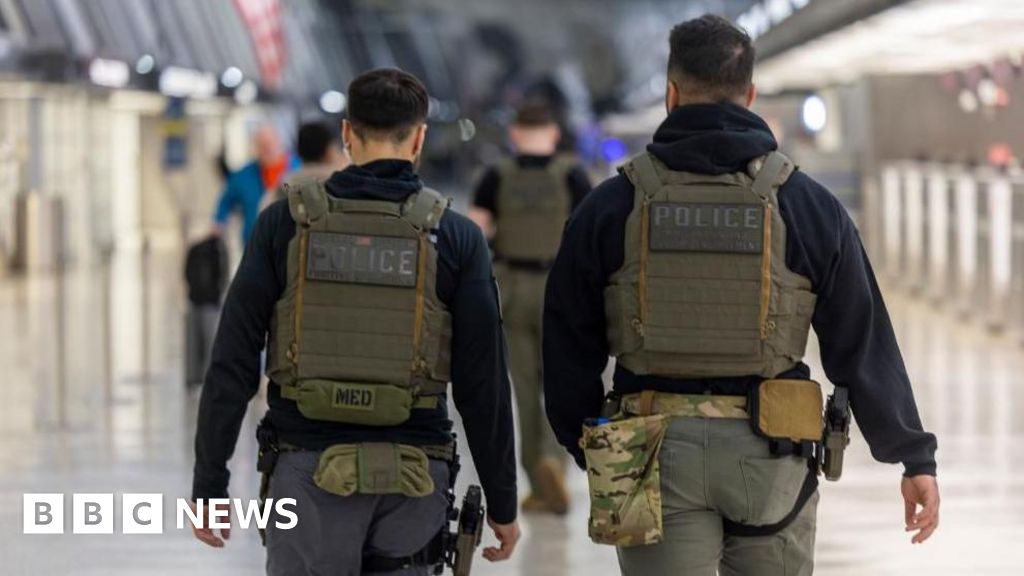
According to recent statements, the Democrats’ steadfast refusal to accept a bipartisan agreement has directly led to the absence of a unified funding package for the Department of Homeland Security (DHS). Instead, Republicans have attempted to circumvent the stalemate by allocating funds in piecemeal fashion, a strategy criticized for lacking coherence and strategic foresight. This approach, experts argue, undermines the department’s ability to effectively address emerging threats, from cyberattacks to domestic terrorism. As the global community watches, the United States’ internal struggles cast a shadow over its credibility and capacity to project stability on the world stage.

Many analysts and international think tanks warn that such internal disarray echoes a broader trend: the erosion of trust in traditional governance structures amid political polarization. The global geopolitical impact is palpable, raising concerns among allies and opponents alike. Historically, American stability has served as a bulwark for international order, but if domestic divisions hinder essential functions like homeland security, the ripple effects could destabilize regional security architectures. Organizations such as the United Nations and NATO have voiced cautious concern, emphasizing the importance of unity and resilient institutions in safeguarding global stability.

Civil society and national security experts emphasize that this crisis underscores a fundamental turning point in American governance. How the political elite navigates this impasse will determine not only the fate of the DHS but also the broader trajectory of U.S. influence worldwide. If the stalemate persists, it risks emboldening adversaries and complicating diplomatic negotiations. Furthermore, historians like Gordon S. Wood warn that prolonged internal divisions threaten to undermine the very fabric of American democratic resilience. As the nation teeters on the edge of institutional oscillation, the weight of history presses heavily upon its shoulders, reminding the world that the future of freedom and security is as fragile as the unity that sustains it.

In this moment of crisis, the global community must observe with cautious vigilance. The question remains whether the United States, a nation built on resilience and innovation, can overcome its internal conflicts and reaffirm its role as a custodian of stability. Or will these partisan struggles become the defining weakness that historical narratives will later mourn? The answer lies ahead, as events unfold with a gravity that leaves none unaffected—investors, allies, and opponents alike watch, knowing that history is unfolding in real time, with every decision shaping the landscape of the 21st century.

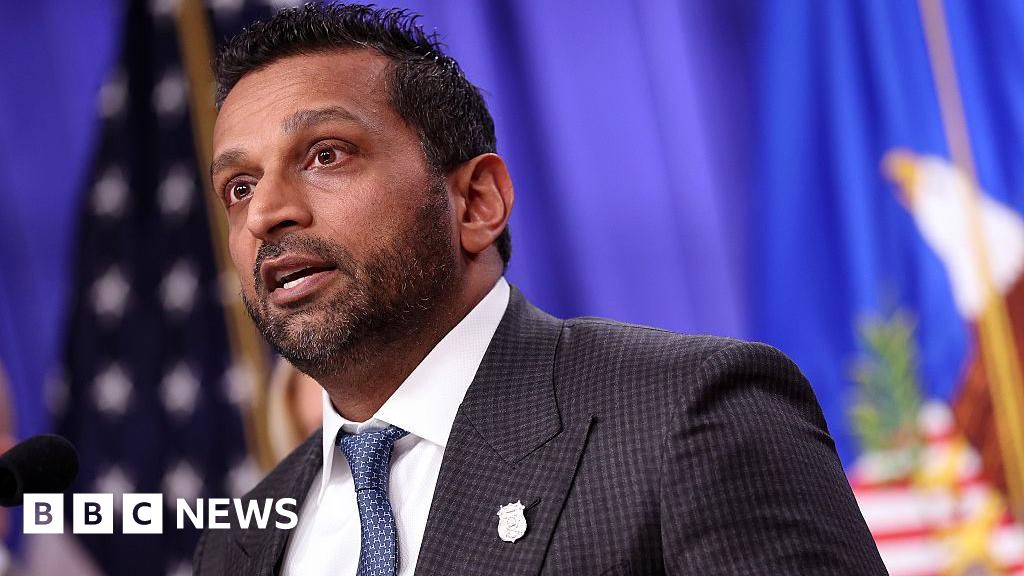
Iranian hackers target FBI director Kash Patel’s personal emails, raising security concerns

In an unprecedented breach that underscores the growing chaos in international cybersecurity, a notorious hacker group has recently released sensitive personal information, including a purported resume and photographs of India’s Minister of State for Home Affairs, Patel. Accompanying this leak was a chilling statement: “This is just our beginning.” This act of digital vandalism signals a disturbing escalation in cyber warfare that threatens to undermine the stability of nation-states and their leadership structures.

The timing of this revelation is no coincidence, as tensions between various geopolitical powers continue to simmer beneath the surface of global diplomacy. While hacker groups have often claimed to pursue ideological ends, this particular breach appears to serve a broader strategic aim—destabilizing India as it navigates complex regional challenges, including border disputes and internal security concerns. Such breaches deepen the vulnerabilities of governments to cyber espionage, a realm increasingly recognized as a critical frontier in modern warfare. Analysts from institutions like the European Centre for Cybersecurity Studies warn that these acts could presage a new form of hybrid conflict, one that operates outside traditional military realms.

Geopolitical impact is significant, as this incident highlights how non-state actors are weaponizing digital tools against nations with rising influence. For India, a nation at the crossroads of economic growth and regional rivalry, this attack raises alarms about the security of sensitive political data and national infrastructure. International organizations, including the United Nations, have yet to formulate a comprehensive framework to combat such threats effectively. Meanwhile, domestic officials and security experts are calling for urgent reforms in cyber defense protocols to prevent further invasions that threaten to destabilize societal trust and diminish public confidence in government institutions.

This breach arrives amid broader warnings from global leaders and seasoned historians who stress that the proliferation of cyberattacks could rewrite the rules of diplomacy and security. Many see this event as a *turning point*—a wake-up call for nations worldwide that in this new era, information warfare can be just as deadly as conventional combat. As world powers scramble to respond to these threats, the real question looms: Will this new dimension of conflict deepen divides, or can international collaboration stem the tide of digital chaos? One thing remains clear—history is watching, and the unfolding chapters of this cyber saga risk becoming a defining moment that will shape future generations.

As darkness clouds the horizon of international stability, the true power lies in the decisions made in the coming days. Governments must face the reality that cyber vulnerabilities are no longer abstract threats—they are now a tangible act of warfare capable of unravelling society’s fabric. The world holds its breath, aware that, in this digital age, the battlefield has expanded—and the story of our time is only just beginning to unfold.

Austria moves to ban social media for kids, echoing global push to protect youth online

In an unprecedented move that signals a shift towards stricter youth regulation, several European nations are contemplating the implementation of an under-14 ban on certain activities, marking a significant evolution in social policy. Following the trajectories of France and Spain, countries across the continent are debating legislation aimed at restricting access to specific digital platforms, social interactions, and potentially harmful content for children below this age threshold. These decisions are not made in isolation but are part of a broader pattern driven by rising concerns over digital safety, mental health, and societal stability.

Analysts from prominent institutions warn that such policies could have profound geopolitical impacts. Governments are increasingly aware that limiting access for the youngest citizens could influence cultural norms, impact technological innovation, and shape the international image of European society. Global organizations like the European Union are closely monitoring these developments, weighing the implications for privacy, human rights, and economic growth. Critics argue that these measures risk infringing on individual freedoms while potentially leading to unintended consequences, such as black markets for content or increased generational divides. Nonetheless, the trend underscores a decisive response to an evolving threat landscape — one where safeguarding societal values takes precedence over technological openness.

Historians and political analysts emphasize that these legislative moves could serve as a *turning point* in how nations approach youth welfare in the digital age. France, for instance, has proposed a bill that aims to drastically limit access to social media platforms for children under 14, citing concerns over mental health deterioration and exposure to online predators. Similarly, Spain‘s recent legislative discussions center around stricter controls and parental oversight. The European Commission has expressed cautious support, recognizing both the potential benefits and the risks involved. These measures are being framed as part of a broader strategy to protect societal cohesion and moral development in a rapidly changing world.

The international community watches with bated breath as these policies unfold, aware that the ripples could extend well beyond Europe’s borders. Opponents caution that such bans could set precedents encouraging authoritarian tendencies and suppression of individual rights, especially in an era where digital literacy is essential for future competitiveness. Meanwhile, advocates champion the legislation as a necessary step to stem the tide of harmful content and the destabilizing influence of unregulated digital spaces. As nations grapple with the societal costs of technological integration, the grim reality remains that history’s pen is once again poised to write a new chapter, one where the boundaries of childhood, liberty, and social responsibility are being rewritten.

As the dust settles on this evolving debate, the world stands at a pivotal crossroads. The decisions made today will undoubtedly influence generations to come, shaping the contours of international relations, social norms, and individual freedoms. The weight of history echoes loudly — capturing a society in the midst of transformation, where the struggle to balance protection with liberty unfolds amidst a backdrop of shifting geopolitical currents. In this tense moment, the sands of time seem to pause, holding the collective breath of history, as humanity edges closer to a future yet to be fully realized.

Without screens, I’d never get anything done—kids today need balance to thrive

Parents Call for Realism in New Government Screen Time Restrictions for Children

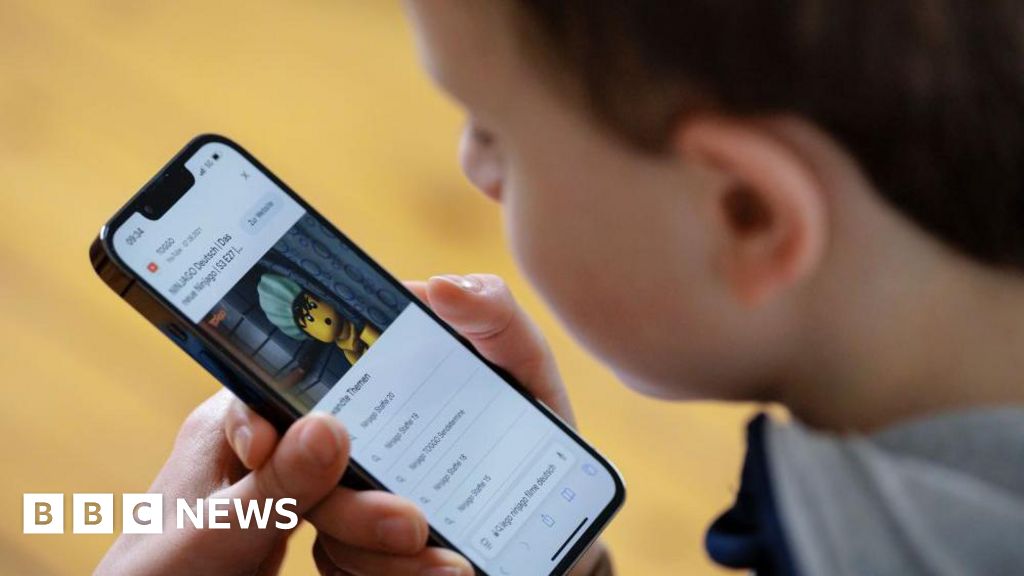
The introduction of recent government guidance aimed at **limiting children’s screen time** has ignited a nationwide debate centered on **how such policies will affect families, education, and communities**. While the intent behind these regulations is to address concerns over digital addiction and promoting healthier lifestyles, many parents are voicing the need for a *pragmatic approach* that recognizes the realities of modern life. As one parent remarked, “Policies must be *realistic* to be effective; otherwise, they risk being ignored or creating additional stress for families trying to balance work, education, and well-being.”

Social commentators and educational experts highlight that the shift in digital consumption has become an intrinsic part of daily life. According to sociologist Dr. Lisa Carter, in her 2021 analysis, the *digital landscape* has evolved from a supplementary tool to a central facet of communication, learning, and entertainment for **today’s youth**. This transformation has significant implications for **families and community cohesion**. As children increasingly navigate social interactions through screens, the challenge for parents is to establish boundaries without impeding access to educational opportunities or social development. The new guidelines, which recommend specific daily limits, reflect an understanding of this delicate balance, but also raise concerns about their *feasibility and cultural acceptance*.

Some educators and social workers observe that **schools and community organizations** are pivotal in forging a **healthy relationship with screen time**. They stress that the goal should not be an outright ban but instead fostering *digital literacy*—an essential skill in the 21st century. Historian Dr. Samuel Rodriguez notes that from a societal perspective, “the **digital age demands a nuanced approach** where children can benefit from technology while avoiding its pitfalls.” Families, he argues, need resources and support systems that help them integrate digital boundaries into their routines, rather than feel overwhelmed by restrictions imposed without context or support. These insights are vital as *social pressures* and *educational policies* intersect to shape **future generations’ relationship with technology**.

While the intentions behind the government’s guidelines are rooted in *public health and moral responsibility*, they also expose *broader social tensions* about **cultural values, youth independence, and community well-being**. Vincent Evans, a prominent social critic, warns that overly restrictive policies may inadvertently lead to **alienation** and the erosion of **family bonds**, particularly in communities where digital interaction serves as a primary link to the outside world. Moreover, the **discrepancy between policy and lived experience** underscores a fundamental challenge: **societies must find sustainable ways to address evolving social issues** that respect individual circumstances while promoting shared values.

As society grapples with these complexities, one thing remains clear: **the future of community health and family stability depends on balanced, thoughtful policies rooted in empathy and practicality**. **The societal fabric is woven through the daily interactions and moral choices families make**, especially in realms as vital as childhood development. The hope lies in fostering environments where children learn responsibility and resilience in digital spaces, guided by parents and communities committed not just to restrictions, but to cultivating a shared understanding of *how technology can serve, rather than diminish, the human experience*. In this quiet, ongoing struggle for societal harmony, perhaps the most profound transformation is the acknowledgment that **true progress begins with listening, compassion, and collective effort**—a hope that society, with all its challenges, remains capable of growth and renewal.

Khan’s Allies Downplay Rumors of Joining Starmer’s Cabinet

UK Political Landscape Faces New Shifts Amid Potential Peerages and Strategic Alliances

The United Kingdom continues to navigate a turbulent political terrain, with recent speculation surrounding Sadiq Khan, London’s mayor, and the broader implications for the country’s internal power structures. While reports suggest that Khan could join Keir Starmer’s cabinet as a peer, officials from Downing Street dismiss such discourse as mere speculation, emphasizing that no official decision has been made. The possibility of Khan maintaining his mayoral role while entering the House of Lords raises questions about the consolidation of political influence, especially as the UK prepares for critical elections across England, Scotland, and Wales this May. The outcome of these votes will not only determine domestic governance but will ripple across the international arena, influencing the UK’s diplomatic stance and regional interventions.

Historically, the appointment of peers has served as a strategic tool for political parties to extend influence within the House of Lords, a chamber that remains a key battleground in legislative processes. Analysts note that recently, Labour leader Keir Starmer has actively expanded the chamber, creating 96 new peers since taking office—65 of whom are affiliated with Labour. This move appears calibrated to enhance legislative efficiency and counterbalance the Conservative majority, which itself is reinstating hereditary peers as part of a broader effort to reshape the chamber’s composition. Such decisions underscore a shift towards a more managed, strategic influence that could have far-reaching effects beyond British borders, particularly as the UK seeks to influence international policy through its legislative stances and diplomatic initiatives.

On the global stage, developments within UK politics reflect a broader pattern of managing internal power dynamics to project strength and stability internationally. The shifting makeup of the House of Lords exemplifies how nations manipulate their internal institutions to adapt to new political realities. It could also signal to allies and adversaries alike that traditional British institutions remain resilient, adaptable, and capable of strategic recalibration in uncertain times. As historians and international analysts observe, such institutional shifts often serve as warning signs of impending political recalibration, which can influence the UK’s role in global affairs—from trade negotiations to security alliances.

In conclusion, the possible political maneuvers involving Sadiq Khan and the ongoing reshaping of the House of Lords illustrate a nation deeply engaged in balancing internal stability with external influence. The decisions taken in Westminster—whether to elevate figures like Khan or to reinstate hereditary peers—will not only impact domestic policy but also shape the UK’s position on the world stage for years to come. As history continues to unfold, the weight of these internal conflicts and strategical moves hang heavy, reminding the world that in the realm of geopolitics, the sovereignty of a nation is often forged in the crucible of its internal struggles.

Social Media Auto Publish Powered By : XYZScripts.com