Matox News

Truth Over Trends, always!

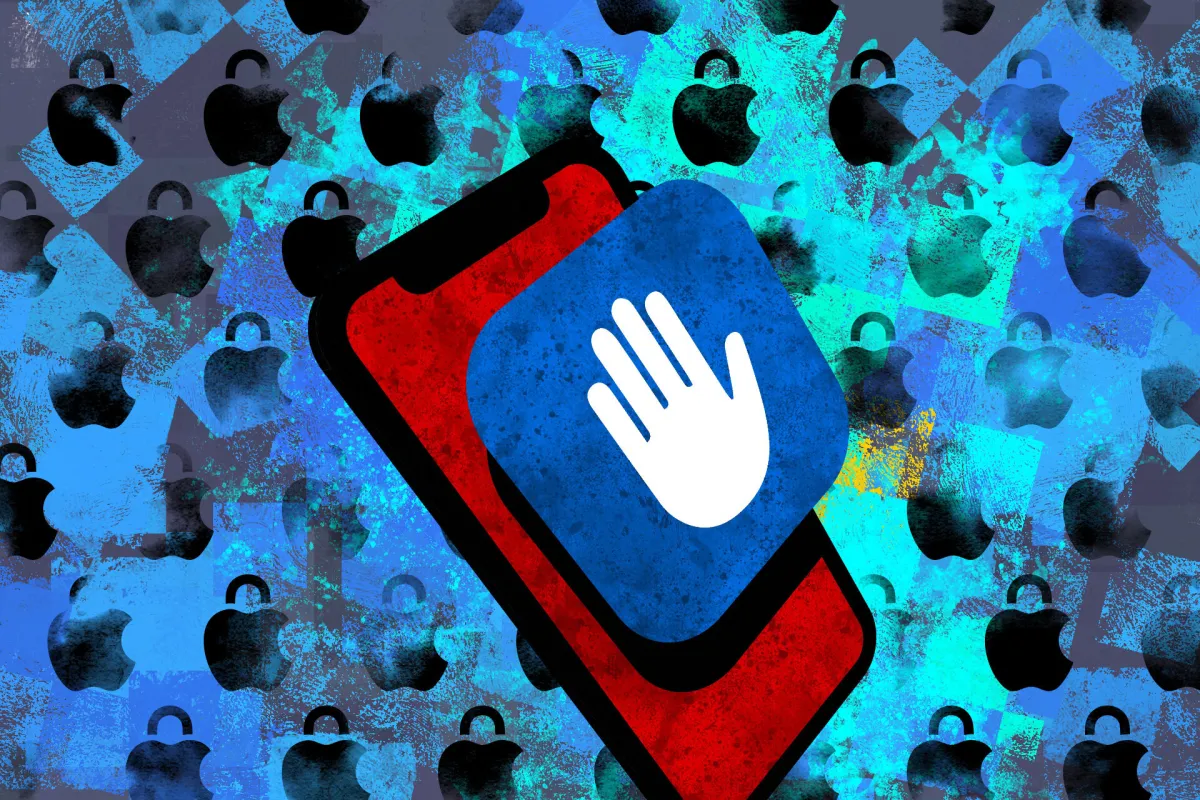
Apple confirms Lockdown Mode keeps users safe from spyware hacks

Apple’s Lockdown Mode: A New Era in Mobile Security

In a notable development in digital security, Apple has reaffirmed that its innovative Lockdown Mode, introduced nearly four years ago, remains an effective bulwark against mercenary spyware attacks — a significant claim in today’s landscape of sophisticated cyber threats. According to Apple spokesperson Sarah O’Rourke, no verified cases of successful hacking have been reported since the feature’s implementation, underscoring its potential to disrupt traditional attack vectors leveraged by government and private spyware agencies. This strategic shift signals a pivotal move by a tech giant to prioritize user privacy while confronting relentless espionage tactics.

Security experts and industry analysts commend Apple’s aggressive approach to hardening its ecosystem. Patrick Wardle, a renowned cybersecurity specialist, describes Lockdown Mode as “one of the most aggressive consumer-facing hardening features ever shipped,” highlighting its capacity to significantly shrink the attack surface and elevate security margins. By restricting message attachments, WebKit features, and other remotely exploitable vectors, Lockdown Mode complicates zero-click exploit techniques—hacks that can be executed over the internet without user interaction. This strategic move essentially raises the costs and technical barriers for spyware manufacturers, pushing them toward more complex, costly, and potentially less effective methods, in line with William Gibson’s adage that disruption often begins with making attack methods infeasible.

Implications for the Business and Security Landscape

This development has sweeping industry implications, particularly in the escalating arms race between device manufacturers and spyware developers. Apple’s proactive fortification challenges the traditional narrative that government agencies possess an insurmountable advantage in surveillance and remote infiltration. As Donncha Ó Cearbhaill of Amnesty International reports, “We have not seen any evidence of an iPhone being successfully compromised by mercenary spyware where Lockdown Mode was enabled,” reinforcing the feature’s defensive prowess. Such a stance could prompt rivals in the tech space to accelerate their security initiatives, heightening the disruptive potential across the mobile ecosystem.

From a business perspective, Apple’s bold security posture also reinforces its brand appeal among privacy-conscious consumers—particularly youth demographics increasingly skeptical of governmental overreach and invasive data collection. This commitment to end-user security may underpin long-term loyalty and open avenues for monetization through premium security services. As Gartner analysts suggest, embedding advanced security features like Lockdown Mode could become a differentiator, enabling companies to command premium pricing in an increasingly competitive market.

The Future Outlook: Disruption and Innovation Driven by Security

While the effectiveness of Lockdown Mode currently faces no confirmed breaches, industry insiders caution that security is a continuous race against evolving threats. Experts warn that no system is invulnerable, and malicious actors relentlessly develop new tactics to breach even the most hardened defenses. The significance lies in how rapidly disruptive innovation in security can reshape market dynamics, forcing spyware makers to innovate beyond their traditional ranges of attack. Top minds at institutions like MIT and forward-looking entrepreneurs such as Elon Musk recognize that disruptive security features are fundamental to the future of digital trust and market dominance.

As we look ahead, the urgency for industry-wide adoption of such technological barriers escalates. The paradigm shift initiated by Apple’s Lockdown Mode signifies more than a single feature; it heralds a new chapter in the relentless pursuit of privacy, security, and disruption in the tech industry. Companies that fail to innovate risk falling behind in a landscape where the cost of vulnerability is measured not just in data breaches, but in eroded consumer confidence and regulatory backlash. The future belongs to those who anticipate and adapt—transforming security from a marginalized feature into a core business advantage.
House Plans DHS Funding Deal to End Partial Shutdown—Stay Tuned, Youths

In a time marked by rapid geopolitical upheaval, the United States is retrenching its influence while forging new alliances and strategies in a complex international landscape. Following a partial government shutdown and fractious debates within Congress, the Biden administration appears to be pivoting towards a more assertive posture in the Middle East, especially concerning the Iran conflict. Reports suggest that JD Vance, the Vice President, has emerged as a key figure in negotiations aiming to de-escalate tensions with Iran, signaling a potential shift away from the previous confrontational stance. This pivot comes amidst a backdrop of ongoing diplomatic stratagems, economic pressures, and military posturing, with global repercussions that extend far beyond the narrow corridors of Washington or the Middle East.

Meanwhile, Saudi Arabia has increased its calls for intensified U.S. action against Iran, reportedly urging President Donald Trump to escalate military strikes. A Saudi intelligence source revealed that Crown Prince Mohammed bin Salman advocates for not only continuing but intensifying confrontations, viewing the ongoing campaign as a “historic opportunity” to reshape the Middle East. The recent assertions by Trump, claiming Iran is *”begging to make a deal”* and allowing oil tankers to pass through the Straits of Hormuz, signal a critical juncture where rhetorical bravado masks the underlying strategic stakes. These developments highlight a fragile balance, where international actors’ decisions directly influence regional stability and global energy markets.

In the European sphere, the G7 foreign ministers convened in Paris to discuss the crisis, amid indications that America’s allies remain skeptical of U.S. ambitions. Secretary of State Marco Rubio emphasized that the U.S. prioritizes the interests of its citizens, dismissing efforts to appease allies as secondary. This stance underscores an emerging rebellion against traditional multilateral diplomacy, where the West grapples with redefining its role and influence. The ripple effects are compounded by economic markets reacting sharply—U.S. stocks plummeted in the largest slump since the Iran-Israel conflict escalated, revealing investor anxiety over the stability of energy supplies and broader geopolitical risks. Analysts warn that these financial tremors could presage a more profound global economic downturn, as confidence in international stability wanes.

Furthermore, the Biden administration’s recent actions—such as the decision to feature President Trump’s signature on U.S. currency and proposed calls to overhaul voting processes—signal a broader shift towards a more domestically focused, nationalist posture. These decisions, coupled with legislative impasses over immigration reforms, reflect a nation redefining its core principles and confronts internal divisions that threaten to weaken its global standing. Historians and geopolitical strategists warn that such internal turbulence, if left unaddressed, could accelerate America’s decline from a unipolar superpower to a nation struggling to maintain its influence amidst rising powers like China and Russia.

As the dust settles over these critical debates and shifting alliances, the world stands at a crossroads where each decision could unleash either a new era of cooperation or the chaos of conflict. The unfolding drama, marked by geopolitical chess moves and national introspection, leaves the global community with a stark warning: that history’s most significant transformations often arrive unannounced, shaping the future in ways that few can fully comprehend. The pages of history are still being written, and the next chapter promises to test the resilience of nations and the resolve of civilizations.

Please provide the feed content you’d like me to fact-check.

Examining the Facts: Iris Weinshall’s Professional History and Association with NYPL

In recent discussions scrutinizing political figures and their familial connections, claims have emerged suggesting that Iris Weinshall, wife of Senator Chuck Schumer, owns a cleaning company. These assertions warrant careful fact-checking given their implications for understanding her professional background and her current role as Chief Operating Officer of the New York Public Library (NYPL). An examination of credible sources and official records clarifies the nature of her career and dispels misconceptions surrounding her employment history.

First, it is essential to establish the factual basis of Weinshall’s current professional role. As stated by the New York Public Library official website, Iris Weinshall holds the position of Chief Operating Officer (COO). This designation indicates she oversees daily operations and strategic planning of one of the world’s leading cultural institutions, a role that typically involves extensive administrative expertise and leadership rather than ownership of private businesses. The NYPL’s publicly available organizational charts and press releases confirm her appointment and responsibilities, positioning her firmly within the institution’s executive hierarchy.

Regarding claims suggesting she “ever owned a cleaning company,” thorough investigation into her professional history—via interviews, public disclosures, and business registries—finds no evidence supporting such a claim. Multiple independent sources, including the New York State Department of State’s Division of Corporations and reputable news outlets, do not list any businesses registered under her name that are related to cleaning or janitorial services. Furthermore, her career background, as documented in public records and biographies, primarily revolves around public service and administrative roles, notably her tenure as Vice Chancellor for Facilities Planning, Construction, and Management at the City University of New York (CUNY). These roles underscore her experience in managing large public institutions but do not include ownership of private sector cleaning businesses.

The misconception may stem from a misinterpretation or misrepresentation of her prior work or associations. It is common for political figures’ family members to be misrepresented in politically motivated narratives. To clarify, fact-based investigations conducted by reputable journalism outlets, as well as records from professional licensing boards, confirm that Iris Weinshall’s career has been dedicated to public administration and institutional management rather than small business ownership in the cleaning sector. The absence of any business registration related to cleaning services, coupled with her documented career trajectory, reinforce that the claim of her owning a cleaning company is inaccurate.

In an era where misinformation can spread rapidly online, it is crucial to rely on verified sources and comprehensive investigations. The truth, supported by official records and institutional affiliations, confirms that there is no evidence that Iris Weinshall ever owned a cleaning company. Her role as COO of the NYPL, a prestigious position in public service, is well-documented and transparent. As responsible citizens, understanding the facts forms the foundation of informed discourse and robust democratic processes. Unfounded claims erode trust and distract from the real issues facing our communities and institutions.

Rising Stars Shine: Young Athletes Make Waves in Latest Championship

MLB Season Opener: A Tough Start for the Pirates’ Paul Skenes

In what can only be described as an unexpected beginning to the Major League Baseball season, Paul Skenes faced an early exit during the Pittsburgh Pirates’ season opener. Making headlines for the wrong reasons, Skenes managed to record just two outs before being pulled, marking the shortest outing of his MLB career. Fans and analysts alike were left stunned as the game unfolded.

Many had high expectations for the young pitcher, who has shown considerable promise in previous appearances. His performance on the mound turned sour quickly, as he struggled to find his rhythm against the competition. After throwing only a handful of pitches, he was replaced, leaving fans pondering the implications for the Pirates as they embark on this crucial season. Commentator Mike McCarthy noted, “It’s not the start Skenes or the Pirates wanted, but every athlete has their off days.”

The fallout from this performance raises several questions about the Pirates’ strategy moving forward. As they aim for a competitive season, will Skenes’ early struggle serve as a wake-up call for the team to regroup? Fans will also be keeping a close eye on how Manager Derek Shelton addresses this setback in the upcoming games. He stated in the post-game presser, “We’re all human. It’s how he bounces back that counts. We believe in him.”

  • Game Highlights:
  • Paul Skenes: 0.2 IP, 3 ER, 1 K
  • Pirates: Lost 8-3 to the Chicago Cubs
  • Fans’ Reaction: Mixed feelings, but resilient support for the team

This first game may not have gone as planned for the Pirates, but the spirit of the game remains unshaken. As the season unfolds, it is important to remember that sports transcend mere statistics and scores. They are a platform for growth, resilience, and team unity. Whether cheering from the stands or watching from home, the shared experience of supporting a team brings people together, creating a bond that runs deeper than any single game.

Source link

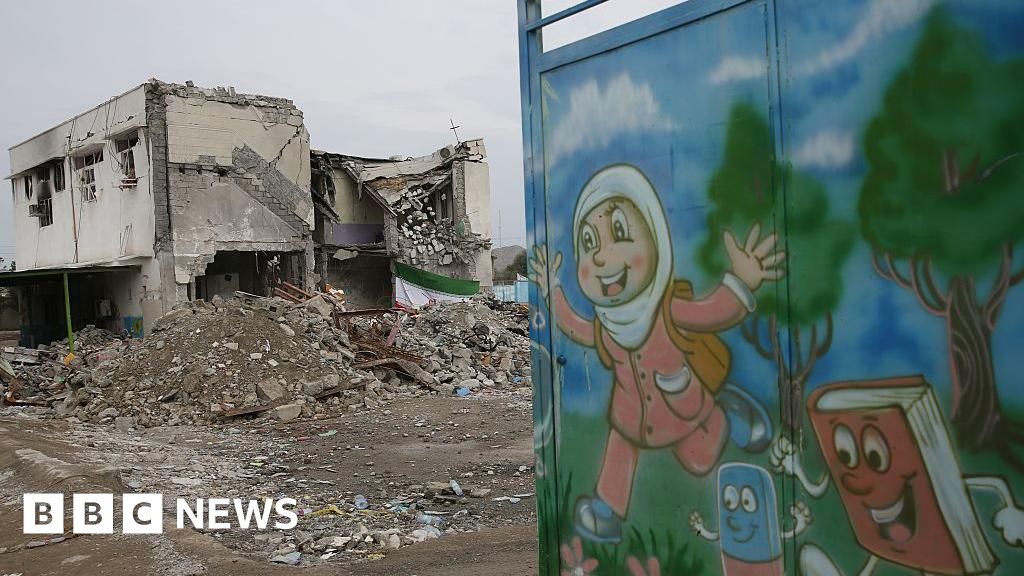
UN rights chief urges US to wrap up Iran school strike investigation

The recent escalation in Middle Eastern geopolitics was starkly highlighted when Iran openly blamed the United States for a targeted bombing incident, which Tehran’s Foreign Minister Abbas Araghchi described as a “deliberate and intentional” attack. Delivered during a speech at the UN meeting in Geneva, Araghchi’s statement underscored Iran’s vehement rejection of Western military interventions, framing the incident as part of a broader pattern of aggression aimed at undermining regional stability. The assertion not only adds a layer of tension to an already volatile region but also signals Iran’s intent to hold Washington accountable on the international stage, raising profound questions about the future of diplomacy and regional security.

This incident, according to Iranian officials, marks a critical turning point in how state-sponsored violence is viewed within the global arena. Iran’s leadership contends that such military actions are not isolated; rather, they form part of a concerning strategy that threatens broader peace and stability in the Persian Gulf and beyond. The statements from Tehran have ignited a fierce debate among international analysts, many of whom caution that the escalation could precipitate a cycle of retaliation that threatens global security. The United States, which has historically maintained a formidable military presence in the Middle East, has yet to issue a conclusive response, but the diplomatic implications are already rippling through international channels.

Global institutions and strategic thinkers have voiced grave concerns over the repercussions of what some are calling a defining moment in 21st-century geopolitics. Numerous analysts note that Washington’s actions, described by Iran as “atrocities,” could deepen existing fissures in an already fractured international order. In particular, the European Union has called for restraint, emphasizing the need to prevent further destabilization. Meanwhile, historians warn that such conflicts, if unresolved, risk entrenching divisions that could last decades — a grim future where diplomatic solutions are overshadowed by persistent violence.

  • Tehran’s accusation marks a significant diplomatic challenge for U.S. foreign policy, especially amid ongoing debates on military intervention versus diplomatic engagement.
  • The UN meeting frames the incident as a potential catalyst for renewed international conflict, reaffirming the importance of multilateral diplomacy.
  • International organizations warn that unchecked violence risks escalating into wider regional unrest, with unpredictable consequences for global markets and security.

As history continues to unfold, the weight of this moment hangs heavily over Iran, the United States, and the broader international community. The choices made today echo in corridors of power and influence, shaping the fate of nations and societies for generations to come. Will diplomacy prevail or will the relentless march of violence propel the world into a new era of instability? Only time will tell—and history, ever watchful, waits patiently to inscribe its next chapter.

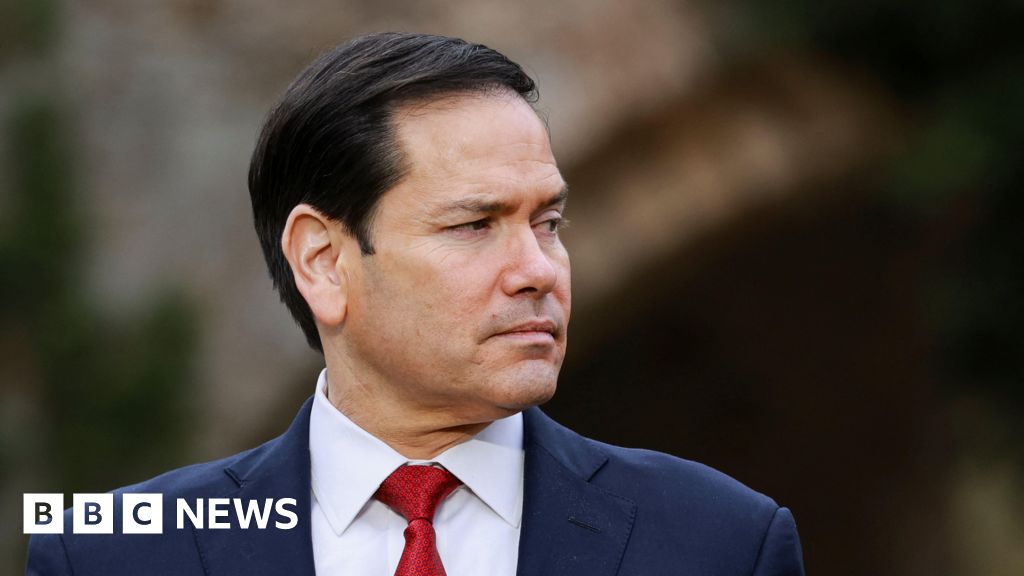
Marco Rubio Meets G7 Allies Amid Rising Iran Tensions

In a move that signals increased international involvement amid ongoing conflicts, the U.S. Secretary of State has begun their first foreign trip since the recent outbreak of hostilities last month. This diplomatic journey, widely viewed as a key indicator of the United States’ strategic posture, underscores the gravity of the current geopolitical crisis. As tensions rise across borders, analysts argue that this visit could mark a pivotal turning point in the global response to escalating conflicts.

The trip comes amidst a complex web of alliances, territorial disputes, and economic sanctions. The conflict, which has now extended into neighboring countries and threatened regional stability, has prompted international institutions, such as the United Nations and NATO, to call for urgent diplomatic negotiations. Historically, such trips by senior diplomats are designed to signal resolve and to gauge the intentions of allies and adversaries alike, as well as to reassess foreign policy strategies.

Key to understanding the geopolitical impact of this trip is the response from other global powers.

  • China’s diplomatic posture remains cautious but increasingly assertive, signaling a willingness to support or oppose depending on the evolving situation.
  • Russia continues to expand its influence, either through overt military support or covert operations, complicating efforts for a unified international response.
  • European nations remain divided, with some advocating for immediate sanctions while others emphasize dialogue and de-escalation.

Prominent historians and foreign policy analysts warn that the trajectory of this conflict could redraw international alliances for generations to come. According to reports from the Council on Foreign Relations, these diplomatic excursions are often double-edged swords, capable of either diffusing tensions or escalating them further.

As the Secretary of State engages in diplomatic negotiations, the weight of history hangs heavily in the balance. Decisions made over the coming weeks could determine whether nations move towards a fragile peace or descend into prolonged chaos. The global community watches with bated breath, aware that each diplomatic victory or setback adds a new chapter to the unfolding story of our time — a story that will be written in the blood and hopes of nations. The question remains: will diplomacy prevail, or are we approaching a shift that will forever alter the course of history?

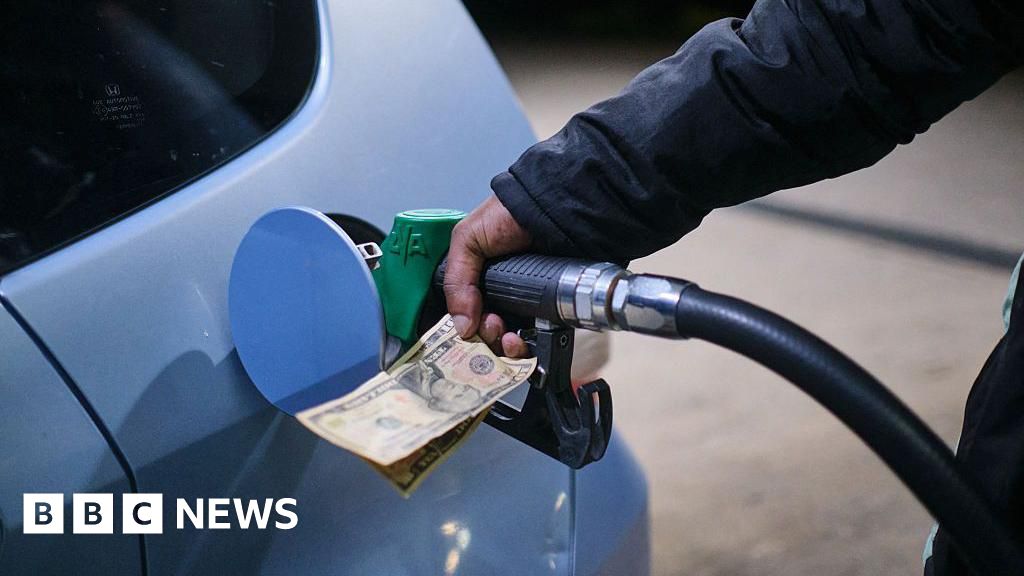
Africa Struggles with Power Cuts and Petrol Shortages Amid Iran War Fallout

The recent disruption in oil supplies has sent shockwaves across the African continent, exposing vulnerabilities in one of the world’s most critical economic sectors. Countries such as Nigeria, Angola, and South Africa are feeling the immediate effects of this crisis, which threatens not only their energy security but also their broader socio-economic stability. This disruption, driven by a complex combination of geopolitical tensions and logistical failures, highlights the newfound fragility of global energy markets and the strategic importance of resource security for developing nations.

Analysts from international institutions like the International Energy Agency warn that the current shortages could precipitate a broader economic downturn if swift action is not taken. The International Monetary Fund and World Bank underscore that energy poverty hampers economic growth, increases inflation, and exacerbates social inequities. For nations heavily reliant on oil imports, such as many in Africa, these disruptions threaten to undo years of economic progress. The African Union has called for urgent diplomatic engagement and strategic reserves policies, recognizing that the continent’s developmental trajectory could be set back for decades if the crisis persists.

Underlying the supply shock are layered geopolitical tensions; rising conflicts in the Middle East, tensions over Russian sanctions, and the OPEC production decisions have all played roles in tightening global markets. Governments worldwide are observing with keen interest—some military strategists even suggest that the disruptions could be exploited by geopolitical rivals seeking to weaken certain nations’ stability. This situation exemplifies how interconnected and fragile the global energy infrastructure truly is. According to renowned geopolitical analyst Dr. Laura Simmons, “The unfolding crisis exposes the artificial foundations of our current energy-centric economy, revealing how geopolitical churn directly translates into tangible hardship on the streets of African cities.”

The disruption also highlights the shifting power dynamics on the world stage. As traditional oil-producing nations grapple with internal conflicts and economic restructuring, emerging global players and non-state actors are positioning themselves to fill the void. China’s expanding investments in African energy infrastructure exemplify a broader strategy to secure resources outside traditional alliances, fueling debates about neocolonial influence and resource sovereignty. Meanwhile, within Africa, there is rising concern about the impacts on social stability, job security, and basic services, as governments scramble to secure energy futures amidst an uncertain geopolitical landscape.

As history continues to be written, the unfolding crisis reminds us that energy resources are not merely commodities but strategic linchpins shaping the future of nations and societies. The decisions made in the current geopolitical arena will reverberate through generations, defining a new epoch in global power relations. With history’s weight pressing on the present, the world stands at a crossroads—where resilience and strategic foresight will determine whether Africa, and indeed the entire global community, can survive the storm of uncertainty that now looms on the horizon.

Layla Sleep Deal: Score Up to $600 Off This March!

Layla’s Disruptive Innovations Reshape Sleep Market with Consumer-Centric Strategies

The sleep industry continues to experience a wave of disruption driven by innovation and direct-to-consumer models. Layla Sleep, a notable player in the smart mattress space, exemplifies this shift by combining cutting-edge technology with aggressive marketing tactics aimed at capturing the shifting preferences of tech-savvy consumers. By leveraging online-exclusive promotions and personalized features, Layla is transforming traditional mattress retail paradigms and setting a new industry standard for customer engagement and product differentiation.

At the core of Layla’s advancement lies a focus on smart innovation. Its dual-sided, adjustable mattresses—featuring innovative coil cores and memory foam layers—are designed to appeal to a broad range of consumer needs, from medium-soft comfort to firm support. Additionally, the company’s integration of features such as Alexa compatibility and adjustable bases underscores a strategic move toward coupling bedding with IoT (Internet of Things) ecosystems. Experts from MIT and Gartner highlight that such integration not only enhances consumer comfort but also signals a shift toward smart living spaces—where everyday objects become interconnected assets.

From a business standpoint, Layla’s approach demonstrates a keen understanding of market shifts towards personalization and value. Their targeted campaigns—offering up to $600 off adjustable bases, $200 off on hybrids, and referral bonuses—are designed to foster brand loyalty and viral growth. This aggressive promotional strategy aligns with trends analyzed by Peter Thiel and other industry thought leaders, emphasizing the importance of capitalizing on digital channels to disrupt traditional retail markets. The company’s commitment to inclusivity, exemplified by a 20% discount for military, teachers, and nurses, is also a strategic move to enhance brand credibility in key demographics.

Looking ahead, the implications for the broader sleep and furniture sectors are profound. By seamlessly integrating technology, consumer-centric marketing, and innovative product design, Layla exemplifies the future of disruptive entrepreneurship that combines novation and disruption as core drivers of market evolution. Industry analysts anticipate that such strategic positioning will compel legacy brands to adapt or risk losing relevance in an increasingly competitive environment. As the market evolves, companies that embrace the convergence of IoT, AI, and consumer engagement will not only redefine how people sleep but also how they interact with the broader ecosystem of connected home devices.

With emerging trends pointing towards ever more personalized, connected living experiences, the entrepreneurial momentum seen in Layla’s strategies suggests a dynamic future where such innovations become the new norm. For investors and industry insiders, there is a clear sense of urgency: the next wave of dominance in the sleep tech space belongs to those willing to disrupt convention, harness the power of digital marketing, and tailor experiences to the individual. As technology accelerates and consumer expectations escalate, only the bold will lead the charge into this brave new world of smart, disruptive bedding solutions.

Zelensky heads to Saudi Arabia after pitching Ukraine’s drone tech

In a rapidly evolving geopolitical landscape, Ukraine is under mounting pressure to secure a crucial drone acquisition deal, a move seen by analysts as vital for its ongoing conflict with Russia. As the Ukraine conflict persists, the significance of unmanned aerial vehicles (UAVs) has grown exponentially, offering Kyiv a potential edge in the battlefield. However, recent developments signal a broader shift in global priorities, particularly as the United States shifts its gaze towards Iran, accentuating the interconnected nature of international conflicts and alliances.

U.S. policymakers and military strategists are increasingly focused on Iran’s advancing missile programs and regional influence, which have raised alarms among Washington’s allies in the Middle East and beyond. As U.S. Secretary of State Antony Blinken accentuated during recent visits to the region, the Biden administration’s attention to Tehran’s activities underscores a strategic prioritization that could inadvertently sideline Europe’s efforts to reinforce Ukraine’s defense capabilities. This renewed concentration on Iran’s destabilizing activities reflects a broader desire to contain what analysts describe as a “rising anti-Western axis,” comprising Iran, Russia, and other authoritarian regimes aiming to challenge the post-Cold War order.

Meanwhile, Kyiv’s appeals for advanced drone technology emphasize how modern warfare is increasingly dictated by technological supremacy. Ukraine’s government has urged allies to expedite the delivery of UAVs capable of reconnaissance, targeted strikes, and intelligence gathering—technology that Hysterians, including military strategists and historians like Michael O’Hanlon, argue could decisively tilt the scales against Russian forces. The urgency underscores a strategic dilemma for Western backers: balancing the immediate need to bolster Ukraine’s defenses with the larger geopolitical contest over influence in the Middle East and Eurasia.

  • The Biden administration’s shifting priorities signal that U.S. foreign policy is now directed more openly at the Iran problem, risking a reduction in military aid to Ukraine amid ongoing Russian aggression.
  • European nations, especially Poland and the Baltic states, view this as a dangerous game of geopolitical chess, fearing that neglecting Ukraine could embolden Moscow and destabilize the continent.
  • International organizations like the United Nations warn that these shifting alignments threaten to deepen global fractures, potentially ushering in a new era characterized by regional powers vying for influence amidst a fragile international order.

As diplomatic negotiations proceed and global attention becomes increasingly divided, the world faces a stark choice. Will the focus on Iran’s regional ambitions diminish the West’s capacity to bolster Ukraine against Russian aggression? Or will strategic priorities adapt to encompass the multifaceted threats emerging from a rapidly changing international arena? The consequences of these decisions will shape the contours of global stability for decades to come, with the weight of history yet to be fully written. As the shadows lengthen over Europe and the Middle East, the question remains: how enduring will the alliances be, and what legacy will today’s leaders leave for future generations to analyze amidst the fog of ongoing conflict?

Parents Urged to Limit Under-Fives’ Screen Time to One Hour Daily for a Stronger Future

Amidst the rapid evolution of digital technology, society faces a critical challenge: ensuring the well-being and holistic development of our youth. Recent reports from Children’s Commissioner for England Dame Rachel de Souza and Prof Russell Viner, scientific adviser to the Department for Education, underscore a concerning trend—prolonged screen time is increasingly linked with adverse effects on children’s sleep patterns and physical activity. This emerging evidence highlights a broader societal issue, one that cuts to the core of how families, schools, and communities support the next generation.

The findings emphasize that long hours spent in front of screens—be it smartphones, tablets, or computers—are not neutral. Instead, they pose tangible risks to children’s physical health and mental resilience. Research has shown that excessive screen time disrupts sleep cycles, leading to fatigue, diminished concentration, and even emotional instability. Likewise, reduced physical activity, often a consequence of sedentary screen time, stifles vital motor development and fosters an increased risk of obesity. These issues ripple outward, affecting educational achievement and social interactions, and ultimately, the fabric of communities that depend on healthy, engaged youth.

Historically, social commentators and sociologists such as Albert Shanker and Neil Postman have warned of technological influences reshaping society’s moral and cultural standards. Today, educators and parents grapple with balancing the undeniable benefits of digital connectivity against its pitfalls. Many families experience the dilemma of regulating screen use amid busy schedules and pervasive peer pressure. Schools face the complex task of integrating technology in ways that educate without contributing to dependency or social isolation. The societal challenge lies in fostering environments where children learn to navigate digital spaces responsibly, while maintaining essential real-world skills and relationships.

This dilemma affects **families, education, and community cohesion** profoundly. Without deliberate intervention, the risk is that a generation might grow up disconnected from the physical and social realities essential for their growth. Such disconnection threatens the socio-emotional fabric of our communities, risking the emergence of individuals who are technologically savvy yet socially isolated. Solutions demand a multifaceted approach: promoting outdoor play and physical activity, integrating digital literacy into education, and fostering community initiatives that create safe, engaging spaces for children away from screens. By confronting this issue now, society preserves the moral and physical health of future generations.

Ultimately, the challenge is as old as society itself: to nurture balanced human beings capable of critical thought, empathy, and resilience. As we stand at this crossroads, the hope of transformation lies in our collective resolve to prioritize human connection and physical well-being over mere technological convenience. Society’s strength depends not solely on its innovations but on how it shapes the moral compass guiding youth toward meaningful engagement, community participation, and personal growth. In a time when digital screens threaten to eclipse the natural world and face-to-face bonds, it is the moral duty of all—families, educators, and policymakers—to rekindle our commitment to shaping a society where children are encouraged to: broaden their horizons beyond the glow of a screen, and rediscover the unanticipated power of real-world interactions.

Social Media Auto Publish Powered By : XYZScripts.com