Matox News

Truth Over Trends, always!

Fact-Check: Viral claim about fashion trend accuracy assesses true or false.

Fact-Check: Did Simon Whiteley Use Cookbooks to Create the Coding Effect?

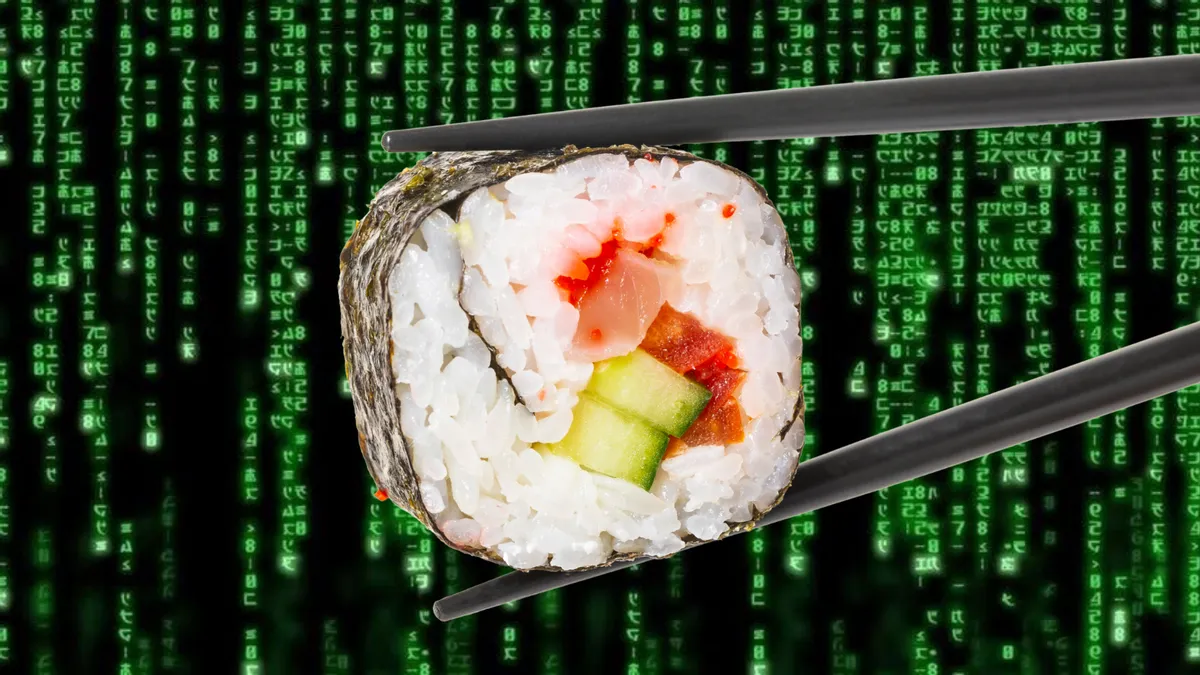
Recently, a claim has circulated online suggesting that Simon Whiteley, the code designer for the beloved film, The Matrix, crafted the iconic “green code” visual effect by scanning characters from his wife’s Japanese cookbooks. This story, while intriguing and adding a touch of literary charm, warrants closer scrutiny to determine its factual accuracy. As responsible citizens and consumers of media, it’s crucial to separate verified facts from alluring myths.

Examining the Origins of the Story

The claim appears to originate from anecdotes shared by The Wachowskis, creators of the film, and Whiteley himself. Reports indicate that the visual effect of the digital rain — cascading green symbols — was inspired by real Japanese characters. However, whether the design was directly created by scanning from cookbooks or whether this story is an embellished account remains in question.

Whiteley’s own explanations and interviews collected by VFX industry sources suggest that, while Japanese characters served as inspiration, the actual process was far more technical and involved digital design techniques rather than simply copying characters from cookbooks. Indeed, interviews with the film’s visual effects team indicate that the code was generated via digital overlays using custom software designed expressly for this purpose, rather than through a straightforward scan of printed material.

Technical Process Behind the Iconic Code

The process of creating the falling code effect involved:

  • Designing characters that evoke East Asian scripts but are not actual readable text.
  • Digitally generating these characters to produce a seamless rain-like animation.
  • Employing software to manipulate the code’s movement, density, and appearance, ensuring it fit the film’s aesthetic and thematic goals.

According to visual effects supervisor Jon Farhat, “The code was crafted digitally with input from linguists and graphic designers, to encapsulate the idea of information flowing in a cloaked, mysterious way.” This suggests a deliberate digital design rather than a mere scan of existing text source material.

Were the Characters From the Wife’s Cookbooks?

The specific claim that Simon Whiteley used characters from his wife’s cookbooks is rooted in a story Whiteley himself has recounted. He stated that he was inspired by Japanese script, specifically noting that some of the characters used in the digital rain were taken from his wife’s cookbooks on Japanese cuisine. However, in the context of animation and visual effects, this can be understood metaphorically as inspiration rather than an exact replication process.

Experts in Japanese language clarify that while cookbooks contain authentic Kanji characters, those used for visual effects in film are typically stylized or morphed to serve the aesthetic rather than represent meaningful language. Therefore, the assertion aligns with a creative process inspired by real characters but not digitally reproducing text from cookbooks line-by-line.

Fact-Checking the Core Claim

Based on the evidence, the following points emerge:

  • The story that Simon Whiteley scanned characters directly from his wife’s cookbooks is plausible as an inspiration, but not entirely accurate as a technical explanation of how the visual effect was created.
  • The actual digital rain effect was generated with sophisticated computer graphics and software designed specifically for the film, rather than a simple scan-and-reuse methodology.
  • Expert statements reinforce that while real Japanese characters influenced the design, the iconic symbols in the film are stylized and generated, not literal text directly copied from printed cookbooks.

The Importance of Truth in Media Narratives

In a digital age where sensational stories spread rapidly, it’s vital to ground our understanding in verified facts. The claim linking Simon Whiteley’s design process to copying material from cookbooks oversimplifies and romanticizes the technical craft behind one of cinema’s most iconic visuals. Transparency about the creative process helps preserve trust in the arts and informs audiences about the craftsmanship involved in filmmaking.

Ultimately, truth is the backbone of an informed citizenry. As viewers and digital citizens, we must distinguish compelling storytelling from factual accuracy — a responsibility that supports a healthy, functioning democracy and respect for responsible creativity.

The fierce race shaping America's weight-loss revolution
The fierce race shaping America’s weight-loss revolution

The recent decline in weight-loss drug prices in the United States marks a significant shift in the landscape of healthcare globally. Once considered a niche market catering mainly to affluent segments, these medications—particularly innovative drugs like semaglutide—have begun to permeate mainstream consumer markets, fundamentally altering the economics of weight management. The dramatic price reductions are driven by increased competition, advances in pharmaceutical manufacturing, and patent expirations, raising questions about whether this model can be replicated across other nations with diverse healthcare systems.

Analysts suggest that the US market’s openness to regulatory reforms and the free-market dynamics have created a conducive environment for dramatic price adjustments. In parallel, international health organizations and economic think tanks are closely monitoring these developments, as they could have profound geopolitical impact. Countries with struggling healthcare budgets or high obesity rates might be motivated to seek similar approaches to fast-track access to effective treatments. However, experts warn that replicability depends on local regulatory frameworks, pharmaceutical policies, and economic capacities, which differ widely across nations. Some fear that the US’s particular market conditions may not be easily transplanted elsewhere, risking a fragmented global response.

Furthermore, the reduction in costs may have ripple effects well beyond just consumer affordability. Policymakers in various nations are observing how access to affordable weight-loss drugs could influence public health outcomes and economic stability. Increased use of such medications could potentially ease the burden on healthcare systems by reducing obesity-related illnesses, from diabetes to cardiovascular disease. Yet, critics and international health agencies cautions that overdependence on pharmaceutical solutions might overshadow broader preventive measures, including lifestyle changes and public health initiatives. The debate intensifies as global institutions like the WHO consider whether a shift toward pharmaceutical solutions aligns with holistic health goals.

As history unfolds, the blueprint of the US experience holds a compelling narrative of market innovation, regulatory flexibility, and societal demands. If other nations can adapt this blueprint—balancing innovation with equitable access—they might forge new pathways toward healthier societies. However, the stakes remain high: political will, economic resilience, and societal values will determine whether these promising developments lead to a true revolution in global health or become another chapter in a complex story of medical commercialization. The world watches, bearing witness to a transformative chapter where decisions taken today could reshape the fabric of international health policy for generations to come, leaving the global community at a crossroads between progress and caution.

Rising Stars Shine: Young Athletes Break Records at National Championships

Antoine Griezmann Set to Join Orlando City SC

In a stunning development for Major League Soccer, Antoine Griezmann, the French forward renowned for his finesse and playmaking ability, is expected to finalize a two-year contract with Orlando City SC. This deal includes an additional one-year option, as reported by multiple sources to ESPN on Sunday. The anticipation surrounding Griezmann’s transition from European football to the U.S. highlights the growing appeal of MLS among global soccer stars.

Griezmann, a World Cup champion and one of the most skilled attackers in the game, has amassed a remarkable track record during his career. With over 100 goals for both club and country, his addition to Orlando City could dramatically shift the dynamics of the MLS landscape. Coaches and analysts alike have noted how his experience and vision could foster the development of younger players on the squad while also energizing the team’s fan base.

  • Player Highlights: Griezmann has displayed consistency throughout his career, having played successfully in top-tier leagues such as La Liga and the Premier League.
  • Potential Impact: Analysts believe Griezmann’s experience in high-pressure situations will be invaluable in tight matches.

Orlando City’s head coach, Oscar Pareja, expressed enthusiasm over the potential signing. “Griezmann’s skill set and competitive spirit align perfectly with our team’s philosophy,” he stated in a recent interview. The prospect of integrating a player of Griezmann’s caliber into the squad promises to elevate the team’s performance and draw fans to Exploria Stadium.

The acquisition of Griezmann not only solidifies Orlando City SC‘s ambitions for the upcoming season but also underscores the changing landscape of American soccer. In a league that increasingly attracts international talent, marquee players bring with them a wealth of experience, showcasing soccer as a powerful unifying force. As fans gather to watch their teams battle it out on the pitch, they recognize that sports transcend mere competition, fostering community and solidarity across all walks of life. As Griezmann prepares to don the purple jersey, expectations grow, not just for victories, but for a future where soccer becomes synonymous with unity and passion in the United States.

Source link

UN warns: El Niño threat raises climate alert for the youth

The Earth’s climate system has reached a critical juncture, according to recent reports from the United Nations’ World Meteorological Organization (WMO). For the first time in recorded history, climate data indicates that our planet is fundamentally out of balance, with temperature anomalies, unpredictable weather patterns, and rising sea levels threatening both natural ecosystems and human societies worldwide. This stark reality underscores a turning point that could redefine geopolitical stability for decades to come.

Global leaders and environmental experts are sounding urgent alarms over the accelerating pace of climate change. The WMO’s data reveals that anthropogenic factors—particularly the relentless burning of fossil fuels, deforestation, and industrial emissions—have pushed the Earth’s climate well beyond historical variability. These shifts stimulate a cascade of consequences: increased frequency and severity of natural disasters, widespread displacement, and economic destabilization. Analysts warn that ignoring these warning signs risks unleashing a cycle of instability that could ripple across continents, threatening international peace and security. The United Nations continues to call for urgent multilateral action, but critics argue that existing commitments fall markedly short of the scale and urgency needed to mitigate the crisis.

Among the most alarming repercussions are the geopolitical impacts stemming from climate-induced upheaval. Displaced communities and resource shortages are fueling conflicts in vulnerable regions, further emphasizing the intersection of environmental and international security. In Africa and parts of Southeast Asia, already fragile states face the compounded stress of climate-related migration and economic disruption. Meanwhile, powerful nations—such as the United States, China, and Russia—are under increasing pressure to balance their own economic ambitions with the moral imperatives of climate stewardship. Many international organizations emphasize that leadership in this crisis will influence how history judges the global response or complacency, with some analysts predicting a possible realignment of global alliances based on climate resilience and resource control.

Historian and geopolitical analysts point out that history has often identified major environmental shifts as catalysts for large-scale change—sometimes violent, other times transformative. The Strategic Foresight Group warns that if current trends persist, nations may soon find themselves in a state of hyper-competition over dwindling resources, with the potential for conflict escalating amid scarcity. The international community faces the difficult dilemma of reconciling economic growth with ecological sustainability—an endeavor complicated by national interests, ideological divides, and economic dependencies. As climate negotiations continue to falter, the collective question persists: will humanity heed the warnings before the window for effective action closes completely?

In the grand scope of history, this pivotal moment carries a weight that cannot be overstated. As global leaders gather once more to discuss climate policies amid a backdrop of increasing chaos, the world may be approaching an inflection point—where decisions made today will either forge a path toward sustainability and resilience or plunge future generations into chaos. The narrative of this century is being written with each policy, each treaty, and each act of defiance or compliance. The question remains: will this be remembered as humanity’s finest hour of collective action, or as a grave warning ignored until it was too late?

Tragedy in Minnesota: Wild Reporter Jessi Pierce and Her Kids Perish in House Fire, NHL Confirms

The tragic loss of Jessi Pierce, a dedicated NHL sports journalist, and her three children in a house fire in White Bear Lake, Minnesota, underscores a broader narrative that resonates far beyond the realm of sports. The incident, confirmed by the league and local authorities, serves as a stark reminder of the unpredictable nature of domestic tragedies that afflict families regardless of background or profession. While Pierce, 37, was a respected figure in the world of hockey, her untimely death—along with her children—elicited a wave of mourning from the global sports community and her local fans, highlighting how individual stories become emblematic of larger societal concerns and the fragile veneer of safety in well-established communities.

This tragedy unfolds against a backdrop of ongoing discussions about safety, community resilience, and national crisis management. As firefighters responded to the blaze, the cause of the fire remains under investigation, but the incident has already ignited a conversation about the importance of emergency preparedness and social safety nets. Experts note that such tragedies often catalyze policy debates surrounding domestic safety and mental health support, especially in communities with tight-knit identities like Minnesota’s “State of Hockey.” At a geopolitical level, these events remind nations that regardless of geopolitical ambitions or international power struggles, the most critical battleground remains within communities—those small, interconnected units where the real fabric of society is woven. The loss of Jessi Pierce resonates beyond her personal tragedy; it is a poignant reflection of how societal stability hinges on the strength and resilience of local communities, which are increasingly vulnerable amid a rapidly changing social landscape.

International institutions such as the United Nations and regional governance bodies have long emphasized the importance of social cohesion and safety in fostering global stability—yet, incidents like these expose gaps in national safety protocols and community support systems. Analysts argue that effective governance must integrate cultural and social awareness, addressing vulnerabilities that often go unnoticed until tragedy strikes. As historians like Samuel P. Huntington noted, the strength of a nation ultimately rests on its ability to maintain social order and foster communal bonds. The death of a figure like Pierce, symbolizing not just a personal loss but a societal rupture, prompts a reevaluation of priorities—reminding the world that behind every geopolitical dispute lie the lives of ordinary citizens, who are often left to grapple with the aftermath of calamity alone.

Looking ahead, nations are called to reflect on the resilience and unity of their own communities. The grief shared in Minnesota echoes globally—an urgent call for action to bolster emergency responses, mental health services, and community-building initiatives. As the National Hockey League mourns the loss of one of its own, what remains indelible is the recognition that humanity’s greatest strength is its capacity to withstand adversity through collective solidarity. But history warns us—without decisive action, society may falter in the face of such tragedies, leaving scars that threaten to weaken its social fabric. As the world watches how communities recover and rebuild, the evidence persists that true resilience begins where the individual meets the collective—an ongoing battle that, in every corner of the globe, will decide the future of human civilization itself.

AI influencer awards season kicks off—who’s leading the future?

Changing the Game: AI Influencers Take Center Stage in Digital Economy

The emergence of the AI influencer economy has transitioned from a niche curiosity to a disruptive force reshaping the digital landscape. Recently, the industry has announced its latest milestone: the inaugural AI Personality of the Year contest, created through a strategic alliance between OpenArt, a leading generative AI studio, and the innovative Fanvue platform. Backed by AI voice pioneer ElevenLabs, this competition symbolizes a significant evolution—highlighting how disruption in virtual influence is now mainstream.

The contest aims to recognize the creative talent behind AI-driven personas, emphasizing the commercial and cultural influence these virtual characters now wield. With a total prize pool of $20,000, contestants are competing across categories like fitness, lifestyle, comedy, and even fictional fantasy personalities. The organizers are positioning the event as the “‘Oscars’ for AI personalities,” signaling the industry’s blowout push into mainstream recognition and prestige. Such initiatives are indicative of a broader trend: AI influencers are transforming from quirky experimental projects into valuable assets that can redefine branding, advertising, and entertainment industries at their core.

This development raises crucial business implications. Tech giants and startups alike are investing heavily in AI-powered virtual personas that not only generate revenue but also deepen consumer engagement. The growing reliance on AI influencers introduces new dynamics in marketing, allowing brands to target highly curated virtual ambassadors who can operate 24/7, adapt in real-time, and foster authentic-seeming connections. However, this also raises critical issues concerning transparency and accountability. Despite the contest’s claim to celebrate creativity anonymously, critics warn of potential misuse. The space already faces challenges from false personas and fabricated stories—examples include the controversial AI rapper Danny Bones and MAGA-aligned AI characters, which undermine trust in digital content and pose ethical quandaries about authenticity in a synthetic age.

Industry Disruption and Future Outlook

As industry analysts from Gartner and MIT observe, the rapid evolution of AI-driven personas signals a paradigm shift in digital entertainment, marketing, and even political influence. The ability to craft believable, engaging virtual characters at scale unlocks unprecedented opportunities, but also calls for stricter regulation and industry standards. The fact that creators can remain anonymous may seem like a protective measure but complicates accountability when AI personas are exploited for grifts or manipulative agendas.

Looking ahead, the implications are clear: the virtual influence economy is only in its infancy. Key players like OpenArt and Fanvue are establishing infrastructure that could dominate the next wave of digital engagement—one where AI personalities become central to branding, entertainment, and even political campaigns. The deployment of such technology by major corporations and entrepreneurs signals a future where virtual personas are not just supplementary but essential components of the business ecosystem. As the industry accelerates, those who harness AI’s disruptive potential with innovation and strategic foresight will lead the charge into a new digital frontier—one where authenticity is redefined in the age of synthetic competitors.

Fire-damaged nursery moves 10 miles away, challenging local community dynamics

On Monday, Theale reopens its doors to 76 children, marking an initial step toward restoring normalcy in a community that has faced significant disruption. This reopening, coupled with the upcoming deployment of temporary buildings in Thatcham, underscores a broader challenge faced by local schools and their surrounding communities in adapting to recent pressures—be it population shifts, infrastructure constraints, or societal upheavals. As communities rally to support their youth, one cannot overlook the layers of social tension and systemic issues that influence educational stability and community cohesion.

The demographic shifts impacting these towns are clear. The increasing influx of families seeking housing options, often driven by economic changes or the desire for proximity to employment centers, has strained existing school capacities. Sociologists such as Dr. Emily Hartman point out that these demographic changes influence not only school enrollment numbers but also the fabric of families and communities. When schools must rapidly expand or adapt, it often means temporary measures—like the upcoming portable classrooms—that can inadvertently impact the quality of education and community morale. These challenges underscore a broader societal tension: balancing growth with the need for stability and ensuring children’s right to a consistent learning environment.

At the heart of these issues are questions of societal equity and community resilience. As local authorities prioritize rapid infrastructural responses, they highlight the importance of investing in long-term solutions—expanding permanent facilities and fostering community programs that strengthen social bonds. According to historian Dr. Robert Jenkins, such developments are pivotal in shaping societal cohesion; when educational institutions adapt proactively, they serve as anchors of stability amid societal upheaval. Conversely, inadequate responses risk deepening social stratification, especially if marginalized communities face disproportionate challenges in access and quality of education. Families, in particular, bear the weight of these shifting circumstances, often grappling with uncertainties about their children’s futures in rapidly changing environments.

This situation calls for a holistic approach—one that not only addresses physical infrastructure but also emphasizes social and emotional support systems within schools. Community leaders and educators need to work collaboratively, recognizing that the health of a society can often be measured by the strength of its youngest members’ foundational experiences. This means investing in mental health services, mentorship programs, and inclusive curricula that respect diverse backgrounds while fostering a sense of shared purpose and resilience. As history and social commentary suggest, societies that prioritize human capital development during times of change are better positioned to build enduring strength and unity.

In contemplating the challenges ahead, the story of Theale and Thatcham is emblematic of a society at a crossroads—one where rapid change can either fracture communities or serve as a catalyst for renewal. Behind every makeshift classroom and every overwhelmed corridor lies the hope of future generations who can thrive if supported by committed communities and thoughtful policies. Society’s ongoing task is to transform these pressing issues into opportunities—redefining the future not through neglect or short-term fixes, but through a shared vision of resilience, growth, and hope that endures beyond the immediate crises. In the quiet courage of parents, teachers, and community leaders, there remains a quiet promise—to nurture the light of tomorrow, even amid the shadows of today’s social challenges.

Canadian Religious Symbol Ban Sparks Constitutional Clash Among Youth

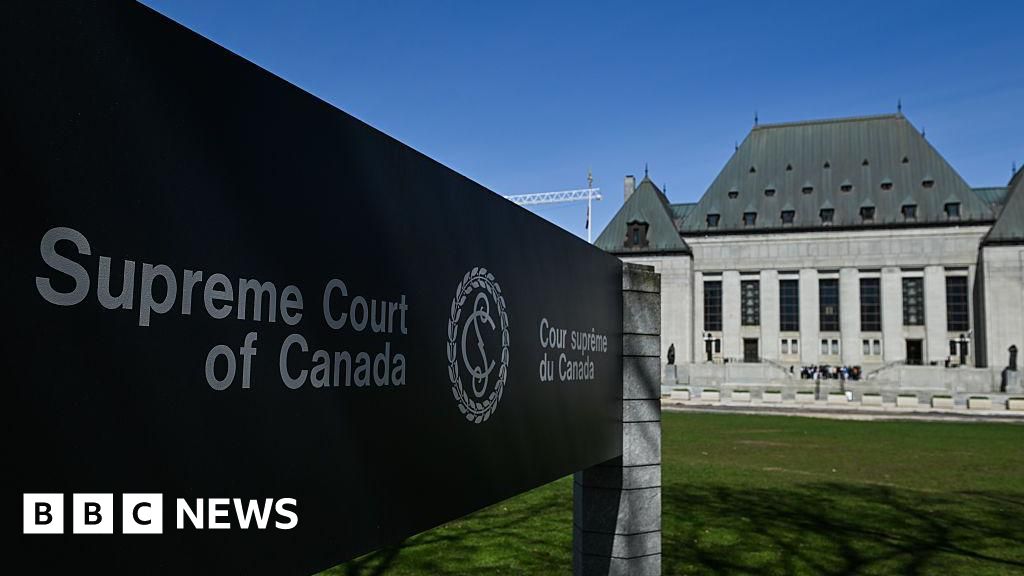
In a significant development within the ongoing struggle between secularism and religious freedom, Quebec’s provincial government has formally brought its controversial law regulating religious symbols to the Supreme Court of Canada. This move marks a pivotal moment in the constitutional debate over individual rights, provincial autonomy, and the limits of government authority in cultural and religious expression. The legislation, often dubbed as the “Religious Symbols Law,” mandates restrictions on public employees in positions of authority from wearing religious symbols, including hijabs, turban, and crosses, aiming to promote secularism within state institutions.

As the case advances to Canada’s highest judicial body, legal analysts and international observers acknowledge its profound geopolitical impact. The law is not merely a provincial matter but a flashpoint in broader debates that resonate across national borders—especially in nations facing similar conflicts over multiculturalism, identity, and religious expression. Opponents argue that the legislation infringes on fundamental freedoms guaranteed under the Canadian Charter of Rights and Freedoms, particularly the rights to religious expression and freedom of conscience. Supporters contend it is a necessary step to preserve the secular nature of Quebec and uphold societal cohesion amidst increasing diversity.

Prominent international organizations, such as the United Nations, have voiced warnings about potential human rights implications, while critics from various legal and civil society groups view the law as a manifestation of rising anti-immigrant and anti-minority sentiments. Historians like Dr. Emily Thompson suggest that the case echoes past cultural conflicts within Quebec, which has long grappled with its identity amid a mosaic of religious and cultural influences. The legal battle is also illustrative of the rising tide of nationalistic movements across the world, where governments assert sovereignty and cultural integrity in the face of global pressures. The Supreme Court’s ruling will not only determine the fate of this legislation but will also influence how governments across the globe navigate personal freedoms versus state secularism.

The decision at hand carries the weight of history, with every juridical word potentially shaping the societal fabric of Canada for generations. As the court prepares to deliver its verdict, the world watches—a stark reminder that the choices made today in courts and parliaments are often the ones that forge the enduring narratives of nations. Will this legal confrontation reinforce Quebec’s cultural sovereignty or trigger broader constitutional debates across entire liberal democracies? The outcome remains uncertain, but the message is clear: the fight over religion, identity, and state power is far from over, and history stands at a decisive crossroads.

NASA’s Experimental Supersonic Jet Makes Surprising Early Landing Following System Warning

The Rise of Quiet Supersonic Flight: NASA’s X-59 and Its Cultural Impact

In an era where speed often symbolizes progress, NASA’s latest milestone with the X-59 supersonic jet signals a transformative shift in aerospace innovation—one centered not just on breaking barriers, but on redefining societal norms surrounding sound pollution. While the jet has only completed brief test flights—such as its second run on March 20, which was cut short after nine minutes—the implications resonate far beyond the runway. This project embodies the modern push towards faster, more efficient travel that adheres to evolving standards of environmental and social responsibility.

The X-59 represents more than a high-speed aircraft; it signals a major cultural shift in how society perceives technological progress. Traditionally, supersonic jets like the Concorde introduced a new era of luxury and rapid transit but were hampered by the notorious sonic boom—a disruptive shockwave that made routine overland flights impossible, and spurred government bans. NASA’s innovation, built in partnership with Lockheed Martin, is aimed at achieving Mach 1.4 speeds (~925 mph) that produce only a gentle thump. This would fundamentally challenge the existing restrictions, paving the way for a new wave of commercial travel that could shatter the time barrier, with a New York to L.A. flight slashed from over five hours to under three.

  • Traditional supersonic aircraft create disruptive booms—an environmental and societal obstacle.
  • NASA’s X-59 aims for a quiet sonic thump, potentially revolutionizing overland supersonic flight.
  • Early test flights focus on system stability, with upcoming higher-speed tests planned.

This emerging technology is capturing the social imagination and setting cultural trends that extend beyond aviation enthusiasts. Influencers and industry analysts herald it as a herald of the next frontier of lifestyle convenience. The anticipation of faster connectivity feeds into a broader societal desire for instantaneous experiences, influencing everything from how younger generations perceive transportation to their expectations of efficiency. Scholars like sociologist Dr. Emily Harper argue that this trend reflects a society “eager to shed the constraints of time,” pushing the boundaries of what’s possible in the quest for speed and sustainability.

Though still in its experimental phase, the project’s impact is as much about cultural shift as technological breakthrough. With over 100 planned test flights and an industry waiting eagerly for regulatory approval, the question becomes less about if supersonic travel will return, and more about how it will change our social fabric. Will the pursuit of faster, quieter flight lead to a new era where overpopulated urban centers are interconnected within hours? Or will it raise new questions regarding environmental impacts and urban regulation? The next chapter of this story hinges on the societal response to these advances, making it the next big question in aviation history.

Could Fuzzy Crocs Be the Ultimate House Shoe? Yeah, We Said It | Life & Style

In the ever-evolving landscape of lifestyle choices, a quiet but unmistakable shift is taking place: comfort and self-expression have become the new frontiers. At the heart of this movement are iconic, often misunderstood footwear like Crocs, now boldly reinvented with plush, faux-fur-lined interiors. Once considered the working-class standbys of practicality—water shoes, clogs, utilitarian footwear—Crocs are emerging as symbols of *embracing* individualism without sacrificing comfort. This transformation exemplifies a broader societal trend—more young people than ever are prioritizing their wellness and personal impact over outdated fashion norms, opting instead to cultivate a lifestyle rooted in ease, authenticity, and a touch of rebellious comfort.

Faux-fur-lined Crocs
Source: Marissa Miller/The Guardian

The Crocs Baya Faux-Fur-Lined Clog exemplifies this shift. Retailing from $44.97, these shoes are more than just a quirky fashion statement—they are a lifestyle upgrade. The plush lining offers an unmatched *sense of comfort*, turning mundane routines into moments of *wellness*, and the ease of slip-on design aligns with our increasingly *on-the-go* culture. The appeal lies in its *simplistic functionality*. Their roomy toe box and anatomical footbed promote natural movement, making them perfect for everyday tasks—whether it’s lounging at home or quick errands outside. The lightness of these Crocs fosters an almost *weightless freedom*, providing both physical relief and a mental reset from the formalities of traditional footwear.

A Sneaker? A Utility? A Lifestyle Statement

Beyond the comfort, these shoes symbolize something larger—a conscious choice to reject societal pressures for perpetual style over substance. Experts like wellness author Dr. Rhonda Patrick repeatedly emphasize the importance of integrating personal comfort with health, highlighting how footwear that supports natural foot mechanics can improve overall wellbeing. While some physiotherapists might debate the superiority of adjustable straps for certain activities, real-world experience suggests that once comfort is prioritized, injuries or discomfort are less likely to rear their heads. For many young people, this rejects the *fast fashion treadmill* and instead promotes a form of living where *self-care* and *functional style* coexist organically.

Faux-fur-lined Crocs close-up

The Power of Small, Purposeful Movements

Research from the Best Practice & Research Clinical Endocrinology underscores how up to 30% of our activity is made up of non-exercise movements—those tiny moments that add up, like tidying up, walking around the house, or pacing during calls. For the modern young adult, this is where such footwear truly shines. Faux-fur-lined Crocs aren’t just for practicality—they’re tools to *beautify* the mundane. They turn everyday chores into *acts of self-love*, helping us reconnect with the simple joy of movement without the burdens of restrictive shoes. Here, comfort becomes a *gateway* for mindful living, inspiring us to *reclaim* those small daily tasks and realize that wellness isn’t just a destination, but a collection of these quiet, intentional choices.

As the narrative around wellness continues to unfold—shifting from external appearances to internal states—these once-dismissed Crocs now embody a philosophy: life is *more meaningful* when lived with authenticity and ease. They remind us that embracing the practical, the quirky, and the *comfortable* can lead to a more *holistic* sense of self. Sometimes, it takes stepping into a pair of fur-lined Crocs to rediscover that the journey to wellness begins with *simple* yet powerful steps—literally, in the shoes we choose to wear. Because in the end, lifestyle isn’t just about how we look; it’s about how we feel, and how those feelings inspire us to move forward with unwavering confidence.

Social Media Auto Publish Powered By : XYZScripts.com