Matox News

Truth Over Trends, always!

Why Is Antigone Reshaping Youth Culture?

Why Are We Obsessed With Antigone? The Enduring Voice of Cultural Resilience

In an era marked by rapid societal shifts and an erosion of shared cultural narratives, the revival of Antigone on theatrical stages across New York City underscores a profound hunger for timeless themes rooted in justice, familial duty, and resistance against tyranny. This ancient Greek tragedy by Sophocles has transcended the confines of antiquity to become a living dialogue about the core values—beliefs that define civilization itself. As Ortega y Gasset once observed, the vitality of culture hinges on our ability to see ourselves anew in the reflection of the past, fostering a society that is both rooted and resilient.

At its heart, Antigone is a narrative about the individual’s moral autonomy standing in stark conflict with the state’s authority. This tension resonates today, especially as many young people grapple with questions of identity, sovereignty, and moral integrity amidst cultural upheaval. The play’s protagonist embodies a form of noble defiance—an assertion that certain truths transcend political power. In this light, the antigone-like figures in modern culture evoke an enduring archetype: a spirit unbowed in the face of an impersonal and often oppressive social order. Notably, T.S. Eliot emphasized that such enduring figures serve as the “memory of humanity,” embodying the perpetual struggle to uphold enduring values in a tumultuous world.

The timeless relevance of Antigone lies in its capacity to serve as a mirror for society’s ongoing debates about tradition, law, and moral authority. Philosophers like Chesterton and cultural critics remind us that culture is not merely entertainment but the sacred vessel of societal identity. Today’s adaptations—whether in classical productions or contemporary reinterpretations—highlight the importance of embracing our cultural heritage as a source of moral clarity. They scaffold a collective identity that is both a nod to the past and a prophecy of future resilience. As Tocqueville argued, democracy flourishes when the moral fabric of society is woven with threads of shared cultural and spiritual values, echoing the play’s call for conscience over tyranny.

  • Reinforcement of Cultural Identity: The plays inspire a recognition of shared values that bind communities together amid fragmentation.
  • Defense of Traditional Morals: As society navigates the complexities of modernity, the moral questions posed by Antigone preserve a dialogue about universal virtues.
  • Symbol of Resistance: Cultivating a cultural consciousness that defies totalitarian tendencies, emphasizing that sovereignty begins with moral conviction.

This resurgence of interest in Antigone reflects a broader cultural understanding: that preserving tradition is an act of resistance—a bulwark against the nihilism threatening to erode our roots. It isn’t merely about honoring the past but about forging a future where the human spirit, like Eliot’s notion of the “burnt-out case,” can be reignited through the enduring power of cultural memory. The plays and symbols of antiquity serve as sacred texts, prophecy intertwined with history, reminding us that to remember is to reclaim and to anticipate what must be preserved in the face of relentless change. As we stand amid cultural crossroads, the voice of Antigone urges us to remember that the foundation of society is built upon the unwavering bedrock of tradition, and that our collective destiny remains written in the stories we dare to tell and uphold.
In the end, culture is both memory and prophecy—an eternal echo of humanity’s noblest hopes and fears. Through the sacred dance of remembrance and anticipation, we forge in the depths of old stories the blueprint for what is yet to come, ensuring that the flame of civilization is never extinguished but carried forward by those bold enough to stand, like Antigone herself, in defiance and hope.

Rising Stars Shine in Thrilling Championship Showdown

Pittsburgh Prepares for NFL Draft: Schools Go Remote

The excitement is palpable in Pittsburgh as the city gears up to host the highly anticipated NFL Draft from April 22 to 24. In light of this grand event, Pittsburgh Public Schools will operate remotely, allowing educators and students to fully engage with the festivities surrounding this pivotal moment in football history. As fans from all over the nation converge on the Steel City, the focus is not solely on the draftees but also on the community vibe that sports bring to urban life.

Mayor Ed Gainey emphasized the significance of the event, stating, “This is not just about football; it’s about showcasing what Pittsburgh has to offer. We want our students and families to be part of this monumental occasion.” With this in mind, the remote operation of schools provides a unique opportunity for young people to partake in the fanfare of the draft, from attending events to gathering with friends to watch the live selections unfold.

  • April 22-24: NFL Draft takes center stage in Pittsburgh.
  • Students will experience remote learning to accommodate the influx of visitors.
  • The draft provides a significant economic boost to the local community.

While school sports may serve as the foundation for many student-athletes, the NFL Draft represents the ultimate achievement for collegiate and high school football players aspiring to reach the professional level. The buzz around potential first-round picks, such as Jordan Addison and others, adds another layer of excitement, turning attention to both local talent and national prospects. In the words of former NFL star and commentator, Troy Polamalu, “This draft is a testament to dedication and hard work; it encapsulates the dreams of countless players across America.”

As the city transforms into a vibrant hub of activity for football enthusiasts, it reinforces the idea that sports serve as a unifying force, transcending mere competition. This draft week invites reflection on the ultimate goal: not just individual success, but community pride, shared experiences, and dreams realized. In the spirit of the game, Pittsburgh stands ready to celebrate not only the athletes who will be chosen but also the fans, families, and young hopefuls who embody the heart of football culture.

Source link

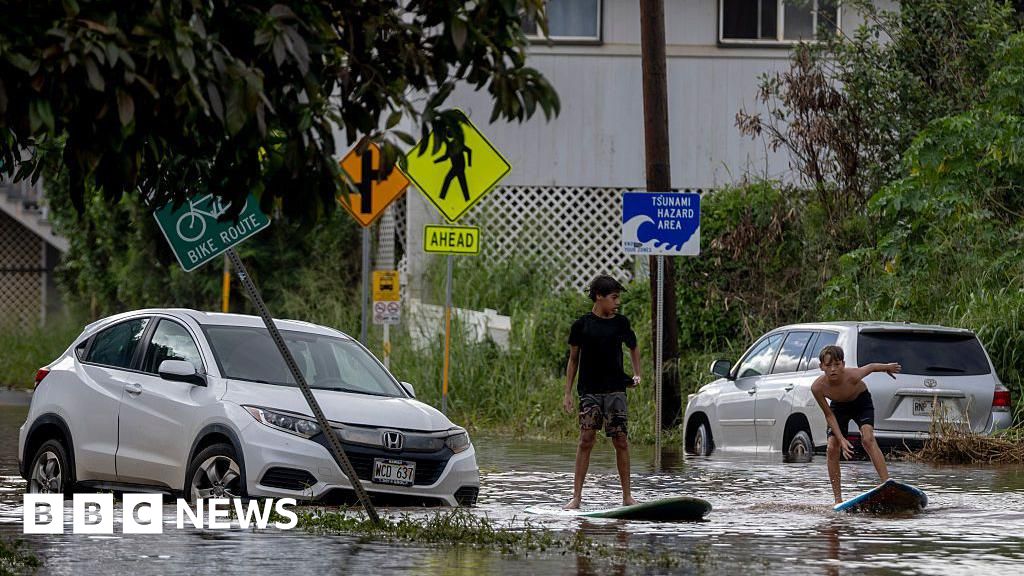
Hawaii Storms Cause Over $1 Billion in Damage, Governor Reveals

Recent weather calamities in Hawaii have underscored the devastating toll that climate-related disasters can impose on local infrastructure and economies. Governor Josh Green announced that the full extent of damages to roads, bridges, and essential services remains unassessed but emphasizes that the catastrophic flooding has already revealed vulnerabilities that could have broader geopolitical implications. As global climate change accelerates, such events threaten to destabilize regional stability and heighten the pressure on international aid agencies, prompting a reevaluation of resilience strategies in vulnerable areas.

The rains and flooding — described as some of the worst in recent memory — have caused widespread destruction that not only disrupts daily life in Hawaii but also serves as a stark warning to nations worldwide. Historically, such extreme weather events have been catalysts for policy shifts aimed at boosting infrastructure resilience, but critics argue that many governments lag behind in implementing necessary reforms. International organizations like the United Nations have repeatedly called for urgent action, yet debates persist over responsibility and funding, especially for impoverished or politically unstable regions. This calamity spotlights the ongoing climate crisis, which analysts warn could provoke increased geopolitical tensions as nations scramble for resources and aid.

Geopolitical impact extends beyond environmental considerations. As Hawaii contends with the aftermath, regional and global leaders are assessing how climate change can exacerbate existing tensions—particularly in areas prone to natural disasters. Allegiances are being tested, with some nations using such events as opportunities to leverage aid and influence, while others face internal criticism for inadequate preparedness. Many security experts, including those at the International Crisis Group, warn that in a world increasingly shaped by climate-induced disruptions, failing to prepare could lead to humanitarian crises that destabilize entire regions, causing ripple effects that threaten global peace.

Moreover, the ongoing situation in Hawaii, a U.S. state often perceived as a remote paradise, lays bare the importance of proactive governance in safeguarding national interests. History demonstrates that neglecting infrastructure and environmental preparedness in key strategic regions can have ripple effects far beyond local borders. As international institutions urge for coordinated responses, questions remain about the pace and adequacy of such measures. The unfolding catastrophe in Hawaii is not solely a regional issue—it is a mirror reflecting a world at a crossroads, where climate change, geopolitical contestation, and societal resilience intertwine in a dangerous dance.

As the waters recede and the dust settles, the true magnitude of this crisis will become clear. Yet one thing remains certain: the historical narrative that emerges from this tragedy could redefine how nations prepare for an uncertain future. In the shadows of impending global shifts, the enduring question echoes—will humanity learn to confront its most formidable challenge, or will this be yet another chapter in a story of lost opportunities and rising threats?

Please provide the feed content so I can create the fact-checking headline.

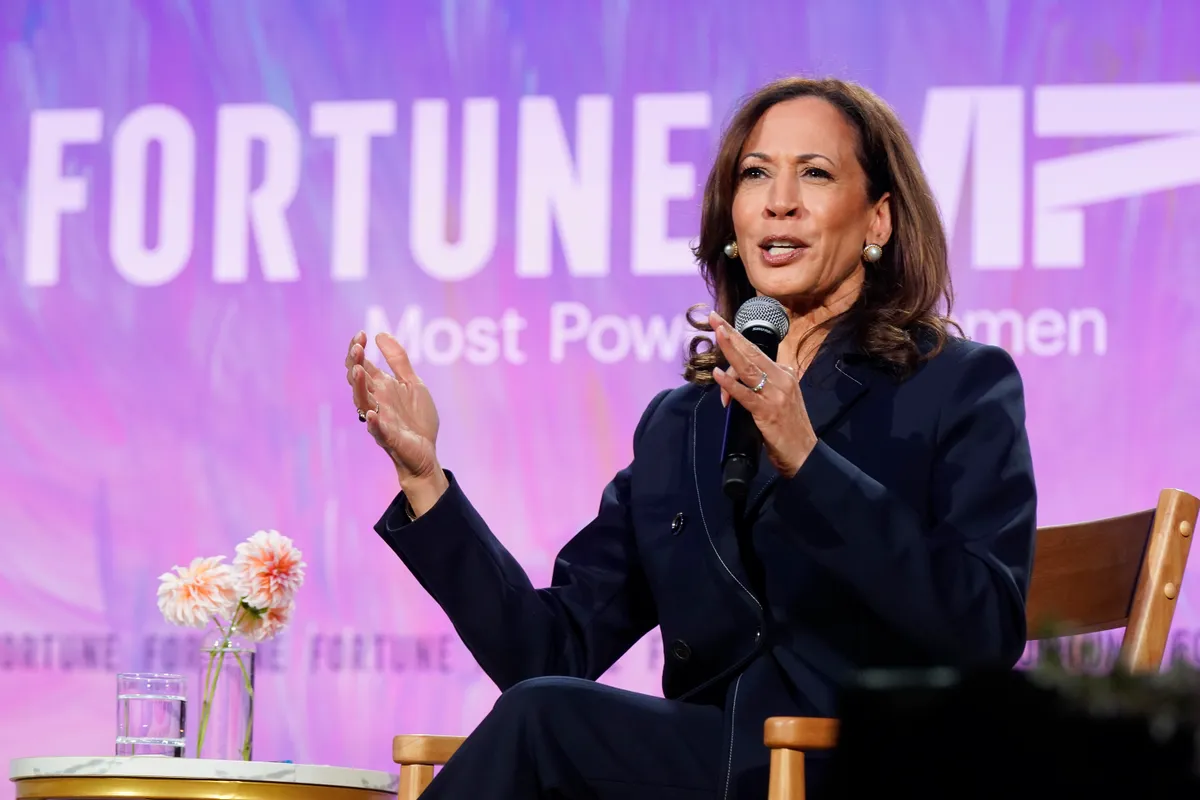
Fact-Check: Misquotations and Parodies of the Former U.S. Vice President

In recent years, the public perception of the former U.S. vice president has been significantly shaped not only by her actual statements but also by widespread misquotes and cultural parodies. Claims that she has been “frequently misquoted” or targeted by comedic impersonations are often used in political discourse to dismiss or undermine her influence. To understand the accuracy of these assertions, it is crucial to examine the evidence regarding her statements, the phenomenon of misquoting, and the role of satire in political engagement.

First, what is the extent of misquotation involving the former vice president? Data from fact-checking organizations such as PolitiFact and FactCheck.org indicates that prominent figures in politics, especially those with distinctive speaking styles, often fall victim to misquotations. This pattern is not unique to her; historically, politicians ranging from President Reagan to Senator AOC have been misquoted or taken out of context. However, specific instances of her misstatements have been documented and analyzed. According to analysis by political analysts at The Heritage Foundation, while some errors in her speech can be attributed to natural slips or complex ideas being condensed, many viral quotes attributed to her are either exaggerated or completely fabricated.

Regarding parody and targeted satire, is she a frequent subject of humorous impersonations and stylistic parodies? The answer is yes. Humorists, social media personalities, and late-night comedians have frequently created caricatures of her speaking style. The Washington Post and The New York Times have documented how such portrayals, while sometimes exaggerated, are often rooted in her actual speech patterns and mannerisms. These parodies serve as both entertainment and political commentary, shaping public perceptions—sometimes unfairly. As Dr. Lisa Schencker, a communication expert at the University of Illinois, notes, “Parodies tend to amplify certain speech traits, but they also contribute to a phenomenon where the line between fact and caricature becomes blurred.”

Does this mean the claims about her being frequently misquoted are exaggerated or used selectively? The evidence suggests that while misquotations do occur—common to many public figures—the claim that she is “frequently misquoted” must be viewed in context. Misquoting is a broader problem influenced by how information spreads via social media, often amplifying inaccuracies. Furthermore, political opponents and media outlets sometimes selectively highlight or distort her statements for strategic reasons. This phenomenon aligns with studies from the Pew Research Center, which show that misattribution and distortion of quotes are prevalent in contemporary media environments, complicating efforts to discern factual accuracy.

Ultimately, the narrative that her statements are frequently misquoted or parodied is partially rooted in reality but also amplified by political and cultural dynamics. Recognizing the nuances and sources of these phenomena is vital for responsible, informed citizenship. As citizens committed to democracy, it is our duty to verify claims, distinguish fact from caricature, and hold ourselves accountable for engaging with truthful information rather than relying on sensationalism or targeted memes.

British-Iranians Raise Alarm Over Safety Amid Iran War Emergency

As the geopolitical storm in the Middle East intensifies, its repercussions are rippling across global cities, with London emerging as a flashpoint for Iranian diaspora tensions. Recent reports reveal a surge in concerns among Iranians living in the UK, fueled by escalating conflicts involving the US and Israel. The city’s sizable Iranian community, especially the district known as Little Tehran in Finchley, has become a battleground for ideological confrontations, protests, and fears of harassment. These developments underscore how international conflicts extend beyond distant borders, directly impacting societal cohesion and safety within diasporas. Analysts warn that such utterance of unrest—driven by pro-monarchy groups and factions aligned with Iran’s opposition movements—could have long-term social and security consequences for the UK.

Amid these tensions, law enforcement in London are caught in the middle, tasked with balancing the preservation of free speech and protest rights against the need to maintain public order. Recently, police officials have engaged with community leaders and increased patrols in affected districts, indicating an acknowledgment of the gravity of the situation. London’s police chief, Det Supt Katie Harber, emphasized that “the impact of events happening thousands of miles away” is felt locally, and that “many in our Iranian communities” are understandably fearful. This dynamic reveals a broader pattern: international conflicts are not confined to distant geopolitical theaters but play out tangibly within immigrant communities, fueling polarization and potentially escalating into violence or social fragmentation. Furthermore, the UK’s recent banning of the annual al-Quds Day march, citing risks of disorder, signals an alarming escalation where authorities are actively intervening in expressions of political and cultural identity—often under the guise of national security.

Meanwhile, the conflict’s international ramifications are mirrored in recent counterintelligence efforts, with UK authorities arresting suspected Iranian spies, reflecting fears of espionage and political meddling. These actions dovetail with growing calls from British-Iranian activists for the UK government to be vigilant and refrain from succumbing to external pressures or internal divisions. Notably, Reza Pahlavi, the exiled son of Iran’s former pro-Western monarchy, has garnered both support and controversy. Supporters advocate for his leadership as a potential unifier for Iran’s fractured opposition, while opponents critique the divisive nature of his political stance. A recent

  • petition demanding investigations into pro-Pahlavi groups

highlights how external political factions influence internal UK security and societal cohesion, prompting debate on how to navigate these complex foreign and domestic interests.

At the heart of this unfolding crisis lies a pivotal question: How will the UK and its allies respond to the expanding influence of Iranian opposition factions, and at what cost to civil liberties and social order? The narrative is still being written, with each incident pushing history closer to a potential tipping point. As experts warn of the risks of escalation—both within communities and geopolitically—the world watches a fragile equilibrium teetering on the edge. Today’s decisions and actions may determine whether London remains a welcoming haven for free expression or transforms into a battleground where history’s most profound divisions are played out. The weight of this moment, ripe with unresolved tensions, echoes a stark warning: the global struggle for influence and ideology continues to shape societies from afar, leaving the future uncertain, and the epoch of this conflict yet to be decided.

Top Merino Wool Gear for 2026: Base Layers, Hoodies & Jackets for the Modern Explorer

Revolutionizing Outdoor Apparel: The Disruption of Natural Fibers in Tech-Driven Brands

The outdoor apparel industry is experiencing a significant paradigm shift, driven by pioneering companies harnessing biologically-based, sustainable fibers and redefining what rugged, high-performance gear means for a new generation of enthusiasts. At the forefront, companies like Paka and Darn Tough are pushing the boundaries of innovation in material science, challenging traditional synthetic and untreated wool products. Their focus on natural fibers such as Merino wool and alpaca, combined with advanced engineering, demonstrates an industry ripe for disruption — one that emphasizes both environmental responsibility and peak performance. Analysts from Gartner have highlighted this segment as “one of the most promising early-stage innovations in consumer textiles,” signaling a business climate poised for rapid evolution.

The technical merits are undeniable: merino wool and alpaca fibers—such as the 65% royal alpaca blend combined with recycled nylon—offer natural thermoregulation, odor resistance, and lightweight warmth, making them an attractive alternative to synthetics. Industry experts, including MIT researchers, note that such materials enable products to deliver “disruption on both a consumer and environmental level,” aligning with a broader shift toward eco-conscious consumption. These companies are not just making clothing; they are engineering a new value proposition built upon versatility, sustainability, and durability. The recent release of the Furlong sweater, crafted from Irish Donegal yarn, exemplifies this ethos—offering a rugged, rustic aesthetic for the eco-aware youth seeking authenticity coupled with innovative comfort.

Additionally, the private sector’s response has been brisk.

  • High-performance base layers—merino socks, underwear, and bras—are rapidly replacing traditional synthetics due to superior softness, durability (often backed by unconditional lifetime guarantees), and natural odor eradication.
  • Durability and longevity—products like Darn Tough socks exemplify how natural fiber blends, around 50/50 nylon and merino wool, achieve enduring performance, often lasting years under intense conditions without wear.
  • Market leadership—such as Paka offering alpaca tops at approximately $159, boasting environmentally friendly production and broad color ranges—demonstrates the profit potential in blending **luxury appeal with sustainability**. Such brands are transforming the outdoor sector from a niche into a lucrative, disruptible business frontier.

Business analysts, including those from Gartner and Elon Musk’s venture firms, emphasize that these innovations are merely the surface of a much deeper transformation rooted in material science, consumer behavior, and societal values. The integration of recycled nylon and other eco-friendly materials reflects a societal demand for responsible manufacturing without compromising performance, opening pathways for traditional brands to be displaced by agile, innovation-driven startups. In a landscape dominated by rapid technological advancement and a conscious consumer shift, the traditional textile industry risks being left behind unless it adapts swiftly to this disruptive wave of bio-based materials.

Looking ahead, the development of natural fiber technology signals a future where performance, sustainability, and youth culture converge. Industry leaders and investors must recognize that timing is critical: the brands that invest in cutting-edge bio-fibers and sustainable manufacturing processes will set the tone for the next decade. The question remains—will established giants embrace this innovation as a core business strategy or await being rendered obsolete by agile disruptors? The industry must prepare for a future where sustainable, high-performance apparel is not just a selling point but a defining characteristic of global outdoor and athletic sectors. In essence, the race is on—those who innovate earliest stand the best chance of capturing the next wave of consumer loyalty and market leadership.

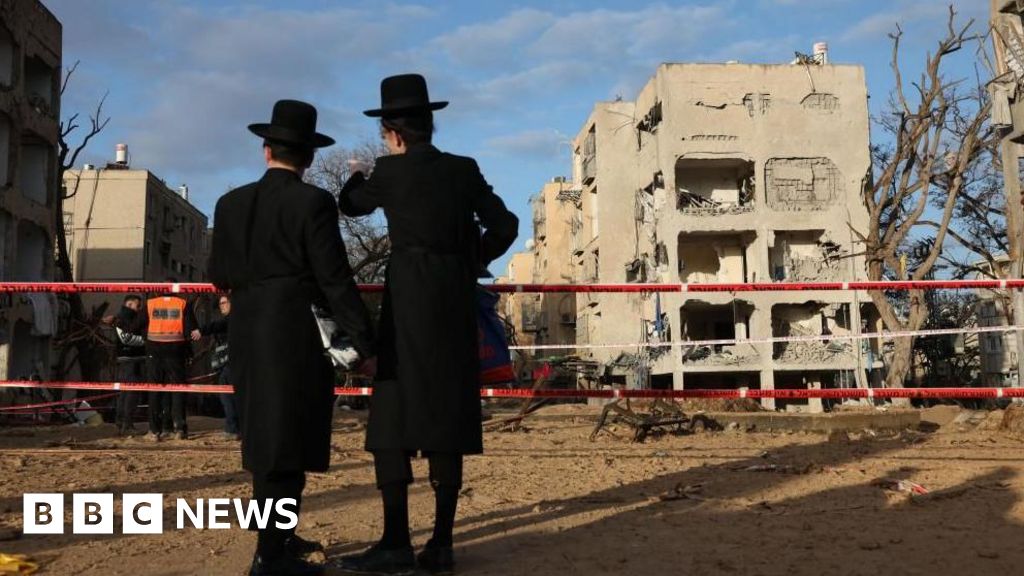
Iranian missile strikes target town near Israeli nuclear site, injuring 160 residents

In a concerning development, Israel has launched an investigation into how ballistic missiles managed to breach its highly advanced air defense systems. This incident underscores a new level of escalation and challenges that threaten the stability of the Middle East, a region already fraught with long-standing conflicts and geopolitical rivalries. The breach raises profound questions about the effectiveness and resilience of Israel’s military infrastructure amidst growing regional and international tensions.

Experts and analysts suggest that this breach may signal a shift in the strategic landscape of the area. While Israel‘s Iron Dome and other missile defense systems are regarded as some of the most sophisticated globally, recent events highlight potential vulnerabilities or evolving tactics used by adversaries. A series of recent conflicts, including escalating hostilities with proxy groups and neighboring nations, suggest that adversaries are adapting their military strategies to circumvent existing defenses. In this context, the incident serves as a stark wake-up call for Israel and its allies about the persistent threat posed by ballistic missile arsenals.

Global institutions and international observers have weighed in on the matter. The United Nations has reiterated the importance of de-escalation and renewed calls for diplomatic solutions to prevent further violence. Meanwhile, military analysts, including those from independent think tanks, warn that the incident could mark a turning point in regional security dynamics. Countries like Iran and Syria, known for their support of regional militant groups, are often cited as key facilitators of missile proliferation, which complicates efforts to achieve stability. This event pinpoints how fragile peace agreements and ceasefire efforts are when faced with the relentless progression of missile technology and asymmetric warfare tools.

Historically, the region has seen multiple moments of tension, but incidents like these serve as vivid reminders that conflicts are increasingly fought not just on the battlefield but in the realm of technology and intelligence. How nations respond in the coming days will have lasting consequences on regional security and the global order. As Israel re-evaluates its defenses and explores new strategic measures, the world watches with bated breath—knowing that in this era of rapid technological evolution, the lines between peace and conflict are more fragile and more deadly than ever before. The story is still unfolding, but one thing remains clear: history’s heavy shadow looms over a region on the brink of transformation, with each decision echoing across the corridors of power and the lives of millions caught in the crossfire.

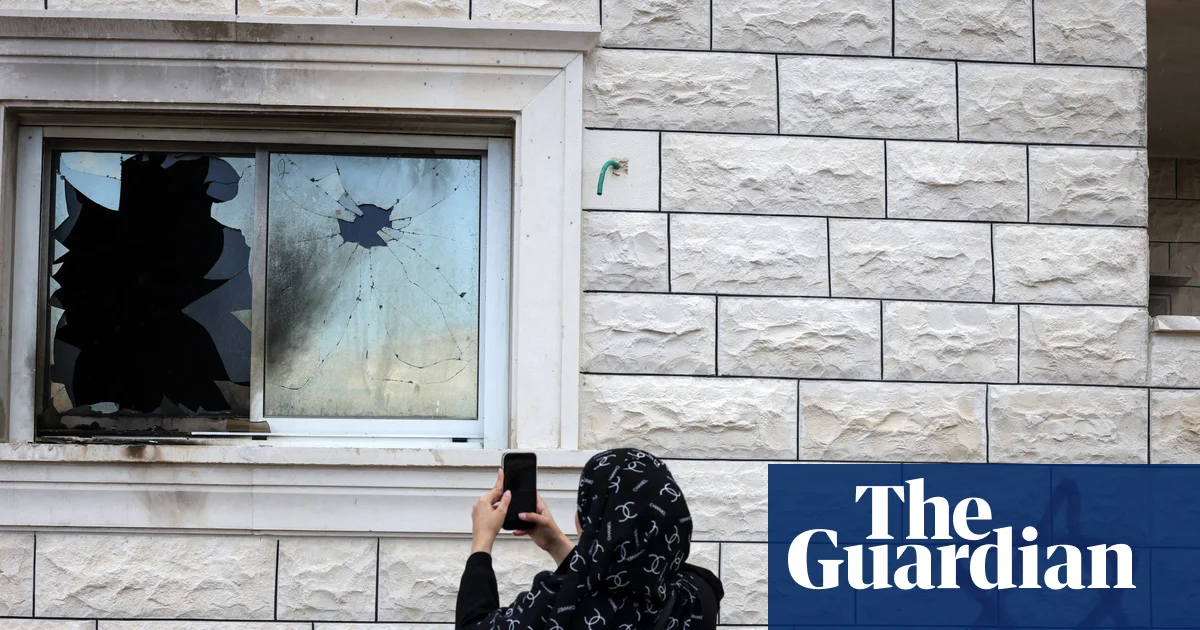
Israeli settlers escalate West Bank assaults amid indifferent security forces

The situation in the West Bank continues to escalate, exposing a volatile chapter in the ongoing Israeli-Palestinian conflict that bears profound geopolitical repercussions. Reports of widespread settler violence—attacks involving arson, vandalism, and physical assaults—underscore a disturbing pattern of escalation that challenges international calls for stability and peace. Over recent days, Israeli settlers have reportedly carried out coordinated raids across at least half a dozen Palestinian communities, inflicting injuries and destruction, while Israeli forces have largely remained passive or complicit in allowing these acts to unfold unchecked.

  • Settlers targeted homes and vehicles in communities such as al-Fandaqumiya, Seilat al-Dahr, Masafer Yatta, Qaryout, and Jaloud. Witnesses describe scenes of chaos and destruction, with multiple homes burned, residents injured, and hundreds of vehicles vandalized or torched.
  • These incidents have coincided with key religious and national observances like Eid al-Fitr, marking a period traditionally associated with peace and reflection, yet now overshadowed by violence and lawlessness.
  • The UN and human rights organizations like B’Tselem have condemned the Israeli government’s apparent complicity—arguing it enables settler violence as part of a broader strategy to forcibly displace Palestinians and expand territorial claims.

Amid this climate of unchecked violence, international analysts have begun scrutinizing the dangerous implications of the Israeli government’s approach in the West Bank. Critics point to a concerning trend: the absence of accountability for settler crimes, which often go unpunished, further emboldening settler factions. Yair Golan, leader of Israel’s Democratic Party, has publicly condemned what he describes as government neglect and the promotion of lawlessness, warning that “Jewish terrorism” is proliferating amidst the chaos. Historic trends highlight that such unchecked violence risks destabilizing the entire region, intensifying cycles of retaliation and undermining prospects for peace.

Meanwhile, international institutions warn that Israel’s policies in the West Bank could result in the *forcible displacement* of Palestinian communities, threatening to alter the demographic and territorial status quo permanently. The UN explicitly states that current Israeli practices risk “displacing entire communities,” a move that could have broader destabilizing effects beyond regional borders. The horrific details of Israeli military actions—such as the 2023 killing of a Palestinian family in Tamoun or reports of settler sexual violence—serve to deepen global concern over human rights abuses, as well as the erosion of moral authority in the conflict.

As the international community watches, a shadow of doubt falls over the decades-old peace process. With each act of violence, the prospects for any diplomatic resolution fade further into the horizon, replaced by escalating cycles of hostility rooted in decades of failed policy and missed opportunities. Anxieties loom large, as the global balance of power shifts in the face of these ongoing crises, and the potential for wider regional destabilization grows. The unfolding story in the West Bank is a stark reminder: history’s pen continues to write with an unforgiving hand, and the coming chapters will forever shape the destiny of nations, societies, and the very fabric of international order.

Qatari and Turkish Citizens Killed in Military Helicopter Crash

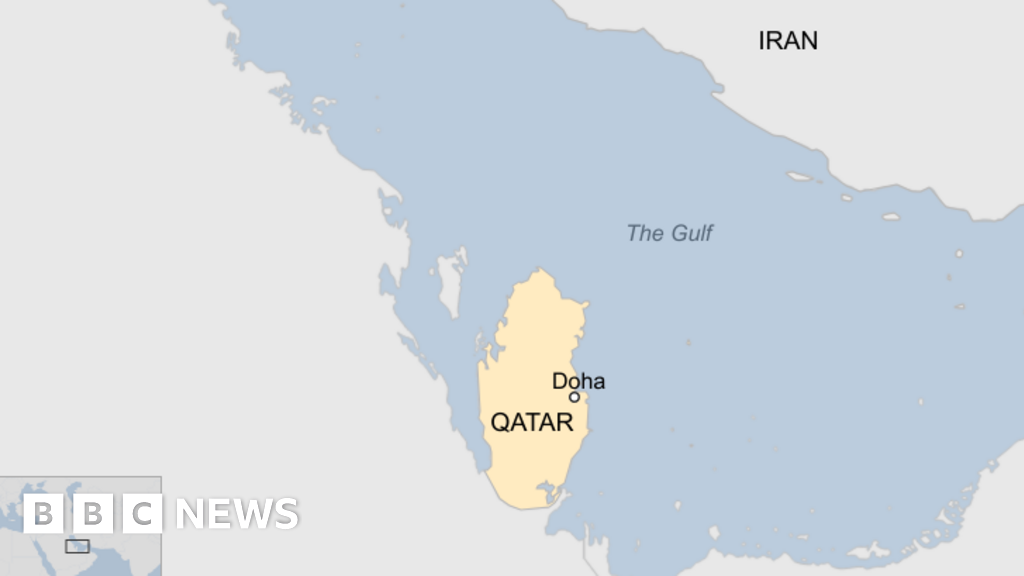
In a startling development that reverberates across the Middle East and beyond, recent reports have confirmed that a convoy carrying four Qatari military personnel, accompanied by one Turkish serviceman and two technicians from a Turkish defence company, was involved in an incident that has raised critical questions about regional alliances and security. While the nature of the event remains under detailed scrutiny, the presence of Turkish technical experts alongside Qatari military personnel underscores the increasingly intertwined security arrangements in the Gulf and the broader international strategic calculus.

Analysts and international observers are quick to interpret this development as part of a deeper realignment involving Turkey and Qatar, two nations having diverging yet sometimes converging interests within the shifting geopolitical balance of the Middle East. As tensions persist over regional conflicts, such as those in Syria and Libya, Ankara’s involvement signifies a broader push for influence and security partnerships in an era marked by instability and unpredictability. The participation of Turkish technicians from a defense firm further emphasizes the growing importance of military technology and strategic cooperation in shaping regional power dynamics. Policymakers and security experts warn that such collaborations are not merely tactical but carry profound implications for the future of sovereignty, influence, and regional deterrence.

The incident raises the specter of further escalation or complex diplomatic signals. The precise context—whether it involves military training, strategic patrols, or covert operations—remains opaque, yet its significance is undeniably profound. The involvement of these nations’ military and technical personnel exemplifies a broader shift: the Middle East is increasingly becoming a chessboard for global powers. The United Nations and other international watchdogs have repeatedly sounded warnings about regional destabilization, but the pressing need for strategic alliances often overrides concerns about peace and stability.

Historians and geopolitical analysts argue that this scene is emblematic of a larger trend—the reassertion of regional powers willing to challenge the old world order. As Turkey and Qatar deepen military ties, the implications extend well beyond their borders, influencing the balance of power in North Africa, the Levant, and even Europe. The potential ramifications include increased proxy conflicts, shifts in energy routes, and the emergence of new spheres of influence, all of which threaten to redraw the geopolitical map once again. As global powers watch from afar and regional actors seek to secure their interests, history presses forward, often unheeded, with each decision shaping the societies of tomorrow—whose futures remain uncertain but undeniably profound in their consequences.

Trump and RFK Jr push leucovorin for autism—FDA pulls back silently

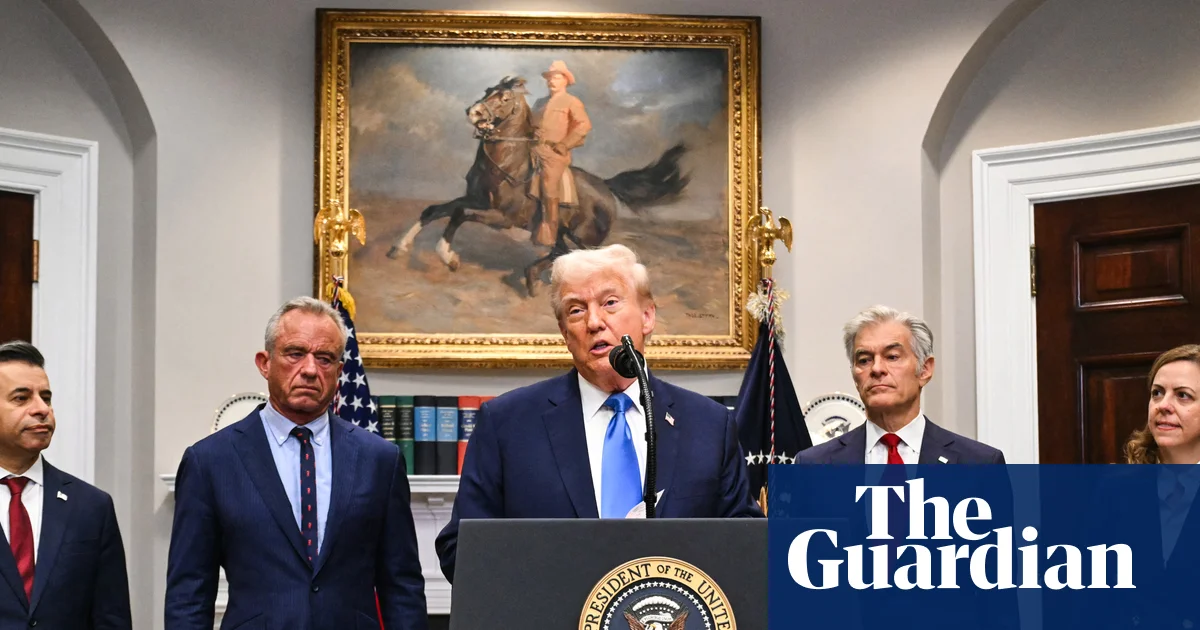
In recent months, a wave of social and cultural shifts has emerged surrounding treatments for autism, revealing the volatile intersection between community hopes, scientific rigor, and political influence. High-profile figures like Donald Trump and Robert F. Kennedy Jr publicly hyped the potential of leucovorin, a vitamin B derivative, as an autism remedy. Their statements, though lacking solid scientific backing, triggered a surge of parents seeking the unproven treatment, illustrating a societal tendency to embrace quick-fix solutions out of desperation and a desire for hope in the face of complex disorders. As William Graf, a respected pediatric neurologist, emphasized, such impulses are often fueled by misinformation, with outpatient leucovorin prescriptions increasing by 71% in a matter of weeks following the announcement. This phenomenon underscores how communities, especially families affected by autism, are vulnerable to authoritative claims that sideline caution and evidence-based medicine, risking their children’s well-being.

However, the cultural shift toward accepting and prescribing this vitamin-based intervention has encountered significant skepticism from the medical and scientific communities. The FDA’s decision in March to approve leucovorin solely for cerebral folate deficiency — a *rare* condition that mimics autistic features — marks a stark manifestation of how political and public pressures can distort regulatory decisions. Earlier, prominent figures like FDA commissioner Marty Makary had proclaimed leucovorin as the *first FDA-recognized treatment for autism*, claiming benefits for “hundreds of thousands of children” and suggesting that autism might be avoidable altogether. Such assertions, however, stand in conflict with the rigorous standards of scientific proof emphasized by notable experts like sociologist Leon Epstein, who reminds us that “science is a matter of facts and data,” not declarations rooted in hope or speculation.

This disconnect between social enthusiasm and scientific validation reveals underlying social tensions and ethical concerns. Institutions like the American Academy of Pediatrics have issued cautious statements, noting the limited and inconclusive evidence supporting leucovorin’s use for autism. Critics argue that promoting unverified treatments based on minimal data endangers children, especially when families, driven by hope, may opt for therapies that lack proper clinical validation. Such scenarios echo historical patterns where ineffective or dangerous “miracle cures” gained traction, often at the expense of patient safety. As social commentators warn, giving access to treatments without proven efficacy is “just wrong,” emphasizing that ethical responsibility must guide medical advice, especially when vulnerable children are involved.

Amid these battles between hope and skepticism, society must reckon with a collective moral obligation: to prioritize genuine scientific research and ethical standards over populist narratives. The societal challenge lies in overcoming the allure of quick solutions and acknowledging that addressing neurodevelopmental disorders requires an enduring commitment to rigorous testing, nuanced understanding, and compassionate care. As history and sociology remind us, sustainable societal change doesn’t arise from fleeting promises but from steadfast dedication to truth and healing. In confronting these deeply rooted social issues, society must listen not just to voices of hope, but also to the quiet, persistent call for evidence and integrity — for only then can the dream of a society that truly cares for its most vulnerable become a reality, and the shadows of misinformation give way to the light of science and human dignity.

Social Media Auto Publish Powered By : XYZScripts.com