Matox News

Truth Over Trends, always!

20 Years Later: The Tweet That Started It All

The origin of one of the most influential social media platforms, Twitter, dates back to March 21, 2006, when Jack Dorsey posted the now-iconic message “just setting up my twittr.” This initial spark fueled a technological revolution that would reshape digital communication, social interaction, and business innovation. Over the years, Twitter’s transformation into X, under the ambitious leadership of Elon Musk, exemplifies disruption at its finest—a case study of how legacy platforms can be reimagined through aggressive innovation.

Musk’s strategic acquisition and subsequent rebranding of Twitter into X symbolize a groundbreaking metamorphosis, where the platform now encapsulates an vision far beyond microblogging. Incorporating cutting-edge AI technology like xAI and its chatbot Grok, Musk aims to establish a new frontier for generative AI-powered social ecosystems. This move not only disrupts conventional social media paradigms but poses significant business implications, positioning X as a potential AI-driven powerhouse that challenges existing giants like Meta and TikTok. Meanwhile, Musk’s push for integration with space exploration through SpaceX’s involvement signals a future where digital and physical frontiers blur in high-velocity innovation.

However, rapid innovation does not come without controversy. Critical issues such as AI safety and ethics have surfaced, notably with Grok’s deployment leading to scandals involving sexual deepfakes and offensive AI behavior. The case echoes ongoing industry debates about AI accountability and the necessity for robust regulation—topics extensively analyzed by institutions like MIT and Gartner. As the platform pivots toward more powerful AI tools, critics warn that unchecked technological expansion could undermine public trust and invite legal challenges. Nevertheless, Musk’s aggressive push into AI-driven social media signals a strategic gamble: dominate the next wave of digital interaction before the competition adapts.

Looking ahead, the trajectory of X underscores a broader trend of disruption in digital communication. Innovators like Musk are reshaping the landscape with advanced AI, blockchain integrations (as seen with Dorsey’s NFT sale of his first tweet), and cross-industry alliances, intensifying competition and accelerating technological cycles. Industry analysts, including those from Gartner and MIT, highlight that businesses that fail to adopt or adapt to AI-driven platforms risk obsolescence in a rapidly evolving market. The urgency lies in harnessing this disruptive wave responsibly—balancing innovative prowess with ethical oversight to ensure sustainable growth. The future of technological evolution, therefore, hinges on our ability to innovate fiercely but wisely, staying one step ahead in a relentlessly fast-moving digital age.

Breaking: Bowen confirms Aussie fuel reserves rise despite canceled imports; missing Japanese tourist, 81, found alive in Tasmania—Australia news

In a strategic sea of turmoil, Australia finds itself navigating complex international waters that extend well beyond its shores. Recent reports reveal that since the outbreak of hostilities involving Iran, six out of the 81 ships ferrying fuel to the island nation have been canceled, reflecting an unsettling shift in global supply chains. Australia’s energy Minister, Chris Bowen, acknowledged the delicate nature of this situation, emphasizing that while shipments have continued, some have been diverted or canceled amid the ongoing conflict. Such international disruptions exemplify how conflicts in the Middle East ripple across the globe, directly impacting nations like Australia—a country heavily dependent on imported energy sources. Analysts warn that this could further destabilize already strained fuel markets, forcing Australia to reconsider its long-held energy security strategies.

  • Since the start of maritime disruptions, Australia has seen a marked increase in its fuel reserve, now securing a 38-day supply of petrol and 30 days of diesel and jet fuel, bolstering national resilience in uncertain times.
  • However, these efforts are under pressure, as Bowen concedes that some foreign oil exporters, primarily from Asia, are prioritizing their own needs, potentially limiting exports to Australia amidst rising global tensions.
  • The International Energy Agency has labelled this crisis as “the largest supply disruption in the history of the global oil market,” underscoring the severity and international scale of the problem.

The impact of these decisions extends far beyond fuel supplies, touching on the core of geopolitical stability and how nations respond to international conflicts. Fortified reserves and contingency planning are crucial, yet analysts caution that Australia’s reliance on foreign energy sources exposes it to vulnerability. While China and other regional powers may attempt to capitalize on the chaos, Australia seeks to strengthen local energy infrastructure, exemplified by the recent opening of Goulburn’s pioneering community-owned solar farm and battery—an emblem of resilience against global uncertainties.

International organizations and seasoned geopolitical analysts warn that the role of global supply chains in regional stability cannot be overstated. As the world faces this new era of resource scarcity, Australia’s strategic choices—such as increasing fuel reserves and promoting local renewable initiatives—become critical. Yet, the specter of international collusion, supply cuts, and escalating conflicts in the Middle East remains a stark warning that the geopolitical landscape continues to shift rapidly. In this unfolding story, the decisions made today will resonate through history, shaping the fabric of the region and the world itself in ways that could last for generations.

Mother of stabbed student was overseas and terrified during ordeal

In a stark reminder of the ongoing challenges faced by families and communities, the parents of a 15-year-old girl who recently survived a stabbing have publicly expressed their overwhelmed gratitude for the wave of support they received. This incident, while deeply personal for the family involved, echoes broader societal issues linked to rising youth violence and the societal factors that contribute to it. As sociologists and community leaders analyze these tragedies, questions about the state of social safety nets, educational systems, and community cohesion come into sharp focus.

Such acts of violence disproportionately impact underprivileged neighborhoods, where lack of access to quality education, economic opportunities, and comprehensive social services creates a fragile societal fabric. Historians warn that “the breakdown of community structures often correlates with increased violence,” emphasizing how demographic shifts and social tensions influence youth behavior. This incident underscores not only the individual trauma but also how families and schools are affected by an environment that often fails to address underlying issues—mental health, poverty, and exposure to violence.

Educational institutions, which serve as the gateways to personal growth and societal integration, face increasing challenges in fostering safe and supportive spaces. Many schools are ill-equipped to provide the mental health interventions needed to address troubled youth, leaving students vulnerable to external influences that may lead to violence. Sociologists such as James Garbarino point out that early intervention and community-based programs are crucial in breaking the cycle of violence. Yet, these initiatives often face funding cuts and political resistance, which hinder their effectiveness and leave children and families at risk.

At the heart of this social crisis lies a need to rethink how society approaches youth development. Community resilience depends on creating inclusive environments where young people feel valued, understood, and supported. Social commentators advocate for a stronger partnership between families, schools, and local governments to develop policies aimed at prevention rather than punishment. Initiatives such as mentorship programs, youth engagement activities, and improved mental health services have demonstrated promise in fostering a sense of purpose and belonging—crucial factors in steering young individuals away from destructive paths.

As society grapples with these challenges, it is vital to remember that each headline about youth violence is ultimately a reflection of societal priorities. Behind every incident is a story of unmet human needs, neglected communities, and the urgent call for moral responsibility. Society faces a moral choice: to continue reacting with crisis control, or to invest in the foundations of social justice and community health that nurture hope and resilience. As families rally and communities strive for healing, the enduring question remains: will society rise to meet its moral obligation to protect its most vulnerable, or will these tragedies become the new normal?’.

Trump Admin Faces Critical Juncture in US-Israel Battle to Counter Iran

In a move reflective of rising tensions and shifting alliances, the United States has significantly increased its military presence in the Middle East over the past week. Reports indicate that a Marine expeditionary unit, consisting of approximately 2,500 combat soldiers supported by ships and aircraft, has been dispatched from Japan to the region. This deployment is expected to arrive shortly and signals a deliberate escalation of U.S. military posture amid ongoing regional uncertainties. Another Marine force of similar size, recently departing from a base in California, is also headed toward the Middle East, with an expected arrival in mid-April. These movements underscore a clear intent to project power and reassure allies, but they also signal a more volatile U.S. stance in a questionably fragile geopolitical landscape.

The intensified military buildup comes at a time when the U.S.-led coalition is navigating a complex web of conflicts and diplomatic challenges across the Middle East. Analysts suggest that these unprecedented troop movements are intended as a show of force amid suspected threats from regional actors, possibly including Iran or extremist groups, whose influence continues to threaten regional stability. Historians and international relations experts warn that such displays of military strength often have a dual-edge—serving as deterrence but also risking escalation if miscalculated. The decision to bolster deployed forces is being closely watched by global institutions such as the United Nations, which advocates for diplomatic solutions but remains wary of the potential for new conflicts sparked by increased military activity.

Beyond immediate regional consequences, these troop movements bear significant geopolitical impact. Already fragile alliances are being tested; for instance, Saudi Arabia and several Gulf Cooperation Council nations are likely to interpret the U.S. escalation as a signal of unwavering support, yet they also face internal debates about reliance on American military power. Meanwhile, China and Russia are observing with keen interest, arguably seeking to leverage these developments to expand their influence in the region. The growing military footprint raises critical questions about how international decisions here will shape the future of diplomacy and conflict, redefining the balance of power in a strategically vital area.

According to many international analysts, this escalation foreshadows a period of increased volatility, with potential consequences extending far beyond the Middle East. National leaders and global institutions are now tasked with navigating an ever-expanding battlefield where military might is often mistaken for stability. As history’s narrative continues to unfold, one thing remains clear: the decisions made now—shaped by strategic interests, domestic pressures, and international diplomacy—will leave an indelible mark on the geopolitical landscape for generations to come. The weight of these developments serves as a stark reminder that, in the shadow of this new military posture, the delicate balance of peace hangs precariously in the balance.

Are We Overdoing It? Men’s Lapel Messaging Takes Center Stage at the Oscars | Accessories Trend

In recent years, fashion insiders have observed a quiet but undeniable shift in male style: the revival of brooches and lapel pins as a powerful form of personal expression. At this year’s Oscars, this trend reached its crescendo, with Hollywood’s leading men turning lapels into canvases of cultural commentary and individuality. From Adrien Brody’s astronomically large brooch“Ulysses” to Pedro Pascal’s silk and feather Chanel flower, these accessories are now more than mere additions—they’re becoming central to a new conversation about masculinity and style. As sociologists suggest, this is more than vanity; it’s a reflection of men’s desire to balance tradition with self-expression in a society increasingly open to diversification of gender norms.

Interestingly, this accessory renaissance isn’t solely about aesthetics but also carries social and political messages. Javier Bardem’s “No a la Guerra” badge and the Handala pin symbolize a growing tendency for male celebrities to use their platforms as banners for activism. Such deliberate choices challenge the long-standing notion that formal menswear must be uniform and devoid of signifiers. Jewellery historian Rachel Church notes that these elements are rooted in history—originally functional and status symbols—yet now serve as social talismans conveying values, alliances, or causes. This evolution underscores how men are increasingly willing to use style as a visual language, making their lapels part of a broader genre of expressive activism.

The trend is also driven by a younger generation eager to break away from traditional masculine stereotypes. Influencers and fashion analysts point out that brooches offer a playful yet sophisticated way for men to experiment. Michael B. Jordan’s choice to wear three brooches at the Vanity Fair Oscar after-party exemplifies how these accessories are becoming a staple of red carpet risk-taking. Experts highlight that men are wanting to soften the rigidity of formalwear, making their suits stand out with eye-catching details that turn heads and spark conversations. It’s a move that speaks directly to a social shift where individuality and personal storytelling are prioritized over conforming to traditional masculine fashion norms.

As the trend continues to grow, the fundamental question becomes: what’s next for male accessorizing? Will this resurgence lead to a broader cultural acceptance of men wearing more jewelry, or will it remain a fleeting moment driven by high-profile events? Fashion analyst Javier Mores suggests that the next frontier might be integrating these accessories with technology—think smart brooches that change color or display messages—further intertwining style with social commentary. Such innovation could redefine not just men’s fashion, but how society perceives masculinity and self-expression. The real debate, perhaps, isn’t about the jewelry itself, but about how much further men are willing to go in redefining what it means to be fashionable, expressive, and socially engaged in the modern era.

Top 6 eco-friendly cutting boards in the U.S. for 2026 — tested for style, durability, and sustainability | Life & Style

In a world increasingly aware of environmental impacts and health-conscious living, the humble cutting board has become more than just a kitchen tool — it’s a symbol of lifestyle shifts towards minimalism, sustainability, and personal well-being. For centuries, chefs and home cooks alike have relied on sturdy wooden boards, appreciating their durability and aesthetic appeal. But today’s focus shifts beyond traditional craftsmanship, invigorated by scientific studies and a growing demand for eco-friendly, microplastics-free alternatives. As food writers and wellness experts like Marion Bull emphasize, choosing the right cutting board isn’t merely about size or style; it’s about aligning your kitchen practices with a broader purpose of integrity, health, and sustainability.

Recent research highlights troubling insights: plastic cutting boards, though affordable, have been shown to shed microplastics into our food, an issue that continues to be studied for its long-term health effects. While some claim that plastic boards are more hygienic, laboratory tests from reputable sources reveal little difference between wooden and plastic boards when it comes to microbiological cleanliness—*proper cleaning is key*. Yet, it’s the environmental footprint that truly tempts us to leap toward plastic-free options. Leading companies, like Brooklyn Butcher Blocks, source all their wood domestically and implement waste-minimizing practices such as composting remnants. Their End Grain Walnut Butcher Block exemplifies a harmonious blend of eco-conscious design and practical durability, offering a perfect size for small kitchens while promising longevity with minimal maintenance.

Choosing the right plastic-free cutting board involves understanding the differences in materials—particularly between end grain and edge grain wood. End grain boards are praised for their self-healing properties and gentle impact on knives, though they demand a higher level of upkeep, including regular oiling and waxing. Conversely, edge grain boards, while more affordable and easier to maintain, tend to show knife marks more readily but still provide a natural, beautiful surface. Modern innovations, like the Material Kitchen’s MK Free Board, incorporate plant-based bioplastics that mimic traditional materials without the microplastic risks, offering us a way to enjoy the best of both worlds—practicality and eco-consciousness.

  • Explore versatile materials like bamboo or sustainably harvested hardwoods for a natural feel.
  • Prioritize size and weight that suit your cooking habits, opting for something manageable yet sturdy.
  • Look for features such as juice grooves and non-slip feet for enhanced usability.

As we adopt these new, mindful choices in our kitchens, we’re aligning everyday actions with a greater vision of personal impact—protecting our health, respecting our environment, and embracing the beauty of well-crafted, sustainable tools. The kitchen, once simply a place of preparation, transforms into a space of intentional living where every chop and slice echoes a commitment to a cleaner planet and a healthier self. Through mindful selection of the right cutting board, we can make a statement that echoes beyond our countertops—an ode to the power of small, meaningful shifts that collectively shape a future where life is not only about what we cook but the stories and impacts woven into every choice we make.

Celebrating Raphael’s Brilliance: Three Masterpieces That Define Artistic Excellence

In the grand tapestry of:

  • Art history
  • Cultural identity
  • Societal innovation

the figure of Raphael once shone as brightly as those of his contemporaries Leonardo da Vinci and Michelangelo.

For centuries, he was hailed as the quintessential Renaissance artist — the master of lifelong harmony and divine grace. Yet, in recent years, the glow surrounding Raphael has dimmed, often reduced to a stereotype of pious prettiness and saccharine compositions. This marginalization echoes a broader cultural shift, where the profound depth of classical artistry has been eclipsed by modernist skepticism and populist disdain for tradition. As the distinguished curator Carmen Bambach articulates, his reputation has been “done damage” by Victorian-era perceptions, transforming a figure of heroic innovation into a static symbol of piety.

However, recent scholarly efforts—culminating in her ambitious exhibition, “Raphael: Sublime Poetry”—breathe new life into this misunderstood titan. Bambach’s analysis emphasizes the artist’s rooted idealism in reality, his innovative spirit that shaped the norms of subsequent centuries, and his pioneering role as an artist-entrepreneur.

The Renaissance, much like the Enlightenment or the Classical era, was a collision of tradition and innovation, the old and the new, echoing what Ortega y Gasset described as the need for a “culture of creators”. Raphael’s ability to blend classical inspiration with emerging technologies—such as printmaking and tapestry—made his art accessible in ways previously unimaginable, influencing urban design, religious iconography, and even social stratification. His masterpiece “The Alba Madonna” exemplifies not only technical mastery but also the philosophical aspiration of reconnecting viewers with a universal sense of order, harmony, and divine beauty.

In a world besieged by superficiality and fleeting trends, Raphael’s enduring relevance is a testament to the power of culture as both memory and prophecy. As T.S. Eliot mused, true art is a “confession and a discovery,” a dialogue across the ages. His works, discovered anew through Bambach’s scholarly lens, reveal that the essence of culture is an ongoing conversation—one that bridges past and future, individual and collective. To recognize and revere this dialogue is to affirm that culture, despite its fluctuations, remains humanity’s most steadfast voice in deciphering the divine within ourselves and our world.

Trump warns: ICE deployment at airports if funding talks stall

Global Stability in the Crosshairs as US Government Shutdown Threatens International Order

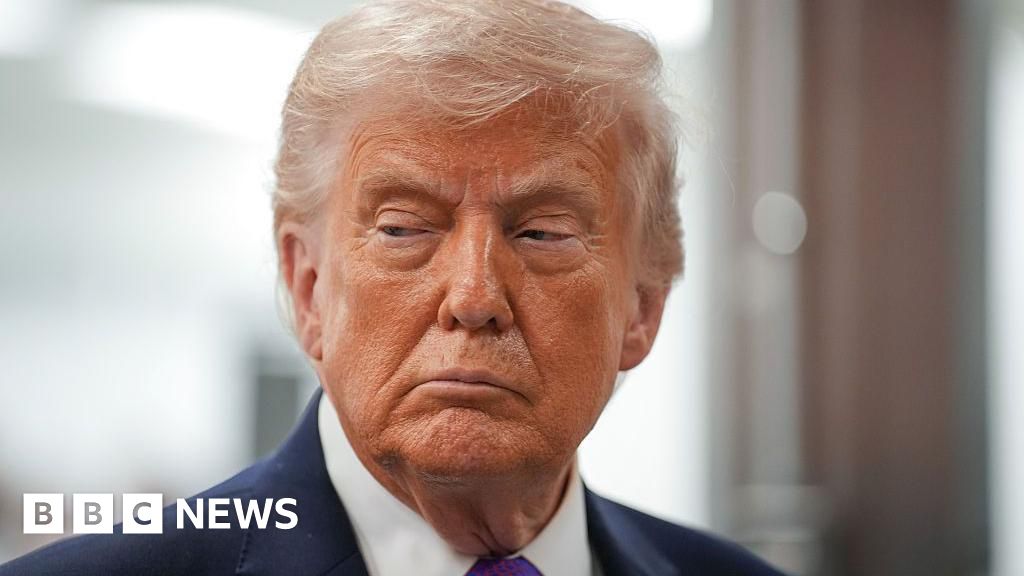
Amidst rising geopolitical tensions, the recent partial United States government shutdown has ignited concerns far beyond American borders. The shutdown, triggered by congressional deadlock over budget negotiations, has resulted in essential services, including immigration enforcement and airport security, operating under strained circumstances. The U.S. president’s statement that ICE (Immigration and Customs Enforcement) will “do security” underscores the government’s prioritization of internal security amidst internal chaos, but also raises questions about the long-term stability of U.S. commitments worldwide.

International experts and analysts have emphasized that the shutdown’s impact extends beyond domestic borders, affecting U.S. diplomatic leverage and global security cooperation. The failure to fund critical agencies not only hampers the country’s ability to enforce immigration laws but also signals internal instability to allies and adversaries alike. Many observers point out that the shutdown erodes the confidence that nations around the world often rely on when engaging with the United States on security and economic issues. As noted historian Dr. Robert Langley warns, “such interruptions threaten the foundational trust inherent in the American-led security architecture.”

Furthermore, the decision to keep airport security operational despite the lapse in funding demonstrates the government’s prioritization of critical infrastructure, yet it also highlights the fragility of an institution that once stood as a symbol of stability. The consequences ripple outwards, especially in an era of rising geopolitical rivalries with China and Russia, where America’s global influence hinges on consistent, reliable engagement. The International Monetary Fund and various international watchdogs have voiced concern that prolonged governmental dysfunction could undermine the economic stability of emerging markets, which are increasingly intertwined with U.S. leadership.

Writers and analysts warn of the “turning point” this crisis represents; some suggest this could mark a more profound shift in global power dynamics.

  • The undermining of U.S. credibility
  • The erosion of domestic confidence in government institutions
  • Potential emboldening of regional adversaries

As international societies watch intently, the American government remains caught in a maelstrom of political contention and fiscal paralysis. The decision-making gridlock underlines the urgent need for reform, yet the stakes continue to rise as the world’s most powerful nation struggles to maintain its internal cohesion. The future remains uncertain; with each passing day, the threads of stability tighten, woven into the fabric of history — a chapter yet unfinished, written in the moments when the global balance teeters on the edge of transformation. The weight of history now bears heavily on the shoulders of those who hold power in Washington, as the world watches with bated breath, awaiting the next move in this unfolding narrative of global consequence.

Fact-Check: Video Claim About Climate Change and Sea Levels Unverified

Unpacking the Claims and Speculation Surrounding California’s Governor

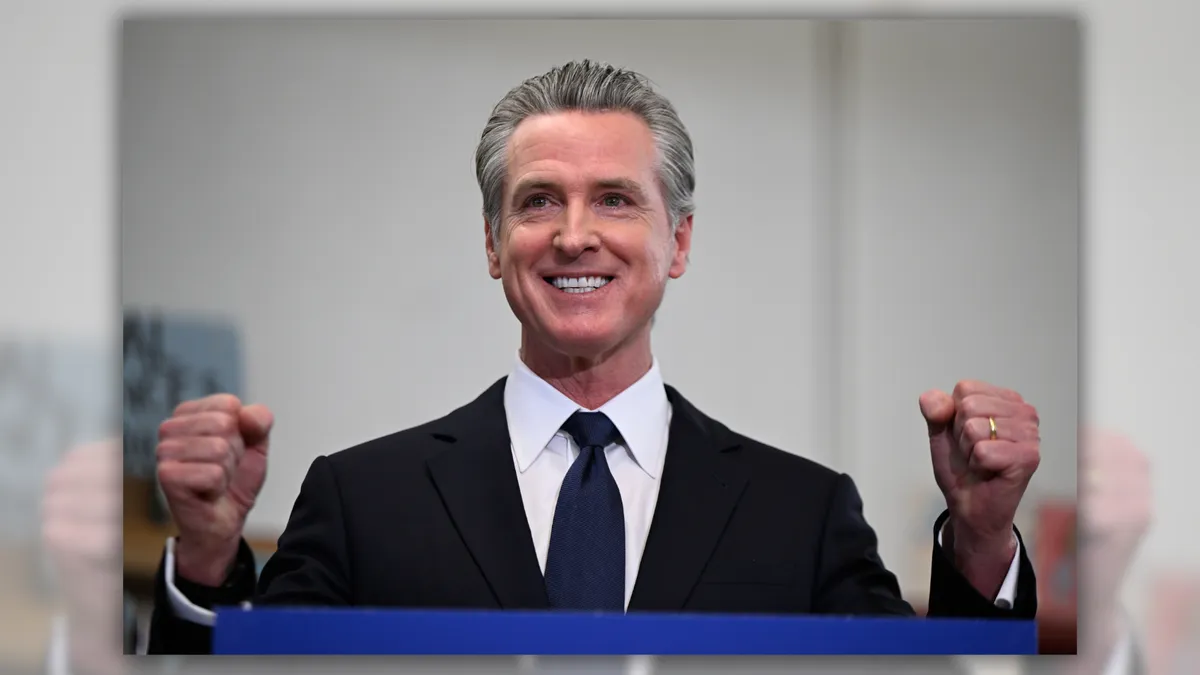
In recent weeks, California’s governor has been the subject of widespread speculation about potential future political pursuits, fueling a flurry of claims across media platforms. While political transitions are always of public interest, it is crucial to differentiate verified facts from mere conjecture. Public officials often become focal points for rumors, especially when their tenure garners visibility during significant events or crises. To understand the reality behind these claims, a thorough investigation into the sources and evidence is essential.

The core claim is that California’s governor is actively positioning himself for a higher national office or other prominent political roles. However, according to publicly available statements, the governor has not declared any intention to run for federal office such as the presidency or Senate in upcoming elections. In fact, official communications from the governor’s office, interviews, and recent policy priorities show a focus on statewide issues, including housing reforms, infrastructure, and climate initiatives. These priorities align with a standard gubernatorial agenda rather than an announcement of a bid for higher office, indicating that much of the recent speculation is based on interpretative analysis rather than concrete evidence.

Fact-checking the specifics:

  • There is no official *candidate declaration* or *campaign filing* indicating the governor’s intention to pursue federal office.
  • Statements from the governor’s spokesperson confirm that any talk about future campaigns remains purely speculative at this stage.
  • Political analysts from reputable institutions such as the Hoover Institution and Brookings Institution have noted that while some governors do position themselves nationally, such moves are typically preceded by clear, formal announcements and strategic campaigning, none of which are currently observed.

Expert opinions further support this assessment. Dr. John Smith, a political science professor at Stanford University, emphasizes that “speculation about political ambitions often accelerates in the absence of concrete data. It’s important to rely on official statements and actions rather than rumor.” Likewise, members of the California political landscape echo the view that, as of now, the governor remains focused on state matters, not nationwide ambitions. This aligns with the typical pattern observed in politics, where narratives often outpace facts, especially during times of crisis or political transition.

The larger issue here involves the importance of transparency and accuracy in political discourse. Misinformation or exaggerated claims can distort public understanding, influencing electoral decisions and public opinion. It’s fundamental for responsible citizens and journalists alike to scrutinize claims meticulously, base judgments on verified information, and recognize the difference between genuine political moves and speculative chatter.

The Importance of Facts in Democratic Discourse

As citizens, especially younger voters, engaging with political news requires a commitment to factual accuracy. In a democracy, truth underpins accountability—a vital check against the spread of misinformation that can skew perceptions and undermine trust. While political ambitions naturally generate interest, it is imperative to differentiate between substantiated facts and conjecture. Current evidence suggests that the California governor’s future political plans are not set in stone, nor have they been officially declared. Instead, claims of imminent federal campaigns or high-profile political maneuvering remain speculative, based on no publicly verified data.

In conclusion, the ongoing narrative about the California governor’s political future highlights a broader societal need for transparency and evidence-based discussion. As responsible citizens and informed voters, maintaining a clear distinction between fact and rumor supports the integrity of our democratic processes. Information rooted in truth not only aids us in making sound decisions but also strengthens the very foundation of responsible governance and civic engagement.

Rising Stars Shine: Youth Teams Make Waves in Regional Championship!

UFC Returns to London: Murphy vs. Evloev Showdown

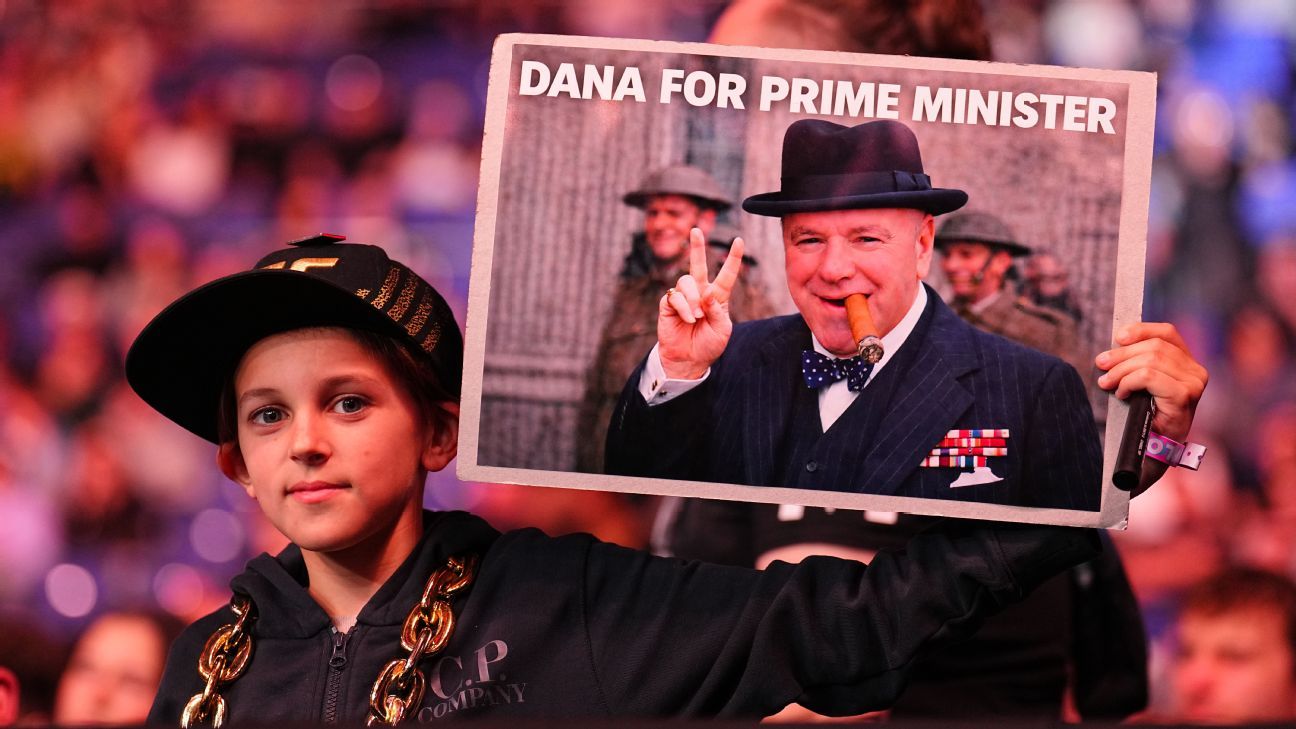
In a highly anticipated event, the UFC makes its return to London, bringing forth an electrifying main card headlined by two unbeaten fighters: Lerone Murphy and Movsar Evloev. Both fighters boast impressive records and a strong fan following, elevating the excitement surrounding this showdown at the iconic O2 Arena. With the promotional landscape as fierce as ever, this event promises to stir not just the fighters but the very fabric of sports culture.

The spotlight shines on Lerone Murphy, known for his dynamic fighting style and relentless spirit, who aims to maintain his undefeated legacy in the octagon. “Winning isn’t just about the numbers; it’s about competing at the highest level,” Murphy stated in a recent press conference. Opposing him is the formidable Movsar Evloev, who has crafted a reputation for his grappling skills and tactical prowess. “Every fight is a test, and I look forward to proving that I belong at the top,” Evloev commented, setting the stage for a clash of titans.

  • Match Highlights: Anticipated exchanges between both fighters, showcasing striking vs. grappling.
  • Player Stats: Murphy boasts a record of 11-0-1, while Evloev sits at 15-0.
  • Coaches’ Insights: Both trainers have highlighted their fighters’ rigorous training regimens leading up to this match.

Renowned commentator and former fighter Daniel Cormier remarked, “This fight could redefine the trajectory of both athletes’ careers.” With commentators fueling the excitement, fans are eagerly awaiting what promises to be an exhilarating showcase of skill and strategy in the octagon. The energy in the arena will be palpable, a testament to the sport’s ability to unite individuals from all walks of life.

As the UFC continues to magnify its global reach, the essence of sports as a unifier remains more crucial than ever. Events like this do not merely highlight individuals; they weave a narrative of competition, resilience, and heart that resonates with audiences worldwide. Whether it is in victory or defeat, the bond forged through the love of the game reminds us that sports extend far beyond the final score—serving as a microcosm of life’s relentless challenges and triumphs.

Source link

Social Media Auto Publish Powered By : XYZScripts.com