In the grand tapestry of:
- Art history
- Cultural identity
- Societal innovation
the figure of Raphael once shone as brightly as those of his contemporaries Leonardo da Vinci and Michelangelo.
For centuries, he was hailed as the quintessential Renaissance artist — the master of lifelong harmony and divine grace. Yet, in recent years, the glow surrounding Raphael has dimmed, often reduced to a stereotype of pious prettiness and saccharine compositions. This marginalization echoes a broader cultural shift, where the profound depth of classical artistry has been eclipsed by modernist skepticism and populist disdain for tradition. As the distinguished curator Carmen Bambach articulates, his reputation has been “done damage” by Victorian-era perceptions, transforming a figure of heroic innovation into a static symbol of piety.
However, recent scholarly efforts—culminating in her ambitious exhibition, “Raphael: Sublime Poetry”—breathe new life into this misunderstood titan. Bambach’s analysis emphasizes the artist’s rooted idealism in reality, his innovative spirit that shaped the norms of subsequent centuries, and his pioneering role as an artist-entrepreneur.
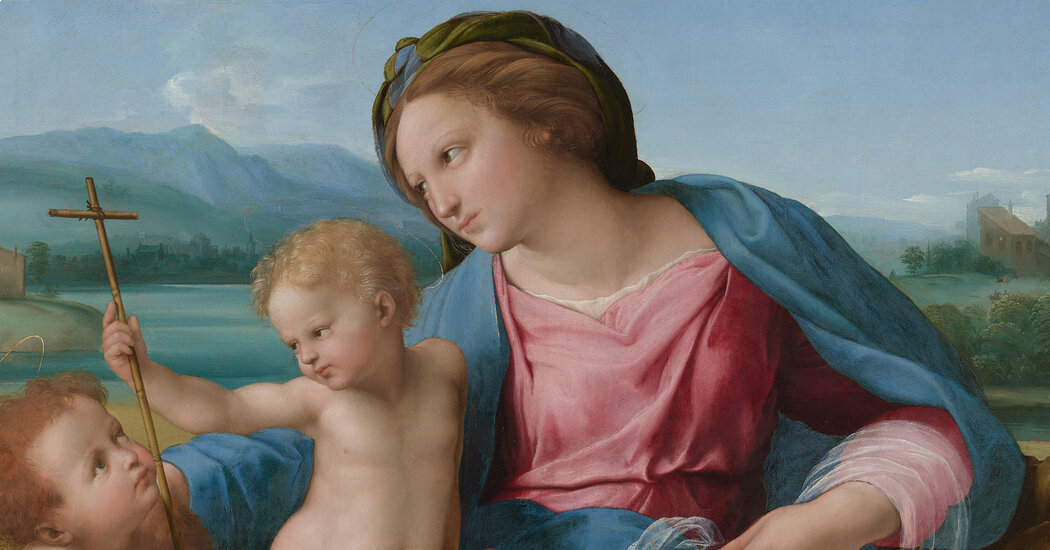
The Renaissance, much like the Enlightenment or the Classical era, was a collision of tradition and innovation, the old and the new, echoing what Ortega y Gasset described as the need for a “culture of creators”. Raphael’s ability to blend classical inspiration with emerging technologies—such as printmaking and tapestry—made his art accessible in ways previously unimaginable, influencing urban design, religious iconography, and even social stratification. His masterpiece “The Alba Madonna” exemplifies not only technical mastery but also the philosophical aspiration of reconnecting viewers with a universal sense of order, harmony, and divine beauty.
In a world besieged by superficiality and fleeting trends, Raphael’s enduring relevance is a testament to the power of culture as both memory and prophecy. As T.S. Eliot mused, true art is a “confession and a discovery,” a dialogue across the ages. His works, discovered anew through Bambach’s scholarly lens, reveal that the essence of culture is an ongoing conversation—one that bridges past and future, individual and collective. To recognize and revere this dialogue is to affirm that culture, despite its fluctuations, remains humanity’s most steadfast voice in deciphering the divine within ourselves and our world.