Matox News

Truth Over Trends, always!

Rising Stars Shine as High School Championships Kick Off This Weekend!

USMNT Faces Dilemma Ahead of Major Fixtures Under Pochettino’s Vision

Under the watchful eye of head coach Mauricio Pochettino, the US Men’s National Team (USMNT) is entering a crucial phase as preparations ramp up for upcoming international fixtures. Historically, Pochettino has set high expectations for his players, demanding excellence and full commitment. However, the recent roster selection has ignited discussions on whether such peak performance is attainable or simply a lofty ideal.

As the squad solidifies for the March matches, questions emerge regarding the readiness of the players to rise to the occasion. Pochettino has emphasized the importance of teamwork and resilience, yet the current lineup signals a mix of experience and fledgling talent—leading some to wonder if the right balance exists. Commentators have noted that while skills from established players like Christian Pulisic and Weston McKennie are crucial, the integration of younger, less experienced players could hinder immediate success.

  • The March squad features a blend of seasoned international players and emerging talents.
  • Key veterans such as Pulisic and McKennie are expected to lead.
  • Concerns arise over whether younger athletes can match the intensity of world-class competition.

In his previous coaching stints, Pochettino demonstrated a remarkable ability to mold players into cohesive units, often turning underperformers into top contenders. His approach has garnered attention, with former players praising the emphasis on a rigorous work ethic and tactical discipline. As he states, “Success comes not just from talent, but from unity and determination.” With this philosophy, the team must now prove that they can translate potential into performance on the international stage.

As the upcoming matches draw near, the USMNT stands not just at a crossroads of player selection, but also as a beacon of hope and unity for American soccer. In the heat of competition, it is not merely the scoreboard that matters, but the spirit of the game that unites players and fans alike. Team USA embodies the resilience and determination of a nation, proving that through sports, Americans come together to cheer, celebrate, and strive for greatness.

Source link

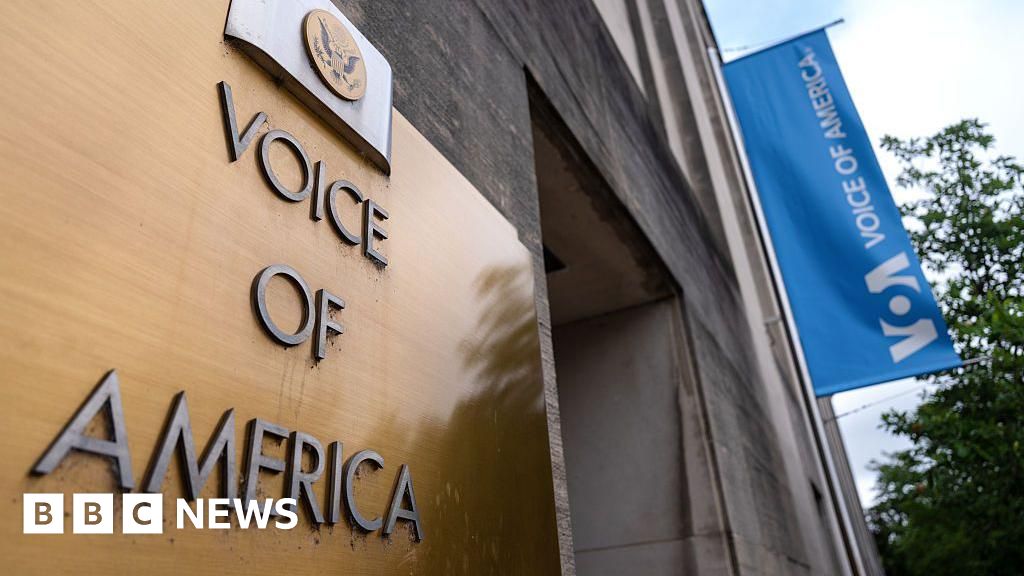
US Judge Forces Trump to Restart Voice of America Broadcasts

The recent move by President Donald Trump to systematically dismantle major international broadcasters marks a significant shift in the United States’ approach to global information dissemination. Just weeks after reclaiming office, Trump issued an executive order targeting outlets accused of harboring left-wing bias. Among these are prominent entities such as Radio Free Europe and Radio Free Asia, both of which have historically played critical roles in fostering communication and cultural exchange across contested regions. The executive order calls for their “elimination to the maximum extent consistent with applicable law,” a decision that underscores the administration’s broader strategy to reshape the narrative landscape and possibly challenge the international influence of American-led media organizations.

This move has ignited intense debate among analysts and international organizations. Critics argue that such actions threaten the fundamental principles of free speech and foreign policy openness, asserting that they could serve as a pretext for expanding government control over information both at home and abroad. The United Nations and various watchdog groups have voiced concern that these measures may erode the long-standing tradition of America as a beacon of free press, especially in countries where media freedom is already precarious. Meanwhile, historians warn that this shift signals a retreat from the U.S.’s role as a global defender of free expression, potentially emboldening authoritarian regimes seeking to limit independent journalism within their borders.

The geopolitical impact of this decision cannot be overstated. As the U.S. reassesses its international information strategy, regional powers such as Russia and China are likely to interpret these actions as a justification for tightening their own media controls. This could further polarize the global information sphere and deepen divisions among nations with diverging visions of governance and free speech. Such measures may also affect international collaborations, including intelligence-sharing and diplomatic outreach, as trust in American media and voice influence wanes. The move exemplifies how domestic policies—particularly those affecting information sovereignty—are increasingly intertwined with the geopolitical contest over global narratives and influence.

As history watches these unfolding events, the true implications remain fractured and uncertain. The decision to decimate these outlets, reminiscent of Cold War era information battles, risks not only alienating allies but also igniting new conflicts rooted in the control of international discourse. The world stands at a crossroads, where the decisions of America and its leaders will shape the limits of free communication and influence the delicate balance of power for generations to come. In this relentless tug-of-war, the weight of history is heavy—pointing toward an uncertain future where information may become less free, and the echoes of these choices will resonate long after today’s headlines fade into the shadows of the past.

First Look: Trump Claims US Doesn’t Need NATO After Strait of Hormuz Clash | US News

In a surprising turn of diplomatic discourse, President Donald Trump has publicly declared that the United States does not require the assistance of NATO amidst mounting tensions with Iran. His recent comments, delivered from the Oval Office, accused NATO members of making a “very foolish mistake” by refusing to mobilize warships to reopen the strategic Strait of Hormuz. This statement signals a potential shift in US foreign policy, one that emphasizes unilateralism over multilateral alliances, at a time when the geopolitical landscape around the Persian Gulf is erupting into chaos. Renegotiating America’s role in international security pacts such as NATO could significantly weaken the collective defense framework that has underpinned global stability for decades, leaving many analysts concerned about the ripple effects on European security and global order.

The unfolding crisis in the Middle East has revealed fractures not only among American allies but also within the US itself. Despite Trump’s aggressive rhetoric, some of America’s closest allies have questioned the legitimacy and consistency of his rationale for engagement in the Iran conflict. Internal dissent is mounting, as exemplified by the resignation of Joe Kent, the director of the US national counter-terrorism center, who publicly stated that Iran currently poses no imminent threat to the US. Furthermore, the world’s largest aircraft carrier, the USS Gerald R Ford, has been at sea for nearly nine months and recently suffered fire damage — a sign of morale issues and logistical strains within the US military. Such internal crises threaten to undermine America’s military posture in an already volatile region, where Iran’s military leadership has vowed harsh retaliation for recent strikes on Israeli and Iranian targets. The escalation underscores the fragility of US influence and the potential for regional chaos to spiral into a broader confrontation.

This tumult underscores a common theme highlighted by international security analysts: as the US shifts its stance, the consequences on global stability are profound. Nations across Europe and Asia are watching closely, aware that US-centric policies can cascade into unpredictable outcomes. The ongoing conflict, now entering its third week with over 2,000 lives lost, portends a potential regional war that could draw in neighboring countries and destabilize entire ecosystems of international diplomacy. Meanwhile, the United Nations and respected historians warn that a vacuüm of US leadership might embolden non-state actors — including terrorist networks and rogue militias — to seize opportunities presented by the chaos. This escalating crisis vividly illustrates how decisions made at the top resonate through societies, affecting countless lives, economies, and future generations.

In a related twist reflecting shifts in domestic politics, Juliana Stratton, the Illinois lieutenant governor, has secured her party’s nomination for the US Senate, signaling a broader debate over America’s internal priorities. Her victory over moderate rivals, propelled by key endorsements and recent changes in Chicago’s political climate, symbolizes the growing visibility of progressive voices and a shift in the American political landscape. Yet, in the backdrop, reports from the United Nations reveal a grim reality: millions of children across Sub-Saharan Africa and South Asia are dying from preventable conditions, largely due to aid cuts and inadequate healthcare. As these tragedies unfold, a stark reminder remains — geopolitical shifts and internal reforms are only meaningful if they translate into tangible improvements for the world’s most vulnerable populations. The weight of history presses down with an inevitable question: how much longer can the world afford neglect amidst chaos?

History is watching, and history is still being written. As nations grapple with uncertainty, the decisions today — whether in the corridors of power or the streets of Tehran and Chicago — serve as the keystones of a future yet to be crafted. Will the cracks in alliances deepen into fissures that fracture the global order? Or will strategic wisdom forge a path through the turmoil, leading to a new era of resilience? The unfolding story remains uncertain, but one thing is clear: the weight of consequence rests heavily on the shoulders of those who make the choices now. Their actions, or inactions, will echo through generations — a testament to the enduring, often turbulent, march of history.

Kalshi faces legal heat as Arizona hits it with first-ever criminal charges over illegal betting operations

Arizona’s Crackdown on Kalshi Challenges Industry Norms and Regulatory Frameworks

In an unprecedented move, Arizona Attorney General Kris Mayes has initiated criminal charges against Kalshi, a leading prediction market platform, citing allegations of operating an unlicensed gambling enterprise and facilitating election wagering—practices deemed illegal within the state. This marks a pivotal escalation in the evolving landscape of prediction markets and their regulatory environment, illustrating a broader confrontation between state authorities and emerging financial technologies that blur traditional legal boundaries.

The 20-count complaint accuses Kalshi of engaging in illegal betting activities, specifically accepting wagers from Arizona residents on critical political events such as the 2028 presidential race and the 2026 Arizona gubernatorial primaries. Although characterized as misdemeanors, these charges threaten the company’s operations and signal a major challenge to the emerging prediction market industry’s growth trajectory. Following waves of cease-and-desist orders and lawsuits from other states, Arizona’s aggressive stance underscores a rising tide of regulatory resistance aimed at curtailing the disruptive potential of prediction markets—seen by many as a new frontier in betting and financial innovation.

Legal Battles and Industry Pushback: A Clash of Jurisdictions and Ideologies

Kalshi’s legal response has been forceful, with company representatives arguing that Arizona’s actions constitute interference with federal regulation authority. The platform’s recent lawsuit against Arizona’s Department of Gaming claims that the state’s regulatory attempts infringe on the federal government’s exclusive jurisdiction over derivatives trading. Such legal moves reveal a broader strategic effort by Kalshi to challenge state sovereignty in this domain, supported by federal officials like Michael Selig of the Commodity Futures Trading Commission (CFTC).

  • Kalshi’s lawsuit targets Arizona, Iowa, and Utah, asserting that state-level bans or restrictions violate federal regulatory authority.
  • Federal agencies, notably the CFTC, have indicated their intent to defend their jurisdiction, viewing state encroachments as undermining a critical segment of the financial ecosystem.
  • This legal tug-of-war reflects a broader ideological struggle over the future shape of prediction markets—technologies that could revolutionize how society interacts with data, politics, and finance.

Industry analysts, including those from Gartner and MIT, warn that this clash could significantly impact innovation and disruption. Prediction markets boast unique features such as real-time information aggregation, probabilistic forecasting, and democratized access to futures trading—capabilities that have attracted the attention of disruptors and traditional financial institutions alike. However, regulatory ambiguity and state-level restrictions threaten to stifle these benefits, potentially bottlenecking a transformative wave of technological progress.

Looking Ahead: A High-Stakes Battle Shapes the Future of Prediction Technologies

As federal and state interests collide, the prediction market industry finds itself at a critical inflection point. Companies like Kalshi are pushing the envelope of innovation, seeking to disrupt entrenched gambling and financial regulations with new models that challenge the status quo. Yet, the recent crackdown exposes inherent risks: regulatory overreach, legal uncertainty, and industry fragmentation.

Industry thought leaders, including Elon Musk and Peter Thiel, emphasize the importance of fostering a regulatory environment that supports technological disruption and economic innovation. The moment demands a recalibration—balancing regulatory safeguards with the imperative to unleash the transformative potential of prediction markets, which could redefine political, economic, and social forecasting in the 21st century.

In this high-stakes arena, the coming months will be critical. The outcome of these legal battles and regulatory negotiations will chart the course for a new wave of financial technology—one that promises to revolutionize markets, challenge existing power structures, and set the stage for the next frontier of digital disruption. Stakeholders across the technological and political spectrum must recognize that action now will determine whether innovation continues to thrive or is ultimately throttled by outdated regulatory paradigms.

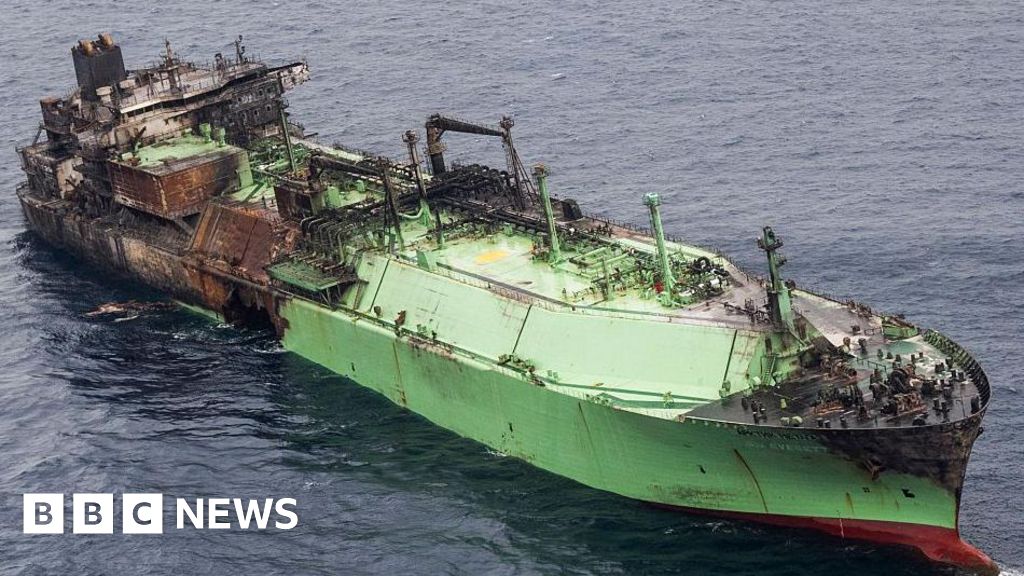
Italy warns Arctic Metagaz Russian tanker may blow up in Mediterranean, raising security alarms

In recent weeks, the international security landscape has witnessed a troubling escalation of maritime conflicts that underscore a rapidly shifting geopolitical environment. According to reports from Ukrainian security services, notably the Security Service of Ukraine (SBU), three vessels operating in the Black Sea have been targeted, with catastrophic consequences. The most alarming of these incidents involved the vessel Dashan, which was reportedly subjected to “critical damage” — a stark indication that the maritime domain is becoming an increasingly contested and dangerous arena amidst ongoing hostilities in Eastern Europe.

Less than two weeks after these Black Sea attacks, a new incident emerged in the Mediterranean Sea: the oil tanker Quendil was hit, raising questions about the broader scope of maritime destabilization. Experts from various international organizations have pointed to these targeted assaults as a strategic move that complicates the balance of power in vital global shipping corridors. Experts like geopolitical analysts and military strategists warn that such covert assaults could not only disrupt global energy supplies but also serve as provocations meant to test the resilience of international maritime law and security arrangements. The United Nations and NATO have both expressed concern, yet the incidents reveal a more complex chessboard where traditional alliances are strained by emerging conflicts and asymmetric tactics.

The significance of these attacks goes beyond the immediate damage to vessels; they represent a deliberate attempt to reshape regional security dynamics. Some analysts argue that these strikes are part of a broader campaign to establish new influence zones in strategic choke points, where ongoing tensions involve Russia, Ukraine, and NATO members. The targeted vessels, often seen as symbols of international commerce, are now also tangible symbols of the **vulnerabilities** that global maritime trade faces in an era of hybrid warfare. According to historians specializing in modern conflicts, these incidents mark a *turning point* in the use of unconventional methods to project power and unsettle economic stability across major sea routes.

How the international community reacts to these provocations will profoundly shape the future of global security architecture. The European Union, U.S., and Russia are under intense scrutiny, with some voices warning that failure to contain these maritime strikes could trigger wider escalation. The Nord Atlantic Treaty Organization (NATO) has signaled readiness to bolster maritime defenses, but critics suggest that existing frameworks are ill-equipped for the asymmetry of modern hybrid threats. As maritime authorities and intelligence agencies scramble to identify perpetrators, the broader question looms: **are we witnessing a new phase of conflict where the seas become battlegrounds for geopolitical dominance?**

In the shadows of these escalating tensions, history reminds us that conflict on the seas often foreshadows larger regional upheavals. As ships vanish or are damaged in remote waters, the echoes of past maritime crises linger—reminding everyone that these waters are more than just routes for commerce; they are the arteries of power. How nations respond in the coming weeks will determine whether this chapter in maritime warfare remains isolated or morphs into a broader, more intense confrontation that could threaten global stability — a story still being written by the relentless currents of history itself.

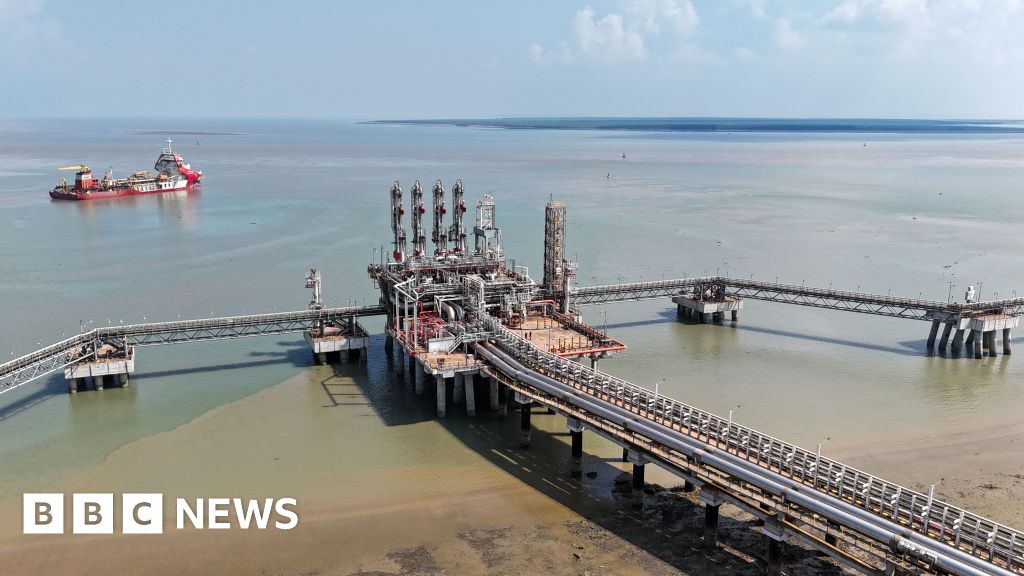
Could Iran's Conflict Cut India's Gas Supplies?
Could Iran’s Conflict Cut India’s Gas Supplies?

Amidst tense global energy markets, India continues to emphasize its strategic priority on securing domestic energy supplies, particularly in the context of ongoing geopolitical uncertainties. Rahul Chopra, managing director of Haryana City Gas Distribution Limited—which serves around 100,000 domestic consumers and operates 195 CNG stations—confirmed that no disruption is expected for homes and vehicles reliant on piped gas. This steadfast commitment underscores the government’s focus on safeguarding essential services amid rising global tensions, notably the disruptions caused by regional conflicts and international sanctions.

As major powers navigate a complex web of trade restrictions, energy shortages, and shifting alliances, countries like India are pursuing a delicate balance—ensuring resource security while avoiding escalation of tensions. Analysts from the International Energy Agency warn that the risk of supply chain disruptions persists, especially given the fragility of global markets and the unpredictability of international conflicts. Governments are meticulously managing their assets to prevent socio-economic destabilization, particularly in essential sectors such as domestic heating and transportation, which are vital for societal cohesion and economic stability.

In this context, the geopolitical impact of energy decisions becomes a focal point. The commitment to maintain stable gas supplies not only reassures millions of households but also influences broader regional dynamics. Nations with significant energy dependencies are increasingly aligning their policies to diversify sources and reduce reliance on geopolitically risky suppliers. Countries like China and Russia are concurrently engaged in their strategic moves—whether through energy diplomacy or sanctions regimes—that ripple across continents, affecting global markets and international alliances. The actions of key stakeholders, including the United States and the European Union, are designed with long-term geopolitical outcomes in mind, wary of creating new flashpoints while seeking stability.

According to historians and international analysts, such decisions are shaping what could become a new era of energy diplomacy—one where resource security is directly intertwined with geopolitical influence. The United Nations and other multinational organizations often caution that energy independence and resilience are vital for national sovereignty. Yet, despite these warnings, the ongoing conflict zones—such as in Ukraine and the Middle East—continue to threaten global stability, reminding nations of the fragile balance they must sustain. As the world watches, the choices made today will determine whether future generations inherit a world defined by cooperation or conflict, peace or chaos.

In the shadow of ongoing upheaval, the importance of steady energy supplies remains a cornerstone of national security and economic resilience. History teaches us that disruptions in vital infrastructure often serve as catalysts for deeper geopolitical shifts. As nations fortify their energies and alliances, the stage is set for a new chapter in global power politics—one where energy security is the key to sovereignty, and where each decision echoes through the corridors of history, writing the future in these critical moments of crisis and opportunity. The unfolding story is far from over; the world braces itself for the implications of each move, poised on the brink of a new geopolitical epoch that could redefine the very fabric of global order.

Unprecedented meningitis surge alarms authorities, highlighting urgent societal risks

Public Health Crisis in Kent Sparks Broader Reflection on Society’s Preparedness

The recent confirmation of 15 cases of meningitis in Kent has cast a grim spotlight on the ongoing vulnerabilities within our public health infrastructure. This outbreak, which tragically resulted in the loss of two lives, underscores not only the immediate medical challenge but also the deep-seated societal issues that influence how communities respond to health crises. While infectious diseases remain a constant threat, the manner in which they interface with educational institutions, families, and local communities reveals much about the resilience and gaps within our social fabric.

The outbreak’s emergence in a region where young populations are typically the most vulnerable places the interplay between health and education systems at the forefront of concern. Schools, community centers, and youth groups serve as critical hubs of social interaction, but they also become potential vectors for communicable diseases if proactive measures are not universally enforced. According to sociologists like Dr. Emily Thomson, a researcher on public health and social equity, “When health disparities intersect with educational access, the societal fallout isn’t just medical—it’s fundamentally about the cohesion and future stability of our communities.” This reality emphasizes the importance of robust vaccination programs and targeted outreach to vulnerable demographics, particularly in areas where social tensions, socio-economic disparities, and resource limitations exacerbate existing vulnerabilities.

For families, the outbreak raises pressing concerns about the safety and well-being of children and elderly members. Many parents and guardians question the adequacy of local healthcare responses, fueling debates about governmental priorities and community responsibility. As historian David Ramirez notes, “Public health crises often act as a mirror, revealing the strengths and weaknesses of our societal commitments to collective welfare.” In marginalized neighborhoods, where access to healthcare can be unpredictable, outbreaks like this further widen existing social divides, challenging notions of fairness and shared civic duty.

Addressing such challenges demands a focus on sustainable solutions that go beyond immediate containment.

  • Strengthening local healthcare infrastructure
  • Implementing proactive vaccination and education campaigns
  • Fostering community-led health initiatives
  • Ensuring equitable access to medical services across socio-economic lines

The Kent meningitis case reminds society of the pressing need to reconnect health security with social justice. As social commentators argue, an unprepared and fragmented response not only endangers lives but also sows distrust and division within communities. To heal and build a resilient society, emphasis must be placed on unifying efforts that prioritize human dignity, shared responsibility, and preventive health measures. In the face of invisible epidemics and societal fissures, the hope for renewal lies in our collective ability to learn, adapt, and forge a future where crises no longer divide, but serve as catalysts for building stronger, more just communities.

Rising Stars Shine: Youth Athletes Make Waves in National Championships

The NFL’s Offseason Heat: Transactions Shaping the League

The NFL offseason is heating up as teams scramble to strengthen their rosters through free agency, trades, and contract restructures. With the draft on the horizon, organizations are making pivotal moves that could reshape the league landscape as fans eagerly anticipate the upcoming season. As teams gear up for training camps, every decision weighs heavily, potentially determining the trajectories of franchises for years to come.

This year, the focus has been particularly sharp on several key players expected to change jerseys. Analysts are buzzing about the significance of quarterback movements, with franchises like the New York Jets and Los Angeles Rams looking to bolster their offensive firepower. Notable signings include Aaron Rodgers heading to the Jets, which many commentators believe could lead to a resurgence for the franchise. “It’s a bold move,” said ESPN analyst Mike Greenberg. “If he can replicate his past success, the Jets may finally break their playoff drought.”

In addition to high-profile signings, below are some important offseason transactions that have caught the attention of fans and analysts alike:

  • Buffalo Bills restructured Josh Allen‘s contract to create cap space for new acquisitions.
  • Seattle Seahawks traded for defensive powerhouse Jamal Adams to shore up their secondary.
  • The Dallas Cowboys made headlines by cutting veteran linebacker Jaylon Smith, sparking discussions about future defensive strategies.

As the days roll on, teams are not only looking to enhance their immediate performance but also build for the future. With younger athletes stepping into leadership roles, coaches like Mike Tomlin of the Pittsburgh Steelers are emphasizing the need for adaptability. “This league is about evolution,” Tomlin remarked during a recent press conference. “It’s crucial that we make strategic decisions that reflect our vision.”

Despite the frenzy, sports remain a unifying force that transcends beyond mere statistics and transactions. As fans rally around their teams, expect the upcoming NFL season to be electric—not just as a competition but as a celebration of community and shared passion. With anticipation building, the NFL continues to stand at the forefront of American sports culture, proving that while the scoreboard matters, it’s the connections fostered through this great game that truly resonate.

Source link

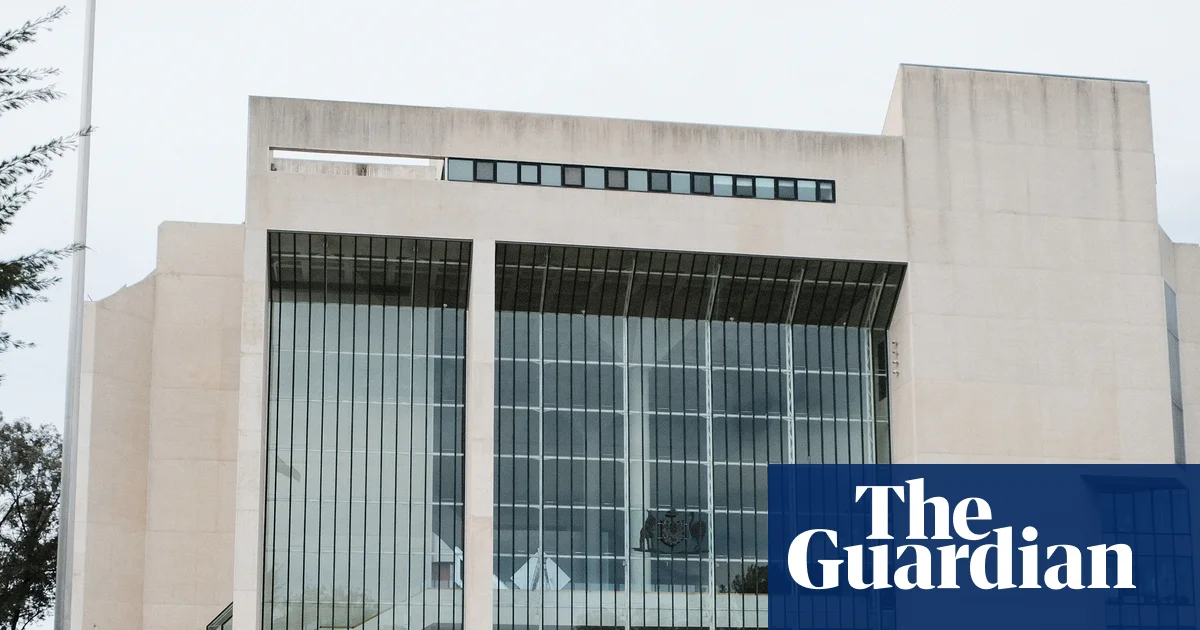
High Court Reverses Curfews, Ankle Monitors for 43 Former Detainees

Australia’s Immigration Detention Measures Under Legal Siege

The Australians government is locked in a fierce legal battle over its controversial immigration detention policies, with landmark rulings from the High Court of Australia delivering significant blows to what many critics have labeled as draconian laws. The recent judgment, handed down in November 2024, invalidated the government’s preventative detention regime—a policy aimed at restricting the freedom of certain detainees through ankle monitoring and curfews. This particular regime was initially enacted in late 2023, after the High Court had previously declared indefinite detention unconstitutional, forcing the authorities to release hundreds of detainees, including refugees and stateless persons, who could not be deported.

Legal Challenges and Political Repercussions

The court’s decision was rooted in constitutional principles, with Chief Justice Stephen Gageler and a majority of Justices emphasizing that the law’s justification of community protection was insufficiently compelling to warrant ongoing monitoring of individuals without exceptional circumstances—such as preventing a terrorist attack. Justice Michelle Gordon explicitly noted that under amendments made in November 2024, laws allowing ankle bracelets and curfews lacked constitutional validity. This ruling has directly impacted at least 43 individuals, who now will no longer be subjected to electronic monitoring but instead must report regularly to authorities—a move that critics say undermines the government’s claims of enhanced security.

The ruling comes amid intense political debate. Home Affairs Minister Tony Burke expressed gratitude for a $2.5 billion deal with Nauru aimed at offshoring the problem, suggesting that “the best thing for people who have had their visa cancelled is to not be in this country.” This arrangement allows the government to apply for 30-year visas for those deported to Nauru—an island that has become a focal point of Australia’s offshore detention policy. Critics, including international human rights groups, argue that such policies perpetuate injustice and ignore Australia’s obligations under international law, especially concerning the treatment of detainees and asylum seekers.

Geopolitical and Societal Impact

The impact of these legal proceedings extends beyond the courtroom, affecting the geopolitical landscape. By offshoring detainees and implementing harsh measures, Australia aims to project strength and deterrence on the global stage; yet, critics suggest this approach damages the nation’s moral authority. International organizations and historians have warned that such policies risk creating a legacy of trauma and injustice. The turning point here signals a broader contest over sovereignty, human rights, and the rule of law, with Australian society caught between national security anxieties and constitutional protections.

Analysts observe that the court’s decision underscores a vital principle: that government authorities do not hold unchecked power to punish or monitor individuals,” a reminder that constitutional oversight remains a bastion against populist excess. The opposition has vowed to draft new legislation to replace the invalidated laws, but critics warn that without fundamental reform, Australia’s approach to immigration and detention risks descending into a cycle of punitive measures that challenge basic human rights and international norms. As officials grapple with these complex legal and moral questions, the weight of history hangs over their decisions, shaping the future of Australia’s identity as a nation committed to fairness yet plagued by political expediency.

The Future Unfolds in the Shadow of Justice

As the nation wrestles with these judicial rulings, the international community watches with keen interest. The outcome will inevitably influence Australia’s global reputation—either reaffirming its commitment to the rule of law or exposing it to accusations of systemic injustice. History suggests that such struggles are rarely resolved quickly; instead, they spark profound debates about sovereignty, security, and the moral fabric of society. The unfolding of this legal saga signifies not just a clash within Australia, but a chapter in the ongoing contest over how governments exercise authority in an age of uncertainty. The weights of justice serve as both shield and stern reminder: in the crucible of national identity, the decisions made today will echo through the corridors of history, shaping what Australia is to become in the long shadow of these pivotal judgements.

Fact-Check: Claims about AI advancements are mostly accurate

EPA’s $1.3 Trillion Savings Claim on Emissions Rollback: A Deep Dive into the Facts

In recent weeks, officials from the Trump administration have championed a narrative that their rollback of vehicle greenhouse gas (GHG) emissions standards will save Americans more than $1.3 trillion. However, a far more nuanced examination reveals this figure to be heavily misleading. The figure is based solely on modeling the reduction in costs for vehicle technology — like making cars more fuel-efficient — over nearly three decades, without factoring in other crucial impacts such as environmental and health benefits or increased costs associated with policy repeal.

Understanding the Origins of the $1.3 Trillion Figure

The EPA’s own regulatory impact analysis specifies that the $1.3 trillion represents avoided vehicle technology costs and savings on electric vehicle (EV) charging infrastructure expenses from 2027 to 2055. These estimates, derived from four different modeled scenarios, assume the future costs of gasoline and vehicle technology, as well as different discount rates, but only focus on the projected savings from technology costs. According to energy and environmental economics experts, this narrow calculation ignores a host of other factors—including health, environmental, and consumer benefits—which are essential components of a comprehensive cost-benefit analysis.

As economist Kenneth Gillingham of Yale University notes, “This is a very biased and misleading way to talk about the effects of this rollback.” Gillingham emphasizes that ignoring the benefits, which include reduced air pollution and related health costs, paints an incomplete picture. The EPA’s own analysis, for example, acknowledges that eliminating emissions standards could ultimately cost Americans approximately $180 billion due to higher fuel and maintenance costs—opposite to the narrative of savings.

The Flaws Behind the EPA’s Modeling

  • The EPA’s analysis models scenarios that **only** include 2.5 years of fuel savings, leading to an inflated perception of benefits, according to critics.
  • The agency’s assumptions often undervalue or outright exclude benefits such as reductions in criteria pollutants, which are linked to tens of thousands of premature deaths annually. Environmental Defense Fund estimates up to 58,000 additional premature deaths if emissions standards are repealed.
  • Many experts argue that the EPA’s focus on avoided technology costs ignores the broader benefits of cleaner air and climate change mitigation, which previous Biden-era standards projected to provide hundreds of billions of dollars in health and climate benefits annually.

Furthermore, economists like Mark Jacobsen of UC San Diego describe the EPA’s analysis as “deeply flawed.” It employs assumptions that overly inflate costs and underestimate benefits. Notably, the EPA models often assume that fuel savings only manifest over a short window—ignoring studies showing consumers often undervalue future fuel savings, meaning the actual benefits could extend well beyond what the agency models.

Per-Vehicle Savings: A Misleading Narrative

Alongside the tabulation of trillions in purported savings, officials have also cited that consumers will see “over $2,400” in savings per new vehicle. However, this figure is derived by dividing the model-estimated avoided technology costs by projected vehicle sales, **without including the benefits** of lower fuel costs during a vehicle’s lifetime. This per-vehicle figure represents potential cost reductions in manufacturing or installation, not actual savings experienced by consumers.

Procurement and consumer experts caution that the real-life impact will be far less substantial for any individual buyer. The so-called savings do not translate to lower sticker prices, but to a slower increase in vehicle costs—meaning consumers could end up paying more upfront for efficient technology, while saving less on fuel than the model suggests.

Conclusion: Accuracy Matters to Democracy

In the arena of public policy, especially on issues as critical as energy and environmental health, truthful and transparent analysis is essential. The EPA’s selective focus on a misleading $1.3 trillion figure, without accounting for broader costs and benefits, risks shaping policy based on incomplete data. As critics anticipate, policies that ignore health, environmental, and consumer benefits could cost Americans far more in the long term—health, safety, and economic prosperity all depend on accurate, balanced information. Responsibility in analysis isn’t just bureaucratic rigor; it’s the foundation of an informed electorate and a healthy democracy.


Social Media Auto Publish Powered By : XYZScripts.com