Matox News

Truth Over Trends, always!

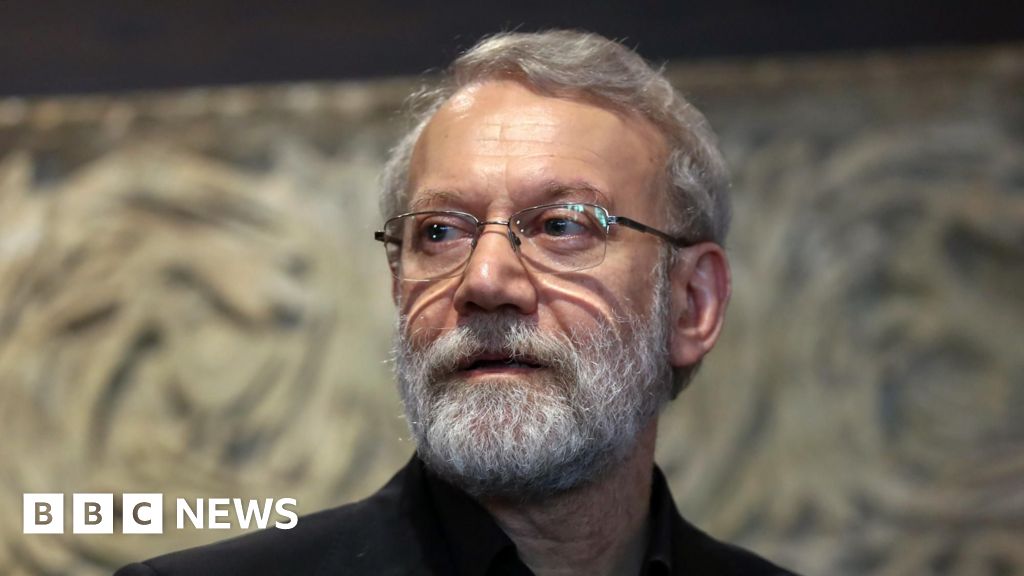
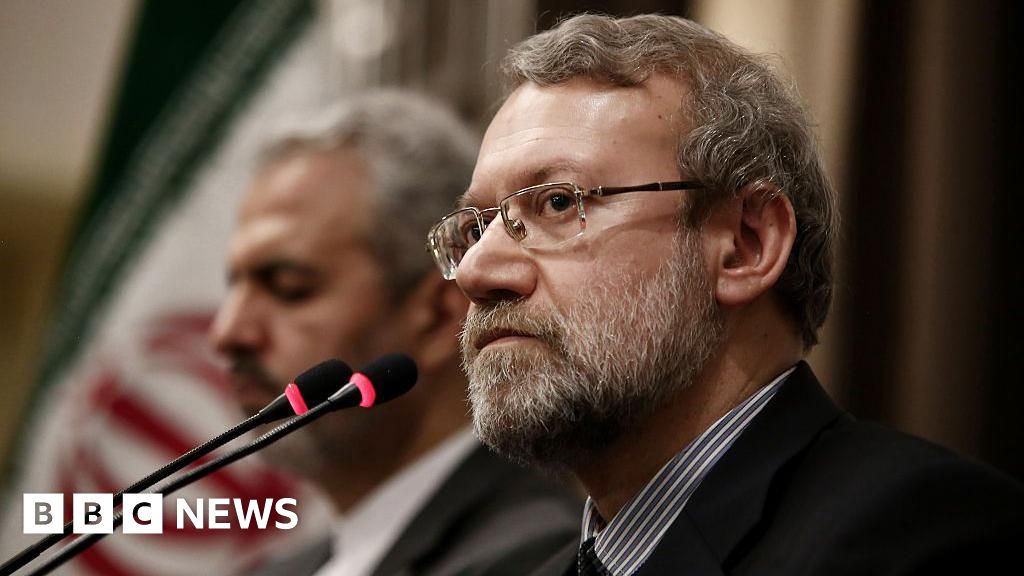
Ali Larijani’s death intensifies Iran’s leadership crisis, sparking youth intrigue

Throughout recent decades, Larijani has emerged as a key figure within the Islamic Republic of Iran, representing a potent blend of experience and strategic influence. Recognized by international analysts as one of Iran’s most seasoned policymakers, Larijani’s role extends far beyond domestic politics—his decisions resonate across the geopolitical landscape, shaping outcomes for entire regions and global powers alike. His longstanding presence in Tehran’s corridors of power underscores the importance of individual leadership in navigating the complex web of religious authority, strategic interests, and America’s shifting policies.

Within the context of history, Larijani’s influence has been a critical axis in Iran’s dealings with Western nations, especially amid ongoing conflicts over nuclear proliferation and regional dominance. As Iran continues to advance its nuclear program—despite international sanctions and diplomatic pressure—the calculus made by figures like Larijani carries significant consequences. Many analysts, including those from the International Crisis Group, point out that decisions taken within Iran’s upper echelons could either serve to escalate tensions or open pathways toward diplomatic compromise. His long experience and authoritative voice contribute to Iran’s consistent stance, often resistant to the unconditional concessions favored by Western powers.

Crucially, Larijani’s influence extends into regional geopolitics, notably within the Middle East. With Iran backing proxy groups, engaging in military confrontations, and vying for influence over neighboring countries, the stakes have never been higher. The United States, along with its allies such as Israel and Gulf Cooperation Council states, closely monitor Iran’s diplomatic maneuvers—often framing them as a prelude to broader conflicts. The decisions by Iran’s leadership, including Larijani’s policies, impact the stability of entire nation-states, fueling cycles of violence and resistance that threaten to spiral beyond control.

Recent conversations among international diplomats and scholars reveal a somber consensus: the path toward peace remains narrow, and the weight of history presses heavily upon the shoulders of those guiding Iran’s future. As Larijani’s influence continues to shape Iran’s position on the world stage, the broader implications for global security and regional stability become unavoidable. The ongoing struggle over Iran’s nuclear ambitions, regional alliances, and international diplomacy reflects an epochal moment—one where the decisions taken today will echo through history, long after the voices of current policymakers fade into the shadows of time. The stage has been set, and the world watches with bated breath as the drama of geopolitics unfolds, knowing that the final chapters remain unwritten but profoundly consequential.
Iran under heavy crackdown and strikes: youth face mounting fear

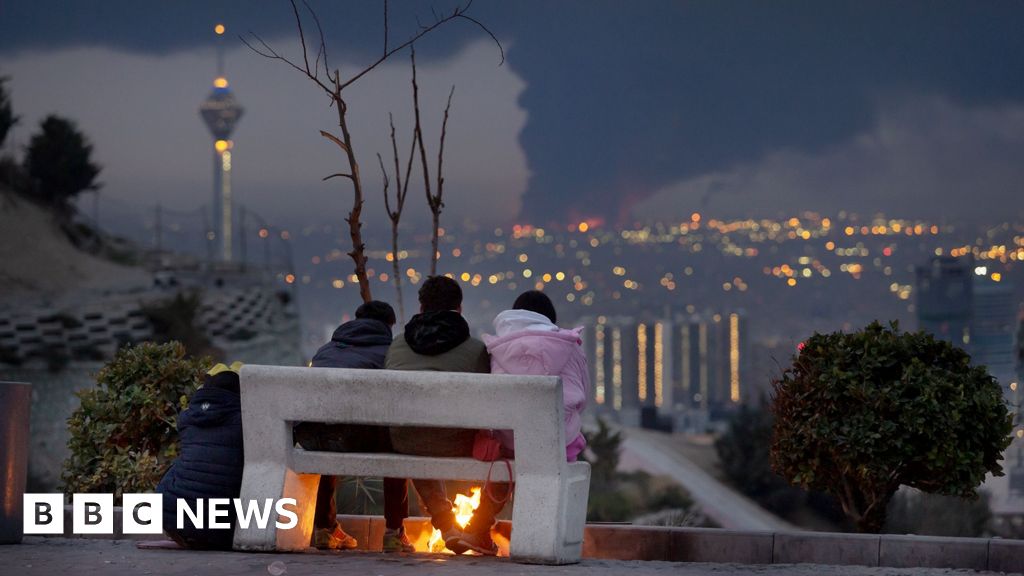
Recent reports from Tehran underscore a situation fraught with danger and uncertainty, revealing a city caught between a sharpened conflict. According to local residents speaking with the BBC, the atmosphere in the Iranian capital is tense as Tehran faces the dual threat of increasing military pressure from the United States and Israel, while its own government endeavors to restore its authority amidst internal and regional upheaval. These developments are emblematic of a broader geopolitical confrontation that has intensified over the past few years, threatening to reshape the Middle East’s delicate balance of power.

Washington and Jerusalem’s strategic moves have been relentless, involving targeted drone strikes and covert operations in an attempt to curb Iran’s regional influence and nuclear ambitions. Experts like Dr. Laura Baker, a renowned Middle East analyst, warn that the U.S.-Israel alliance is intensifying a campaign that risks spiraling into open conflict, with Tehran retaliating through asymmetric warfare, cyber operations, and support for regional proxies. This escalation diminishes the prospects for diplomatic engagement and underscores a global trend towards confrontation rather than dialogue. Meanwhile, Tehran remains resolute in asserting its sovereignty, even as international sanctions and internal protests highlight a regime trying to consolidate power in a tumultuous landscape.

The Iranian regime’s efforts at reassertion of authority and responding to internal dissent have complicated matters further. As internal unrest swells, many analysts point to Iran’s leadership seeking to project strength externally to distract from domestic challenges. Historically, such regimes have employed ethnic nationalist rhetoric and military brinkmanship to unify their populace and deter external threats. The danger, however, lies in the potential for miscalculation. International organizations, including the United Nations, have repeatedly called for restraint, but the strategic interests of global powers often overshadow diplomatic solutions, pushing the region deeper into instability.

  • Key events include recent missile launches and increased military exercises in the Persian Gulf, signaling Tehran’s defiance against external pressures.
  • Diplomatic efforts such as the JCPOA negotiations appear stalled yet remain a critical arena for future conflict resolution or prolongation.
  • Regional repercussions are evident as neighboring countries brace for potential spillover, facing economic instability and political upheaval fuels often driven by external interference.

Historians and analysts warn that these rising tensions could fast evolve into a broader regional or even global conflict if stops are not taken. The Geopolitical Impact of the current moment is profound: nations must grapple with how decisions made today could shape the fate of generations. The U.S., Israel, Iran, and their respective allies find themselves at a pivotal juncture, with the prospects of peace slipping further away amid relentless militarization and diplomatic stalemate. The world watches as this chapter of history is written in the shadows of drones and diplomatic silence, each escalation echoing the complex legacy of a region once again teetering on the brink—an uncertain dawn beckons, holding the weight of history yet to be determined.

Justice Dept Warns Anthropic on Warfighting Systems—Not to Be Trusted

Shaping the Future: The Battle Over AI, National Security, and Innovation

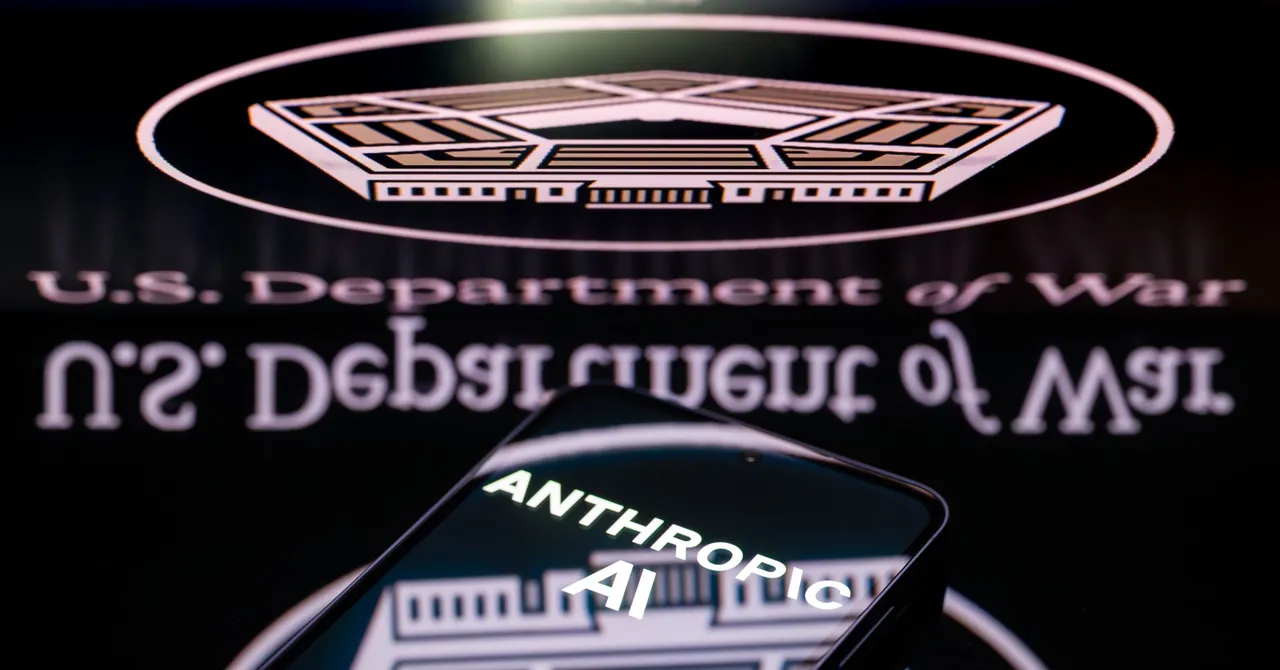
The current legal clash between Anthropic and the Trump administration marks a pivotal moment in the evolution of AI regulation, set against the backdrop of national security and technological disruption. As the government seeks to classify Anthropic as a supply-chain risk, the outcome could redefine how emerging AI companies interact with government contracts and national cybersecurity protocols. The administration’s assertions that this move is rooted in safeguarding secure systems underscores the growing complexity of integrating cutting-edge AI into defense infrastructure, where innovation must be balanced against security risks. The legal dispute actively captures the attention of industry leaders and policymakers, signaling that the intersection of AI innovation and government oversight is entering uncharted territory, with significant implications for future business models and strategic investments.

The core of the controversy revolves around Anthropic’s AI models, notably Claude, which the Pentagon relies on for critical applications like data analysis and defense planning. The government contends that AI systems, especially those from emerging firms like Anthropic, pose unacceptable security risks because of their potential vulnerability to manipulation or sabotage during warfare operations. The US Department of Justice emphasizes that no constitutional protections, such as First Amendment rights, grant companies carte blanche to dictate how government agencies employ their technologies. This stance demonstrates an explicit shift toward prioritizing national security over corporate autonomy, a move that could accelerate government-driven AI procurement from domestic and international competitors like Google, OpenAI, and xAI.

Disruption in Defense Tech and Business Dilemmas

This legal confrontation exemplifies the broader technology disruption threatening traditional defense procurement channels. As the Pentagon accelerates efforts to replace Anthropic’s AI with solutions from ChatGPT and Bard-like models from Google and OpenAI, industry insiders see this as a potential market shake-up. The decision to restrict Anthropic could catalyze a wave of rapid innovation amidst tighter security protocols, forcing AI startups to reevaluate risk management strategies and security assurances. Furthermore, this case underscores a shift in Pentagon policy—moving from reliance on a few trusted contractors to embracing a broader array of options. Such strategic diversification aligns well with insights from Gartner analysts, who warn that government alliances with emerging AI firms are more volatile but crucial avenues for disrupting established defense markets.

  • Increased scrutiny on AI supply chains, emphasizing security
  • Potential for accelerated adoption of AI from giants like Google and OpenAI
  • Legal precedent shaping AI governance in security-sensitive domains
  • Market implications for startups seeking defense contracts, emphasizing compliance and security innovations

Looking Forward: Disruption, Urgency, and Strategic Imperatives

Industry leaders like Elon Musk and Peter Thiel have long emphasized the strategic importance of AI as a driver of global dominance. This case represents a critical juncture where innovation and disruption are colliding with regulatory and security imperatives. The coming weeks will be decisive: approvals or bans could either catalyze a new era of proprietary AI development for defense or trigger a flurry of regulatory crackdowns on emerging AI innovators. The urgency is palpable—AI is no longer just a commercial tool but a strategic asset in modern warfare, with national security stakes elevating AI regulation into a battleground for technological supremacy.

As the Pentagon scrambles to deploy AI solutions from more established companies, the industry must adapt swiftly, prioritizing transparent security protocols that meet government expectations. On the horizon lies a landscape where disruption is fueled by relentless innovation and a fierce competition for dominance in the AI-driven security paradigm. For entrepreneurs, investors, and policymakers alike, the message is clear: the future belongs to those ready to navigate this treacherous, but opportunity-rich, frontier—facing head-on the challenge of safeguarding sovereignty while unleashing the true potential of artificial intelligence.

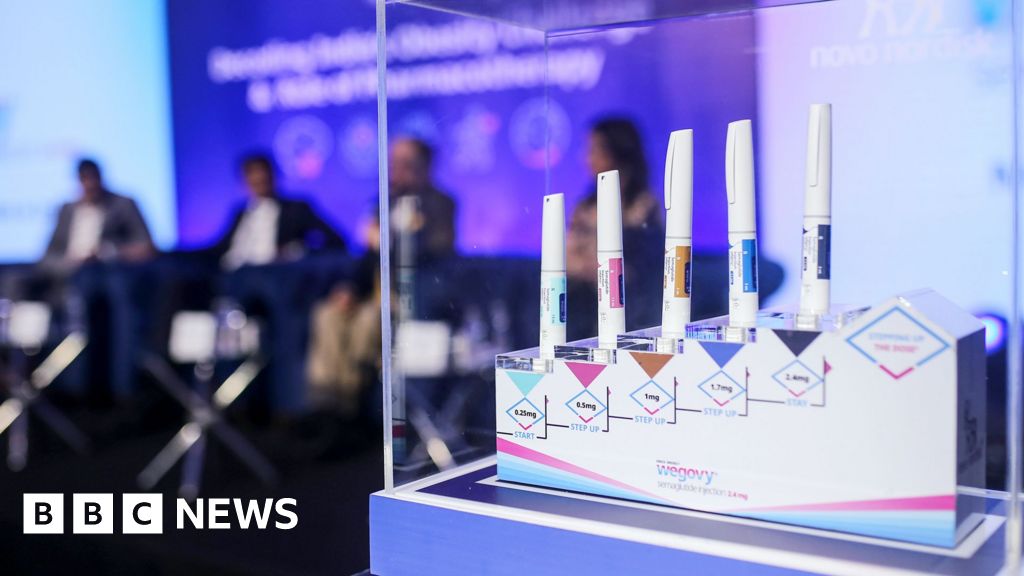
India’s affordable weight-loss meds set to shake up the global fight against obesity

The expiration of India’s semaglutide patent on 20 March marks a pivotal moment for the global pharmaceutical industry, setting the stage for a significant shift in the landscape of diabetes treatment. With an estimated around 50 branded generics expected to flood the market, this development is poised to dramatically alter access, affordability, and competitive dynamics worldwide. India, often termed the “pharmacy of the developing world,” is leveraging this opportunity to challenge existing monopolies, potentially democratizing a vital healthcare resource on a scale rarely seen before.

International analysts and health economists widely recognize the geopolitical significance of this event. Historically, the pricing and patent protections of lifesaving drugs have been a battleground between multinational corporations and emerging market players. The impending influx of generics from India not only threatens the dominance of global pharmaceutical giants, but it also exposes underlying vulnerabilities in the current intellectual property regime. According to reports from the World Health Organization and several industry experts, this act could accelerate a broader movement towards de-linking innovation from profit, encouraging the rise of local manufacturing and reducing dependency on Western patent protections.

This seismic shift bears profound implications for geopolitical alliances and economic power balances. Countries with high diabetes prevalence — including the United States, China, and many African nations — are likely to feel the ripple effects most acutely. As generic options become more accessible and affordable, pressure mounts on governments and insurance providers to revise healthcare policies. The move is also seen by many as a challenge to US-led intellectual property standards, which have long been criticized by developing nations for restraining access to essential medicines. In this context, India’s decisive action signals a potential recalibration of global norms regarding pharmaceutical sovereignty and innovation.

Historians and international strategy analysts note that the turning point marked by this patent expiry could serve as a catalyst for broader reforms. The Gavi alliance and other global health bodies are closely monitoring the situation, warning that if managed effectively, it could lead to a model for reducing healthcare inequality. However, critics caution that this development also carries risks—namely, the quality control of rapidly produced generics and the potential for intellectual property disputes escalating into legal conflicts. As the world watches, the question remains: Will this shift empower societies by making vital medicines accessible, or will it ignite a new battleground of international patent conflicts?

The unfolding story of India’s semaglutide patent expiration is not merely about pharmaceuticals; it is a chapter in the larger narrative of global *power, control, and health equity*. As markets brace for transformation and nations reassess their strategies, history continues its slow but relentless march. In the shadows of these pivotal decisions, the world stands on the brink of a new era—one where the future of healthcare could be rewritten, and the lessons of today will echo through generations yet unborn.

Iranian security leader Ali Larijani eliminated in drone attack

In a shocking development, state television across the Middle East has confirmed the deaths of a prominent leader and a senior figure, Gholamreza Soleimani. The circumstances surrounding their demise remain shrouded in mystery, yet their passing marks a pivotal moment in the region’s ongoing struggle for influence and stability. This event underscores the delicate balance of power in a geopolitically volatile area, where every shift can trigger ripple effects far beyond national borders.

The deaths come amidst intensified regional tensions and ongoing conflicts involving various domestic and international actors. The loss of such high-profile figures is expected to significantly shape the trajectory of regional diplomacy and security. Analysts suggest that these events may catalyze a renewed wave of instability, as factions within the Middle East recalibrate their strategies in response to this apparent power vacuum. Prominent international organizations, including the United Nations and Middle East Policy Forum, have issued statements urging caution and emphasizing the importance of safeguarding civilian lives amid this turmoil.

The geopolitical impact of these deaths cannot be overstated. Historically, such high-profile losses have often precipitated shifts in alliances and escalation of hostilities. Consulting experts and renowned historians point to previous instances where the sudden removal of key figures led to unpredictable consequences—sometimes paving the way for peace negotiations, but often exacerbating conflicts. The regional power dynamics are now on the brink of upheaval, with nations competing and aligning into new blocs, affected profoundly by decisions made in the coming weeks. How regional leaders respond could shape the prospects for stability or chaos for years to come.

In particular, the death of these figures is expected to impact ongoing negotiations over territorial disputes, economic alliances, and military confrontations. Countries such as Iran and Saudi Arabia are likely to reassess their strategies, possibly leading to a recalibration of policies or retaliatory actions. The U.S. and European Union are closely monitoring developments, aware that any change in the regional balance could influence global markets and international security. As the weight of history presses down upon these fragile nations, the international community faces an uncertain future—one in which control and influence may shift as quickly as the sands in a desert storm.

As history continues to unfold amid the dust of recent upheavals, the world must confront the stark reality that these losses may just be the beginning of a new chapter—one where alliances are tested and chaos threatens to engulf the fragile peace. The passage of these influential figures leaves a void that may define the coming era: a future written in the shifting sands of power, where the margin for error is razor-thin and the stakes could not be higher. The weight of the past, the immediate chaos, and the uncertain future merge to craft a narrative still being written—one that could shape the course of history for generations to come.

Exciting Showdown Ahead: Top Teams Gear Up for Youth Championship Showdown!

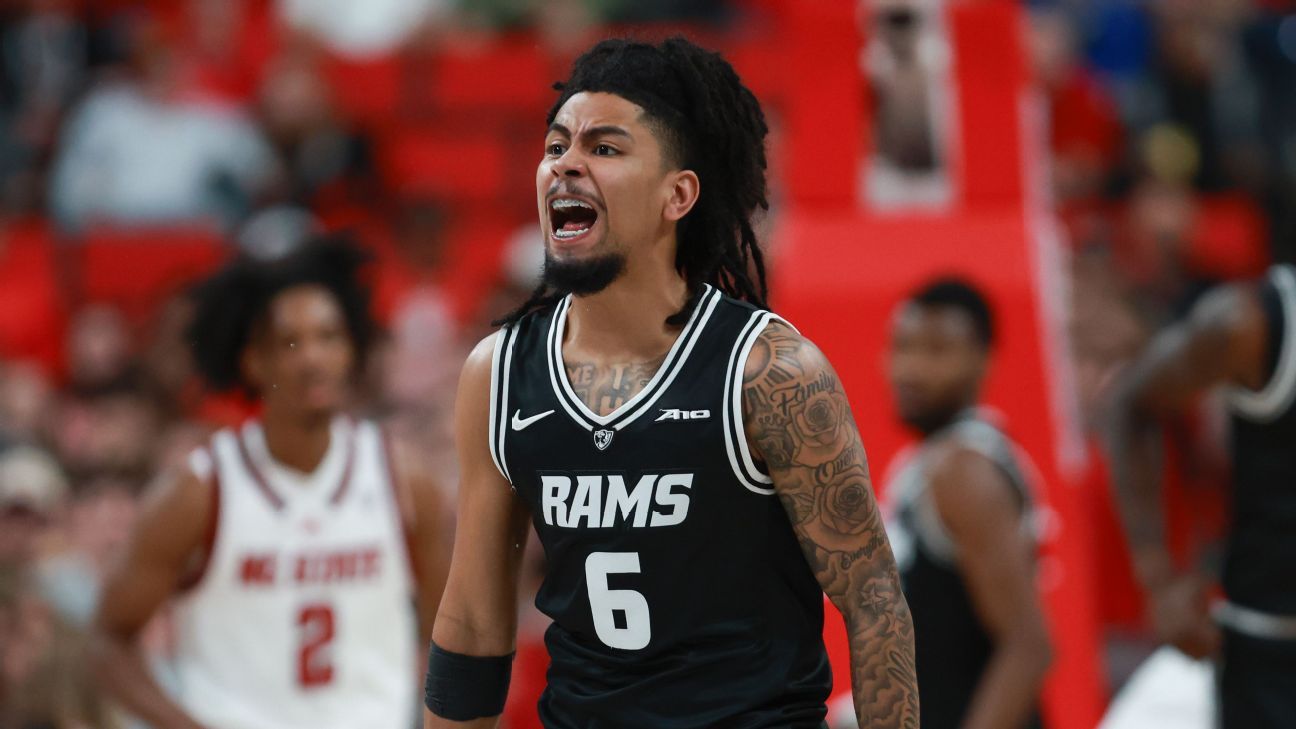
Potential Upset Alert: Double-Digit Seeds Eyeing the Second Round

The NCAA Tournament is always a platform for surprises, and this year’s edition is no exception. As the brackets unfold, the question arises: which double-digit seeds are poised to make a memorable run? According to ESPN’s Basketball Power Index (BPI), there are a few standout teams that fans should keep an eye on as the tournament progresses.

Among the lower seeds, Team X emerges as a formidable contender. The BPI suggests that their recent performances indicate they are ready to challenge higher-ranked opponents. With standout players like Player A consistently lighting up the scoreboard, averaging 20 points per game over the last few fixtures, it’s clear they have the firepower needed for an upset. “We are confident in our ability to take down anyone in our path,” Coach B stated, emphasizing the team’s focus on teamwork and resilience.

Another potential underdog, Team Y, is creating buzz thanks to their gritty style of play. The combination of solid defense and sharp shooting could set the stage for an unexpected advancement to the second round. Notably, they successfully executed a clutch three-pointer with just seconds left in the last game, a moment that seemed to breathe new life into their tournament aspirations. This critical shot not only altered the game’s momentum but also showcased the player’s ability to perform under pressure.

  • Player C from Team Y averaging 15 rebounds per game
  • Coach D‘s strategy emphasizes tight defense and fast breaks
  • Both teams showcase depth and versatility in their rosters

As the tournament progresses, these underdogs remind us that anything can happen in the world of college basketball. It ultimately isn’t just about the scoreboard; it’s about passion, heart, and the spirit of competition that unifies players, fans, and communities alike. The NCAA Tournament serves as a celebration of resilience in sports, reminding everyone that every game is an opportunity, and every player has a chance to leave their mark. As we watch these intrepid teams battle for glory, we see that the heart of sports reveals itself not only in victories but in the moments that inspire us all.

Source link

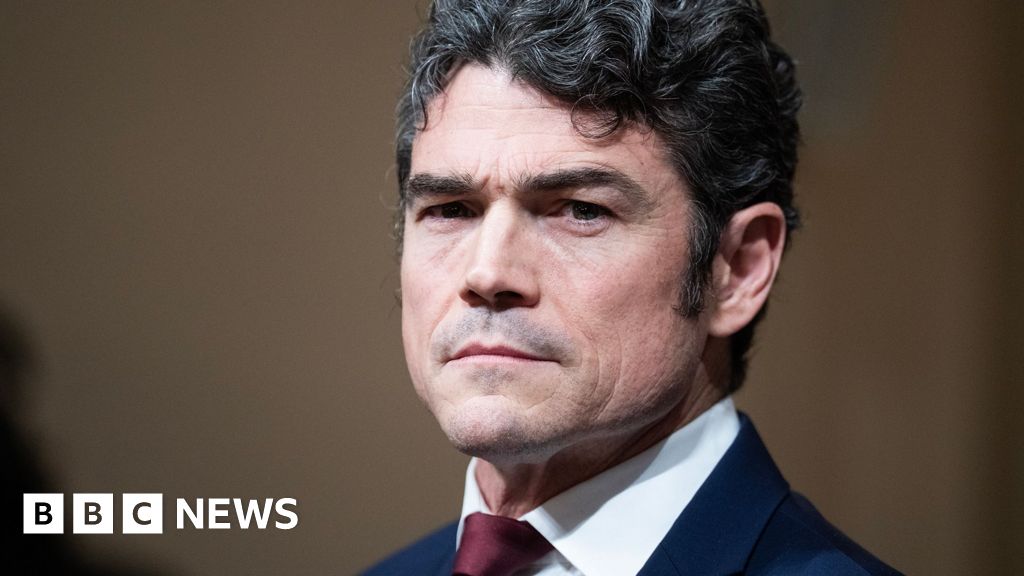
Top US Counterterror Chief Quits Over Iran War, Warns Trump to Change Direction

Recent statements by National Counterterrorism Center Director Joe Kent have reignited debates surrounding the origins of America’s ongoing conflicts in the Middle East. Kent claims that former President Donald Trump “started this war due to pressure from Israel and its powerful American lobby,” casting new light on the complex web of international influence that shapes U.S. foreign policy. These remarks serve as a stark reminder that decisions made at the highest levels often have profound and lasting geopolitical consequences, influencing the stability and security of nations far beyond America’s borders.

This assertion prompts a reassessment of how external pressures from special interest groups and foreign allies can sway American policy, especially in volatile regions like the Middle East. Historians and analysts have long debated the extent to which domestic lobbying impacts presidential decision-making. According to the International Institute for Strategic Studies, such influence often steers war efforts in directions that may prioritize geopolitical interests over national security, leading to prolonged conflicts with difficult resolutions. While the precise instances and motivations behind Trump’s policies remain contentious, the broader discussion underscores an enduring question: how much of America’s foreign engagements are genuinely driven by national interest versus external pressures?

In addition to domestic debates, this revelation has significant geopolitical impact. The Middle East, a nexus of geopolitical rivalries, remains deeply entwined in U.S. foreign policy calculations. The region’s long history of conflict has been compounded by decisions influenced by external lobbying, which in turn alters alliances and military commitments. International organizations, such as the United Nations, warn that such external pressures could exacerbate regional instability, heightening risks of escalation and long-term unrest. Moreover, the implications for societies within these nations are profound: prolonged military interventions often lead to human suffering, economic devastation, and the destabilization of entire communities.

The role of powerful lobbies and allies remains a contentious subject. Critics argue that when foreign interests dictate policy, it undermines the sovereignty and self-determination of the nations involved. Such influence often results in policies that favor external actors at the expense of long-term peace and stability. As international political analysts caution, the potential for these decisions to ignite broader conflicts remains a lingering threat. Considering the recent revelations, many are urging policymakers to examine how external pressures shape decisions on the global stage, with some foreseeing a future where conflicts are prolonged by external interests rather than national security needs.

As history continues to unfold, the weight of past decisions remains etched into the fabric of global politics. The question persists: will future generations view these moments as the turning points where geopolitics was manipulated for short-term gains, or as lessons that could usher in a new era of sovereignty and genuine peace? The ongoing debate invites citizens, leaders, and international observers alike to scrutinize the true drivers behind the conflicts that define our era. In a world teetering on the edge of new alliances and ancient rivalries, the final chapters of this complex story are yet to be written—and the shadows of history cast their long, uncertain gaze upon our future.

Cherry on the top: Jessie Buckley dominates Oscars 2026 with double win — and makes Chanel proud

The Evolution of Red Carpet Fashion: More Than Just Glamour

In the world of celebrity culture, the Oscars have long been seen as a pinnacle of both artistic achievement and personal branding. Historically, the red carpet has been a stage for timeless glamour, where black, gold, and classic couture dominated. However, recent years have witnessed a formidable shift — red carpet fashion is now a powerful canvas for self-expression and social messaging. The stunning appearance of Jessie Buckley, who not only secured the best actress award but also made a bold style statement, epitomizes this transformation. Her custom Chanel gown, with its blood-red satin-backed leather and rose pink chiffon, was more than eye-catching; it was a deliberate reflection of her character’s tenderness and emotional depth, nodding to the history of Hollywood’s stiff traditions while simultaneously breaking new ground in celebrity aesthetics.

Today’s fashion influencers and sociologists recognize that the red carpet has become a social forum as much as a glamorous runway. For instance, Teyana Taylor’s daring Chanel ensemble—featuring sheer fabrics and black and white feathers—demonstrates how stars are harnessing the event’s visibility to embody cultural narratives rooted in strength, audacity, and authenticity. Stylistically unapologetic and visually stunning, such choices serve to elevate the social relevance of fashion beyond the superficial, positioning stars as cultural commentators. This trend towards narrative-driven style aligns with the ideas of sociologists who emphasize that clothing can reinforce identity and influence societal perceptions. Influencers like Kylie Jenner further exemplify this shift, as her dramatic crimson Schiapelli gown effortlessly combined high fashion with viral appeal, amplifying the role of style as a tool for cultural dialogue.

But the evolution extends beyond individual styles—design houses like Chanel are capitalizing on this cultural redefinition. Their recent Paris runway shows, staged in unconventional spaces like a New York subway station, signal a strategic push to resonate with a more socially conscious and politically active generation. As fashion houses like Chanel weave social commentary into their branding, they reinforce the idea that style is now a form of societal engagement. Fashion and celebrity are no longer solely about superficial aesthetics but are intertwined with larger conversations about identity, power, and social justice. For the younger generation, the question isn’t just “What are they wearing?” but “What does it stand for?”

As we marvel at the daring choices of stars like Timothée Chalamet, who embraced an 2000s-inspired suit that challenged traditional notions of masculinity and style, one cannot help but wonder: what will be the next frontier in this cultural revolution? Will red carpet fashion continue to evolve into an arena where social values and personal truths collide, or will it revert to pure spectacle? The future of celebrity fashion might reveal not just the next big trend, but the emerging narrative of a generation that refuses to see style as superficial—it’s a platform for truth, resistance, and authentic expression in a rapidly changing society.

Top Irish Beers You Need to Try — Beyond Guinness and Still Totally Irish | Beer

Every 17 March, the global spotlight turns to Ireland as millions celebrate with the iconic taste of Guinness Draught. This beloved stout is brewed in a revered tradition dating back over a century, with its signature “two-part” pour ensuring every pint hits the perfect balance of creaminess and flavor. Yet, Irish culture isn’t confined to one beverage or moment — it goes far beyond, rooted in a history that extends back at least 5,000 years. Today, the Irish brewing scene is a vibrant mosaic of 70 breweries across the island, each cultivating a rich brewing heritage while embracing modern craft trends. While Guinness remains the most popular worldwide, the country’s drinkers actually favor light lagers, reflecting a lifestyle shift toward _refreshing, easy-drinking beverages_, perfect for contemporary tastes and the pursuit of moderation.

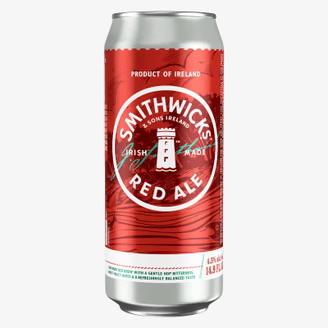
As a seasoned beer journalist and connoisseur of Irish brews, the variety of options beyond the classic stout offers an inspiring look into Irish culture’s evolution. From the smooth, malty charms of a red ale like Smithwick’s Irish Ale to a citrusy golden brew such as Sullivan’s Irish Gold, Irish breweries are showcasing a _diversity of flavor profiles_ that appeal to modern palates. These beers, often with *low alcohol content*, promote a lifestyle centered around **well-being** and **responsible moderation**, aligned with an _emerging wellness movement_ embracing quality over quantity.

Ireland’s water — the purest sources from lakes, rivers, and rainfall — has been integral to brewing for centuries, epitomized by accessible staples like Harp Lager. Its crisp, clean profile pairs seamlessly with traditional Irish dishes like fish and chips. Meanwhile, breweries such as Murphy’s have perfected a **lighter** stout that offers drinkers complex roast and chocolate nuances without the usual heaviness, favoring a *more refined, *lighter alternative* for those mindful of their health*. With a rich history dating back to 1710, Murphy’s Irish Stout exemplifies Ireland’s mastery — a brew to be savored in local pubs or at home, ideally paired with heartwarming meals or summer gatherings, celebrating life’s small pleasures with moderation and intent.

Life is a journey, and the path of lifestyle embraces more than just the drinks we choose — it’s about honoring tradition while exploring new, balanced ways to enjoy. The Irish spirit reminds us that true culture is about sharing moments that nourish our bodies and souls, connecting us to history and community. Whether through an iconic pint of Guinness or the nuanced flavor of a citrusy ale, every sip reflects a heritage rooted in resilience, refinement, and the pursuit of **well-being**. Embrace these traditions, explore their modern expressions, and remember that the journey to a fulfilling lifestyle is one of continual discovery — a testament to the enduring power of cultural evolution and personal choice.

Prince William teams up with Greg James for impactful Comic Relief bike ride

In an era increasingly marked by cultural shifts and ideological battles, the significance of tradition and identity takes center stage, often veiled beneath the surface of youthful pursuits and celebrity engagements. Recently, the renowned Radio 1 Breakfast host—an emblem of contemporary media—was joined by a distinguished guest during the latest leg of his noteworthy charity challenge. While at face value this may appear as a mere act of charitable enterprise, it embodies a deeper, more profound narrative about the role of culture as both a vessel of collective memory and a blueprint for future identity.

Throughout history, figures like G.K. Chesterton and T.S. Eliot have spoken to the importance of cultural continuity, emphasizing that heritage is not static but a living testament to the values, hopes, and struggles of preceding generations. The act of engaging with culture—whether through music, art, or communal effort—serves as an act of reaffirmation in the face of relentless change. When a popular media figure brings a guest into a charitable venture, it echoes the age-old recognition that culture is both a mirror and a mold; it reflects our shared history, yet also influences the contours of our communal future. These moments, seemingly transient, are vital in fostering a sense of belonging that grounds society amidst the turbulence of modernity.

Moreover, this interaction resonates with the philosophical insights of thinkers like Ortega y Gasset, who viewed culture as the “vital continuum” of a people’s destiny. By participating in initiatives that draw from the roots of tradition—be it through charity, music, or shared endeavor—individuals reaffirm the importance of identity as an active, living legacy. In an age when social and cultural fragmentation often threaten the coherence of national and spiritual identity, such acts serve as vital anchors. They remind us that the reaffirmation of culture is not merely about nostalgia, but about forging a pathway through history that guides society forward with purpose and clarity.

Finally, as Tocqueville observed, the strength of a society lies in its capacity to cultivate civic virtue rooted in tradition. The episode of a popular radio host welcoming a guest during a charity effort illustrates this principle well. It is a testament to the cultural vitality that sustains social cohesion, and a silent assertion that our shared memories and hopeful prophecies are what render a society resilient—capable of facing the future with confidence and moral clarity. In the end, culture remains both our memory and our prophecy—a poetic fabric woven from the threads of the past and the fibers of tomorrow. And it is through this enduring tapestry that humanity continues its eternal dialogue with itself, shaping and being shaped by the stories we tell and the values we uphold.

Social Media Auto Publish Powered By : XYZScripts.com