Matox News

Truth Over Trends, always!

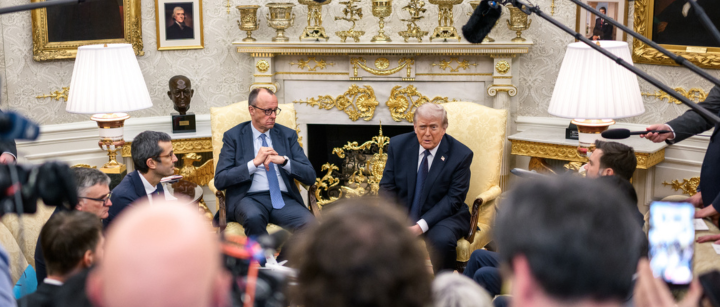
Pete Hegseth dismisses Straits of Hormuz risks: ‘No need to worry’ – US Politics Live | Trump

Global Tensions Soar as U.S. Military Challenges Iran’s Naval Offensive in the Strait of Hormuz

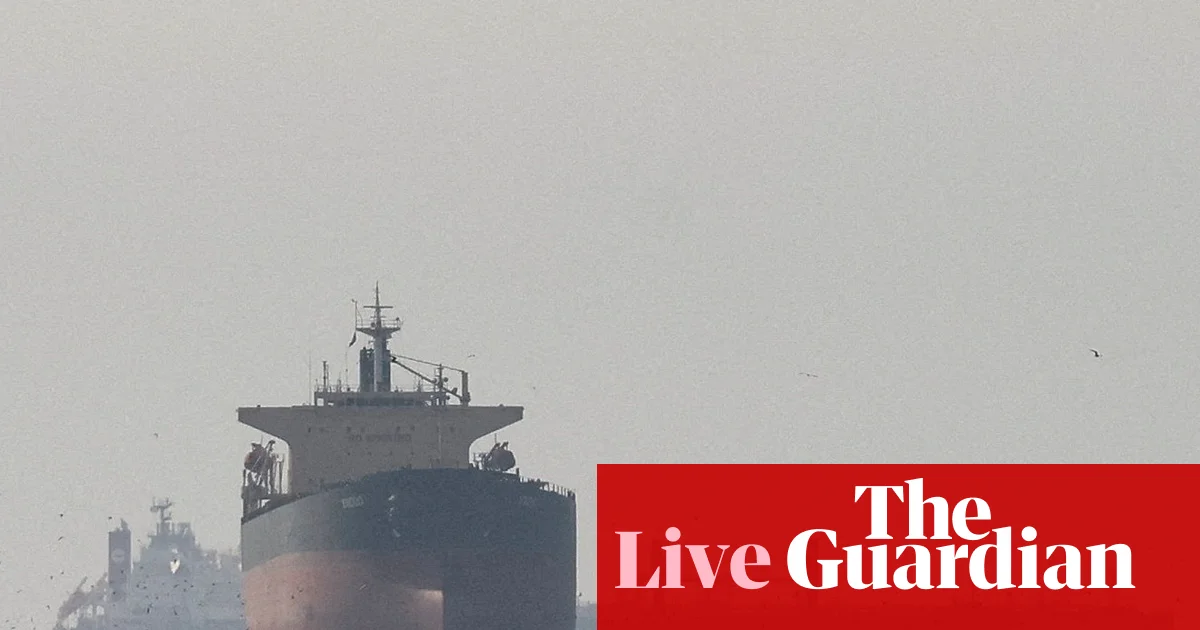
In a dramatic escalation of Middle Eastern conflict, the United States has openly declared its military efforts to secure the vital Strait of Hormuz, a critical choke point for global oil supplies. With over 1,000 cargo ships held hostage after Iran’s self-initiated blockade, the U.S. has responded with a decisive military campaign targeting Iran’s navy—claiming to have destroyed 28 Iranian mine-laying vessels in recent days. Defense Secretary Pete Hegseth has asserted that the U.S. is “decimating” Iran’s military capacity “in a way the world has never seen before”, emphasizing that the U.S. has strategically planned for every possible action to ensure the flow of commerce through this crucial waterway remains uninterrupted.

Historian and international security analysts recognize this as a turning point with profound geopolitical impact. The U.S. has long sought to dominate control over Middle Eastern waterways, but Iran’s recent attempt to blockade the Strait has ignited open conflict. American officials, citing intelligence reports, affirm that Iran’s strategy includes laying more underwater mines, complicating efforts to re-establish free navigation. While Donald Trump has boasted about the heavy-handed destruction of Iranian naval capabilities, many experts warn that this aggressive stance could intensify the ongoing regional chaos, setting the stage for wider confrontation.

Within Iran, questions are mounting regarding the competency and legitimacy of the country’s new supreme leader, Mojtaba Khamenei. U.S. officials, including Hegseth, cast doubt on whether he effectively commands the fractured Iranian regime, describing him as “scared” and “injured” following the U.S.-Israeli covert operations that targeted his family. Such internal instability potentially stimulates unpredictable Iranian responses, analysts say, which could include renewed missile and drone attacks against Gulf Arab states. The repeated warnings from Iran’s leadership about American presence in the region signal a dangerously volatile phase, with the possibility of regional war spiraling beyond control.

Amid this turmoil, the geopolitical landscape is shifting dramatically. U.S. President Donald Trump has threatened “major retaliation” against Iran following Friday’s attacks on Gulf Arab states, including widespread drone assaults at Saudi Arabia. His rhetoric underscores a narrative of decisive U.S. dominance; however, critics from both sides of the political spectrum warn that such provocations threaten to destabilize an already fragile Middle East. Meanwhile, economic repercussions are rapidly emerging—gas prices have surged by more than 60 cents per gallon in key areas like Michigan, with prices at some stations already exceeding $4.30 per gallon. This inflationary shock not only affects consumers but has strategic consequences in swing states like Michigan, where economic stability often influences U.S. national elections. Political analysts warn that the rising energy costs coupled with ongoing military conflicts could significantly impact the forthcoming U.S. midterm elections.

As history unfolds in real time, the eyes of the world remain fixed on the Persian Gulf, where the mighty currents of geopolitics threaten to drown nations in chaos. With each military strike and diplomatic warning, the weight of history’s decisive chapter bears down, forcing nations to grapple with the legacy they forge in a region teetering on the edge of full-scale war. The question remains: will this be a calculated move towards stability or the spark that ignites a broader, multidimensional conflict that reshapes the world order?
Please upload the feed content you’d like me to fact-check, and I’ll craft the headline accordingly.

Fact-Checking Trump’s Claims on Iran Nuclear Deal and Nuclear Progress

Recently, former President Donald Trump has asserted that the 2015 Iran nuclear deal, known as the JCPOA, was “a road to a nuclear weapon” and that Iran “would be sitting with a massive nuclear weapon three years ago” if the U.S. had not withdrawn in 2018. These claims are central to his narrative that exiting the deal prevented Iran from becoming a nuclear threat. However, an in-depth review of expert opinions, international reports, and historic developments reveals that Trump’s assertions are somewhat misleading and warrant closer scrutiny.

The JCPOA, negotiated during the Obama administration and supported by the then-P5+1 nations—China, France, Russia, the United Kingdom, and the United States—was designed to impose stringent restrictions on Iran’s nuclear program in exchange for sanctions relief. According to the Arms Control Association, the deal **placed limits on Iran’s uranium enrichment** (restricting it to 3.67%) and required the dismantling of

two-thirds of Iran’s centrifuges, with international inspections ensuring compliance. These measures were intended to extend Iran’s “breakout time”—the period it would need to produce enough fissile material for a nuclear weapon—to at least a year, a buffer that approximately tripled during the deal’s enforcement, according to the Center for Arms Control and Non-Proliferation.

In response to Trump’s claims that withdrawing from the JCPOA prevented Iran from acquiring nuclear weapons, several experts dispute the accuracy of his timeline. Laura Rockwood, senior fellow at the Vienna Center for Disarmament and Non-Proliferation, observed that “Iran was able to advance its nuclear program to the level it was before the 12-Day War last June not because of the JCPOA, but because of the U.S. withdrawal.” Similarly, Richard Nephew, a senior researcher at Columbia University and former State Department Iran envoy, highlighted that “Trump’s decision to withdraw in 2018 significantly accelerated Iran’s nuclear program”. Both experts emphasize that the deal’s restrictions were instrumental in delaying Iran’s nuclear capacity, and its collapse has led to a faster pathway toward potential nuclear armament.

The Impact of Withdrawal on Iran’s Nuclear Capabilities

The data from the International Atomic Energy Agency (IAEA) supports the consensus that the collapse of the JCPOA resulted in Iran resuming the accumulation of highly enriched uranium, accelerating its nuclear program. Before the U.S. withdrew, Iran’s stockpile of uranium enriched to 60% was under rigorous limits. After withdrawal, Iran exceeded those limits, and stockpiled fissile material at a pace that experts say was unprecedented during the deal’s enforcement.

Supporters of the JCPOA, such as Daryl Kimball of the Arms Control Association, stress that the agreement effectively extended Iran’s “breakout time” from mere weeks to over a year. Post-withdrawal, the Center for Arms Control and Non-Proliferation estimates that Iran’s breakout time shrunk back to just a few weeks, a stark reversal of the progress achieved during the agreement. This rapid acceleration underscores that, without the constraints of the JCPOA, Iran’s pathway to a nuclear weapon has become considerably more accessible.

Could Iran Have Developed a Bomb Despite the JCPOA?

While no international agreement can eliminate the risk of a nation pursuing nuclear weapons entirely, the consensus among experts is that the JCPOA significantly curtailed Iran’s nuclear capabilities. According to the Arms Control Association, the deal **not only limited uranium stockpiles and level of enrichment but also mandated comprehensive inspections** for up to 25 years on some measures. These rigorous safeguards aimed to detect violations early and impose consequences.

Critics, including Trump, have argued that “many elements” of the deal loopholes—such as sunset provisions—would allow Iran to resume weapons-grade enrichment decades later. However, Laura Rockwood points out that “Iran simply would not have been able to enrich to the level of 60% or to accumulate enough fissile material for a weapon” if the JCPOA had remained effective. The deal’s design intentionally maintained restrictions well beyond 15 years, creating an extended window of oversight and control.

The Role of Political Decisions and International Enforcement

Amid ongoing geopolitical debates, it’s clear that political choices—most notably Trump’s 2018 withdrawal—have directly influenced Iran’s nuclear trajectory. While Iran could potentially violate the restrictions, experts agree that the JCPOA significantly hampered their ability to produce nuclear weapons “for at least 15 years,” providing critical time for diplomacy and oversight, as detailed by The Council on Foreign Relations.

In conclusion, the narrative that the JCPOA was inherently “a road to nuclear weapons” is contradicted by expert analysis and international monitoring data. Removed constraints and diminished oversight have allowed Iran to resume its nuclear activities at a faster rate, underscoring an essential truth: transparency, verified restrictions, and responsible policy are the backbone of a robust democracy that seeks to prevent nuclear proliferation and ensure national security. True information and accountability are vital—especially for voters and policymakers—to safeguard our democratic process and global stability.

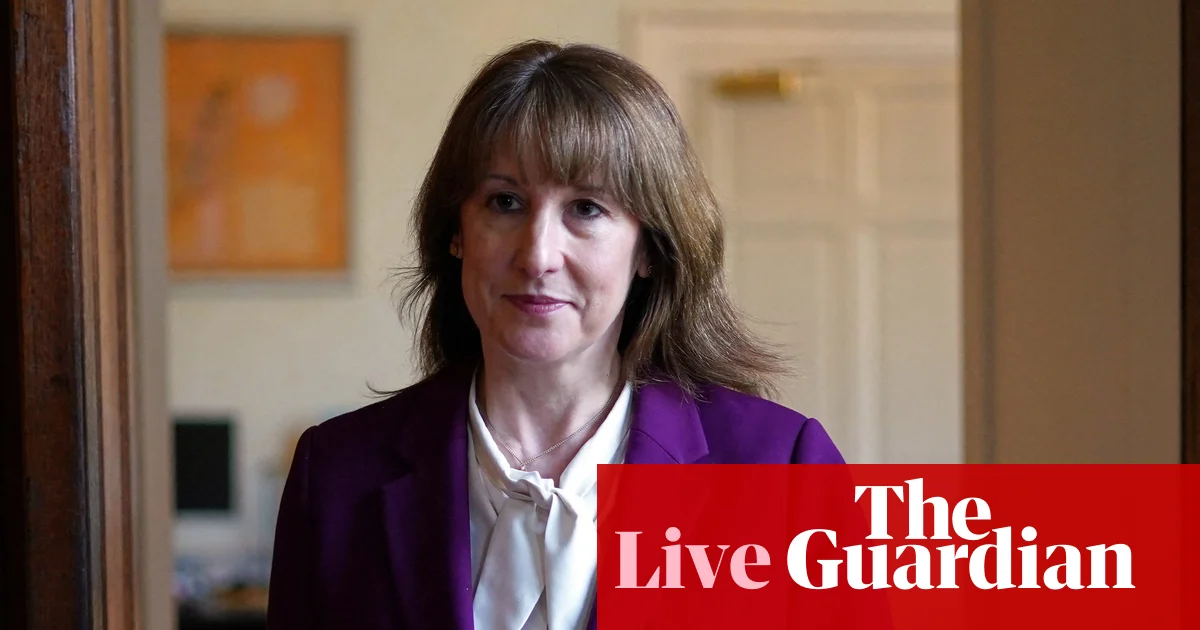
Reeves promises tough action on energy bosses gouging Brits with high prices – UK Politics

In a remarkable display of political resolve amidst an escalating Middle East conflict, UK Prime Minister Keir Starmer has announced that RAF Typhoon jets are extending their operations to Bahrain, marking a significant shift in the UK’s military posture in the region. Starmer stated that these jets are now patrolling for Iranian drones heading toward Bahraini airspace, amid heightened tensions following Iran’s retaliatory attacks on energy and transport infrastructure across Bahrain, Oman, and Iraq. This development signals a notable intensification of UK defense commitments in the Gulf, aligning with broader Western efforts to contain Iran’s military influence and safeguard strategic allies such as Bahrain.

This military escalation comes at a time when global oil markets are in upheaval, with oil prices again soaring beyond $100 per barrel. The conflict’s spillover effects threaten to plunge the UK’s fragile economy into recession, as warned by analysts like Tomasz Wieladek of T. Rowe Price, who emphasized that “the war in the Middle East and subsequent oil price rise will raise inflation and reduce consumer spending.” Official UK figures reveal that the economy has already been vulnerable, with flatlining GDP in January—highlighting the nation’s weak start to the year amid uncertainty surrounding the government’s fiscal policies and the energy crisis. Such geopolitical turbulence underscores how international conflicts can swiftly ripple through domestic economies, highlighting the critical nature of national security and energy independence in these times.

Amid diplomatic and economic turbulence, the UK government under Rachel Reeves is taking a firm stance against what it calls profiteering by energy firms exploiting the crisis. Reeves instructed the Competition and Markets Authority (CMA) to scrutinize fuel price hikes, explicitly warning companies that “she will not tolerate any company exploiting the current crisis to make excess profits at customers’ expense.” Simultaneously, Energy Secretary Ed Miliband has vowed to fight “price gouging,” emphasizing that the government is prioritizing the “cost of living” crisis, particularly impacting households relying on heating oil—whose prices have nearly trebled since the Iran war began. These actions aim to shield consumers from the fallout of geopolitical conflicts, but they also reflect a broader struggle over energy policy—particularly whether the UK should pursue more independence from volatile fossil fuels or continue aligning with international markets fraught with instability.

Adding to the geopolitical complexity, Prime Minister Starmer has announced the UK will *not* follow the US in temporarily waiving sanctions on Russian oil—an unequivocal stance that keeps Britain locked into a harder line against Moscow’s economic influence. Energy Minister Michael Shanks made it clear that the UK cannot afford to give Putin’s regime a free rein, warning that “what we absolutely can’t have is [Vladimir] Putin seeing this as a chance to invest in the war machine.” This divergence from the US approach signals a deliberate effort by Britain to assert its own strategic autonomy, even as global markets respond unpredictably. As Russia claims that lifting sanctions is “inevitable,” the balance of power and economic influence in the energy sector remains sharply contested, foreshadowing a period when nations must choose between cooperation and confrontation, the path to peace and the risk of open conflict unresolved.

With the UK facing economic stagnation, soaring energy prices, and an active military footprint in the Gulf, the international community watches with bated breath as the decisions made today could shape the trajectory of global stability for decades. As the fog of war thickens, the weight of history presses ever heavier—marking a pivotal chapter where every alliance, intention, and strategic move could determine whether nations find themselves—at last—standing on the edge of a new era or stepping into the abyss of prolonged chaos. The story remains unwritten, but the consequences of these choices will echo through generations yet unborn.

This startup’s already helping enterprises anchor themselves before quantum takes over

Quantum AI Disruption: QuTwo and the Future of Enterprise Innovation

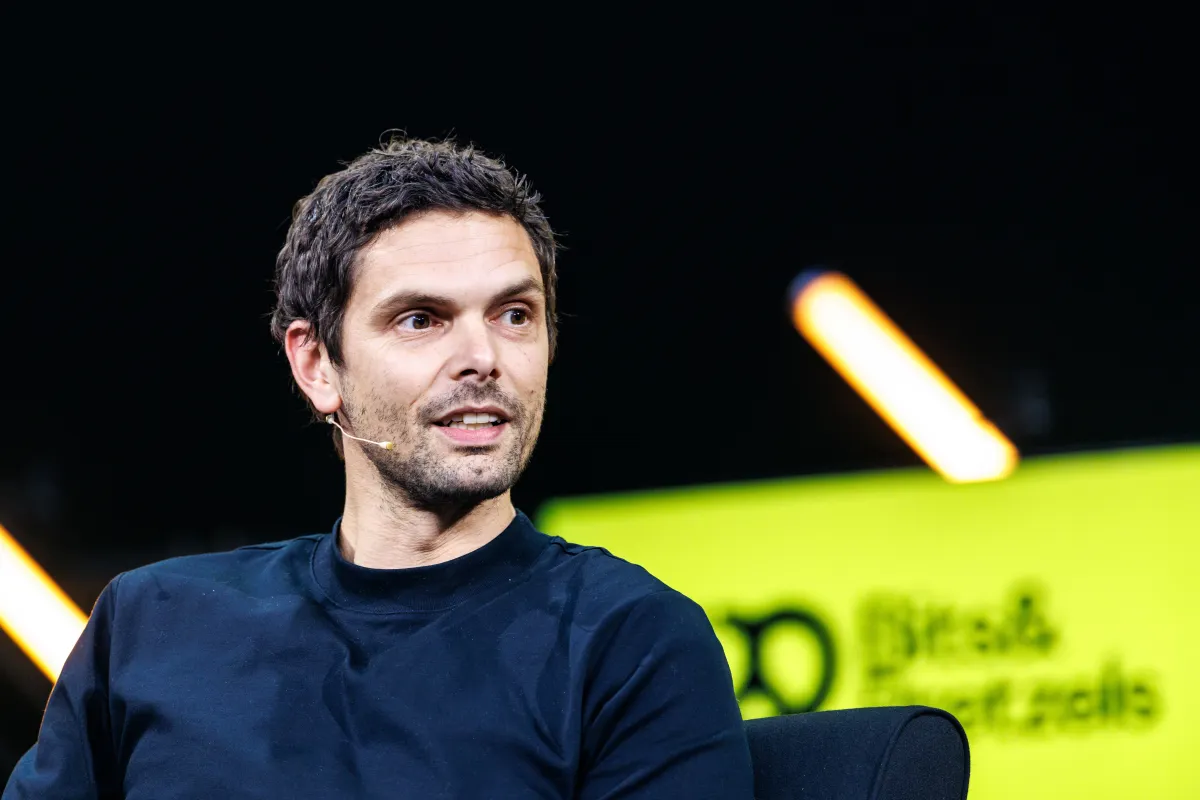
The rapidly evolving landscape of artificial intelligence (AI) and quantum computing shows no signs of slowing down, with visionary entrepreneurs like Peter Sarlin leading the charge towards a new era of technological disruption. Just eighteen months after selling his startup to semiconductor giant AMD for an impressive $665 million, Sarlin has pivoted toward groundbreaking initiatives that could redefine industry standards. His new ventures, NestAI and QuTwo, are pioneering the next phase of AI development—specifically targeting the emerging quantum era.

QuTwo positions itself as “an AI lab for the quantum era,” innovating at the intersection of classical and quantum computing. Unlike many competitors that are biding time until quantum technology matures, QuTwo is already deploying solutions in collaboration with enterprise clients like European retailer Zalando. Their “lifestyle agents”—AI systems that proactively suggest products—exemplify how quantum-inspired algorithms could revolutionize customer experiences and retail logistics. This strategic move demonstrates a disruptive approach, aiming to mainstream the quantum-AI integration well before quantum hardware is fully ready, an approach supported by analysts at Gartner who emphasize the significance of early-stage hybrid solutions in maintaining competitive advantages.

The Business Implications of Hybrid Quantum-AI

Underpinned by a robust funding structure via Sarlin’s family office PostScriptum, QuTwo’s development strategy hinges on building the QuTwo OS. This orchestration layer facilitates seamless interaction between classical and quantum computational resources, enabling enterprises to shift workloads dynamically and optimize efficiency. Industry shifts towards hybrid hardware environments suggest that the immediate future belongs to solutions capable of navigating the “efficiency wall” that classic AI is approaching, as Sarlin notes. This aligns with insights from MIT researchers who warn that “AI’s energy consumption and scalability are unsustainable without quantum breakthroughs.” Consequently, companies investing now in hybrid infrastructures could secure a significant leap forward, shaping competitive landscapes for decades to come.

  • Key Partnerships: QuTwo’s joint ventures with firms like Zalando and OP Pohjola establish early market trust and demonstrate real-world applicability.
  • First-Mover Advantage: By engaging in large design collaborations, QuTwo accelerates product development aligned with enterprise needs, setting the stage for broader implementation.
  • Technology Leadership: By combining scientific expertise from quantum icons such as IQM cofounder Kuan Yen Tan and seasoned AI minds, the startup is positioned as a potential leader in quantum AI innovation.

Strategic Outlook and Industry Impact

With an experienced team comprising over 30 top-tier quantum and AI scientists, and key industry figures like former Nokia CEO Pekka Lundmark on its board, QuTwo exemplifies a formidable push towards future-proof enterprise solutions. Experts like Peter Thiel have long predicted that “the true value of quantum computing will be realized through hybrid algorithms that can be integrated into existing infrastructures.” As such, QuTwo’s strategic emphasis on early commercialization and flexible deployment signals a dramatic shift in how industries will approach AI and quantum technologies in tandem. These developments are not just incremental; they are disruptive, posing significant challenges to traditional computing models and opening avenues for unprecedented business efficiencies.

Looking ahead, the urgency to adapt to this technological revolution is palpable. As the industry braces for a potential quantum takeoff, companies that fail to embrace hybrid solutions risk obsolescence. The ongoing partnerships and rising investments underscore that the next decade promises to be pivotal, with firms that innovate at this frontier poised to dominate. The call to action for forward-thinking enterprises is clear: the quantum AI revolution is inevitable—and those who lead the charge will shape the future of global industry.

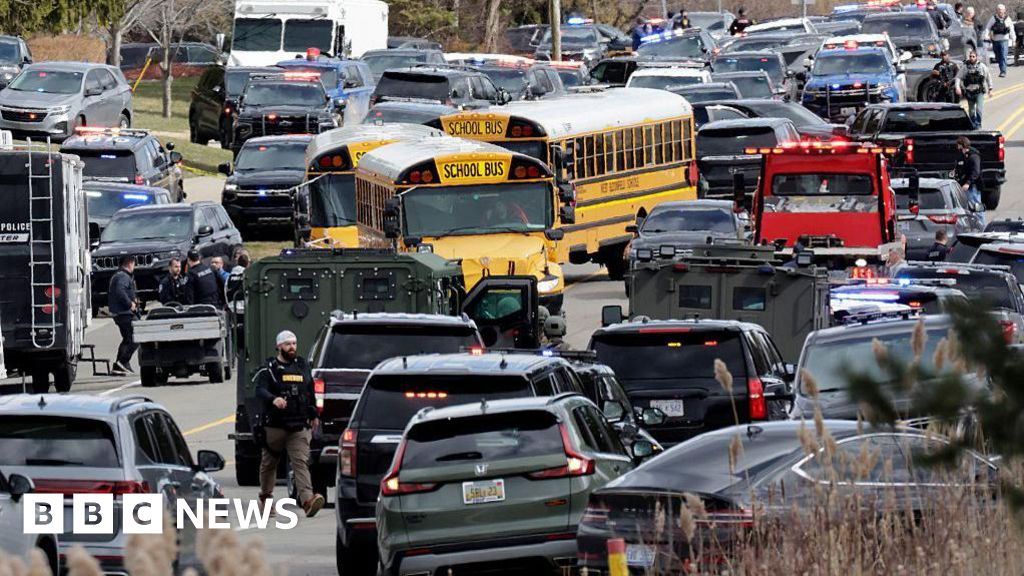
Suspect killed after attempting deadly attack on Michigan synagogue

In a concerning development that underscores rising tensions worldwide, the FBI has announced that an incident occurring recently is under investigation as a targeted act of violence against the Jewish community. This move signals not only the gravity of the event but also highlights an escalation in attacks directed at religious and ethnic minorities across the globe. With political rhetoric and extremist ideologies fueling divisions, authorities now face the formidable challenge of safeguarding vulnerable populations amidst a shifting geopolitical landscape.

Historically, acts of violence against minority groups have often presaged broader societal fragmentation. Experts from international institutions, such as the United Nations, have repeatedly warned about the dangerous consequences of unchecked hate crimes, noting that such events often serve as catalysts for social upheaval. Analysts emphasize that movements driven by nationalist, supremacist, or divisive narratives tend to gain momentum during periods of political uncertainty, amplifying the threat of violence. The recent FBI statement underscores how, in the digital age, radicalization can rapidly manifest into dangerous acts, impacting diplomatic relations and domestic stability alike.

The geopolitical impact of these incidents extends beyond national borders. Countries that harbor large Jewish communities or are engaged in ongoing conflicts with extremist factions have become increasingly vulnerable to retaliatory violence and diplomatic tensions. The incident’s investigation may influence international relations, particularly if it connects with broader plots or extremist networks. As geopolitical analysts caution, when acts of terror strike minority communities, the repercussions ripple through diplomacy, security policies, and societal cohesion in multiple nations. This event comes at a time when many governments are reevaluating their counter-terrorism strategies amidst a backdrop of global instability and ideological conflict.

Through the lens of history, such episodes are reminders that the struggle over identity, security, and sovereignty is far from over. Prominent historians have noted that societies often grapple with these issues during moments of change, potentially marking turning points in national narratives. International organizations, meanwhile, stress the importance of unity in the face of division, urging countries to combat hate with resilience and strengthened cooperation. Yet, as events unfold, the shadow of history reminds us that the choices made today will shape the very fabric of future societies. As night falls on a fragile world, the weight of this unfolding saga leaves one question posed to all: how will nations rise to meet the tide of hatred, or succumb to it?

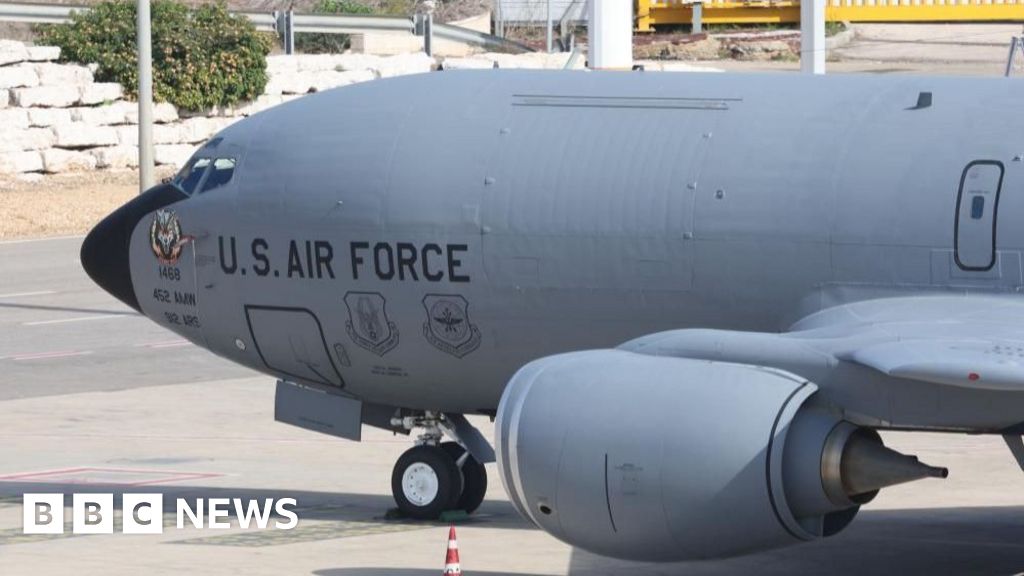
US refueling plane crashes in Iraq, military confirms—raising serious concerns

The US Central Command reported urgent rescue efforts underway after a refuelling aircraft went down over western Iraq. This incident, seemingly isolated on the surface, carries profound geopolitical implications at a time of ongoing regional instability and shifting international alliances. As rescue teams mobilize and investigations commence, analysts globally are scrutinizing the incident for underlying tensions that may go beyond a mere aviation mishap.

Historically, Iraq has been a focal point of international strategic interests, especially since the early 2000s. The recent incident highlights the persistent presence of the US military and its allies in the region—serving as both a deterrence against hostile actors and a reminder of unresolved conflicts. According to defence experts, such accidents often raise questions about the safety and preparedness of military systems operating in volatile environments. The incident underscores how recent shifts in regional alliances and increased military patrols—sometimes driven by covert geopolitical motives—are heightening the risk of mishaps that could escalate into larger crises.

International organizations and think tanks have weighed in, emphasizing that such accidents are rarely merely technical failures. Commentators like geopolitical analyst Dr. Maria Jensen warn that incidents involving US military assets in Iraq are potentially deliberate flashpoints. Furthermore, United Nations reports note that ongoing conflicts and unresolved territorial disputes continue to destabilize the region, with the risk of accidents escalating tensions among local factions, regional powers, and Western interests. Historical precedent reminds us that seemingly minor incidents can often serve as preludes to broader conflicts, especially when escalating narratives are already in motion.

As rescue operations unfold amidst a backdrop of regional unrest, the international community remains divided. While some nations call for restraint, others leverage incidents like this to justify increased military presence or covert operations. The incident portends a turning point—an inflection in the delicate balance of power—where even accidental mishaps might serve to justify stronger interventions or retaliatory actions. Such developments could profoundly impact not only Iraq and its neighboring countries but also the global geopolitical landscape, which remains on high alert for potential flashpoints.

Ultimately, the fate of the downed aircraft and the subsequent rescue efforts represent more than a military operation; they symbolize the fragile mosaic of modern geopolitics, where every incident can ripple across borders and ignite a chain of unpredictable consequences. As history continues to be written, the world watches with bated breath, knowing that within these events lie the seeds of future conflicts—reminding all of us that in the theater of international power, the line between accident and escalation is perilously thin.

Rising Stars Shine in Thrilling Weekend of Youth Sports Action

The Knicks Stand Strong but Face Crucial Tests Ahead

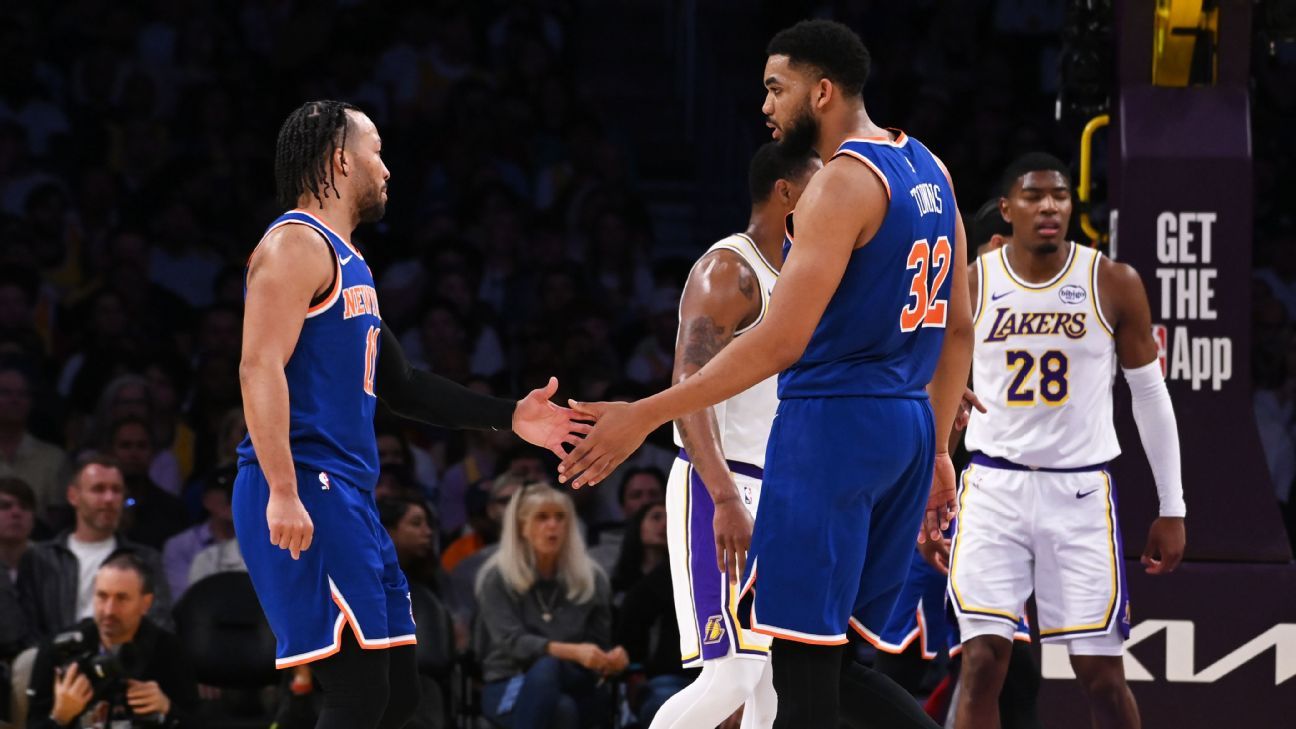
As the regular season nears its climax, the New York Knicks hold a respectable 42-25 record, placing them third in the Eastern Conference. However, the path to playoff success is littered with obstacles that demand immediate attention if the Knicks aspire to make a significant playoff run. Coach Tom Thibodeau and his team must address both on-court dynamics and player health, particularly as they gear up for high-stakes matches against fierce competitors.

One of the primary concerns for the Knicks is their inconsistency in offensive execution. Although they boast talented players like Julius Randle and Jalen Brunson, both of whom are crucial for their scoring efforts, the team has struggled to maintain a cohesive offensive flow throughout games. As commentator Mike Breen noted in a recent broadcast, “To compete in the playoffs, you cannot afford to have long scoring droughts.” This rings especially true considering the intensity of the upcoming games that will dictate playoff seeding.

Another significant concern is player health, particularly with injury-prone contributions from key players. The Knicks have managed to perform admirably despite setbacks, but maintaining a fully healthy roster will be essential as they prepare for potential postseason matchups. Coach Thibodeau has expressed his commitment to managing player minutes judiciously, emphasizing that, “The priority is to reach the playoffs in peak form, not just to clinch a spot.”

  • Key Players: Julius Randle, Jalen Brunson
  • Injury Concerns: Health of key players critical for playoff readiness
  • Offensive Strategy: Need for consistent scoring, especially in high-pressure situations

As the Knicks navigate these challenges, their position in the Eastern Conference serves as both an opportunity and a litmus test for growth. With dedicated fans rallying behind them and the playoff atmosphere looming, the stakes have never been higher. As sport transcends mere competition, it unites communities and families willing to share in the highs and lows of the beautiful game. The journey towards the playoffs promises to be filled with triumphs and trials, but in the end, the profound connections forged through sport remain the true victory.

Source link

K-Pop Demon Hunters Return: Netflix Greenlights Exciting New Sequel

Global Influences and Shifting Alliances: The Geopolitical Implications of Recent International Developments

In the context of an increasingly interconnected world, recent geopolitical moves have signaled profound shifts that could reshape the international order for decades to come. As nations navigate the complexities of economic competition, military security, and diplomatic alliances, the decisions made today are echoing across continents, influencing societies, and challenging established paradigms. Historically, analysts like Samuel Huntington have emphasized the importance of cultural and civilizational identities in these shifting dynamics, a perspective still relevant amid current tensions.

Central to these developments is the renewed focus on international alliances and their influence on global stability. The United Nations and other multilateral institutions have faced mounting criticism, with many observers arguing that their ability to mediate conflicts and promote cooperation is increasingly limited. Recent conflicts, such as the ongoing disputes in Eastern Europe and the South China Sea, underscore how powerful states are willing to pursue strategic objectives at the expense of established diplomatic norms. These situations have been evaluated by international watchdogs and think tanks, including the Carnegie Endowment for International Peace, which warns that the erosion of traditional diplomatic channels could lead to a more volatile, multipolar world where conflicts are harder to contain.

  1. The resurgence of *great power competition* has seen major players like Russia and China solidify their regional spheres of influence, often in defiance of Western-led institutions. This is exemplified by the recent annexation of territories and aggressive maritime claims, signaling an Intent to challenge the post-World War II international order.
  2. The economic battlefield is equally dramatic, with nations pursuing massive investments in technological and military capabilities. The United States’ strategic pivot towards Indo-Pacific alliances, including renewed engagements with Japan and South Korea, illustrates a deliberate effort to counterbalance China’s expanding influence.
  3. Meanwhile, from Europe to Asia, the ripples of these shifts threaten to destabilize smaller nations caught between the major powers’ interests, creating a landscape fraught with uncertainty and real danger.

The geopolitical impact of these decisions extends far beyond the halls of power, shaping societal attitudes, economic realities, and national identities. Historians like Niall Ferguson argue that the age of American unipolarity is waning, replaced by a more fragmented international landscape where the ability of global institutions to manage crises diminishes. For nations on the frontlines, the choices made in diplomacy, conflict, and economic strategy are not just political but profoundly influence the fabric of national sovereignty and individual freedoms. As global analysts warn of a possible descent into prolonged instability, the stakes have never been higher.

In the unfolding narrative of world affairs, these movements are the chapters that define a generation. As history’s pen continues to etch new chapters into the grand tapestry of international relations, the world remains on the precipice—a stage where every decision may ignite or extinguish the hopes for stability and peace. The weight of history presses heavily beneath our feet, reminding us that although the future remains unpredictable, its course is profoundly shaped by the choices made in these tense, pivotal moments.

Ex-Iranian diplomat defects and finds asylum Down Under

Iran’s Defectors Signal a New Era of Political Turmoil

The recent defection of Mohammad Pournajaf, Iran’s former charge d’affaires in Australia, marks a pivotal moment in the ongoing erosion of Tehran’s diplomatic influence globally. His application for asylum in Australia — years after serving as Iran’s top diplomat in Canberra — underscores a deepening fissure within theocratic Tehran. This event, uncovered by London-based Iran International and confirmed by Guardian Australia, reveals an unsettling narrative: even seasoned representatives of the Islamic regime are now defecting, fleeing the oppressive apparatus they once upheld. Such high-profile departures symbolize not merely individual discontent but hint at an unraveling of Iran’s carefully curated diplomatic facade. These breaches could herald a broader willingness among Iranian officials to abandon their posts — and allegiance — in the face of mounting internal crises and external pressures.

Historically, diplomats like Pournajaf and his predecessor, Ahmad Sadeghi, serve as symbols of Iran’s regime resilience. Yet, their sudden departures reflect a shift akin to cracks in the authoritarian armor. This scenario is drawing attention from international analysts who warn that such defections could weaken Iran’s influence on the world stage, especially at a time when the regime faces mounting accusations of *state-sponsored terrorism* and *domestic unrest*. The revelation that Iran’s Islamic Revolutionary Guard Corps (IRGC) may have orchestrated anti-Semitic arson attacks in Australia, as credible intelligence suggests, adds a layer of seriousness to this internal discontent. It indicates a regime under siege, with its covert operations exposed and its diplomats and operatives increasingly vulnerable to external scrutiny. This erosion of diplomatic confidence, coupled with defections, could precipitate a strategic recalibration of Iran’s foreign relations, deeply impacting regional stability across the Middle East and beyond.

The Broader Geopolitical Impact and Societal Seismic Shifts

  • Firstly, the defection of Iranian diplomats signals a crisis of legitimacy for Tehran, especially as other nations tentatively reassess their diplomatic and intelligence policies towards Iran. The retreat of officials like Pournajaf and Sadeghi weakens Iran’s international credibility and opens space for Western-led efforts to curb its malign activities.
  • Secondly, the harrowing details of Iran’s covert operations — including alleged involvement in arson and terrorism — carry profound implications. Governments in the Indo-Pacific, Europe, and North America are likely to increase surveillance of Iranian embassies and paramilitary networks, viewing the regime with heightened suspicion.
  • Thirdly, the response within Iran’s diaspora communities and oppressed domestic populations is evolving. The acceptance of humanitarian visas by the Australian government for members of Iran’s women’s football squad demonstrates that external nations are becoming more receptive to voices seeking freedom. Such acts of asylum and sanctuary serve as beacons of hope but also as stark reminders of the internal upheaval that Tehran desperately seeks to suppress.

International organizations like the United Nations and regional alliances are watching these developments with cautious concern. Some analysts warn that Iran’s internal instability, now visibly spilling into diplomatic and clandestine conflicts abroad, could escalate into broader unrest or even a regional realignment. The historical narrative of nations facing internal collapse due to domestic oppression and external pressure echoes through this moment. How long can Tehran sustain its façade before the fractures become irreparable? Will these defections ignite a domino effect, unraveling decades of strategic deception?

The Weight of History and an Uncertain Future

As the world witnesses Iran’s unravelling diplomatic edifice — a regime long defined by secrecy and suppression — the repercussions stretch beyond immediate geopolitical calculus. The shifting loyalties, revelations of covert operations, and the exodus of diplomats are not mere headlines but chapters in a story that will shape regional and global security for decades to come. This unfolding saga remains a stark reminder that even the most rigid regimes are susceptible to internal decay, especially when faced with the undeniable yearning for freedom and justice.

In the grand theatre of history, moments like these signal the potential end of an era. As new alliances form and old bonds are broken, the foundation of Iran’s power trembles, echoing the timeless truth that no empire, no matter how formidable, is immune to the tides of change. The next chapters are being written in real time, and the weight of history still hangs heavy in the balance — waiting to be called by the inexorable march of truth and destiny.

Social media giants urged to crack down on under-13 accounts to protect youth society

Social Media and the Challenge of Protecting Young Minds

In recent reports, UK regulators have raised urgent concerns about the digital environment surrounding children and young adolescents. Platforms like Instagram, Snapchat, TikTok, YouTube, and Roblox—which are wildly popular among youth—are found to lack adequate measures to prioritize children’s safety and well-being. This situation underscores a growing societal challenge affecting not only individual development but also the fabric of our families and communities.

  • Regulators emphasize that these platforms often fall short in safeguarding minors from harmful content and interactions.
  • Concerns extend to issues such as cyberbullying, inappropriate content exposure, and unregulated social pressures designed to capture fleeting attention spans.
  • Research by social scientists highlights that persistent exposure to such platforms influences social norms, self-esteem, and mental health among youth, often with long-lasting repercussions.

This digital landscape, while providing new opportunities for learning and socialization, presents profound moral and ethical dilemmas. Social commentators and sociologists like Neil Postman and Shoshana Zuboff warn that unregulated technology risks transforming children into passive consumers of information, rather than active participants in society. The result is a generation increasingly susceptible to social isolation, misinformation, and identity confusion—challenges that ripple outward into the core of family life and community bonds. As sociologist Dr. Jane Williams notes, “When children are exposed early and persistently to digital worlds that lack boundaries, their ability to develop healthy social skills and moral frameworks can be severely compromised.”

In response, the debate around regulation and accountability intensifies. Advocates argue that public policies must enforce tighter controls and foster digital literacy, ensuring children navigate these platforms safely. Equally important are efforts to strengthen family structures and community support systems that can guide youth through the complex digital age. These include educational programs teaching responsible online behavior, community-led mentorship initiatives, and parental tools for monitoring digital engagement.

Ultimately, society faces a moral imperative: to protect the most vulnerable among us—the children. Their future is intertwined with the moral fabric of today’s social policies. As history teaches us, neglecting the well-being of youth can lead to societal decline, but concerted efforts rooted in values of responsibility, transparency, and community engagement can help reverse this trend. If society can rally around the principle that every child deserves a safe, nurturing environment—both online and offline—then perhaps the promise of a more resilient and cohesive future remains within reach. Society’s challenge is formidable, but the hope persists that through collective action, we can foster a generation that learns not only to survive the digital age but to thrive within it, forging bonds grounded in truth, integrity, and mutual respect.

Social Media Auto Publish Powered By : XYZScripts.com