Matox News

Truth Over Trends, always!

Top Bluetooth Trackers for Your Apple and Android Devices

Revolutionizing Personal Asset Management: The Future of Bluetooth Trackers

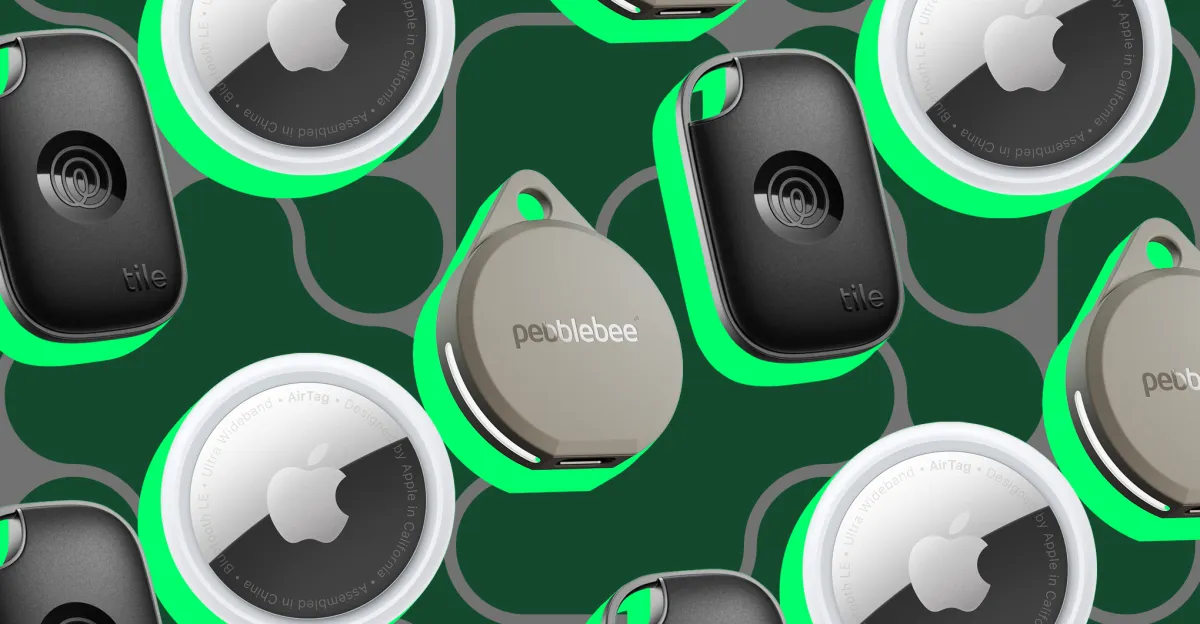
In recent years, Bluetooth trackers have transitioned from novelty gadgets to critical tools shaping the landscape of personal asset management and security. Leading tech giants like Apple, Tile, and emerging players such as Pebblebee are aggressively innovating, disrupting traditional methods of item recovery and security. The latest advancements—particularly integration with ultra-wideband (UWB) technology—are positioning these trackers as essential components in the New Digital Ecosystem. This evolution not only enhances user experience but significantly impacts how businesses and consumers handle lost items, theft prevention, and safety protocols, marking a profound shift in both consumer electronics and security industries.

At Apple, the introduction of second-generation AirTags exemplifies this innovation surge. Equipped with an upgraded UWB chip, the new AirTag delivers precision finding capabilities that far surpass the accuracy of traditional Bluetooth trackers. The device leverages Apple’s extensive Find My network, turning billions of Apple devices into a seamless, anonymous tracking grid—an industry disruptor that competitors are racing to emulate. The implications for disruption are colossal; Apple’s integration of UWB and proprietary features rest on a strategic business move that consolidates its ecosystem dominance, making it a formidable gatekeeper in personal tracking security. The trend towards hyper-precise tracking is poised to redefine user expectations, elevate security standards, and drive market growth in the next decade.

Emerging Competition and Market Dynamics

While Apple primes the market with precision, Android-based solutions are rapidly catching up. Tile continues to be the dominant provider for Android households, offering versatile form factors such as the Tile Slim and the larger Tile Pro. Notably, Tile’s recent support for anti-theft features—including ‘Scan and Secure’ alerts—demonstrates a burgeoning focus on consumer safety, addressing concerns around unauthorized tracking and privacy breaches. As a result, the market sees industry shifts towards anti-stalking technology, inspired by regulations and user safety demands, such as the highly innovative anti-stalking features coming with Tile’s recent lineups.

Furthermore, companies like Pebblebee and Samsung are innovating with features like rechargeable batteries, water resistance, and integration with large ecosystems—including Google’s Find Hub. The upcoming Eufy SmartTrack Card E40 aims to blend wireless charging with broad compatibility, including support for Google’s network. These developments signify market polarization—where innovation, privacy features, and cross-platform compatibility become key differentiators—shaping a fiercely competitive environment that demands agility and strategic foresight from industry leaders.

Implications for Business and Consumer Security

The disruption fueled by these technological strides carries enormous business implications:

  • Increased Market Penetration: Companies integrating UWB and privacy-centric features will access new consumer segments particularly concerned about security and theft prevention.
  • Enhanced Ecosystem Lock-in: Apple’s ecosystem advantages become more pronounced as their trackers leverage the Find My network, which, combined with innovative features, could create significant barriers for competitors.
  • Regulatory and Ethical Challenges: As anti-stalking and privacy protection features become standard, companies must navigate complex regulatory environments and develop ethics-focused security protocols.

Looking ahead, the rapid pace of innovation compels industry stakeholders to prioritize disruption-ready strategies—leveraging new tech like UWB, cross-device compatibility, and privacy innovation. With market dynamics tilting towards integrated, precise, and ethically conscious solutions, the race to dominate won’t just be thermal—it’s about shaping the security realities of tomorrow. For forward-thinking businesses and tech aficionados, seizing this moment is critical; the innovations now unfolding will define the next era of personal security and asset recovery, urging an immediate embrace of disruption or risk obsolescence.

Please provide the feed content you’d like me to fact-check.

Fact-Checking the U.S. and Iran Conflict: War or Not?

Recent debates over whether the United States is *really* at war with Iran have taken center stage in political discourse. On one side, President Donald Trump and Defense Secretary Pete Hegseth have described the ongoing military actions in stark terms — using words like “war”. On the other, congressional leaders and some media outlets insist these actions are only “combat operations” or “limited engagements,” emphasizing that, under the U.S. Constitution, only Congress has the authority to declare war. The core question is whether these military operations qualify as an actual war, legally and practically, and what implications that classification carries for accountability and constitutional responsibilities.

  • Legal Definitions: Experts and legal scholars broadly agree that the Constitution assigns Congress the power to declare war, while the president serves as Commander-in-Chief. Since World War II, formal declarations of war have been absent.
  • Presidential Actions: Under the War Powers Resolution, presidents are allowed to initiate military actions without congressional approval for a limited period, especially in self-defense. However, routine military strikes — like those conducted by Trump in Iran — are arguably outside this scope and raise questions about constitutional legitimacy.
  • Current Conflict Status: According to the Correlates of War Project, a conflict is considered a war if there are over 1,000 battle-related deaths. So far, reports indicate seven American casualties and nearly two dozen Iranian and regional deaths, with Iranian claims exceeding 1,300 civilian fatalities. Nonetheless, experts like Robert Johnson from Oxford highlight that these figures do not necessarily meet the legal threshold for a declared war, but they suggest a sustained armed conflict.”

Legal scholars such as Stephanie Savell of Brown University’s Costs of War project observe that the term “war” is often used broadly in media and politics, even if the actions do not meet strict legal criteria. For example, Describing the escalation as “armed conflict” or “an armed attack” aligns more accurately with definitions provided by scholars like Douglas Fry. These nuanced distinctions are vital for honest civic discourse, yet they are often blurred in headlines and political soundbites. President Trump has repeatedly referred to the military operations as “war,” even describing the conflict as “winning” and “unbelievable,” language that authorities on the matter argue might escalate public perception into believing the U.S. is engaged in an official war.

Furthermore, the disagreement over terminology reflects more than semantics — it impacts governance and constitutional oversight. As Robert Johnson notes, “Most scholars and lawyers do not use the term war, even when they should,” pointing to the tradition of U.S. Presidents conducting military operations under the justification of self-defense or emerging threats. Yet, the ongoing situation could change if casualties escalate, ground troops are introduced, or the conflict persists for a longer duration, potentially crossing the threshold of a formal war.

This ongoing controversy underscores a critical point: understanding what constitutes a war isn’t merely academic. It’s about ensuring that the will of the people, through their representatives in Congress, supervises the use of lethal force. As the debate continues, responsible citizens must demand transparency and adherence to constitutional principles to uphold the very foundations of American democracy. Fact-based understanding is essential, so we can distinguish between fleeting military operations and genuine declarations of war — a fundamental safeguard against unchecked executive power and a cornerstone of responsible citizenship.

French Voters Divide as Right Seeks Control of Paris

The geopolitical landscape is once again on the cusp of transformation as national elections approach and polling data underscores the changing tides of political influence across multiple regions. In a recent survey, electoral forecasts have revealed that all leading candidates, except for Mariani, are garnering more than 10% of the vote, a crucial threshold to qualify for the runoff elections. This divergence signals a potential realignment of political forces and highlights the strategic importance of alliances. In such a landscape, candidates with less than 10% support, like Mariani, face a critical decision point: if he surpasses a modest 5% threshold, he could become a kingmaker by forming alliances—an influential move capable of shaping the nation’s political future.

This political scenario embodies a broader international impact that stretches beyond national borders. Analysts warn that the outcome of this election could ripple through regional alliances, trade deals, and even security frameworks. As international organizations monitor these developments, experts caution that the decisions made by these political contenders will influence macro-level geopolitics, affecting everything from diplomatic relations to economic stability. The strategic plays underway are not merely domestic—they are intertwined with the global competition for influence, especially in a world where power balances are shifting rapidly amidst ongoing conflicts and economic uncertainties.

Historian and geopolitical analyst Dr. Elena Korsakov emphasizes that history demonstrates the significance of coalition formations in shaping a nation’s destiny. “In many instances, the smaller, seemingly insignificant candidates can turn out to be pivotal players,” she explains, highlighting how political maneuvering often determines the direction of entire regions. The potential for a candidate like Mariani—initially seen as a fringe figure—to leverage just over 5% of support into strategic alliances exemplifies this principle. Such decisions could alter the trajectory of national policy—shifting priorities on international collaboration, military partnerships, or economic policies—impacting populations and societies well beyond the electoral contest itself.

The global community remains vigilant. International bodies, diplomatic entities, and strategic think tanks analyze each development for signs of larger shifts that could influence global stability. As history has shown, the outcome of these elections could serve as a turning point—either reinforcing existing alliances or catalyzing new power blocs. With every ballot cast and every alliance forged or broken, the threads of history are being woven into a complex and uncertain tapestry. The world watches with bated breath, pondering: how will these internal political currents ultimately reshape the geopolitical map — and what new conflicts or opportunities will emerge from the ashes of old paradigms?

High School Hoops Heat Up: Local Teams Battle for Championship Glory!

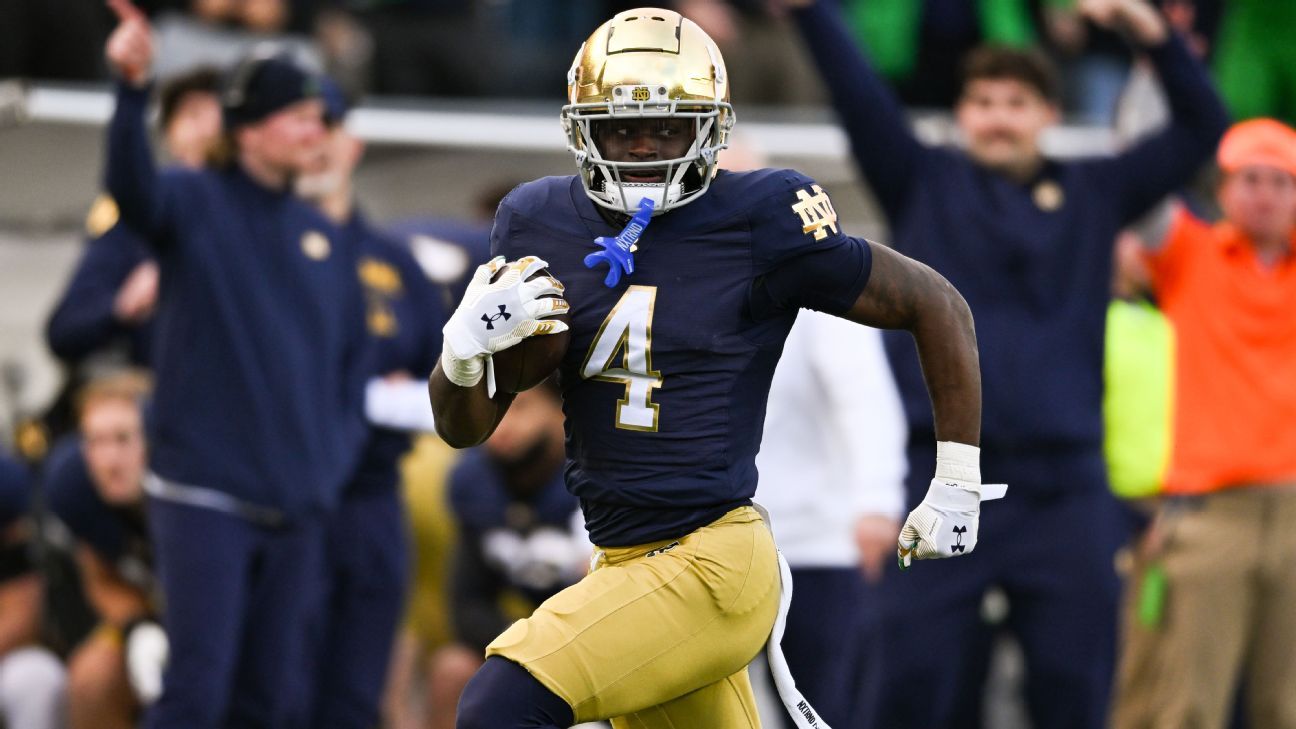
NFL Free Agency Alters 2026 Draft Landscape

The NFL landscape has shifted dramatically following the initial wave of free agency, as teams adapt their strategies for the upcoming 2026 Draft. According to NFL analyst Field Yates, the moves made during free agency have considerable implications for the draft, reshaping predictions for the coveted top picks. As franchises look to bolster their rosters, draft enthusiasts are closely monitoring how these changes will impact team needs and potential selections.

The Chicago Bears have emerged as a focal point of conversation, particularly after their deals to strengthen the offensive line. This newfound stability may lead them to focus on skill positions in the draft rather than adding more blockers. Yates predicts that the Bears could take a significant step forward in their rebuilding efforts with the possible selection of standout quarterback Caleb Williams, a player many analysts believe could be a game-changer at the next level.

Yates outlines several key predictions for the top ten picks:

  • 1. Chicago Bears – Caleb Williams, QB
  • 2. Arizona Cardinals – Drake Maye, QB
  • 3. New York Giants – Olumuyiwa Fashanu, OT
  • 4. Washington Commanders – Marvin Harrison Jr., WR
  • 5. Los Angeles Chargers – J.J. McCarthy, QB

The New York Giants are also making headlines following their signings aimed at improving the defensive line. Coach Brian Daboll expressed enthusiasm for the upcoming draft, stating, “Our goal is to create a foundation that supports sustained success.” With the arrival of young talent and the bolstered defense, the Giants may look to secure an elite offensive talent, which would align with their strategic vision in building a formidable team.

As the Whispering Pines stadium buzzes with anticipation and excitement, it is clear that the NFL serves as more than just a sport; it embodies the spirit of teamwork, competition, and resilience. Every play, trade, and draft pick echoes a narrative of hope and ambition, uniting thousands of fans under shared colors and values. In the end, the scoreboard may flash numbers, but the essence of football lies in its ability to bring people together, igniting passions that go beyond the field. The upcoming season promises to be electrifying, forging connections within communities and offering a platform for dreams to evolve on and off the turf.

Source link

Iran’s new leader threatens to close Strait of Hormuz in bold first move

In a recent development that signals ongoing volatility in the Middle East, a message attributed to Mojtaba Khamenei, the son of Iran’s Supreme Leader, Ali Khamenei, declared that Iran will persist in targeting US military bases across the region. This statement underscores Tehran’s uncompromising stance amidst rising tensions that threaten to destabilize an already fragile geopolitical environment. Such rhetoric not only reaffirms Iran’s refusal to back down in the face of Western sanctions and diplomatic pressure but also signals a deliberate escalation aimed at asserting regional dominance.

Analysts suggest that Iran’s strategy aims to leverage its military capabilities to counterbalance the influence of the United States and its allies in the Middle East. Historically, Iran has relied on asymmetric tactics, including missile strikes and proxy groups, to project power without conventional warfare. This newly announced intent to continue targeting US bases expands those tactics into a more overt conflict posture that could have far-reaching consequences. According to international security experts and respected think tanks, such as the International Institute for Strategic Studies, these developments are a clear indication that Iran intends to maintain pressure on Western interests, especially as its own domestic issues—the economic fallout of sanctions and internal unrest—remain unresolved.

The geopolitical impact of Iran’s renewed threats is profound. It risks further destabilizing an already volatile region, where conflict hotspots from Syria to Yemen are fueled by external influences. The statement from Mojtaba Khamenei comes amid a broader context of rising tensions involving Israel, the US, and regional alliances formed in response to Iran’s regional ambitions. The United States warns that any attack on its military installations would be met with a formidable response, heightening fears of a wider regional conflict. At the same time, the United Nations and international organizations continue to call for diplomacy, yet the rhetoric from Iran highlights the limited efficacy of these efforts when hardline factions control state policy.

Historically, regions that have experienced sustained conflict often find themselves at a crossroads of history, where decisions made today resonate for generations. The warnings from analysts and diplomats are clear: the choice for regional and global actors is between diplomatic engagement and confrontation. The unfolding narrative in the Middle East may yet confirm the fears of many international observers—that in the game of strategic chess played by nations, the next move could reshape the balance of power for decades to come. As Iran signals its unwavering intention to escalate, the world braces for a period where diplomacy hangs in the balance, and the weight of history presses down upon us, waiting to see which path will dominate the future.

Israel drops charges against soldiers accused of Gaza detainee abuse

In a disturbing development that underscores the enduring challenges of accountability within authoritarian regimes, reports have surfaced detailing brutal mistreatment of detainees by security forces. According to official statements, five guards committed acts of severe violence against a detainee, an incident that has sent shockwaves through the international community. The guards are accused of acting against the detainee with extreme brutality, including stabbing near the rectum with a sharp object. The consequences of their actions were devastating, resulting in the detainee suffering cracked ribs, a punctured lung, and an internal rectal tear. This violence not only highlights the cruelty often concealed behind closed doors but also raises critical questions about the rule of law in the country involved, which remains unnamed in official disclosures.

This incident has become a stark reminder of the pervasive issue of human rights abuses carried out under the guise of security measures. Many international organizations, including Amnesty International and the United Nations, have long criticized regimes that employ torture and brutality against detainees. The international community’s response to such atrocities often oscillates between condemnation and cautious diplomacy, but cases like this invariably bolster calls for greater oversight and accountability. Renowned historians and analysts warn that unchecked abuse by security forces not only erodes national legitimacy but also fuels regional instability by fueling distrust and resentment among affected populations.

Understanding the geopolitical impact of such incidents requires examining the broader context of international power dynamics. Countries embroiled in internal conflicts or authoritarian rule often leverage violence as a means of suppression, with their actions echoing in diplomatic corridors worldwide. When a regime turns its blind eye to such brutality, it risks fostering regional destabilization by encouraging external powers to intervene either directly or through proxies. Furthermore, how decisions to conceal or downplay instances of abuse shape societal narratives—either reinforcing authoritarian control or fueling rebellion—has profound implications for future stability. Experts warn that these abuses, if left unaddressed, threaten to undermine the legitimacy of the very institutions that are supposed to uphold the rule of law and human dignity.

As the world watches, the unfolding narrative continues to be shaped by the stark realities of human suffering and the international community’s response. The incident serves as a grim reminder that history’s compass is always moving forward—sometimes in dark, unsettling directions. The details echo the lessons of past atrocities where silence and inaction only embolden the oppressors, risking a cycle of violence that could stretch across borders. The weight of this moment lies in the profound possibility that, unless global actors unite in demanding accountability, history may record this as yet another instance where cruelty triumphed over justice, leaving behind the haunting specter of unresolved human suffering that future generations will grapple with.

Suspect in Michigan synagogue attack shot dead by security—justice served

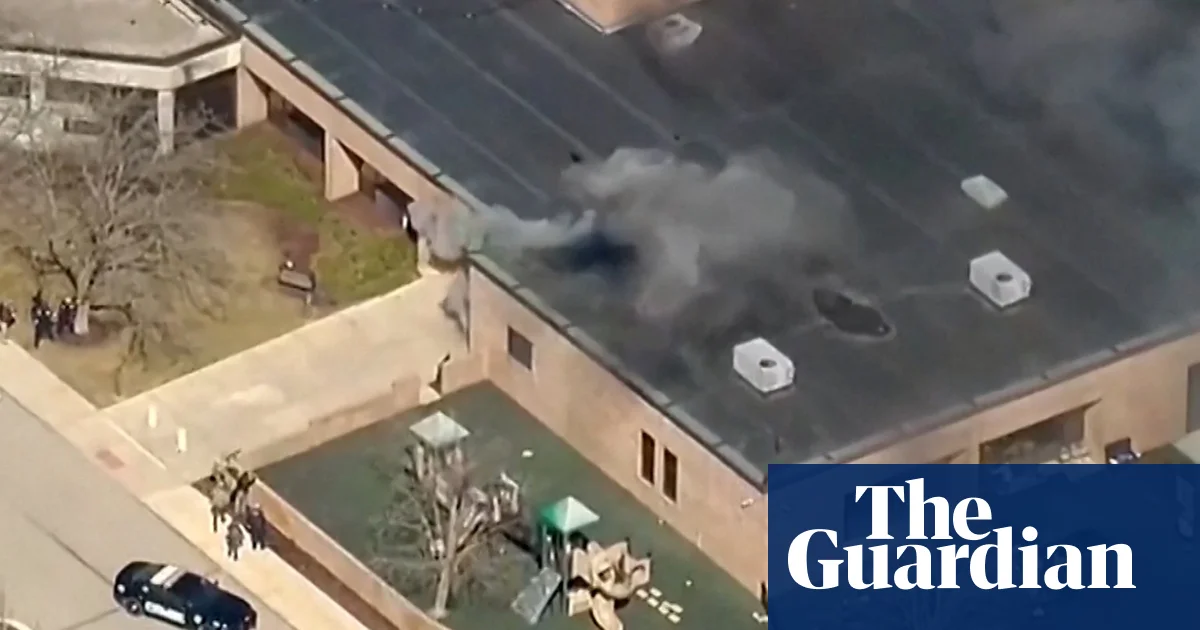
The recent attack at Temple Israel in West Bloomfield, Michigan underscores a growing concern over domestic threats catalyzed by wider geopolitical and ideological shifts. A man drove his vehicle into the synagogue, an act quickly neutralized by security personnel. While no fatalities occurred, the incident resulted in injuries and the discovery of explosives within the vehicle, prompting a swift law enforcement response. This event appears to be more than isolated violence; it is emblematic of escalating antisemitic rhetoric and targeted violence within vulnerable communities in the United States, raising alarms among international observers and policymakers about the stability of social cohesion amidst rising tensions.

Analysts note that incidents like this occur within a broader context of ideological polarization and radicalization fueled by global conflicts. The FBI’s presence at the scene and the deployment of bomb squads reflect the seriousness with which authorities are treating domestic terrorist threats. According to international security experts, such acts are often exacerbated by echo chambers online and political rhetoric that fosters division. The incident echoes a disturbing pattern highlighted by academics such as Dr. Laura Shepherd, who warns that “domestic extremism is increasingly intertwined with global narratives of conflict, turning localities into battlegrounds for ideological supremacy.”

The geopolitical impact of these tragedies extends beyond national borders. The United States, as a global leader, must grapple with how internal conflicts impact its international standing and security partnerships. The incident coincides with ongoing debates about security policies and the balance between civil liberties and national safety. Meanwhile, authoritarian regimes worldwide see such events as opportunities to discredit democratic systems—portraying them as fragile or incapable of maintaining law and order. The international community observes, in particular, the response of the United States in demonstrating resilience and commitment to protecting minority rights, a vital measure amidst a geopolitical climate rife with instability and conflict.

As officials and communities vigilantly respond to this attack, the core question remains: how will this event shape societal resilience in the face of rising domestic terrorism and ideological strife? History suggests that moments of crisis often serve as crucibles, testing national values and unity. The incident at Temple Israel could be a catalyst for renewed debate on security, social cohesion, and the role of international influence in shaping domestic ideology. How nations respond—by strengthening defenses, addressing root causes, or succumbing to division—will determine whether the fabric of pluralistic societies unravels or gains strength.

In the shadows of these unfolding events, history continues to write itself. The weight of collective memory presses heavily upon this moment—a reminder that the flames of intolerance can ignite with devastating speed, yet human resolve and international cooperation can forge pathways toward understanding and security. The distant echoes of past conflicts and the flashpoints of today merge in a reminder that the future remains unwritten, yet every decision holds the power to shape the course of history. As the world watches, it is crucial that this chapter not be defined by fear and division, but by courage and resolve—a legacy that, no matter how fragile, can be defended against the darkness that seeks to engulf it.

Watching Parents Face Zuckerberg in Court: A Raw Moment of Loss and Justice

Innovative Risks and Disruption Emerge as Major Social Platforms Face Legal Scrutiny

The ongoing legal battle in Los Angeles is shedding light on the profound disruption caused by big tech giants such as Meta and YouTube over their role in fostering a digital environment linked to mental health crises among youth. As Kaley’s case—a 20-year-old woman claiming platform-induced harm—enters deliberation, this landmark trial underscores the dangerous intersection of innovation, regulation, and societal wellbeing. It signals a potential paradigm shift, where the business models of the so-called big social media companies, based largely on engagement-driven algorithms, could face transformative liability, prompting profound industry disruption and strategic overhaul.

Attorneys for Kaley argue that platforms have deliberately engineered their products with addictive features, jeopardizing mental health, particularly among adolescents. Internal documents, unveiled during proceedings, reveal that Meta and Google’s product design choices sometimes prioritized user engagement over safety, even as executives grappled with the negative consequences. This controversy echoes warnings from industry analysts at Gartner and academic institutions like MIT, which have long emphasized that disruptive innovation in social media must now reckon with the heightened risks of harm and regulatory crackdowns. If courts find these companies negligent, the financial and legal implications could escalate, forcing them to deposit massive funds into safety initiatives, or face significant restrictions on their core business practices.

Legal implications threaten the core architecture of social media

  • Section 230—the legal shield protecting tech giants—faces renewed scrutiny; courts are now considering whether its protections should apply to product features intentionally designed to foster addiction.
  • Major companies deny negligence, emphasizing their commitment to teen safety and asserting that user-generated content is shielded under existing law. However, the disruption is palpable: a wave of lawsuits claiming product liability could force the industry to reengineer its algorithms and moderation practices, possibly turning profit models on their head.
  • Witnesses, including former employees and industry experts, reveal that internal debates over presentation features—like body-altering filters or engagement-boosting notifications—highlight an emerging reckoning with product design ethics and business risks. Such disclosures threaten to accelerate innovative compliance—including AI-driven moderation and real-time safety algorithms—while raising the specter of regulatory intervention.

Business disruption and the future of online safety

This case aims to recalibrate the business implications of social media innovation. Industry leaders like Elon Musk and Peter Thiel have warned that the pursuit of disruption—by prioritizing user engagement without regard for societal consequences—may now face rigorous legal and regulatory costs. The court’s consideration of negligence could set a precedent compelling companies to internalize the true costs of safety, shifting from a model driven solely by advertising revenue to one incorporating product responsibility and accountability.

As juries deliberate, business disruption could accelerate: a wave of disruptive innovation in AI moderation, content verification, and user safety protocols may be on the horizon, demanding a swift strategic pivot. Companies will need to embrace ethical AI design and transparent product features, lest they face escalating liabilities, investor skepticism, and regulatory intervention. The need for proactive innovation in digital safety is now urgent, with the potential to redefine the foundation of social platforms and protect future generations.

Looking Ahead: Urgency for Innovation and Regulation

The unfolding trial exemplifies a crisis of innovation—where unchecked disruption has led to profound societal harm. The industry must urgently transition toward a safety-first paradigm, integrating emerging technologies that anticipate and mitigate risks before harm occurs. Failure to do so risks not only litigation but a regulatory crackdown that could stifle the very innovation that once promised to revolutionize communication and information sharing. The message from courts, law, and society is clear: innovation must serve the public interest or face the consequences.

In the near future, the social media industry’s capacity to innovate responsibly will be pivotal. The lessons from this case could open the door to a new era of accountability, where disruptive technologies are balanced with societal safeguards. The urgency to adapt and **disrupt responsibly** has never been greater—because the future of digital innovation hinges on whether industry leaders will prioritize societal safety or risk being overrun by punitive laws and public backlash.

Kickstart Your Style: Top 15 Shoe Hacks to Keep Your Sneakers Sharp & Sustainable

In the fast-paced world of fashion, trainers have emerged as the ultimate footwear staple, eclipsing traditional smart shoes for virtually every occasion. This shift reflects a broader attitude among youth—embracing comfort and versatility but often at the cost of craftsmanship and longevity. As sneaker culture continues to dominate streetwear and social media platforms, a fascinating social shift is underway. The focus is no longer just on owning the latest release, but on preserving and repairing these expensive investments—a trend championed by influencers and cobblers alike. The question then arises: how do we keep our favorite sneakers pristine and functional in an era where fast fashion urges us to replace rather than repair?

The Art of Shoe Repair Reclaimed

Experts like Joey Cope, owner of Cobbler Cope in Newquay, emphasize that “there is little a cobbler can’t fix.” His insights reveal that many shoes, even those with visible damage, can be rejuvenated through simple fixes—think patches, stitches, or reinforcing leather with a dedicated repair. This renewed appreciation for shoe repair is resonating with a generation increasingly concerned with environmental impact. According to Chris Hulse of Footwear Today, the UK disposes of 149 million pairs of shoes into landfill annually—an unacceptable toll when many pairs are repairable. This demographic is beginning to see footwear as an investment rather than disposable merchandise, urging a return to the timeless skills of cobbling, which relays a sense of authenticity and sustainability.

Resoling: The Secret to Sneaker Longevity

Leading voices like Antony Frith urge sneaker enthusiasts to consider resoling their trainers—a practice once considered old-fashioned, now rediscovered as a critical step toward environmental responsibility. With the advent of rubber replacement soles, getting your worn-out sneakers back on the road costs just a fraction of buying new shoes. This approach promotes a mindset shift: shoes are not just fixtures but ongoing projects. When buying new footwear, Cope advises consumers to prioritize quality by checking if the shoes are leather-lined inside—a subtle indicator of lasting durability. This focus on quality over quantity is emblematic of a movement among young consumers seeking authenticity and durability in their fashion choices, aligning with the broader lifestyle trend of mindful consumption.

The Renaissance of Shoe Care

In an era dominated by instant gratification, the revival of shoe polishing and cleaning routines is refreshing and symbolic of a traditionalist attitude. Hulse and Frith highlight that rediscovering techniques like polishing with high-end products such as Famaco or Saphir, and avoiding over-polishing, can extend a shoe’s life significantly. This cultural reset emphasizes the importance of personal responsibility—taking time, effort, and pride in maintaining what we own. For sneakerheads and fashion-conscious youth, this trend is more than cosmetic—it’s about reclaiming authenticity and resisting the throwaway culture that pervades so much of today’s fast-paced market. By investing in proper maintenance, they are advocating a lifestyle that values craftsmanship and sustainability, shaping future consumer attitudes.

The Next Big Question

As this fascination with shoe repair and maintenance grows among younger audiences, an intriguing question takes shape: Will this revival of craftsmanship and sustainability redefine the fashion industry’s approach to footwear altogether? Can the next generation turn away from the disposable mentality, fostering a culture that truly values durability and environmental responsibility? Or will the allure of ever-evolving trends and rapid turnover continue to challenge this movement? The answers to these questions could determine whether the future of fashion balances style with substance, and whether the wisdom of cobbling finds its place in the modern world—or remains a niche passion gaining momentum among the informed and eco-conscious.

Oscars 2026: Oscars boss Bill Kramer highlights the power of YouTube to engage 2.5 billion viewers—criticizes TV, embraces AI, and advocates for early starts

As the sun blazes over downtown Los Angeles, a city that pulses with dreams and ambitions, the Academy Awards prepares to stage its annual celebration of cinematic artistry. Yet beneath the glitz and glamour, a profound shift is underway—one that threatens to redefine the very essence of cultural tradition. Historically, the Oscars have represented more than mere awards; they are a mirror to society’s soul, a reflection of shared values, myths, and memories. However, as Hollywood leans into the digital future with live streams on YouTube and grapples with emerging technologies like artificial intelligence, questions of authenticity, identity, and cultural continuity come to the fore. Culture—the bedrock of societal coherence—stands at a crossroads, demanding that we consider whether these innovations serve humanity’s collective memory or erode its cherished traditions.

Long regarded as the guardian of artistic excellence, the Academy of Motion Picture Arts and Sciences recognizes its vital role in shaping cultural continuity. As described by Academy CEO Bill Kramer, these changes are not mere technological shifts but signify a broader evolution of what culture represents in a rapidly transforming world. Kramer, a man whose career began with community-oriented work before rising to Hollywood’s highest echelons, echoes the wisdom of thinkers like G.K. Chesterton, who marveled at the importance of preserving the “secret” of tradition amid modern flux. The move towards global livestreaming aims to magnify Hollywood’s reach, extending the spectacle to an estimated 2.5 billion viewers worldwide. Yet, this expansion raises profound questions: Does the digital dissemination diminish the cultural significance that once hinged on communal, in-person experiences? Or can it serve as a contemporary vessel, carrying age-old stories into the modern age, much like the artist and philosopher T.S. Eliot suggested that tradition is the preservation of memory and prophecy intertwined?

This cultural transition also touches upon the industry’s response to technological innovations like artificial intelligence. While some waver in trepidation, fearing that AI could diminish human creativity, Kramer advocates a nuanced perspective. He asserts that AI is merely a tool—an extension of human ingenuity, not a replacement. This viewpoint aligns with the philosophical insight of Ortega y Gasset, who stressed that culture is the ongoing project of human consciousness shaping its tools and symbols. The true challenge lies in maintaining the integrity of artistic authorship—preserving the human spirit at the heart of storytelling. The Academy’s subtle updates on eligibility criteria and its firm stance on theatrical releases stand as testament to this effort to uphold tradition in the face of relentless technological change. Modernity need not dissolve cultural roots; instead, it offers an opportunity to deepen our understanding of what makes art genuinely human—a sentiment echoed by Chesterton, who revered faith in the enduring value of tradition.

Amid these transformations, voices such as Timothée Chalamet remind us of the importance of genuine cultural experience—those moments that etch themselves into collective memory. His remarks, though contentious, highlight a crucial debate: must art adapt to survive, or must it be preserved precisely because it is a window to our shared human essence? The challenge for the cultural custodians, like Kramer, is to navigate this tension—striving to honor tradition without forsaking innovation, fostering a cultural symphony that resonates across generations. As the Oscars prepare to unveil their latest chapter, one can sense that the true significance lies not solely in the awards handed out but in the unbroken thread connecting the past to the future—a testament that culture remains humanity’s memory and prophecy, a luminous testament to what we are and what we aspire to be. In this ongoing dialogue between memory and prophecy, we find a reflection of our very soul, enduring through the shifting tides of time—a reminder that, ultimately, culture is the living, breathing reflection of human spirit’s eternal voyage.

Social Media Auto Publish Powered By : XYZScripts.com