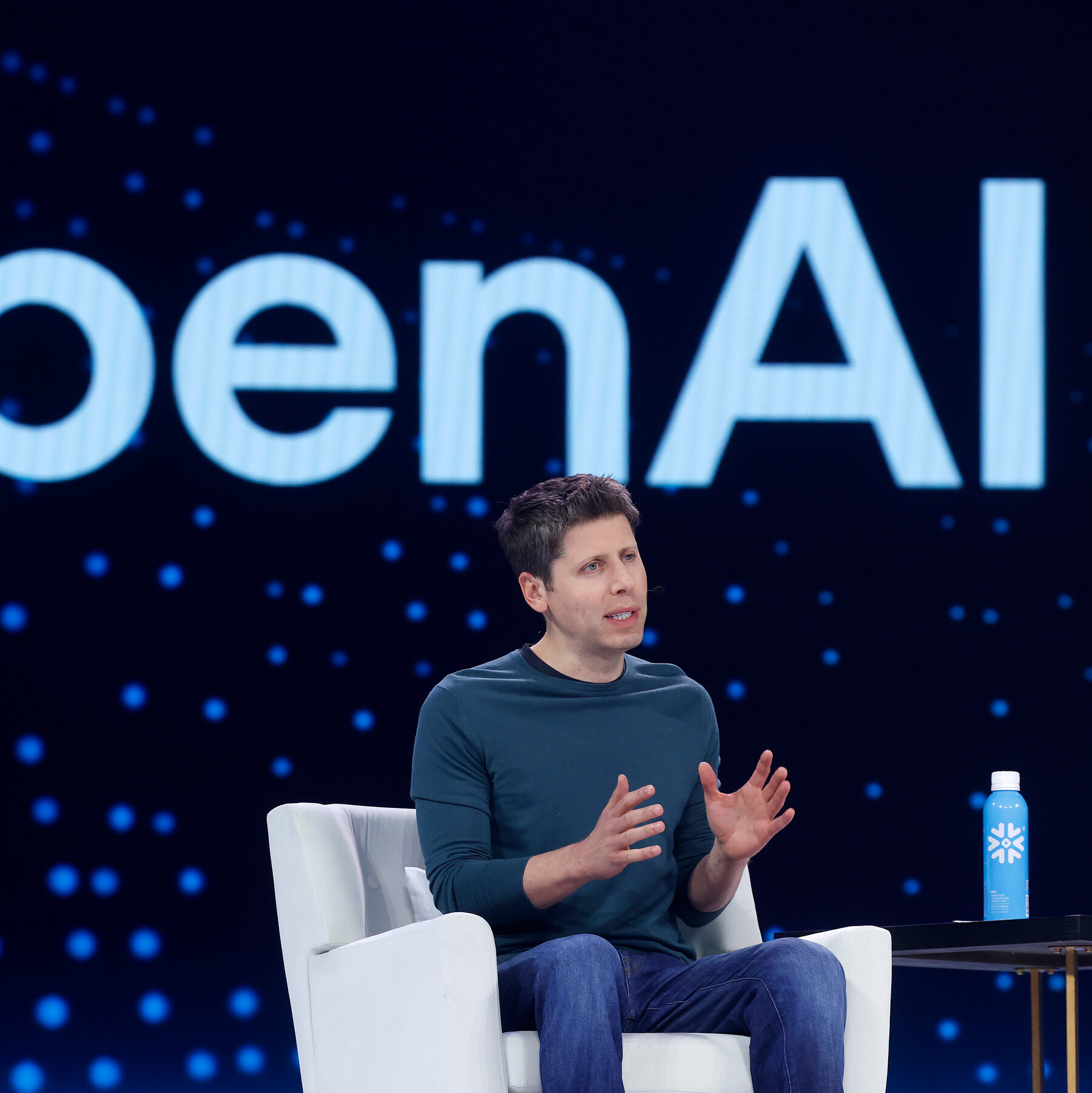
Microsoft-OpenAI Partnership Reframes AI Industry Dynamics with New Cloud Strategy
In a move that signifies a profound disruption within the AI sector, Microsoft announced a decisive pivot away from its longstanding exclusive partnership with OpenAI. While this cooperation previously provided Microsoft’s Azure cloud platform with a significant competitive edge—thanks to early access to OpenAI’s advanced models—the recent shift now opens the floodgates for rival cloud providers. OpenAI’s models, including Codex and other future AI innovations, will now be accessible to all major cloud platforms, notably Amazon Web Services and likely to follow on Google’s Gemini. This breaking of exclusivity signals a pivotal turning point, challenging Microsoft’s entrenched advantage and intensifying competition across cloud ecosystems.
By extending its *non-exclusive license* through 2032—two years beyond the previous term—Microsoft aims to sustain its leadership position while addressing broader industry trends. Yet, the more revealing element is the strategic ***removal of the AGI clause***, which had tied access to OpenAI’s most promising future models to the promise of artificial general intelligence. This relaxation effectively offers Microsoft unfettered access to AI development without the looming risk of losing ground to competitors vying for the next wave of truly autonomous systems—an issue that both industry analysts and MIT AI researchers have long debated. Meanwhile, OpenAI’s newfound freedom to deploy models across multiple clouds accelerates industry-wide disruption, transforming AI from a proprietary advantage into an open market.
Business Implications: A Fragmented AI Ecosystem and New Opportunities
For startups and established tech giants alike, this recalibration opens new avenues, yet also introduces fresh challenges. OpenAI’s decision to pivot away from an exclusive partnership with Microsoft underscores a broader industry movement toward *platform agility*—where AI services are no longer siloed but ubiquitously available, fostering a more *competitive, innovation-driven* environment. Major players now face the necessity of differentiating their AI offerings beyond mere access. The recent move could also foster a ‘race to the top,’ where cloud providers and enterprise software companies race to incorporate the latest AI models—immediately amplifying the importance of cloud ecosystem agility and strategic partnership flexibility.
- Reduced Microsoft dominance over AI deployment in enterprise markets.
- Enhanced competitiveness among cloud providers bringing cutting-edge models to their platforms.
- Increased ***market fragmentation***, prompting AI startups and established players to innovate faster.
- Potential surge in AI model democratization, encouraging diverse application development.
The industry is now at a critical juncture that could mirror the disruptive influx seen in previous tech waves, such as mobile and cloud computing. Gartner analysts warn that immense **business implications** stem from these shifts; precisely, that companies must adapt swiftly or risk obsolescence in an increasingly **disaggregated AI marketplace**. Major tech titans, including Google’s DeepMind and Amazon’s Bedrock, find themselves poised to capitalize on open model deployment, further intensifying the competition for dominance in _next-generation AI_. As Peter Thiel has emphasized, “The future belongs to those who can innovate and adapt at the pace of technological change”—a lesson that Microsoft’s new AI cloud strategy vividly illustrates.
Looking Forward: A Future Defined by Flexibility and Rapid Innovation
This strategic recalibration offers a clear warning for industry leaders: **disruption is inevitable** when control over foundational AI models is no longer tightly held. The **urgency** to innovate, coupled with the **disruptive potential** of new deployment models, will challenge traditional business models, demanding agility and resilience in an ecosystem where **open access** is the new norm. Investors and industry watchers should anticipate a **volatile landscape**—where swift adaptation to these market shifts is pivotal for companies aiming to lead the next wave of technological progress.
In an era where **disruption is the new baseline**, the message is unequivocal: the industry must embrace the new paradigm of *multi-cloud, interoperable AI*—or risk being left behind. With this evolution, only those who move swiftly—leveraging innovation and disrupting entrenched industry norms—will thrive in the future of AI and cloud computing.