Matox News

Truth Over Trends, always!

Google’s Gradient Icons Are Expanding: A Fresh Look for More Apps

Google Unveils Gradient Redesign, Signaling Innovation and Industry Disruption

In a decisive move toward visual innovation, Google has begun to roll out a new set of icons characterized by a fresh gradient design that emphasizes a softer, more vibrant aesthetic. Since late 2025, the tech giant’s transition from the traditional flat, uniform circle icons to more dynamic, colorful gradients marks a significant departure from established UI norms. Recent images obtained by 9to5Google reveal a consistent update across Google’s app ecosystem, including Gmail, Gemini, Photos, Maps, and others. This visual overhaul aligns with the company’s broader strategy to integrate AI-powered features, captured in the subtle but impactful overhaul of the Google G logo.

Disruption Driven by Design Innovation

This transition represents more than just aesthetic change; it exemplifies industry-wide disruption driven by design trends that favor playfulness, vibrancy, and user engagement. Google’s move away from the late-2010s flat UI towards a more expressive, gradient-rich palette echoes recent design paradigms popularized by Android’s Material You design language, which advocates for system-wide personalization and emotional connection through UI.

  • Gradients with pastel transitions enhance user engagement, making interfaces feel more approachable and emotionally resonant.
  • Shift from portrait to landscape layout in apps like Sheets and Slides reflects an adaptive response to evolving content consumption patterns, particularly in mobile and hybrid work environments.
  • Incorporation of AI features subtly embedded within the new visual identity suggests Google’s prioritization of AI as a core driver of innovation.

Industry analysts from institutions like Gartner and MIT have highlighted this visual evolution as a critical component of Google’s larger disruption strategy. “Look for these UI changes to set a new standard, pressing competitors to reconsider their own interface designs and feature sets,” states Dr. Sophie Lee, a leading UX researcher. Indeed, Google’s seamless integration of AI signals a strategic intent to elevate user interaction through elevated visual cues, fostering greater adoption and retention.

Business Implications and Future Trajectory

The implications for business models are profound. The new icons and UI transitions are a signal of Google’s ongoing push toward AI-infused productivity tools, aiming to cement its dominance in the digital workspace. By embracing vibrant, playful, and more expressive design language, Google aims to appeal to a youthful demographic increasingly engaged with dynamic, social, and innovative interfaces. This shift will challenge both legacy tech companies and emerging disruptors to innovate faster or risk losing relevance.

Future updates are expected to enhance the integration of AI across Google’s entire suite, creating a more holistic, disruptive ecosystem that prioritizes user experience while optimizing for technological advancements. Industry experts warn that such rapid UI evolutions could precipitate a paradigm shift in app design standards, with potential ripple effects across the entire tech landscape.

As the market heads into this exciting new phase, stakeholders must recognize the urgency of adapting to these visual and functional innovations. Google is not merely updating aesthetics; it’s laying the groundwork for the next era of intelligent, user-centric computing—a future where disruption is the new norm and those who innovate fastest will undoubtedly shape the industry’s trajectory in the years ahead.

UK Consumer Prices Set to Rise for Eight Months After Iran Conflict Ends, Minister Warns

The United Kingdom is bracing itself for a prolonged period of economic ripple effects following the ongoing conflict in the Middle East, particularly around the Strait of Hormuz. Since the escalation of U.S. and Israeli military actions against Iran began in February, global oil prices have surged dramatically, with energy markets reeling from the threat of a potential disruption of vital shipping lanes. The strait of Hormuz — a narrow channel crucial for transporting approximately one-fifth of the world’s oil and gas — has become a flashpoint with geopolitical consequences that extend far beyond regional security. As the United Kingdom’s key officials forecast, the end of hostilities remains uncertain, and the economic fallout is expected to persist for an estimated at least eight months after the conflict de-escalates, casting a long shadow over global markets and everyday consumers alike.

The UK government, reflecting the gravitas of the situation, has issued guidance urging citizens to prepare for sustained higher prices on fuel and food, emphasizing that these inflationary pressures are primarily driven by energy supply concerns rather than immediate shortages. Darren Jones, the chief secretary to the prime minister, highlighted the worsening situation on the BBC, stating, “You’re going to see prices go up a bit as a consequence of what Donald Trump has done in the Middle East,” underscoring the geopolitical predicament that the Western alliance finds itself in. While efforts are underway to monitor stock levels and develop mitigation strategies, analysts warn that the ripple effects could reshape consumption patterns and economic stability, especially in energy-dependent sectors. The overarching geopolitical impact is palpable, with global markets groaning under the weight of increased uncertainty, risking long-term inflation and destabilization, which many international security and economic experts, such as those from the International Energy Agency, warn could linger well beyond the conflict’s resolution.

Meanwhile, diplomatic efforts appear to have hit a standstill. U.S. President Donald Trump announced a temporary extension of the ceasefire with Iran, aiming to halt active hostilities, but subsequent negotiations for a comprehensive peace settlement remain elusive. The American leader’s decision to halt envoys from traveling to Pakistan for peace talks illustrates the fragile and unpredictable nature of current diplomacy. The failure to secure a long-term resolution exacerbates the risk of extended turmoil in the region, with analysts warning that the spillover effects could destabilize global energy markets and threaten international security. The developing crisis underscores the peril that profound geopolitical shifts pose to the stability of nations and the daily lives of ordinary people, as energy prices surge and economic uncertainty deepens.

Amid these turbulent developments, the UK government is stepping up its planning efforts to cushion the blow on domestic society. Key concerns include ensuring adequate stockpiles of not only oil but also essential commodities like carbon dioxide, which plays a critical role in food preservation, brewing, medical procedures like MRI scans, and defense applications. The vague yet urgent focus reveals a broader understanding: that these interconnected supply chains—once thought resilient—are susceptible to disruption from geopolitical turmoil. As historians and analysts warn about the cyclical nature of global conflicts and their ripple effects, the storyline remains stark—the world hangs in a fragile balance, with history’s next chapter still unwritten, teetering on the edge of widespread upheaval and transformation.

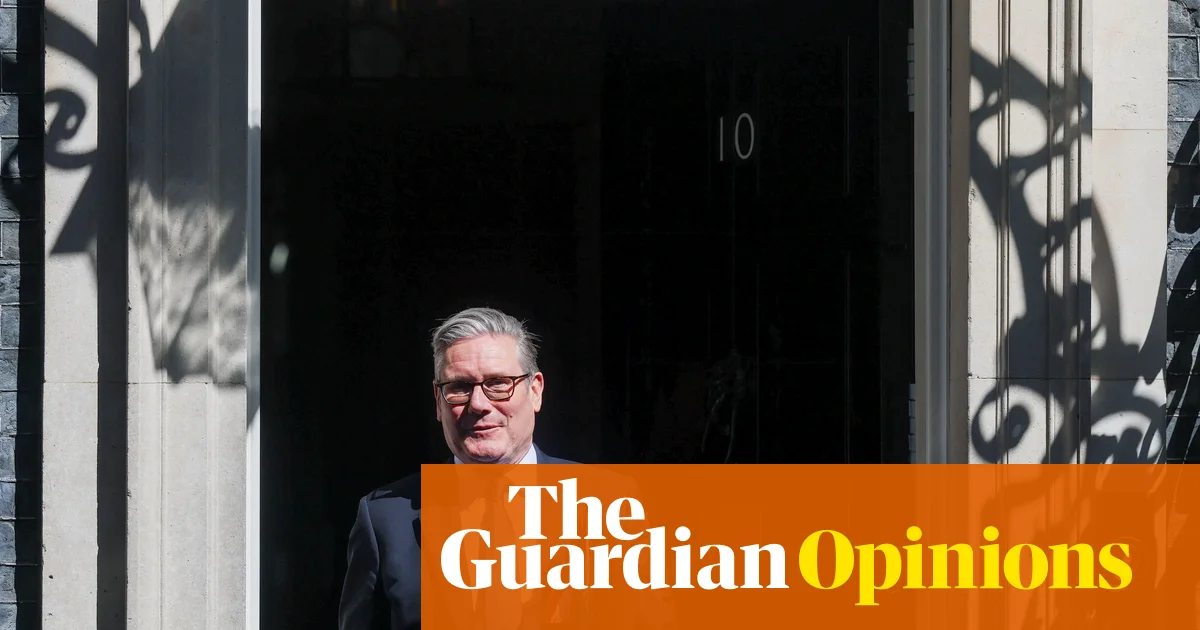
Starmer's Risky Move with Mandelson Under Fire in Key Week
Starmer’s Risky Move with Mandelson Under Fire in Key Week

Recent developments in UK politics highlight a growing public distrust toward those in positions of power, especially as social issues intertwine with the moral fabric of our society. The controversy surrounding Sir Keir Starmer’s handling of the recent vetting scandal involving Lord Mandelson exposes deeper challenges that families, educators, and communities must confront — the erosion of transparency and accountability at the highest levels of government. When leadership is perceived as slippery or disconnected from moral responsibility, it sends ripple effects through the social fabric, influencing societal cohesion and the moral compass of the next generation.

Social commentators and historians emphasize that integrity in leadership is pivotal for maintaining societal stability. The current situation reveals how the veneer of political competence can be undermined by associations and ethical lapses. The scandal details suggest that pressure from political circles may have compromised vetting processes, raising questions about the values and standards upheld within our institutions. As Ian Collard, the Foreign Office’s head of security, refrained from attending in person and opted to submit a written statement, critics argue that such opacity fosters a climate of suspicion, making it difficult for families to trust that their leaders prioritize the common good. These issues matter because they directly influence the trust families and communities place in the social system, impacting civic engagement and the moral education of youth seeking role models.

The societal consequences extend beyond individual scandals. As moral ambiguities and perceived ethical lapses infiltrate political discourse, it impacts education by shaping the moral framework of emerging generations. School curricula often emphasize virtues like integrity and responsibility; however, when public figures exhibit the opposite, it presents a conflicting message that can destabilize societal norms. Sociologists like Dr. Robert Putnam warn that such distrust can lead to civic disengagement, which weakens communal bonds. The challenge for communities is to foster resilience through moral clarity and civic education — reinforcing the idea that ethical leadership remains vital for societal health and stability.

In the face of these social tensions, a recurrent question remains: how can society restore faith in its institutions? Many argue that

  • greater transparency
  • accountability
  • moral integrity

are essential steps forward. These measures, however, must be complemented by a societal shift toward valuing character and ethical responsibility over mere political expediency. As social commentator and historian Dr. David Maxwell asserts, such transformation begins with families reinforcing core values, and educators cultivating moral resilience in youth. It is through these grassroots efforts that society can rebuild trust, ensuring that leadership rises to meet the moral expectations of the populace, fostering communities rooted in virtue rather than vice.

Ultimately, society faces a pivotal moment — one where the integrity of our leadership and the moral health of our communities are intertwined. The shadows cast by recent scandals serve as stark reminders of how ethical lapses ripple through families and neighborhoods. Yet, if society commits to genuine reform — emphasizing transparency, responsibility, and moral education — there remains hope. Like a fragile seed in fertile soil, the seeds of trust and virtue can flourish anew, nurturing a society where the promise of a brighter future persists — one rooted in moral clarity and resilient communities fighting to uphold the ideals that bind us all.

Texas Twister Claims Life Amid Ruthless Georgia Wildfires—Weather Chaos Continues

Recent extreme weather events across the United States underscore an alarming escalation in natural disasters that are reshaping the perception of climate-related risks. In northern Texas, a powerful tornado tore through communities late Saturday, resulting in at least one confirmed fatality and leaving dozens of families displaced. The storm, which struck Wise County around 10 p.m., caused widespread destruction, dismantling homes and causing injuries, as reported by local officials. This tragic event is part of a broader pattern of fierce weather phenomena that have lashed central America in recent weeks, with over 30 tornadoes and hundreds of reports of hail according to weather agencies such as AccuWeather.

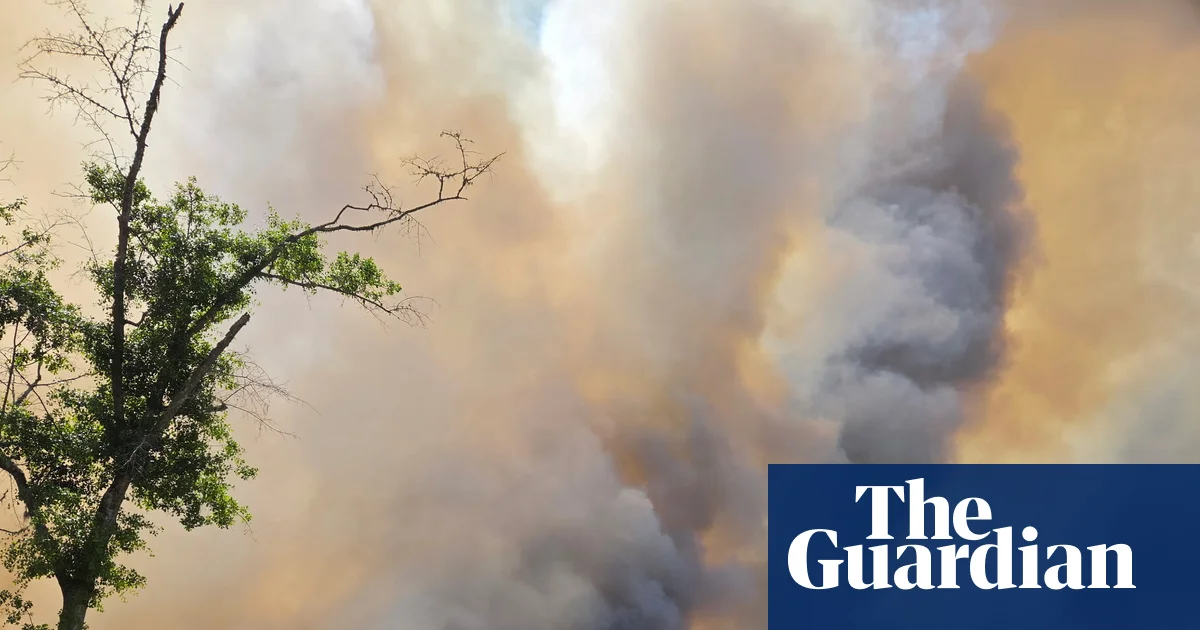
Beyond Texas, the U.S. southeastern region is battling devastating wildfires that have scorched more than 40,000 acres of land in Georgia. These fires, notably the Highway 82 blaze, have destroyed over 87 homes, marking one of the worst devastation incidents from wildfires in the state’s history, as confirmed by Governor Brian Kemp. The fires’ origins include human activities such as welding, which ignited dry underbrush liberated by ongoing drought conditions. The combination of gusty winds, climate crisis fueling prolonged drought, and remnant trees from previous hurricanes has created a perfect storm for wildfire outbreaks, a scenario analysts warn could become more frequent if the global climate crisis continues unchecked.

Internationally, these incidents are prompting debate among geopoliticians, scientists, and international organizations about the increasing severity of climate change and the need for coordinated global responses. NASA scientists and climate analysts warn that rising temperatures and unpredictable weather patterns are not anomalies but symptoms of a changing planetary system. In this climate context, the U.S. serves as a stark warning of what is likely to follow if international cooperation remains insufficient. The growing pattern of natural disasters emphasizes how decisions taken in the halls of global governance will directly impact the lives of billions, with some experts arguing that failure to act decisively risks irreversible damage to social stability and economic security.

As the world observes these unfolding crises, the historic crossroads becomes painfully apparent. The consequence of inaction whispers ominously in the background, as nations continue to grapple with internal conflicts and shifting alliances. Analysts suggest this surge in weather catastrophes is a *turning point*—a moment that could forge new international paradigms or deepen existing divides. The enduring struggle involves balancing economic growth, environmental stewardship, and national sovereignty amidst a rapidly changing climate. The question remains whether the global community will prioritize human resilience over short-term gains or become passive witnesses to an unfolding tragedy. The lessons of recent disasters serve as a stark reminder: the history of our time is being written not only by policy decisions but by the very fabric of the Earth’s climate that we are rapidly tearing apart, leaving humanity on the precipice of an uncertain future.

Heard gunfire in the room with Trump—here’s what really went down

In a stark reminder of the fragile state of global security, the recent incident at a high-profile venue has sent shockwaves across nations and diplomatic circles. According to BBC’s journalist Gary O’Donoghue, the tense atmosphere erupted into chaos as gunfire erupted unexpectedly, forcing bystanders to dive for cover. This sudden outbreak of violence not only shattered the sense of safety among attendees but also underscored the escalating threats faced by public spaces worldwide, especially amid ongoing geopolitical tensions.

While initial reports remain cautious, analysts suggest that the attack may have broader geopolitical significance. The timing of this violence appears to coincide with a period of heightened diplomatic strain between major powers, stirring fears that such incidents are becoming tools to sow chaos and undermine stability. International organizations have issued warnings that non-state actors and extremist factions are exploiting the current climate of uncertainty to advance their agendas. Experts like historian Dr. Michael Robertson have emphasized that similar incidents in the past often serve as turning points—whether to accelerate policy shifts or to rally national sentiments against perceived threats. The incident reminds the world that, in an era of interconnected crises, a single act of violence can ripple across borders, affecting both security policies and societal cohesion.

Crucially, this event also highlights the dangerous intersections of domestic unrest and international instability. Governments worldwide face mounting pressure to bolster security measures while balancing civil liberties. The incident’s aftermath has already prompted calls for increased surveillance, heightened security protocols at public venues, and debates over the limits of governmental authority. Moreover, the attack has fueled narratives about external influences and internal vulnerabilities, prompting countries to reassess their alliance strategies and intelligence-sharing practices. Such moments force nations not only to confront immediate threats but also to evaluate the resilience of their social and political institutions.

As the investigation unfolds and authorities seek to identify those responsible, the global community remains on edge, contemplating the profound questions about the future of peace and stability. The event’s emotional resonance serves as a powerful reminder that history—often unpredictable—continues to be written in moments of crisis. The shadows cast by this violence linger in the collective consciousness, a stark symbol of how fragile the threads of order truly are, and how the decisions made in these critical minutes will shape the next chapter of world history. The world watches, holding its breath, as the relentless march of history stubbornly persists—reminding all that in the arena of geopolitics, victory and catastrophe often rest in the narrowest of margins.

T-Mobile’s Offering the iPhone 17 for Free — Here’s How Young Tech Fans Can Qualify

The Latest in Tech & Trends: How Smartphone Deals Are Shaping Society’s Future

In an era where technology obsession dictates lifestyle norms, the recent surge of aggressive marketing tactics by mobile carriers such as T-Mobile signals more than just an opportunity for consumers to upgrade their gadgets. It highlights a broader shift in socio-economic behavior—the consumer’s increasing desire for state-of-the-art devices without hefty price tags. The recent deal frenzy around the Apple iPhone 17 exemplifies this shift, as carriers now facilitate a paradigm where owning cutting-edge tech is less about affordability and more about strategic consumer engagement.

This new wave of promotional campaigns isn’t just about hardware; it’s about embedding brand loyalty into the society’s fabric. Influencers and sociologists note that such offers, like free iPhone 17s from T-Mobile, serve as more than marketing gimmicks — they’re social signals. These deals, which often come with trade-in requirements and special plans, are crafted to appeal to young audiences eager to demonstrate their status and technological savvy. By democratizing access through seemingly impossible deals, brands are not just selling phones—they’re reshaping what it means to be connected in today’s society.

The Cultural Surge of Upgrade Mentality

The cultural impact of this trend is profound. As content creators and digital natives chase the latest devices, a ripple effect spreads through social circles, influencing perceptions of success and innovation. In many ways, owning the newest iPhone is becoming a badge of social relevance, echoing the sentiments of tech-focused analysts like Michael Solomon, who argue that consumer gadgets now act as symbols of a society that values constant progress. The drive to upgrade is no longer purely functional; it’s deeply entrenched in social identity and cultural capital.

How Influencers and Media Are Accelerating the Trend

This acceleration is fueled further by influencers in the tech community who eagerly showcase these deals, often unboxing new devices on social media. As Stan Schroeder from Mashable points out, the iPhone 17 showcases AI capabilities previously reserved for flagship models, making it highly desirable among young consumers. The messaging is clear: in today’s society, technology is a crucial component of self-expression. The goalposts have shifted to where owning the latest tech isn’t just about utility but about staying relevant in a fast-paced digital culture.

The Future: What Comes Next?

Yet, as we enjoy this wave of technological democratization, a compelling question remains: Will this relentless pursuit of the newest devices foster a society that values sustainability, or are we paving the way for an endless cycle of consumption? With the convenience of deals making top-tier devices accessible, experts warn of a possible increase in electronic waste and consumer fatigue. The next big question isn’t just about how affordable these gadgets will be, but about whether society is ready to rethink the value system attached to our gadgets and the societal message they send. Ultimately, the future of this trend hinges on whether value can shift from ownership to sustainability, or whether we continue emphasizing the next big upgrade as the ultimate social badge.

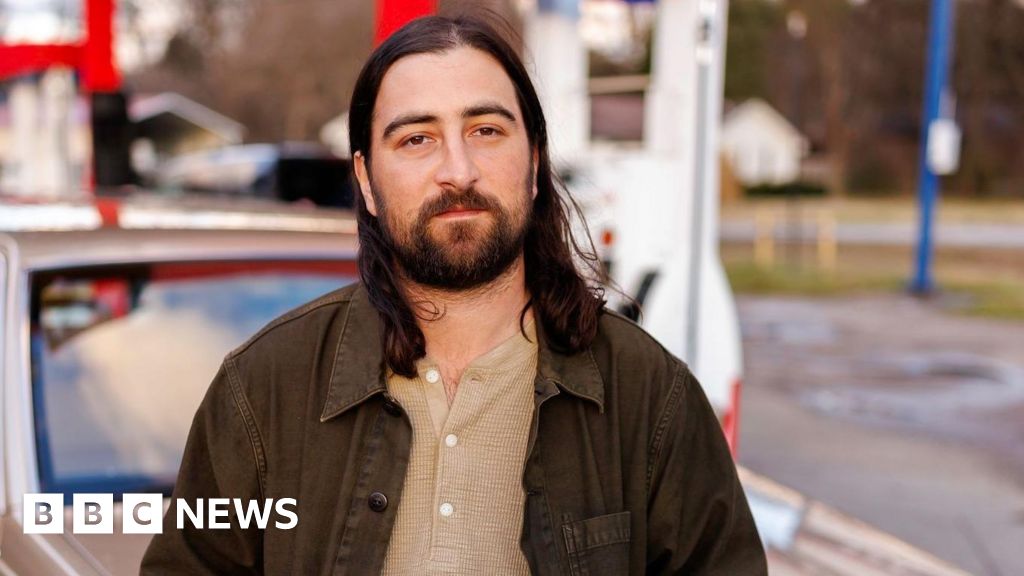
Noah Kahan Achieves Superstar Status, Rethinks the Price of Fame

In the turbulent currents of contemporary society, few phenomena exemplify the profound intertwining of culture, identity, and societal values as vividly as the ascendance of youthful musical icons. Consider the recent trajectory of a prominent US singer, whose rise to festival headliner status following the release of his third album has not only marked a milestone in his artistic journey but has also ignited a broader reflection on the significance of culture as a vessel of collective identity. Such moments are inherently layered, revealing the underlying fears, hopes, and aspirations of a generation eager to forge its narrative amid a landscape of rapid social change.

This phenomenon echoes the age-old understanding that culture is both a mirror and a blueprint—a mirror reflecting societal values and a blueprint shaping future generations. When an artist gains such prominence, it is not merely a matter of entertainment but a symbolic act that encapsulates the spirit of an era. As literary critic G.K. Chesterton once argued, “Culture is the way in which our civilization becomes most visible,” and in that visibility, we see the reflection of our collective convictions and conflicts. The youth, in particular, gravitate toward these cultural milestones — their music, their art, their voices — as expressions of their unique identities and as anchors in a swiftly disorienting world.

This rise, however, is not without its paradoxes. The very process of growth—often accompanied by a crisis of confidence—evokes the universal pattern of progress and upheaval that history repeatedly teaches us. Historically, movements of cultural renewal have often emerged from moments of tension, much like Ortega y Gasset observed in his discourse on the revolutions of the spirit, where established paradigms clash with emerging visions. The artist becoming a headliner is thus emblematic of broader societal shifts—an indication that culture remains a battleground of ideas, values, and identities.

Philosopher and social critic Alexis de Tocqueville warned of the subtle manner in which democratic societies can drift toward
masses and mediocrity, yet he also recognized that the spirit of individual creativity—particularly in its youthful audacity—serves as a vital counterbalance. It is in these cultural expressions that the seeds of tradition and innovation coexist, shaping a society that is both rooted and free. The youthful artist’s journey to the festival stage is more than personal achievement; it embodies the ongoing dialogue between the enduring values of the past and the emerging visions of the future.

In the end, culture—like the poetry of T.S. Eliot—serves as both a memory and a prophecy. It preserves what has been, fashioning it into a living history, while simultaneously whispering the possibilities of what could be. As we observe the ascent of a new generation’s voices, let us remember that their creative expressions are not merely transient phenomena but the very fabric of societal memory and the creative blueprint of tomorrow. Culture, therefore, remains mankind’s poetic act of both remembering and dreaming, a luminous bridge linking the established past with an uncertain but hopeful future.

Please upload the feed content you’d like me to create a headline for.

Fact-Check: The Reality of Whale Calves Nursing – Separating Fact from Fiction

Recent discussions circulating online claim that real video footage of humpback and blue whale calves nursing appears to be “far less dramatic” than some portrayals suggest. This assertion raises the question: what does the actual footage reveal about how these majestic creatures care for their young? To clarify this, we need to delve into marine biology experts’ observations and examine authentic footage of whale nursing behavior.

What Does Actual Footage Show?

Many videos captured by marine researchers and conservation organizations depict whale calves nursing on their mothers’ milk. According to the National Oceanic and Atmospheric Administration (NOAA) and marine biologists like Dr. Jens C. Wind: “While photographs and videos can evoke emotional responses, the actual nursing process is a relatively brief, subtle event. It often appears less dramatic than sensationalized media portrayals.” This suggests that the reality of whale nursing, although profoundly important, is typically understated visually.

In fact, *professional footage of humpback and blue whales nursing frequently shows the calves calmly latched onto their mothers, with minimal overt display or theatricality* — unlike some exaggerated depictions that may amplify drama for effect. Scientists emphasize that this behavior, while essential for calf development, embodies a quiet, steady connection rather than an overt spectacle.

Are Media or Social Narratives Overhyping Whale Nursing?

The claim that actual footage is “far less dramatic” could be interpreted as suggesting that popular or online visuals exaggerate whale nursing for entertainment purposes. Expert marine mammal researchers highlight that media often simplifies or sensationalizes natural behaviors to evoke stronger emotional reactions, but the core behaviors are quite subdued.

For example, Dr. Robin Baird, of the Cascadia Research Collective, notes that “most authentic footage shows calves gently suckling, with subtle movements, because this is a gentle activity that doesn’t require dramatization.” Likewise, many images and videos used for educational purposes are intentionally modest, focusing on the biological importance rather than dramatic visual effects.

The Importance of Authenticity and Scientific Observation

Authentic observations from reputable scientific sources keep us grounded in reality. *Research findings consistently demonstrate that whale nursing involves gentle, sustained contact rather than flashy or animated displays*. For instance, studies of blue whale calves have shown that milk ingestion is a slow but crucial activity for growth, often unnoticed in casual viewing. This natural behavior is vital for the health and development of the calves, and it underscores the importance of witnessing animals in their authentic environment rather than sensationalized media portrayals.

Conclusion: The Truth Matters for Responsible Citizenship

In a world saturated with social media and sensational stories, it is vital to rely on verified scientific evidence rather than relying solely on emotionally charged or exaggerated content. The reality — supported by marine biologists, conservation groups, and reputable scientific institutions — is that whale calves nursing is a quiet, subdued process. While it may lack the theatrical flair that some expect or exaggerate, this understated behavior is precisely what makes these creatures so remarkable: their ability to nurture their young in a profoundly natural and steady manner.

As responsible citizens and informed individuals, understanding the true nature of wildlife behavior underscores the importance of preserving these animals and supporting conservation efforts rooted in science and fact. The truth about whale nursing isn’t just a matter of scientific accuracy; it’s a cornerstone of respecting these majestic creatures and their natural processes, which are fundamental to the health of our planet’s oceans and ecosystems.

North Dakota lawmaker and pilot dies in small plane crash in Minnesota

In a stark reminder of the unpredictable nature of regional security and the fragility of human life, a small plane crash occurred just after takeoff from Crystal Airport north of Minneapolis, resulting in the tragic death of Liz Conmy, a respected North Dakota state representative. The incident, confirmed by authorities and the National Transportation Safety Board, highlights not only the human toll of such accidents but also raises questions about safety protocols amid heightened concerns over regional stability. As investigators work to determine the cause, the tragedy underscores how unforeseen events can ripple across the geopolitical landscape, emphasizing the need for vigilance both on the ground and in international corridors of influence.

While this tragic event may seem isolated, analysts are quick to remind the international community that such setbacks often reflect broader vulnerabilities. Recent geopolitical shifts—such as increased tensions along North American borders and the ongoing debate over national security—have heightened concerns about the safety and resilience of local infrastructures, including transportation networks. North Dakota and neighboring states are often overlooked in global strategic discussions, but incidents like this expose how domestic vulnerabilities can have ripple effects. In a world where nations are increasingly interconnected—be it through economic, security, or environmental ties—an accident in Minnesota could well serve as a poignant reminder that no country is immune from unforeseen crises.

International organizations and global security think-tanks have long warned of the importance of maintaining stability within national infrastructures as a cornerstone of broader geopolitical stability. According to experts like Dr. Valerie Harmon of the International Crisis Group, such incidents undermine public confidence and can serve as catalysts for larger discussions on safety protocols, transparency, and government accountability. The crash meaningfully intersects with global themes of fragile security, especially as North America navigates internal political debates and external pressures from rising geopolitical rivals. With investigations underway, the incident will inevitably reframe discussions on safety standards and government preparedness at a time when global tensions—particularly with China and Russia—are at a peak.

Though this tragedy might be viewed as a somber, localized event, its implications resonate broadly. The death of a dedicated public servant like Liz Conmy symbolizes how leaders dedicated to education, transparency, and environmental issues are often on the frontlines of societal resilience. Her passing, compounded by the low-profile yet symbolically significant nature of the crash, emphasizes the ongoing need for strategic foresight and international cooperation. As history continues to unfold, these moments serve as harbingers of the dangers posed by complacency and the unforeseen forces that threaten societal stability. Ultimately, the consequences of such events stretch far beyond the immediate, reminding global audiences that how nations respond to crises in their own backyard can shape the course of history for generations to come.

White House Correspondents' Dinner Shootings: Trump Unhurt, Suspect in Custody at Washington Hilton
White House Correspondents’ Dinner Shootings: Trump Unhurt, Suspect in Custody at Washington Hilton

The scene at the White House Correspondents’ Dinner last night was shaken to its core, highlighting the volatile nature of contemporary US politics and the unpredictable threats that now shadow America’s political landscape. What was supposed to be a celebratory event—an annual gathering of journalists, politicians, and security officials—turned into a harrowing ordeal as a shooting incident unfolded, reminding the world that even the most fortified symbols of democracy are vulnerable.

A lone suspect, identified as Cole Tomas Allen, 31, from Torrance, California, caused chaos when he allegedly charged a US Secret Service checkpoint at the Washington Hilton—just a stone’s throw from the White House itself. According to law enforcement officials cited by The Associated Press, Allen was armed with a shotgun, a handgun, and multiple knives. This incident underscores the rising trend of lone-wolf attacks, which have become a concern for national security experts across the globe. As Washington DC Mayor Muriel Bowser stated, “We have no reason to believe anyone else was involved,” emphasizing the domestic dimension of this threat. Yet, the impact of such violence extends beyond individual acts, influencing policies and societal perceptions of security in an era marked by radicalization and paranoia.

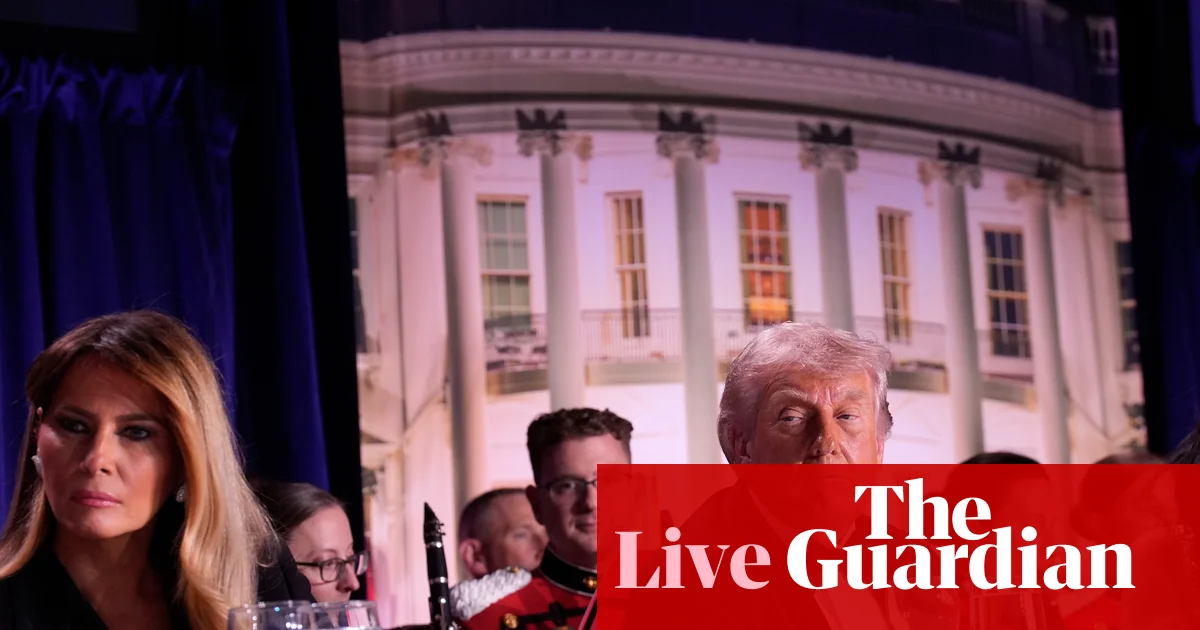
In the immediate aftermath, panic engulfed the grand halls where American elites and media personalities had gathered, with witnesses recounting scenes of guests diving under tables as gunfire and chaos erupted. Donald Trump and Melania Trump were evacuated amid the pandemonium, with the event’s security protocols visibly tested. Trump’s response post-incident was pointed, calling the Washington Hilton “not a particularly secure building,” and expressing support for the White House’s plans to construct a larger, more secure ballroom. This moment may serve as a turning point, fueling debates on how to safeguard national icons against increasing threats. The suspect was quickly taken into custody, with authorities also charging him with felony firearms and assault charges. His weapons and the apparent lone-wolf nature of his attack have sparked renewed discussions about the adequacy of current protective measures in high-profile venues, not just in the United States but worldwide.

Analysts and security experts have long warned that such incidents could become more frequent in an era of heightened polarization and political instability. Historian and security analyst Michael McFaul suggests that this event might be a harbinger of more significant threats rising from the shadows of domestic discontent. These acts challenge the fundamentals of democracy and expose the fragile veneer of safety in America’s symbolic political spaces. The global community watches closely, understanding that what transpires within these American halls resonates globally—impacting diplomatic relations, international perceptions, and the very fabric of global security architecture. Just as the attempted assassination of Ronald Reagan in 1981 cast long shadows over presidential security, this latest incident at an otherwise celebratory event underscores the persistent vulnerabilities lurking within America’s borders.

As the dust settles and the nation grapples with this unsettling breach of security, history continues to unfold—its chapters written in moments of trauma and resilience. While Donald Trump and American society reflect on the fragility of their institutions, the world remains on edge. For in these violent upheavals, the true weight of history is felt—not in the moment of chaos, but in the quiet, cautious steps that follow, as nations worldwide question what security truly means in an era of unpredictable violence and shifting allegiances. The next chapter awaits, fraught with uncertainty, leaving us to ponder: How will history remember this night—an aberration or the dawn of a new era of global insecurity?

Social Media Auto Publish Powered By : XYZScripts.com