Matox News

Truth Over Trends, always!

Buzz Incursion: How 70,000 Bees Turned My House Into a Swarm of Style—Surviving the Wildest Bee Takeover

In the heart of September 2023, a seemingly ordinary household found itself at the center of an extraordinary natural event that underscores the complex relationship between humans and nature. The story begins with young Saylor, a three-year-old girl whose nightly fears about monsters in her closet prompted her parents to seek comfort and reassurance. Her vivid imagination was initially dismissed, perhaps seen as typical childhood fears, but as her anxiety persisted, the family’s suspicions shifted toward something more tangible. It wasn’t long before they discovered that her childhood monsters were actually real creatures—bees—who had taken up residence inside their home. This unexpected encounter with one of nature’s most vital yet vulnerable species awakens a broader appreciation for the importance of biodiversity and the delicate balance of ecosystems.

The discovery of the hive reveals an intriguing intersection between human safety and environmental stewardship. A professional beekeeper was called to assess the situation, initially contemplating invasive removal that involved opening up the wall with a hammer. For this family, the process was both a literal and figurative unlocking of a hidden world within their own walls—one filled with thousands of buzzing bees crafting their hive in secret. In a narrative woven with both suspense and admiration, the family’s story highlights the importance of interventional conservation. The beekeeper’s careful removal of the hive, done with specialized equipment, not only protected the family but also saved these essential pollinators. Experts like Dr. Marla Spivak of the University of Minnesota underscore that bees are endangered and that human efforts to support their populations—whether through apiaries or habitat protection—are more critical than ever.

The emotional and practical impact of this incident extends beyond the immediate danger. After removing the hive, the family faced a hefty repair bill—$20,000 (approximately £15,000)—a stark reminder of how unforeseen encounters with nature can come with costs, yet also present opportunities for reflection. The process of sealing the entry point, along with the removal of destructive robber bees that feed on stored honey, symbolizes a return to harmony. This experience highlights a broader cultural narrative: in an era dominated by rapid urbanization and technological advances, grounding ourselves in respect for nature and its cycles is crucial for personal wellness. For the family, their journey exemplifies resilience as they transformed their damaged space into a nursery for a new generation, embracing the changes as part of a lifestyle shift that values coexistence with the environment.

Reflecting on this story stirs a universal lesson about embracing the unexpected. Sometimes, wellness and personal growth originate from moments of disruption and challenge—like discovering a hive of bees behind the walls or navigating the consequences of unforeseen damage. The narrative echoes themes from cultural icons like Henry David Thoreau, who championed living in harmony with nature, and modern wellness experts who emphasize mindful resilience. Ultimately, life’s unpredictable encounters serve as a reminder that lifestyle is a journey—an ongoing process of adaptation, renewal, and understanding that in caring for the natural world, we nurture our own. As the family’s story shows, honoring the wild, even in the most unexpected places, can lead to a richer, more mindful existence—one where every obstacle is an opportunity to reconnect with the environment and, in turn, rediscover ourselves.

How the Cast of ‘Euphoria’ Is Redefining the Next Generation of A-List Talent

When “Euphoria” arrived in 2019, it did more than shatter the conventional high school narrative—it illuminated the restless pulse of a generation grappling with fractured identities and the chaos of modern life. Under the raw gaze of artistic creators like Sam Levinson, the series embodied a culture in flux, echoing the sky’s restless evolution and reflecting a society torn between its cherished traditions and the relentless march of innovation. From Zendaya’s transformation from teen icon to a symbolic voice of cultural authority to the emergence of a new breed of stars who leverage their fame into entrepreneurial and artistic ventures, this era underscores the indelible role of culture: a battleground where identity, society, and tradition intersect and evolve.

The trajectories of figures like Zendaya, Sydney Sweeney, and Jacob Elordi serve as a mirror—mirroring perhaps the transitional parables of Western civilization itself. Zendaya’s ascent from Disney’s small screens to the grand stage of the cultural elite, collecting awards and honors including two Emmy wins—a historic milestone as the first Black actress to do so for lead drama—reminds us of Ortega y Gasset’s insight that “The only thing that has been able to save us from the chaos of tradition is art, which creates a new order out of the chaos.” Her ability to navigate a landscape of social justice, Hollywood prestige, and entrepreneurial ambition exemplifies how modern cultural icons are becoming both artists and architects of societal myth. Meanwhile, Sydney Sweeney’s move from minor TV roles to producing her own projects echoes the historical parallels of cultural renewal through self-made craftsmanship—a reminder that modern media, like Western art in its golden ages, is a terrain where the new rebuilds on the ruins of the old.

In the grand tapestry of cultural evolution, actors such as Elordi demonstrate that the path to legitimacy in Hollywood now demands both a command of the craft and a keen awareness of societal currents. His efforts to shift away from the superficial boy-next-door archetype to a more profound, introspective presence resonate with Tocqueville’s notion that “America is a land of heterogeneous origins, yet it forges a shared identity through its culture.” Elordi’s experiments with taste, his literary pursuits, and his deliberate career choices embody a conscious effort to forge an identity rooted in cultural depth—a necessary rebellion against the trivialization of celebrity and the spectacle-driven nature of modern fame.

As we observe these starlets and icons, it becomes evident that our culture offers a dual function: it preserves the memory of societal virtues and prophecies the future’s potential. History and myth intertwine in the works and lives of today’s cultural figures, just as Chesterton warned that the modern mind risks losing sight of tradition’s importance, mistaking novelty for progress. Our shared stories, whether told through the brushstrokes of film or the lyrics of song, are what Anchor our society—a living archive of human hope and resilience. From the fiery crucible of youthful rebellion to the serene dawn of mature achievement, culture remains the silent witness and the prophetic voice of humanity, reminding us that in every story told, lies the echo of our collective soul.

Culture is both memory and prophecy; a testament to who we are and a beacon of who we might become. As a tapestry woven from the threads of human endeavor, it is in our stories and our symbols that the future quietly whispers, casting shadows and light across the ages.

India’s New Digital Rules Target Social Media Posts, Shaping Online News and Politics

In the rapidly evolving landscape of international digital policy, India’s recent regulatory developments signal a turning point with significant geopolitical implications. As global platforms grapple with compliance in India, a nation boasting over a billion citizens, the balance of power in digital sovereignty is shifting decisively. Critics argue that pressing market access has driven platforms to conform, but at what cost to freedom of speech and legal accountability? This strategic move by New Delhi underscores the broader direction of state control over global online spaces, positioning India as both a burgeoning digital frontier and a case study in authoritarian-leaning regulation.

According to digital policy analyst Pahwa, “Keen to preserve market access in India, platforms comply. Citizens whose speech is restricted receive no notice, no hearings, no reasons, and neither government nor platforms can be held to account by a legal system that is increasingly outpaced by regulatory agility.” This stark commentary exposes a critical conflict between corporate interests and individual rights within the world’s most populous democracy. As India’s authorities tighten their grip, international observers warn that the erosion of due process and transparency could set a dangerous precedent, intensifying global tensions around digital governance.

The geopolitical impact extends far beyond India’s borders. Major technology firms face a dilemma: to align with national directives risking foreign brand integrity, or to push back against policies seen as infringing on fundamental freedoms. International agencies like The United Nations have expressed concern over the rise of unilateral regulatory measures. Historian O’Connor warns that such trends might catalyze a fragmentation of the global internet, threatening interoperability and cross-border cooperation. Furthermore, analysts suggest that India’s approach might inspire other nations with similar ambitions to prioritize state control over a free digital arena, thereby reshaping the core principles upon which the internet was built.

As these developments unfold, the world stands at a crossroads. With domestic policies tightening and international repercussions mounting, the future of global digital landscapes remains precarious. The decisions made today in India will influence markets, societies, and the very fabric of international relations. The weight of history presses down, and how India’s government balances sovereignty, economic growth, and civil liberties will determine whether the global order will remain united or fracture into isolated spheres of control. As the digital age advances, the core question endures: will this new wave of regulation become a catalyst for authoritarian consolidation, or a step toward more accountable governance? Only time will judge if the choices taken now will forge a future of liberty and openness, or usher in a new era of digital dominance wielded by increasingly powerful states.

ChatGPT launches $100/month Pro plan—powering the next-gen user experience

OpenAI Introduces Enhanced $100 ChatGPT Pro Tier Amidst Industry Disruption

In a significant development that underscores the rapid evolution of the AI landscape, OpenAI has announced a revamped version of its ChatGPT Pro subscription priced at $100 per month. This move not only signifies a strategic effort to harness increased revenue but also signals innovation in user experience and enterprise-level offerings. The new tier provides 5x more usage of its Codex coding tool compared to the previous $20/month Plus plan, catering to developers and professional users demanding higher throughput for complex coding tasks. OpenAI states that this tier is optimized for “longer, high-effort Codex sessions,” thus addressing an emerging segment of power users whose productivity hinges on robust AI tools.

Disrupting Industry Norms: Competition and Market Shifts

This strategic upgrade comes amidst intensifying competition from players like Anthropic with their Claude Code tool, which has gained popularity for its impressive performance. OpenAI’s move to scale up its offerings with a more capable Pro tier indicates an aggressive push to retain market dominance in the AI coding space. The $100 Pro tier is positioned as a middle ground, bridging the gap between the baseline $20 ChatGPT Plus and the premium $200 Pro option. Such tier segmentation reflects a broader industry trend toward flexible, tiered SaaS models—designed to attract a wider customer base ranging from casual users to enterprise clients.

Business Implications and Industry Impact

The introduction of *two distinct Pro tiers* underscores OpenAI’s recognition of diverse user needs. While the standard Pro still offers all features, the more expensive version incorporates higher usage limits, positioning OpenAI as the platform of choice not just for casual, but heavy-duty users. These enhancements could disrupt traditional coding and AI development workflows, necessitating a reevaluation of how businesses integrate AI into their core operations. As noted by industry analysts from Gartner and MIT, the proliferation of accessible yet powerful AI tools is poised to drastically alter enterprise productivity and innovation cycles.

Looking Ahead: Urgency for Innovation

This strategic expansion by OpenAI emphasizes a broader industry acceleration, where disruption is accelerating via innovation. With competitors like Anthropic advancing rapidly and other tech giants investing heavily in AI, the market is on the cusp of a new era of hyper-competitiveness. Technologies such as Codex and Claude are just precursors to a future where AI-driven coding and automation will become integral to business success. Stakeholders and developers must remain vigilant; those who harness these innovations early will secure competitive advantage in an increasingly AI-centric economy.

In summary, OpenAI’s strategic move to escalate its subscription offerings exemplifies a dynamic shift towards higher performance, flexibility, and enterprise readiness. As AI continues to disrupt traditional sectors, the race to develop more powerful, accessible, and versatile tools will define the next wave of technological revolution. Industry participants and investors alike should prepare for an era where agility, innovation, and disruption are imperative to thrive in the rapidly evolving AI universe.

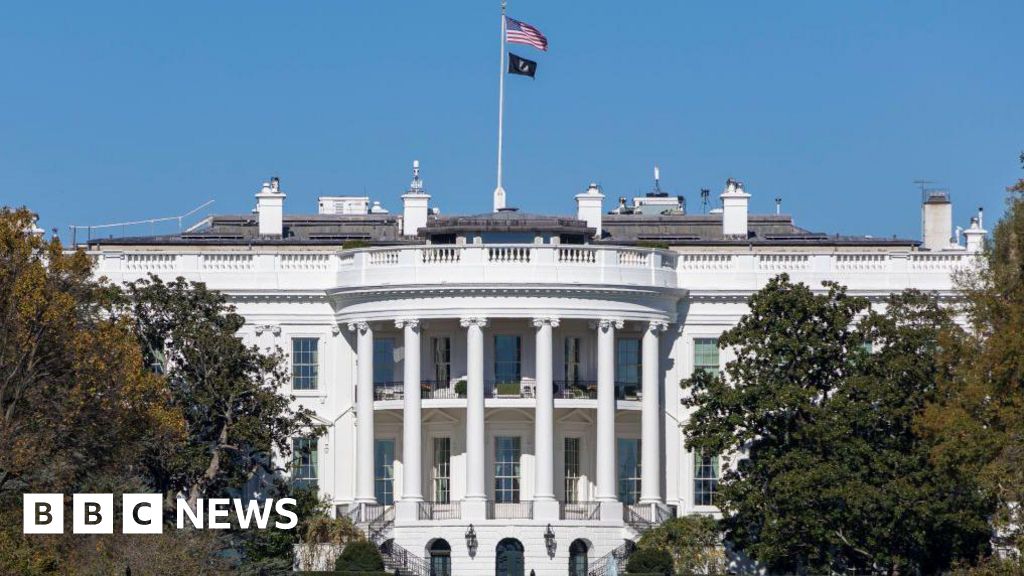
White House staff barred from betting on prediction markets

In recent years, social media and betting platforms have experienced unprecedented growth, transforming from mere entertainment avenues into influential tools that shape public opinion and geopolitical discourse. With some users engaging in bets surrounding international events and conflicts, the boundaries between entertainment and political influence are increasingly blurred. These platforms not only reflect societal anxieties but also contribute to a new geopolitical landscape where information spreads rapidly and sentiment sways opinions at an unprecedented scale.

This surge in activity, particularly among youth demographics, serves as both a mirror and a catalyst for wider societal shifts. Analysts argue that the granular engagement of younger populations with global issues—whether through online betting, commentary, or social media—creates a vibrant but volatile space where perceptions are formed and manipulated. Such trends are scrutinized by international organizations and thinkers, warning that how nations and societies interact within these digital forums could have lasting effects on diplomatic stability and national security. The phenomenon also raises questions about responsibility and regulation, as governments across the globe grapple with controlling misinformation and safeguarding civic integrity in digital spaces.

Historically, the influence of emerging technologies on geopolitics has been profound—from the advent of radio and television broadcasting to the rise of the internet. Today, platforms that combine social interaction with betting on global events are emerging as a new frontier of influence, with tangible _impact on diplomacy, military strategy, and international relations_. As noted by international analysts, this convergence of entertainment, information, and wagering creates an arena where narratives can be shaped or distorted in real time, often aligning with geopolitical interests of powerful nations.

Most concerning is the potential for these digital spaces to escalate conflicts or influence electoral processes. Countries such as the United States, Russia, and China are increasingly aware of the strategic importance of controlling online narratives, as well as the flow of information that fuels civic unrest or geopolitical instability. As historians emphasize, moments of rapid technological adaptation can leave lasting scars or forge new alliances—both of which have monumental implications for global security. The decisive influence of digital platforms today is a stark reminder that history is not merely being made in the halls of power but in the interconnected maze of virtual spaces.

As the world stands at this digital crossroads, one thing remains clear: the decisions made—by governments, corporations, and everyday users—will determine the direction of future conflicts and alliances. The unfolding story is far from over, but one truth persists—history’s pen continues to inscribe our collective fate, and in this modern age, the lines between reality and perception are thinner than ever, leaving humanity to grapple with the profound consequences of every comment, bet, and shared story within the vast digital domain.

US pressures Latin America to sever ties with Cuba’s doctor program—Youth voice grows stronger against interference

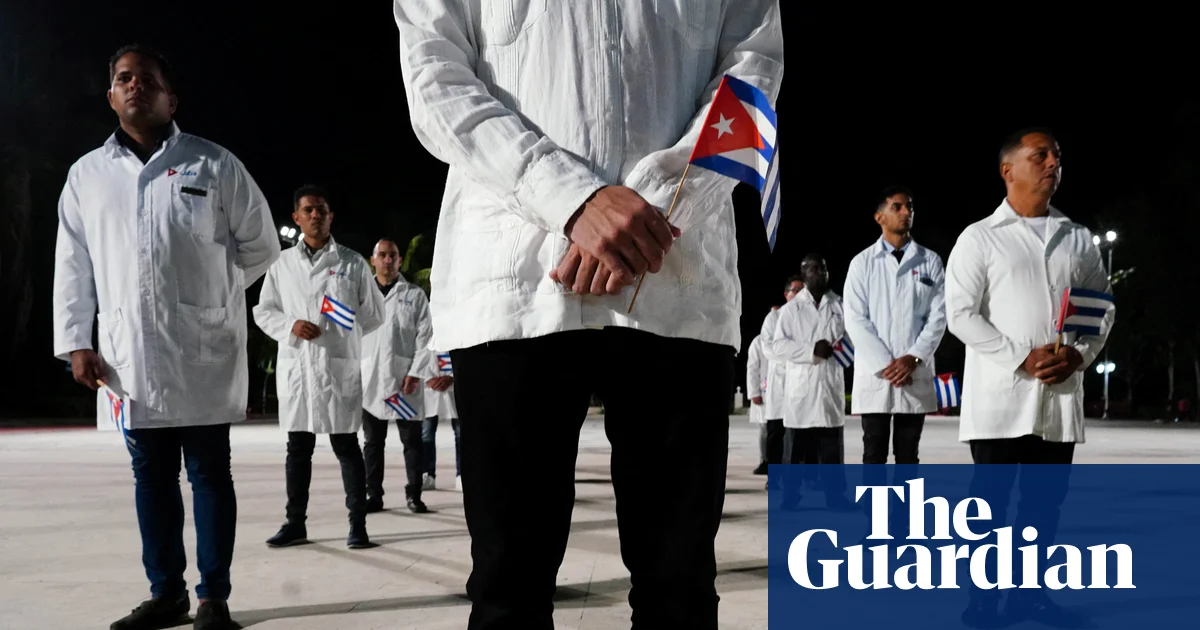
In a world where societal strains are often cast in the context of economic austerity and political power plays, the case of Cuba’s medical diplomacy presents a compelling reflection of how global conflicts extend beyond borders into the very fabric of families and local communities. The Cuban government’s foreign medical missions, a cornerstone of its soft power strategy since the 1960s, have become emblematic of a society balancing *solidarity* with economic necessity. These missions, deploying approximately 24,000 healthcare professionals across 56 countries—including remote and underserved regions—represent a complex interplay between altruism, income generation, and national sovereignty. Yet, recent developments reveal that *social and moral concerns persist beneath the surface, especially as the practice of sending doctors abroad is increasingly scrutinized within the broader context of US foreign policy.*

  • Guatemalan, Honduran, Jamaican, and Guyanese governments have terminated their agreements with Cuba, citing pressures from the United States to sever ties.
  • The US government claims that Cuba’s medical program constitutes forced labor, invoking human rights violations as part of a broader campaign of “maximum pressure.”
  • In 2025, Cuba earned an estimated $7 billion from its medical missions—an essential infusion for a fragile economy strained by a US energy blockade that has deepened social tensions and economic hardship.

The *social consequences* ripple outward, affecting families and communities both within Cuba and in the regions where doctors serve. Many of these regions depend heavily on the presence of Cuban healthcare professionals, especially in isolated villages where access to medical care is a matter of human dignity. The withdrawal of these professionals threatens to exacerbate existing health disparities, creating a new wave of social tension fueled by economic sanctions and diplomatic tools. Social commentators and sociologists like Dr. Anne-Marie Taylor have warned that these actions threaten to undermine community cohesion and social stability, especially in areas where healthcare workers often serve as vital links between government policy and everyday life. Such dynamics cast long shadows over where society’s moral compass should lie—whether in maintaining national sovereignty or prioritizing human needs for accessible health services.

The moral debate intensifies with the allegations of forced labor and human trafficking, as detailed in recent reports by the Inter-American Commission on Human Rights. Cubans deployed abroad often endure restrictions such as passport confiscation and wage withholding, which some experts classify as violations of fundamental human rights. These practices have elicited condemnations from social ethicists, raising questions about the ethical integrity of Cuba’s solidarity initiatives when individual freedom is compromised. As the debate heats up, it becomes clear that these geopolitical struggles are intertwined with the social fabric of families—where fathers, mothers, and children face uncertainty and upheaval. Without secure livelihoods and fair treatment, community bonds are tested, particularly in countries where residents rely heavily on the presence of Cuban doctors for essential health services.

Looking ahead, this scenario underscores the importance of balancing national sovereignty with human rights, as well as the need for societal introspection about the true nature of solidarity. Historians like Howard Zinn have long emphasized that social progress often involves confronting uncomfortable truths about power and exploitation. For Cuban families and the global communities touched by these policies, the challenge remains: fostering a social environment rooted in justice and mutual respect, even when external pressures threaten to fracture societal cohesion. As society navigates these turbulent waters, there remains—beyond the political discourse—an enduring hope that through dialogue, transparency, and moral resolve, communities can emerge stronger and more united in their shared humanity. In such reflection lies the possibility of transformation—of society healing its social fractures and restoring the dignity that all families deserve.

Rising Stars Shine: Young Athletes Ignite Excitement in Major Championships

The Speed Game: How Pace is Shaping the NBA Landscape

In today’s NBA, the term “pace” has taken on a life of its own, becoming a pivotal factor determining a team’s success or failure. ESPN analyst Zach Kram recently examined this counterintuitive trend, illustrating how both elite teams and struggling franchises are redefining their game plans to adapt to the ever-quickening tempo of the league.

The surge in pace has led to a fascinating dichotomy. On one hand, teams like the Golden State Warriors thrive in this fast-paced environment, using their quick transitions and three-point shooting to dominate the scoreboard. Conversely, teams like the New York Knicks appear to be lost, unable to keep up with the frenetic energy of their opponents. Kram notes, “The gap between the fast and the slow is widening, exposing teams that can’t adapt.” This evolution in strategy raises questions about whether traditional playbooks still hold value in a league increasingly characterized by tempo.

  • Golden State Warriors leverage pace with their innovative ball movement.
  • New York Knicks struggle to find consistency, often falling short against faster teams.
  • Increased pace has resulted in a spike in overall scoring averages across the league.

As Kram points out, the statistics paint a remarkable picture: teams playing at a higher pace are averaging significantly more points per game, creating high-stakes environments where every possession counts. This leads to not just thrilling finishes but also unexpected victories. For example, Tyler Herro of the Miami Heat has excelled in this rapid-play setting, averaging over 20 points per game and proving to be an integral part of his team’s offensive scheme. In tight matchups, it is often the quickest strategy that prevails.

As the season progresses, one thing becomes increasingly clear: the rapid pace is not merely a trend; it is a transformation that is here to stay. For players, coaches, and fans alike, basketball embodies more than a mere competition. It stands as a potent symbol of unity, resilience, and the ongoing quest for excellence. From the roar of the crowd to the intensity on the court, sports remind us that together we can savor the adventure, transcending the final score. In the world of the NBA, the game of basketball might just be the ultimate unifying force that we all need.

Source link

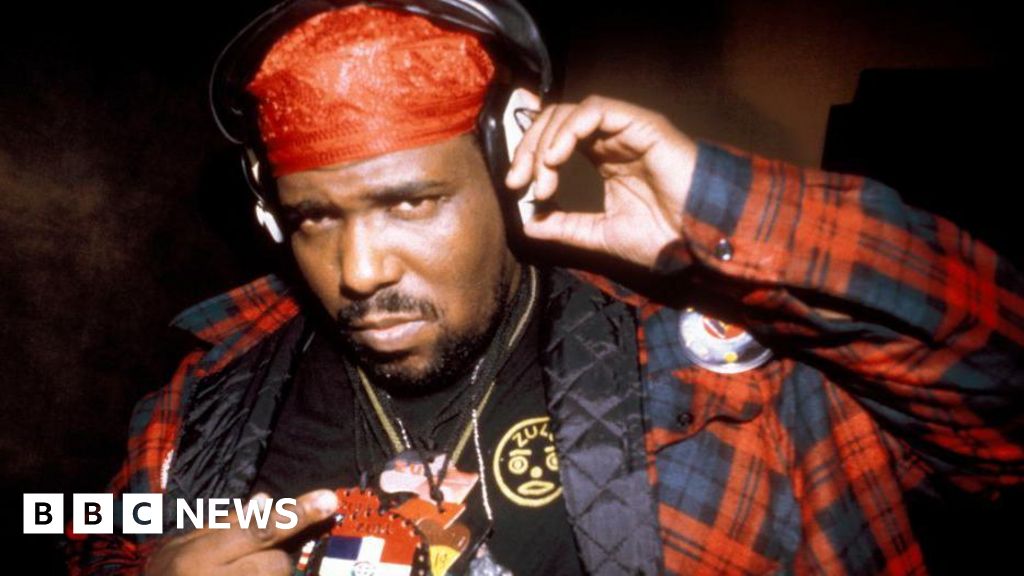
Hip-Hop Legend Afrika Bambaataa Passes Away at 67: A Youth Culture Icon Remembered

The emergence of hip-hop as a cultural and musical movement in the 1980s was indelibly shaped by the Bronx-born rapper whose seminal track, Planet Rock, revolutionized the genre. This innovation not only redefined urban music but also established a new form of expression that resonated worldwide, signaling a shift in youthful culture and societal dynamics. The impact of this breakthrough extends beyond entertainment, touching on the geopolitical landscape and international cultural exchanges, as nations began to embrace this form of art as a voice of resistance and identity.

As historians and music analysts underscore, Planet Rock was more than just a hit; it became a blueprint for a global movement that transcended borders. Its innovative use of electronic sounds and drum machines marked a turning point, inspiring a generation of artists across continents. Countries in Europe, Africa, and Asia soon adopted hip-hop not only as a musical style but as a platform for socio-political commentary. Organizations like UNESCO recognized its potential to foster intercultural dialogue while raising awareness of underrepresented narratives, illustrating how art can serve as leverage in the shifting geopolitics of the late 20th century.

International leaders and policymakers have observed that the rise of hip-hop, energized by figures such as the artist behind Planet Rock, contributed to an evolving cultural diplomacy. As global institutions faced challenges from ideological conflicts and economic uncertainty, youth movements rooted in urban cultural expressions became informal channels of influence. The genre’s capacity to articulate grievances related to poverty, inequality, and social justice alarmed many governments, prompting debates about repression versus freedom of expression — a debate seen anew in today’s digital and social media landscapes.

In the broader geopolitical context, the ripple effects of this cultural revolution continue to unfold. The legacy of that Bronx-born pioneer underscores how decisions made at the community level can cascade into international currents, shaping world history in unpredictable ways. What began in inner-city New York has grown into a global phenomenon, a testament to the power of youthful voices to challenge authority and redefine nationhood. As modern analysts warn of emerging conflicts and cultural clashes, the story of how a single track contributed to a worldwide shift reminds us that history is still being written, song by song, beat by beat — with the future yet to be determined.

Please upload the feed content you’d like me to fact-check, and I’ll craft the headline accordingly.

Glyphosate and Cancer: A Complex Scientific Debate

Recent political moves, including an executive order promoting the production of glyphosate-based herbicides, have reignited a fierce debate over whether this widely used weedkiller poses a cancer risk to humans. Some politicians and activists, particularly within the Democratic camp, assert that glyphosate is carcinogenic, citing studies and reports that link it to blood cancers like non-Hodgkin lymphoma (NHL). Conversely, regulatory agencies such as the U.S. Environmental Protection Agency (EPA), the European Food Safety Authority (EFSA), and Canada’s health officials have consistently concluded that glyphosate is unlikely to pose a cancer threat at typical exposure levels. This stark divergence of opinion illustrates the complexity inherent in the scientific assessment of glyphosate’s safety.

Claims that glyphosate causes cancer have some basis in studies, but the overall body of scientific evidence remains inconsistent. Some peer-reviewed studies have identified associations between glyphosate exposure and increased risks of certain cancers, including NHL, particularly in agricultural workers. For example, the 2017 NIH-funded Agricultural Health Study (AHS), which followed over 54,000 pesticide applicators, found no statistically significant link between glyphosate use and NHL or other cancers—an outcome that supports the conclusions of major regulatory agencies. Dr. David Eastmond, a respected toxicologist and member of a WHO/FAO expert panel, has pointed out that both human and animal studies on glyphosate are “messy,” often yielding conflicting results that complicate definitive conclusions.”

Assessing the Evidence: Regulatory Bodies Versus Scientific Divergence

Globally, the scientific consensus is varied. In 2015, the International Agency for Research on Cancer (IARC), part of the WHO, classified glyphosate as “probably carcinogenic to humans,” citing animal studies showing tumor development and limited evidence in humans. This classification contrasts with assessments from the EPA, EFSA, and other agencies that have found no clear carcinogenic hazard at typical exposure levels. Proponents of stricter regulations argue IARC focuses on hazard identification without considering real-world exposure, while regulators evaluate risk based on realistic scenarios, leading to different conclusions.

The controversy extends into mechanistic data as well. IARC emphasizes evidence of genotoxicity—glyphosate’s potential to damage DNA—while regulatory agencies have found limited or inconsistent evidence supporting such effects in mammals under typical exposure conditions. This divergence partly stems from different interpretations of laboratory animal data, with some studies indicating potential carcinogenic mechanisms and others emphasizing the high doses or methodological limitations involved. Scientific expert Laura Beane Freeman from the National Cancer Institute has highlighted that epidemiological and mechanistic studies often produce “messy” and interpretively challenging results, which fuels ongoing debate.

Hazard Versus Risk: The Real-World Impact

The key distinction in assessing glyphosate’s safety lies between hazard identification (whether glyphosate can cause cancer in theory) and risk assessment (the likelihood it poses a danger given actual exposure levels). Most people worldwide are exposed to trace amounts of glyphosate residues in food, but regulatory agencies have determined these levels are well below thresholds linked to adverse health effects. Monitoring data from the CDC and other organizations have consistently shown most individuals have detectable glyphosate in urine, yet these levels do not correlate with increased cancer incidence. William R. Moomaw, environmental policy expert, emphasizes that “trace amounts in food are not evidence of harm,” pointing out that toxicity at low doses remains unproven in humans.

However, opponents argue that even small exposures could be risky, especially for vulnerable populations. The 2025 rat study, which reported increased cancer rates at regulatory limit doses, has been criticized for its unusual design and restricted data sharing. While some researchers, like Philip Landrigan, interpret such studies as indicative of potential hazard, regulatory agencies maintain that high-dose animal studies do not necessarily translate into risks at human dietary exposure levels.

Conclusion: The Responsibility of Truth and Science in Democracy

In the ongoing debate over glyphosate, the persistent divergence between regulatory evaluations and certain scientific and activist claims underscores a vital truth: solid, transparent science must underpin our policies and public understanding. As voters and responsible citizens, it is essential to distinguish between hazard identification and actual risk, recognizing the importance of well-conducted, independent research. Science’s role is to illuminate, not to obfuscate, guiding democracy towards informed decisions that protect both health and economic vitality. Only through unwavering commitment to truth and rigorous scientific standards can we ensure that policies reflect reality, safeguarding our freedoms and future.

Melania Speaks Out on Epstein: Just a Little Too Defensive? | Melania Trump

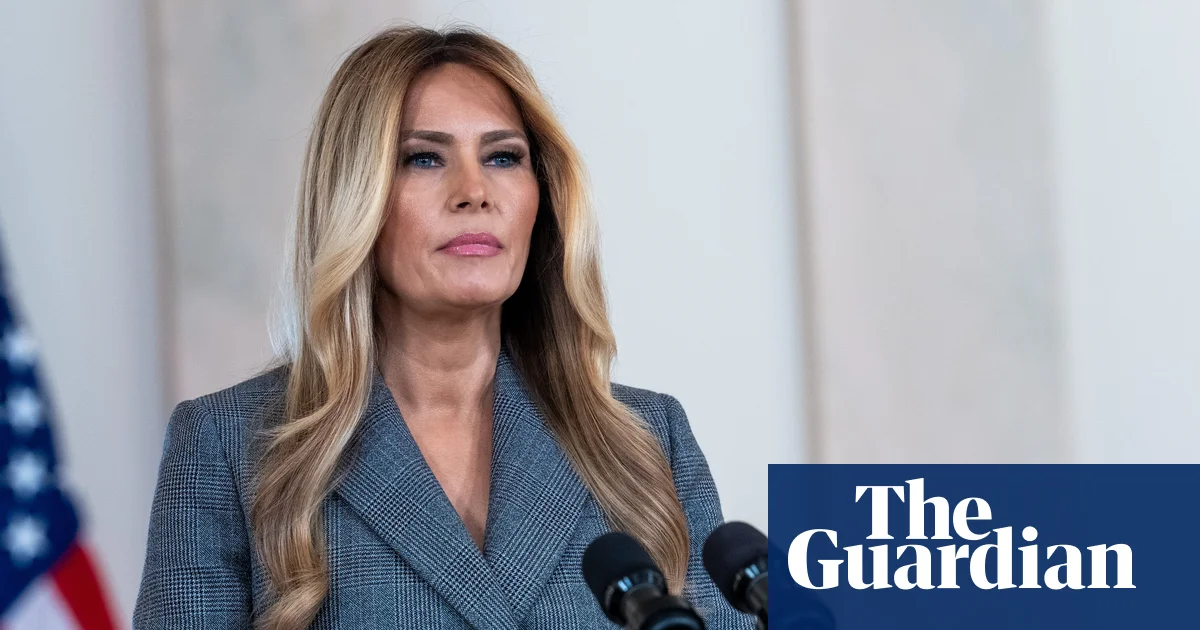
International observers are watching with keen interest as the United States navigates a complex tableau of internal political fallout scattered across multiple crises. Central to this turbulence are recent events surrounding the Jeffrey Epstein scandal, which reignited last week with a startling public stance from Melania Trump. Her impassioned denial of any relationship with Epstein, coupled with calls for congressional hearings into survivor testimonies, signals a strategic move that could ripple well beyond American borders. As domestic political infighting intensifies, the broader geopolitical impact becomes increasingly palpable, affecting allied nations and global institutions concerned with stability and the rule of law.

Commentators and international watchdogs speculate that the Epstein revelations hold the potential to undermine the current administration’s credibility, especially as questions swirl around Donald Trump’s own associations and decisions.

  • The timing of Melania’s public stance, ahead of looming congressional hearings, raises questions about internal dissent within the administration and possible shifts in its political trajectory.
  • History suggests that scandals involving influential elites—particularly linked to elite circles and political power—can have far-reaching consequences for national security and diplomatic relations.
  • Some analysts argue this could open a window for opponents or foreign actors seeking to destabilize pre-existing U.S. alliances by exploiting internal division.

Prominent voices from academia and international organizations warn that these developments could reconfigure the landscape of international diplomacy. Experts like Dr. Helen R. Thomas, a geopolitical analyst, see the ongoing controversy as an example of how internal scandals may weaken America’s influence amid global competition. Meanwhile, the WHO and other multinational agencies remain watchful, noting that internal destabilization often emboldens autocrats and geopolitical adversaries, potentially derailing coordinated efforts on pressing international issues. The actions of U.S. lawmakers and the media will significantly influence how the world views American stability and reliability in the years to come.

As history continues to unfold with each disclosure, the weight of the moment remains heavy. The narrative that emerges in the coming weeks could either solidify a path toward accountability or accelerate a descent into chaos that rivals past geopolitical upheavals. What lies beneath these revelations may ultimately determine whether the United States can repair its fractured polity or fall victim to internal strife that spills over, shaking the foundations of the global order. The world watches, waiting for a pivotal turning point—a moment where history’s pen might finally be poised to rewrite the future, or perhaps, confirm its tragic fall into an epoch of turmoil and uncertainty.

Social Media Auto Publish Powered By : XYZScripts.com