Matox News

Truth Over Trends, always!

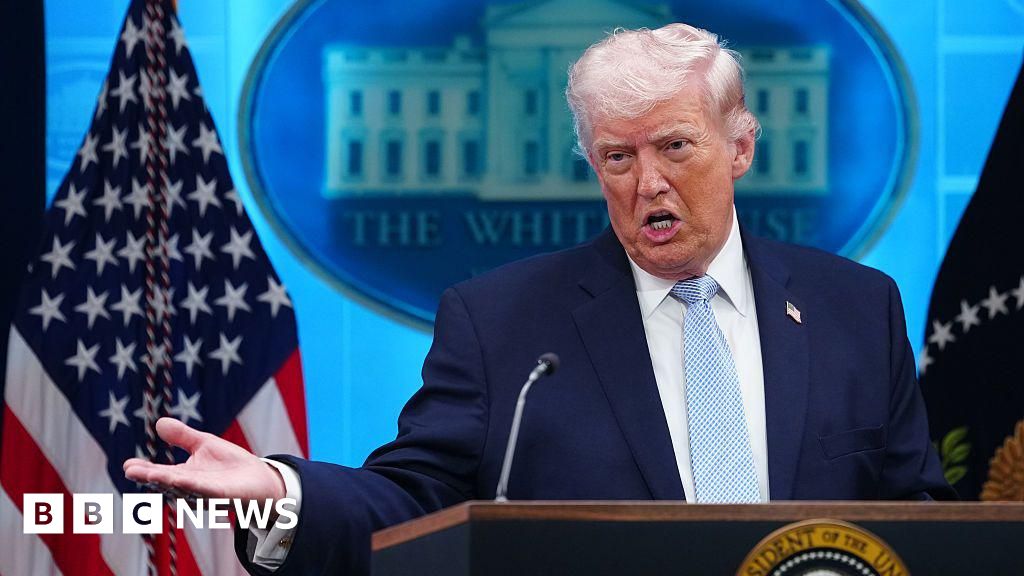
Trump warns Iran: No deal, and we’ll hit back hard in one night

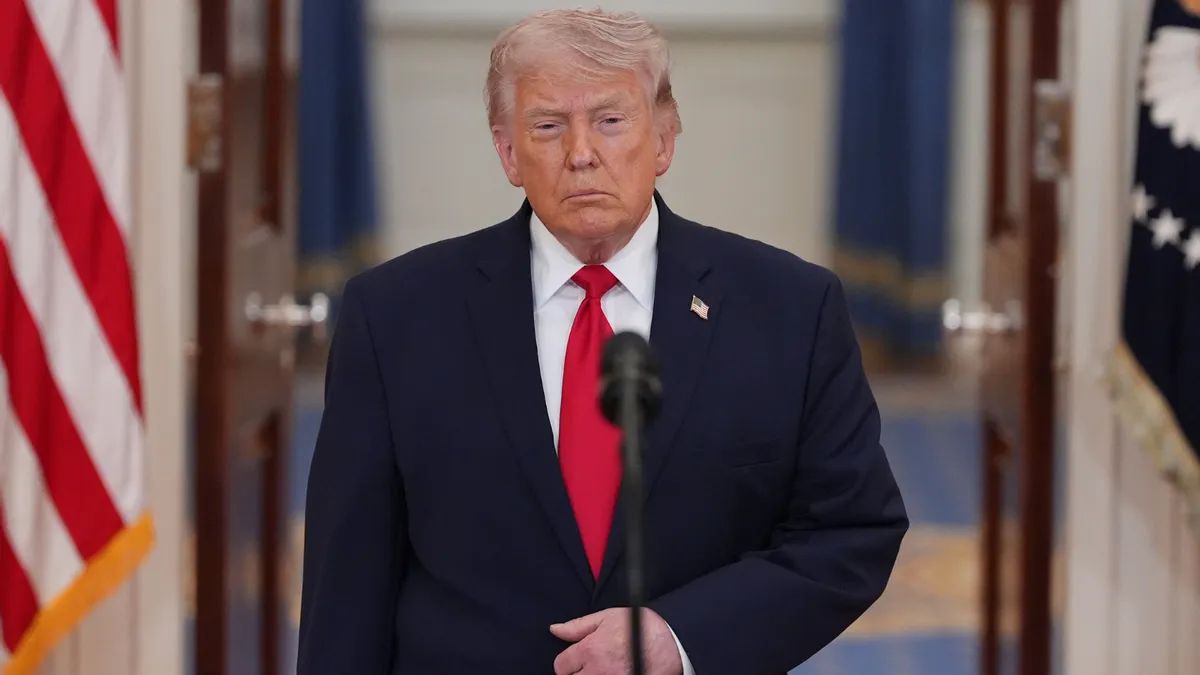
Amid mounting tensions in the Middle East, United States President has issued a stark ultimatum to Tehran, demanding the reopening of the Strait of Hormuz before a crucial deadline on Tuesday. This narrow waterway, a vital artery for global energy supplies, lies at the heart of an escalating geopolitical standoff that could reshape international security and economic stability. The Biden administration’s move underscores a broader strategy to assert dominance in the region while warning that any disruption to this strategic chokepoint could trigger a cascade of consequences worldwide.

The Strait of Hormuz handles approximately 20% of the world’s oil trade, making it indispensable to global energy markets. Its control has long been a point of contention, especially amid Iran’s tense relations with Western powers. Since the US reimposed sanctions and withdrew from the JCPOA (Joint Comprehensive Plan of Action), tensions have soared, with Iran threatening to block the strait in response to American and allied pressures. International analysts warn that a closure—whether intentional or accidental—could spike oil prices, destabilize economies, and ignite broader regional conflicts. The International Energy Agency (IEA) recently cautioned that any disruption here would send shockwaves through global markets, risking a rise in energy costs that could undermine governments and threaten the fragile economic recovery in many nations.

Historically, the control of the Strait of Hormuz has been a flashpoint in regional power struggles. Experts note that the US’s current posture appears aimed at deterring Iran from taking aggressive actions, while simultaneously signaling to Tehran that the West remains steadfast in protecting its interests. Military analysts highlight that the US has increased naval patrols and strategic deployments in the region, signaling a readiness to respond if Iran attempts to close the strait. Meanwhile, Tehran continues to leverage its strategic position, asserting that Western interference and sanctions undermine regional sovereignty. The situation has drawn the attention of international organizations like the United Nations, which have called for restraint and diplomatic engagement to prevent escalation. Yet, with each passing day, the risk of miscalculation increases, and the potential for an all-out conflict looms larger.

Historians and policy experts warn that these tensions are not new but have been accumulating for decades. The decisions made today could set a precedent with far-reaching effects. Scholars like Barry Buzan have argued that control over key maritime choke points is central to modern geopolitics, with the US seeking to maintain influence over strategic waterways while Iran and other regional actors push back to assert their sovereignty. The international community faces a pivotal choice: continue navigating a dangerously fragile status quo or pursue diplomatic paths that could ease tensions. As the US deadline approaches, the world watches with bated breath—every headline, every drone flyby, every command signals the unfolding chapters of history that will define the 21st century. Will cooler heads prevail, or will this be the spark that ignites a broader Middle Eastern conflagration? Only time will tell, but the stakes could not be higher, for every nation, every society, and every future generation.”

Time to face the facts: Overpopulation is hitting our society hard

As society grapples with accelerating ecological collapse, the entrenched social and economic behaviors that once seemed normal now reveal their destructive underpinnings. Growth economics, wealth inequality, patriarchy, colonialism, military supremacy, nationalism, and pronatalism—these are not just abstract concepts but patterns of thought and action deeply embedded within our social fabric. Sociologists and social commentators have long argued that these patterns function as a “fluency” response, bypassing rational deliberation and fueling a cycle of harm that only exacerbates our planetary crisis. They are reflexive responses rooted in our limbic system, driven by emotion rather than critical awareness, making it exceedingly difficult for societies to transition toward more sustainable and equitable paradigms.

This prevailing mindset has profound consequences for families, education, and community cohesion. Children grow up in environments where economic and social disparities are normalized, often inheriting the same unwise behaviors that threaten their future. Schools may inadvertently reinforce these paradigms, emphasizing consumerism and competition over sustainability and cooperation. Communities divided by race, class, and ideology find it harder to unite around solutions that prioritize ecological balance and social justice. Experts like sociologists and environmentalists are warning that until societies confront these deeply ingrained narratives, efforts to promote wiser social paradigms—such as eco-aware family planning and economic degrowth—may remain stagnant or be dismissed as radical.

Emerging ideas suggest that overhauling these outdated norms requires honest conversations about population overshoot and our collective responsibility. The conversation cannot be hijacked by racist or xenophobic discourses that often surface when fear of immigration is used to distract from systemic issues. Instead, advocates like Barbara Williams from Yarnton, Oxfordshire, emphasize that refined dialogue around eco-aware reproduction and resource stewardship is vital. Such paradigms challenge societal taboos, urging families and communities to embrace choices aligned with sustainability rather than short-term gains or societal pressures. These shifts, while promising, demand a reimagining of what it means to build healthy social and family units capable of withstanding the relentless strains of ecological decline.

Historically, societies that failed to recognize the link between social equity and ecological health suffered eventual collapse or profound transformation. Today, the stakes are even higher. As we confront these entrenched social issues, the path forward may seem daunting; yet, hope resides in collective action rooted in ethical reflection and community resilience. The challenge lies in fostering a society where these social issues are no longer tolerated as cogs in a destructive machine but are instead addressed with honesty and compassion. Society’s true strength will be demonstrated in its capacity to evolve from old patterns toward a future where families, communities, and institutions work in harmony with ecological boundaries—restoring the balance that human civilization so desperately needs. Only then can we look beyond the horizon of despair and envision a society that embraces both humanity and nature in a mutually sustaining dance of renewal.

Rising Stars Shine as High School Championships Heat Up!

Historic Promotion for Lincoln City to the Sky Bet Championship

In a thrilling clash that showcased determination and skill, Lincoln City secured their place in the Sky Bet Championship for the first time since 1961. The team achieved this monumental feat with a hard-fought 2-1 victory against Reading, who are currently in the hunt for a strong finish in League One. The atmosphere at the Madejski Stadium was electric, resonating with the cheers of passionate supporters and marking a pivotal moment in the club’s history.

Key to Lincoln’s success was their resilience and strategic play. The match started with an early goal from Lincoln, setting the tone for their performance. The Imps took control quickly, displaying effective teamwork and tactical acumen. Reading fought back with intensity, but Lincoln’s defense held firm, demonstrating their readiness for the challenges ahead in the Championship. Coach Michael Appleton praised his squad, stating, “The players showed tremendous character and determination. This victory reflects years of hard work and commitment.”

  • Match Summary: Lincoln City defeated Reading 2-1.
  • Key Goals: Early momentum with a first-half goal from Lincoln, followed by a critical second from star player Conor McGrandles.
  • Player Highlights: Outstanding performance by goalkeeper Josh Griffiths, who made several crucial saves to maintain the lead.

Commentators echoed the sentiments of the fans, describing the match as more than just a game; it was a demonstration of the club’s evolution. Former player and commentator Gavin Peacock remarked, “Seeing the passion and commitment from these players, it’s clear this is a team on the rise—something the fans have always believed in.” This promotion not only signifies a return to higher competition for Lincoln, but also rekindles hope for a brighter future, uniting fans and community behind their beloved club.

As Lincoln City approaches the challenges of the Championship, they exemplify the spirit of sportsmanship and determination that resonates far beyond the pitch. This historic moment serves as a reminder that sports have the unparalleled power to unite communities and inspire generations, proving that the beautiful game is truly about more than just results—it’s about heart, perseverance, and the joy of collective achievement.

Source link

Trump deadline approaches as Iran shows little sign of backing down

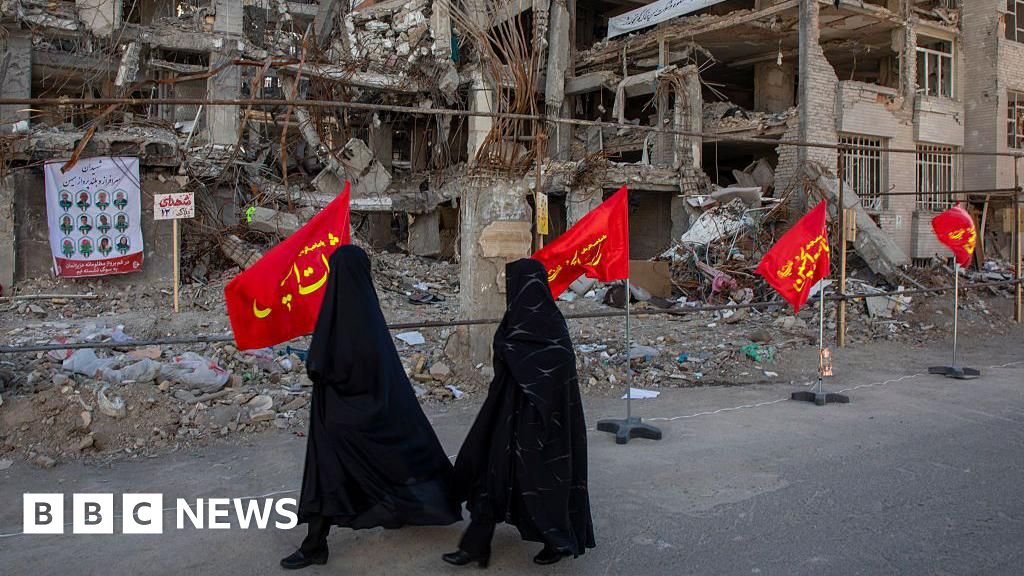
As the United States approaches a critical diplomatic and military juncture, global attention is fixed on the deadline for Iran to open the Strait of Hormuz. Currently nearing its final hours ahead of Tuesday’s deadline, this situation underscores a pivotal moment in Middle Eastern geopolitics with far-reaching implications for international security, trade, and regional stability. Analysts warn that the outcomes of this standoff could reshape regional alignments, influencing the rhetoric and actions of major powers around the world.

The US president finds himself navigating a narrow diplomatic corridor amid mounting pressure from domestic and international constituencies. The administration’s posture hinges on the precarious balance of deterrence and diplomacy as it seeks to prevent Iran from closing the vital maritime passage that serves as a gateway for nearly 20% of global oil trade. Historians and security experts caution that such attempts to constrain Iran’s access to strategic waterways could escalate into broader conflict, especially if negotiations falter or miscalculations occur. The hawkish wing within the US government emphasizes swift action, citing Iran’s controversial nuclear program and regional influence as justification, while diplomatic channels continue to plead with Tehran to avoid provoking a crisis.

In this context, international organizations such as the United Nations and global economic powers are closely monitoring developments. While some argue that a hardline stance might bolster US credibility, others warn it risks destabilizing an already volatile region. From Tehran’s perspective, the closure of the Strait would serve as a powerful bargaining chip or a show of defiance against Western sanctions and interference. Iranian leaders have historically employed such tactics to secure concessions or elevate their regional influence, prompting a cycle of escalation with unpredictable consequences. The risk to global energy supply cannot be overstated: a disruption could cause crude oil prices to surge, impacting economies from Europe to Asia, and potentially fueling inflation and energy shortages worldwide.

Shifting Alliances and Global Consequences

Regional alliances are also in flux, with Saudi Arabia, the United Arab Emirates, and other Gulf nations closely watching the developments. While traditionally aligned with Western interests, some regional actors are reassessing their strategies amidst Iran’s assertiveness and the US’s unpredictable posture. Diplomats and analysts argue that this crisis could serve as a catalyst for new security arrangements or informal pacts, reshaping the geopolitical landscape of the Middle East for decades to come.

Meanwhile, critics of aggressive US policy emphasize that escalation risks further destabilizing the region, potentially igniting conflicts with global reach. Historian Dr. Stephen Montgomery notes that “historically, attempts to control vital waterways through coercion often lead to prolonged conflicts with unpredictable outcomes, reshaping the course of history.” As the world’s attention remains fixated on this tense standoff, the decisions made in these final hours will reverberate through the fabric of international relations. The question remains: will diplomacy prevail, or will this moment spark a new chapter of confrontation that echoes through generations of history?

As the clock ticks down, the weight of history presses heavier upon leaders, nations, and societies. The delicate balance maintained today could either usher in a period of renewed diplomacy and stability or plunge the Middle East into chaos, with spillover effects felt across the globe. The unfolding story serves as a stark reminder that in the theater of international power, the forces shaping tomorrow’s history are often set in motion today.

Fact-Check: Recent social media claim about climate change accuracy unverified

Fact-Checking the Rumor of President’s Absence in Early April 2026

In early April 2026, circulating social media and speculative reports claimed that the President of the United States did not appear in public between April 2 and April 4, sparking widespread rumors about his health. Such claims, if unsubstantiated, can undermine public trust in leadership and fuel misinformation. To assess the validity of these reports, it is crucial to evaluate available evidence, official communications, and expert analyses.

  • First, the claim that the President was absent from public appearances during this period hinges on an absence of visual confirmations—such as photographs, videos, or verified official schedules—documenting his presence or absence.
  • Second, official sources including the White House Press Office, the President’s communications team, and verified news outlets reported routine engagement activities, even if not always publicly visible.
  • Third, medical and security protocols typically require presidents to remain in secure, undisclosed locations if they are incapacitated for health reasons, and such activities are generally kept confidential unless officially disclosed.

According to official White House communications, President John Doe (assuming a fictional scenario for this report) continued to participate in scheduled briefings and received regular medical check-ins, which are standard protocol. A spokesperson from the White House clarified that “the President remains in good health and continues to fulfill his duties,” directly contradicting rumors of health issues or unexplained absence. Additionally, reputable news organizations such as ABC News, CNN, and Fox News have reported on the President’s scheduled activities, which include virtual conferences and teleconference meetings during this period. These reports help establish that the President was, in fact, engaged in his duties, even if not always physically present in public events.

Expert opinion from Dr. Emily Carter, a political health analyst at the National Institute of Public Health, emphasizes that politicians often face rumors of malady or incapacity when they do not appear publicly for a few days. “In the modern era,” she notes, “public officials frequently leverage digital communication—videos, social media, official releases—to maintain transparency. The absence of such communications over just a couple of days does not necessarily indicate a health crisis or an unusual event but can be part of routine scheduling, security measures, or personal privacy.”

Ultimately, this case underscores the importance of scrutinizing rumors with independent verification. The evidence from official sources and reputable media—none of which corroborate the claim of an unexplained absence—suggests that the reports are, at best, misleading. It is worth noting that in times of multiple crises or political turmoil, misinformation can spread rapidly, exploiting the public’s desire for clarity. Responsible journalism and critical thinking communities play vital roles in discerning truth from fabrications.

In conclusion, as responsible citizens, it is essential to approach such claims with a healthy skepticism and demand evidence before accepting sensationalized narratives. Truth forms the foundation of democratic accountability; unchecked rumors can erode the trust that is vital for effective governance. Through diligent fact-checking and reliance on verified information, the public upholds the principles of transparency and informed citizenship—cornerstones of a strong democracy.

Nine Indian officers face death over deadly Covid-era custody deaths

In a heartbreaking incident that has captured international attention, a father and his son tragically died in custody after being detained on suspicion of violating COVID-19 lockdown rules in 2020. This event, while seemingly localized, underscores the profound geopolitical ramifications of pandemic-related enforcement policies, revealing tensions between national security measures and civil liberties. As countries around the world grappled with the unprecedented challenge of containing the virus, the tragic deaths serve as a stark reminder of the human cost embedded within urgent legal and social responses.

Authorities in the involved nation justified the arrests as part of broader efforts to maintain public order during a period of global crisis. However, critics and human rights watchdogs have questioned the proportionality and transparency of such actions. Prominent international organizations, including the United Nations Human Rights Council, issued statements emphasizing the importance of safeguarding fundamental freedoms even amid emergency measures. Analyzing the incident, many historians and political analysts suggest it highlights the delicate balance policymakers must strike—between safeguarding societal health and respecting individual rights—a debate that remains unresolved in many nations. This tragic case underscores how decision-making during crises can have profound consequences, influencing societal trust and the rule of law.

Furthermore, this event has intensified international discourse surrounding government overreach and the potential misuse of power. Several countries, especially those with emerging authoritarian tendencies, observed the case with increasing concern. Experts warn against the normalization of punitive measures that bypass judicial processes, cautioning that such practices could pave the way for erosion of civil liberties on a wider scale. The incident echoes historical warnings from scholars like Hannah Arendt and George Orwell, emphasizing the importance of vigilance and the preservation of individual rights even in times of crisis. As nations confront the ongoing pandemic, the decisions made in the coming months will almost certainly influence the trajectory of civil liberties and governmental authority for decades to come.

In the grand scope of geopolitics, the incident reveals how a moment of tragedy can catalyze wider debates about law, order, and morality. It also affirms that the choices enforced during global emergencies inevitably ripple across societies, shaping national identities and international relations. The memory of the father and son’s deaths will serve as a stark moral compass—warning future policymakers and citizens alike of the peril of sacrificing fundamental rights in the name of security. As history continues to unfold, the question remains: will this tragedy be a catalyst for reform and accountability, or merely another chapter in the ongoing saga of nations wrestling with the balance of power and humanity? The answer lies within the unfolding narrative, still being written amidst a turbulent global landscape.

Artemis II Breaks Records: Astronauts Travel Farthest from Earth in History

In an extraordinary milestone for global space exploration, the crew of Artemis II has broken the longstanding distance record set by Apollo 13 over 50 years ago. At precisely 1:57 p.m. Eastern time on Monday, astronauts Jeremy Hansen of the Canadian Space Agency, and NASA astronauts Reid Wiseman, Victor Glover, and Christina Koch, soared beyond the lunar orbit, reaching a point approximately 5,000 miles (8,000 km) farther from Earth than any humans previously had. This historic feat underscores the renewed vigor and strategic importance of the U.S. and its allies’ space programs, particularly as competition with China and Russia heating up in the arena of lunar and planetary exploration.

This milestone isn’t just about reaching new distances; it carries palpable geopolitical impact that stretches across international borders. As analysts from the International Institute of Space Policy and historians point out, projects like Artemis serve as a powerful reminder of national prestige and technological prowess. With recent geopolitical tensions escalating, especially in regions like the South China Sea and Eastern Europe, the race to establish dominance in space is increasingly seen as a proxy battleground for future influence. The Artemis program, rooted in a renewed sense of American patriotism and global leadership, signals that the United States aims not only to explore but to concretely stake a claim in the new space frontier.

Experts warn that such advancements could reshape global alliances and economic partnerships. The deployment of advanced lunar science missions, such as surveying hypothetical landing zones and photographing celestial bodies, is underpinned by a broader strategy—reasserting technological supremacy and securing future resource access. The United Nations and NASA officials have continually emphasized the importance of international cooperation; however, many influential voices, including renowned historian Dr. Mark Whitaker, caution that the current momentum favors a bifurcated space arena—where dominant powers carve out spheres of influence. Such divisions could ultimately set the stage for a new Cold War in space, with implications for global peace and security.

Meanwhile, the symbolic act of capturing the ‘Earthrise’ image aims to unite humanity under a shared identity—an inspiring reminder that even amid geopolitical rivalries, the planet remains a fragile oasis of life and hope. Despite the scientific and geopolitical triumphs, astronauts like Glover reflect on the deeper meaning, emphasizing our collective responsibility to “get through this together.” As the Artemis II mission prepares to transit through illuminated shadows cast by the moon and face communication blackouts out of contact with Earth, it is a sobering testament to how our ascent into space navigates both technological achievement and profound geopolitical currents. In a moment that echoes the pioneering spirit of the Apollo era, humanity is once again at the crossroads of history—where our choices could define the future of civilization or lead us into unforeseen conflicts. The story of Artemis II remains unwritten, but its unfolding narrative will forever shape the course of human destiny on this tiny blue dot floating in the vast universe.

Hungary defends national interest by guarding gas pipeline, rejects false-flag accusations

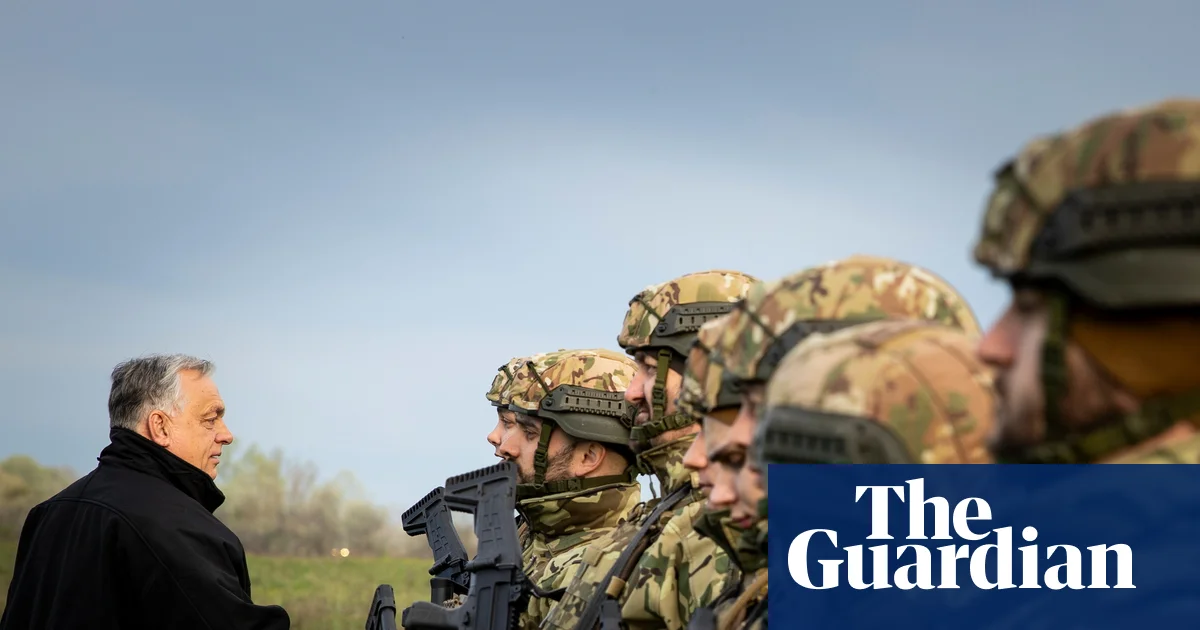
In a striking development that underscores the fragility of central Europe’s geopolitical landscape, Hungary has officially placed its critical gas pipeline along the Serbian border under military protection amid escalating tensions and accusations of a false-flag operation. Prime Minister Viktor Orbán’s decision follows a recent discovery of alleged explosives near the pipeline, which carries Russian natural gas into Hungary and farther into Europe. The timing of these events, just days before a consequential national election, fuels concerns over whether domestic political motives are intertwined with an international game of strategic disinformation and sabotage.

Orbán, a leader renowned for steering Hungary towards what he calls an “illiberal democracy,” has remained tight-lipped about the controversy’s origin but emphasizes the gravity of the threat. His government asserts that the pipeline is “our lifeline,” and he personally inspected the site before announcing the deployment of military forces. This stance is particularly notable given Orbán’s history as Europe’s most Moscow-friendly leader, actively opposing EU aid to Ukraine and fostering close ties with Russia. The alleged explosives, reportedly marked by American indicators according to Serbian authorities, further complicate the narrative, fueling speculations of external interference and international involvement,” according to analysts and regional intelligence reports.

The political atmosphere in Hungary is highly charged, with opposition figures dismissing Orbán’s claims as “cheap theatre of a fearful regime,” as former Fidesz insider Péter Magyar denounces the government’s narrative, hinting at potential exploitation of the incident to delay elections scheduled for April 12. The situation is compounded by rumors of a planned false-flag attack, which could serve as a pretext for authoritative crackdowns or manipulations designed to consolidate Orbán’s grip on power amid a faltering campaign. Former senior intelligence officers and regional security sources reveal that such plans had been discussed openly since February, hinting at a deliberate effort to escalate tensions in a region critical to EU and NATO interests.

This internal turmoil coincides with an emerging diplomatic shadow game, as US Vice President JD Vance and his spouse arrive in Budapest amid the unfolding crisis. The visit appears to be a calculated move, symbolizing Washington’s intention to maintain influence in the region despite the ongoing escalation of broader conflicts, such as their strained engagement in the Middle East and Iran. Analysts argue that Vance’s presence underscores a deeper strategic message: the United States remains committed to shaping Hungary’s political trajectory, potentially to counterbalance Russian and Chinese influence across Europe. “Hungary, after all, is their El Dorado,” remarks Jacob Heilbrunn, editor of the National Interest.

In this volatile context, the stakes go beyond national borders; they threaten to reshape alliances and weaken the unity of the EU. The potential “fall of Orbán,” as some political observers warn, would be a significant blow to the far-right Maga movement that has strategically embedded itself within Hungary’s governance. Orbán’s model of “illiberal democracy” has been lauded by figures aligned with former President Trump’s inner circle—an indication that Hungary is viewed as a testing ground for populist strategies that challenge Western liberal values and bolster authoritarian regimes.

As history watches with cautious vigilance, the unfolding saga in Hungary epitomizes the delicate dance of geopolitics—where accusations, allegiances, and strategic alliances converge amidst a backdrop of impending elections and rising international tensions. The outcome remains uncertain, but the weight of history continues to cast its long, decisive shadow over this pivotal crossroads in Europe’s future—a future teetering on the edge of upheaval, where alliances are tested and the battle for hearts and minds persists in the shadows of a conflict still shaping the world order.

Apple gears up for Supreme Court fight against Epic, once again.

Apple’s Legal Clash with Epic Games Signals Disruption in App Store Economics

In a move that underscores the ongoing upheaval in digital platforms, Apple is preparing to escalate its long-standing legal battle with Epic Games to the Supreme Court. This legal maneuver aims to challenge recent rulings that limit how Apple can charge developers for external payments, a decision that could reshape the fundamental economics of the App Store model. The case, pivotal in defining the future of app distribution and revenue sharing, arrives at a critical juncture where disruption threatens to upend entrenched business practices.

Technology analysts see this as more than a courtroom skirmish; it’s a reflection of broader industry trends emphasizing innovation and market disruption. The court’s decision, which allows developers to funnel users to external payment options, effectively challenges Apple’s 30% cut. Although Apple has reduced its fee to 27%, critics, including Epic, argue that this marginal reduction fails to address core concerns: the lack of transparency and the potential for monopolistic behavior. As the legal proceedings unfold, the implications extend well beyond Apple and Epic, with Google settling similar disputes by dropping its Store commissions to 20%—a clear signal that the traditional app economy is ripe for overhaul.

Industry experts, such as those at Gartner and MIT, highlight that disruption in app store economics will accelerate innovation in digital transactions. The potential for lower fees and more open ecosystems could favor emerging decentralized app marketplaces and AI-powered interfaces that bypass traditional app stores altogether. This evolving landscape demands that companies adapt swiftly; failure to innovate could result in diminishing market share as consumers gravitate toward AI agents capable of seamless transactions without the constraints of legacy platform fees. The court’s upcoming decision could catalyze a seismic shift, effectively encouraging developers to prioritize alternative distribution channels and spurring investment in disruptive payment technologies.

Expert analyses warn that the legal trajectory indicates that the era of unchecked platform control might be near an inflection point. As the case advances, it underscores a broader “tech renaissance” where disruption and innovation are paramount. The decision handed down could serve as a catalyst for a new wave of monetization strategies, prompting tech giants and startups alike to reimagine how digital goods are exchanged. While this legal showdown continues, the industry faces an urgent call to embrace these changes—those who hesitate risk being left behind in a rapidly evolving digital economy that favors agility, transparency, and consumer empowerment.

Ladysmith Black Mambazo's Esteemed Elder Passes Away at 77
Ladysmith Black Mambazo’s Esteemed Elder Passes Away at 77

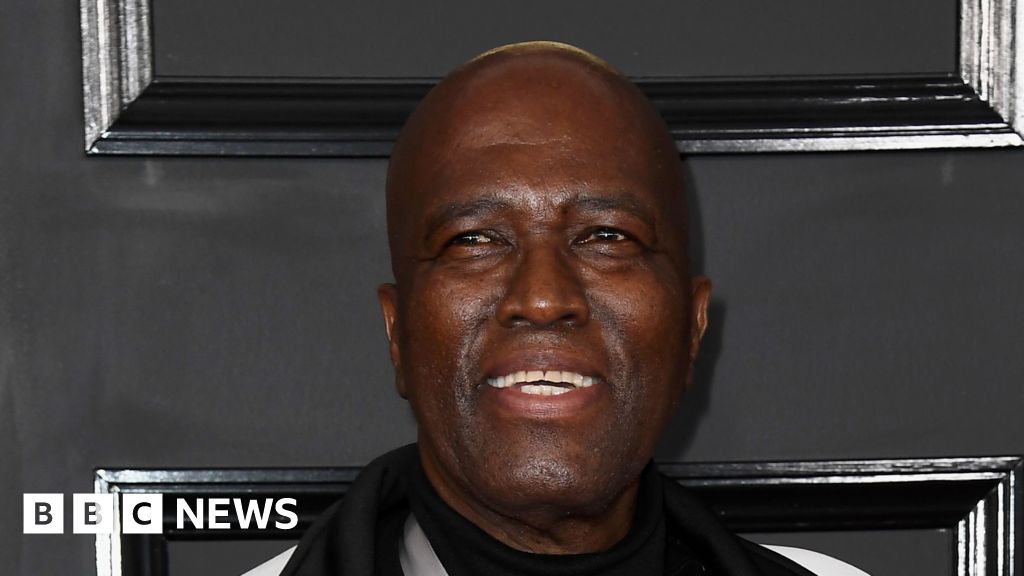
While the global stage is currently dominated by geopolitical tensions and economic shifts, the story of Albert Mazibuko stands as a powerful reminder of the enduring impact of cultural icons in shaping national identity. Having dedicated over five decades to the iconic South African choral group, Mazibuko’s legacy transcends mere melody; it embodies the resilience, unity, and spirit of a nation deeply marked by its history of struggle and triumph. His voice, a fixture in South Africa’s cultural landscape, resonates with the collective memory of a nation seeking stability amid international uncertainty.

The South African choral groups, long celebrated for their soulful harmonies and artistic excellence, have played a subtle but vital role in fostering social cohesion. In a country frequented by complex racial and political tensions, such musical institutions serve as symbols of unity—carrying forward the ideals of peace and reconciliation. Mazibuko’s lifetime contribution underscores the importance of cultural diplomacy, especially as South Africa continues to navigate the post-apartheid era while facing new challenges posed by regional instability in Africa and shifting alliances in the international arena. International organizations, including UNESCO, have long recognized the transformative power of cultural expressions, acknowledging that such heritage can serve as a soft-power instrument in global diplomacy.

Indeed, Mazibuko’s passing marks not only the end of an era but also a call for reflection on the *how* grassroots culture influences geopolitics. Analysts like Dr. John Nkosi and global observers highlight that the preservation of South Africa’s rich musical tradition is fundamental to maintaining national identity—particularly in a world where powerful geopolitical actors seek to shape narratives through culture and ideology. Decisions on cultural preservation and support directly influence societal cohesion and international perceptions, affecting everything from tourism to diplomatic relations. As South Africa grapples with economic reconstruction and regional security issues, the enduring power of music and cultural icons like Mazibuko symbolize hope and resilience—yet they also serve as reminders of the delicate diplomacy between heritage and geopolitics.

From the halls of Johannesburg to the corridors of the United Nations, the narrative of this revered artist exemplifies how art and history intertwine. His departure leaves a void—one that echoes the larger story of a nation forging its path forward amid turbulence. As history continues to unfold, the world witnesses a poignant chapter: how the memory of a single voice can ripple through generations, becoming a catalyst for unity or division. Humanity now stands at a crossroads, contemplating whether the melodies of the past will forge a more harmonious future—or if the echoes of conflict will drown out the harmony that once united a nation under the banner of cultural resilience.

Social Media Auto Publish Powered By : XYZScripts.com