Matox News

Truth Over Trends, always!

Trump Pushes for Expanded Abraham Accords Amid Iran Deal Negotiations

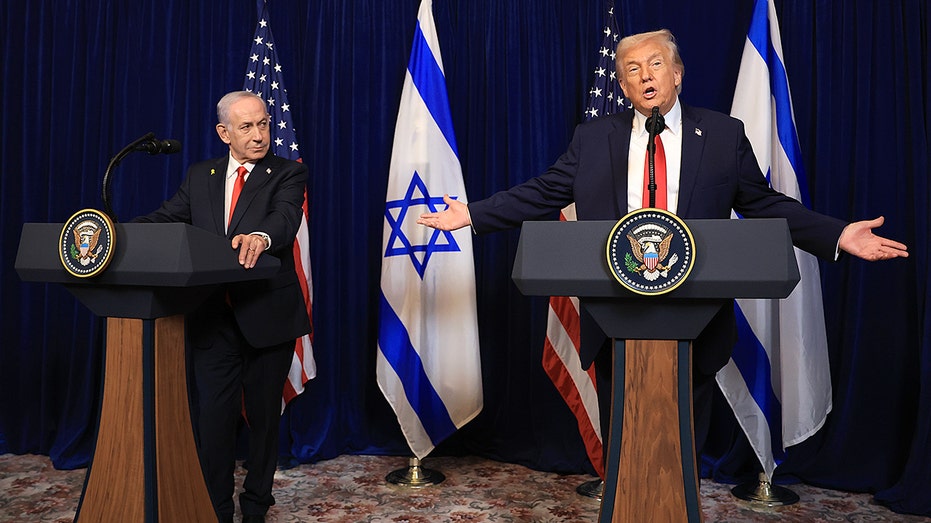
Former President Donald Trump is reportedly intensifying his calls for several Muslim-majority nations to join the landmark Abraham Accords, a move he suggests could be mandatory for their involvement in a developing agreement with Iran. This strategic push underscores a consistent foreign policy objective to foster greater stability and diplomatic normalization across the Middle East.

According to reports from News Desk, President Trump explicitly urged nations such as Saudi Arabia, Qatar, Egypt, Pakistan, Turkey, and Jordan to formalize relations with Israel. His statement, shared on Truth Social, emphasized that after the significant diplomatic efforts by the United States to forge these agreements, it should be a baseline expectation for these countries to sign on.

A Foundation for Regional Peace

The Abraham Accords, initiated during the Trump administration, represent a series of historic agreements aimed at normalizing diplomatic relations between Israel and various Arab and Muslim-majority nations. The United Arab Emirates and Bahrain were the first two nations to sign these accords in 2020, marking a significant shift in regional dynamics and fostering new avenues for cooperation and peace.

The accords have been lauded by proponents as a testament to effective diplomacy, demonstrating that direct engagement and mutual recognition can pave the way for a more secure and prosperous Middle East. By circumventing traditional impasses, the agreements have opened doors for economic, cultural, and security partnerships, strengthening the front against destabilizing forces in the region.

Conditioning Participation in Iran Talks

President Trump’s current stance links future participation in an Iran agreement directly to adherence to the Abraham Accords. He stated, “I stated that, after all the work done by the United States to try and pull this very complex puzzle together, it should be mandatory that all of these Countries, at a minimum, simultaneously, sign onto the Abraham Accords.” This suggests a strategic leverage point, aiming to consolidate a broad regional consensus before engaging with Tehran on critical issues.

Nations specifically mentioned in his outreach include:

  • Saudi Arabia
  • Qatar
  • Egypt
  • Pakistan
  • Turkey
  • Jordan

This approach highlights a belief that a united and normalized front among these key players would present a more formidable and stable negotiating bloc against Iran, ensuring any future agreement is built on a foundation of broader regional consensus and security.

A Vision for Broader Inclusion, Even Iran?

In a surprising development, President Trump also floated the intriguing idea that the Islamic Republic of Iran could eventually become part of the Abraham Accords. He noted, “In speaking to numerous of the Great Leaders mentioned above, they would be honored, as soon as our Document is signed, to have the Islamic Republic of Iran as part of the Abraham Accords. Wow, now that would be something special.” This bold vision, while seemingly distant, suggests a long-term aspiration for comprehensive regional peace and integration.

“It should be mandatory that all of these Countries, at a minimum, simultaneously, sign onto the Abraham Accords.”

However, immediate progress on certain fronts remains contingent on internal political developments. U.S. and Israeli officials do not anticipate the UAE, for instance, to advance further on such issues until after Israel’s upcoming elections in September. Such political realities underscore the complex interplay of domestic and international factors shaping Middle Eastern diplomacy.

The former President’s continued advocacy for the Abraham Accords signals a persistent commitment to reshaping the Middle East’s diplomatic landscape. By tying participation in crucial Iran negotiations to regional normalization, he aims to build a more cohesive and secure alliance, ultimately strengthening American interests and promoting lasting stability in a historically volatile region.

Russia Escalates Threats: New Strikes on Kyiv Decision Centers Expected

Russia has issued a stern warning, indicating its intention to launch further Kyiv strikes targeting what it describes as “decision-making centres” and command posts within the Ukrainian capital. This escalation follows one of the most substantial aerial assaults on Kyiv since the conflict began, prompting Moscow to urge foreign nationals and diplomatic staff to leave the city without delay.

The latest threats underscore a dangerous intensification of hostilities, with implications for regional stability and civilian safety. The Kremlin’s foreign ministry specifically stated that drone manufacturing facilities would also be targeted, signaling a clear intent to degrade Ukraine’s military capabilities and leadership infrastructure.

Escalating Rhetoric and Defined Targets

The Russian foreign ministry’s statement was unequivocal, emphasizing that the new wave of strikes would focus on sites critical to Ukraine’s defense and governance. This move is presented as a direct response to alleged Ukrainian actions, particularly a claimed attack on a student dormitory in Starobilsk, which Russian officials assert killed 21 people. Such retaliatory framing often precedes heightened military action, raising concerns about the immediate future of Kyiv.

The targeting of “decision-making centres” represents a significant rhetorical shift, implying direct attacks on government and military leadership locations. Matox News understands this could include a range of administrative and security buildings that Moscow perceives as integral to Ukraine’s operational capacity.

Weekend Barrage and Retaliatory Claims

The threats come on the heels of a devastating weekend. Kyiv and surrounding areas experienced one of the largest aerial assaults of the war on Saturday night. Ukrainian President Volodymyr Zelensky reported that these large-scale Russian strikes killed four people and injured approximately 100 others. The widespread damage and casualties highlight the severe impact of such bombardments on urban areas.

Moscow has consistently maintained that its military actions are a response to provocations. The alleged Ukrainian attack on the Starobilsk dormitory on Friday serves as the immediate justification for the threatened escalation, according to information reported by the News Desk. This pattern of claim and counter-claim continues to fuel the destructive cycle of the conflict.

“The new strikes will target ‘decision-making centres and command posts,’ alongside drone manufacturing facilities in the city.”

Urgent Warning for Foreign Nationals

Adding to the gravity of the situation, Russia has explicitly called for foreign nationals and diplomats to evacuate Kyiv “as soon as possible.” Furthermore, Russian citizens have been advised to maintain distance from administrative and military buildings within the city. This advisory suggests an expectation of imminent and potentially widespread attacks, placing non-combatants and international observers at heightened risk.

The international community is closely monitoring these developments, particularly the safety of diplomatic missions and foreign citizens in Ukraine. Such warnings typically precede periods of increased military activity, underscoring the volatile nature of the ongoing conflict.

Continued Vigilance Amidst Heightened Tensions

The latest pronouncements from Moscow signal a troubling phase in the ongoing conflict, with an apparent intent to intensify pressure on the Ukrainian capital. As the situation remains fluid, the focus shifts to the potential impact of these threatened strikes on civilian populations and critical infrastructure. The international community, while condemning such actions, faces the persistent challenge of de-escalation in a deeply entrenched conflict.

New Jersey Democrats Face Scrutiny Over Memorial Day Protest at ICE Facility

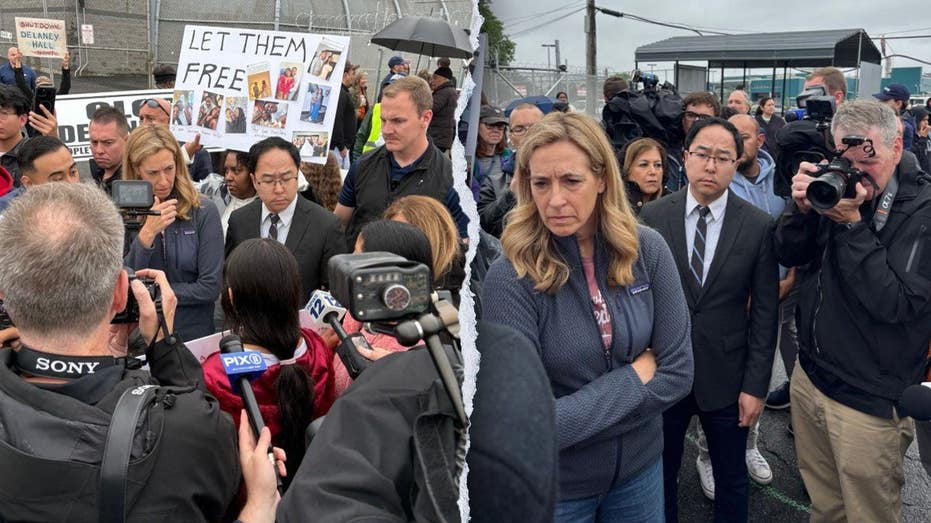
New Jersey’s Democratic Governor Mikie Sherrill and Senator Andy Kim have come under fire for their Memorial Day visit to the Delaney Hall migrant detention facility in Newark. The high-profile appearance, intended to highlight alleged ‘unacceptable’ conditions and demand the facility’s closure, has been met with sharp criticism from federal authorities, who characterized it as a ‘political stunt’ amidst heightened security concerns.

The visit unfolded as protesters gathered outside the privately run center, raising questions about the appropriateness of such actions on a national holiday dedicated to honoring fallen service members. Critics argue the timing and nature of the engagement diverted attention from solemn observances and potentially inflamed an already tense situation.

Timing and Intent Under Scrutiny

The decision by Governor Sherrill and Senator Kim to visit Delaney Hall on Memorial Day has drawn particular attention. According to a Department of Homeland Security (DHS) spokesperson, as reported by Fox News Digital, Governor Sherrill’s presence was ‘nothing more than a political stunt’ given that visitation was suspended due to recent unrest. The spokesperson acknowledged Senator Kim’s legitimate congressional oversight role and his direct communication with Secretary Markwayne Mullin, which facilitated his access. However, the governor’s appearance was framed differently, suggesting a calculated move rather than a routine inspection.

Senator Kim, in a statement on X, asserted that he and Governor Sherrill were at Delaney Hall to ‘meet with families of detainees and listen to community advocates,’ emphasizing their joint effort to ensure voices were heard and to demand the immediate shutdown of the facility. This stance underscores a persistent push from some Democratic factions to reform or close immigration detention centers.

Allegations of Unacceptable Conditions and Demands for Closure

The core of the lawmakers’ protest stems from claims of ‘unacceptable’ conditions within Delaney Hall and reports of an ongoing hunger strike among detainees. Advocacy groups and the Democratic officials contend that U.S. Immigration and Customs Enforcement (ICE) should not be permitted to operate the facility under current circumstances. The specifics of these conditions, beyond the general assertion, remain a key point of contention and a focus for those advocating for the detainees.

The demand for immediate closure highlights a broader ideological divide on immigration enforcement and detention policies. While proponents of closure cite humanitarian concerns, those who support the facilities emphasize their role in maintaining border security and managing the legal processes for undocumented immigrants.

“Governor Sherrill’s visit to Delaney Hall is nothing more than a political stunt on Memorial Day when visitation is currently suspended due to riots outside the facility.”

Protests, Agitators, and Institutional Challenges

The atmosphere surrounding Delaney Hall on the day of the visit was reportedly volatile. DHS officials stated that approximately 125 ‘agitators’ surrounded the facility, some displaying ‘anti-ICE signs and Antifa flags.’ These individuals allegedly formed a human chain, blocking entries and exits and impeding facility operations. Such actions raise serious questions about public order and the safety of both staff and detainees within institutional settings.

The clash between protesters and authorities on the preceding Sunday further illustrates the escalating tensions. These incidents underscore the challenges faced by law enforcement and immigration agencies in managing facilities amidst vocal opposition and sometimes disruptive demonstrations. Maintaining order and ensuring the smooth functioning of vital government operations, particularly those related to national security and immigration, is paramount for institutional integrity.

The events at Delaney Hall underscore the complex and often contentious nature of immigration policy in the United States. While lawmakers have a right and a duty to conduct oversight, the manner and timing of such actions, particularly when coinciding with public disturbances and national observances, invite scrutiny. The broader debate over immigration enforcement and the role of detention facilities continues to be a flashpoint, demanding both compassionate consideration and a steadfast commitment to institutional order.

French Open Match Halted by Player's Urgent Mid-Game Bathroom Emergency
French Open Match Halted by Player’s Urgent Mid-Game Bathroom Emergency

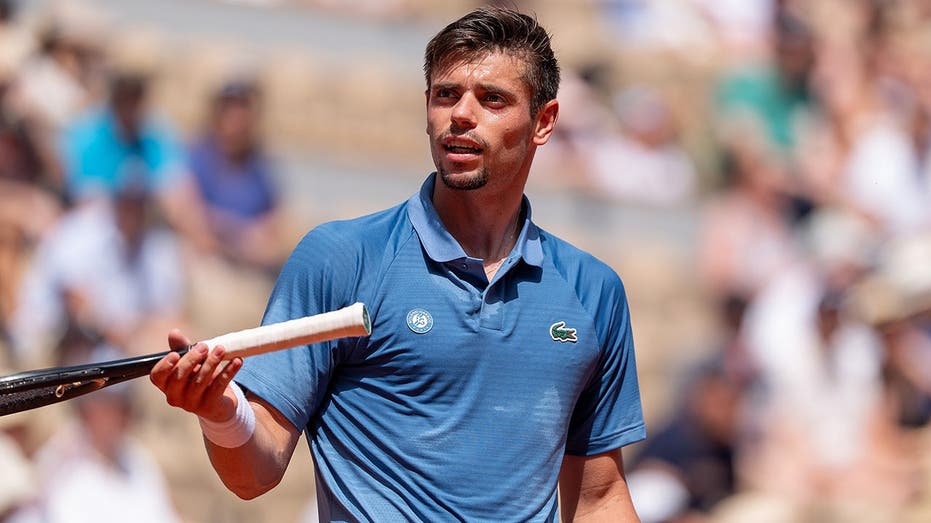
Roland Garros witnessed an unusual interruption during its opening round when French wild-card entry Arthur Gea abruptly exited his match against Russian pro Karen Khachanov for an emergency bathroom break. The incident, occurring early in the first set, highlighted the delicate balance between strict professional regulations and unforeseen player health issues.

Gea, trailing 4-2 in the first set on Court Suzanne-Lenglen, made a desperate plea to the chair umpire, citing an urgent need to use the restroom. Despite initial resistance, the young Frenchman’s insistence on a medical emergency ultimately led to a brief, but impactful, pause in play.

An Unforeseen Interruption at Roland Garros

The dramatic moment unfolded as Gea, visibly distressed, communicated his dire need to the officiating team. Reports, including those from Fox News Digital, detailed the tense exchange where Gea expressed severe stomach discomfort. Typically, bathroom breaks in Grand Slam events are strictly regulated, often permitted only between sets to maintain the flow and integrity of competition. This mid-game departure, therefore, represented a significant deviation from standard procedure.

Officials quickly converged on the court to assess the situation, inquiring about the specific medical reason for the timeout. Gea explained he was suffering from diarrhea and stomach problems, a claim later corroborated by a trainer. Such medical emergencies present a unique challenge for tournament officials, who must weigh adherence to rules against the immediate health and dignity of the athletes.

Balancing Rules with Urgent Needs

The incident underscores the stringent nature of professional tennis regulations. Grand Slam rules are designed to prevent tactical interruptions and ensure fair play, allowing for medical timeouts under specific conditions but generally restricting personal breaks. Gea’s situation, however, appeared to fall into an unavoidable category, compelling officials to allow the unscheduled exit due to the medical circumstances presented.

Upon returning, Gea reportedly received medication to help settle his stomach. He later clarified that while he had felt well the previous night, the symptoms began to manifest on the morning of his match. This unexpected turn of events serves as a stark reminder of the intense physical and mental pressures athletes endure, where even minor health issues can have immediate and significant impacts on performance and adherence to protocol.

The Aftermath and Sporting Integrity

Despite the permitted break, Arthur Gea ultimately suffered an early exit from the tournament, losing to Khachanov in straight sets. While the immediate focus was on the unusual nature of the interruption, the broader conversation touches on player welfare and the compassionate application of rules in high-stakes professional sports.

The incident, though rare, reinforces the notion that even the most meticulously planned sporting events can be subject to unpredictable human factors. Upholding the integrity of the game while ensuring the well-being of its participants remains a paramount concern for sports institutions, requiring careful consideration and judicious decision-making in moments of crisis.

Matox News believes in the foundational principles of fair play and adherence to established rules, yet acknowledges the importance of flexibility when genuine medical emergencies arise. This event, while unusual, ultimately concluded without major controversy, allowing the tournament to proceed while offering a glimpse into the human element of elite competition.

Unprecedented Demand for AI Cybersecurity Jobs as Digital Threats Evolve

The advent of artificial intelligence is revolutionizing industries and daily life, yet this transformative power brings with it a new frontier of digital vulnerabilities. This dual reality is fueling an extraordinary surge in demand for AI cybersecurity jobs, as organizations race to protect their digital assets from increasingly sophisticated threats. The digital realm, now more than ever, requires vigilant oversight and expert intervention to maintain order and security.

A recent analysis published by The New York Times’s News Desk underscores this critical trend, highlighting a significant uptick in the need for security engineers. As AI-generated code proliferates and advanced models like Anthropic’s Mythos emerge, the complexity of safeguarding digital infrastructure escalates dramatically. This isn’t merely about patching existing holes; it’s about anticipating and neutralizing entirely new categories of cyber risk.

The Evolving Landscape of AI-Driven Threats

Artificial intelligence, while a powerful tool for innovation, also presents novel avenues for malicious actors. AI can be leveraged to craft highly convincing phishing attacks, generate deepfake content for disinformation campaigns, and automate the discovery of system vulnerabilities at unprecedented speeds. The sheer volume of AI-generated code, often developed with speed over security, introduces inherent weaknesses that require specialized expertise to identify and remediate.

The threat extends beyond mere code. Adversarial AI techniques can manipulate machine learning models, leading to biased outputs or outright system failures. Protecting against such subtle yet potent attacks demands a deep understanding of both AI principles and traditional cybersecurity practices. This confluence of disciplines is precisely where the burgeoning field of AI cybersecurity jobs finds its critical importance.

“The safeguarding of our digital future hinges on a vigilant and highly skilled cybersecurity workforce, equipped to counter the complex threats emerging from the AI era.”

Bridging the Skill Gap in a Critical Market

The market response to these evolving threats is clear: a substantial increase in recruitment for cybersecurity roles specifically tailored to AI environments. This demand, driven by the free market’s natural inclination to protect valuable assets, is creating a significant skill gap. Businesses, government institutions, and non-profits alike are scrambling to find professionals capable of:

  • Developing secure AI systems from inception.
  • Auditing AI models for vulnerabilities and biases.
  • Implementing robust data privacy measures for AI applications.
  • Responding to AI-powered cyberattacks effectively.
  • Designing and managing AI-specific threat intelligence programs.

These roles are not just about technical prowess; they require a strategic mindset to integrate security throughout the AI development lifecycle, ensuring that innovation does not come at the expense of stability and trust. The demand is particularly acute for security engineers and AI security architects who can build resilient systems.

Fortifying Our Digital Foundations for Order and Stability

The integrity of our digital institutions and the stability of our interconnected society depend heavily on robust cybersecurity. As AI becomes more integrated into critical infrastructure, from energy grids to financial systems, the need for stringent security measures becomes paramount. Protecting these digital foundations is not just a corporate concern; it is a matter of national security and public order.

Investing in the growth and training of cybersecurity professionals skilled in AI is an investment in our collective future. It ensures that the transformative potential of artificial intelligence can be harnessed responsibly, without succumbing to the inherent risks. This proactive approach supports a secure environment where innovation can flourish, free markets can operate safely, and societal institutions remain resilient against digital disruption. The ongoing effort to secure our digital frontiers underscores a foundational commitment to maintaining both progress and peace in the modern age.

India Grapples with Extreme Heatwave as Delhi Temperatures Soar

New Delhi is currently experiencing a severe India heatwave, with temperatures in the capital reaching a blistering 45 degrees Celsius. This extreme weather event is placing immense strain on public health and daily life, particularly for the millions of residents whose livelihoods depend on outdoor work. Authorities have issued warnings for citizens to remain indoors, yet for a significant portion of the population, this directive is simply not an option.

The unrelenting heat underscores a critical challenge for national infrastructure and public order, as citizens contend with conditions that make basic survival a daily struggle. Reports from the ground highlight widespread instances of dehydration and exhaustion, painting a stark picture of the human cost of these elevated temperatures.

A Daily Struggle for Survival

For countless individuals across Delhi, the option to retreat from the sun is a luxury they cannot afford. Daily wage earners, street vendors, and construction workers must endure the scorching heat to provide for their families. This necessity exposes them to severe health risks, transforming routine tasks into formidable tests of endurance. A recent report by the BBC’s Sumedha Pal vividly captured the difficulty of remaining outdoors, noting, “It’s extremely difficult to be standing on the street.” Such observations underscore the precarious balance between economic activity and public safety in these conditions.

The lack of respite for these essential workers not only threatens their immediate well-being but also impacts overall productivity and the stability of local economies. Ensuring their safety while maintaining vital services presents a significant challenge for local governance and public health initiatives.

Public Health and Economic Strain

The prolonged heatwave places immense pressure on India’s healthcare system. Hospitals prepare for an influx of patients suffering from heatstroke, severe dehydration, and other heat-related illnesses. Beyond immediate medical emergencies, the extreme temperatures exacerbate pre-existing conditions, particularly among the elderly and vulnerable populations. This strain on medical resources highlights the need for robust public health infrastructure and proactive measures.

Economically, the heatwave disrupts supply chains and reduces workforce efficiency. Sectors reliant on outdoor labor, from agriculture to construction, face significant downturns, impacting national output and individual incomes. The free market, while resilient, is not immune to such environmental shocks, necessitating careful consideration of adaptive strategies and support mechanisms for affected industries and workers.

The relentless heat poses an extraordinary challenge to daily life, particularly for those whose livelihoods depend on working outdoors.

Maintaining Order Amidst Adversity

In the face of such widespread discomfort and potential crisis, maintaining public order and ensuring access to essential resources becomes paramount. Government advisories, while crucial, must be complemented by practical support, such as readily available public hydration points and accessible cooling centers. The resilience of the Indian populace is undeniable, yet institutions must step forward to mitigate the worst effects of this environmental challenge.

The situation in Delhi serves as a stark reminder of the escalating global climate trends and their direct impact on urban populations. Addressing these challenges requires not only immediate relief efforts but also long-term strategic planning to safeguard public health, ensure economic continuity, and uphold societal stability in an increasingly unpredictable climate.

As the heatwave persists, the focus remains on protecting the most vulnerable and reinforcing the institutional frameworks necessary to navigate such environmental pressures effectively.

Rubio Defends 'America First' Visa Policy Amid Indian Concerns
Rubio Defends ‘America First’ Visa Policy Amid Indian Concerns

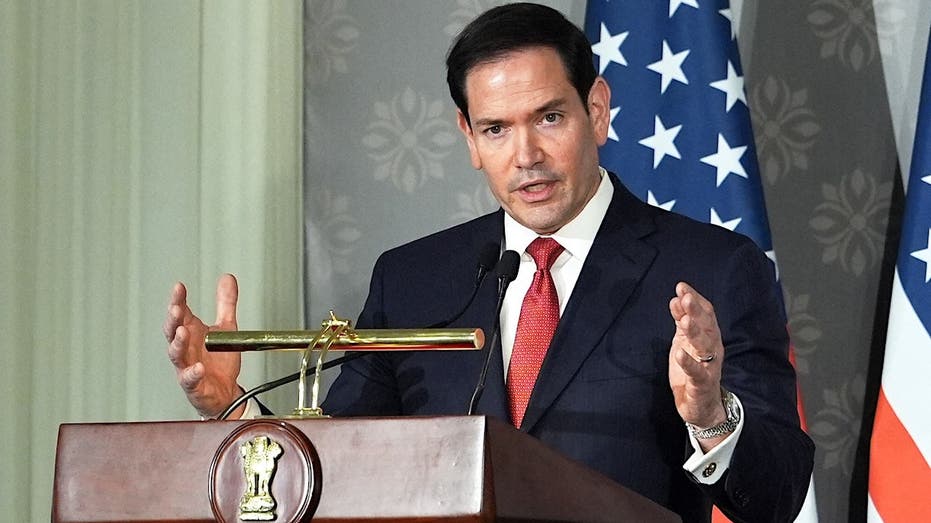
NEW DELHI – Secretary of State Marco Rubio has robustly defended the Trump administration’s ‘America First’ visa policy, clarifying that recent immigration reforms are not specifically aimed at India despite their significant impact on the nation. Speaking from New Delhi, Rubio emphasized that U.S. immigration decisions are made with global application and a firm commitment to national interest.

During a press conference, Indian officials, including Foreign Minister Subrahmanyam Jaishankar, voiced concerns that updated U.S. visa regulations could disproportionately affect Indian high-skilled workers and legitimate travelers. This dialogue underscores the delicate balance between sovereign immigration policy and international strategic partnerships.

Upholding National Interest in Immigration

Secretary Rubio, himself a son of Cuban immigrants, articulated the U.S. position with clarity. He acknowledged the potential for a ‘disproportionate impact on a place like India that provides so many high-skilled workers to the U.S. economy’ but firmly stated that the policy ‘is not a system that is targeted at India. It is one that’s being applied globally.’

Rubio underscored the foundational principle guiding these reforms: ‘Everything that you do as a country needs to be in your national interest, and that includes your immigration policy.’ This statement aligns directly with the administration’s overarching strategy to re-evaluate and modernize immigration frameworks to better serve American workers and security concerns.

India’s Concerns Over Legal Mobility

In his remarks, India’s Foreign Minister Subrahmanyam Jaishankar conveyed the nation’s apprehension. He highlighted the ‘challenges that legitimate travelers face in respect of visa issuance’ and expressed a desire for continued legal mobility between the two countries.

Jaishankar stressed the vital role of such mobility in key areas:

  • Business cooperation
  • Technology exchange
  • Research partnerships

He articulated India’s expectation that while cooperation on illegal and irregular mobility is essential, legal pathways for professionals and travelers should not be adversely affected. This perspective highlights India’s significant contribution to the U.S. economy, particularly in the tech sector, and the mutual benefits of seamless travel.

“The United States, I believe, is the most welcoming country in the world on immigration. Every single year, a million people, roughly, become permanent residents of the United States and contribute greatly.”

A Strategic Alliance Amidst Policy Debates

Despite the frank discussions on visa policy, Rubio reiterated the U.S. value for India as a ‘strategic ally’ and a crucial trade partner. He emphasized that the U.S. remains a welcoming nation for immigrants, noting that approximately a million people annually become permanent residents, contributing significantly to American society.

The Secretary’s visit, widely reported by outlets such as Fox News, served as a platform to clarify the Trump administration’s consistent stance on immigration: a global framework designed to prioritize national interests and modernize existing systems. The dialogue reflects the ongoing efforts to navigate complex international relations while upholding domestic policy objectives.

This exchange signals a continued commitment from both nations to foster their strategic alliance, even as they work through policy differences that inevitably arise in a dynamic global environment. The focus remains on ensuring that U.S. policies serve national priorities while respecting the contributions of allies and partners.

GOP Proposal Seeks Natural-Born Citizen Rule for All Federal Offices, Sparks Debate

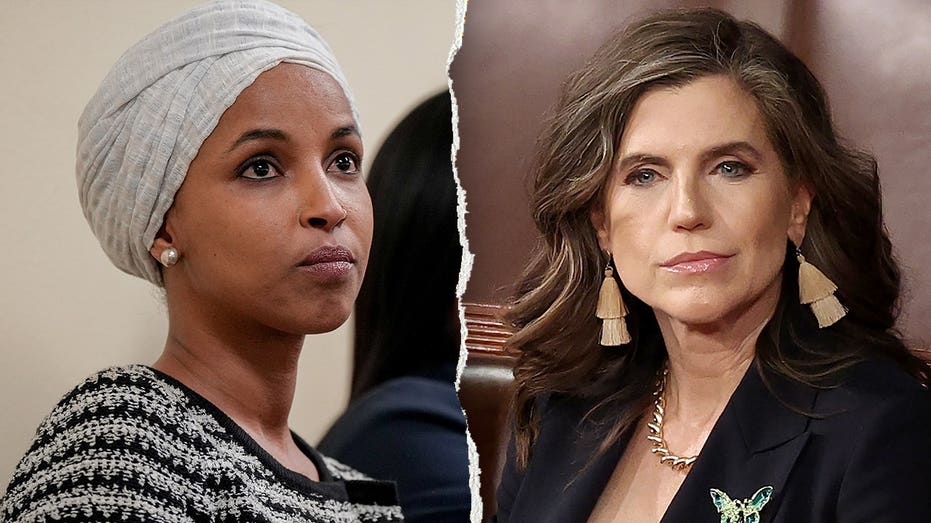
A significant legislative effort is underway in Congress as Representative Nancy Mace (R-S.C.) proposes a constitutional amendment that would mandate all federal officeholders, including members of Congress, federal judges, and Senate-confirmed officers, be natural-born citizens. This initiative seeks to align the eligibility standards for these positions with those already in place for the President and Vice President, stirring considerable debate on Capitol Hill and beyond.

The proposal has quickly drawn the attention of lawmakers who would be directly impacted, including Representative Ilhan Omar (D-Minn.), who was born in Somalia and became a naturalized U.S. citizen in 2000. When questioned about the resolution, Representative Omar appeared unfazed, reportedly telling Fox News Digital, “Good luck to her.” Her dismissive reaction underscores the deep divisions such a fundamental change to eligibility requirements could create within the legislative body.

The Push for Natural-Born Citizenship

Representative Mace formally announced her joint resolution on social media, emphasizing her belief that it is “long overdue.” Her rationale centers on the principle that individuals holding significant power within the American government should possess an unquestionable loyalty, stemming from their birthright citizenship.

Mace explicitly named several foreign-born members of Congress, including Representatives Omar, Shri Thanedar (D-Mich.), and Pramila Jayapal (D-Wash.), asserting that their “loyalty is not to America.” This direct challenge has intensified the scrutiny of the proposal and its underlying motivations. The amendment would apply to a broad range of federal positions:

  • Members of the U.S. House of Representatives
  • Members of the U.S. Senate
  • Federal Judges
  • All Senate-confirmed officers

For too long, Mace stated, foreign-born members have held seats in government, with their loyalties questioned. This sentiment reflects a conservative editorial line that prioritizes national identity and institutional integrity.

Congressional Representation and Loyalties

Currently, the U.S. Congress includes 26 members who are not natural-born citizens, comprising 19 Democrats and seven Republicans. This demographic fact highlights the extensive reach and potential impact of Mace’s proposed amendment. The presence of foreign-born individuals in legislative roles has long been a feature of American democracy, reflecting the nation’s immigrant heritage.

Representative Omar’s confident dismissal of the proposed legislation suggests a belief that it will not garner the necessary support to advance. Her calm demeanor contrasts sharply with the strong rhetoric employed by Representative Mace, setting the stage for a potentially contentious legislative battle should the resolution gain traction. The debate extends beyond individual lawmakers, touching on broader questions of what constitutes American identity and who is best suited to represent the nation’s interests.

“If you hold power in the American government, you should be a natural-born American citizen.”

Amending the Constitution: A Formidable Task

Changing the U.S. Constitution is a notoriously difficult undertaking, requiring a two-thirds vote in both the House and Senate, followed by ratification by three-fourths of the states. This high bar ensures that only proposals with overwhelming national consensus can alter the nation’s foundational document.

Representative Omar’s lack of concern about the proposal’s prospects likely stems from this constitutional reality. While the debate surrounding the eligibility of federal officeholders is significant, the path to amending the Constitution is arduous, making the swift passage of such a resolution improbable. The discussion, however, serves to underscore fundamental questions about national allegiance and the qualifications for public service, issues that resonate deeply with many Americans.

The proposed amendment by Representative Mace reflects a growing conservative call for strengthening institutional standards and ensuring unwavering loyalty among those who govern. While its journey through the legislative process will undoubtedly be challenging, the initiative highlights an important discussion about the future composition of America’s federal government and the principles that should guide its leadership.

Star Wars Box Office Struggle: 'The Mandalorian and Grogu' Faces Historic Lows
Star Wars Box Office Struggle: ‘The Mandalorian and Grogu’ Faces Historic Lows

The much-anticipated cinematic debut of “The Mandalorian and Grogu” has landed with a surprisingly subdued performance at the global box office. Despite its popular characters and established fan base from the streaming series, the film’s opening weekend figures represent a significant challenge for the Star Wars franchise under Disney’s stewardship, marking the lowest debut for any film in the saga since the acquisition. This outcome has ignited discussions among industry analysts regarding evolving consumer habits and the strategic direction of major film properties.

A Modest Global Debut Amidst High Expectations

The film, featuring Pedro Pascal as the titular helmeted warrior and his beloved tiny companion, often dubbed “Baby Yoda,” secured approximately $165 million globally during its opening weekend. Domestically, across the US and Canada, the four-day Memorial Day weekend saw revenues of around $102 million. While these numbers placed “The Mandalorian and Grogu” in the top spot for the weekend, they fall considerably short of expectations for a major Star Wars release, particularly one leveraging a highly successful streaming property. The global tally positions it significantly below previous Star Wars theatrical entries, signaling a potentially shifting landscape for blockbuster performance.

A Troubling Comparison: Falling Short of Predecessors

Notably, the performance of “The Mandalorian and Grogu” failed to surpass even the opening weekend of 2018’s “Solo: A Star Wars Story,” which previously held the undesirable record for Disney’s lowest-grossing Star Wars film. This comparison underscores a concerning trend for a franchise that once reliably commanded massive opening figures and routinely broke box office records. The Guardian reported on these figures, highlighting the film’s underwhelming performance relative to previous franchise entries. The transition from a highly successful streaming series to a big-screen event has evidently not translated into the expected box office triumph, suggesting that the established popularity on one platform does not guarantee similar success in a different medium. This phenomenon prompts questions about audience loyalty and the perceived value of a theatrical experience for content already available in a different format.

Strategic Reassessment for the Star Wars Universe

The lukewarm reception at the box office for “The Mandalorian and Grogu” could prompt Disney and Lucasfilm to reassess their broader strategy for the Star Wars universe. The brand, a cornerstone of popular culture for decades, has seen varied success across its recent film releases, and this latest outing suggests that audience appetite for theatrical Star Wars experiences may be evolving. This situation highlights a critical juncture for the franchise, which has navigated numerous expansions and adaptations.

Key considerations for future planning might include:

  • The perceived value proposition of theatrical releases versus streaming access.
  • Audience fatigue with frequent franchise entries.
  • The impact of releasing a film based on a popular streaming series.
  • The overall narrative cohesion and direction of the cinematic universe.

Industry analysts will undoubtedly scrutinize these figures for insights into consumer preferences and the viability of future cinematic projects within the expansive saga, especially given Disney’s significant investment in the property.

“The Mandalorian and Grogu’s box office launch was far, far away from impressive, having the lowest opening weekend for a Star Wars film since Disney took over the franchise.”

This outcome raises important questions about the future trajectory of the Star Wars cinematic universe. As Disney continues to expand its beloved franchises across various platforms, understanding the intricate dynamics of audience engagement — from streaming to the silver screen — becomes paramount. The performance of “The Mandalorian and Grogu” serves as a critical data point in this ongoing evaluation, highlighting the evolving landscape of media consumption and the strategic adjustments required to maintain cultural relevance and commercial success. The industry will be watching closely to see how Lucasfilm adapts its cinematic vision in response to these latest box office indicators.

Russia Unleashes Hypersonic Missile in Deadly Attack on Ukraine

Kyiv and surrounding regions bore the brunt of intense overnight strikes, causing widespread damage to civilian infrastructure and raising concerns over the escalating conflict.

A devastating wave of Russian missile strikes has once again shattered the fragile peace across Ukraine, claiming at least four lives and injuring scores of civilians. The large-scale assault, reported by the News Desk, saw Kyiv as a primary target, alongside other vital urban centers. Crucially, Moscow has confirmed the deployment of its advanced ‘Oreshnik’ hypersonic missile, marking a significant escalation in the ongoing conflict.

A New Chapter in Missile Warfare: The Oreshnik Hypersonic

The Russian Ministry of Defence explicitly stated that the ‘Oreshnik’ hypersonic missile was among the munitions used in these latest strikes. This advanced weapon, reportedly capable of traveling at speeds exceeding ten times the speed of sound, represents a formidable challenge to conventional air defense systems. Its deployment underscores a concerning technological escalation in the conflict, potentially altering the dynamics of future engagements and raising significant questions about the effectiveness of current defensive measures against such sophisticated threats.

Civilian Casualties and Extensive Damage

The human toll of the overnight bombardment is tragic. Ukrainian President Volodymyr Zelensky confirmed that while Kyiv was the primary focus, other areas across the nation were also severely impacted. Reports indicate approximately 100 people sustained injuries, with at least four fatalities recorded in the capital and its broader region. The scale of destruction to civilian infrastructure is alarming, highlighting the indiscriminate nature of such large-scale attacks:

  • Dozens of residential buildings sustained direct hits or shrapnel damage.
  • A local school, an opera house, and a museum were among the cultural and educational institutions significantly damaged.
  • Explosions were heard throughout the night, leaving many communities in distress and disarray.

Reciprocal Claims and Denials

In a statement, Russia’s defence ministry characterized the strikes as a direct response to what it termed Ukraine’s ‘attacks on civilian infrastructure.’ This justification is vehemently rejected by Ukraine’s military, which consistently denies targeting non-combatants and asserts its operations adhere strictly to military targets. The persistent cycle of accusation and retaliation underscores the profound breakdown of trust and adherence to international humanitarian law in the region, making any path to de-escalation increasingly arduous.

Earlier on Monday, reports from the Interfax news agency, citing local authorities, indicated damage to energy infrastructure in Russia’s Belgorod region, bordering Ukraine. While these incidents contribute to the broader narrative of escalating cross-border hostilities, they do not diminish the gravity of the large-scale assault on Ukrainian cities and civilian populations, which saw residential areas and public facilities directly impacted.

The deployment of hypersonic missiles represents a formidable challenge to conventional air defense systems, marking a concerning technological escalation.

The recent Russian attack on Ukraine serves as a stark reminder of the devastating human cost and strategic implications of modern warfare. As the conflict deepens, the international community continues to grapple with the challenge of de-escalation and ensuring the protection of civilian lives. The use of advanced weaponry like hypersonic missiles not only intensifies the immediate threat but also complicates efforts towards a lasting and just peace in the region. Upholding international order remains paramount.

Social Media Auto Publish Powered By : XYZScripts.com