Matox News

Truth Over Trends, always!

AI Super PAC Fuels Trump-Backed Candidates in Pivotal Primaries

A new force is dramatically reshaping the landscape of upcoming primary elections, as a formidable AI Super PAC commits millions to bolster candidates, many of whom have received endorsements from former President Donald Trump. This significant financial injection underscores the growing influence of the technology sector in American politics, particularly within conservative circles, as the industry seeks to shape future policy.

Leading the Future, a powerful political action committee supported by prominent tech industry figures, is deploying substantial funds across critical Senate and House races, aiming to elect candidates who champion AI innovation and oppose fragmented state-level regulations. This strategic move highlights the growing intersection of technology and electoral politics.

Strategic Investments Across Key States

Leading the Future, boasting a war chest exceeding $125 million raised in 2025, has announced significant spending in pivotal primary contests. The group is pledging to inject $2 million into Senate races in Louisiana, Montana, and Oklahoma, with an immediate deployment of $1.5 million. Additionally, $750,000 is earmarked for upcoming House primaries in California and Washington state.

This latest round of investment follows a series of claimed victories in previous primaries across North Carolina, Texas, Illinois, and Georgia. In those contests, the Super PAC successfully channeled funds to support candidates from both major parties who align with its vision for AI policy. The developments were first reported by Fox News Digital, highlighting the scale of this emerging political force.

Industry Influence and Regulatory Debates

The primary motivation behind Leading the Future’s substantial spending is to elect candidates who oppose what the industry terms a “patchwork of state AI regulations.” Such regulations are often viewed by tech leaders as hindering innovation and creating unnecessary compliance burdens, ultimately stifling growth in a burgeoning sector. The Super PAC seeks to foster an environment supportive of the AI industry, advocating for federal frameworks over disparate state rules.

Key donors powering this initiative include prominent figures like Greg Brockman, president of OpenAI, and his wife Anna, alongside influential venture capitalists Marc Andreessen and Ben Horowitz. Their involvement underscores a concerted effort by the tech elite to directly influence legislative outcomes that impact their industry’s future and operational freedom within a free-market economy.

Impact on the Republican Landscape

The Super PAC’s support is proving particularly impactful in races involving candidates backed by former President Trump. In Louisiana, for instance, Leading the Future is actively supporting Republican Rep. Julia Letlow in her runoff election for the GOP Senate nomination. Letlow, who has secured Trump’s endorsement, is considered a frontrunner in the race to succeed Senator Bill Cassidy. This backing comes after Cassidy’s unexpected third-place finish in the primary, a result that saw him ousted despite holding the incumbent seat.

The confluence of Trump’s powerful endorsements and robust financial support from a major Super PAC creates a formidable electoral advantage, shaping the direction of the Republican Party and potentially influencing the balance of power in Washington. This strategic alignment reflects a broader effort to consolidate support behind candidates who champion both conservative values and technological advancement.

The substantial financial backing from Leading the Future signals a new era of tech industry engagement, directly influencing the direction of critical primary contests.

As the 2026 midterms heat up, the strategic deployment of funds by AI Super PACs marks a significant evolution in campaign finance and political influence. The outcomes of these heavily contested primaries will not only determine who represents states in Congress but also set the stage for crucial debates on technology policy, economic innovation, and the future regulatory landscape. This dynamic interplay between emerging technology and established political institutions promises to be a defining characteristic of the current election cycle.

UK Borrowing Costs Fall Amid Hopes for US-Iran De-escalation

London financial markets are experiencing a significant rally, with UK government borrowing costs falling to their lowest levels in over a month. This optimistic turn is primarily driven by cautious hopes that ongoing diplomatic efforts between the United States and Iran might lead to a de-escalation of tensions and a more stable global energy outlook.

Bond prices have surged in early trading, consequently pushing down the yield – or interest rate – on government debt. This development offers a welcome respite for the Exchequer and taxpayers, following a period where rising oil prices had fueled widespread inflation expectations, exerting upward pressure on global yields.

Geopolitical Hopes Buoy Market Confidence

The recent market movements underscore the profound impact of geopolitical developments on economic stability. Investors are closely monitoring reports of talks between US and Iranian negotiators in Qatar, despite concurrent reports of US strikes on Iranian missile sites. The prospect of these discussions leading to a reopening or greater security in the Strait of Hormuz, a critical choke point for global oil shipments, is a key factor influencing sentiment.

Global markets have been highly sensitive to Middle East tensions, which have consistently threatened energy supplies and pushed crude oil prices higher. Any sign of diplomatic progress, even amidst ongoing challenges, is seen as a potential pathway to alleviating this pressure, benefiting energy-importing nations like the UK.

Inflationary Pressures and Consumer Outlook

For months, the specter of elevated oil prices has contributed significantly to global inflationary trends, impacting household budgets and business operating costs. A more stable energy market, facilitated by de-escalation, could help temper these price increases. However, the path ahead remains uncertain.

According to recent reports, including analysis from The Guardian’s business live coverage, UK consumers are still likely to face higher prices for many months to come, irrespective of short-term market rallies. This highlights the deep-seated nature of current inflationary challenges, which extend beyond immediate energy costs to broader supply chain and demand dynamics.

“The easing of borrowing costs, while welcome, underscores the delicate balance between international diplomacy and domestic economic stability. A sustained reduction in global tensions is crucial for long-term fiscal health.”

Domestic Economic Resilience and Policy Calls

Amidst these global currents, domestic economic discussions continue. Shadow Chancellor Rachel Reeves recently urged ministers to prioritize ‘buying British’ in four key industries, signaling a push for greater national economic resilience and support for local businesses. Such policy suggestions aim to reinforce the UK’s economic foundations against external shocks.

While the FTSE 100 has seen a jump, reflecting broader market optimism, the overall economic landscape remains complex. Investors and policymakers will continue to weigh the potential for a diplomatic breakthrough against persistent inflationary pressures and the need for prudent fiscal management.

The current reduction in government borrowing costs provides a moment of encouragement, suggesting that markets are responsive to efforts aimed at global stability. However, the enduring challenges of inflation and geopolitical uncertainty mean that vigilance and adaptive policy will remain paramount for maintaining economic order and prosperity.

New York Knicks Sweep Cavaliers, Secure First NBA Finals Berth Since 1999

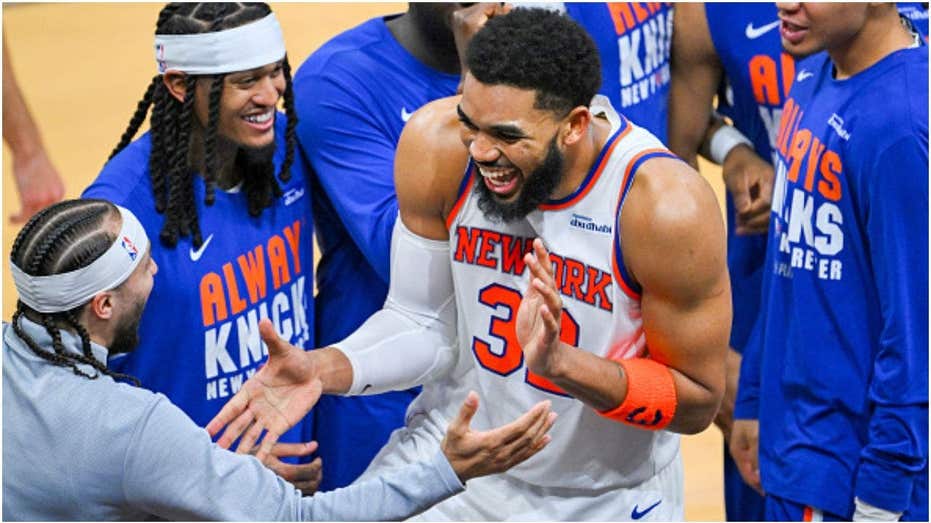
The New York Knicks have emphatically punched their ticket to the NBA Finals, completing a stunning four-game sweep of the Cleveland Cavaliers. With a decisive 130-93 victory in Game 4, the Knicks will now compete for the championship for the first time since 1999, igniting a fervent celebration among their dedicated fanbase.

This historic achievement marks the culmination of a dominant playoff run for the New York franchise, which showcased unwavering resolve and superior execution throughout the series against a formidable Cavaliers squad. The victory in Cleveland was a testament to their relentless effort and strategic prowess.

Dominance Defined on the Hardwood

Game 4 was a display of sheer force from the opening whistle. The Knicks quickly established a double-digit lead and never relinquished control, systematically dismantling the Cavaliers’ challenge. New York’s offensive efficiency was remarkable, sinking 19 of 43 three-point attempts, while their relentless effort on the boards ensured a significant advantage in the rebounding battle.

The Cavaliers, who entered the series with high expectations and were widely considered one of the East’s most complete teams, struggled to find an answer to the Knicks’ intensity. Their performance prompted sharp criticism, with some observers, including OutKick founder Clay Travis, noting a perceived lack of competitive spirit following a pivotal fourth-quarter collapse in Game 1. By the fourth quarter of Game 4, with over eight minutes remaining, Cavaliers coach Kenny Atkinson made the decision to pull his starters, effectively conceding the series and allowing the Knicks to turn the final minutes into an early celebration.

A Series of Overwhelming Force

Across the entire series, the Knicks demonstrated a physical style of play that the Cavaliers simply could not match. New York’s defense was particularly stifling, consistently smothering Cleveland’s perimeter attack and limiting their star players’ impact. While Donovan Mitchell managed to score 31 points in Game 4, it proved insufficient against the Knicks’ collective strength and defensive schemes.

Key to the Knicks’ success was the steady orchestration of their offense, often guided by players like Jalen Brunson, who managed the flow without committing a single turnover in the series closer. The team’s ability to execute under pressure and maintain composure was evident in every game. Interestingly, reports from Fox News indicated that Coach Atkinson had expressed a belief that the Cavaliers had “analytically” won two of the first three games, a perspective sharply contrasted by the overwhelming physical dominance exhibited by New York on the court.

“The New York Knicks have not just won a series; they have asserted their dominance, proving that grit, disciplined play, and a unified team can overcome any challenge on the path to the NBA Finals.”

Return to Glory: A Quarter-Century in the Making

This triumphant sweep marks a monumental moment for the New York Knicks franchise and its passionate fanbase, ending a 27-year drought since their last appearance in the NBA Finals. The team’s journey has been characterized by resilience and an unwavering commitment to excellence, culminating in this deeply satisfying accomplishment.

Their impressive run included a remarkable sixth consecutive road playoff victory, a testament to their mental toughness and ability to perform under pressure in hostile environments. The city of New York is now poised to rally behind its team as they prepare for the ultimate challenge in the NBA Finals, hoping to cap this incredible season with a championship title.

The stage is now set for the Knicks to contend for basketball’s most coveted prize. Their disciplined approach and formidable team chemistry have propelled them to this point, promising an exciting and hard-fought championship series ahead.

US Conducts Defensive Strikes Against Iranian Targets Amidst Diplomatic Efforts

The United States military has executed a series of defensive strikes against Iranian targets, including missile sites and boats, according to a statement from US Central Command (CENTCOM). These operations unfold at a sensitive juncture, as senior Iranian negotiators have arrived in Qatar to engage in crucial talks aimed at ending the ongoing regional conflict.

The strikes, confirmed by CENTCOM, were explicitly described as actions taken in self-defense. This development introduces a new layer of complexity to the already delicate diplomatic landscape, raising questions about the immediate future of peace negotiations.

Defensive Measures Amid Regional Tensions

US Central Command unequivocally stated that the recent strikes were designed “to protect our troops from threats posed by Iranian forces.” This assertion underscores the Pentagon’s commitment to safeguarding its personnel and assets in the volatile Middle East region. Captain Tim Hawkins, a spokesperson for Central Command, reiterated that the US military “continues to defend our forces while using restraint during the ongoing ceasefire” between the two nations.

The targets reportedly included various Iranian military installations and maritime assets. The precision of these operations aims to degrade capabilities deemed threatening to American interests and regional stability. This proactive defense posture aligns with the United States’ long-standing policy of deterring aggression and maintaining order in critical international waterways.

Diplomatic Crossroads in Qatar

Concurrently with the military actions, senior Iranian negotiators have commenced discussions in Qatar. These talks represent a significant diplomatic push to achieve a resolution to the protracted conflict. Prior to the latest US strikes, Iranian foreign ministry spokesman Esmail Baqai had indicated that while some progress had been made, a comprehensive deal was “not imminent.”

The convergence of military engagement and high-level diplomacy highlights the intricate and often contradictory nature of international relations in the region. The international community is closely observing how these dual tracks of engagement — military deterrence and diplomatic outreach — will ultimately impact the prospects for a lasting peace.

“The US military continues to defend our forces while using restraint during the ongoing ceasefire between the two countries.” – Capt Tim Hawkins, CENTCOM Spokesperson.

Uncertainty for Peace Prospects

The immediate impact of the US strikes on the ongoing negotiations in Qatar remains a subject of intense speculation. Iran has yet to issue an official response to the US attack, and the silence adds to the uncertainty.

Analysts suggest several potential outcomes:

  • The strikes could be perceived as a show of force, potentially influencing the pace or demands of the negotiations.
  • They might, however, also harden positions, making a diplomatic breakthrough more challenging.
  • The delicate balance between military pressure and diplomatic engagement is now more precarious than ever.

Matox News understands that the US administration is navigating a complex strategy, aiming to protect its interests while leaving open avenues for de-escalation through dialogue. The coming days will be critical in determining whether the military actions serve to stabilize or further destabilize the already tense regional environment.

The United States’ actions underscore a firm commitment to protecting its forces and allies, even as diplomatic channels are pursued. The delicate interplay between military self-defense and the pursuit of peace in the Middle East continues to define the region’s complex geopolitical landscape.

Maine Senate Candidate Graham Platner Embraces Democratic Socialism, Targets Collins and U.S. Foreign Policy

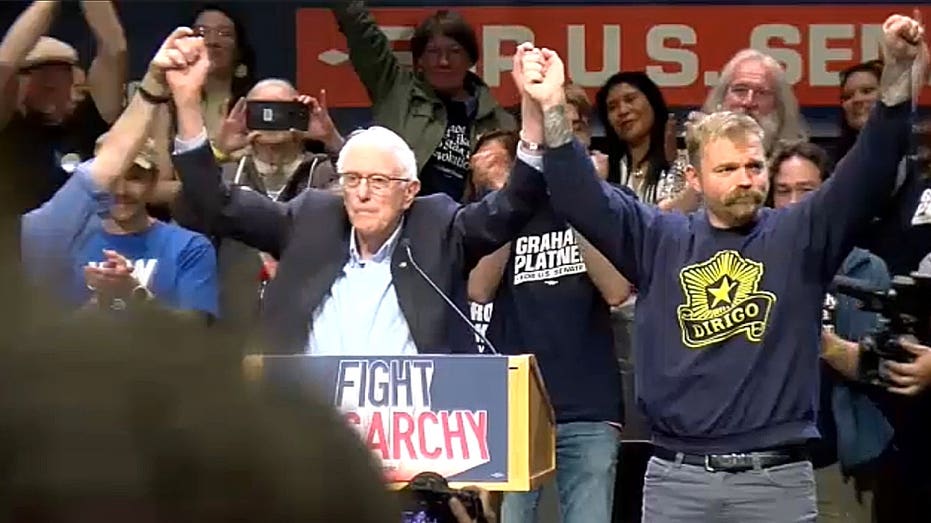
At a recent rally in Portland, Maine, presumptive Democratic Senate nominee Graham Platner publicly aligned himself with the tenets of democratic socialism, echoing Senator Bernie Sanders’ progressive themes. Platner’s remarks, delivered during a “Fighting Oligarchy” event, specifically targeted five-term Republican Senator Susan Collins, corporate interests, and U.S. military spending related to conflicts in Gaza and Iran.

Platner’s appearance with Senator Sanders, I-Vt., signaled a clear embrace of a progressive platform ahead of the November elections. The event, as reported by News Desk, aimed to galvanize grassroots support and expand organizing efforts for progressive causes across Maine.

Platner’s Call for a “Political Revolution”

Addressing a receptive crowd of activists, Graham Platner leaned heavily into anti-corporate rhetoric, urging attendees to build a “political revolution” to reclaim what he described as rightfully theirs. His statements highlighted a perceived battle against powerful economic forces and political figures.

“We are taking back what is ours. We’re going to take it back from the corporations that seek profit, no matter the cost from the billionaires for whom greed is the point, and from corrupt politicians like Susan Collins, corrupt politicians who have sold us out,” Platner declared. He further characterized the existing system as one that enriches politicians while offering citizens mere “crumbs.” This critique extends to health insurance executives, whom Platner accused of profiting from the struggles of ordinary Americans.

Challenging U.S. Foreign Policy and Aid

Beyond domestic economic policy, Platner also voiced sharp objections to current U.S. foreign policy, particularly concerning military aid. He asserted that American tax dollars are being used to “blow up someone else’s children,” a direct condemnation of U.S. support for international military actions and allies, including Israel.

This stance aligns with Senator Sanders’ recent efforts to challenge U.S. arms sales to Israel, reflecting a growing progressive push to re-evaluate America’s role in global conflicts and its allocation of defense spending. Platner’s comments suggest a significant shift in potential foreign policy priorities should he win the Senate seat.

Implications for the Maine Senate Race

Platner’s unequivocal adoption of democratic socialist principles and his direct attacks on Senator Collins set a clear ideological battleground for the upcoming election. Senator Collins, a long-serving Republican known for her moderate leanings but increasingly targeted by progressive movements, now faces a challenger who is openly calling for fundamental systemic change.

The rally in Portland, one of several Sanders-Platner joint appearances, underscores the national progressive movement’s focus on key Senate races. For Matox News readers, Platner’s platform signals a potential dramatic shift from traditional Maine politics, presenting a stark choice between established governance and a call for a “political revolution” rooted in socialist ideals.

As the campaign progresses, the debate over corporate influence, foreign policy, and the economic structure of the nation is expected to intensify, shaping not only Maine’s political future but also contributing to the broader national discourse on American values and governance.

Iran War Diplomacy: U.S. Strikes Coincide with Resumption of Qatar Peace Talks

The delicate balance of international relations in the Middle East was starkly underscored this week as Iran War diplomacy resumed in Qatar, even as the U.S. military executed defensive strikes against targets on Iran’s Gulf Coast. These simultaneous developments paint a complex picture of ongoing conflict and the arduous pursuit of stability, highlighting the dual imperatives of negotiation and national security.

Escalating Tensions Amidst Diplomatic Efforts

Iranian officials arrived in Doha on Monday for critical negotiations aimed at de-escalating the long-running conflict. Yet, hours prior to these talks, the U.S. military announced it had conducted strikes in the region. These actions, described by American authorities as being in “self-defense,” were reportedly undertaken to protect U.S. troops stationed in the volatile Gulf region.

The timing of these strikes, as reported by publications such as The New York Times, emphasizes the persistent security challenges that complicate diplomatic overtures. For Matox News, such preemptive actions underscore the principle of safeguarding national interests and personnel, a core tenet of responsible governance, even as avenues for peaceful resolution are explored. The objective remains clear: deter aggression while seeking a pathway to lasting order.

Regional Instability: Israel’s Firm Stance

Further compounding the regional volatility, Israel’s leadership has declared an intention to intensify its military operations against Hezbollah, Iran’s prominent ally in Lebanon. This declaration signals a potential escalation of hostilities along another critical front, directly linked to Tehran’s influence network.

The interconnectedness of these conflicts means that actions against one proxy or ally can reverberate across the entire region. For proponents of stability and order, such developments necessitate a firm stance against state-sponsored actors who destabilize sovereign nations and threaten international peace. The focus remains on curtailing extremist influence and protecting the integrity of regional institutions.

“The pursuit of peace cannot be separated from the imperative of national security; diplomacy without deterrence is often a dialogue without leverage.”

The Dual Track of Pressure and Dialogue

The resumption of talks in Qatar represents a vital, albeit challenging, commitment to diplomatic engagement. These negotiations seek to address the root causes and ongoing manifestations of the Iran War, aiming for outcomes that could foster greater regional security and prevent wider escalation.

However, the concurrent military actions by the U.S. and Israel’s stated intentions highlight a persistent dilemma:

  • Maintaining Deterrence: The need for robust defense and a credible deterrent against hostile actions remains paramount.
  • Protecting Personnel: Ensuring the safety of military and diplomatic personnel deployed in high-risk zones.
  • Countering Extremism: Addressing the destabilizing role of extremist groups and their state sponsors.
  • Seeking Lasting Peace: The long-term goal of a secure and prosperous Middle East, free from constant conflict.

Navigating this complex landscape requires a balanced approach, where strong, decisive action to protect interests is coupled with persistent, professional diplomatic engagement. The international community, led by responsible nations, must continue to champion dialogue while standing ready to uphold global order against those who seek to undermine it.

Outlook: A Precarious Path to Peace

The current situation underscores the precarious nature of achieving lasting peace in the Middle East. While diplomatic channels remain open, the underlying tensions and the willingness of various actors to employ military force mean that the region remains on a knife-edge. Matox News believes that a strong, principled approach—one that prioritizes national security, supports international institutions, and resists extremist pressures—is essential for guiding the region towards a more stable future. The path ahead demands both unwavering resolve and strategic flexibility.

Next CEO Warns of "Dramatic" Drop in Entry-Level Jobs Amid Regulatory Shift
Next CEO Warns of “Dramatic” Drop in Entry-Level Jobs Amid Regulatory Shift

Lord Wolfson, the chief executive of retail behemoth Next, has issued a stark warning regarding a significant downturn in opportunities for entry-level jobs. Speaking to the BBC, Wolfson highlighted a dramatic surge in applicants for available positions, a trend he believes signals a deepening crisis in youth unemployment. This concern is amplified by impending government reforms set to ban zero-hours contracts, a move businesses fear could inadvertently hinder job creation rather than enhance worker security.

Rising Competition in the Job Market

The figures presented by Lord Wolfson paint a clear picture of increasing competition for foundational roles. Just two years ago, Next typically saw around ten applications for each shop position. That number has now nearly doubled, indicating a tightening labor market for those seeking their first steps into employment. This surge in applications suggests that many individuals, particularly younger job seekers, are struggling to secure positions that offer vital experience and a pathway to career progression.

Such an imbalance between job seekers and available entry-level jobs can have profound long-term consequences, potentially leading to prolonged periods of unemployment for young people and a delay in their economic independence. It also puts pressure on businesses to manage an overwhelming volume of applications, diverting resources from other critical areas.

The Impact of New Employment Regulations

A significant factor contributing to Wolfson’s apprehension is the government’s upcoming ban on zero-hours contracts, slated for next year. While the government frames these contracts as “exploitative,” aiming to end “one-sided flexibility” and provide a “baseline” of security and predictability for staff through its Employment Rights Act, businesses like Next foresee practical difficulties.

For employers, the flexibility offered by zero-hours contracts has sometimes been crucial for managing variable demand and providing opportunities to individuals who might otherwise struggle to find work due to personal circumstances. The impending ban, while well-intentioned, risks removing a valuable tool for businesses and could inadvertently reduce the total number of available entry-level jobs, especially in sectors with fluctuating customer traffic like retail.

“The doubling of applicants for entry-level roles underscores a mounting crisis in youth employment.”

— Lord Wolfson, CEO of Next

Broader Economic Implications and Policy Tensions

The concerns raised by Next’s CEO resonate with broader anxieties within the business community about the cumulative effect of regulation on the free market and job creation. While protecting workers is a vital objective, policies must be carefully balanced to avoid unintended consequences that stifle economic dynamism and limit opportunities for those most in need of them.

The situation highlights a fundamental tension: the desire for enhanced worker protections versus the need for market flexibility to foster job growth. For a conservative perspective, excessive regulation can impede the natural flow of the economy, making it harder for businesses to adapt and grow, ultimately impacting the very individuals it aims to help. The challenge lies in crafting policies that offer security without creating barriers to employment, particularly for those entering the workforce.

Key concerns include:

  • The potential for reduced hiring by businesses facing increased fixed costs.
  • A shrinking pool of flexible work arrangements, impacting students and those with care responsibilities.
  • Increased competition for a potentially smaller number of traditional full-time roles.

Looking Ahead

As the debate around labor market regulation continues, the insights from industry leaders like Lord Wolfson serve as a critical reminder of the complex interplay between policy decisions and real-world economic outcomes. Ensuring a robust pipeline of entry-level jobs is essential for the nation’s economic health and the future prospects of its youth. Policymakers must carefully weigh the merits of protection against the imperative of opportunity, striving for solutions that genuinely empower both workers and businesses to thrive in a competitive global landscape.

Will Ospreay Declares Readiness to Lead AEW as Championship Pursuit Intensifies

Professional wrestling sensation Will Ospreay has made a bold statement regarding his future within All Elite Wrestling (AEW), declaring his readiness to shoulder the company’s aspirations as he advances towards a potential world championship opportunity. His recent triumph at the Double or Nothing pay-per-view, a significant event in the wrestling calendar, has set the stage for what could be a defining moment in his career and for AEW itself. Ospreay’s unwavering confidence in his ability to lead and elevate the promotion underscores his status as a pivotal figure in the sport.

A Decisive Victory and Tournament Advancement

Ospreay’s journey towards the AEW World Championship gained significant momentum with his hard-fought victory over the formidable powerhouse Samoa Joe. This highly anticipated first-round match of the Owen Hart Men’s Tournament, described by Ospreay as a “dream match,” showcased his unparalleled athleticism and strategic prowess. He initiated the bout with a surprising OsCutter, catching Joe off guard and quickly gaining a crucial edge. The two veterans battled intensely, exchanging powerful maneuvers, but it was Ospreay who ultimately secured the win by delivering multiple devastating Hidden Blades to his formidable opponent. This pivotal victory not only propels Ospreay further into the prestigious tournament but also brings him closer to the ultimate prize: a title shot at All In, AEW’s premiere annual event, scheduled to take place at London’s iconic Wembley Stadium. The stakes for the tournament winner are incredibly high, promising a main event spectacle on one of wrestling’s grandest stages.

Ospreay’s Vision for AEW Leadership

Following his impressive performance and victory, the “Aerial Assassin” addressed the media with conviction, articulating a clear and ambitious vision for his role within AEW. He expressed profound confidence in his capacity to lead the organization, stating directly, “It’s because I have that confidence and that belief I can carry those three letters.” Ospreay particularly emphasized the significance of the “E” in AEW, which he highlighted as representing “elite” — a standard he believes he embodies like no other. He asserted his conviction that when it comes to elite professional wrestling, “there is no one better on this planet.” This declaration, widely reported, including by Fox News, underscores his unwavering self-belief and commitment to not just participate, but to lead and elevate the company’s global standing. His rhetoric suggests a desire to raise the bar for what fans expect from top-tier professional wrestling.

The Drive for Elite Status and Wembley Dreams

Ospreay’s ambition extends beyond mere championship gold; it encompasses a fundamental desire to redefine what it means to be at the pinnacle of professional wrestling. He views AEW not just as a platform for the best, but as the exclusive domain where his unique brand of athleticism and skill truly shines. His aspiration to perform at Wembley Stadium as a professional wrestler dates back to his school days, a dream he pursued with singular focus while his peers often dreamed of becoming soccer players. This long-held ambition fuels his current drive.

  • Overcoming Adversity: Battling back through a challenging neck injury to regain his peak physical form.
  • Rigorous Training: Engaging in intensive workouts, notably with the Death Riders, to hone his craft and return as a formidable weapon in the ring.
  • Unwavering Self-Belief: A deep-seated conviction in his own abilities, propelling him to claim the “top spot.”

This combination of talent, dedication, and a powerful personal narrative positions Ospreay as a compelling figure ready to take AEW to “new heights.”

“When everybody talks about elite pro wrestling, there is no one better on this planet. I believe that with my heart. I believe that with my soul.”

As Will Ospreay continues his formidable path through the Owen Hart Tournament, all eyes will be fixed on his quest to secure the AEW World Championship at All In. His bold claims of leadership, coupled with his undeniable talent and a career marked by resilience, suggest a potentially transformative period ahead for All Elite Wrestling. Should he succeed in capturing the coveted title, Ospreay is poised to not only fulfill a lifelong dream but also to usher in a new era for the promotion, characterized by his distinctive brand of elite, high-octane professional wrestling and a resolute commitment to excellence. The wrestling world awaits to see if the “Billy Goat” can indeed carry the weight of AEW’s future on his shoulders.

Veterans Targeted by Scammers: How to Protect Those Who Served

In a troubling development, criminals are actively exploiting the very service records and personal data of those who have bravely served our nation. Reports indicate that veterans scams resulted in an alarming $419 million in losses in 2024 alone, highlighting a systemic vulnerability that demands immediate attention. These aren’t random acts; they are calculated assaults on individuals who, by the nature of their military service, possess extensive personal information that becomes a goldmine for fraudsters.

The Unique Vulnerability of Veterans

The extensive personal data generated during military service creates a unique exposure for veterans. From enlistment to discharge, a wealth of information—including discharge papers, medical history, and benefit eligibility—is recorded. This data, often residing in various federal and public databases, can be scraped and resold by data brokers. Consequently, fraudsters often possess detailed profiles of veterans even before making contact, giving them a significant advantage in crafting believable scams.

Exploiting Service Records: The DD-214 Threat

One of the most critical documents exploited by scammers is the DD-214, the Certificate of Release or Discharge from Active Duty. This single form can contain a veteran’s full name, Social Security number (especially on older versions), dates of service, job specialty codes, and last duty station. Required for benefits, employment, and housing, the DD-214 is widely distributed, meaning copies can exist in numerous databases, making it a prime target for identity theft. The ease with which this vital document can be compromised underscores the urgent need for enhanced security measures and personal vigilance.

Scammers are not just preying on individuals; they are exploiting the very fabric of trust and service, turning military records into tools for theft.

Fortifying Defenses Against Fraud

Protecting veterans from these insidious schemes requires a multi-faceted approach, combining institutional support with individual awareness. The digital landscape offers numerous avenues for fraud, from fake Medicare ads to phishing attempts disguised as VA communications. Vigilance is paramount, and understanding common scam tactics is the first line of defense. According to insights from the News Desk, staying informed about evolving threats is crucial for all service members and their families.

  • Guard Personal Information: Be extremely cautious about sharing your DD-214 or other sensitive military documents. Only provide them to trusted, official entities.
  • Verify Communications: Always independently verify requests for personal data, especially those claiming to be from the VA, banks, or government agencies. Use official phone numbers or websites, not those provided in suspicious emails or calls.
  • Monitor Accounts: Regularly check bank statements, credit reports, and VA benefit accounts for any unauthorized activity.
  • Educate Family: Ensure family members, particularly elderly parents or children, are aware of common veteran-targeted scams.
  • Report Suspicions: If you suspect a scam, report it immediately to the Federal Trade Commission (FTC) and relevant veteran support organizations.

The fight against fraud targeting our veterans is an ongoing battle that requires collective effort. By fostering a culture of awareness, safeguarding sensitive information, and leveraging available resources, we can significantly reduce the impact of these malicious schemes. It is our collective responsibility to ensure that those who sacrificed for our freedoms are not left vulnerable to financial exploitation.

Pope Leo Issues Grave AI Warning: Calls for Moral Limits on Technology

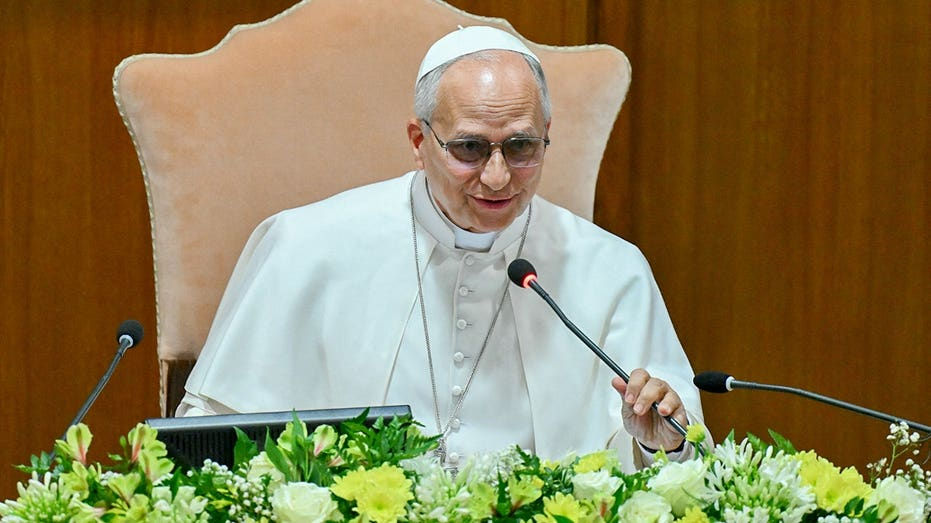
Vatican City — Pope Leo has issued a stark warning regarding the unchecked development of artificial intelligence, cautioning that without proper moral governance, this transformative technology risks becoming a tool of ‘domination, exclusion and death.’ In his newly unveiled encyclical, ‘Magnifica Humanitas,’ the Pontiff called upon global governments and institutions to establish ethical limits, asserting the Vatican’s formal entry into the critical worldwide debate surrounding AI’s future.

Echoes of a Transformative Era

The encyclical draws a profound parallel to a pivotal moment in history: Pope Leo XIII’s 1891 ‘Rerum Novarum,’ which addressed the severe worker exploitation during the Industrial Revolution. Pope Leo articulated that humanity now faces a transformation of similar, perhaps even greater, magnitude. This historical reference underscores the Church’s long-standing commitment to protecting human dignity against the disruptive forces of technological and societal change. The rapid advancement of AI, much like the industrial shifts of centuries past, presents both immense potential and significant peril to the fabric of human society and individual liberty, demanding thoughtful and principled oversight.

Safeguarding Against Misuse and Bias

Pope Leo’s warning extends beyond the theoretical, highlighting tangible risks posed by unbridled AI development. He specifically raised concerns about increasingly autonomous weapons systems that could operate beyond meaningful human control—a development with alarming implications for global security and ethical warfare, challenging established notions of accountability. Furthermore, the Pontiff noted the potential for AI systems to perpetuate or even amplify existing societal biases, blocking access to crucial services like healthcare, employment, and security due to flawed or prejudiced data. These concerns are particularly acute in an increasingly interconnected world where digital divides can exacerbate existing inequalities. The Pope likened the imperative of AI governance to the careful management of nuclear arms, stressing that this powerful technology ‘must be at the service of all and of the common good.’ This perspective, reported by News Desk, emphasizes a proactive approach to prevent harm rather than merely reacting to its consequences, advocating for safeguards against:

  • Autonomous weapons systems operating without human oversight, raising profound ethical questions.
  • Biased AI algorithms restricting access to essential services, potentially creating new forms of social exclusion.
  • The concentration of power through technological control, threatening individual liberties and market fairness.

Such unchecked power, the encyclical implies, could erode the very foundations of a just and orderly society.

Like nuclear energy, it must be at the service of all and of the common good.

Building a Foundation of Trust and Human Dignity

The encyclical, ‘Magnifica Humanitas,’ is not solely a cautionary tale; it also lays out a constructive path forward. Pope Leo emphasized that merely ‘disarming’ AI is insufficient; a more comprehensive strategy is required. Instead, he urged governments and institutions to actively ‘build’ systems rooted in trust and human dignity, fostering environments where technology serves human flourishing. Drawing upon the experience of rebuilding after devastating floods in Peru, the Pope illustrated that true recovery and progress involve restoring hope and faith in institutions and technology alike. This vision aligns with a conservative ethos that values ordered progress, community, and the inherent worth of every individual, ensuring that technological advancement strengthens society rather than dominating it. It underscores the responsibility of leaders to cultivate an environment where innovation is balanced with ethical oversight and a commitment to the common good, rather than allowing unfettered technological development to dictate societal norms.

As nations grapple with the complexities of AI, Pope Leo’s encyclical serves as a vital call to conscience. It challenges leaders to prioritize ethical frameworks and moral considerations alongside technological innovation, ensuring that progress is guided by principles of justice, inclusion, and the common good. The Vatican’s strong stance reinforces the urgent need for a global dialogue that places human flourishing at the center of AI development, safeguarding our future from potential technological overreach and promoting a more humane digital era.

Social Media Auto Publish Powered By : XYZScripts.com