Matox News

Truth Over Trends, always!

US to Bolster Poland Presence with 5,000 Additional Troops

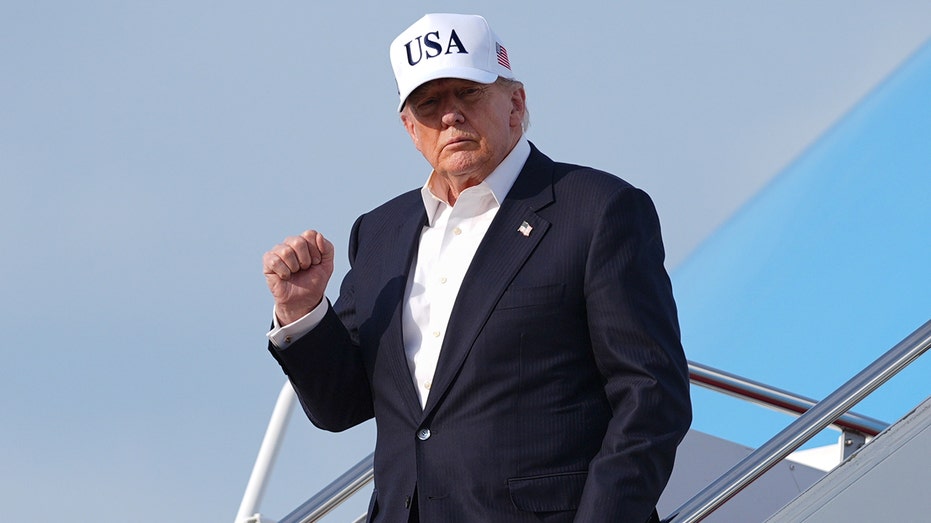
President Donald Trump has announced that the United States will send 5,000 additional troops to Poland. This significant declaration, made on Truth Social, comes at a pivotal moment for transatlantic security and follows a period of re-evaluation of America’s military commitments in Europe.

The announcement from the President, as reported by News Desk, underscores a complex and dynamic foreign policy landscape. It directly contrasts with recent signals from the White House indicating an intent to reduce overall US troop levels across the continent as part of the administration’s ‘America First’ agenda. The decision to reinforce Poland’s defense capabilities appears to be rooted in strong bilateral ties and strategic alignment.

A Shifting European Footprint Amid ‘America First’

For weeks, the White House has publicly articulated its strategy to recalibrate US military presence abroad, prioritizing national interests and burden-sharing among allies. This policy has already led to concrete actions, including the recent withdrawal of 5,000 troops from Germany. That particular withdrawal followed a discernible strain in relations between President Trump and German Chancellor Friedrich Merz, reportedly over disagreements concerning the ongoing conflict with Iran.

The current administration’s approach has often emphasized the importance of allies contributing more substantially to collective defense. This has led to a series of adjustments in US troop deployments:

  • Germany: 5,000 troops withdrawn following a dispute over the war with Iran.
  • Poland (previous plan): A planned deployment of 4,000 troops was reportedly canceled by the Pentagon just a week prior to this new announcement.
  • Poland (current): An additional 5,000 troops now slated for deployment.

These movements highlight a measured, yet firm, re-assessment of where and how American military assets are best utilized to safeguard both US interests and global order.

Bilateral Ties and Strategic Alignment

President Trump explicitly stated that the decision to send additional troops to Poland was based on the robust relationship between the United States and Polish President Karol Nawrocki. President Trump had publicly backed Nawrocki during last year’s presidential elections, signaling a strong personal and political bond between the two leaders.

“This deployment underscores a strategic recalibration, prioritizing strong bilateral relationships while navigating broader commitments to European security.”

This emphasis on the personal rapport between heads of state aligns with the administration’s preference for direct, transactional diplomacy. Poland has consistently been a staunch ally in Central Europe, often advocating for a stronger NATO presence on its eastern flank, particularly in response to regional security concerns. The deployment of additional US troops could be seen as a direct response to these long-standing Polish concerns and a reinforcement of a key alliance.

Unanswered Questions and Regional Stability

While the announcement solidifies a commitment to Poland, President Trump did not provide immediate details on whether these additional troops are part of a re-activated previous plan or an entirely new operation. This ambiguity leaves some questions regarding the precise nature and duration of the deployment, as well as its specific objectives.

Nevertheless, the move sends a clear message of support to an important NATO ally. Strengthening the US military presence in Poland could bolster the alliance’s eastern defenses and contribute to regional stability. It signals that despite broader strategic adjustments, the United States remains committed to its allies who demonstrate a shared vision for security and order.

The dynamic nature of global geopolitics continues to shape US foreign policy. This latest decision regarding US troops in Poland reflects an ongoing re-evaluation of military posture, balancing traditional alliances with a pragmatic approach to international commitments. The world will be watching closely as these strategic shifts unfold, with implications for both European security and the future of transatlantic relations.
US Arrests Cuban Official's Sister Amid Allegations of Regime Ties
US Arrests Cuban Official’s Sister Amid Allegations of Regime Ties

The United States has taken decisive action against individuals allegedly supporting the Cuban communist regime, with the recent arrest of Adys Lastres Morera. She is the sister of a prominent executive within GAESA, Cuba’s expansive military-run conglomerate, and faces accusations of aiding Havana’s government while residing in Florida.

This development signals Washington’s persistent efforts to curb the financial lifelines of the Cuban regime and hold accountable those believed to be complicit in its operations. The arrest follows the revocation of Morera’s lawful permanent resident status by the State Department, a move personally directed by Secretary of State Marco Rubio.

Direct Action Against Regime Associates

Adys Lastres Morera was taken into custody by Immigration and Customs Enforcement (ICE) after her lawful permanent resident (LPR) status was terminated. Reports indicate she had been managing real estate assets in Florida since entering the United States as an LPR in 2023. Officials allege that during this time, Morera actively assisted the Havana government, prompting the State Department’s intervention.

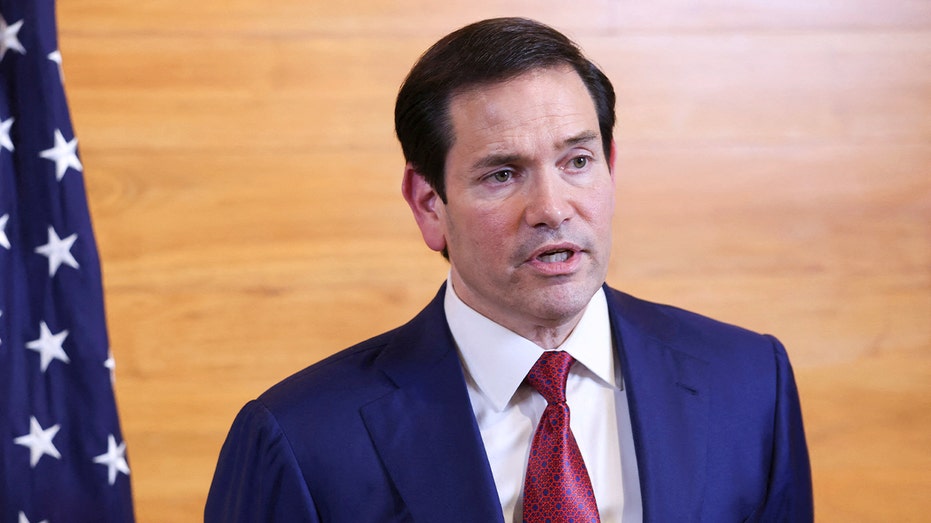
Secretary Rubio emphasized the significance of this action in a statement, noting, “Today, Adys Lastres Morera, a Cuban national with ties to the communist regime in Havana, was arrested following the Department of State’s termination of her lawful permanent resident (LPR) status, at my direction.” This underscores a clear message from the U.S. government regarding individuals who may leverage U.S. residency to support hostile foreign entities.

GAESA: A Conduit for Regime Enrichment?

The arrest takes on added weight due to Morera’s familial connection to Ania Guillermina Lastres Morera, her older sister, who serves as the executive president of GAESA. Ania Guillermina Lastres Morera was previously sanctioned this month for her leadership role in the conglomerate. GAESA has long been identified by U.S. officials as a primary tool for the Cuban regime’s financial control and alleged illicit activities.

According to Secretary Rubio, GAESA is accused of diverting millions in aid intended for the Cuban people. He described the entity as an “exploitative communist entity that siphons resources from the Cuban population.” These allegations paint a picture of a system designed to enrich a select few at the expense of ordinary citizens.

Key concerns raised by U.S. officials regarding GAESA include:

  • Diversion of Aid: Allegations of siphoning millions meant for the Cuban populace.
  • Regime Enrichment: Functioning to allow a small circle of regime elites to “plunder all the remaining resources.”
  • Illicit Funds: Reports of squirreling away as much as $20 billion in illicit funds in hidden overseas bank accounts.

The contrast between the suffering of the Cuban people under a failing communist economy and the alleged hoarding of wealth by GAESA elites forms a central point of the U.S. administration’s critique.

“While the Cuban people suffer from the collapse of Cuba’s non-functioning communist economy, GAESA functions to allow a small circle of regime elites to plunder all the remaining resources of the island.”

— Secretary of State Marco Rubio

Washington’s Stance on Cuba

This arrest, reported by outlets like News Desk, is consistent with a broader U.S. strategy to exert pressure on the Cuban government and its affiliates. Washington has repeatedly called for fundamental changes in Cuba, with Secretary Rubio previously stating that Cuba needs “new people in charge” amidst widespread blackouts and unrest gripping the island. The focus remains on addressing the systemic issues that contribute to the population’s hardship and the regime’s alleged corruption.

The termination of LPR status for individuals with alleged ties to the communist regime is a powerful tool in the U.S. diplomatic arsenal, signaling that residency in the United States comes with responsibilities and expectations of adherence to U.S. national interests and values. This incident serves as a stark reminder of the U.S. commitment to confronting state-sponsored illicit activities and supporting democratic principles.

The ongoing efforts by the U.S. to dismantle the financial networks supporting the Cuban regime reflect a firm stance against authoritarianism and a commitment to advocating for the Cuban people. Further actions in this vein are anticipated as Washington continues to monitor and respond to developments on the island.

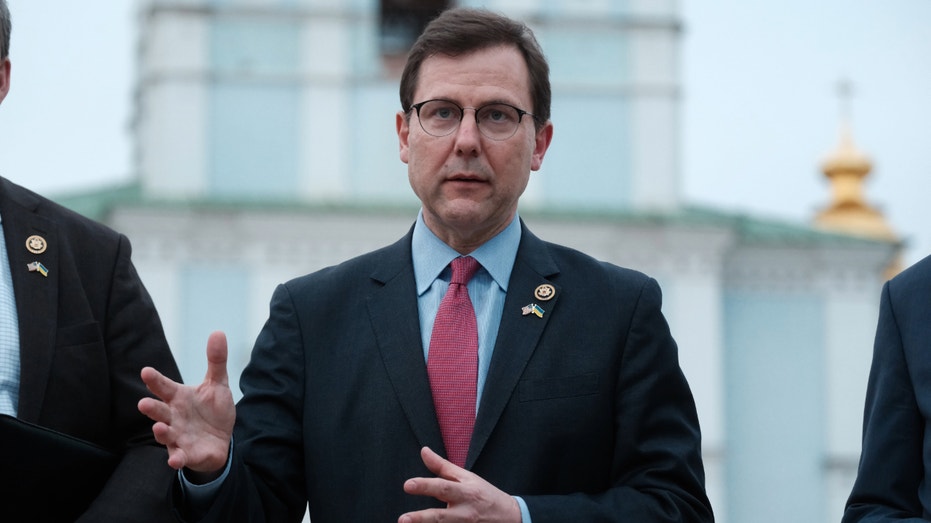
Rep. Tom Kean Jr. Set for Congressional Return After Health Absence

Congressman Tom Kean Jr. (R-N.J.) has publicly announced his expectation to return to Congress and the campaign trail in the coming weeks, addressing an extended absence that prompted concerns regarding the House Republican majority and representation for his competitive district.

Rep. Kean Jr.’s statement marks his first public comments since stepping away from Capitol Hill in March due to what his office previously described only as a “personal health matter.” His prolonged absence has been closely watched, particularly given the Republican Party’s razor-thin majority in the House of Representatives and the competitive nature of his New Jersey district ahead of the 2026 midterm elections.

Road to Recovery: Kean’s Public Statement

Speaking to the New Jersey Globe, Rep. Kean Jr. conveyed confidence in his recovery process. “My doctors are confident that I’m on the road to a full recovery,” Kean, 57, affirmed. He acknowledged the public’s right to transparency and expressed gratitude for constituent support during this period. The congressman’s last vote was recorded on March 5, and he has since missed 100 consecutive House roll call votes, according to legislative tracking data.

His anticipated return signals a significant development for both his constituents and the broader House Republican conference. Kean Jr. indicated his readiness to resume legislative duties and re-engage with his re-election campaign.

“My doctors are confident that I’m on the road to a full recovery. I anticipate that in the next couple of weeks, I’ll return to voting and to the campaign trail.”

Implications for the House Republican Majority

The Republican Party currently holds a precarious majority in the House, making every vote critical. Rep. Kean Jr.’s absence has underscored the fragility of this balance, with important legislative initiatives often requiring near-unanimous party support. His return will alleviate some of the pressure on House leadership, providing an additional vote to navigate complex legislative challenges.

The continuity of representation is vital, especially when dealing with critical policy decisions. His re-engagement will allow him to directly advocate for his district’s interests and contribute to the legislative process, strengthening the institutional capacity of the House.

A Competitive District’s Scrutiny

New Jersey’s 7th Congressional District is recognized as one of the nation’s most competitive, rendering the upcoming 2026 midterm elections particularly significant. Rep. Kean Jr.’s absence inevitably drew scrutiny from political observers and potential challengers. His public statement aims to reassure voters of his health and commitment to service.

The district’s electoral landscape demands active engagement from its representative. Voters expect a visible presence and a strong voice on issues ranging from fiscal policy to local concerns. Kean’s re-entry into public life and the campaign circuit will be crucial for maintaining his standing and preparing for future electoral contests.

Family Insights and Future Outlook

Prior to Rep. Kean Jr.’s own statement, his father, former New Jersey Gov. Tom Kean Sr., had offered insights into his son’s condition, describing it as a “serious illness.” The former governor indicated that doctors projected a return within a few weeks, emphasizing a gradual ramp-up back to full capacity. This familial update provided an initial glimpse into the congressman’s recovery trajectory.

With his imminent return, Rep. Kean Jr. is poised to resume his duties, bringing stability back to his office and adding a crucial vote to the House Republican conference. His focus will now shift to re-engaging with legislative priorities and reconnecting with the constituents of his competitive district, ensuring robust representation moving forward.

Texas Congressional Candidate Clarifies 'Prison for Zionists' Remarks Amid Democratic Backlash
Texas Congressional Candidate Clarifies ‘Prison for Zionists’ Remarks Amid Democratic Backlash

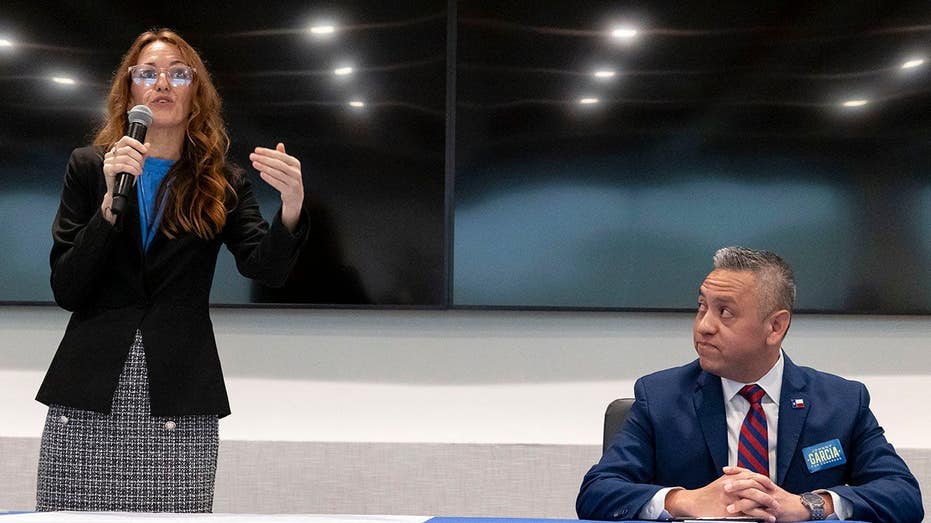
A Texas congressional candidate has found herself embroiled in significant controversy, prompting a swift and strong condemnation from within her own party. Maureen Galindo, a Democratic hopeful for a House seat in the newly redrawn 35th Congressional District, recently attempted to clarify inflammatory remarks concerning “American Zionists” after facing widespread backlash. Her original statements, which included a pledge to repurpose an immigration detention center, ignited a firestorm of criticism over their perceived extremism.

The Origin of the Controversy

Galindo’s troubles began with an Instagram post earlier this month, where she declared her intention to transform the Karnes ICE Detention Center. Her plan was to convert it “into a prison for American Zionists and former ICE officers for human trafficking.” This statement quickly drew national attention and sparked outrage, particularly given the historical sensitivities surrounding such terminology.

The candidate’s remarks were made in the context of criticizing wealthy supporters of Israel, linking them to “genocidal prison systems” and “trafficking.” Such direct and divisive language immediately raised alarms among political observers and her own party’s leadership, who viewed the comments as highly inflammatory and potentially harmful.

Galindo’s Attempted Clarification

Following the initial uproar and what she described as hundreds of “death threats” and other “vile” messages, Galindo released a video on Facebook to explain her position. She vehemently denied ever advocating for “internment camps” for Jewish people, stressing a crucial distinction.

“I never said I want Jews in internment camps,” Galindo stated, as reported by News Desk. She elaborated, “I said I want to close all ICE detention centers and put billionaire American Zionists who are funding the genocidal prison systems involved in trafficking into prison.” She posed a rhetorical question: “If they committed a crime, do they not belong in prison?”

Her clarification aimed to distinguish between a general call for internment and the specific imprisonment of individuals she believes have committed crimes related to funding certain systems. She further emphasized her opposition to all internment camps, advocating for their immediate closure. Key points from her clarification include:

  • Denial of calling for “internment camps” for Jews.
  • Advocacy for closing all ICE detention centers.
  • Proposal to imprison “billionaire American Zionists” involved in funding alleged “genocidal prison systems” or “trafficking.”
  • Stance against all forms of internment camps.

“I never said I want Jews in internment camps… I said I want to close all ICE detention centers and put billionaire American Zionists who are funding the genocidal prison systems involved in trafficking into prison.”

Democratic Party Rebukes

The response from within the Democratic Party has been unequivocal. The Democratic Congressional Campaign Committee (DCCC), the party’s primary arm for House races, has reportedly coordinated statements against Galindo, signaling a clear rejection of her rhetoric. This aggressive move is widely seen as an effort to bolster her primary runoff opponent, Johnny Garcia, a former hostage negotiator and public information officer for the Bexar County Sheriff’s Office.

Such direct intervention by a national party committee against one of its own primary candidates is uncommon and underscores the severity with which Galindo’s statements are being perceived. Party leaders have condemned Galindo’s statements as “vile” and unacceptable, emphasizing the party’s official stance against such divisive language that can be misconstrued as antisemitic or extremist. The controversy highlights the internal challenges parties face when candidates deviate significantly from established platforms and norms, especially on issues touching upon national security and international relations.

The unfolding situation casts a shadow over Galindo’s campaign, raising questions about the viability of her candidacy and the broader implications for political discourse. As the primary runoff approaches, the clarity and consistency of candidates’ messages remain paramount, particularly when addressing sensitive and complex issues. This incident serves as a stark reminder of the scrutiny public figures face and the importance of precise communication in the political arena.

LeBron James Hails San Antonio Spurs' Unparalleled Draft Fortune, Citing 'Generational Talent' Legacy
LeBron James Hails San Antonio Spurs’ Unparalleled Draft Fortune, Citing ‘Generational Talent’ Legacy

Basketball legend LeBron James recently shared his admiration for the San Antonio Spurs’ unparalleled success in the NBA Draft. James specifically pointed to the franchise’s remarkable ability to land three generational talents — David Robinson, Tim Duncan, and Victor Wembanyama — all as the No. 1 overall pick. This rare consistency in securing top-tier prospects has undeniably shaped the Spurs’ enduring legacy of excellence.

During a recent episode of the ‘Mind the Game’ podcast, James expressed his astonishment at San Antonio’s unique draft fortune, as reported by News Desk. His comments underscore a widely held belief within the league: the Spurs possess an almost uncanny knack for identifying and developing players who redefine the game.

A Foundation Built on Dominance: Robinson and Duncan

The Spurs’ storied history is largely defined by the impact of its first two No. 1 picks. David Robinson, selected in 1987, quickly became a dominant force, earning an MVP award and leading the franchise to its first NBA Championship in 1999. His blend of athleticism, skill, and leadership set a high standard.

Following Robinson, the Spurs again secured the top pick in 1997, drafting Tim Duncan. Duncan, often considered one of the greatest power forwards of all time, seamlessly integrated with Robinson, forming the formidable ‘Twin Towers.’ Together, and later as the undisputed leader, Duncan steered the Spurs to five NBA championships, cementing his place as a revered figure in basketball history. Both Robinson and Duncan are enshrined in the Basketball Hall of Fame, a testament to their profound influence on the sport.

Wembanyama: The Next Chapter of Elite Talent

The arrival of Victor Wembanyama as the No. 1 pick in 2023 marked the beginning of another exciting chapter for San Antonio. In just three seasons, the 22-year-old Frenchman has already begun to carve out a unique niche, showcasing abilities rarely, if ever, seen on a basketball court. His extraordinary blend of height, agility, shooting touch, and defensive prowess has captivated fans and analysts alike.

Wembanyama’s immediate impact is evident in the current Western Conference Finals, where his Spurs are battling the Oklahoma City Thunder. His Game 1 performance was particularly astounding, recording 41 points and 24 rebounds in the team’s victory. This put him in elite company, joining Wilt Chamberlain as the only players to achieve over 40 points and 20 rebounds in their conference finals debut. He also joined David Robinson as the only Spurs player to reach these numbers in a playoff game, signaling his potential to follow in the footsteps of the franchise’s legends.

LeBron’s Insight: Mentality and Mission

LeBron James elaborated on what truly sets these Spurs generational talents apart, beyond their physical gifts. He highlighted their unwavering focus and dedication to the game. “San Antonio continues to get remarkably fortunate with these generational, talented, IQ, smart [players], but like, listen, ‘Keep the main thing the main thing.’ David Robinson, Tim Duncan, and Wemby,” James observed. “Guys who have this dead-serious mentality. They have these horse blinders on, and they’re like, ‘The mission is the mission.’ It’s all that matters, and it’s pretty remarkable to see.”

“He has the ability to do things that we haven’t seen in our league ever. His IQ, like you can tell by the way he talks, you can tell by his demeanor he knows the game. He was taught the game the right way.”

— LeBron James on Victor Wembanyama

James particularly praised Wembanyama’s high basketball IQ and demeanor, noting that he was “taught the game the right way.” This emphasis on fundamental understanding and strategic thinking aligns perfectly with the Spurs’ reputation for disciplined, intelligent play.

The San Antonio Spurs’ ability to consistently secure and develop players of such caliber speaks volumes about their organizational philosophy and scouting prowess. As Victor Wembanyama continues to evolve, the basketball world watches with anticipation, eager to see how he will further shape the legacy of one of the NBA’s most consistently successful franchises.

Spotify and Universal Music Group Forge Landmark Deal for AI Remixes

In a significant development for the digital music industry, streaming giant Spotify and Universal Music Group (UMG) have reached a comprehensive licensing agreement. This pioneering deal will allow Spotify subscribers to generate innovative song covers and remixes using artificial intelligence directly through the platform. This collaboration is set to redefine user engagement with music and open new avenues for artistic expression and monetization.

The agreement represents a pivotal moment, as it is the first instance where Spotify will permit its listeners to create content using AI within its ecosystem. This move underscores a growing trend of technology companies and content creators exploring the responsible integration of AI, especially in creative fields. For Matox News readers, this signifies a crucial step towards integrating advanced technology into daily digital life while upholding established industry frameworks.

Pioneering a New Era of Digital Music Creation

This innovative partnership is expected to manifest as a paid add-on within the Spotify application. Premium users will gain the ability to remix songs from participating artists, creating unique AI-driven licensed covers. This structured approach ensures that the integration of AI tools aligns with existing intellectual property rights and artist compensation models, addressing concerns often raised about AI’s impact on creative works.

The licensing agreement offers a controlled environment for experimentation, allowing users to engage with music in unprecedented ways. It signifies a forward-thinking approach from both Spotify and Universal Music Group, demonstrating a willingness to embrace technological advancements while safeguarding the interests of creators and rights holders. This balance is critical for maintaining order and fairness in the rapidly evolving digital landscape.

Structured Innovation and Artist Compensation

A key aspect of this deal, as reported by the News Desk, is its potential to create an additional stream of income for artists and songwriters. Beyond their existing royalties, creators whose works are utilized in these AI-generated remixes and covers could see new revenue opportunities. This aligns with Matox News’s editorial stance supporting free-market innovation that benefits all participants, from the platform providers to the artists.

The commitment to a licensed framework for AI-generated content is particularly noteworthy. It sets a precedent for how the music industry can adapt to powerful new technologies without undermining the value of human creativity. Rather than a free-for-all, this agreement suggests a future where AI tools serve as complements to, rather than replacements for, artistic endeavor, providing new tools for expression and engagement.

“This landmark agreement offers artists a fresh avenue for income and engagement, demonstrating how innovation can be harnessed responsibly within the creative industries.”

The Future Landscape of Creative Licensing

The implications of this deal extend beyond just Spotify and Universal Music Group. It could very well serve as a blueprint for future collaborations between technology platforms and content owners across various creative sectors. The emphasis on licensing and structured monetization is a model that other industries grappling with AI integration might consider.

The ability for millions of subscribers to actively participate in the creative process of remixing and covering songs could also foster a new wave of user-generated content, enriching the overall musical ecosystem. This symbiotic relationship between platform, artist, and audience, facilitated by AI, promises a dynamic future where technology amplifies human creativity.

  • Enhanced User Engagement: Subscribers gain new tools for creative interaction with their favorite music.
  • New Revenue Streams: Artists receive additional compensation from AI-driven content generation.
  • Industry Precedent: Establishes a model for responsible AI integration in creative sectors.
  • Innovation within Order: Balances technological advancement with intellectual property rights.

This agreement marks a significant stride in how digital platforms and content owners can collaborate to harness the power of artificial intelligence. It champions a future where technological innovation proceeds hand-in-hand with respect for creators and the establishment of fair economic models.

Unmasking the Fake Geek Squad Scam Email: A Guide to Protecting Your Digital Wallet

In an increasingly digital world, the threat of online fraud remains constant. Consumers are currently being targeted by a particularly deceptive fake Geek Squad scam email, designed to mimic legitimate billing notifications. This scheme preys on urgency and confusion, aiming to trick unsuspecting individuals into revealing sensitive information or making unauthorized payments. Matox News urges vigilance against these sophisticated phishing attempts that seek to exploit trust in established brands.

The Deceptive Tactics of Phishing

This recent fraudulent email purports to be a billing alert for a Geek Squad protection plan, demanding a payment of nearly $500 within 48 hours. The scam’s primary objective is to create immediate pressure, compelling recipients to act impulsively without critical thought. A closer examination, however, reveals numerous inconsistencies. The email often lacks personal details, addressing recipients generically rather than by name, a clear departure from standard practice for legitimate service providers. Such a broad approach indicates a mass phishing attempt, cast widely in hopes of snaring a few targets.

Red Flags in Disguise

One of the most glaring warning signs within this particular scam is the incongruous mix of brand names. The email falsely associates Geek Squad, a service arm of Best Buy, with Razorpay, a payment processor based in India, and a vague “QuickTax Billing” reference. This jumble of unrelated entities is a common tactic among scammers attempting to lend an air of legitimacy to their fraudulent communications. Legitimate billing communications maintain consistent branding and clear origins. Furthermore, the email’s claim that an account will be charged within 48 hours unless a “first transaction” is completed is entirely inconsistent with how genuine subscription services operate. Payments for legitimate subscriptions are typically processed upon sign-up, not through a subsequent, urgent demand for payment via an unfamiliar link. Clicking such a link could lead to malware installation or a fraudulent payment portal designed to steal financial and personal data.

  • Generic Greetings: Emails lacking your specific name are almost always suspect.
  • Mixed Branding: The fusion of Geek Squad, Razorpay, and “QuickTax Billing” is a clear indicator of fraud.
  • Urgent Deadlines: Artificial pressure to act quickly is a hallmark of scam attempts.
  • Grammar and Spelling: Minor errors or awkward phrasing can betray a non-professional origin.
  • Sender Address: Always check the sender’s email address; it rarely matches the purported company.

“Vigilance is your strongest defense against digital deception. Always verify, never rush, and protect your personal information with unwavering caution.”

Safeguarding Against Digital Fraud

To protect oneself from such sophisticated scams, several precautions are essential. Firstly, never click on links within suspicious emails. Instead, if you receive an unexpected billing notification, navigate directly to the official website of the company in question (e.g., Best Buy or Geek Squad) and log into your account to verify any outstanding charges or subscription details. Legitimate companies will not demand payment for a “first transaction” through an unsolicited email. Secondly, be wary of emails that create undue pressure or threaten immediate consequences; these are classic manipulation tactics. The Fox News CyberGuy Report recently highlighted similar red flags, emphasizing the need for consumers to remain alert to these deceptive practices. Lastly, consider reporting suspicious emails to your email provider and relevant consumer protection agencies to help prevent others from falling victim.

In an era where digital interactions are central to daily life, understanding and identifying online scams is paramount for maintaining personal security and financial integrity. By recognizing the tell-tale signs of phishing attempts, such as generic salutations, inconsistent branding, and artificial urgency, individuals can effectively defend themselves against cybercriminals. Staying informed and exercising caution are the best defenses in the ongoing battle against digital fraud.

Trump Administration Defends Anti-Weaponization Fund Amid "Slush Fund" Accusations
Trump Administration Defends Anti-Weaponization Fund Amid “Slush Fund” Accusations

The Trump administration is vigorously defending its newly established Justice Department Anti-Weaponization Fund, a $1.778 billion initiative designed to compensate Americans allegedly harmed by politicized federal investigations. The fund has ignited a fierce debate, drawing criticism from across the political spectrum who fear it could become a “slush fund” for allies rather than a legitimate mechanism for redress.

Administration officials are pushing back against these accusations, emphasizing that payouts will be determined on a strict “case-by-case” basis. They argue the fund is a crucial step to restore trust in federal institutions by providing recourse for those unfairly targeted, citing examples such as pro-life activists subjected to scrutiny during the previous administration.

Origins and Intent of the Controversial Fund

The Anti-Weaponization Fund emerged from an unusual legal settlement between President Trump and the Internal Revenue Service (IRS), an agency under presidential oversight. This unique genesis has itself raised eyebrows, prompting concerns about potential conflicts of interest among lawmakers and commentators alike. The administration maintains its purpose is clear: to provide financial compensation to individuals who have been demonstrably harmed by federal investigations deemed politically motivated.

Vice President J.D. Vance, addressing the media during a White House briefing, directly countered claims of partisan favoritism, stating the fund is open to all, including “Republicans… Democrats,” and even “Hunter Biden.” This highlights the administration’s public position that the fund’s scope is broad and non-discriminatory, extending to anyone who can prove they were unfairly targeted.

Bipartisan Backlash and Legislative Fallout

Despite the administration’s reassurances, the fund has met with significant resistance on Capitol Hill. Both Republican and Democratic lawmakers have expressed alarm, with many labeling it a “slush fund.” The unexpected creation of the fund reportedly caught GOP legislators by surprise, leading to considerable friction.

The controversy has had immediate legislative consequences, derailing Senate negotiations on a critical $72 billion package intended to fund Immigration and Customs Enforcement (ICE) and Border Patrol. Several Republican senators have joined Democrats in their opposition, highlighting the depth of concern over the fund’s transparency and potential for abuse. Acting Attorney General Todd Blanche was dispatched to Capitol Hill to mollify skeptical lawmakers, but according to sources familiar with the discussions, the meetings were contentious, with some senators reportedly expressing their anger directly to the Department of Justice head.

“The Anti-Weaponization Fund is intended to compensate individuals harmed by ‘weaponized’ federal investigations.”

Defining Eligibility: A Case-by-Case Approach

A central point of contention revolves around who will ultimately benefit from the fund. While the administration points to individuals like pro-life activists as potential beneficiaries, critics fear it could extend to politically connected figures or even some defendants involved in the January 6 Capitol events. The administration’s emphasis on a “case-by-case” review process aims to address these concerns, but critics argue the criteria remain vague and open to interpretation.

The administration’s stance, as reported by Fox News Digital, suggests a broad interpretation of “weaponized” investigations, encompassing various forms of alleged federal overreach. This expansive view contrasts sharply with the narrow interpretations preferred by those who advocate for stricter controls on taxpayer funds.

Looking Ahead: Calls for Transparency and Accountability

The ongoing dispute over the Justice Department’s Anti-Weaponization Fund highlights a broader tension between the executive branch’s perceived need for redress and congressional demands for fiscal oversight and institutional integrity. As the administration continues to defend its initiative, the calls for greater transparency regarding eligibility criteria and allocation processes are likely to intensify. The fund’s future, and its impact on vital legislative priorities, remains a significant point of contention in Washington.

Senate Republicans Halt Border Funding Push Amid Fury Over Trump DOJ 'Anti-Weaponization' Fund
Senate Republicans Halt Border Funding Push Amid Fury Over Trump DOJ ‘Anti-Weaponization’ Fund

Senate Republicans have temporarily suspended their legislative push to secure vital funding for immigration enforcement agencies, a move triggered by widespread frustration over the Trump administration’s newly established ‘anti-weaponization’ fund within the Department of Justice (DOJ).

The unexpected announcement of the DOJ fund has created a significant hurdle for a bipartisan $72 billion package intended to bolster Immigration and Customs Enforcement (ICE) and Border Patrol. This development leaves Washington, D.C., without a clear path forward for critical border security measures, with lawmakers expressing a need to reassess the situation.

DOJ Fund Ignites Senate Backlash

The controversy stems from the Trump administration’s creation of a substantial ‘anti-weaponization’ fund, which caught many Senate Republicans off guard. This fund, reportedly linked to a settlement involving former President Trump and his family with the Internal Revenue Service (IRS), has been met with strong disapproval on Capitol Hill.

Lawmakers were reportedly on a ‘glide path’ to finalize the immigration enforcement package when the DOJ’s fund was announced, effectively derailing the legislative momentum. The timing has been particularly contentious, given the urgency to address border security challenges and support law enforcement personnel.

“The message to the administration is this: we were on a glide path to passing this bill until these announcements.”

Border Security Funding in Limbo

The pause in legislative action means that the crucial $72 billion funding for ICE and Border Patrol now faces an uncertain future. The original target of a June 1 deadline for the package is now considered impossible to meet, creating significant concerns for the operational capabilities of agencies tasked with maintaining national security and enforcing immigration laws.

For Matox News readers, the implications are clear: delays in funding directly impact the resources available to secure the nation’s borders and uphold legal order. The impasse underscores a broader tension between the executive and legislative branches regarding fiscal priorities and institutional oversight.

Administration’s Stance and Future Outlook

When questioned about the fund and potential restrictions, former President Trump indicated he did not require additional security funding, stating, “I don’t need money from the ballroom.” This comment, made to reporters in the Oval Office, has done little to assuage Republican concerns in the Senate regarding the DOJ fund’s impact on their legislative agenda.

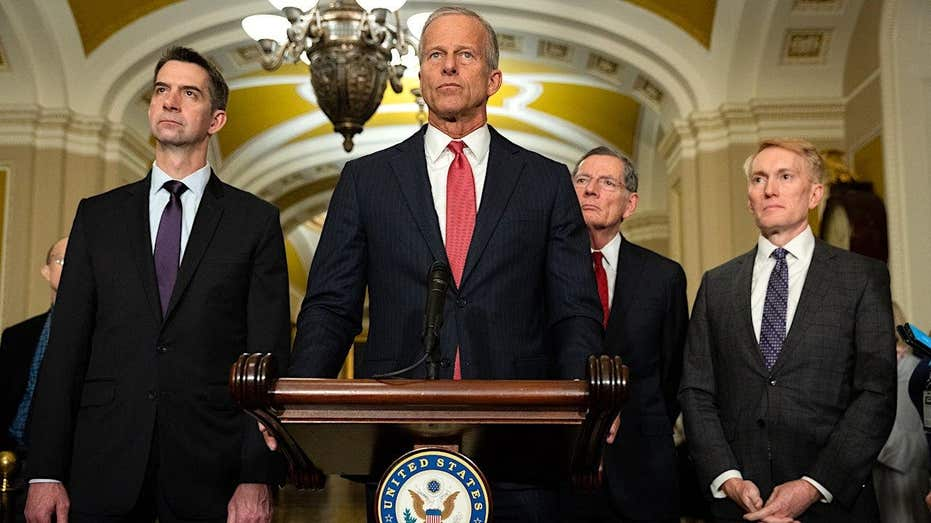
The path to reconciliation for the stalled immigration package remains unclear. Senate Majority Leader John Thune, R-S.D., stated that Republicans would “pick up where we left off,” but the immediate future is fraught with uncertainty. Senator James Lankford, R-Okla., openly admitted, “We don’t know where the votes are on reconciliation right now.” The coming weeks will test the ability of the administration and Congress to resolve this critical funding dispute, which has significant ramifications for national security and the rule of law.

A top Republican aide, speaking to Fox News Digital, conveyed the sentiment in the Senate: the administration’s actions have unnecessarily complicated an already challenging legislative process.

The Senate’s firm stance reflects a commitment to fiscal responsibility and institutional checks and balances, particularly when it comes to the allocation of funds within the federal government. Resolving this dispute is paramount to ensuring our border security agencies receive the resources they need to function effectively.

Mortgage Rates Surge: 30-Year Fixed Hits Wartime High of 6.51%

Washington D.C. – American homebuyers face increasing financial headwinds as the average rate on a 30-year fixed mortgage surged to 6.51 percent this week. This notable increase marks the highest level since the onset of the conflict with Iran, signaling growing concerns over persistent inflation and broader economic uncertainty.

The upward trajectory in borrowing costs, reported by mortgage finance giant Freddie Mac, follows several weeks of relative stability. This shift places additional pressure on families seeking homeownership and underscores the complex interplay between geopolitical events and domestic economic stability.

Understanding the Rate Hike’s Mechanics

Freddie Mac’s latest figures reveal the 30-year rate climbed to 6.51 percent, up from 6.36 percent just a week prior. This movement is the most significant since August, pushing rates to a critical benchmark not seen since the war commenced. Such fluctuations directly influence the affordability of housing, a cornerstone of the American dream for many families. The underlying dynamics are complex, involving not just the immediate market reaction but also the forward-looking expectations of investors regarding inflation and economic growth.

The rise is not an isolated incident but rather a symptom of deeper economic currents. Market analysts point to the Federal Reserve’s ongoing efforts to combat inflation, which often translates to higher interest rates across various financial products, including mortgages. The objective is to cool an overheating economy by making borrowing more expensive, thereby reducing demand. However, the immediate effect can be a tightening of household budgets and a slowdown in sectors sensitive to interest rates, like housing and automotive sales.

Impact on Homebuyers and the Housing Market

For prospective homebuyers, this rate increase translates directly into a higher monthly payment on new mortgages, effectively reducing their purchasing power. Consider a typical American family looking to purchase a home; a higher interest rate on a substantial loan can add hundreds of dollars to a monthly bill, making homeownership less accessible, particularly for first-time buyers and those with moderate incomes. This shift can push some buyers out of the market entirely or force them to consider smaller, less desirable properties.

The broader housing market, already navigating supply constraints and elevated prices in many regions, could experience a further slowdown. While some might view a cooling market as a necessary correction after periods of rapid appreciation, a rapid increase in borrowing costs risks stifling economic activity and investment in residential construction. A robust construction sector is vital for sustained growth and meeting the ongoing demand for housing, which is crucial for a healthy and expanding economy.

Existing homeowners with fixed-rate mortgages are largely unaffected by these changes, but those considering refinancing or utilizing adjustable-rate mortgages may face increased costs. This disparity highlights the importance of financial planning and understanding the long-term implications of various mortgage products.

“The rising cost of borrowing is a stark reminder of the economic challenges facing American families, demanding prudent fiscal stewardship and a focus on long-term stability.”

Inflationary Pressures and Geopolitical Unrest

The principal driver behind these rising rates is the persistent specter of inflation, which continues to erode purchasing power and challenge overall economic stability. The ongoing conflict with Iran, now approaching its third month without significant progress toward peace, adds another layer of complexity to this economic landscape. Geopolitical tensions inherently fuel market uncertainty, leading investors to demand higher returns on safe-haven assets like government bonds, which in turn influences the benchmark rates for mortgages.

This environment of elevated inflation and international instability creates a challenging backdrop for economic policy. A stable economic environment is paramount for a functioning free market and the prosperity of households. The current situation highlights the imperative for policymakers to address inflationary pressures decisively through sound monetary and fiscal policies, while simultaneously upholding national interests and promoting global order. As The New York Times recently reported, the confluence of these factors creates a challenging landscape for both consumers and financial markets, requiring careful navigation.

The current economic climate underscores the importance of fiscal discipline and sound economic policy to safeguard consumer purchasing power and maintain a robust housing sector. While the path ahead may present continued volatility, a steadfast commitment to pro-growth policies, market stability, and a clear vision for national security remains essential for the nation’s economic resilience and the well-being of its citizens.

Social Media Auto Publish Powered By : XYZScripts.com