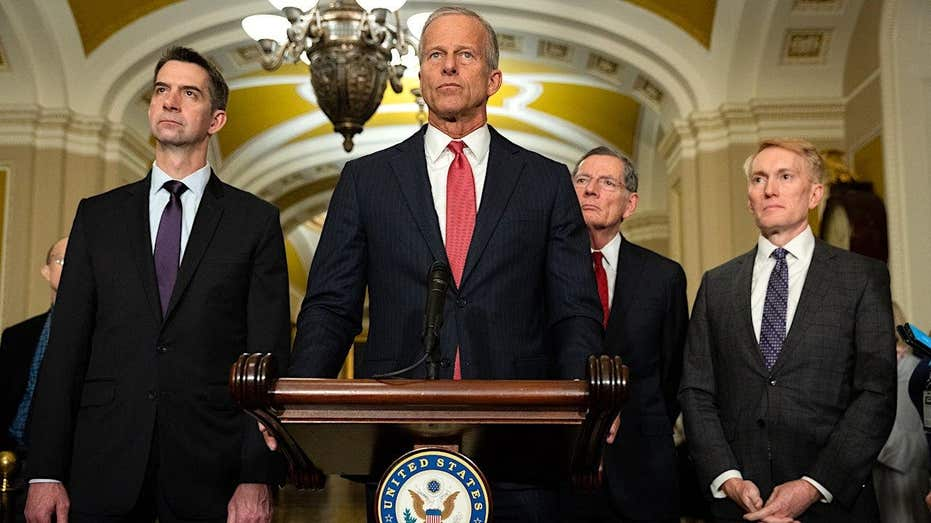
Senate Republicans have temporarily suspended their legislative push to secure vital funding for immigration enforcement agencies, a move triggered by widespread frustration over the Trump administration’s newly established ‘anti-weaponization’ fund within the Department of Justice (DOJ).
The unexpected announcement of the DOJ fund has created a significant hurdle for a bipartisan $72 billion package intended to bolster Immigration and Customs Enforcement (ICE) and Border Patrol. This development leaves Washington, D.C., without a clear path forward for critical border security measures, with lawmakers expressing a need to reassess the situation.
DOJ Fund Ignites Senate Backlash
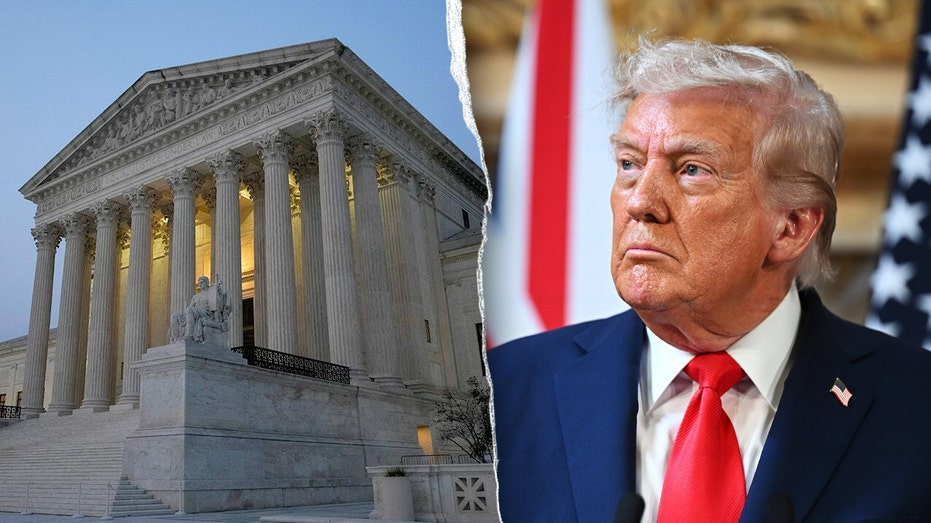
The controversy stems from the Trump administration’s creation of a substantial ‘anti-weaponization’ fund, which caught many Senate Republicans off guard. This fund, reportedly linked to a settlement involving former President Trump and his family with the Internal Revenue Service (IRS), has been met with strong disapproval on Capitol Hill.
Lawmakers were reportedly on a ‘glide path’ to finalize the immigration enforcement package when the DOJ’s fund was announced, effectively derailing the legislative momentum. The timing has been particularly contentious, given the urgency to address border security challenges and support law enforcement personnel.
“The message to the administration is this: we were on a glide path to passing this bill until these announcements.”
Border Security Funding in Limbo
The pause in legislative action means that the crucial $72 billion funding for ICE and Border Patrol now faces an uncertain future. The original target of a June 1 deadline for the package is now considered impossible to meet, creating significant concerns for the operational capabilities of agencies tasked with maintaining national security and enforcing immigration laws.
For Matox News readers, the implications are clear: delays in funding directly impact the resources available to secure the nation’s borders and uphold legal order. The impasse underscores a broader tension between the executive and legislative branches regarding fiscal priorities and institutional oversight.
Administration’s Stance and Future Outlook
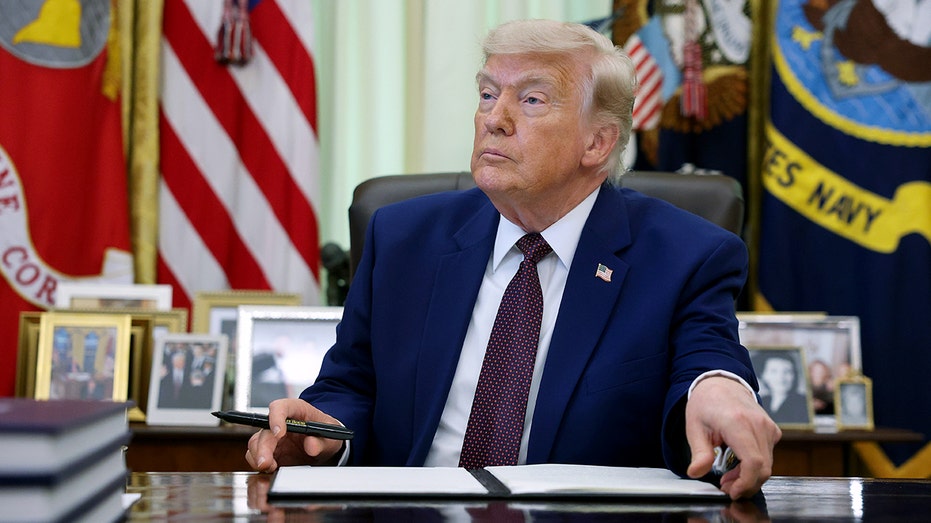
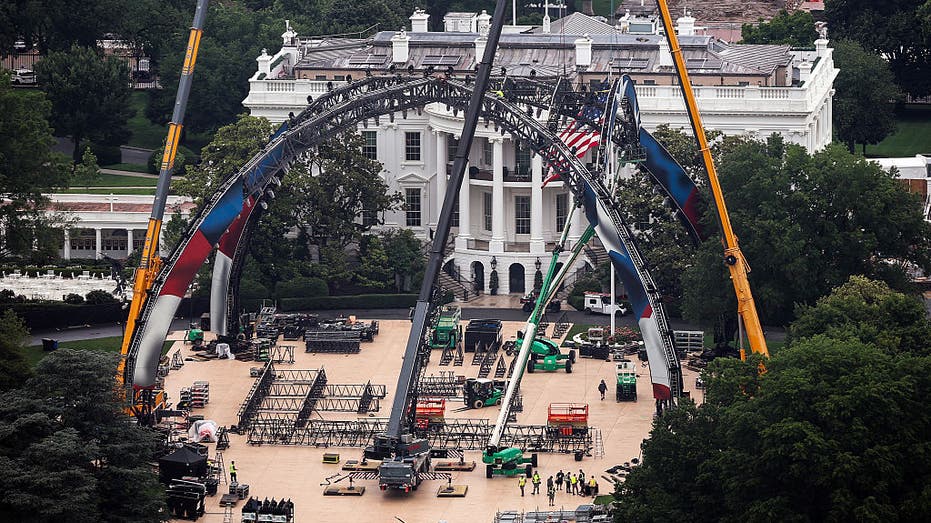
When questioned about the fund and potential restrictions, former President Trump indicated he did not require additional security funding, stating, “I don’t need money from the ballroom.” This comment, made to reporters in the Oval Office, has done little to assuage Republican concerns in the Senate regarding the DOJ fund’s impact on their legislative agenda.
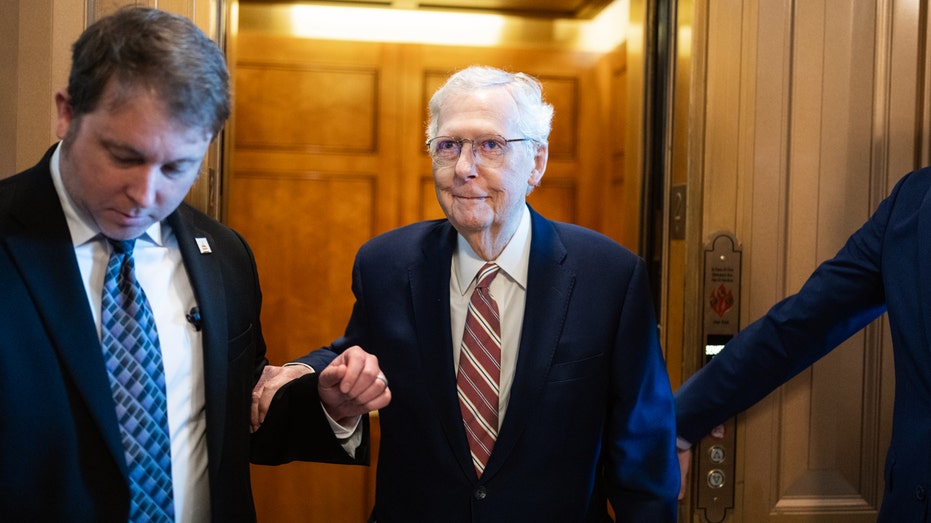
The path to reconciliation for the stalled immigration package remains unclear. Senate Majority Leader John Thune, R-S.D., stated that Republicans would “pick up where we left off,” but the immediate future is fraught with uncertainty. Senator James Lankford, R-Okla., openly admitted, “We don’t know where the votes are on reconciliation right now.” The coming weeks will test the ability of the administration and Congress to resolve this critical funding dispute, which has significant ramifications for national security and the rule of law.
A top Republican aide, speaking to Fox News Digital, conveyed the sentiment in the Senate: the administration’s actions have unnecessarily complicated an already challenging legislative process.
The Senate’s firm stance reflects a commitment to fiscal responsibility and institutional checks and balances, particularly when it comes to the allocation of funds within the federal government. Resolving this dispute is paramount to ensuring our border security agencies receive the resources they need to function effectively.