Matox News

Truth Over Trends, always!

Kamala Harris's SCOTUS and Electoral College Reform Proposals Ignite 'Institutional Arsonist' Label
Kamala Harris’s SCOTUS and Electoral College Reform Proposals Ignite ‘Institutional Arsonist’ Label

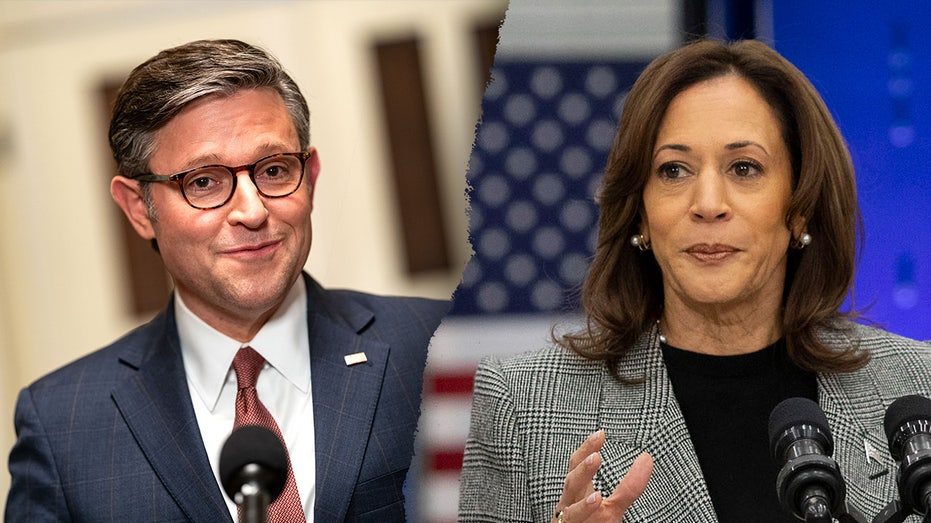
Former Vice President Kamala Harris has called for Democrats to consider sweeping reforms to the nation’s foundational institutions, including expanding the Supreme Court and restructuring the Electoral College. Her proposals, articulated during a recent call with the left-wing nonprofit Emerge, have drawn immediate and severe criticism from Republican leaders, who accuse her of seeking to destabilize American governance.

Proposals for Fundamental Institutional Shifts

Harris outlined a series of significant changes she believes Democrats should pursue when in power. Key among these are discussions around Supreme Court reform, specifically mentioning the expansion of the court. She also advocated for conversations about statehood for Puerto Rico and Washington D.C., and a re-evaluation of the Electoral College system.

  • Supreme Court Expansion: Harris suggested considering an increase in the number of justices on the nation’s highest court, a move historically viewed as ‘court-packing’ by opponents.
  • Electoral College Reform: She proposed a discussion on altering or eliminating the Electoral College, the system by which U.S. presidents are elected.
  • Statehood for D.C. and Puerto Rico: Harris reiterated support for granting full statehood to both the District of Columbia and Puerto Rico.

Explaining her rationale, Harris asserted that such reforms are necessary to “neutralize this red state cheating” and counter what she described as a “brutality at play on the other side, and a ruthlessness.” She emphasized the need for Democrats to “play to win” in the political arena.

Republican Leaders Decry ‘Institutional Arson’

The former Vice President’s remarks quickly drew a sharp rebuke from prominent Republicans. House Speaker Mike Johnson, R-La., was particularly vocal, accusing Democrats of acting as “institutional arsonists” by proposing such fundamental changes. Johnson warned that these ideas represent a “dangerous thing, a dangerous gambit” that could have severe repercussions for the nation’s stability.

The sentiment from conservative circles is that these proposals are not merely policy disagreements but rather an attempt to dismantle established systems for partisan gain. Critics argue that tampering with the structure of the Supreme Court or the Electoral College undermines the very fabric of American democracy and the checks and balances designed to protect it.

Context of Recent Redistricting Battles

Harris’s call for “bold” reforms followed recent setbacks for Democrats in critical redistricting battles. In late April, the Supreme Court moved to limit the use of race in drawing electoral districts, a decision that impacted Black-majority districts held by Democrats, particularly across the South. Furthermore, the Virginia Supreme Court dealt another blow in early May, striking down a Democratic-friendly gerrymander due to procedural concerns.

Addressing these judicial outcomes, Harris claimed that the Supreme Court’s decision on redistricting was “back-dooring racism through politics.” She contended that these actions are “intentionally about trying to suppress the voice of the people.” This context, reported by Fox News Digital, highlights the perceived urgency from Harris’s perspective for significant electoral and judicial restructuring.

“It’s a dangerous thing, a dangerous gambit.”

— House Speaker Mike Johnson, R-La.

The debate surrounding Kamala Harris’s institutional reform proposals underscores a deep ideological divide regarding the future of American governance. While proponents argue for necessary updates to ensure fairness and representation, opponents warn against politicizing and destabilizing core democratic structures. The confrontation signals an ongoing struggle over the foundational principles of the nation’s political system, promising continued contention as the next election cycle approaches.

Bishop Barron to Address Faith's Critical Role in American Democracy
Bishop Barron to Address Faith’s Critical Role in American Democracy

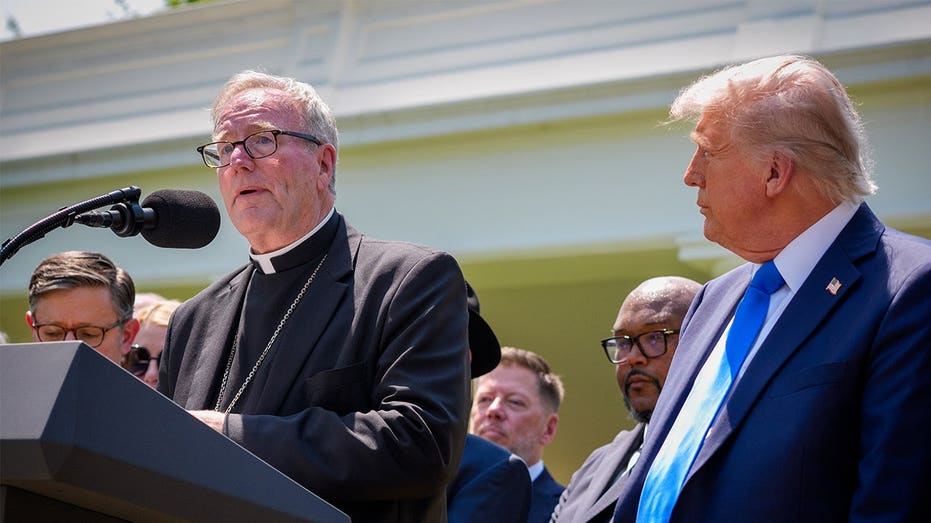
Bishop Robert Barron, a leading voice in American Catholicism, is set to deliver a significant address at President Donald Trump’s “Rededicate 250” prayer event this Sunday on the National Mall. Barron plans to articulate his conviction that the “marginalization of God” poses a fundamental threat to the nation’s democratic foundations, a message resonating with center-right conservative principles regarding societal order and institutional strength.

The event, organized by the Trump-aligned “Freedom 250” nonprofit, aims to foster a spiritual recommitment ahead of America’s 250th anniversary. It is expected to draw a substantial audience, including President Trump, members of his White House Cabinet, and numerous major faith leaders.

A National Call for Spiritual Recommitment

In an interview with Fox News Digital, Bishop Barron revealed that his remarks will underscore a central belief: that “if you marginalize and privatize religion, democracy is in danger.” He firmly asserts that a recognition of God is essential to the very foundations of American democracy, suggesting that many contemporary discussions about threats to democracy overlook this crucial spiritual dimension.

Barron’s participation highlights a broader conservative concern regarding the erosion of traditional values and the role of faith in public life. The “Rededicate 250” event is positioned as a timely moment for national reflection on the principles that have historically underpinned American society.

“If you marginalize and privatize religion, democracy is in danger.” – Bishop Robert Barron

The Perils of Secularization

Expanding on his concerns, Bishop Barron directly links the decline of religious influence to various societal challenges. He contends that removing God from the public equation leaves society vulnerable to what he terms “radical self-choice.” This perspective, he warns, can lead to ideologies such as “wokeism” and a “culture of self-invention,” where individual will supplants objective moral or spiritual frameworks. According to Barron, such unchecked individualism is “deadly to our democracy.”

His address is expected to draw upon historical precedents, with Barron intending to open his speech by invoking Abraham Lincoln’s Gettysburg Address, specifically noting the inclusion of the phrase “under God” in later versions of the iconic speech, reinforcing the idea of a divinely guided nation.

Reinforcing Foundational Principles

The bishop’s message aligns with a significant segment of the American populace that believes religious faith is not merely a private matter but a vital component of civic virtue and national cohesion. By framing the marginalization of God as a direct threat to democracy, Barron challenges contemporary secularizing trends and advocates for a renewed emphasis on the spiritual dimensions of public life.

This event serves as a powerful platform for discussing the intersection of faith, governance, and national identity, inviting attendees and observers to consider the profound implications of spiritual decline on the stability and future of American institutions. The call for a re-dedication to foundational principles resonates deeply with those who advocate for a return to traditional values and a robust public square for religious expression.

Trump's Endorsement Power Tested as Bill Cassidy Faces Louisiana Primary Challenge
Trump’s Endorsement Power Tested as Bill Cassidy Faces Louisiana Primary Challenge

The political landscape of Louisiana is heating up as incumbent Senator Bill Cassidy confronts a significant challenge in the upcoming Republican primary. Former President Donald Trump, a formidable force in GOP politics, has thrown his weight behind Rep. Julia Letlow, setting the stage for a high-stakes contest that will gauge the former president’s enduring influence. This primary is not merely a local affair but a crucial indicator of the party’s direction and the impact of presidential endorsements on congressional races.

The Political Gauntlet in Louisiana

Senator Cassidy, who secured re-election comfortably six years prior, now finds himself in a competitive battle for political survival. The competitive field includes:

  • Incumbent Senator Bill Cassidy, seeking re-election amidst significant opposition.
  • Rep. Julia Letlow, notably endorsed by President Trump and Governor Jeff Landry.
  • Former Rep. John Fleming, currently serving as the state treasurer.

This multi-candidate field underscores the fragmentation within the state’s Republican base and amplifies the stakes for all involved. The primary, scheduled for Saturday, will determine if any candidate can achieve the requisite 50% of the vote. Should no contender reach this threshold, the top two finishers will advance to a runoff election on June 27. The outcome will offer a clear snapshot of the former president’s immense grip over the Republican Party’s nomination processes.

A Defining Impeachment Vote Resurfaces

A central element of this primary contest is Senator Cassidy’s vote to convict Donald Trump during his impeachment trial five and a half years ago. Cassidy was one of only seven Senate Republicans who voted in early 2021 to hold Trump accountable following the January 6 events at the U.S. Capitol. While Trump was ultimately acquitted by the Senate, that vote has resonated within the party, particularly among the former president’s loyalists. Despite this historical divergence, Senator Cassidy has largely supported President Trump’s agenda and nominees during his second term, including his vote to approve Health Secretary Robert F. Kennedy Jr. This nuanced record highlights the complex pressures faced by Republican lawmakers in an era dominated by a strong populist movement.

Shifting Alliances and Policy Debates

The political dynamics in Louisiana are further complicated by figures like Robert F. Kennedy Jr. and his “Make America Healthy Again” movement. While Cassidy voted to approve Kennedy as Health Secretary, the source article, published by Fox News Digital, indicates a potential for “revenge” from Kennedy’s camp. This is due to Senator Cassidy, a medical doctor, expressing skepticism regarding Kennedy’s broader health policy reforms. This clash of views, particularly on critical public health matters, adds another layer of intrigue to the primary. Such disagreements, even within the same party, illustrate the diverse ideological currents shaping conservative policy debates today. The primary offers voters a chance to weigh not just loyalty to a former president, but also distinct approaches to governance and public health.

“This primary is not merely a local affair but a crucial indicator of the party’s direction and the impact of presidential endorsements on congressional races.”

As the Louisiana primary approaches, all eyes remain on the outcome, which will undoubtedly influence future Republican nomination contests nationwide. The race serves as a powerful reminder of the enduring sway of former President Trump’s endorsements and the challenges faced by incumbents who have previously crossed paths with him. For Bill Cassidy, this election is a definitive test of his political resilience and his ability to navigate a transformed Republican Party landscape. The results will offer profound insights into the balance of power within the GOP and the electorate’s priorities moving forward.

Opinion: The DC Safety Surge – A Blueprint for Restoring Order

Washington, D.C., the symbolic heart of American democracy, is embarking on a pivotal mission to reclaim its streets and ensure public safety. With the nation’s 250th Independence Day celebrations on the horizon, the Trump administration has launched a robust ‘summer surge’ of federal law enforcement. This decisive action, spearheaded by the D.C. Safe and Beautiful Task Force, aims to transform the capital into the safest city in America, addressing persistent challenges to civic order and community well-being.

Reclaiming the Capital’s Streets

The initiative’s early successes are compelling, demonstrating the efficacy of a determined approach to law enforcement. Since its inception last year, the joint law enforcement operation has yielded significant results:

  • Nearly 13,000 arrests have been made.
  • Over 1,400 illegal firearms have been seized.
  • 32 murder suspects have been apprehended.
  • 23 missing children have been safely recovered.

These aggressive enforcement efforts have demonstrably impacted the city’s crime landscape, with overall crime plummeting by 26%. Homicides have seen a nearly 50% reduction, and carjackings, a particularly insidious threat to urban residents, are down by 60%. Such figures, as reported by News Desk, underscore the positive impact of this focused federal push.

Accountability for All: The Parental Imperative

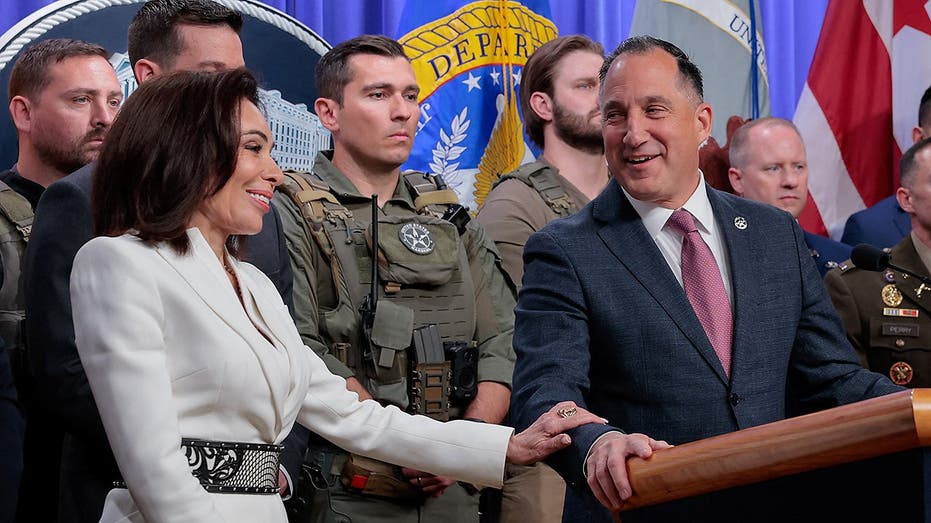
A core focus of the ‘DC Safety Surge’ is confronting the disruptive “teen takeovers” that have plagued neighborhoods and impacted local businesses. U.S. Attorney Jeanine Pirro has openly criticized the D.C. Council for its perceived inaction, declaring a zero-tolerance policy that extends accountability to parents. Federal prosecutors will now charge parents under a D.C. statute for contributing to the delinquency of a minor. This means parents who drop off their children, neglect supervision, or permit truancy leading to participation in chaos could face fines, mandatory classes, and even jail time.

This policy shift reflects a fundamental conservative principle: individual and parental responsibility. When local authorities hesitate to address juvenile delinquency, the burden often falls on law-abiding citizens and strained public services. Holding parents accountable sends a clear message that societal order begins within the family unit and that neglect carries consequences.

“Law-abiding taxpayers should no longer have to pay for parental neglect.”

A Model for Urban Renewal?

The federal intervention in Washington, D.C., offers a powerful counter-narrative to the trend of escalating urban crime seen in many American cities. It demonstrates that a strategic, well-resourced law enforcement effort, coupled with a commitment to holding all parties accountable, can yield swift and significant improvements in public safety. This ‘DC Safety Surge’ represents more than just a temporary crackdown; it is an effort to restore the fundamental expectation of order and security that every citizen deserves. It is a reminder that strong institutions, backed by decisive action, are essential for a thriving society.

As the nation prepares to celebrate its quarter-millennium, ensuring the capital is safe and beautiful is not merely a logistical task but a moral imperative. The proactive measures taken by federal authorities in Washington D.C. serve as a testament to the idea that with resolve and a focus on core principles of law and order, even the most entrenched challenges to public safety can be overcome. This commitment to restoring peace and order in the nation’s capital sets a commendable standard for urban governance.

America's Firefighter Shortage Reaches Crisis Level, Endangering Communities
America’s Firefighter Shortage Reaches Crisis Level, Endangering Communities

Across the nation, fire departments are grappling with a severe firefighter shortage, a crisis that has reached critical levels and is now placing communities and the very lives of emergency personnel at heightened risk. This staffing deficiency is not merely an operational hurdle; it represents a fundamental threat to the infrastructure of public safety that Americans rely upon daily.

A Declining Workforce Meets Rising Demands

The landscape of fire service has undergone a significant transformation over the past two decades. Historically, volunteer ranks were robust, sometimes to the point where new positions were scarce. However, this trend has reversed dramatically. According to data cited by career firefighter Jason Cerrano, a director for research and development at IDEX Fire and Safety, the number of volunteers has steadily declined from approximately 900,000 to 700,000.

While career firefighting positions have seen a modest increase of 30,000 to 40,000 jobs during the same period, this growth is insufficient to offset the volunteer exodus. Compounding this challenge, emergency call volumes have tripled, creating an untenable imbalance between available personnel and the demands placed on fire departments. This disparity means fewer hands are available to respond to an ever-increasing array of incidents, from structural fires to medical emergencies.

Heightened Risks for First Responders and Public

The direct consequence of fewer firefighters on the ground is an exponential increase in risk. Fire departments operate in inherently unpredictable environments. As Cerrano explained to Fox News Digital, “The fire ground is random; things happen, whether it’s a fire or a car accident or something else – it’s an unstable environment, or we wouldn’t be there.” When staffing is inadequate, the ability to assess rapidly evolving situations and respond effectively is compromised.

Each incident presents unique challenges, often throwing unforeseen complications into the mix. A robust team ensures more eyes are on the scene, enhancing situational awareness and providing crucial redundancy in critical moments. A depleted workforce means individual firefighters are stretched thinner, increasing their personal exposure to danger and potentially delaying vital assistance to those in need.

“Every time… there’s something you can’t imagine that throws a wrench in it, so the more people you have who can evaluate those things and see something coming at you from the side, that’s the most important.” — Jason Cerrano, Career Firefighter and R&D Director, IDEX Fire and Safety.

Reinvigorating Recruitment and Community Engagement

For many years, fire departments rarely needed to actively recruit; the allure of service and community connection drew sufficient numbers. Post-9/11 saw a temporary influx, yet the long-term trend points to a need for more proactive strategies. While departments have always excelled at community outreach through programs like fire prevention, the focus must now expand to active recruitment campaigns.

Addressing the firefighter shortage requires a multi-faceted approach. This includes not only highlighting the noble calling of fire service but also exploring ways to support and retain existing personnel. Ensuring adequate funding, providing advanced training, and fostering a culture of support are all crucial elements in rebuilding the ranks and securing the future of this essential public service. The safety of our homes and families depends on a fully staffed and well-equipped fire service.

The nation’s emergency services stand at a critical juncture. The ongoing decline in firefighter numbers, coupled with soaring emergency calls, demands immediate and strategic attention. Sustaining a strong, responsive fire service is not merely a matter of departmental efficiency; it is a foundational pillar of community resilience and a testament to our commitment to public safety. Investing in our first responders is an investment in the security and well-being of every American household.

Fact Check: Have Shadow Fleet Vessels Defied UK Boarding Threats in British Waters?

A recent report has ignited significant public discussion regarding the presence of so-called “shadow fleet” vessels within British waters. These ships, often associated with circumventing international sanctions, are reportedly transiting areas under UK jurisdiction despite prior warnings and the government’s declared ability to interdict them. Matox News investigates the veracity of these claims, examining the available evidence to ascertain the extent of this maritime challenge and the government’s response.

The Claim: Sanctioned Vessels Undeterred in UK Waters

The core claim under scrutiny is that numerous vessels linked to Russia’s “shadow fleet” — ships operating outside conventional maritime regulations to evade sanctions, particularly concerning oil exports — have continued to enter the UK’s Exclusive Economic Zone (EEZ) unhindered. This reportedly occurs even after a prominent political figure, Sir Keir Starmer, announced in March that British armed forces “are now able to board sanctioned vessels that are passing through our waters”. The implication is a perceived lack of effective enforcement, potentially undermining national security and the integrity of international sanctions regimes.

Evidence Examined: Tracking the Shadow Fleet’s Movements

Analysis of ship-tracking data, notably by BBC Verify, lends substantial weight to the assertion that sanctioned vessels have indeed been active in UK waters. Their investigation identified:

  • 184 UK-sanctioned vessels making at least 238 distinct journeys through the UK’s Exclusive Economic Zone since March.
  • The EEZ extends up to 200 nautical miles from the coastline, an area where the UK has sovereign rights for exploration and exploitation of marine resources, and also jurisdiction over certain activities including maritime security.
  • A significant proportion of these transits occurred through the busy English Channel, a critical international shipping lane.

Crucially, despite the public pronouncement regarding the armed forces’ capability to board such vessels, there has been no public statement or presented evidence from the government indicating that any of these identified ships have been interdicted or boarded.

The lack of public action against sanctioned vessels in our waters has been termed “pathetic” by a former Royal Navy commander, highlighting a potential gap in enforcement.

Official Responses and Unanswered Questions

The Ministry of Defence (MoD) has acknowledged the broader issue, stating that it is actively “disrupting and deterring” shadow fleet vessels. However, these statements have lacked specific details regarding the nature or success of such operations. Without concrete examples or data, the public remains without a clear understanding of the government’s proactive measures. This absence of transparency has led to criticism, with one former Royal Navy commander expressing strong disapproval, calling the perceived lack of action “pathetic.”

The government’s position is that it is taking action, but the specific form and efficacy of this action remain opaque. This creates a disconnect between stated capabilities and observable enforcement, particularly concerning vessels operating within the UK’s jurisdiction.

Verdict: What We Know and What Remains Unclear

Based on the available evidence, Matox News can confirm the following:

  • Confirmed: Sanctioned “shadow fleet” vessels have demonstrably transited the UK’s Exclusive Economic Zone hundreds of times since March.
  • Confirmed: There is no publicly available evidence or official government statement confirming that any of these vessels have been boarded or directly interdicted by British armed forces, despite prior announcements of such capabilities.

What remains uncertain or unsubstantiated is the precise nature and effectiveness of the Ministry of Defence’s stated “disrupting and deterring” activities. While the MoD asserts action, the lack of specific details makes it impossible to verify the impact of these efforts on the actual movement of sanctioned ships. It is also unclear whether any covert operations have taken place that would not be publicly disclosed. This ambiguity leaves critical questions regarding the UK’s maritime security posture and the enforcement of international sanctions unanswered.

The integrity of the UK’s maritime borders and its commitment to international sanctions are paramount. While the presence of these vessels is now well-documented, greater transparency from authorities could help assure the public that robust measures are indeed in place to protect national interests and uphold the rule of law at sea.

Martin Short's Enduring Joy: A Lesson in Resilience Amidst Life's Trials
Martin Short’s Enduring Joy: A Lesson in Resilience Amidst Life’s Trials

The celebrated comedian’s journey through grief and laughter reveals a profound philosophy on finding happiness.

In an age often defined by fleeting trends and public spectacle, the enduring spirit of individuals who navigate profound adversity with grace offers a vital cultural touchstone. Beloved actor and comedian Martin Short, a figure synonymous with mirth and wit, stands as a remarkable example. The subject of a new documentary, Short’s life story delves beyond the comedic facade, revealing a man who has faced unimaginable personal tragedies yet continues to radiate joy. His unique perspective on finding happiness amidst sorrow presents a compelling lesson for all.

The Weight of Unimaginable Loss

Martin Short’s public persona as a comedic genius often belies a private life marked by significant loss. Early in his life, he experienced the profound grief of losing his eldest brother to a car accident, followed by the passing of his mother from cancer, and then his father. These were not isolated incidents but a series of heart-wrenching blows that shaped his early years. Later in life, he would endure the devastating loss of his wife, Nancy Dolman, to ovarian cancer. Each event could have easily consumed an individual, yet Short has consistently chosen a path of remembrance and optimism.

The comedian’s ability to process such immense sorrow without succumbing to despair speaks volumes about his character. It highlights a profound inner strength and a conscious decision to focus on the positive memories and the love that defined those relationships, rather than the pain of their absence. This resilience is a powerful testament to the human capacity for enduring hardship.

A Legacy Forged in Laughter

Despite these personal trials, Martin Short has built an illustrious career spanning decades, bringing laughter to millions. From his iconic characters on “SCTV” and “Saturday Night Live” to his acclaimed stage performances and recent success in “Only Murders in the Building,” his work is a testament to the power of humor as both an escape and a coping mechanism. His dedication to his craft, even during periods of immense personal grief, underscores a professional steadfastness.

His comedic genius, often characterized by exuberance and a touch of the absurd, became a conduit for connection and shared human experience. It demonstrates that even in the darkest times, art and creativity can provide solace and a means to uplift others. This unwavering commitment to his profession, despite the personal toll, showcases a remarkable work ethic and a profound belief in the value of entertainment.

The Philosophy of Finding Joy

What truly sets Martin Short’s story apart, as highlighted in a recent report from The New York Times, is his explicit philosophy on joy. He openly acknowledges the pain of loss but firmly believes in remembering the laughs and the love that preceded it. For Short, life is not about avoiding sorrow, but about embracing the full spectrum of human experience, understanding that joy and grief can coexist.

This perspective encourages an active engagement with memory, transforming potential heartbreak into a source of enduring warmth. It suggests that happiness is not merely an absence of pain, but a cultivated state of mind, rooted in gratitude and the appreciation of past blessings. This mindful approach to life’s challenges offers a beacon of hope for those navigating their own struggles.

“He says there are always laughs to remember.” This simple yet profound statement encapsulates Martin Short’s unique approach to life, emphasizing resilience and the enduring power of positive memory over the shadow of loss.

Embracing Life’s Finer Threads

Short’s journey suggests that true contentment stems from an inner wellspring, not external circumstances. It’s a lesson in prioritizing what truly matters:

  • Cherishing the memories of loved ones.
  • Finding purpose and fulfillment in one’s work.
  • Cultivating a mindset of gratitude.
  • Embracing humor as a fundamental aspect of the human spirit.

His life illustrates that even after profound tragedy, individuals can continue to thrive, to create, and to inspire. It reinforces the idea that character is forged in adversity, and a commitment to joy is a powerful act of will.

Martin Short’s story transcends mere celebrity. It offers a powerful narrative about human resilience, the importance of memory, and the deliberate pursuit of joy despite life’s inevitable sorrows. As a cultural icon, his journey reminds us that even when confronted with the harshest realities, the human spirit possesses an extraordinary capacity to find light, laughter, and lasting happiness. His life is a testament to an enduring truth: while grief is a part of the human condition, so too is the profound ability to remember and celebrate the joy.

PGA Championship Pace of Play Sparks Heated Exchange Between Thomas and Bradley

The incident at Aronimink Golf Club highlights the perennial challenge of maintaining competitive flow amidst demanding course conditions and a large field during a major championship.

Tensions flared dramatically at the PGA Championship on Friday, as prominent golfers Justin Thomas and Keegan Bradley engaged in a visibly heated exchange with a tournament official regarding pace of play. The confrontation, which also involved fellow Ryder Cup member Cameron Young, underscored the intense pressure and high stakes inherent in major championship golf.

Tensions Mount on the Course

Following a slow first round, tournament organizers at the Aronimink Golf Club in Philadelphia had clearly prioritized accelerating play. However, this directive led to a direct clash on the fourth hole when an official approached the formidable group of Thomas, Bradley, and Young. The official informed the players they were “on the clock,” a decision that immediately sparked a strong reaction from both Thomas and Bradley.

Eyewitness accounts describe an animated discussion, with both players gesturing towards the group ahead of them. Thomas, a former PGA Champion, and Bradley, a past Ryder Cup captain, reportedly voiced their strong disagreement with the official’s assessment, turning what could have been a routine interaction into a notable moment of contention at one of golf’s most prestigious events.

Players Cite Course Conditions and Group Ahead

After the round, Justin Thomas articulated the group’s perspective, stating they “just didn’t really agree with it.” The core of their argument was that while they acknowledged being behind schedule, their delay was not impacting the group playing directly behind them. Instead, they contended they were simply caught up with the pace of the group in front.

Several factors, according to Thomas, contributed to the slower play, including challenging course conditions, high winds, and difficult pin placements. Furthermore, the design of Aronimink Golf Club itself presents unique challenges, with three par-3s stretching over 200 yards, a shared tee box on holes 1 and 10, and holes 9 and 17 crossing paths. These architectural elements, coupled with a large field of 156 golfers, inherently complicate the rhythm of play. Reports from Fox News detailed the specifics of the players’ grievances, emphasizing their belief that the official’s call was misdirected given the broader context of the course and field.

Despite the disagreement, Thomas indicated that his group successfully regained the desired pace on the very next hole, demonstrating their capability to adapt once the issue was raised.

The Broader Context of Championship Play

The incident at the PGA Championship is not an isolated event but rather highlights the ongoing debate within professional golf regarding pace of play. Maintaining a steady flow is crucial for the integrity of the competition and the experience of both players and spectators. However, balancing this with the inherent difficulties of a major championship course, where every shot carries immense pressure and conditions can vary wildly, is a delicate act.

With scores generally high and only a quarter of the field below par at the time of the incident, it is evident that Aronimink Golf Club is proving to be a stern test. Such demanding conditions often necessitate more time for players to strategize and execute shots, making strict adherence to timing protocols a contentious issue.

“We just didn’t really agree with it… It’s just the fact that we weren’t holding up the group behind us.”
— Justin Thomas

The PGA of America faces the complex task of ensuring fair play and efficient tournament operations without unduly penalizing players grappling with challenging environments. This recent exchange between top talent and officials serves as a fresh reminder of the fine line between enforcing rules and accommodating the realities of competitive golf at its highest level.

OpenAI Acquires Voice Cloning AI Firm, Igniting Debate Over Ethical Boundaries

In a significant development within the rapidly evolving artificial intelligence landscape, OpenAI has announced its acquisition of Weights.gg. This company, described as a social network for artificial intelligence algorithms, was particularly noted for its sophisticated AI voice cloning capabilities. The move instantly elevates the ongoing debate surrounding the ethical deployment and potential societal impact of generative AI, especially concerning synthetic voices and digital identity.

The acquisition, which was recently reported, underscores the accelerating pace of AI innovation. While such advancements promise revolutionary applications across various sectors, the specific nature of Weights.gg’s offerings immediately raises questions about the integrity of information, the potential for misuse, and the urgent need for robust safeguards.

The Rise of Synthetic Voices and Digital Identity

Voice cloning technology, at its core, enables the creation of highly realistic synthetic speech from minimal audio samples. Weights.gg reportedly facilitated the development and sharing of these sophisticated algorithms, making it a hub for those exploring the frontiers of digital audio manipulation. The potential applications are vast, ranging from enhancing accessibility for individuals with speech impediments to creating personalized digital assistants and revolutionizing content creation in entertainment and media.

However, the very power of this technology also presents significant challenges. The ability to perfectly replicate a person’s voice, even with limited input, blurs the lines between authentic and artificial, creating new dilemmas for digital verification and public trust. As this technology becomes more accessible, the imperative to distinguish genuine communication from fabricated content grows ever more critical.

Navigating the Ethical Minefield of AI Voice Cloning

The integration of advanced voice cloning into a leading AI developer’s portfolio naturally intensifies scrutiny over ethical considerations. Critics and policymakers alike express concern about the potential for malicious use. High-profile deepfake incidents, where individuals’ voices and likenesses have been digitally manipulated to spread misinformation or commit fraud, serve as stark warnings.

For a society built on trust and verifiable information, the widespread availability of such tools poses a direct threat to order and institutional integrity. There are legitimate fears that malevolent actors could exploit AI voice cloning for scams, identity theft, or to sow discord and confusion, undermining public discourse and confidence in digital interactions. Safeguarding against these abuses is not merely a technical challenge but a societal responsibility.

“The acquisition of advanced voice cloning technology by a major AI developer underscores the urgent need for robust ethical guidelines and proactive regulatory measures to safeguard public trust and prevent misuse.”

OpenAI’s Ambitions and the Path Forward

OpenAI, known for its groundbreaking work with large language models, has often articulated a commitment to developing AI responsibly. This acquisition suggests a strategic move to integrate cutting-edge audio generation capabilities into its ecosystem. While the company undoubtedly sees immense potential for beneficial applications, it also inherits the significant ethical burdens associated with such powerful tools.

The challenge for OpenAI will be to demonstrate a clear and actionable strategy for mitigating the risks inherent in voice cloning. This includes not only technical safeguards but also transparent policies regarding consent, attribution, and the prevention of misuse. Public confidence will hinge on the company’s ability to balance innovation with an unwavering dedication to ethical deployment.

The Imperative for Responsible Innovation and Oversight

The rapid advancement in synthetic media technologies like AI voice cloning necessitates a proactive approach from both the private sector and governmental institutions. As reported by The New York Times, this acquisition highlights the speed at which the technological frontier is expanding, often outpacing the development of adequate ethical frameworks and legal protections.

Policymakers must work collaboratively with tech innovators to establish clear guidelines, foster transparency, and ensure accountability. This includes exploring mechanisms for digital watermarking, authentication, and robust reporting systems for synthetic content. Upholding order and protecting individuals from digital manipulation requires a concerted, multi-stakeholder effort, ensuring that technological progress serves humanity’s best interests without compromising societal integrity.

US and Nigerian Forces Eliminate Top IS Leader, President Declares Major Victory

In a significant development in the global fight against terrorism, US President Donald Trump announced today the successful elimination of Abu-Bilal al-Minuki, a prominent leader within the Islamic State (IS) organization. The operation, described by the President as “flawlessly executed,” involved a joint effort by American and Nigerian forces, targeting what Trump called “the most active terrorist in the world.”

This decisive action, if officially confirmed by Nigerian authorities, represents a substantial setback for the Islamic State, particularly its burgeoning presence across the African continent. Al-Minuki, also known as Abu Bakr ibn Muhammad ibn Ali al-Mainuki, had been designated a Specially Designated Global Terrorist by Washington in 2023, underscoring his critical role in orchestrating extremist activities.

A Coordinated Blow Against Terrorism

President Trump conveyed the news via Truth Social, highlighting the precision and effectiveness of the combined military efforts. While the full details of the raid remain undisclosed, the announcement points to a high level of intelligence sharing and operational coordination between the United States and Nigeria. Despite the presidential declaration, the Nigerian military has yet to issue an official statement regarding their participation or the outcome of the mission.

The successful targeting of such a high-value individual demonstrates a sustained commitment to eradicating extremist threats that destabilize regions and imperil innocent lives. Such operations reinforce the imperative for international cooperation in confronting groups that seek to undermine global order and security.

Al-Minuki’s Extensive Terror Network

Al-Minuki was not merely a figurehead; he was instrumental in directing numerous IS-linked cells throughout Africa. His influence was particularly strong within the Islamic State West Africa Province (ISWAP), a formidable extremist group that has entrenched itself in the volatile Lake Chad Basin and the broader Sahel region. This area, spanning borders into Niger, Chad, and Mali, has been a hotbed of militant activity, disrupting local communities and challenging state authority.

His elimination could severely disrupt ISWAP’s command and control structure, potentially weakening its operational capabilities and its ability to recruit and fund further attacks. This development mirrors the strategic impact of the 2019 killing of IS leader Abu Bakr al-Baghdadi, marking another critical blow to the organization’s top echelon.

“The elimination of Abu-Bilal al-Minuki strikes at the heart of IS’s dangerous expansion in Africa, a vital step towards restoring stability and protecting innocent lives from extremist violence.”

Implications for Regional Stability and Order

The presence of ISWAP and other extremist groups has profoundly impacted the stability and development of West and Central Africa. Their activities have led to widespread displacement, humanitarian crises, and a significant challenge to the sovereignty of nations in the region. The focus on disrupting such leadership is critical for several reasons:

  • Degrades operational capacity: Removing key leaders often creates a vacuum, leading to disarray and internal power struggles within the organization.
  • Disrupts funding and logistics: Senior leaders are typically central to resource allocation and supply chains for terrorist activities.
  • Boosts morale of counter-terrorism forces: Successful operations provide a psychological advantage to forces combating extremism.
  • Reduces propaganda appeal: The loss of a prominent figure can diminish the group’s perceived strength and allure to potential recruits.

As reported by the News Desk, the strategic importance of this operation cannot be overstated. It underscores the ongoing commitment to protecting national security interests and supporting allies in their efforts to maintain peace and order against the backdrop of persistent extremist threats.

The international community will closely monitor the aftermath of this operation, observing how ISWAP adapts to the loss of its key strategist. While the fight against global terrorism is far from over, the death of Abu-Bilal al-Minuki represents a significant victory for pro-order forces and a renewed hope for stability in the affected regions.

Social Media Auto Publish Powered By : XYZScripts.com