Matox News

Truth Over Trends, always!

Amp Secures $1.3 Billion to Build Independent AI Grid

In a significant development for the technology sector, a nascent startup named Amp has successfully secured an impressive $1.3 billion in funding. This substantial investment is earmarked for the creation of an independent “AI Grid”, a strategic move designed to offer an alternative to the current landscape where a few colossal tech giants predominantly control the essential hardware for artificial intelligence development. The news, highlighted in a recent dispatch by the News Desk, underscores a growing desire for diversified infrastructure in the rapidly expanding AI arena.

Amp’s initiative is poised to challenge the status quo, promising a more accessible and potentially more resilient foundation for AI innovation. This substantial capital infusion signals investor confidence in a vision that seeks to decentralize and broaden the participation in the AI revolution.

Challenging Tech Dominance with an Independent AI Grid

The core vision behind Amp’s venture is to establish a comprehensive AI Grid, a network of hardware and software resources intended to be openly accessible to a wider array of developers and businesses. This approach directly addresses concerns about the growing concentration of power within the AI infrastructure space. Currently, the heavy investment required for advanced AI hardware, such as specialized processors and data centers, has largely confined their ownership and operation to a handful of industry titans. Amp aims to disrupt this model.

By building out this independent grid, Amp seeks to foster an environment where innovation is not bottlenecked by access to proprietary systems or the pricing structures of dominant players. This move aligns with free-market principles, promoting competition and potentially lowering barriers to entry for smaller enterprises and researchers in the AI field.

Market Dynamics and the Future of AI Infrastructure

The infusion of $1.3 billion into Amp represents more than just a startup success story; it reflects a broader market appetite for diversification and resilience in critical technological infrastructure. As artificial intelligence becomes increasingly integral to various industries, the reliability and accessibility of its underlying hardware become paramount. A more distributed and competitive infrastructure could yield several benefits:

  • Increased Innovation: By democratizing access, more diverse ideas and applications can emerge.
  • Reduced Monopolistic Risks: Less reliance on a few providers mitigates potential risks associated with single points of failure or anti-competitive practices.
  • Economic Opportunity: Creates new avenues for investment, job creation, and technological advancement beyond established incumbents.
  • Enhanced Security: A decentralized network can potentially offer greater resilience against cyber threats.

This substantial investment suggests that investors see long-term value in fostering an ecosystem where robust competition drives progress, rather than allowing concentration to stifle it. This is a positive signal for the health and dynamism of the global technology market.

“Amp’s bold move to build an independent AI Grid is a testament to the enduring power of innovation and the free market’s capacity to challenge entrenched interests for the benefit of all.”

The Path Ahead for Decentralized AI

While the funding is a significant milestone, Amp’s journey to establish a fully functional and competitive AI Grid will undoubtedly face considerable challenges. Scaling infrastructure, attracting top-tier talent, and navigating the intense competition from well-resourced tech giants will require sustained effort and strategic execution. However, the potential rewards—a more open, equitable, and innovative AI landscape—are substantial.

The emergence of players like Amp could also prompt a closer look from regulatory bodies at the current market concentration within the AI sector. Ensuring fair competition and preventing anti-competitive behaviors remains crucial for maintaining a healthy economic environment. Amp’s successful fundraising underscores a pivotal moment where the tech industry is actively seeking to broaden the foundations upon which the future of artificial intelligence will be built, ensuring that the transformative power of AI is accessible and beneficial to a wider segment of society.

UK Borrowing Costs Soar to 1998 High Amid Political Turmoil

Britain’s long-term UK borrowing costs have surged to their highest levels since 1998, a stark indicator of mounting investor anxiety over the nation’s economic and political stability. The dramatic increase in gilt yields comes as Prime Minister Keir Starmer faces intense pressure from within his own party to resign, creating an environment of profound uncertainty in financial markets.

This sharp rise signals a significant challenge for the government, as the cost of financing public debt escalates, potentially impacting future public services and taxation. The confluence of political upheaval and economic strain presents a formidable test for the nation’s fiscal health.

Gilt Yields Reach Decades-High Levels

The yield on the UK’s 20- and 30-year government bonds, known as gilts, dramatically climbed today, surpassing levels last observed in July 1998. Specifically, the 30-year bond yield exceeded 5.8% at one point, reflecting a substantial increase in the perceived risk of holding British debt. This upward trajectory in yields means the government must offer higher interest rates to attract investors, making future borrowing more expensive for taxpayers.

Market analysts are pointing to the immediate political landscape as a primary driver. As observed in The Guardian’s business live coverage, financial markets are highly sensitive to signals of instability, and the current political flux is clearly unsettling investors.

Political Instability Fuels Fiscal Anxiety

The surge in UK borrowing costs is directly linked to the intense political pressure on Prime Minister Keir Starmer. Reports indicate that a growing number of Labour MPs are urging him to step down following recent poor election results. Despite Starmer’s insistence to his cabinet that he will not resign, the ongoing leadership speculation has triggered significant market apprehension.

Financial experts, such as Chris Beauchamp, Chief Market Analyst at IG, suggest that markets are already anticipating a potential change in leadership that could lead to increased public spending. This prospect, he notes, is particularly concerning given Britain’s already challenging fiscal situation. The fear is that a new prime minister, eager to shore up party support, might yield to calls for greater expenditure, further straining the national finances.

“The current political uncertainty risks opening the floodgates on spending, threatening Britain’s fiscal stability and placing an undue burden on future generations.”

Market Response and Economic Outlook

The ripple effects of this political and economic uncertainty are evident across financial markets. The British pound has been weighed down by the instability, experiencing a decline against major currencies. Simultaneously, the FTSE 100 index recorded its lowest point since March 31, reflecting broader investor caution and a potential retreat from UK equities.

Investors are also increasing their bets on the Bank of England implementing further interest rate hikes to combat persistent inflation. This aggressive monetary policy, combined with higher government borrowing costs, could create a challenging environment for businesses and households alike. EY’s analysis further suggests that global energy supply disruptions will slow UK GDP growth, adding another layer of complexity to the economic outlook.

Key Market Indicators:

  • 20- and 30-year Gilt Yields: Highest since July 1998.
  • Pound Sterling: Under pressure due to political uncertainty.
  • FTSE 100: Hit lowest level since March 31.
  • Inflation Expectations: Investors anticipate further Bank of England rate hikes.

The current climate underscores the critical importance of stable governance and prudent fiscal management. As the nation navigates these turbulent waters, a clear and disciplined economic strategy will be essential to reassure markets and protect the long-term prosperity of British citizens. Maintaining institutional order and a commitment to responsible spending are paramount to overcoming these challenges and restoring confidence in the UK economy.

GOP Unity Imperative as Senate Republicans Press for Border Funding Amid House Tensions

Senate Republicans are increasingly vocal about the need for improved communication and a unified front with their House counterparts. The focus is on securing crucial funding for Immigration and Customs Enforcement (ICE) and Border Patrol, a move that demands unprecedented GOP unity to navigate the complexities of budget reconciliation.

Addressing Inter-Chamber Dysfunction

The relationship between Senate and House Republicans has been described as fragile, marked by recent periods of dysfunction and miscommunication. These internal divisions were particularly evident during the longest government shutdown on record, leading to wasted time and stalled legislative efforts.

Senators are not assigning blame to specific individuals but are collectively acknowledging that a fundamental shift is necessary. Senator Katie Britt (R-Ala.) emphasized the urgent need for a cohesive strategy. Speaking to Fox News Digital, she stated, “We all need to get in a room and figure out what’s our plan.”

Securing Border Operations Through Reconciliation

A primary legislative objective is the funding of ICE and Border Patrol for the next three and a half years. This vital measure aims to bolster the nation’s border security infrastructure and personnel, a core tenet of conservative governance, ensuring order and safety at our national boundaries.

The chosen legislative vehicle for this initiative is budget reconciliation. This process, while streamlining certain fiscal measures, requires near-perfect unanimity within Republican ranks in both chambers, effectively cutting out Democratic participation. The stakes for achieving bipartisan Republican consensus are exceptionally high.

Key aspects of the plan include:

  • Funding for Immigration and Customs Enforcement (ICE) operations.
  • Allocations for Border Patrol personnel and equipment.
  • A three-and-a-half-year financial commitment to stability.
  • Reliance on the budget reconciliation process for expedited passage.
  • The critical requirement of near-unanimous Republican support to succeed.

“We all need to get in a room and figure out what’s our plan.”

Lessons from Past Legislative Standoffs

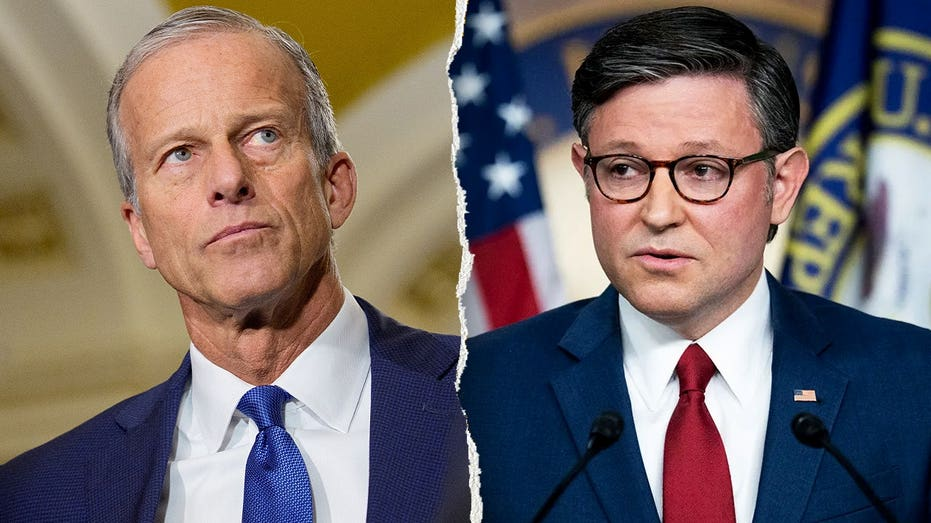
The urgency for GOP unity is underscored by recent history. Divisions between the House and Senate were starkly exposed during the Department of Homeland Security (DHS) shutdown. House Republicans, under Speaker Mike Johnson, notably rejected the Senate’s compromise plan to reopen the agency.

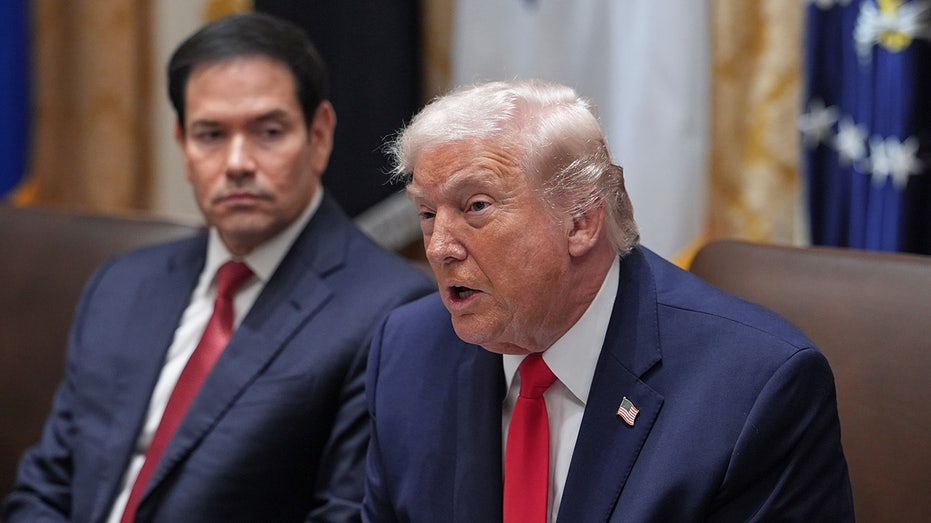
This decision prolonged the shutdown for nearly a month, creating significant friction between the chambers. Such legislative stalemates not only impede effective governance but also foster frustration, particularly when leadership and President Donald Trump are advocating for a united front to advance the conservative agenda.

As Republicans prepare for this critical legislative push, the call for cohesive action resonates across Capitol Hill. The ability to unite behind key priorities, particularly border security, will serve as a definitive test of the party’s capacity to govern effectively and deliver on its promises to the American people. The path forward demands not just negotiation, but a genuine commitment to inter-chamber collaboration for the sake of national interests and the preservation of order.

Midterm Battle Lines Drawn: Key Primaries Shape 2026 Congressional Control

Tuesday’s primary elections in Nebraska, West Virginia, and New Jersey have set the stage for the highly anticipated 2026 midterm elections, offering early indicators of the political currents shaping the battle for control of Congress. With less than six months until the general election, these state-level contests are crucial for both parties as they strategize to secure or expand their legislative power.

Republicans currently hold razor-thin majorities in both the House and Senate, making every race significant. Democrats, meanwhile, are aiming to mount a “blue wave” to shift the balance of power. The outcomes of these initial ballot box showdowns will undoubtedly influence national narratives and campaign strategies moving forward.

Nebraska’s Pivotal Senate Race

In red-leaning Nebraska, the focus is squarely on the Senate race, where incumbent Republican Senator Pete Ricketts is seeking a full six-year term. Appointed in 2023 and winning a special election in 2024 to complete a partial term, Ricketts faces several primary challengers, though he is widely expected to secure his party’s nomination. His campaign is already looking ahead to the general election, where he is slated to face independent candidate Dan Osborn.

Osborn, an industrial mechanic and military veteran, previously demonstrated his electoral strength by mounting a surprisingly strong challenge against Republican Senator Deb Fischer in 2024. While the Nebraska Democratic Party has indicated support for Osborn in the general election, two Democrats, community college instructor Cindy Burbank and pastor Bill Forbes, are also vying for their party’s nomination in the primary. This dynamic suggests a potentially competitive general election, underscoring the importance of Nebraska’s contribution to the broader midterm primaries narrative.

West Virginia’s Republican Dominance Tested

West Virginia, a state with a strong Republican leaning, also held significant primary contests. Veteran Republican Senator Shelley Moore Capito is facing five primary challengers as she seeks re-election. Despite the number of opponents, Senator Capito enjoys the strong backing of former President Donald Trump, a significant advantage in the state’s GOP-dominated political landscape. Her expected victory in the primary will pave the way for a general election contest where she will be a formidable incumbent.

The West Virginia primary serves as a reminder of the enduring influence of key endorsements and the solid conservative base that defines the state’s electoral politics. The results will be closely watched for any shifts in voter sentiment within the Republican party, particularly concerning establishment figures versus more insurgent candidates.

“These primary contests are not merely local battles; they are the foundational skirmishes that will ultimately decide the composition of our national legislature and the direction of our country.”

New Jersey’s Local Impact

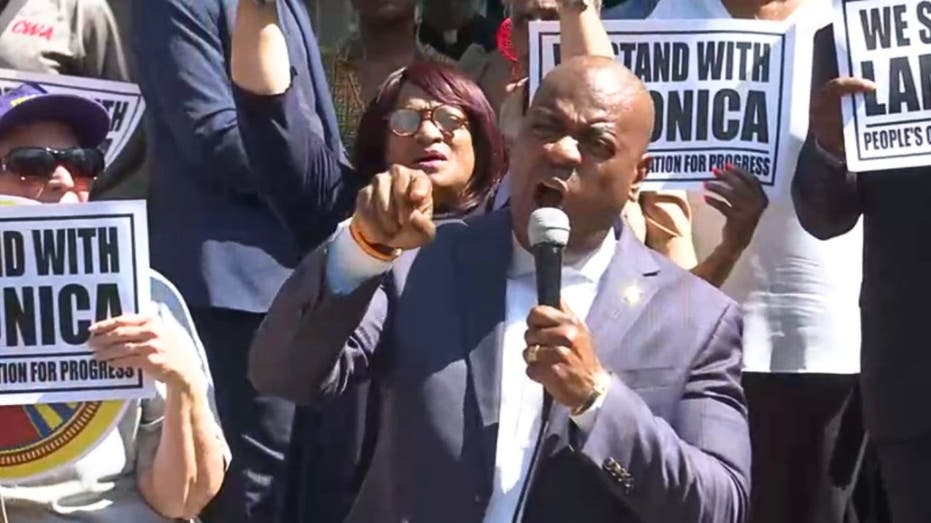
Across the country in New Jersey, the focus was on a significant municipal race with broader implications. Newark Mayor Ras Baraka, who garnered national attention last year during an anti-ICE protest, is seeking a fourth term. He faces seven challengers in a contest that highlights local governance and urban policy debates. Baraka’s re-election bid, as reported by News Desk, tests his enduring appeal in the Garden State’s largest city and reflects on the evolving political dynamics within Democratic strongholds.

While a mayoral race, Baraka’s past national visibility and the city’s role as a major urban center lend this primary a degree of interest beyond its immediate local scope. It underscores the diverse range of electoral contests that contribute to the overall political climate leading into the midterms.

The Road Ahead for Congressional Majorities

The outcomes of these initial midterm primaries provide crucial insights into voter priorities and party strengths as the nation gears up for the 2026 general elections. The fight for congressional control remains tight, with both Republicans and Democrats facing distinct challenges and opportunities.

Key takeaways from these early contests include:

  • The continued importance of endorsements from prominent national figures in primary races.
  • The potential for strong independent candidates to disrupt traditional two-party contests in general elections.
  • The ongoing struggle for party cohesion amidst diverse ideological factions.

As the campaign season progresses, these early results will inform strategies, resource allocation, and messaging for candidates across the country, all striving to shape the future of Congress and the nation.

The results from Nebraska, West Virginia, and New Jersey offer an initial blueprint for the political battles to come. The journey to the 2026 midterms promises to be a dynamic one, with each primary victory and defeat contributing to the larger narrative of who will govern and how. The stakes are clear, and the path forward will be forged through continued engagement at every level of the ballot.

Minnesota Senate Approves Sweeping Restrictions on Federal Immigration Agents

Legislation, which narrowly passed a party-line vote, seeks to curb federal agents’ actions within the state and establishes new avenues for legal redress, sparking debate over state-federal authority.

The Minnesota Senate has recently approved a significant bill that aims to impose new limitations on the operations of federal immigration enforcement agents within the state. This controversial legislation, which includes a ban on agents concealing their identities and creates a path for residents to sue over alleged constitutional rights violations, represents a bold move by the state to assert greater control over federal activities on its soil. The passage of these Minnesota federal agent restrictions highlights an escalating tension between state and federal jurisdictions regarding immigration policy.

New Framework for Federal Agent Accountability

The newly passed bill introduces a series of stringent measures designed to increase accountability for federal agents operating in Minnesota. These provisions reflect growing concerns over past enforcement tactics and seek to protect state residents from what some lawmakers deem excessive actions.

  • Prohibits federal agents from concealing their identities, with specific exceptions.
  • Allows individuals to sue over alleged constitutional rights violations stemming from immigration enforcement.
  • Directs schools, daycares, and healthcare facilities to deny access to agents conducting civil immigration enforcement without a signed judicial warrant.
  • Bans certain civil immigration arrests of individuals attending court proceedings.
  • Grants state officials authority to investigate deaths involving federal agents’ use of force.

A Divisive Legislative Battle

The journey of this legislation through the Minnesota Senate was marked by a narrow 34-33 party-line vote, underscoring the deep divisions within the state’s political landscape on issues of immigration and federal oversight. This close margin suggests a challenging path ahead as the bill now moves to the House, where an evenly split chamber between Democrats and Republicans promises an uphill battle for its final approval. The proposal follows a trend seen in several other Democratic-led states seeking to impose similar restrictions on immigration agents, particularly in the wake of high-profile incidents. Senator Omar Fateh, a co-sponsor, voiced strong criticism, suggesting federal raids in Minnesota displayed ‘a show of force against immigrant communities.’ As reported by The Minnesota Star Tribune, Fateh asserted that agents ‘broke down doors without a warrant, denied people due process, assaulted, arrested, tear-gassed and shot peaceful people,’ in reference to past events.

“They broke down doors without a warrant, denied people due process, and assaulted peaceful people.”
— Senator Omar Fateh, bill co-sponsor

Redefining State-Federal Immigration Enforcement

This legislative initiative fundamentally redefines the operational parameters for federal immigration agencies, such as ICE, within Minnesota. By empowering state officials to investigate incidents involving federal agents and creating new avenues for civil liability, the bill asserts a significant degree of state sovereignty over federal enforcement activities. Proponents argue these measures are crucial for safeguarding the rights of residents and ensuring due process, while critics express concerns about potential conflicts with federal law and the operational effectiveness of national security and immigration enforcement efforts. The implications extend beyond Minnesota, potentially setting a precedent for other states grappling with similar tensions regarding federal immigration policies.

As the bill progresses to the House, its fate remains uncertain. However, its passage in the Senate alone signals a clear intent from Minnesota lawmakers to challenge existing federal immigration enforcement practices and establish a more localized framework for accountability. The ongoing debate underscores fundamental questions about the balance of power between state and federal governments and the future of immigration policy across the nation.

Macron's Gambit: Fortifying France's Institutions Against Far-Right Influence
Macron’s Gambit: Fortifying France’s Institutions Against Far-Right Influence

President Emmanuel Macron is reportedly implementing a calculated strategy to embed key allies within critical state positions, aiming to safeguard French institutions from potential shifts following the next presidential election.

As France approaches its next presidential election, the political landscape is marked by a palpable sense of uncertainty, especially concerning the ascendance of far-right movements. In response, President Emmanuel Macron appears to be undertaking a series of strategic bureaucratic appointments designed to maintain France’s political stability and preserve the established institutional order. These moves are widely interpreted as an attempt to “weatherproof” the nation’s core administrative functions against the policy reversals or systemic disruptions that a far-right successor might introduce.

Entrenching Influence: A Proactive Approach

The core of President Macron’s strategy involves placing trusted allies into significant state roles that extend beyond the typical political cycle. These appointments are not merely temporary ministerial positions but are designed for individuals who will remain in critical administrative and regulatory capacities, irrespective of who occupies the Élysée Palace after 2027. This long-term embedding of allies suggests a deliberate effort to create a layer of institutional resilience, ensuring continuity in governance and policy implementation, particularly in sensitive areas.

Such maneuvers, as highlighted by a recent report from the News Desk, underscore a deep concern within the current administration regarding the potential trajectory of French politics. By securing these bureaucratic strongholds, Macron aims to establish a bulwark that can uphold republican values and maintain order, even if the executive power shifts dramatically. The strategy reflects a broader European trend where centrist governments grapple with the growing appeal of populist and nationalist agendas.

Safeguarding Institutions and Order

The appointments are not random; they target specific sectors crucial for the functioning of the state and the preservation of national interests. These include:

  • Key positions within the civil service, ensuring administrative continuity.
  • Leadership roles in regulatory bodies that oversee critical industries and public services.
  • Influential roles in defense and security apparatuses, maintaining national integrity.
  • Strategic posts in financial institutions and economic planning departments.

The objective is clear: to ensure that fundamental state policies, particularly those aligned with pro-institutions and pro-order principles, are not easily dismantled or radically altered. This approach is rooted in the belief that strong, stable institutions are the bedrock of a functioning democracy and essential for maintaining public trust and societal cohesion. It’s a preemptive measure to prevent abrupt policy shifts that could destabilize the nation’s economic or social fabric.

“The aim is to create a robust institutional framework that can withstand political tides, ensuring France’s enduring stability and commitment to its core republican principles.”

The Broader Political Context and Far-Right Challenge

The context for these strategic appointments is the undeniable rise of the far-right in France, a phenomenon mirroring similar shifts across Europe. Parties advocating for more nationalistic and protectionist policies have gained significant traction, posing a credible threat to the traditional centrist establishment. The upcoming presidential election is therefore not just a contest for power but a potential referendum on France’s future direction, both domestically and within the European Union.

Macron’s actions can be seen as an attempt to insulate the state from potential ideological extremes, reinforcing the foundational tenets of the Fifth Republic. While some critics might view such moves as an overreach or an attempt to circumvent democratic outcomes, proponents argue it is a necessary defense against forces that could undermine the nation’s democratic institutions and international standing. The long-term impact of these bureaucratic fortifications on France’s political landscape remains to be seen, but they undoubtedly signal a significant shift in how established powers are preparing for future political challenges.

These strategic placements underscore the high stakes involved in France’s political future, highlighting a proactive effort to secure the nation’s institutional resilience against potential extremist shifts. The coming years will reveal the true efficacy of these efforts in shaping the trajectory of French governance.

Denver Broncos Legend Craig Morton, Super Bowl XII Quarterback, Dies at 83

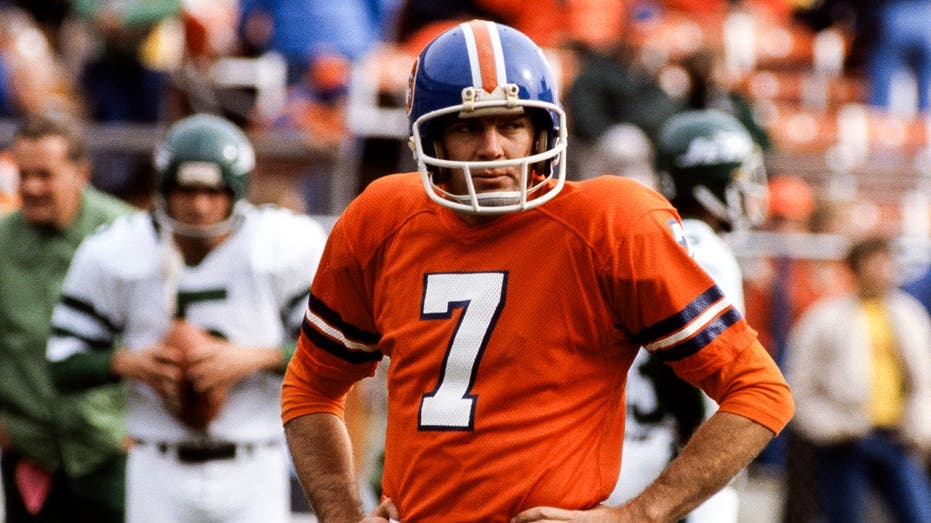
The sports world mourns the passing of Craig Morton, the legendary quarterback who etched his name into NFL history by leading the Denver Broncos to their very first Super Bowl appearance. Morton passed away on Saturday at the age of 83, leaving behind a remarkable legacy of leadership, resilience, and competitive spirit. His pivotal 1977 season remains a cornerstone of Broncos lore, symbolizing a turning point for the franchise.

A Legacy Forged in Denver

Morton’s six seasons with the Denver Broncos, from 1977 to 1982, were truly transformative for the franchise and its burgeoning fanbase. He steered the team to two division titles and three playoff berths, culminating in the unforgettable 1977 campaign. That year, Morton guided the Broncos to a stellar 12-2 regular-season record, navigating through challenging playoff victories against the formidable Pittsburgh Steelers and the then-Oakland Raiders. This historic run culminated in an appearance in Super Bowl XII, a monumental achievement that galvanized the city and put the Broncos firmly on the national football map. His exceptional performance earned him considerable accolades, as widely reported, including:

  • AFC Offensive Player of the Year
  • Sporting News Player of the Year
  • PFWA Comeback Player of the Year
  • NFL UPI MVP

Morton’s ability to rebound and lead the team after previous career challenges earned him the “Comeback Player of the Year” honor, a testament to his enduring resolve. At the time of his retirement from the Broncos, Morton held franchise records for passing yards (11,895), pass attempts (1,594), and completions (907), underscoring his profound impact on the team’s offensive history. These records, while since surpassed, highlight the era in which he played and the significant role he held for the organization.

Early Years and Dallas Cowboys Tenure

Before his celebrated tenure in Denver, Craig Morton began his professional journey with the storied Dallas Cowboys. Drafted fifth overall out of Cal in 1965, he spent the first decade of his career with America’s Team, gaining invaluable experience in a competitive environment. During his time in Dallas, Morton accumulated 10,279 passing yards, throwing 80 touchdowns against 73 interceptions, and compiling a solid 32-14-1 record as a starter. His early years were marked by competition with Roger Staubach for the starting role, a period that refined his skills and mental toughness. This foundational experience with the Cowboys undoubtedly prepared him for the leadership role he would later assume with such distinction in Denver.

Enduring Impact and Tributes

Morton’s influence extended beyond mere statistics, embodying the grit and determination that defined his era of professional football. His leadership style and calm demeanor under pressure were hallmarks of his game. Fellow Ring of Famer Haven Moses once lauded Morton’s extraordinary talent and impact, stating after the 1978 AFC Championship win, “To me, he’s the most valuable player in the National Football League.” This high praise reflects the respect Morton commanded from his peers. The Denver Broncos organization also promptly paid tribute to their former star, posting on social media, “We are saddened to learn of the passing of #BroncosROF quarterback Craig Morton, who died on Saturday at the age of 83.” His induction into the Broncos’ Ring of Fame stands as a permanent testament to his enduring legacy and the indelible mark he left on the team and its passionate fanbase, a legacy that continues to resonate years after his playing days. The news of his passing was widely covered, including by the News Desk at Fox News, underscoring his national significance.

“To me, he’s the most valuable player in the National Football League.”

— Haven Moses, Fellow Broncos Ring of Famer

The passing of Craig Morton marks the end of an era for many football enthusiasts and a moment of reflection on a career well-played. His contributions to the Denver Broncos, particularly in leading them to their inaugural Super Bowl, will forever be remembered as a pivotal turning point in the franchise’s history. Morton’s career was a testament to perseverance, strategic acumen, and the unwavering pursuit of excellence, qualities that continue to inspire future generations of athletes and fans alike.

Microsoft's OpenAI Intervention: Nadella's Alleged Role in Altman's Return
Microsoft’s OpenAI Intervention: Nadella’s Alleged Role in Altman’s Return

Recent legal filings by Elon Musk’s lawyer have brought to light claims of significant intervention by Microsoft CEO Satya Nadella during the dramatic leadership upheaval at OpenAI in November 2023. These allegations suggest Nadella played a pivotal role in ensuring the return of Sam Altman as CEO, a development that could reshape perceptions of corporate influence in the burgeoning artificial intelligence landscape.

The Tumultuous November 2023 OpenAI Crisis

The tech world watched intently in late 2023 as OpenAI, the pioneering AI research firm behind ChatGPT, underwent a stunning executive crisis. Sam Altman, its co-founder and CEO, was abruptly fired by the company’s board, leading to widespread internal dissent and a mass exodus threat from employees. The swift and unexpected decision sent shockwaves through the industry, raising immediate concerns about the stability and future direction of one of AI’s most influential players.

During the ensuing days of uncertainty, a significant portion of OpenAI’s staff publicly threatened to resign and join Altman at a new venture, placing immense pressure on the remaining board members. This internal turmoil highlighted the delicate balance between a company’s leadership, its mission, and the commercial interests of its major partners.

Musk’s Legal Challenge and Intervention Claims

The latest claims regarding Nadella’s alleged involvement stem from legal arguments put forth by Elon Musk’s lawyer. According to a report by The New York Times, Musk’s legal representative contends that Microsoft’s chief executive actively worked to facilitate Mr. Altman’s reinstatement. This alleged intervention underscores the immense strategic importance Microsoft places on its partnership with OpenAI, a collaboration central to its AI ambitions.

The specifics of the alleged intervention remain subject to legal scrutiny, but the assertion itself reignites discussions about the transparency and independence of governance within critical technology companies. For institutions like OpenAI, which balance a non-profit mission with significant commercial ventures, questions of external corporate influence are particularly pertinent.

“The alleged intervention by Microsoft’s CEO in OpenAI’s leadership crisis raises critical questions about corporate governance and the independence of key AI innovators.”

Implications for AI Governance and Market Dynamics

If substantiated, the allegations of Microsoft’s intervention have profound implications for the governance of AI institutions and the broader market. It would highlight the extraordinary leverage that major investors and partners can wield over companies deemed strategically vital. For a sector as transformative as AI, maintaining clear lines of authority and ensuring robust, independent decision-making is crucial for fostering trust and preventing undue market distortions.

The episode also serves as a reminder of the complex web of relationships in Silicon Valley, where strategic partnerships can blur the lines of corporate autonomy. As AI continues its rapid advancement, the industry, regulators, and the public will undoubtedly demand greater clarity regarding the structures and influences guiding its most significant players. Upholding order and transparency in these critical institutions is paramount for fair competition and sustained innovation.

The legal proceedings involving Elon Musk and OpenAI are expected to continue, promising further revelations and ongoing debate about the leadership, funding, and governance of the companies shaping the future of artificial intelligence. Matox News will continue to follow developments closely.

Trump Administration Rejects UN Migration Declaration, Citing National Sovereignty Concerns

The Trump administration has once again firmly distanced itself from international efforts to shape global migration policy, rejecting a United Nations ‘progress’ declaration. This latest move by the U.S. State Department underscores a consistent stance against what it perceives as attempts to undermine national sovereignty and facilitate uncontrolled immigration.

According to official statements, Washington declined to endorse the International Migration Review Forum’s declaration, accusing the U.N. of actively working to ‘advocate and facilitate replacement immigration’ within the United States and across the broader Western world. This rejection signals a clear message regarding America’s priorities for border security and national identity.

Affirming a Stance Against Global Migration Frameworks

The United States notably chose not to participate in the second International Migration Review Forum, which convened from May 5–8 at the U.N. Headquarters in New York. This forum serves as the principal global platform for member states to assess the implementation of the Global Compact for Safe, Orderly and Regular Migration.

President Donald Trump initiated the U.S. withdrawal from the U.N. process to develop the Global Compact for Migration during his first term in 2017. Despite this, the compact was adopted in 2018 without American support. The current State Department’s reaffirmation of opposition highlights a sustained policy direction, prioritizing national control over immigration matters.

Concerns Over ‘Replacement Immigration’ and Societal Impact

The State Department’s strong language specifically targeted what it described as efforts to promote ‘replacement immigration.’ This term, often used by critics of open-border policies, suggests a deliberate demographic shift orchestrated through migration.

In its declaration, the department asserted that ‘mass migration was never safe’ and characterized it as a grave error with far-reaching consequences. The statement detailed several negative impacts:

  • Increased crime and chaos at the border, straining law enforcement and humanitarian resources.
  • Declaration of states of emergency in major cities, overwhelmed by influxes of migrants.
  • Billions of taxpayer dollars funneled towards support, including hotels, plane tickets, cell phones, and cash cards for migrants, diverting funds from other critical domestic needs.

These concerns reflect a deeply held belief within the administration that uncontrolled migration jeopardizes the stability and financial well-being of American communities.

Mass migration was a grave mistake, threatening societal cohesion and our future.

Prioritizing National Interests and Border Integrity

The Trump administration’s decision reinforces its commitment to an ‘America First’ approach to foreign policy and domestic governance. By rejecting the U.N. declaration, the U.S. emphasizes its prerogative to determine its own immigration policies, free from international mandates that are perceived as detrimental to national interests.

This stance is rooted in the principle that robust border security and orderly immigration are fundamental to maintaining national identity, public safety, and economic stability. The administration consistently argues that a nation’s ability to control its borders is a cornerstone of its sovereignty and a prerequisite for effective governance.

The rejection of the U.N. migration declaration serves as a clear signal of the Trump administration’s unwavering resolve to prioritize the security and well-being of its citizens. It underscores a fundamental difference in philosophy regarding national versus global approaches to managing migration, setting a precedent for future international engagements on this critical issue.

Dua Lipa Launches $15M Lawsuit Against Samsung Over Image Use

The high-profile legal action underscores critical questions of intellectual property rights and corporate due diligence in celebrity endorsements.

Pop superstar Dua Lipa has initiated a significant legal challenge against tech giant Samsung, filing a lawsuit that seeks $15 million in damages. The action, lodged in a US federal court, alleges that Samsung utilized a photograph of her likeness on television packaging without explicit permission, sparking a debate over celebrity image rights and corporate accountability in marketing.

Allegations of Unauthorized Image Use

According to the lawsuit filed last Friday in the US District Court for the Central District of California, Dua Lipa’s legal team contends that Samsung prominently displayed an image of her face on models of televisions sold within the United States. The filing states that Samsung’s packaging was “designed to improperly capitalize on Ms. Lipa’s hard-earned success to promote and sell Samsung’s products,” directly linking the use of her image to the company’s sales efforts.

The legal complaint outlines several serious charges against Samsung, including:

  • Copyright Infringement: Alleging unauthorized reproduction and distribution of the photograph.
  • Trademark Infringement: Claiming the use of her image implies an endorsement or association not formally agreed upon.
  • Misappropriation of Likeness and Image: Asserting the unauthorized use of her personal identity for commercial gain.

This legal framework aims to protect individuals’ rights to control how their image and brand are used, particularly in commercial contexts. It underscores the importance of clear contractual agreements and respect for creative property in the modern marketplace.

Samsung’s Defense and Third-Party Assurances

In response to the allegations, Samsung has firmly denied any wrongdoing. As reported by BBC News, the company stated that the image in question was provided by a third-party content partner. Samsung claims it proceeded with the use of the image only “after receiving explicit assurance from the content partner that permission had been secured.”

This defense introduces a layer of complexity, shifting the focus to the chain of responsibility and the due diligence exercised when procuring marketing assets from external suppliers. For businesses, this case serves as a poignant reminder of the necessity for rigorous verification processes and robust contractual clauses with third-party vendors to safeguard against potential intellectual property disputes.

“The integrity of intellectual property rights is foundational to a fair and functioning free market. This lawsuit underscores the imperative for all businesses, regardless of size, to exercise unwavering diligence in their marketing practices.”

Broader Implications for Business and Celebrity Endorsements

The Dua Lipa Samsung lawsuit resonates beyond the immediate parties involved, highlighting critical issues for the broader business community. In an era where celebrity endorsements and digital marketing are pervasive, the unauthorized use of an individual’s image can have significant legal and reputational consequences. This case emphasizes that companies must not only secure permissions but also verify the provenance and scope of those permissions, especially when dealing with high-value intellectual assets.

For consumers, such disputes often raise awareness about the commercial value attached to personal branding and the legal protections in place. For businesses, it reinforces the principle that leveraging another’s success without proper authorization undermines fair market practices and can lead to costly litigation. Upholding robust legal frameworks for intellectual property ensures that innovation and creativity are properly incentivized and protected.

As the legal proceedings unfold, the outcome of this dispute could set a precedent for how corporations engage with celebrity images and intellectual property obtained through third parties. It serves as a potent reminder of the vigilance required to navigate the intricate landscape of modern marketing and intellectual property law.

Social Media Auto Publish Powered By : XYZScripts.com