Matox News

Truth Over Trends, always!

Tuesday Briefing: How AI Facial Recognition in Police Can Help — and Hurt

In recent months, international headlines have illuminated a world on the brink of transformative shifts, driven by both emerging technological capabilities and volatile geopolitical tensions. The deployment of facial recognition across the UK exemplifies how technological advancements are rapidly outpacing the existing regulatory frameworks. Authorities are increasingly deploying live surveillance systems—not just for crime prevention but under the guise of national security—which fosters concern among analysts about civil liberties. As Robert Booth, Guardian’s UK technology editor, notes, “The pace of adoption is outstripping safeguards,” highlighting the risk of widespread unchecked surveillance and the creeping erosion of privacy rights. This phenomenon, escalating at an exponential rate within Britain, foreshadows a broader international trend where technology is reshaping societal norms and power dynamics.

Simultaneously, the Middle East remains a focal point of confrontation and peril. Donald Trump‘s recent threats to Iran, threatening “to blow it off the face of the earth” if its forces attack US vessels, amplify the mounting regional tensions. Such inflammatory rhetoric from Washington echoes historic patterns of interventionism that risk igniting a larger conflict, potentially drawing in Russia and China into a broader confrontation. Meanwhile, Iran’s leaders have issued warnings against U.S. military incursion, exemplified by their recent drone launches at the UAE. The United Nations and international security analysts warn that unresolved security dilemmas in the region could escalate into a full-scale conflict, compromising not just regional stability but challenging the global balance of power. The confluence of aggressive posturing and strategic miscalculations highlights how fragile the current peace remains—the very fabric of diplomacy is being tested in real time.

Furthermore, the European continent is witnessing a strategic balancing act. As Keir Starmer urges the European Political Community to confront tensions with the United States, the continent remains caught between transatlantic allegiances and its own sovereignty. Discussions around Ukraine’s future and the EU’s financial aid schemes are not merely policy debates—they are battlefronts for influence and control. The decision to engage or oppose US-led initiatives has profound geopolitical impact—shaping alliances, military commitments, and economic stability. Diplomats and analysts warn that failure to assert European independence could lead to a diminished role for EU nations in global affairs, undermining their strategic autonomy. The choices made today will reverberate across generations, determining whether Europe remains a unified political force or a pawns in larger global chess matches.

At the same time, Britain confronts internal turmoil—its political leaders and societal debates echo the larger contest of values. In the UK, rising antisemitism requires a nuanced mixture of action and acknowledgment, as Keir Starmer advocates for a society that actively opposes hatred. While some believe in a “nothing to hide” approach to surveillance, the broader societal concern lies in the cumulative effects of being constantly monitored—an issue that transcends Britain and resonates worldwide. The very fabric of democratic societies is being tested by the dual forces of technological innovation and rising societal discord, with governments tasked with safeguarding rights amidst rapid change.

Historically, these shifts reflect a recurring narrative—nations adapting to new realities with often unpredictable consequences. Historians warn that the current confluence of technological, military, and societal upheaval may be the prelude to a new epoch in geopolitics. As decisions made today unfold in tomorrow’s history books, the world remains at a pivotal juncture. The question is whether humanity can reconcile the pursuit of innovation with the need for restraint—and whether the lessons of the past can serve as guiding beacons amid a turbulent future. One misstep, one ignited conflict, or unchecked technological excess could mark the beginning of an era where the archaic forces of power threaten to drown the promise of progress, leaving history to judge whether humanity learned too late or rose resilient above its trials.

May 4: The Takeout with Major Garrett — Fresh Insights for Young Minds

The recent closure of Spirit Airlines and the unsettling reports of missing U.S. soldiers in Morocco serve as stark reminders of the underlying power struggles that continue to shape domestic and international policy landscapes. While these events may seem disconnected at face value, they are emblematic of a broader trend where leadership decisions and policy responses reveal much about the core priorities of the current administration and opposition alike. Both incidents act as flashpoints for debates over economic resilience and strategic national security—issues that test the very foundation of governance and influence how ordinary citizens are impacted.

The collapse of a major airline such as Spirit Airlines underscores a critical failure of economic oversight and regulatory policy. Critics argue that bureaucratic mismanagement and regulatory overreach have contributed to the airline’s demise, creating ripple effects through employment sectors and consumer confidence. The incident exemplifies a power struggle between free-market principles championed by conservative factions and the increasingly interventionist policies favored by left-leaning policymakers. Historical parallels—such as the deregulation era of the late 20th century—demonstrate that economic freedom often balances precariously against safety and stability, with the public frequently bearing the brunt of policy failures.

Meanwhile, the reports of missing U.S. soldiers in Morocco have ignited concerns over America’s strategic engagement abroad. Experts in constitutional law and national security emphasize that such incidents reveal vulnerabilities within the US’s overseas military commitments—commits driven not solely by geopolitical strategy but also by internal political struggles for influence. The power dynamics between military brass, intelligence agencies, and political leaders have always defined modern warfare. This particular crisis begs the question: are decisions in these corridors of power driven by national interest or by internal political egos seeking influence over foreign policy? These episodes serve as stark reminders that decisions made in the corridors of power have real consequences for the soldiers and their families.

In the broader context, these crises highlight that politics remains an ongoing battle for control—a fierce contest where policymakers, political theorists, and constitutional experts scrutinize each move for implications on civil liberties, economic stability, and national security. The historical parallels—such as the Cold War’s secret diplomacy or the post-9/11 expansion of executive power—highlight the delicate dance between authority and accountability. As citizens watch these events unfold, it becomes apparent that the decisions made today will ripple through generations, shaping the destiny of the nation. The stage is set for a new chapter in political history—one where every act leaves a mark that defines the future of the American identity, revealing that even in these moments of crisis, politics remains the ultimate arena where fate is forged.

Nvidia’s Jensen Huang: AI isn’t stealing jobs—it’s creating a wave of new opportunities for youth

AI Industry Gains Momentum as Innovation Drives Economic Rebirth

In an era marked by rapid technological upheaval, artificial intelligence continues to redefine the landscape of industry and employment. During a recent high-profile discussion hosted by the Milken Institute, Jensen Huang, CEO of Nvidia, dismissed doomsday scenarios claiming AI will displace millions of jobs. Instead, Huang articulated a compelling vision of AI as a catalyst for industrial re-industrialization and job creation within the United States.

This perspective emphasizes a crucial paradigm shift: AI as an innovation engine rather than a harbinger of economic collapse. Huang highlighted that the hardware manufacturing sector, central to AI infrastructure, is experiencing a renaissance with new factories requiring skilled labor. It signifies a shift towards AI-powered manufacturing and infrastructure, creating opportunities that could revitalise American competitiveness. Financial analysts from institutions like Gartner continually underline this disruptive momentum, forecasting that AI’s integration could generate millions of new jobs, even as it automates others. Such disruption underscores an urgent need for industries and education systems to adapt quickly.

Market Shifts and Industry Dynamics Signal a New Era of Disruption

While concerns loom around job displacement—with estimates suggesting up to 15% of current roles might be affected in the near future—industry leaders like Huang warn against succumbing to fearmongering. He cautioned that exaggerated narratives—often fueled by the AI industry itself—risk discouraging societal engagement with transformative technology. Many critics argue that this hyperbole acts as a marketing gimmick, blinding policy and industry leaders to the genuine potential of AI to bolster productivity and economic resilience.

Key advancements include the acceleration of GPU development and edge AI solutions, fueling innovative applications across sectors. Disruptive startups, backed by industry giants and venture capital, are creating new ecosystems where rapid iteration in AI models directly influences market share and technological dominance. Notably, MIT research and firms like OpenAI are pushing the boundaries, democratizing AI access, and catalyzing industry-wide transformations. This wave of innovation signals a strategic pivot for business leaders seeking to leverage AI for competitive advantage.

The Business Implications and Future Trajectory

As AI continues its ascent, the economic implications are profound. The proliferation of AI hardware, the emergence of new AI-driven business models, and the push for domestic AI manufacturing are setting the stage for a reshaped global economy. Industry insiders and analysts argue that the current trajectory underscores a pivotal moment in history—where American leadership in tech and innovation could determine future competitiveness.

Looking ahead, the upcoming Techcrunch event in San Francisco, October 13-15, 2026, is poised to showcase these breakthroughs and debate policy pathways that enable AI’s growth while safeguarding employment. The pressing task for policymakers, business leaders, and innovators is to grasp this momentum — fueling disruptive innovation and fostering an environment where AI’s benefits outweigh its risks. Urgency is key: the window to shape an AI-driven economy that enhances national strength and preserves stability is rapidly closing. Future success hinges on decisive action today, as the age of AI isn’t just on the horizon—it’s unfolding before our eyes.

U.S. Takes Action Against Iranian Fast Boats Following UAE Oil Attack

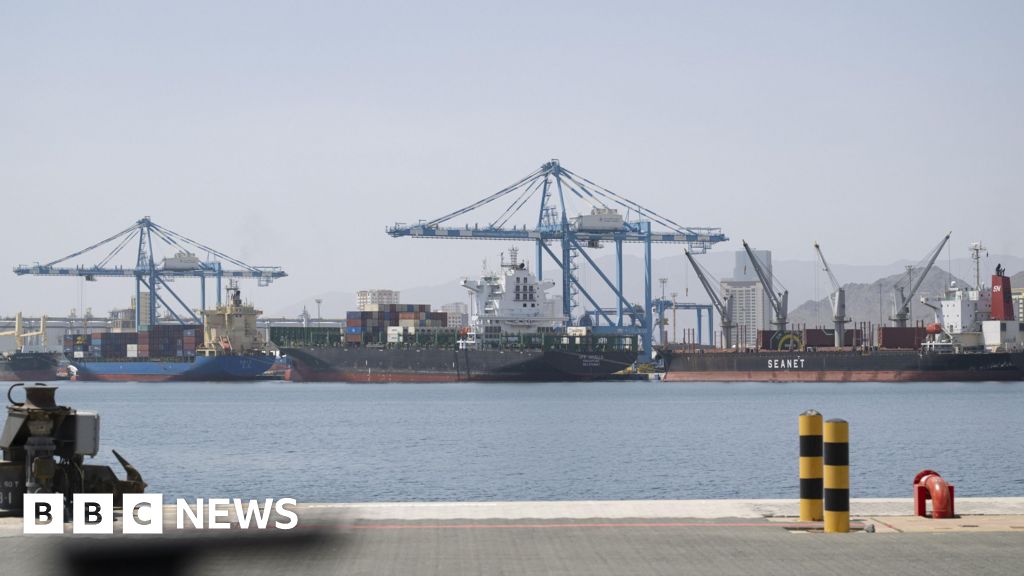
In a significant development that underscores the ongoing geopolitical tensions in the Gulf region, Maersk, one of the world’s leading shipping companies, announced that a US-flagged commercial vessel has successfully exited the Strait of Hormuz under active US military protection. This event highlights both the strategic importance of the Strait and the persistent risks faced by international maritime commerce amid escalating tensions between the United States and Iran.

The Strait of Hormuz, a crucial maritime corridor that channels approximately 20% of the world’s oil trade, remains a flashpoint in global geopolitics. Over the past few years, Iran’s actions — including attempted seizures of tankers, mine placements, and threats of closing the Strait — have prompted the United States and allied navies to maintain a persistent military presence in the region. According to international analysts, this escort operation underscores the fragile security environment and the strategic importance attributed to preserving open shipping lanes against disruptive regional actors.

Historian Dr. Elizabeth Carter, a prominent scholar on Middle Eastern geopolitics, emphasizes that such escort operations signal a broader shift in how international trade is protected in war-prone zones. “The fact that a commercial vessel is now regularly escorted by military forces signals a new era,” she explains. “It reflects the direct involvement of global powers in securing economic interests and demonstrates the heightened risks faced by global trade routes.” This intervention also sends a firm message to Iran, illustrating that the U.S. and its allies are committed to maintaining what they call free maritime navigation, crucial for the stability of global energy markets.

International organizations such as the United Nations and the International Maritime Organization have long warned that instability in the Strait of Hormuz could trigger wider economic repercussions. Recent assurances by US military officials confirm that escort missions will continue as necessary, inflaming regional tensions and complicating diplomatic efforts in the Gulf. Meanwhile, critics argue that confrontational military displays risk further destabilizing the region, potentially provoking miscalculation and escalation in a volatile security environment. As global markets remain sensitive to disruptions, analysts warn that this ongoing scenario could escalate into open conflict if diplomatic solutions are not prioritized.

The geopolitical impact of these events extends well beyond the immediate Strait. They reflect the broader struggle for influence between Western powers and Iran, with regional alliances and rivalries shaping the future of Gulf security. As history observes the unfolding chapters of this ongoing crisis, it becomes increasingly clear that the decisions made today could define the balance of power in the Middle East for generations. With the specter of conflict lingering and global oil supplies hanging in the balance, the world watches with cautious trepidation as the weight of history begins to cast its long shadow over an already fragile peace.

Mamdani skips Met Gala, highlights struggles of fashion industry workers

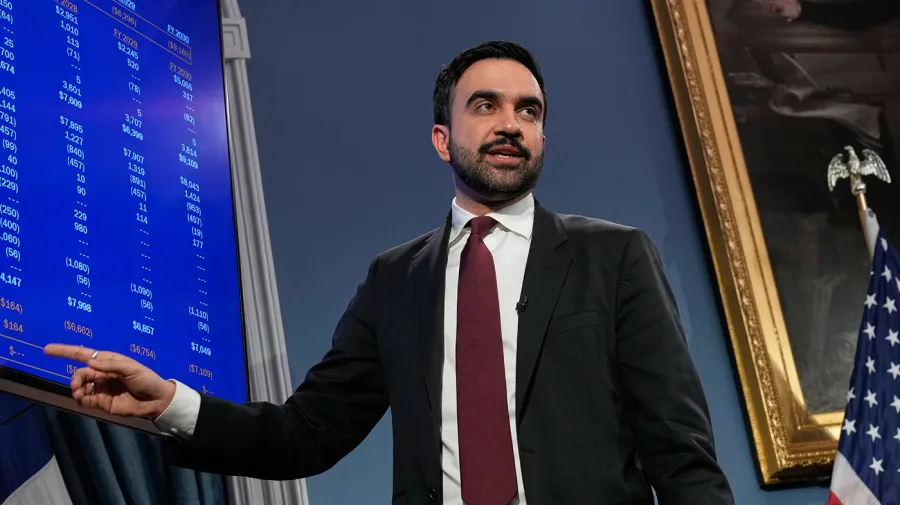
In an era where superficial glitz often masks underlying socio-political tensions, New York City’s Mayor Zohran Mamdani has chosen to divert attention from the opulence of the Met Gala to spotlight the backbone of the fashion industry—its workers. While the glimmer of high-profile fashion appeals to the elite, Mamdani’s gesture signifies a deeper recognition of the persistent economic disparities and the political struggles faced by those in the shadows of the luxury. His emphasis on seamstresses, tailors, retail workers, and delivery drivers underscores the ongoing power struggle between capital and labor—an age-old battle that shapes policies, influences ideologies, and ultimately, determines the fabric of society itself.

This declaration, though seemingly modest, echoes a broader ideological contest rooted in the progressive-Left’s push for worker recognition and the Right’s emphasis on market-driven growth. Mamdani’s focus on the “immense talent and dedication” of these often underpaid workers is not merely about celebration; it’s a pointed critique of how the political establishment has historically marginalized these workers’ struggles. The push to elevate their contributions reflects the ideological shift towards recognizing marginalized groups as vital stakeholders within the social contract—a move that, in the eyes of many conservative analysts, could threaten the traditional notions of individual responsibility and economic freedom. As the debates over labor laws and wages intensify, the question remains: are we prioritizing social justice at the expense of economic liberty?

Historically, figures like Friedrich Hayek and Milton Friedman have warned that such social movements—demanding government intervention—could erode individual freedoms and distort market mechanisms. Conversely, contemporary constitutional experts critique policies that, under the guise of protecting workers, risk expanding state power and reconfiguring the constitutional balance of authority. Mamdani’s rhetoric, and the ensuing political reaction, serve as a microcosm of this eternal struggle—where who controls the decision-making process ultimately decides how societal fate is woven. The larger question remains: will the movement toward acknowledging overlooked labor truly serve the people’s interests or merely pave the way for further government overreach?

As politics continues to unfold on this battleground, it’s clear that the power struggle extends beyond mere policy—it’s about who writes the narrative of the nation’s destiny. From the halls of City Hall to the chambers of Washington, leaders are wrestling with the legacy of their choices. Just as the founders envisioned a system where checks and balances prevent tyranny, today’s decisions about labor, economics, and social equity define the trajectory of democracy itself. Politics, much like destiny, is a crucible where ideas are forged—reminding us that in the great story of nations, it is not fate but human agency that ultimately scripts history’s next chapter.

Royal commission hears shocking tales of antisemitism targeting Australian Jewish youth

Rising Anti-Semitism in Australia Sparks International Concern

Australia is experiencing a troubling surge in antisemitic attitudes and violence, according to recent testimonies at a royal commission hearing. Jewish families across the country report a pervasive atmosphere of hostility, with instances of graffiti, hate speech, and violence becoming ubiquitously normalized. A mother known publicly as Dina depicted her community as living through a “very different reality,” citing the bloody Bondi massacre in December, where 15 individuals were murdered in a deliberate act of extremism, as emblematic of growing dangers.

Historians and analysts underline that antisemitism’s resurgence in Australia signifies a broader shift that extends beyond national borders, reflecting a concerning global trend. Dr. Thomas Keller, a geopolitical analyst, emphasizes that “rising hate crimes and rhetoric are not isolated incidents but part of an international wave fueled by extremist ideologies and social polarization.” The Australian Jewish community feels increasingly under siege, with children witnessing swastikas, Nazi salutes, and hearing hateful rhetoric daily. The testimony from families reveals how such exposure has deeply affected the psyche of young Jewish Australians, with some fearing for their lives, and others contemplating whether they are safe in their own country.

Implications for Social Cohesion and Foreign Policy

The international community, particularly United Nations officials and human rights organizations, are watching Australia’s internal struggles with growing concern, as they interpret these developments as part of a wider pattern of declining social cohesion and a resurgence of extremist ideologies. Many analysts warn that unchecked antisemitism signifies vulnerabilities within national security frameworks, demanding closer international cooperation and proactive measures. “The normalization of hate speech and violence jeopardizes not just minority communities but the social fabric at large,” argues a UN report published last year. It highlights how domestic policies must evolve to combat the root causes of hate and intolerance, which are often amplified by online platforms and political rhetoric.

For Australia, the escalation raises questions about its diplomatic stance and internal policy priorities. Critics argue that recent government inaction has emboldened extremists, creating a fertile ground for further violence. Yet, some see this as an opportunity for Australia to reaffirm its commitment to counter-terrorism and hate speech, aligning more closely with international efforts to combat racial and religious intolerance. The challenge lies in balancing free speech with effective suppression of hate, a dilemma faced by many democracies now wrestling with their identity and values amidst a polarized global climate.

Looking Ahead: A Moment of Reckoning for Society and Leadership

As the hearing concludes, the weight of history presses heavily upon Australia’s shoulders. With the echoes of World War II and the Holocaust warnings still resonant, many analysts ponder whether the nation is buckling under the pressure of resurgent hatred or if it can forge a path toward resilience and understanding. The testimonies, filled with trauma and fear, serve as stark reminders that the battle against prejudice is ongoing and requires unwavering vigilance. Leaders are now called upon to confront these challenges decisively, lest the darkness of hatred once again risks plunging society into chaos. Deeper questions remain: Will Australia’s political will be enough to stem the tide of antisemitism, or will the events of recent months become a chapter in a history of societal failure? The answer, as history shows, will shape not just the future of Australia but will echo across the global landscape, testing whether humanity can learn from its darkest hours before they consume it entirely.

US Navy ships pass Strait of Hormuz after Iranian threats escalate

In a noteworthy demonstration of assertiveness, two U.S. Navy destroyers recently transited the strategically vital Strait of Hormuz and entered the Persian Gulf, amid escalating tensions with Iran. According to defense officials, this maneuver followed a navigational challenge wherein the American vessels had to navigate through an Iranian barrage. Such actions are emblematic of the ongoing power struggles that define Middle Eastern geopolitics, where maritime access and control over vital waterways shape the balance of regional influence.

The decisions to challenge Iranian harassment reflect a broader stance under the current U.S. administration, viewed by many national security analysts as a demonstration of military resolve and deterrence. Historically, the Strait of Hormuz has been a flashpoint—a narrow, tumultuous corridor through which approximately 20% of the world’s oil passes. Control over this waterway has long been a symbol of regional dominance; hence, the U.S. Navy’s assertive passage sends a clear message that Washington remains committed to safeguarding international navigation rights, despite Tehran’s persistent attempts to assert control through intimidation and harassment.

From a constitutional and strategic perspective, these actions underscore the underlying power struggles between geopolitical actors. The U.S., grounded in a broad geo-strategic doctrine emphasizing freedom of navigation, often clashes with Iran’s revolutionary ambitions, which seek to establish regional hegemony. As constitutional experts analyze the legality of such naval movements, figures like Thomas Hobbes and Carl Schmitt remind us that sovereignty, viewed through the lens of modern power politics, is often defined by control over key choke points—such as the Strait of Hormuz—where the state’s ability to project force directly influences its sovereignty and security.

Furthermore, these maritime confrontations serve as a reflection of the broader ideological dichotomy—liberal maritime principles versus revolutionary resistance. The U.S. position, rooted in a belief in an open international economic order, often collides with Iranian revolutionary nationalism, which seeks to challenge Western dominance through asymmetric means. This clash manifests visibly in navy maneuvers, symbolic acts that define how decisions at the top ripple through the fabric of everyday life, affecting energy supplies, regional stability, and global markets. The ongoing power struggle underscores the fundamental question: who ultimately controls the corridors through which global commerce flows?

As history demonstrates, theater of such maritime encounters is more than mere tactical display; it is where the fate of nations is often decided in quiet but decisive battles of will. The recent provocations and responses are a chapter in the ongoing drama—one where the sovereignty of nations is not a static entity but a continually negotiated arena, hammered out in the decisive moments of strategic daring. Political theorists suggest that these actions are less about immediate outcomes and more about reinforcing the narrative of strength that underpins a nation’s destiny. In this arena of power and principle, the stage is set for where history’s next defining act will be written—reminding all that, ultimately, politics remains the arena where the future is forged and the course of history is shaped.

Robots step in as waste firms battle staffing shortages

The deployment of humanoid robots in waste management marks a significant milestone in the ongoing automation revolution, signaling a transformative shift in the global economy’s industrial landscape. As companies across developed nations increasingly integrate advanced robotics into their operational frameworks, the economic implications extend beyond mere efficiency. This development underscores the intensifying drive toward automation-driven productivity, which is poised to reshape employment, investment strategies, and environmental policies worldwide.

In the context of market impact, the adoption of humanoid robots for waste sorting is anticipated to alter supply chains and labor markets profoundly. Industry veterans, such as those affiliated with the International Robotics Federation, project that the sector could see a compound annual growth rate (CAGR) of over 20% in the next five years. This surge reflects the increasing confidence among investors who recognize automation’s capacity to reduce operational costs and improve environmental compliance. Notably, technology giants like ABB and KUKA are investing heavily into the development of humanoid robotics, betting on an expanding market where labor costs are volatile and regulatory pressures to implement greener practices intensify.

From a policy perspective, governments worldwide are responding by recalibrating their regulatory frameworks to accommodate advancing automation. The trend is causing ripples in labor policies, particularly as countries grapple with potential job displacements in manual waste sorting sectors. Economic think tanks such as The Heritage Foundation argue that this technological pivot is vital for maintaining competitive edge, especially as developing economies face mounting pressure to adopt similar innovations. Policymakers are also incentivizing sectors to upgrade infrastructure, which could lead to significant shifts in fiscal priorities and investment patterns. Such policy adaptations underscore the delicate balance between fostering innovation and safeguarding workforce stability.

Looking toward the future, the integration of humanoid robots into critical waste management functions exemplifies the broader trend of technology as the pulse of modern economies. As nations understand that economic power hinges on continuous innovation, automation becomes not merely a tool but a defining feature of geopolitical stature. *The coming era will be defined by these breakthroughs—where machines—once seen as tools—become partners in creating sustainable, resilient economies. The stage is set for a future where the relentless march of automation not only transforms industries but also redefines the very fabric of global economic power.*

US Court Blocks Mail-Order Abortion Drugs, Challenging Access for Young Americans

Recent developments in the legal landscape surrounding abortions and reproductive health in the United States signal a profound shift that threatens to reshape the fabric of families, communities, and the very foundation of informed choice. The latest ruling by a conservative appellate court has temporarily halted the distribution of mifepristone—a medication approved by the FDA and used in over half of all American abortions. This decision, which echoes the political and cultural tensions surrounding the right to choose, declares that the drug cannot be dispensed through the mail, thus imposing an unnecessary barrier on access for millions across the country. Such restrictions are not mere administrative hurdles—they jeopardize the well-being of families and the foundational autonomy of individuals seeking reproductive care.

Throughout history, social commentators like Ruth Bader Ginsburg and sociologists examining societal shifts have warned of the ripple effects that control over reproductive rights can generate. The current restrictions disproportionately impact those in rural or underserved communities where healthcare options are already limited. With families increasingly facing the prospect of being cut off from safe, legal methods for ending pregnancies, their stability and future stability are compromised. As Kelly Baden of the Guttmacher Institute highlights, reversing or restricting access to mifepristone—an evidence-backed, safe medication used worldwide—places families at greater risk of financial and emotional hardship. Such policies do not just limit individual choice; they threaten the cohesion and resilience of society’s most vulnerable members.

This renewed assault on reproductive rights exposes the fragility of society’s progress. As legal battles unfold, including Louisiana’s challenge against the FDA, the broader picture illustrates how eclectic forces of ideology and control attempt to shape the moral landscape. Sociologists argue that these social tensions are rooted in deeper cultural schisms, where antibioital movements mobilize to silence the scientifically validated efficacy of abortion medications. Meanwhile, families and communities confront the fallout—an erosion of trust in public health institutions and increased social fragmentation. The impact cascades into education, where the focus shifts from comprehensive reproductive health to navigating a landscape of legal uncertainties and moral conflicts, often hampering the educational growth of youth on issues of bodily autonomy.

The ongoing debate encapsulates a fundamental question for society: How do we balance moral convictions with the human rights of individuals? The challenge lies in ensuring that the voices of families, especially those most affected, are heard amid the din of ideological battles. As Julia Kaye of the ACLU emphasizes, restricting access to a medication used safely for over 25 years imposes a moral and ethical dilemma—one that extends beyond policy and into the realm of human dignity. The hope resides in the recognition that societal change often begins at the grassroots level, where informed communities stand resilient against attempts to diminish their freedom. Despite these hurdles, the resilience of families, the dedication of healthcare providers, and the courage of advocates serve as beacons of hope—reminding society of its capacity to adapt, reform, and strive toward a future where personal liberty and social justice coexist with respect and compassion.

Trump-backed World Liberty Financial sues crypto entrepreneur over defamation

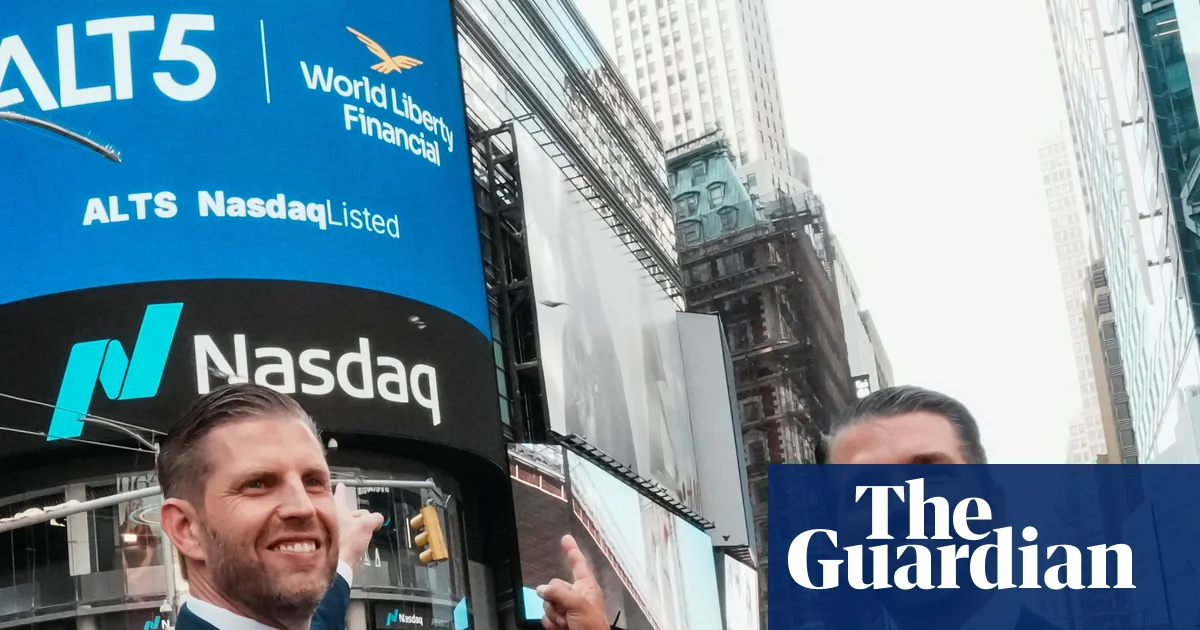
The escalating legal and public relations conflict between World Liberty Financial—a high-profile crypto venture linked to Donald Trump and his family—and Justin Sun, a renowned Hong Kong-based crypto billionaire, exemplifies the volatile intersection of cryptocurrency markets, political influence, and international legal battles. Since its inception, this dispute has drawn significant attention from global financial analysts and international institutions, highlighting the profound geopolitical impact of private sector intrigues on the broader technological and economic landscape.

The lawsuit filed by World Liberty in Florida accuses Sun of orchestrating a “public smear campaign” by improperly transferring tokens and allegedly short-selling WLFI tokens to suppress their market value. This action is portrayed as a coordinated effort to manipulate the nascent crypto asset during its trading debut in September. Such tactics, if proven, could trigger regulatory scrutiny not just from U.S. authorities but from international regulators as well, given the global reach of Sun’s investments and influence. In response, Sun dismissed the lawsuit as a “meritless PR stunt,” highlighting the deep divisions and high stakes involved. This legal skirmish underscores how crypto ventures are increasingly becoming battlegrounds for ideological, financial, and political supremacy, with consequences that ripple across national borders.

The fall from grace for World Liberty—which surged 12% on news of the lawsuit but remains down 72% since trading began—mirrors an alarming pattern of instability within the digital asset sphere. Importantly, Sun’s substantial stake—worth approximately $264 million—underscores how influential figures with political ties are deeply embedded within the crypto ecosystem. Historically, analysts like Dr. Emily Cartwright of the International Blockchain Institute warn that such entanglements threaten to erode investor confidence, especially as regulatory bodies worldwide grapple with establishing consistent frameworks for digital currencies. The once rosy relationship between Sun and World Liberty has shattered, exposing the underlying fragility of crypto alliances intertwined with political ambitions. The legal disputes could set precursors for tighter regulations and increased governmental intervention in markets that were once seen as the frontier of unchecked freedom.

  • In April, Sun initiated legal action against World Liberty over alleged token freezing mechanisms, claiming they unlawfully blocked his ability to sell tokens—claims denied by the company, which asserts such measures were disclosed in sale terms.
  • The controversy intensifies as Sun’s early endorsement—initially helping propel the project—becomes embroiled in accusations of market manipulation and sabotage.
  • Meanwhile, the Trump-linked crypto empire, according to a Reuters analysis, has already reaped over $1 billion in revenue from World Liberty and other ventures, with a considerable majority of profits routed to the Trumps, further complicating international efforts to regulate or curb derivative political-financial networks.

As international institutions and nation-states watch this drama unfold, the geopolitical stakes extend beyond mere market fluctuations into the realm of national security and sovereignty. The involvement of influential political figures and the potential for crypto-based influence operations pose questions about the future of global economic sovereignty and how societies can maintain sovereignty amid the relentless tide of digital globalization. The decisions taken—or ignored—today will determine whether digital currencies become instruments of freedom or puppets of elite manipulation. With history in the making, the world stands at a crossroads: one where the outcomes of legal battles, regulatory reforms, and international cooperation will decide if this new financial frontier becomes a battlefield for power, influence, and control.

Social Media Auto Publish Powered By : XYZScripts.com