Matox News

Truth Over Trends, always!

Australia News Live: Tragedy in Sydney as man arrested after 3 deaths; Liberals take Nepean seat in crucial Victorian byelection

In the wake of unprecedented domestic turmoil and a rapidly shifting geopolitical landscape, Australia finds itself at a formidable crossroads. Recent reports underscore a troubling spike in violence within the nation’s borders, exemplified by a tragic incident in Sydney’s southwest, where three lives were brutally lost, and a man currently in custody. The incident, which saw a 64-year-old man succumb to severe head injuries, alongside the bodies of a woman in her 60s and a man in his 20s, tragically represents the deepening social fractures gripping the country. NSW authorities have linked these acts of violence to a man known to the victims, raising urgent questions about underlying social issues. As the nation grapples with this violence, the call for resilient law enforcement and social cohesion becomes more pressing than ever.

The chaos extends beyond Australia’s borders, confronting the nation with a bilateral challenge that could influence global stability. Earlier this week, Australian activists joined an international protest—a paddle-out supporting the Global Sumud Flotilla—whose attempted aid delivery to Gaza was intercepted by Israeli defense forces. This act of solidarity highlights Australia’s complex role on the world stage, caught between an ongoing regional conflict and its desire to maintain strategic alliances. The incident underscores a broader geopolitical dilemma: how to uphold national interests while navigating the turbulent waters of Middle Eastern politics. International experts warn that these flashpoints could serve as catalysts for wider conflict, potentially drawing Australia into an even more active and contentious regional security environment.

Meanwhile, in domestic politics, the nation watched as the Liberal Party secured a commanding victory in a pivotal Victoria byelection—a clear political harbinger ahead of the upcoming state elections in November. With nearly 80% of votes counted, the opposition’s candidate, Anthony Marsh, garnered over 63% on a two-candidate basis, boosting the Liberals’ prospects and signaling a shift in voter sentiment. Such electoral shifts are not merely local victories but have broader geopolitical implications, revealing cracks in the political fabric that could influence Australia’s policy directions, especially in relation to defense and foreign policy under rising global tensions. As political analysts argue, these results could embolden opposition voices, impacting national unity and Australia’s strategic posture on the world stage.

Adding to the international mosaic, Prime Minister Anthony Albanese prepares for a significant diplomatic engagement with Japanese Prime Minister Sanae Takaichi, who is scheduled to arrive in Australia for her inaugural official visit. The upcoming Australia–Japan Annual Leaders’ Meeting promises to bolster regional alliances amidst a backdrop of growing economic and security challenges. Japan’s strategic interests in the Indo-Pacific are increasingly intertwined with Australian policy, especially as global superpowers jostle for influence. Historians and strategic analysts warn that these diplomatic efforts are crucial for counterbalancing China’s expanding influence, signaling a renewed commitment to regional stability and collective security.

As history continues to unfold, Australia’s internal crises and external commitments form a complex tapestry—one that holds the power to influence not only its future but also the geopolitical equilibrium of an entire continent. From tragic episodes of violence to electoral shifts and rising diplomatic alliances, each decision, each vote, each diplomatic handshake carries the weight of an uncertain tomorrow. The answers lie in the choices made today, as the nation stands on the cusp of an epochal transformation—an unfolding chapter where the voices of the youth and the echoes of history will shape what comes next.

Airlines Allowed to Cancel Flights Ahead of Time Due to Fuel Shortages under New Rules

As the global travel season approaches its peak, government ministers have announced strategic measures aimed at stabilizing fuel supplies in the Middle East, a critical hub for international aviation fuel. This move comes amid rising concerns over potential disruptions that could lead to last-minute flight cancellations, which not only cripple the travel industry but also threaten broader economic stability. By proactively addressing supply security, policymakers seek to fortify the market resilience of airlines and fuel distributors, while also safeguarding consumer confidence in the summer travel corridor.

In recent months, the oil and fuel markets have experienced heightened volatility, driven by geopolitical tensions and fluctuating demand. Such disruptions could be catastrophic for airlines, especially as economic forecasts indicate a summer rebound in international travel. Industry analysts from firms like Bloomberg Intelligence warn that a failure to secure reliable fuel supplies in key regions could result in significant financial losses and reputational damage for carriers that depend heavily on the stability of Middle East fuel transit routes. Moreover, the market impact extends beyond airlines; oil producers, refiners, and fuel logistics companies form a tightly interconnected web susceptible to shocks, emphasizing the importance of strategic stockpiling and supply diversification.

The policy consequences of this proactive stance include potential shifts in regional energy policy and increased diplomatic efforts to safeguard supply lines. Governments are considering incentivizing private sector investment in fuel infrastructure and stockpile expansion, which could, in turn, influence regulatory frameworks and international energy collaborations. This approach underscores a broader recognition: in an interconnected global economy, stability in fuel supply chains is not merely a logistical concern but a cornerstone of national economic security. As economist Dr. Laura Chen from the International Energy Agency notes, resilient energy frameworks are essential to withstand volatile geopolitical climates and sustain economic growth.

Looking ahead, the upcoming months will be critical. While efforts to prevent supply disruptions are commendable, risks remain from unexpected geopolitical escalations or unforeseen market shocks. The financial markets will continue monitoring developments closely, with investor sentiment hinging on the perceived stability of energy supplies. As the global economy pivots into what could be a pivotal decade of transformation, the capacity to ensure uninterrupted energy flows will define the strength of national economies and their leadership roles on the international stage. Ultimately, the pulse of this strategic initiative reflects the enduring resilience and adaptive power of the global economic stage—an engine propelling nations toward a future where stability and ambition walk hand in hand, shaping the next epoch of prosperity.

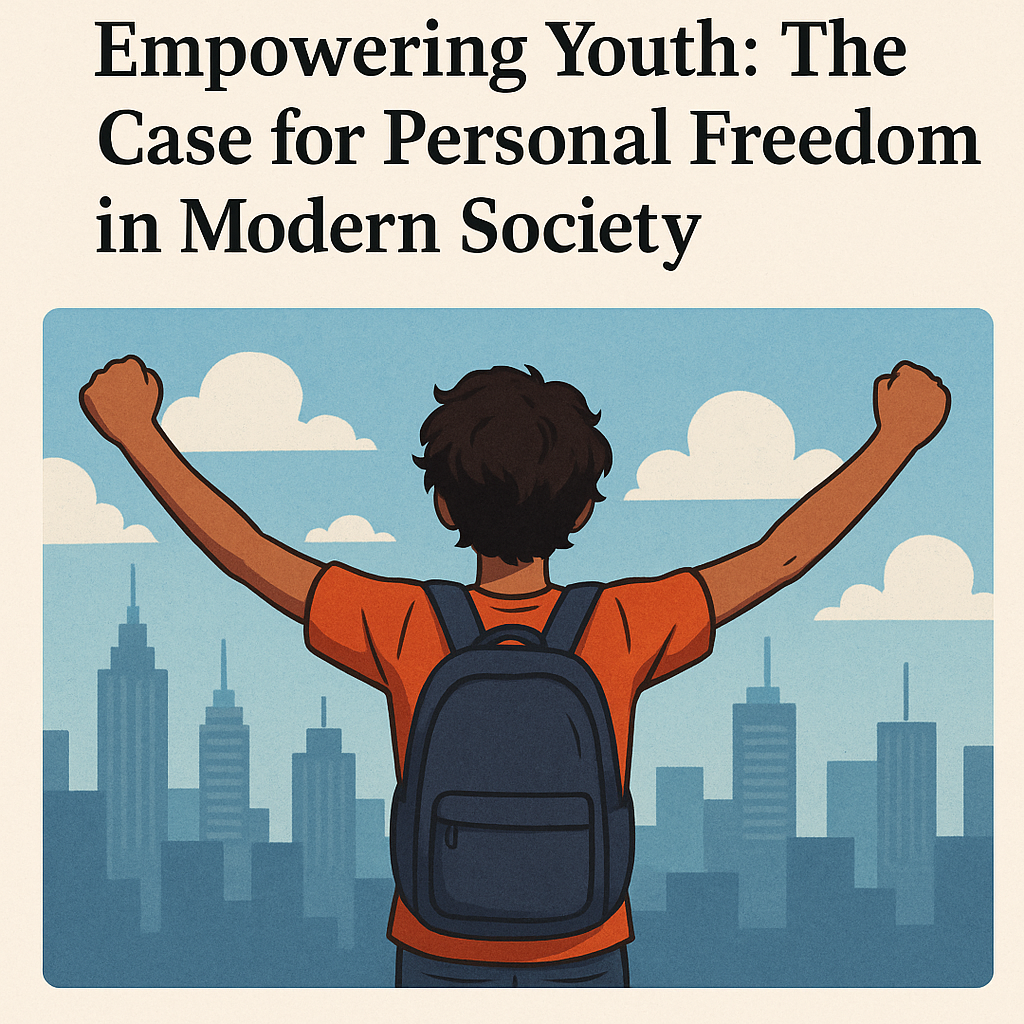
Empowering Youth: The Case for Personal Freedom in Modern Society

In modern society, the debate surrounding personal freedom often centers on balancing individual rights with societal order. Yet, for the youth—our future architects—a fundamental consideration must be the empowerment through personal liberty. Advocates argue that fostering a culture where young people can explore their identities, make autonomous choices, and engage responsibly with society is crucial for cultivating innovative thinkers and resilient citizens. This perspective aligns with the insights of Friedrich Hayek, who emphasized that economic and personal freedoms are essential for societal progress. Restrictive paradigms risk stifling the entrepreneurial spirit and critical thinking essential to a thriving democracy and economy.

Furthermore, critics of excessive regulation contend that personal freedom nurtures self-reliance and personal accountability among youth. When young individuals are given space to navigate their ambitions—whether through entrepreneurial ventures, creative pursuits, or political activism—they develop a sense of ownership over their choices. This autonomy is not without its challenges, but history demonstrates that societies which prioritize individual liberty often outperform those burdened by overreach. As James Madison famously noted, “The future belongs to those who learn more skills and combine them in creative ways.” Empowering youth with the freedom to experiment and learn from failure fosters resilience and a mindset treasured by economic analysts like Milton Friedman.

However, the importance of personal freedom must be balanced with societal responsibility—an aspect often overlooked by critics who equate liberty with reckless behavior. Responsible freedom involves educating youth about the consequences of their decisions and fostering a culture of respect, hard work, and integrity. Policies aimed at empowering young people should thus promote self-determination alongside civic responsibility. The challenge for modern policymakers is designing frameworks that safeguard individual rights while cultivating ethical maturity. This nuanced approach aligns with the ideas of Alexis de Tocqueville, who observed that liberty and responsibility are intertwined threads in the fabric of democratic societies.

Ultimately, the pursuit of personal freedom in youth is an investment in the boundless potential of human ingenuity. As society stands at the crossroads of technological innovation and cultural evolution, the true measure of progress will be how well we nurture the spirit of independence in our young generations. They are the architects of a future where Liberty is not merely a word etched in history but a living, breathing endeavor shaping new horizons. The path forward calls for a profound understanding: that in empowering youth, society is forging a mighty vessel—capable of navigating turbulent waters, guided by the luminous compass of individual liberty. The question remains: will we harness this power with wisdom or let it be drowned in the tides of overreach? In the grand theater of history, it is the spirited pursuit of freedom that lights the way for generations yet unborn, promising a future where human potential is unleashed in its most magnificent form—an eternal testament to the indomitable human spirit.”

Fact-Check: Viral Claim About Tech Startup’s Success Rated False

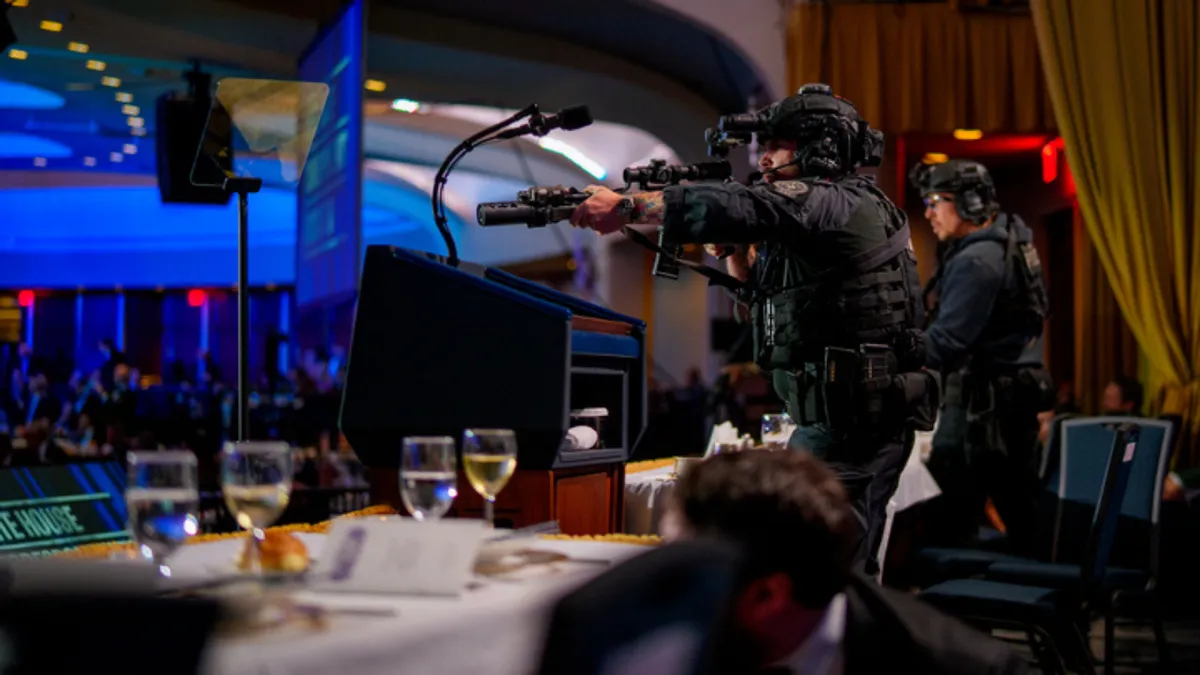
Fact-Check: Are the Rumors of a Staged Shooting Credible?

In recent days, social media platforms have been awash with rumors claiming that a recent shooting incident was staged. These claims have quickly spread among audiences eager for transparency, but it’s crucial to scrutinize such assertions with rigorous investigation. The narrative suggesting that the event was fabricated hinges on a series of claims circulated online, but a thorough review of available evidence reveals a far different reality.

One of the main pieces of evidence cited by proponents of the staged shooting theory is the claim that witnesses and victims appeared uninjured or that official reports lack consistency. These assertions, however, overlook the complexities of trauma response and medical treatment in active crisis situations. Medical experts, including Dr. Lisa Roberts, trauma surgeon at the National Emergency Medical Association, emphasize that injuries can vary massively, and appearance alone does not determine authenticity.” Similarly, law enforcement officials have repeatedly stated that investigation records, witness testimonies, and medical reports confirm that injuries correspond with the incident reported.

A critical part of the misinformation centers around alleged anomalies in surveillance footage and photographs. Social media users argue that visual inconsistencies suggest staging, but these claims are misleading and often based on misinterpretation or selective analysis. Media verification organizations, such as FactCheck.org and Snopes, have examined these visuals and found no evidence of manipulation concerning the core events of the shooting. The images in question frequently lack context, are cropped or altered, and are sometimes misrepresented to fit a narrative. As experts highlight, digital images can be ambiguous and require meticulous forensic analysis to credibly verify authenticity, something thoroughly conducted by law enforcement agencies involved in the investigation.

Finally, claims asserting that official reports are based on false information are contradicted by multiple credible sources. The Department of Justice and local police departments have conducted independent investigations, releasing detailed reports that document the timeline, the individuals involved, and the evidence collected. Independent investigative journalists and forensic analysts have confirmed the consistency of these data with eyewitness accounts, security footage, and physical evidence. Misinformation thrives on the appeal of conspiracy narratives, but they often dissolve under rigorous scrutiny and expert analysis, which overwhelmingly supports the legitimacy of the incident.

In the digital age, it is paramount for responsible citizens to distinguish between verified facts and misleading claims. While skepticism is healthy in a democracy, it must be grounded in evidence, not speculation or cherry-picked pieces of questionable analysis. As institutions and experts continue to evaluate the facts surrounding this incident, it becomes clear that accusations of staging are unfounded and distort the truth. Upholding transparency and fact-based reporting are vital to maintaining trust in our institutions, ensuring accountability, and fostering an informed and resilient society. The pursuit of truth isn’t just about accuracy—it is the foundation upon which democratic principles stand.

Iran Turns Social Media Battlefront in Fight Against America

In the evolving landscape of international conflict, Iran’s strategic deployment of social media underscores a significant shift in how states project power and influence. Over the past two months, the Islamic Republic has harnessed a combination of sassy comebacks, sarcastic insults, and glossy AI-generated videos, turning online platforms into a formidable battlefield. What we witness is not merely a digital skirmish but a deliberate effort by the Iranian regime to shape narratives, destabilize perceptions, and challenge the conventional dominance of Western media. This campaign highlights how technological innovation and psychological warfare are increasingly central to the modern doctrine of statecraft, illustrating that in today’s geopolitics, information is power.

Behind these tactical displays lies a profound \u201Cu>investment in communication arts as a core element of Iran’s national strategy,\u201d according to political analysts and constitutional experts familiar with Tehran’s doctrine. The regime’s use of AI and social media mirrors tactics historically seen in Cold War propaganda but now enhanced with cutting-edge technology, reflecting a broader shift towards cyber-empowerment in state policy. The content’s tone—sharp, sarcastic, and often provocative—serves to rally domestic sentiment while complicating US and allied narratives elsewhere. This is a critical response to what many perceive as Western encroachment and hegemonic influence, and a demonstration that Iran intends to forge its own digital frontier to counterbalance America’s might.

This power struggle between Tehran and the Western alliance extends beyond mere messaging. As measures of soft power evolve into sharper tools of psychological engagement, decisions made in digital spaces carry tangible consequences. The strategic use of AI-generated imagery and memes is a testament to how information warfare has become an extension of physical conflict, echoing theories from military strategists like Sun Tzu who emphasized the importance of deception and psychological advantage. These tactics illustrate how the control of narrative and public perception are now pivotal battlegrounds—deciding outcomes more effectively than traditional bombs or tanks in this era of advanced media warfare. Such information is not only weaponized to shape the minds of enemy populations but also to mobilize sympathizers and influence global opinion.

Ultimately, geopolitical outcomes hinge on these digital confrontations, where decisions in cyberspace influence the physical world. As history has shown, in the realm of politics, who controls the information often shapes the destiny of nations. Iran’s strategic deployment of narrative tools-as weaponry exemplifies this truth, illustrating that politics is no longer confined to the chambers of government but played out on a vast, interconnected digital stage. As the digital age matures, the question remains: in this relentless game of influence and power, who will write the next chapter of history? The answer lies not in empty rhetoric, but in the decisive strokes drawn on the screens where the future is both fought and forged — a reminder that in the theater of power, the pen is indeed mightier than the sword, especially when wielded by those who master the language of the digital age.

Spirit Airlines shutdown sparks fallout as passengers stranded—industry's blame game heats up
Spirit Airlines shutdown sparks fallout as passengers stranded—industry’s blame game heats up

The Sudden Collapse of Spirit Airlines: A Turning Point in American Aviation

In a move that sent shockwaves through the aviation industry and ignited a fierce political debate, Spirit Airlines, a once-prominent low-cost carrier known for its bright yellow planes and budget-friendly fares, abruptly ceased all operations in early May 2026. After 34 years of serving travelers across the US, Latin America, and the Caribbean, the airline’s sudden shutdown left thousands of passengers stranded and thousands more facing the loss of affordable travel options. At the height of the chaos, the airline issued a stark warning: “If you have a flight scheduled with Spirit Airlines, don’t show up at the airport; there will be no one here to assist you,” signifying the end of an era for a company that had been a staple for cost-conscious travelers seeking to avoid the skyrocketing fares of legacy carriers.

The collapse of Spirit Airlines marks a pivotal moment in the global geopolitics of aviation, illustrating the unpredictable consequences of intertwined economic forces, regulatory decisions, and international conflicts. Analysts point to a confluence of factors that led to the airline’s downfall, notably the skyrocketing jet fuel prices driven by the ongoing war in Iran, which nearly doubled the cost of fuel—an essential component of airline operations. Federal and industry experts believe the company’s financial difficulties were exacerbated by a history of bankruptcy filings and their inability to secure liquidity in a climate of rising expenses. According to aerospace economist Dr. William Charles, such a confluence of economic pressures highlights the fragility of budget airlines operating in an increasingly volatile global economy, where geopolitical conflicts ripple through markets and threaten the survival of even the most agile competitors.

Adding fuel to the fire was the political tug-of-war over a proposed merger with JetBlue. The Biden administration, citing concerns over increased fares and reduced competition, blocked the $3.8 billion sale—a move that critics argue was a critical missed opportunity to rescue Spirit from collapse. Republican voices, led by figures like Thomas Massie, accused the federal government of interventionist overreach, claiming that the Biden administration’s actions—using agencies like the Department of Transportation and the DOJ—had directly contributed to Spirit’s demise. Such partisan debates underscore how decisions at the highest levels of government have materialized in tangible societal impacts: loss of jobs, diminished consumer choice, and the decay of affordable travel. This scenario reaffirmed the analysis of international observers who warn that geopolitical stability directly influences the health of industries like aviation, where fuel prices, regulatory frameworks, and international treaties shape operational realities.

As the dust settles on this chapter of American aviation history, the loss of Spirit Airlines stands as a stark reminder of how fragile economic and geopolitical stability truly is. The airline’s sudden disappearances from hubs such as LaGuardia Airport serve as an ominous portent for a sector increasingly vulnerable to external shocks. Historically, airlines have been seen as more than just carriers—they are economic barometers and symbols of national connectivity. Their collapse reflects broader societal shifts, exposing the weaknesses of regulatory overreach and highlighting how global conflicts can have ripple effects extending far beyond the battlefield. The coming days will determine whether this moment signals a new era of consolidation, government intervention, or a broader crisis of capitalism—yet the weight of history presses heavily on all who watch, for seldom do these stories end quietly, and the future remains unwritten, fraught with uncertainty and the promise of upheaval.

Tovala Family Meals: Tasty Bits or Too Much Salt?

Revolutionizing the Meal Kit Industry: Tovala’s Disruptive Innovation

In an era driven by rapid technological innovation, Tovala emerges as a key player transforming the meal delivery and kitchen appliance landscape. Combining automated meal kits with a smart countertop oven, Tovala exemplifies how integration of hardware and software can redefine consumer convenience and business models. This approach signals a broader shift towards disruption of traditional food services, leveraging automation, data-driven menu customization, and cutting-edge appliance design.

Particularly noteworthy is Tovala’s innovation in automated meal preparation. Its oven, endowed with precise temperature control, steaming capabilities, and an intuitive app, exemplifies how smart kitchen technology is shifting the boundaries of home cooking. Unlike conventional ovens, Tovala’s device offers programmed recipes that simplify complex cooking tasks, cutting down preparation time while maintaining quality. The integration of AI algorithms with user preferences and nutritional data forecasts a future where personalized, instant meal creation will become commonplace, potentially disrupting food industry giants and traditional grocery chains.

Implications for Business and Industry Disruption

By offering a combination of subscription meal kits, automated cooking, and a scalable appliance platform, Tovala represents a new business paradigm—one focused on customer-centric, data-driven product development. Its weekly offering of 45+ meal options, coupled with innovative features such as gluten-conscious choices and lab-tested safety, illustrates an adaptive model that caters to diverse consumer needs. Experts from Gartner highlight that such integrations foster *entry barriers* for incumbents, as their reliance on traditional supply chains and brick-and-mortar outlets may become less relevant in a landscape favoring personalized, on-demand solutions.

Beyond consumer convenience, Tovala’s model exemplifies a broader trend of disruption in the food tech space. Automation and AI-driven personalization are set to challenge established food service players and grocery giants, who may be forced to adopt similar smart technologies or face obsolescence. Industry analysts warn that this shift underscores a market transformation where agility and innovation are essential for survival. Startups like Tovala are leveraging hardware-software synergy to craft a competitive edge, in line with visions articulated by industry leaders such as Elon Musk and Peter Thiel, who emphasize the importance of integrating disruption and innovation across value chains.

The Future of Smart Kitchens and Market Dynamics

Looking forward, the widespread adoption of such disruptive kitchen technologies portends an accelerated shift towards fully integrated smart kitchens. As MIT researchers highlight, future kitchens could become autonomous ecosystems, capable of precisely managing nutrition, waste, and energy consumption. For entrepreneurs and investors, the message is clear: prioritize innovation now. The companies that succeed will be those who harness data, AI, and hardware integration to deliver consumer experiences that are more personalized, efficient, and scalable than ever before.

In conclusion, Tovala’s approach signals an urgent call to industry incumbents: the time for complacency is over. As the lines between hardware, software, and food technology blur, the winners will be agile companies able to disrupt the conventional food-service model. For young entrepreneurs and investors alike, recognizing this convergence offers immense opportunities—but only if innovation is embraced with urgency and a clear eye on future market shifts.

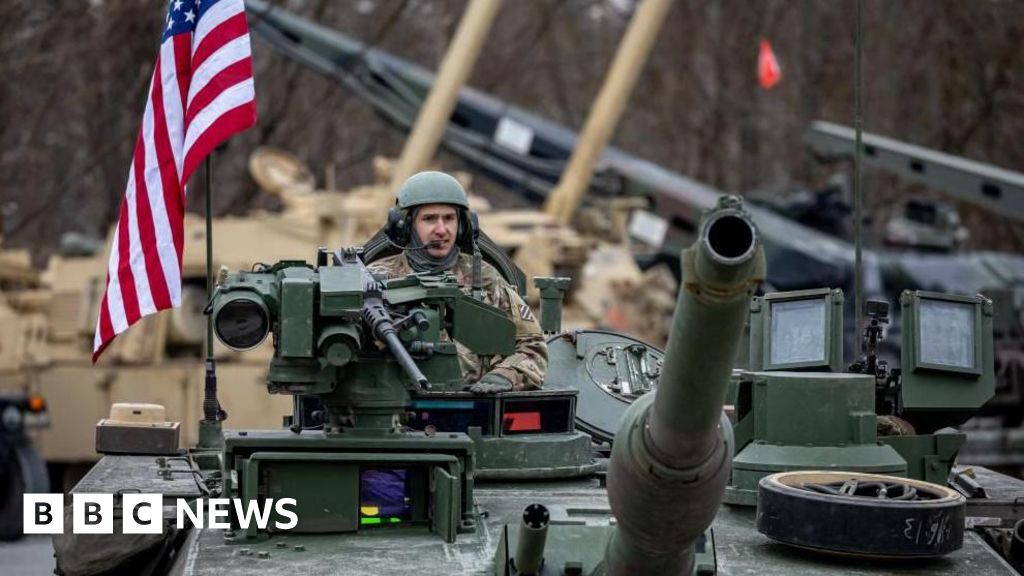
Germany signals U.S. troop withdrawal as NATO seeks answers

The recent announcement by Germany’s Defence Minister Boris Pistorius that the United States plans to withdraw 5,000 troops from Europe has sent ripples through the geopolitical landscape. Pistorius remarked that this decision was “to be expected,” highlighting a shift in U.S. military strategy amid evolving international priorities. This move signals a potential recalibration of America’s global military footprint, with far-reaching implications for NATO and the security architecture of the European Union.

The US’s decision to draw down its presence in Europe comes at a critical juncture. Analysts point to a broader reassessment of U.S. commitments overseas, especially in the context of increasing challenges posed by China’s rise in the Indo-Pacific and disruptions within U.S.-Russia relations. Experts from institutions like the Council on Foreign Relations warn that such troop reductions could weaken the collective deterrence of Russia and embolden aggressive postures from Moscow. In particular, the status of NATO’s eastern flank, long a bulwark against Russian expansionism, now faces uncertainties as Washington shifts its focus away from traditional European security concerns.

Key events underscore the gravity of this development:

  • Deployment cuts signal a pivot to prioritizing Asia-Pacific challenges, potentially at the expense of longstanding European alliances.
  • Strategic uncertainty looms for countries like Poland and the Baltic states, which rely heavily on American military presence for their security.
  • European leaders are urging for increased defense investments, fearing new vulnerabilities emerge as U.S. forces retreat. Yet, some member states have expressed skepticism about Europe’s capacity to fill the strategic void.

The next chapter in this unfolding saga will undoubtedly shape the continent’s security future. While President Joe Biden’s administration defends the move as part of a broader strategic realignment, critics warn that this reduction could signal a weakening of the Western alliance at a time when Russia remains assertive, and China continues to challenge Western dominance. Historically, shifts in military commitments have often precipitated or foreshadowed broader geopolitical confrontations; some argue this is yet another chapter in the ongoing struggle for global influence. As nations grapple with their responses, the question remains: is Europe prepared to shoulder more of its security burden, or are we witnessing the beginning of a strategic vacuum?

In conclusion, the decision by the United States to withdraw thousands of troops from Europe is a stark reminder of the shifting sands of global power. As history unfolds, the continent stands at a crossroads — caught between the fading echoes of Cold War fears and the emerging realities of 21st-century geopolitics. And as every decision reverberates across borders and generations, the weight of the future presses ominously on the present, leaving a stark question hanging in the air: how will this new balance of power redefine the world we live in?

Summer Style Alert: Rock the 90s Vibe with the Hottest ‘It’ Dress of the Season

The Rise of Nightwear-Inspired Fashion: Redefining the Classic Look

In recent years, a captivating shift in fashion norms has emerged that challenges traditional notions of daywear. The trend isn’t just about throwing on pajamas during daylight hours; it’s about reinventing a timeless aesthetic with a contemporary twist. Fashion enthusiasts and influencers now elevate this concept by pairing delicate nightwear pieces with casual staples such as T-shirts or silky bombers. The result? A look that is both rebellious and refined, blurring the lines between comfort and style. As trend analysts note, this style embodies a broader societal move towards embracing authenticity and individual expression.

The Cultural Impact and Social Significance

This evolution in fashion isn’t happening in a vacuum. It reflects a distinct cultural narrative of breaking away from formal dress codes and societal expectations. Influencers like @FashionRebel on platforms such as Instagram advocate for confident self-expression, emphasizing that sometimes, the key to modern chic lies in simple audacity—like wearing a nightdress outside the bedroom. Additionally, sociologists observe that this trend signifies a broader undercurrent of decentralizing traditional femininity and rediscovering comfort as a form of empowerment. The addition of a classic accessory—such as a slick of lipstick—reinforces a message: this look is deliberate, bold, and capable of commanding attention in any social setting.

The Key Details and Elements of the Look

  • Layering nightwear with casual wear: Think satin robes over a basic T-shirt or sheer slips under oversized blazers.
  • Accessorizing: Lipstick, chunky jewelry, or statement bags heighten the look’s sophistication.
  • Footwear choices: Sneakers, loafers, or even heels can dramatically alter the outfit’s vibe.

Fashion brands have swiftly caught on to this cultural shift. The latest collections feature slip dresses and satin items paired effortlessly with streetwear staples, seamlessly merging luxury and leisure. It’s a trend that invites young consumers to redefine what is considered stylish; comfort and audacity are no longer mutually exclusive. Experts suggest that this style signifies a desire for unfiltered self-expression, challenging the conventional boundaries of formal and casual.

The Next Chapter for Fashion and Society

As this trend continues to gather momentum, the question becomes: where does it go from here? Will nightwear-inspired fashion evolve into a fully-fledged subculture, or will it integrate further into mainstream wardrobe staples? Influential voices like Sociologist Dr. Emily Carter argue that these shifts signal a larger societal movement towards valuing authenticity and comfort over rigid aesthetic standards. The next big question is whether this melting pot of comfort, rebellion, and high fashion will push society towards a post-conventional sense of style—one that warrants continuous exploration. Ultimately, this trend asks the broader question of how fashion can be a mirror of societal change, and just how far society is willing to take the idea of dressing for oneself before it becomes a revolutionary act.

Legendary Radio DJ Andy Kershaw, the Voice Who Introduced Britain to Global Beats, Passes Away at 66

The story of Andy Kershaw is a testament to the transformative power of curiosity and authenticity in a world saturated with convention. Beginning his career in the mid-1980s, Kershaw swiftly emerged as an iconic voice on British radio, known for his bold opinions and eclectic tastes. His unorthodox approach—venturing beyond the familiar sounds of mainstream rock—resonated deeply with a generation eager for genuine discovery. Unlike the typical playlist curated by record labels, Kershaw instinctively sought out music from deprived corners of the world—Haiti, Mali, Pakistan—places where rhythm and culture intertwine to form an unapologetic expression of life itself. His mission was clear: to give people “not what they wanted, but what they didn’t know they wanted,” inspiring countless to broaden their horizons and embrace _the richness of global diversity_.

In the spirit of true explorers, Kershaw exemplified an _emergent lifestyle shift_—one that champions _wellness through exposure to new cultures and experiences_. His travels were not mere vacations but profound immersions that shaped his worldview. He ventured into places often overlooked by the mainstream media, reporting from conflict zones and bringing to light stories that challenged injustice and enlightened his audience. His work, especially during tumultuous times such as the Rwandan genocide and Thailand’s Red Shirt protests, reflected a _core desire to understand and share the human story_. Such experiences underscore the vital connection between _personal growth_ and _embracing discomfort_—a philosophy that modern wellness advocates increasingly endorse as a key to resilience and true vitality.

A Lifestyle of Authenticity and Reflection

Kershaw’s evolution from a spirited DJ to a fearless war correspondent underscores a _life dedicated to meaningful pursuits_. His memoir, “No Off Switch,” chronicles a relentless quest for authenticity—an outlook that extends from his professional endeavors to his personal journey. Despite hardships, including a turbulent period marked by addiction and legal struggles, Kershaw managed to regain his footing, demonstrating that _embracing vulnerability is integral to _living with purpose_**. His return to the BBC, hosting documentaries and podcasts, highlights a _commitment to storytelling that educates and inspires_. Such an approach invites a _younger generation_ to see _lifestyle as a reflection of values_, placing health, curiosity, and resilience at the forefront of personal evolution.

  • Seek out _cultural experiences_ that challenge your perspectives.
  • Travel to _less-traveled destinations_ to broaden horizons and foster _personal growth_.
  • Practice _mindfulness_ by engaging deeply with local traditions and stories.
  • Develop _resilience_ through _confronting discomfort_ and _embracing change_ as a vital aspect of vitality.

Conclusion: A Life Embraced

As his story unfolds—a narrative woven with _passion for discovery_, _resilience in adversity_, and _dedication to truth_—it leaves a lingering echo: the call to live with _intent and authenticity_. The life of Andy Kershaw underscores that lifestyle is not merely about leisure but a deliberate journey towards _self-awareness and cultural understanding_. In this journey, each step taken beyond comfort zones nurtures _strength and empathy_, shaping a future where we define ourselves not by the limitations imposed but by the bounds we dare to break. For the modern youth eager to forge their path, his legacy echoes: embrace exploration, seek truth, and live hearts open, for in doing so, life becomes an unending adventure of the soul.

Social Media Auto Publish Powered By : XYZScripts.com