Matox News

Truth Over Trends, always!

Man faces serious charges in tragic case involving 5-year-old Aussie girl

The tragic death of a young girl has ignited a wave of violence in a once-peaceful central Australian town, marking a troubling shift in the region’s social stability. This incident, which shocked communities and prompted widespread grief, has inadvertently become a catalyst for ongoing unrest, illustrating how single acts of tragedy can escalate into broader geopolitical and societal conflicts. As authorities grapple with restoring order, international observers and regional analysts are warning that such disturbances may reflect deeper undercurrents of neglect, systemic inequality, and unresolved tensions that threaten to destabilize the area further.

The disappearance of the girl initially sparked a local investigation, but the situation quickly spiraled into violence, with protests turning into riots that tore through the town. The underlying motives for the unrest, according to experts and community leaders, are rooted in historical grievances and racial tensions perpetuated over decades. Indigenous communities, which represent a significant demographic in the region, have long suffered from marginalization and limited access to essential services, issues that have been persisting in silence until this tragic event ignited a broader outcry. International organizations, such as the United Nations, have expressed concern over reports of escalating violence, emphasizing the need for systemic reform and greater engagement with affected communities.

From a geopolitical perspective, the fallout from this incident extends beyond domestic borders, raising questions about regional stability and the effectiveness of local governance. Analysts point out that the situation is emblematic of a larger pattern seen in other parts of the world—where unresolved historical grievances and social inequalities foster volatile environments ripe for conflict. The incident serves as a stark warning about the fragility of social cohesion in remote regions and the importance of proactive policies aimed at addressing root causes of unrest. The Australian government, under pressure from both domestic and international actors, has promised investigations and reforms, yet many argue that true change requires confronting entrenched structural issues that have plagued the nation for generations.

Historically, similar flashpoints have served as turning points—potential catalysts for broader societal and political transformation or, conversely, for sustained conflict if left unaddressed. Renowned historians caution that the way forward must be rooted in justice and inclusion, lest the cycle of violence repeat itself. As the dust begins to settle, the question remains: will this tragic episode be a wake-up call for nation-states worldwide or simply another chapter in an ongoing saga of neglected societies? The weight of history presses heavily on all involved, with the world watching as the delicate balance of peace and chaos teeters on the edge. Whether the resolution lies in renewal or rupture, the unfolding narrative invites us all to ponder where the lines are drawn between justice and unrest, and how nations choose to forge their futures amidst the shadows of their past.

Cote Brasserie Owner Saves The Real Greek, Boosting Local Business and Jobs

Market Impact and Chain Consolidation Signal Broader Economic Trends

The recent acquisition of all but nine outlets within a prominent Mediterranean restaurant chain by the Karali group marks a significant development in the regional hospitality industry. As the family-owned enterprise consolidates control over the majority of the chain’s 28 outlets, this move underscores a broader shift toward localized management and strategic repositioning within the sector. Experts suggest that this transition highlights the resilience of traditional business models amid turbulent economic conditions and evolving consumer tastes. According to industry analysts at Euromonitor International, such consolidations often serve as a prelude to operational restructuring that aims to enhance profitability and streamline supply chains, which are increasingly strained by global geopolitical uncertainties.

The market impact of this take-private trend extends beyond the hospitality industry. It reflects a wider pattern of regional economic resilience, especially within sectors that are heavily impacted by fluctuating imported food costs, labor shortages, and tightening regulatory frameworks. As noted by economists at the International Monetary Fund, such strategic local control can act as a buffer against external shocks, allowing businesses to adapt swiftly to policy updates and market fluctuations. This move by the Karali family demonstrates confidence in their ability to leverage local knowledge to adjust menus, optimize staffing, and reduce costs effectively—a critical factor in maintaining competitiveness within a challenging economic environment.

Meanwhile, this shift carries significant policy consequences. Governments across the Mediterranean region are closely monitoring these industry realignments as they may influence employment rates, local sourcing policies, and the regulatory landscape. The trend towards more family-led ventures could prompt policymakers to re-evaluate small business incentives, potentially fostering greater entrepreneurial autonomy and localized economic development. Furthermore, investors are watching these developments carefully, considering opportunities for portfolio diversification within emerging markets characterized by such resilient family-owned entities. As Dr. Katherine Chen, a senior economist at the Heritage Foundation, suggests, these consolidations reflect a strategic response to economic pressures that could re-shape the hospitality sector over the next decade, making it more adaptable and locally focused.

Looking ahead, the evolving landscape of Mediterranean hospitality signifies more than just a market shift; it represents a dynamic stage where national economic identities and entrepreneurial spirits converge to shape future prosperity. Such strategic consolidations are poised to drive innovation, reinforce regional economic sovereignty, and foster a sense of resilience—attributes crucial in an era marked by geopolitical shifts and technological transformation. As nations rethink their economic strategies, the role of family-based enterprises as pillars of stability and growth becomes increasingly evident, fueling a future where local businesses wield greater influence on global scales. This is the rhythm of nations forging their economic destiny, setting the stage for a resilient future built on the enduring strength of local enterprise and strategic adaptation.

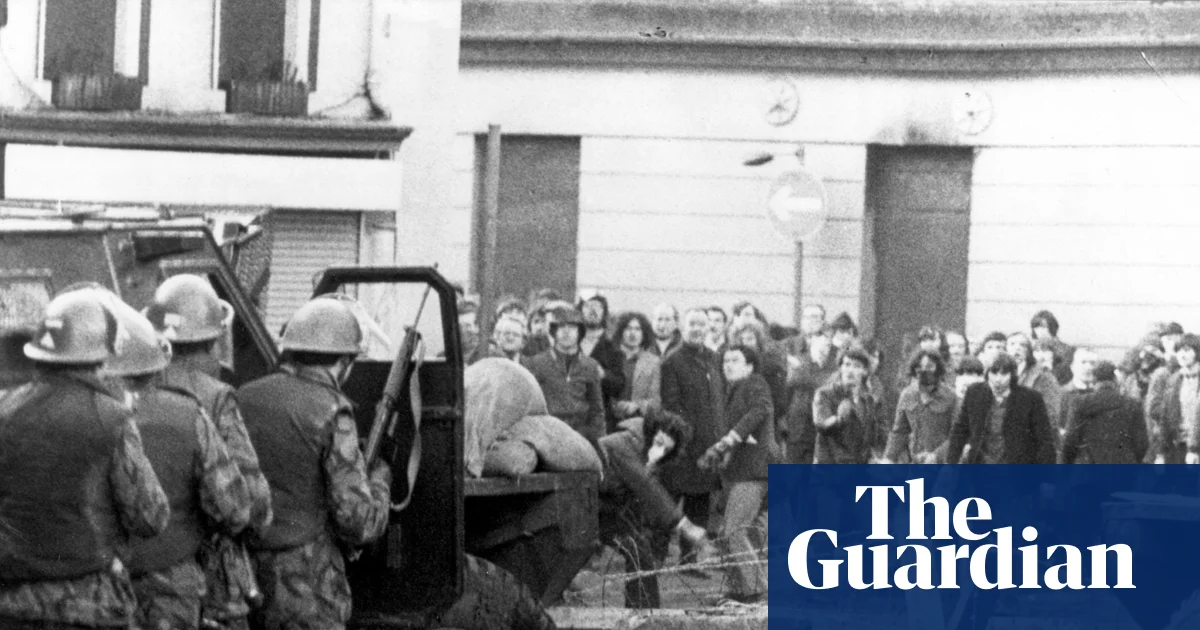
Badenoch Apologizes After Using Bloody Sunday Footage to Support UK Veterans

In the turbulent landscape of British politics, where ideological battles are often fought behind the veneer of democratic process, recent developments underscore how decisions made behind closed doors ripple outward, influencing lives and shaping national destiny. The controversy surrounding Kemi Badenoch, the current Conservative Party leader, exemplifies the intense power struggles that define contemporary governance. Her disavowal of social media content employing a graphic video from Bloody Sunday, a seminal event in Northern Ireland’s troubled history, reveals how symbolic images are weaponized in the culture wars. This incident underscores the fragile boundary between political advocacy and the manipulation of history, unmasking the raw contest over narrative control and which voices are deemed legitimate in shaping the future.

At the core of this controversy lies not merely a misstep but a fundamental conflict over the moral and political interpretation of trauma. The use of footage from the 1972 massacre—where British soldiers opened fire on unarmed civil rights protesters—was criticized for being an opportunistic weaponization of history, stirring wounds that many argue should be approached with nuance and respect. Badenoch’s explicit statement that she did not approve the post, and that it was disseminated by “very young people,” highlights a common pattern in modern politics: the scapegoating of youth in social media battles. Here, the overarching question confronts us: who holds the moral authority to define Britain’s collective memory? As constitutional experts remind us, decisions like these are emblematic of larger power struggles—not just between political parties but within society itself—where narratives serve as battlegrounds for ideological dominance. These incidents become a lens through which we observe the ongoing contest of who controls the history and, by extension, the future.

Such conflicts resonate with the broader historical parallels that echo through the corridors of political thought. The battle for narrative control recalls the debates of theorists such as Leo Strauss, who emphasized the importance of controlling the “noble lie” that sustains political order, or the confrontations described by Gordon S. Wood regarding the American Revolution—where the very stories nations tell about themselves determine their resilience or fragility. The decision to employ or reject images like Bloody Sunday is thus not merely a matter of social media strategy but an revelatory act in the ongoing power struggle over morality, legitimacy, and national identity. The stakes are high: who controls the narratives, ultimately controls the destiny of the nation.

As the political stage continues to evolve, the decisions that shape our collective memory will determine whether Britain remains a land of open dialogue or a battleground for ideological dominance. The controversy surrounding Badenoch is more than a fleeting scandal; it is a mirror reflecting the essential truth — that politics is where the fabric of history is woven, and power struggles write the chapters of tomorrow. As history unfolds in real time, one must ask: in this relentless game of influence and narrative, who will emerge as the true custodians of Britain’s future? The answer lies not in the past, but in the choices made today—each one a stroke on the canvas of destiny, where the stage is set for the unfolding drama of power, morality, and national identity.

Iran war boosts Ukraine's position—are talks with Russia on the horizon?
Iran war boosts Ukraine’s position—are talks with Russia on the horizon?

In the evolving landscape of modern warfare, drone technology has emerged as a disruptive force, reshaping how nations defend themselves and project power. Recent developments underscore a stark contrast in military economics: while advanced missile systems continue to command costs running into hundreds of millions, the advent of cheaper, mass-produced drones like the Iranian Shahed has introduced a new paradigm of asymmetric warfare. A single Shahed can cost between $80,000 and $130,000, a fraction of the price of traditional air defense missiles—yet its impact is disproportionately significant. Ukrainian President Volodymyr Zelensky has highlighted this advantage, asserting that such drones can be intercepted with systems costing as little as $10,000, a stark contrast to the multi-million-dollar expense of conventional missile interceptors.

This discrepancy underscores a broader geopolitical impact: nations facing economic or technological disadvantages in advanced missile defense are increasingly vulnerable to swarms of low-cost drones. Experts and analysts warn that these inexpensive yet effective UAVs threaten to LEVEL the playing field, empowering smaller or less-funded nations and non-state actors to challenge bigger powers’ military dominance. The strategic calculus is shifting—where previously, high-cost systems limited vulnerable targets, the proliferation of inexpensive yet lethal drones now demands significant investments in layered, multi-domain defense systems. As international security organizations scrutinize this trend, some nations are beginning to reconsider their military procurement priorities, recognizing that kinetic costs are no longer the sole measure of a drone’s threat level.

The Ukrainian defense strategy exemplifies this new era, fighting off relentless drone assaults despite limited resources. By emphasizing the cost-efficiency of their systems, Kyiv is illustrating an important lesson to global powers: asymmetric threats can be countered not solely with expensive technology but also with versatile, adaptable defense networks. Meanwhile, Russia and Iran continue refining their drone technology, leveraging these assets for strategic leverage in the ongoing conflicts in Eastern Europe and the Middle East. The United States and European Union are responding by accelerating investments in counter-drone systems, but critics argue that the tide of cheap UAVs presents a persistent challenge that cannot be fully contained through traditional means.

Looking ahead, historians and analysts suggest that we are witnessing a *turning point* in military history—one where the balance of technological power could rapidly shift in favor of those wielding small, inexpensive drones capable of inflicting significant damage. As international diplomacy grapples with these new realities, the risk of escalation and proxy warfare multiplies. The United Nations warns that unchecked proliferation of drone technology could destabilize fragile regions and ignite new conflicts. Whether this technological revolution leads to greater security or fuels a dangerous arms race remains an open question, but one thing is clear: the decisions made today will define global stability for decades to come. The chronicles of history are being written in the skies, and the future of warfare stands on the cusp of an unsettling transformation—one marked not by the grandeur of traditional combat but by the silent, relentless swarm of small UAVs, rewriting the blueprint of power in the 21st century.

Oscars block AI-created actors and scripts — the future of Hollywood stays human-driven

Hollywood Sets the Stage: AI Regulations Reshape Creative Norms

The Academy of Motion Picture Arts and Sciences has unveiled a groundbreaking set of regulations addressing the integration of generative artificial intelligence (AI) in filmmaking. In a move that signals a decisive shift towards safeguarding human creativity, the new rules specify that only performances credited in the film’s legal billing and demonstrably performed by humans with explicit consent will be eligible for Oscar recognition. Furthermore, screenplays must be human-authored to qualify for awards. These measures are emblematic of Hollywood’s broader attempt to clamp down on AI’s encroachment into traditionally human-dominated domains, and their implications ripple far beyond cinema, challenging technological innovation’s role in creative industries.

The academy also asserted the right to request detailed disclosures regarding a film’s AI usage and human authorship, reinforcing a desire for transparency in an era increasingly dominated by machine-generated content. This regulatory stance comes at a time of intense industry debate around AI’s disruptive potential—a debate fueled by high-profile projects such as an AI-generated Val Kilmer portrayal and the emergence of AI “actors” like Tilly Norwood. Such innovations threaten to revolutionize casting, scriptwriting, and production workflows, but also raise pressing questions about authenticity, intellectual property, and industry integrity.

Aside from Hollywood’s showcase, disruption extends to the written word. An independent publisher has rescinded a novel over AI deployment concerns, and writers’ associations are increasingly vocal about AI making literary works ineligible for prestigious awards. The trend highlights a growing industry-wide skepticism about AI’s role in creative excellence, with major players such as Gartner and MIT warning about the potential erosion of craftsmanship and originality.

The future of these industries hinges on how policymakers, creators, and technologists navigate this rapidly evolving landscape. Innovation cannot be halted, but its trajectory must be carefully managed. The disruption unleashed by AI technology—whether in filmmaking, literature, or other creative fields—presents a critical inflection point. Major firms, including tech giants and entertainment conglomerates, must adapt swiftly to the emerging standards, or risk falling behind as new forms of originality and authenticity redefine cultural value. Industry experts warn that those who fail to establish clear boundaries risk being overwhelmed by an influx of cheap, machine-generated content that undermines human artistry.

Looking ahead, the industry faces a stark imperative: to harness AI’s transformative power for innovation and competitive advantage, while safeguarding the core human elements that define creativity. The accelerated pace of technological disruption demands not only regulatory vigilance but also a strategic recalibration—one that prioritizes quality, ethics, and authenticity. As Hollywood and beyond grapple with these changes, it becomes clear that the next frontier of entertainment and literature will be shaped by those bold enough to craft a future where human ingenuity and advanced technology coexist—carefully balanced, and fiercely defended.

Jefferson Lewis Charged with Murder in Kumanjayi Little Baby Case Near Alice Springs

The recent case emerging from Australia’s Northern Territory underscores a troubling intersection of local societal issues with broader geopolitical concerns about Indigenous communities and justice. The brutal murder of five-year-old Kumanjayi Little Baby has shocked the nation, prompting intense media coverage and public outcry. In this tragic incident, police have formally charged Jefferson Lewis, 47, with her murder after her body was discovered following days of a widespread search. The girl’s disappearance from her family’s camp near Alice Springs is a stark reminder of ongoing challenges faced by Indigenous Australians, particularly in remote areas where social disparities and systemic neglect are prominent.

This case has broad implications that extend into international discussions about Indigenous rights and justice. Analysts have pointed out that incidents like these often heighten pressures on the government to address longstanding issues of poverty, violence, and marginalization within Indigenous communities. While local law enforcement works through the tragedy’s legal ramifications, international organizations such as the United Nations highlight the importance of culturally sensitive approaches in addressing crimes involving Indigenous populations. Indeed, Kumanjayi Little Baby’s name is now used in line with her family’s cultural traditions, underscoring the profound respect for her memory and the urgent necessity for change. The tragic loss raises urgent questions about effective intervention strategies and the responsibilities of authorities in protecting vulnerable children in isolated territories.

  • The girl was last seen alive at 11:30 pm, and her disappearance was confirmed when her family checked on her two hours later.
  • Volunteer efforts, supported by hundreds of community members, spanned five days before her body was found, illustrating both resilience and the failures of current safeguards.
  • Lewis’s arrest and remand highlight ongoing challenges within the justice system regarding accountability and cultural sensitivities.

From a geopolitical perspective, this incident emphasizes how internal security and social issues in nations like Australia serve as microcosms of larger global struggles—where marginalized groups demand justice and recognition amidst political neglect. The case catalyzes international debate around Indigenous sovereignty, systemic reform, and the delicate balance between state authority and cultural respect. Many analysts point to the importance of reforming policies that address root causes of violence and neglect in remote areas, arguing that local tragedies often mirror gaps in national and international policy. Meanwhile, historians and human rights observers warn that ignoring these issues risks further alienating Indigenous peoples and exacerbating social divisions.

As the trial of Jefferson Lewis advances in Darwin, the eyes of the world remain fixed on this unfolding tragedy. The story of Kumanjayi Little Baby, once a name known only to her family, now echoes across continents, symbolizing the urgent need for systemic change and true justice. Yet, behind every court hearing and police statement lies a haunting question: How many more children will suffer before the international community and local governments unite to forge meaningful solutions? The fate of this young girl, and countless others like her, continues to frame a stark narrative—one where history’s pen writes the enduring story of societal failings, and the future hinges on whether humanity responds with decisive action or turns a blind eye, leaving the echoes of tragedy to reverberate through generations to come.

State redistricting heats up after Supreme Court’s Voting Rights Act decision

The recent Supreme Court decision to strike down a *majority-Black congressional district* in Louisiana has sent shockwaves across the political landscape, exemplifying the fierce power struggles that define American governance. This ruling not only revisits longstanding debates about fair representation but also exposes the fragile balance of influence between different branches of government, as well as between states and the federal judiciary. It signals a pivotal moment in the ongoing fight over how demographic realities are translated into political power.

The court’s decision underscores the growing tendency among conservative justices to interpret the Voting Rights Act and related civil rights laws through a lens of *strict constitutionalism*. By ruling against Louisiana’s district maps, which were designed to ensure minority representation, the majority of justices have emphasized a strict adherence to the original intent of the Constitution, effectively challenging recent trends that aimed to rectify historical injustices through *preferential districting*. The ruling mirrors the mindset of constitutional theorists like *Alexander Bickel*, who warned against judicial overreach, and symbolizes a pushback against what conservatives perceive as judicial activism. This sets the stage for a broader ideological debate, where the judiciary becomes a battleground for determining the limits of racial considerations in electoral politics.

At the state level, reactions have varied widely, reflecting the power struggles that play out on the ground. In Louisiana, opponents argue that the decision jeopardizes gains made to diversify political representation, threatening to skew districts toward a *more homogenous* electorate aligned with conservative interests. Conversely, some states have begun to reconfigure their redistricting processes—shifting toward *nonpartisan commissions* and transparency reforms—to preempt future judicial interference and safeguard their electoral maps from ideological distortions. This divergence highlights how state sovereignty becomes the arena for contesting the future of democracy, as legislatures and courts clash over issues of racial justice, political representation, and the constitutional framework that underpins them.

The implications extend beyond immediate electoral concerns, laying bare the consequences of constitutional interpretations on how power is distributed among the people. For political theorists like *James Madison*, the structure of American government was designed to prevent tyranny by balancing various branches, but in recent years, this delicate equilibrium has shifted toward a judicialized politics. Such shifts influence who wields authority and how decisions are made — ultimately impacting the very fabric of *democratic participation*. As historians draw parallels to the struggles over civil rights in the 1960s, it becomes evident that these battles over districting are part of a larger narrative: a contest over the soul of America’s democracy, where each legal victory or defeat rewrites the script of who truly governs and how.

In this high-stakes game, politics is no longer merely the art of compromise but the forge where societal destinies are forged, weaponized, and rewritten. Whether through the courts, legislatures, or grassroots movements, the decisions made today will echo through generations—shaping a nation where power is continually contested, and the future is always uncertain. As history demonstrates, in politics, the true conquest is not just control of government but the mastery over the story of a nation itself—a narrative still being written, sentence by sentence, on the grand stage of democracy’s enduring struggle.

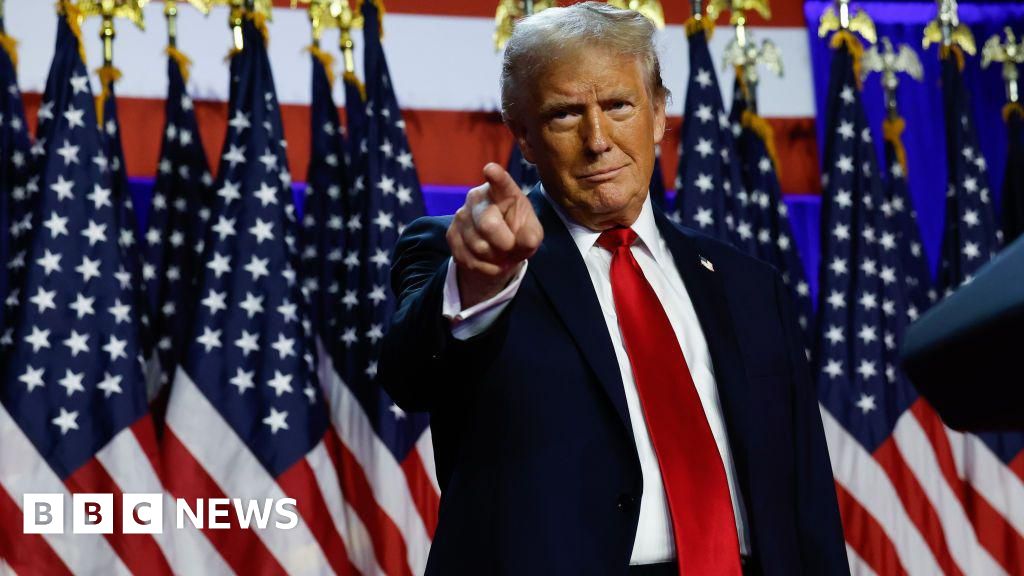
Voters will decide Trump's fate based on the economy
Voters will decide Trump’s fate based on the economy

The recent escalation of U.S. military actions in the Middle East has sent shockwaves through the global geopolitical landscape. President Donald Trump authorized targeted strikes on Iran, a move that has significantly destabilized a region already rife with tensions. These strikes, coupled with Iran’s subsequent decision to close the Strait of Hormuz, a critical route through which approximately 20% of the world’s oil passes, have created a geopolitical tinderbox that threatens to ignite a much larger conflict. Financial markets responded instantly: Brent crude, a benchmark for international oil prices, surged to $126—a four-year peak—before gradually retreating to $111. However, this volatile spike underscores an unsettling truth: the global economy remains heavily vulnerable to regional conflicts in the Middle East.

International analysts, including those at the International Energy Agency and leading geopolitical think tanks, warn that such disruptions not only threaten energy supplies but also accelerate the reshaping of global power architecture. Historically, control over the Strait of Hormuz has been a strategic cornerstone for Persian Gulf states, with Iran viewing any interference with its navigation routes as a desperate effort to counterbalance Western influence and uphold regional sovereignty. Conversely, the United States and its allies see these actions as necessary to curtail Iran’s regional ambitions and nuclear developments. The Trump administration has clearly signaled a willingness to challenge Iran’s assertive posture, but these moves risk further destabilizing a fragile peace and drawing in greater regional powers, including Russia and China.

Historically, the geopolitical impact of such crises has been profound, impacting not only regional stability but also global economic development. The surge in oil prices—signified by a spike of nearly 70 dollars—has rippling effects, from inflationary pressures in Europe and Asia to an intensification of energy insecurity among Western nations. Economists warn that sustained disruptions in oil supply could lead to a chain reaction of economic instability, potentially derailing recovery efforts post-pandemic. As international organizations scramble to contain the fallout, analysts emphasize that when energy markets are shaken, entire societies are at risk—especially those already grappling with economic inequalities and political unrest.

Looking ahead, the immediate question remains: how will this crisis redefine international diplomacy and the pursuit of strategic dominance? The unfolding drama in the Middle East echoes the warnings of historians and security experts who stress that conflicts over resources and regional influence have often foreshadowed larger global confrontations. As the world stands on the precipice of an uncertain future, the impact of these decisions will shape the geopolitical map for decades to come—whether as the catalyst for a new era of stability or a descent into chaos.

In this moment of history’s unfolding narrative, the urgency lies in understanding that the stakes are far beyond mere oil prices. They are about the balance of power, the sovereignty of nations, and the security of future generations. As ships remain stranded in a narrowed Strait, and global markets fluctuate like a pendulum, the echoes of this conflict will resonate through the corridors of power—reminding the world that in the struggle for dominance, history’s pen waits to record the decisive strokes.

University of Sussex scores win in free speech battle against regulator—victory for student voices

In recent discourse surrounding **education oversight**, critics have sharply condemned the Office for Students (OfS) for failing to live up to its mandate of impartiality and competence. An alarming critique has emerged, asserting that the OfS’s operational failures and questionable strategic direction constitute a devastating indictment of its ability to serve **community interests**. This criticism not only signals internal governance issues but prompts a broader societal reflection on how regulatory bodies impact **families, schools, and local communities**. As the government contemplates expanding the powers of such agencies, the stakes for societal cohesion become increasingly evident.

At the heart of these concerns lies the undeniable link between institutional oversight and the **educational environment** faced by young people and their families. When regulators are perceived as partisan or ineffective, the ripple effects threaten to erode the trust that underpins **social stability**. Without trustworthy oversight, **educational disparities** widen, often disproportionately affecting underprivileged communities. Sociologists like Dr. Laura Martins argue that effective regulation must be rooted in fairness and transparency, emphasizing that “the health of our **social fabric** relies heavily on institutions that are capable of fostering **equity**.”

Furthermore, the critique raises urgent questions about how social issues influence family stability and community resilience. When regulatory agencies are seen as unfit, **families** may lose confidence in the very systems designed to safeguard their children’s futures. Without proper governance, **educational inequality** tends to intensify, leading to an **entrenched cycle of disenfranchisement** for marginalized groups. This dynamic undermines societal cohesion and heightens tensions within **diverse communities**. A well-functioning oversight body, as argued by social commentators, is essential not merely for administrative accountability but for preserving the moral fabric of society—**a society where every child has the opportunity to thrive** regardless of socioeconomic background.

In confronting these complex social issues, some advocate for reform rooted in **community-led oversight models** and increased **accountability measures**.

  • Strengthening transparent governance structures
  • Investing in community engagement initiatives
  • Prioritizing policies that reduce disparities and uphold **ethical standards** in education

Such measures aim to restore public faith and ensure that **regulators** serve **families** and **communities** rather than individual political or bureaucratic interests. As social historian Dr. Samuel Harding notes, “true progress cannot be achieved in isolation; it emerges from the collective effort of a society committed to **justice and moral clarity**.”

Ultimately, society’s challenge remains: how do we rebuild trust in our institutions and foster **an environment where education is a beacon of equality and opportunity**? As society stands at this juncture, one can imagine a future where **regulatory bodies** are genuinely accountable to **the people they serve**—a society where the **social fabric** is woven tighter by the shared vision of justice and shared prosperity. No society is without its imperfections, but the resilience of a community lies in its capacity for transformation—hopeful, persistent, and committed to nurturing the potential of every new generation.

PM hints at limiting protests to maintain order and stability

In a recent statement to the BBC, Prime Minister expressed concern over the “cumulative” impact of marches on the Jewish community. This declaration underscores the ongoing tension between national security concerns and the exercise of civil liberties—an age-old chess match that continues to define the political landscape. While many see such marches as a form of free expression, the government’s framing of these demonstrations as potentially destabilizing raises questions about the boundaries of individual rights in the face of community safety. The incisive words from the PM serve not just as a reflection of current anxieties but also as a signal of how power struggles are shaping the social fabric, especially at the intersection of identity and state authority.

Historically, discussions surrounding the limits on free assembly have often pitted state security against civil liberties. Political theorists like John Stuart Mill emphasized the importance of free speech but also acknowledged that such freedoms could have harmful consequences if wielded irresponsibly. Today, constitutional experts debate whether the government’s recent rhetoric reflects a shift in constitutional interpretation—towards prioritizing social cohesion over unrestrained expressive rights. The decision to scrutinize or potentially restrict marches is rooted in a broader power struggle, one where governments seek to consolidate authority in the name of protecting communities, yet risk undermining the fundamental democratic principle that guarantees free expression. The delicate balance between security and liberty remains at the crux of this debate, where each decision reverberates through the collective consciousness, shaping how the people perceive their rights and their government.

Amid these tensions, political parties harden their narratives, with some aligned with law and order agendas emphasizing the preservation of social peace, while others advocate for robust protections of civil liberties. The government’s concerns may also reflect a strategic move to shore up support among voters who are increasingly wary of social unrest—and who see the government’s role as a guardian against perceived threats. This is reminiscent of historical parallels: the rise of authoritarian tendencies in times of social upheaval or the imperial logic that justifies overreach in the name of national stability. Such conflicts are not mere policy disputes but are indicative of the relentless power struggle over the future shape of society. The decisions made about these marches will define not only the limits of permissible expression but also how the state delineates its role in safeguarding what it deems the “common good.”

Ultimately, politics operates on a stage where power is constantly contested and where each decision writes part of the narrative that defines a nation’s destiny. As the government grapples with controlling dissent and managing community tensions, we are reminded that the course of history is often dictated in these moments of confrontation. The question remains: will the current policies forge a society grounded in enduring liberty, or will they steer us into a future where power is wielded less as a service to the people and more as an instrument of control? The answer, much like the outcome of this ongoing struggle, is yet to be written—on the pages where the destiny of nations is forever inscribed.

Social Media Auto Publish Powered By : XYZScripts.com